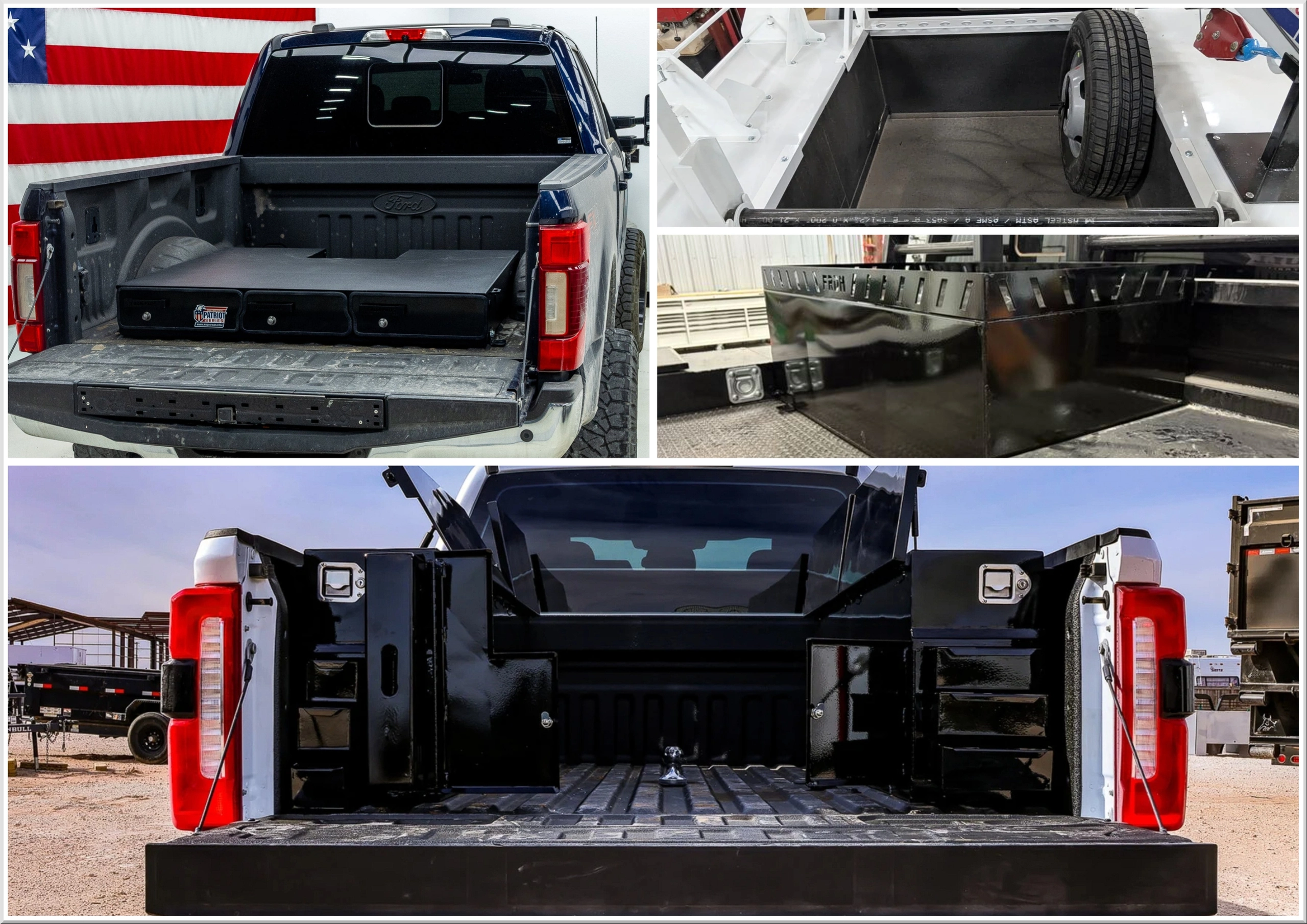
Any driver who plans to upgrade their vehicle for serious trail riding really needs custom metal fabrication. Factory bumpers, roof racks, and stock brackets just cannot handle the rough beatings of off-road conditions or heavy commercial work. Off-road trailers and heavy-duty trucks demand extra frame strength that simple stock sheet metal can never offer. The smartest way to start upgrading is by learning how to build custom metal parts tailored directly to the recovery tools or work equipment you want to install.
Looking through build guides like those on FRDM Fabs helps drivers understand how different materials behave and how custom chassis plates get built in real workshops. By studying these real-world fabrication build logs, choosing the right metals and welding methods to strengthen your own rig becomes much easier.
1. Choosing the Right Metal Alloy for Fabrication Projects
Selecting the right material changes how every part reacts when put under heavy load. Steel fabrication relies on several different alloys, each having its own specific advantages. Knowing these metal traits helps you pick the right material for your build.
Mild Steel
Mild steel is the most popular choice in workshops because it is easy to cut, bend, and weld without hassle. It does need a good protective coating or paint to keep from rusting. Even though it stays stiff and holds shape well under load—making it great for skid plates and simple brackets—it is still weaker than higher-grade alloys and rusts quickly if left exposed to wet weather.
Chromoly (4130)
Chromoly steel mixes chromium and molybdenum to achieve much higher tensile strength. Builders mostly use this alloy for strengthening vehicle frames and making custom exhaust piping. Chromoly tubes can have thinner walls than mild steel while staying just as stiff, which gives it a much better strength-to-weight ratio. However, working with chromoly tubing requires special tools and careful welding skills to get the joints right.
Aluminum (6061-T6, 5052-H32)
Aluminum sheets and tubes weigh roughly one-third of what mild steel or chromoly weighs. Thinner aluminum plates are popular for roof racks and bed mounts because they keep extra weight off the suspension. It also handles rust, pitting, and water exposure naturally. The downside is that welding aluminum takes high-end TIG equipment and good technique to prevent the thin metal from warping or melting through.
2. Explaining the Major Forms of Metal Fabrication
Custom vehicle builds use a mix of cutting, shaping, and joining methods. Usually, raw sheets and tubes go through precision cutting first before moving on to tube bending and final welding.
FABRICATION TECHNIQUES DIAGRAM
Precision CNC Laser / Plasma Cutting Sheet Metal Fabrication
│
▼
[ Design Templates ]
│
▼
CNC Laser or Plasma Cutting
│
▼
Tube Bending & Metal Forming
│
▼
TIG Welding Prep
│
▼
TIG or MIG Welding
│
▼
Structural Reinforcement & Final Touchup Welds
CNC Laser and Plasma Cutting
Computer-guided cutting machines give very clean, accurate cuts. Laser cutters easily slice through metal sheets and thick plates to prepare flat shapes for bending. CNC plasma cutters work great for cutting shapes out of tubing or flat steel, though the cut edges usually need some hand sanding or filing afterward to smooth out sharp burrs.
Rotary Draw Tube Bending
Off-road setups often need tubes bent into complex curves without crushing the metal. A rotary tube bender uses special dies and internal mandrels to curve the pipe cleanly. Unlike basic hydraulic pipe benders that crush or wrinkle thin metal walls, a mandrel bender supports both the inside and outside of the tube to keep the round shape intact.
TIG and MIG Welding Applications
Metal Inert Gas (MIG) welding feeds a continuous wire electrode while using shielding gas to protect the hot weld from air contamination. MIG welding is fast, versatile, and ideal for thick steel like frame braces and bumper mounts. Tungsten Inert Gas (TIG) welding uses a non-consumable tungsten rod to deliver precise heat. TIG is slower but works best for thin tubing, aluminum, and clean welds where neatness and detail matter.
3. Building Functional Armor for Off-Road Trailers
Custom fabrication lets you add extra strength and custom mounting points that factory vehicles never come with. You can make a rig much tougher by adding heavy-duty recovery spots, using thicker steel plates, or upgrading to stronger alloys than original parts.
Structural Frame Requirements
Aftermarket bumpers usually attach to the vehicle frame differently than stock ones do. Good bumper mounts should always spread the pull load across multiple frame bolts and use thick backing plates so the vehicle frame does not tear under stress.
Recovery Shackle Mounts
Tow points at the front and back need extra bracing so you can safely use snatch blocks during tough recoveries. Using thick steel plates prevents the bumper frame from twisting sideways when pulling a stuck vehicle up steep or muddy hills.
Approach and Departure Bumper Angles
A well-designed bumper keeps good ground clearance so the tires can reach obstacles first without the body hitting rocks. Welding extra support gussets inside the main bumper tubes keeps the structure stiff without adding useless bulk.
Winch Mounting Plates
Winch plates must be made from thick steel so they do not flex when pulling heavy loads. Adding side gussets and extra cross-bracing keeps the bumper from twisting during angled winching pulls.
4. Surface Treatment and Powder Coating Techniques
Bare, unpainted metal parts start rusting very quickly when exposed to air and moisture. Proper vehicle modification always ends with good metal finishing to protect your custom parts against rust and trail damage. Every fabricated part needs cleaning, degreasing, and light sanding before any topcoat goes on.
Protection Coating Options
- Spray Paints: Quick to apply, but the thin layer chips easily off-road and needs frequent touch-ups.
- Powder Coating: Creates a thick, tough skin that stands up well against rock chips and scratches. A special machine sprays charged powder onto the metal, which then bakes in a high-heat oven to form a solid shield.
- Bed Liner Coatings: Very tough against impacts, but the rough texture can feel slick or abrasive to handle depending on the mix.
- Anodization: A chemical treatment used mainly on aluminum parts to harden the outer surface and protect welded seams against corrosion.
5. Comparing Fabrication Materials and Uses
| Material Composition | Strength | Weight | Corrosion Resistance | Application Type |
| Mild steel | Moderate | Heavy | Low (Requires Coating) | Reinforcement Mounts |
| Chromoly (4130) | Exceptional | Medium | Good | Chassis Rolls |
| Aluminum (6061, 5052) | Light | Light | Excellent | Exterior Racks |
| Stainless steel | High | Heavy | High | Exhaust Systems |
- Add new comment
- 11 views