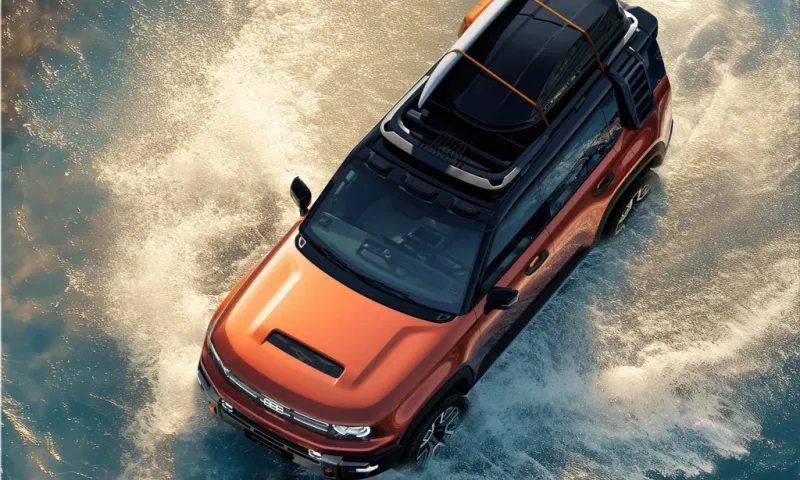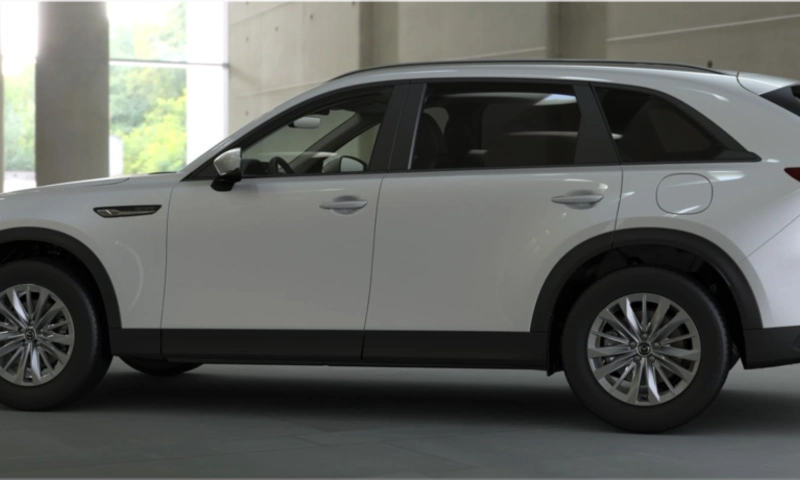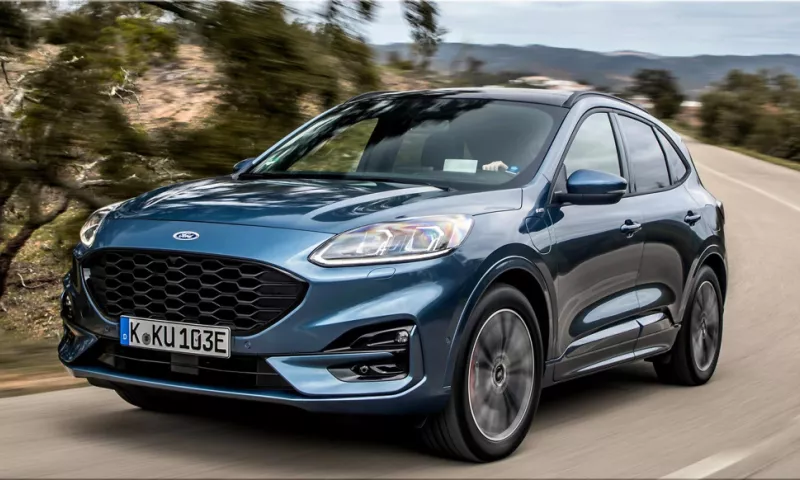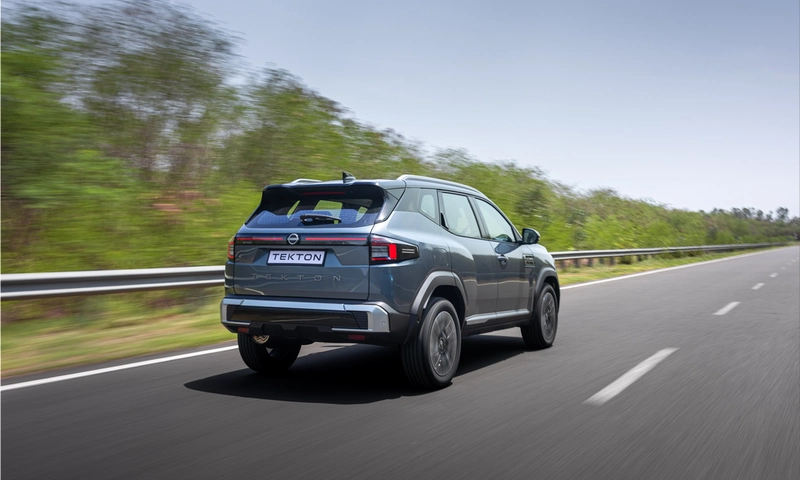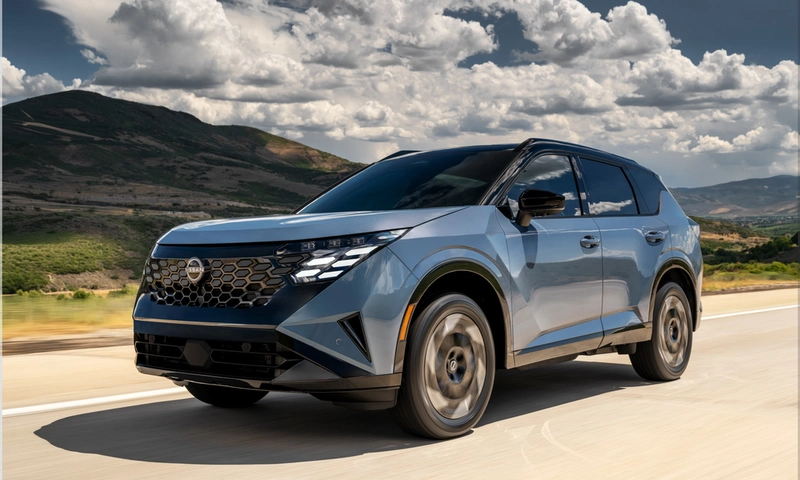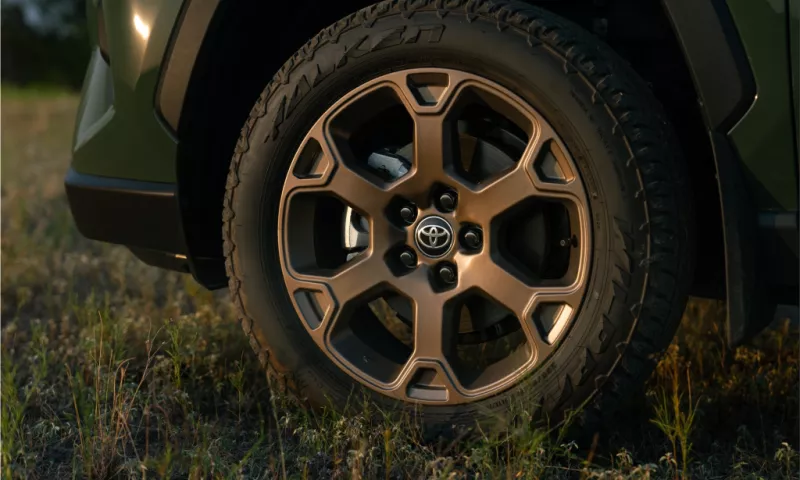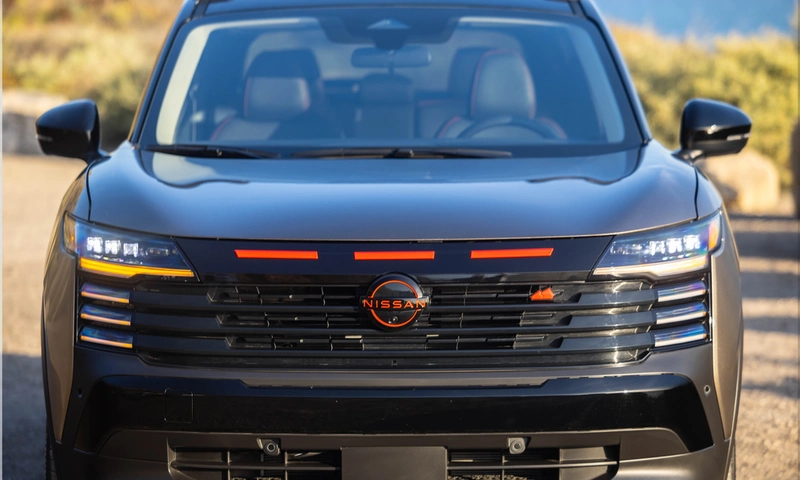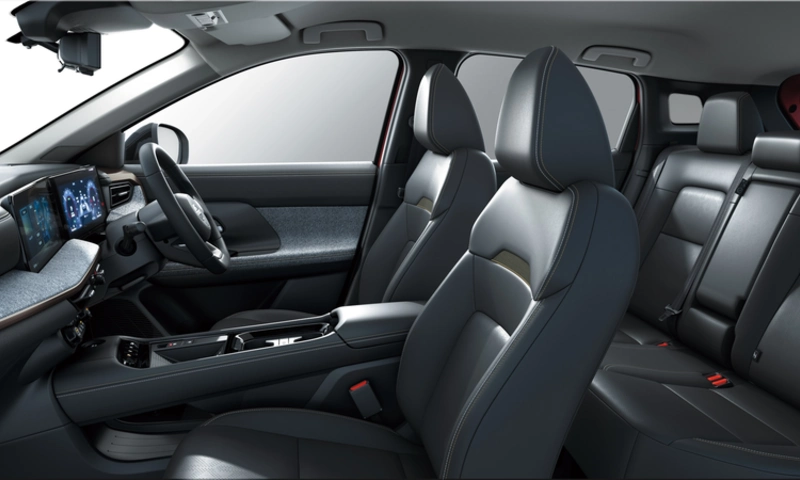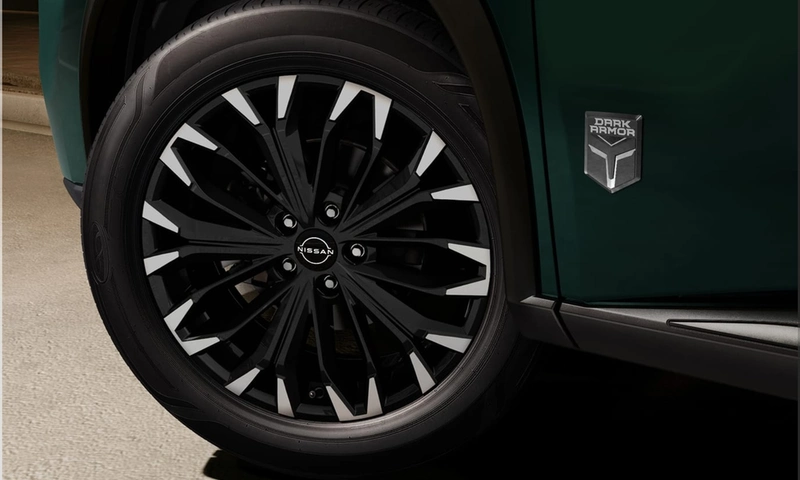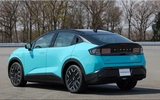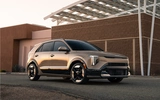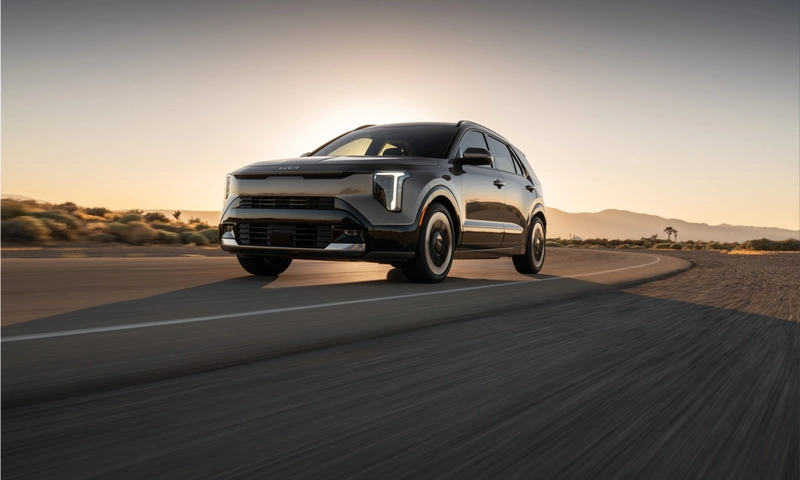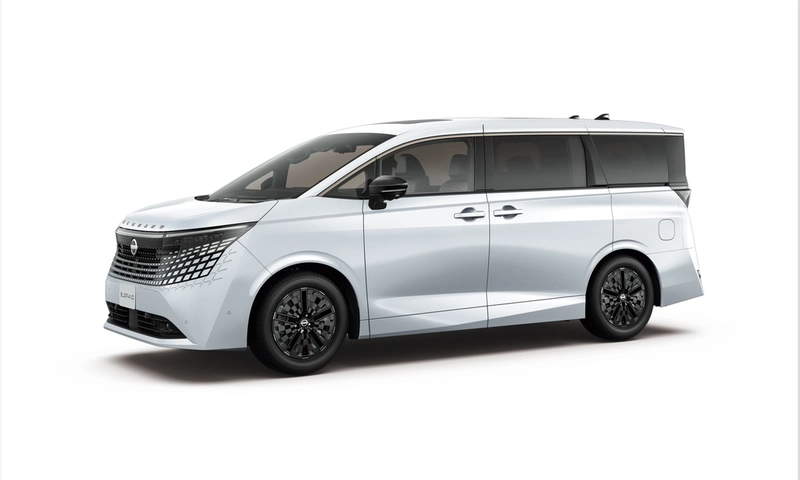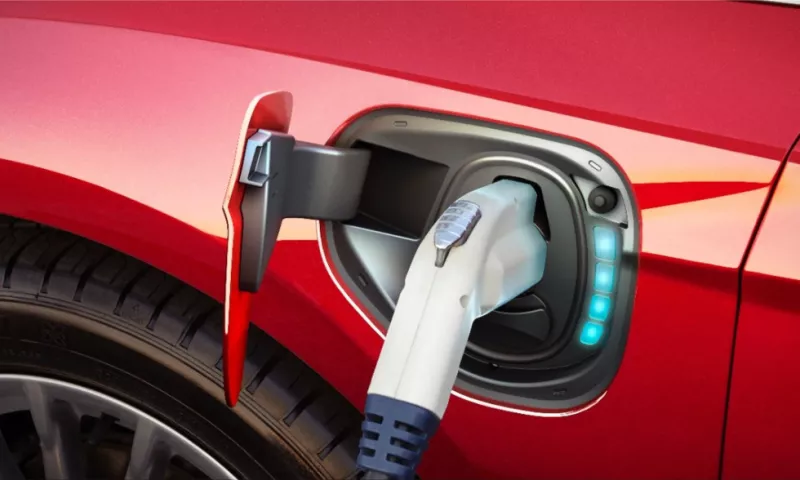
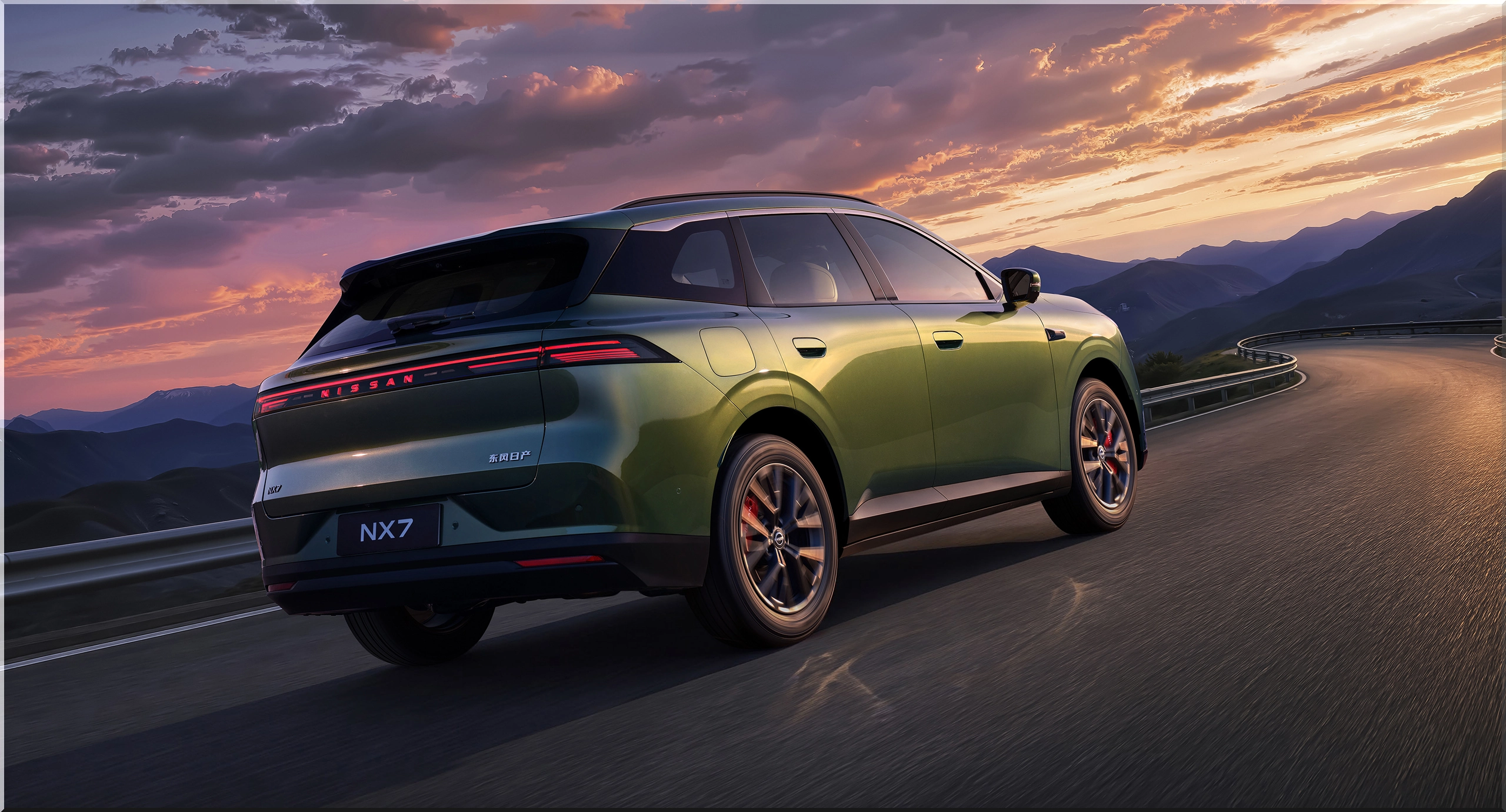
The Dongfeng Nissan NX7 plug-in hybrid SUV brings a large battery to an aggressively priced family crossover. Nissan launched it at China's Guangzhou Auto Show on November, 2026, with official list prices starting around $19,370. The advertised combined range reaches 1,035 miles on a full gasoline tank and battery charge under China's CLTC test cycle.
A Large Battery Drives the NX7's Appeal
Every trim carries a 40.95-kWh CATL battery and a 1.5-liter gasoline four-cylinder. Front-wheel drive and a dedicated hybrid transmission complete the package. The setup suits electric commuting, with gasoline available for longer trips; regular charging determines how often owners can leave the engine idle.
| NX7 specification | China-market figure |
|---|---|
| Gasoline engine | 98 hp (73 kW); 1.5-liter four-cylinder |
| Drive motor | 228 hp (170 kW); 210 lb-ft (285 Nm) |
| 0-62 mph (0-100 km/h) | 8.2 seconds |
| DC charging, 30-80% | 23 minutes |
| Depleted-battery fuel economy, CLTC | 62.7 mpg (3.75 L/100 km), manufacturer claim |
| Upper-trim length, width, height | 188.4 x 76.1 x 65.6 inches (4,785 x 1,932 x 1,665 mm) |
| Wheelbase | 110.8 inches (2,815 mm) |
| Gasoline tank | 14.5 U.S. gallons (55 liters) |
Nissan's global announcement quotes 199 miles (320 km) of electric range. Its local configuration sheet gives Pro 202 miles (325 km), while Max and Ultra reach 199 miles. These CLTC figures offer no fixed conversion to EPA ratings and cannot establish highway endurance.
Three Trims, With Equipment Driving the Price Spread
Official China list prices convert to approximately:
- 320 Pro: $19,370
- 320 Max: $20,860
- 320 Ultra LiDAR Edition: $22,350
Dollar conversions use the November 27 CFETS currency fixing and exclude temporary incentives.
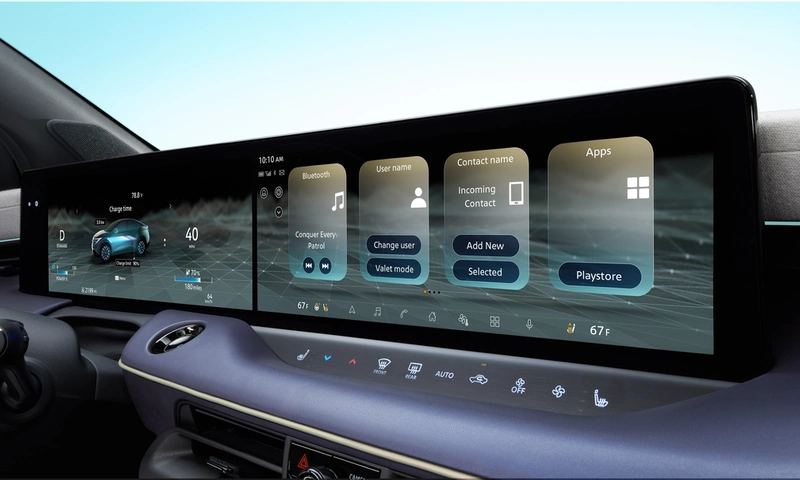
All three trims carry a 17.3-inch 3K center display. Pro and Max use Snapdragon 8155 processors; Ultra gets the 8295P chip, LiDAR and Momenta R7 driver assistance. Ultra also offers a head-up display with a 55-inch-equivalent virtual image. Drivers still supervise these systems.
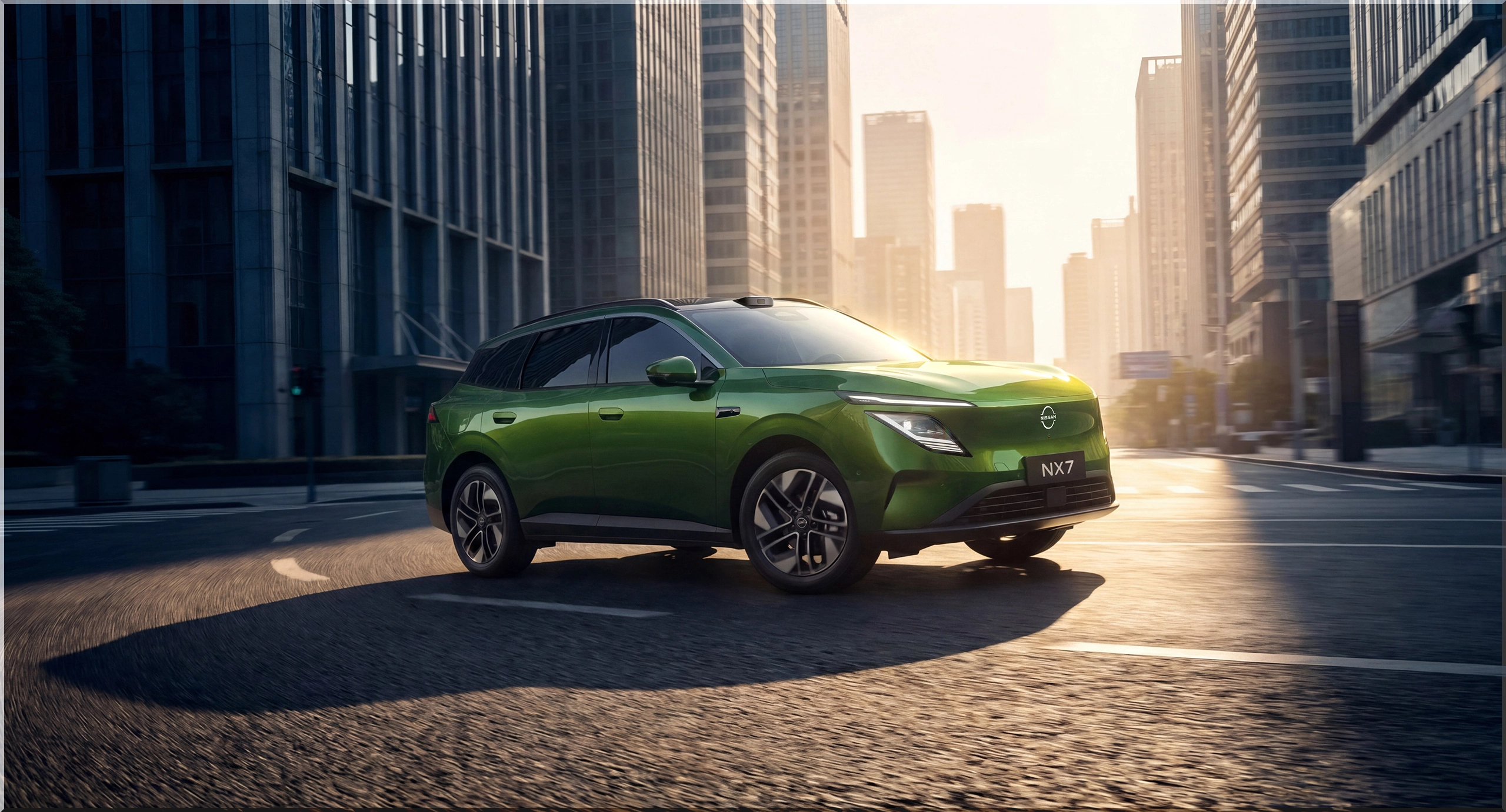
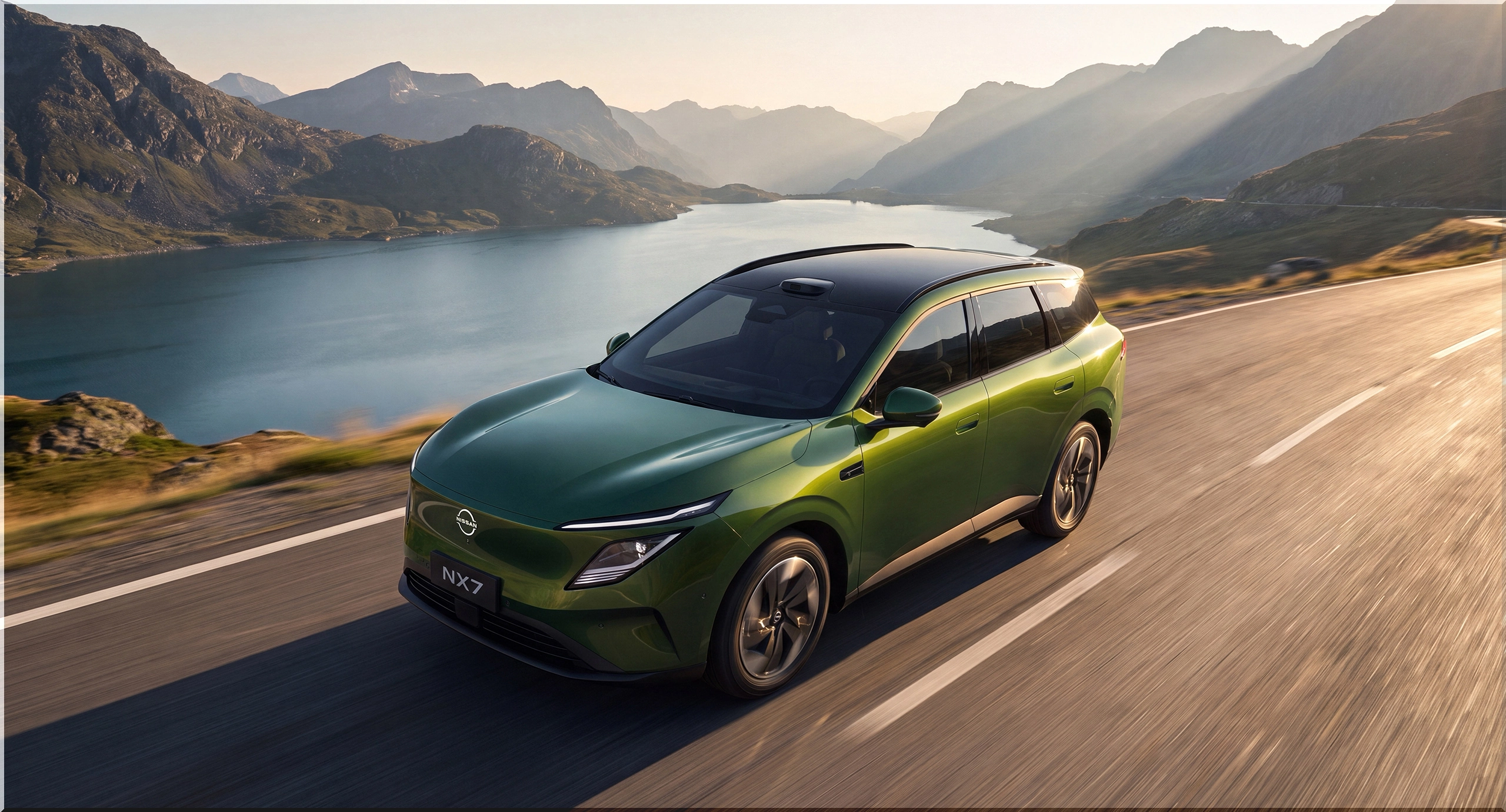
Nissan NX7 vs. Geely Galaxy Starship 7
The Geely Galaxy Starship 7 EM-i competes in the same Chinese plug-in SUV category with a smaller battery and slightly shorter body. The comparison below uses maximum published range figures, including Geely's optional range package. Individual trims can deliver different results.
| Published specification | Nissan NX7 | Geely Galaxy Starship 7 EM-i |
|---|---|---|
| Largest battery | 40.95 kWh, standard | 29.8 kWh, optional |
| Maximum electric range, CLTC | 202 miles / 325 km, Pro | 124 miles / 200 km, range package |
| Maximum combined range, CLTC | 1,035 miles / 1,666 km, Pro | 979 miles / 1,575 km |
| Overall length | 188.4 inches / 4,785 mm | 186.6 inches / 4,740 mm |
Nissan's battery stores about 37% more energy than Geely's largest listed pack. That supports a longer electric-driving window, though capacity alone cannot establish efficiency. The combined-range gap shrinks to roughly 56 miles. Buyers need both figures to judge how a plug-in fits their daily driving.
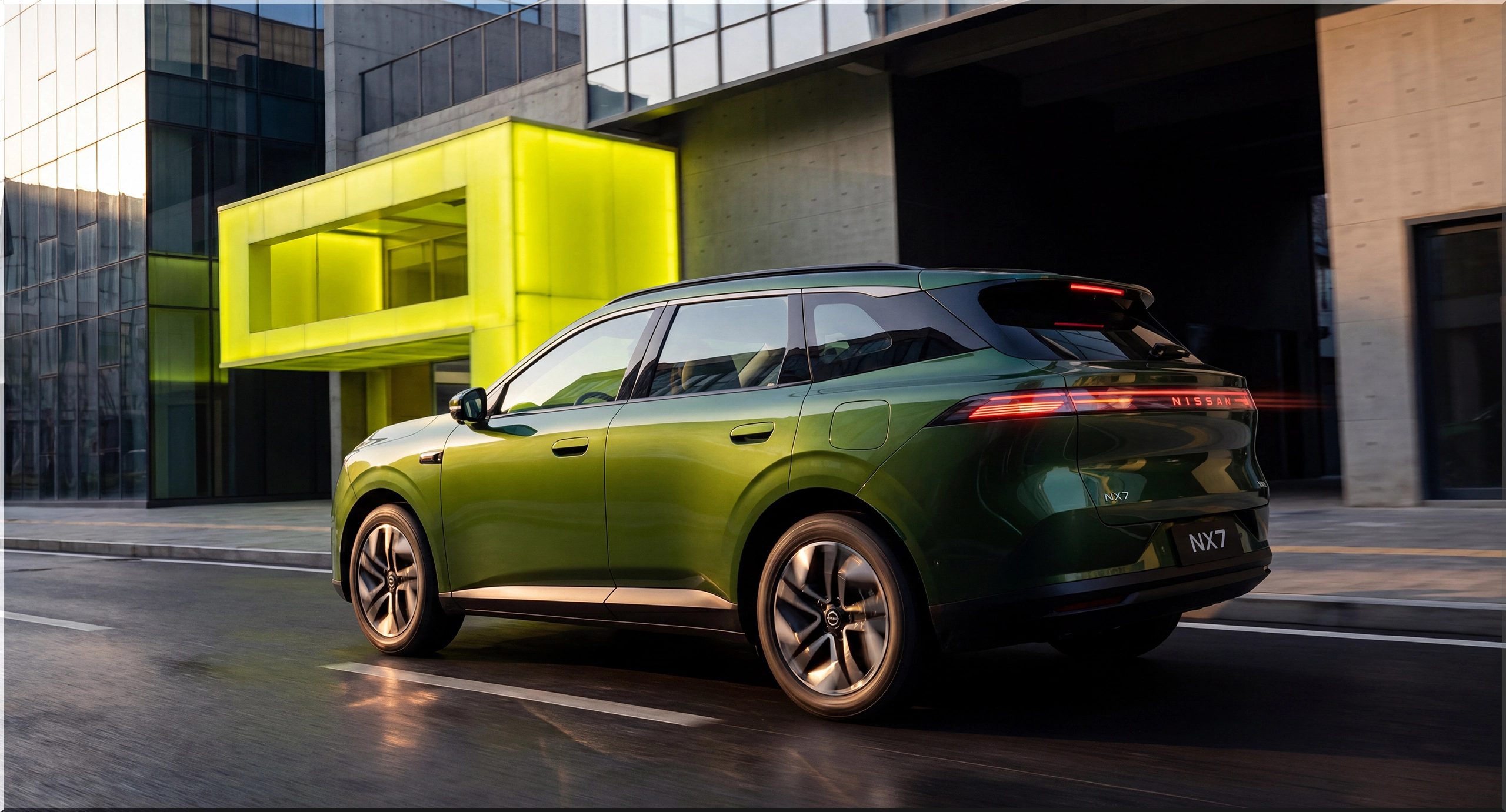
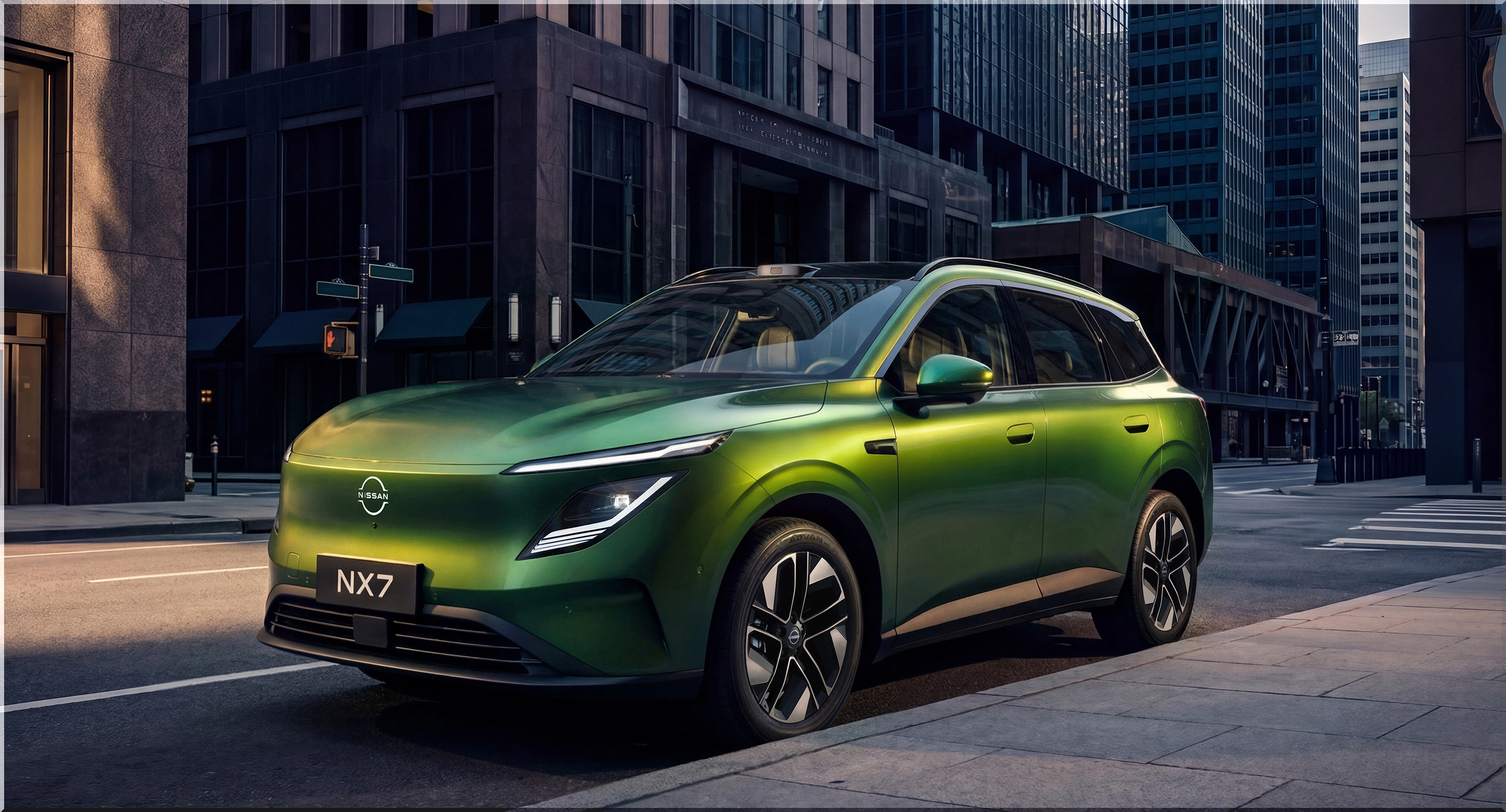
Pro-Tip: What Should American Buyers Check?
Nissan's launch announcement gives no U.S. on-sale date or EPA rating. American shoppers can use the NX7 as a China-market benchmark, then compare locally available plug-in hybrids against their commute and charging access.
Before choosing a plug-in hybrid:
- Match test cycles before comparing range claims.
- Compare electricity costs and depleted-battery gasoline consumption separately.
- Check 70-mph and cold-weather road tests before planning charging stops.
- Bring child seats to a test drive; wheelbase alone cannot establish rear-seat usability.
- Add new comment
- 41 views