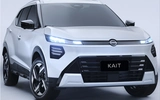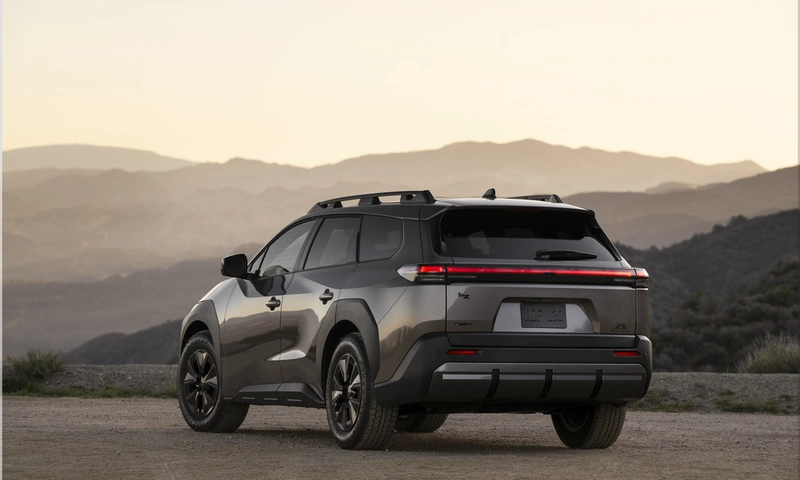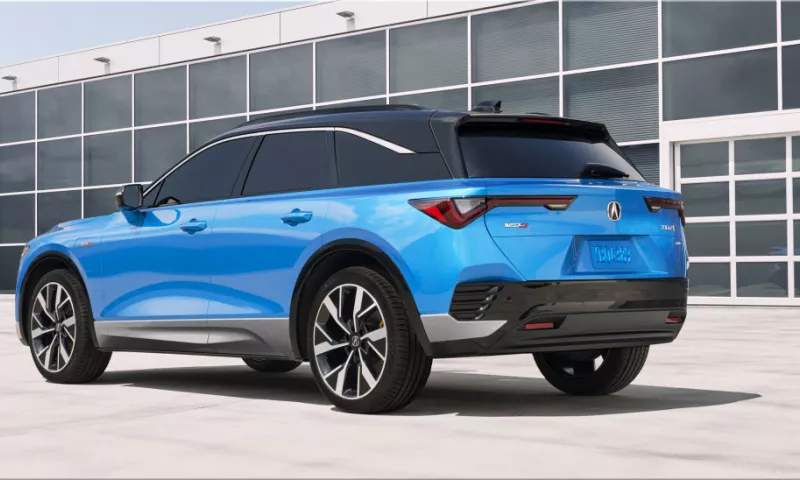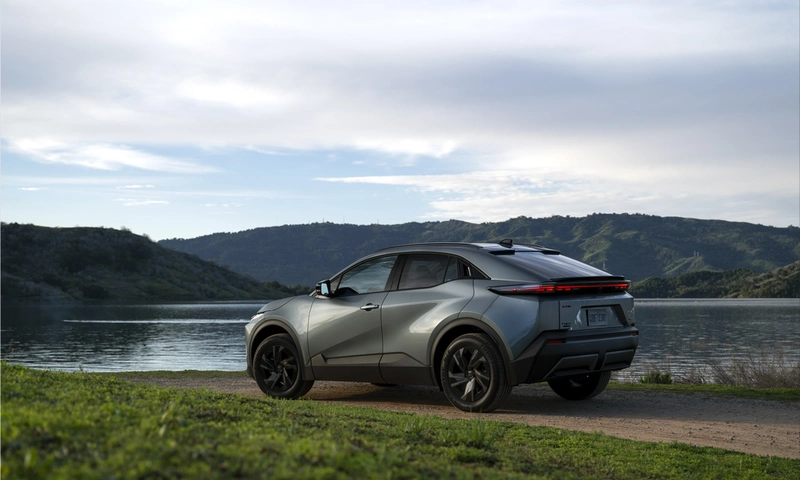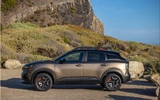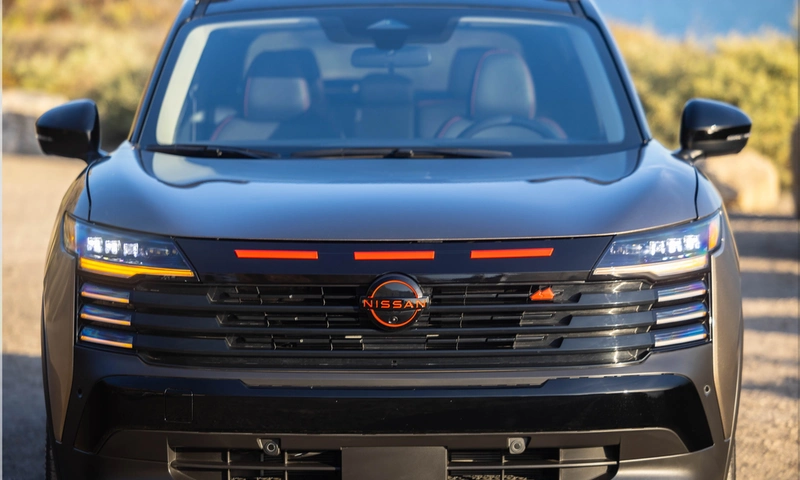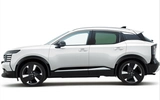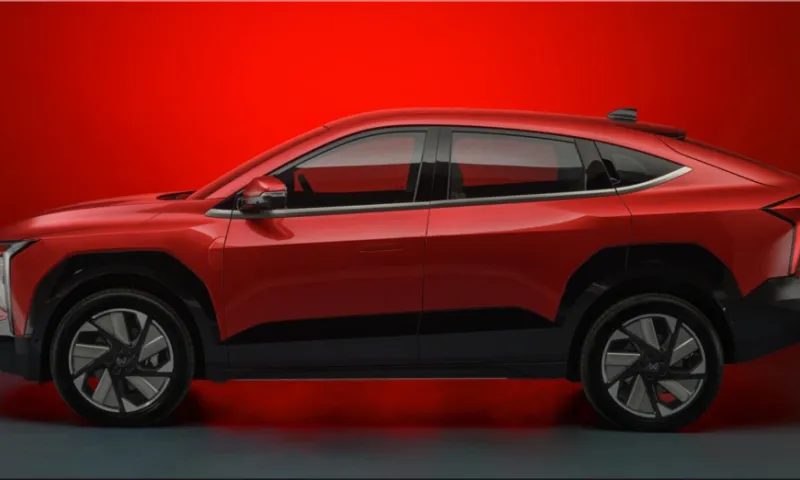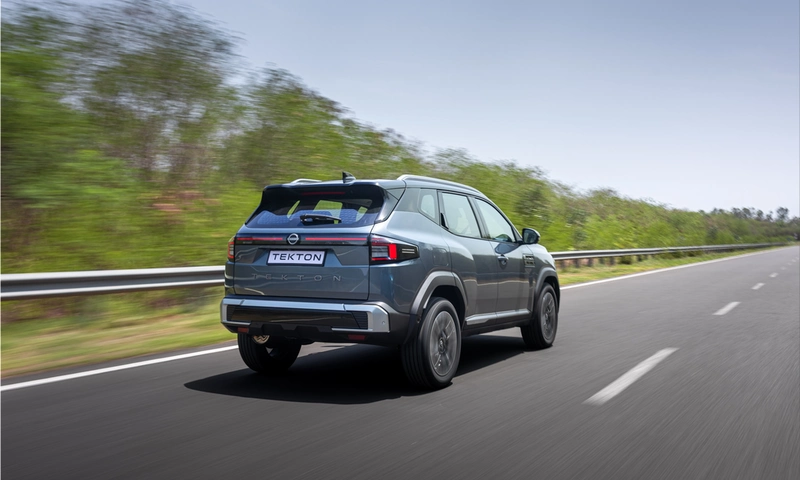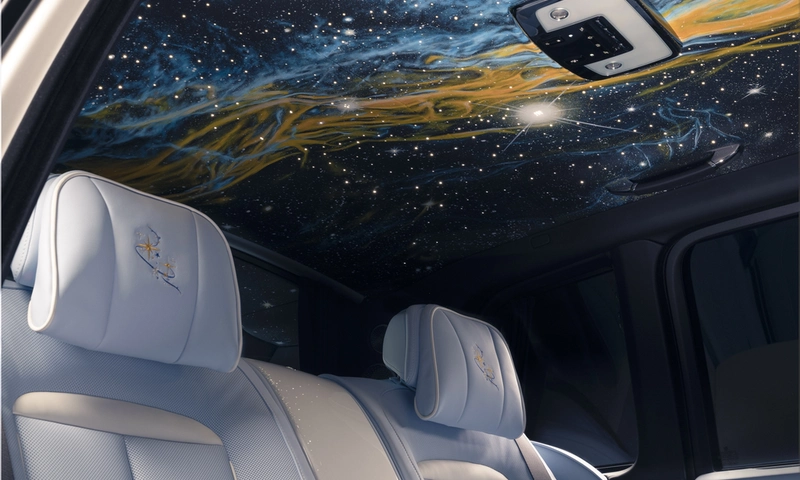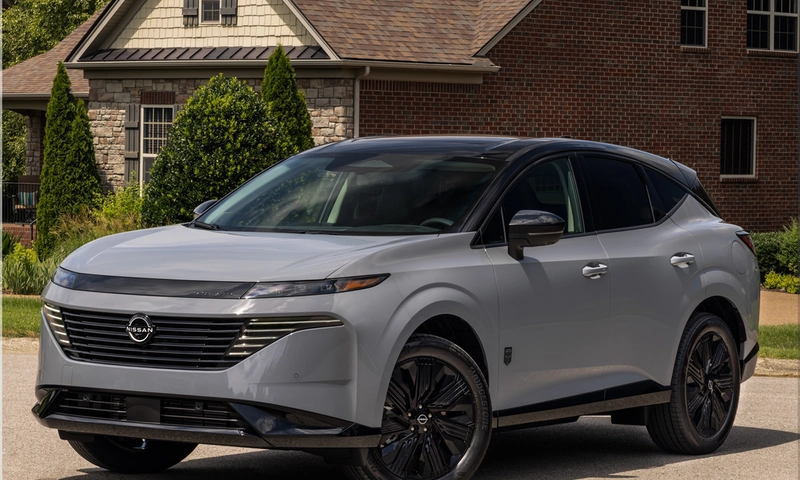
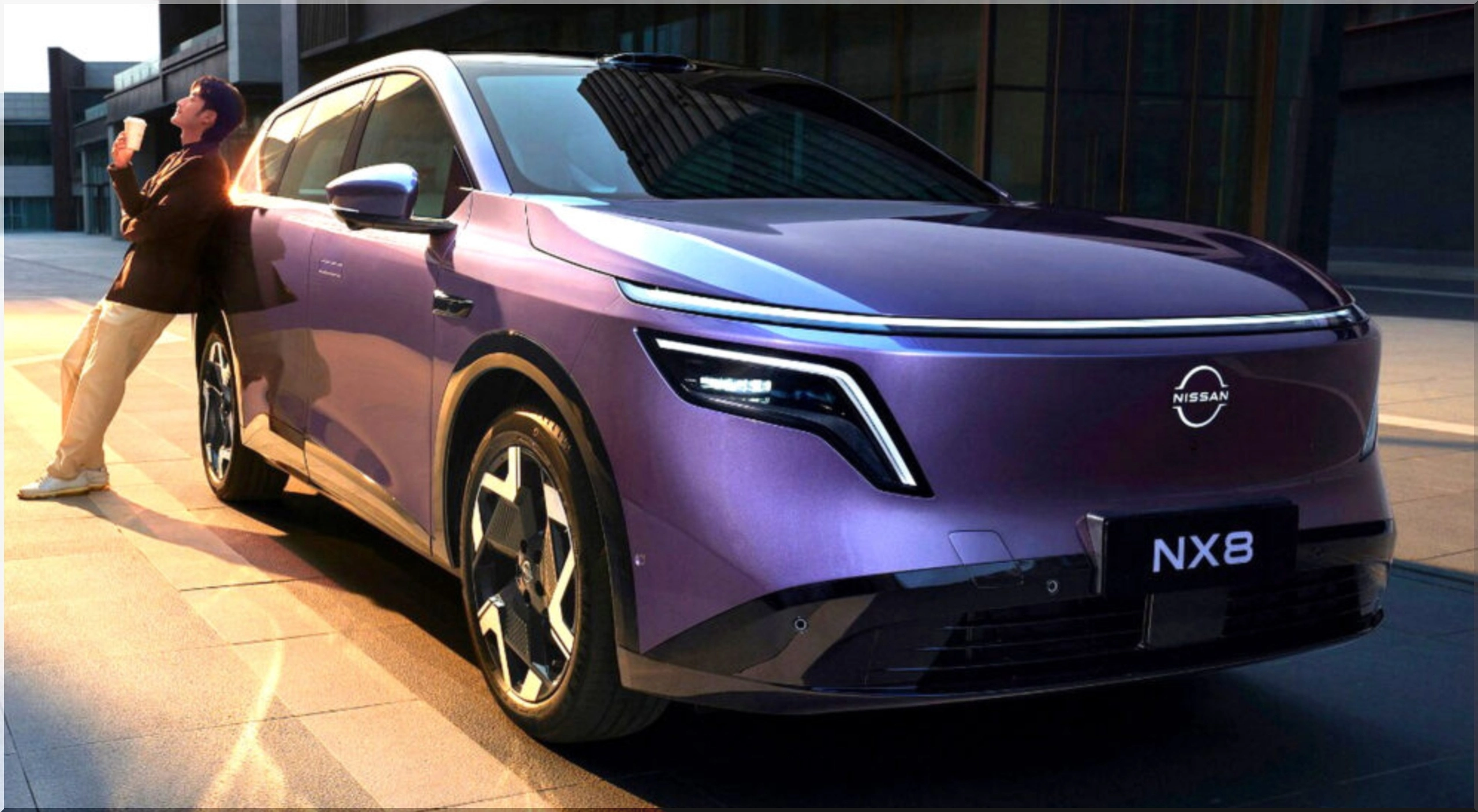
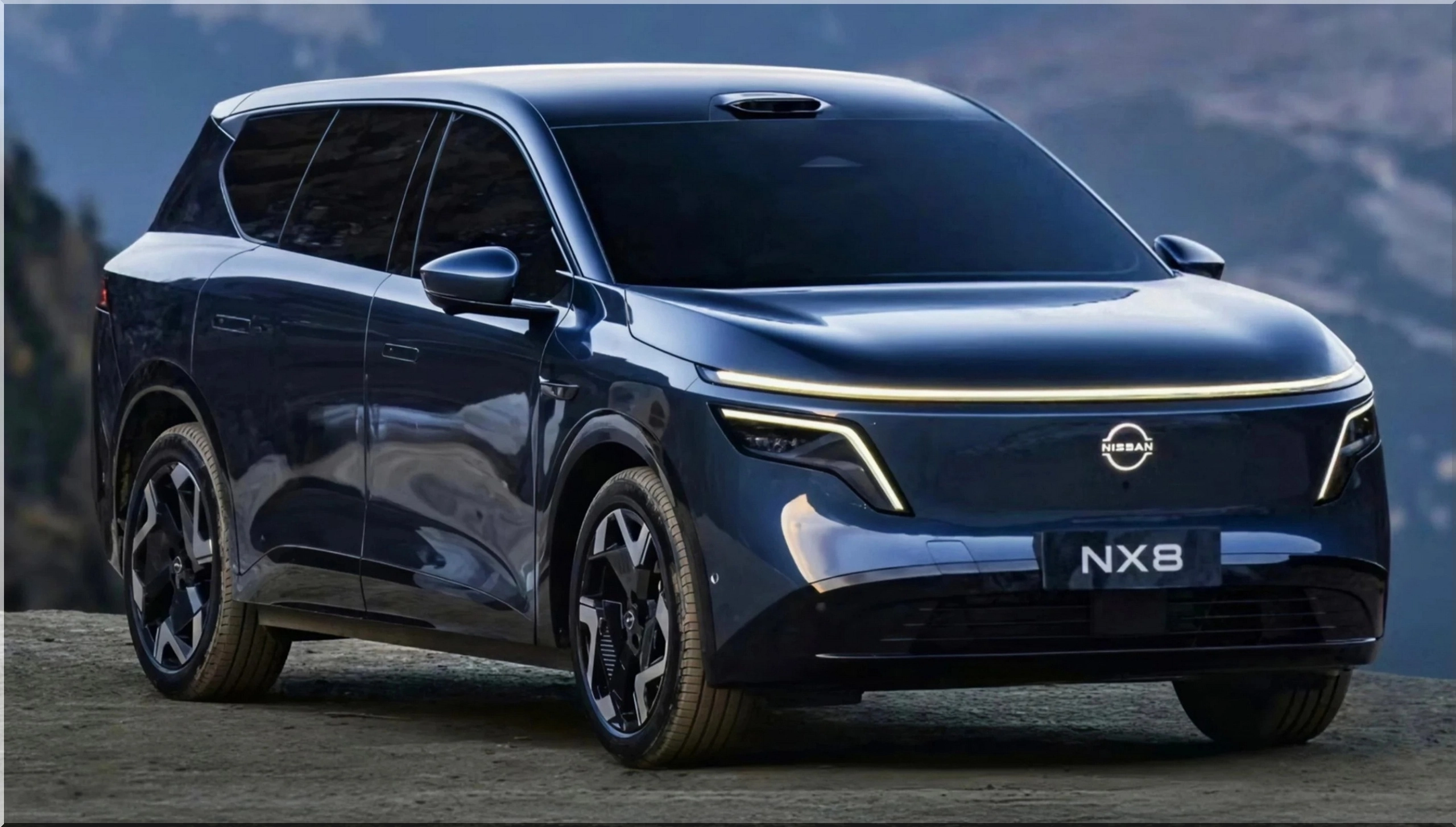
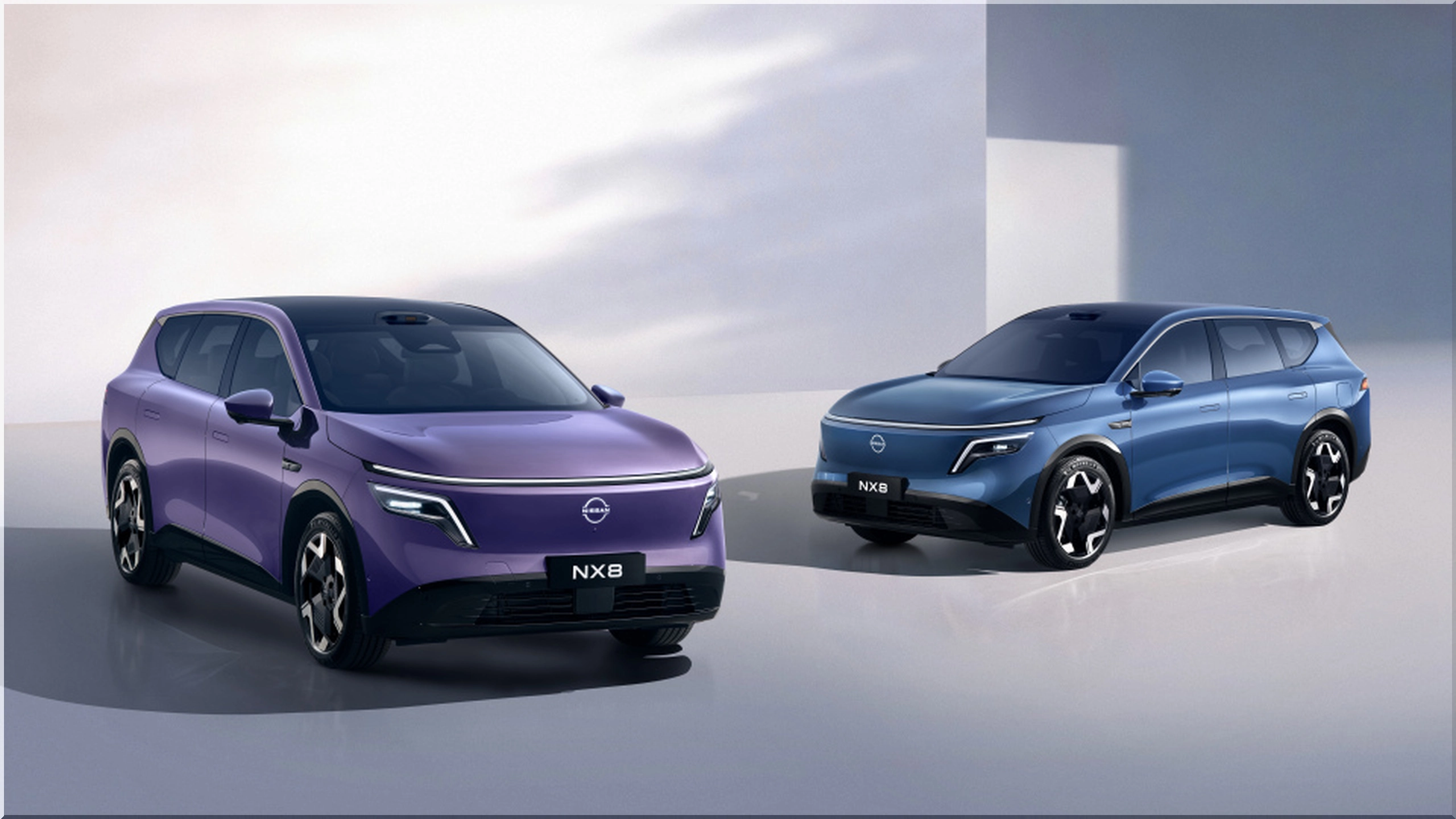
The Nissan NX8 gives Dongfeng Nissan something it has needed in China for years: a modern electrified SUV with the right size, the right feature stack, and pricing that lands in the heart of the country's high-volume family-EV fight.
Looking at the data, the NX8 enters the Chinese market as a mid-size electrified SUV with two very different powertrain strategies under one badge. Buyers can choose a battery-electric Nissan NX8 EV or a range-extended Nissan NX8 EREV, which gives Nissan a wider net in a market that still rewards charging flexibility, long-distance capability, and heavy tech content.
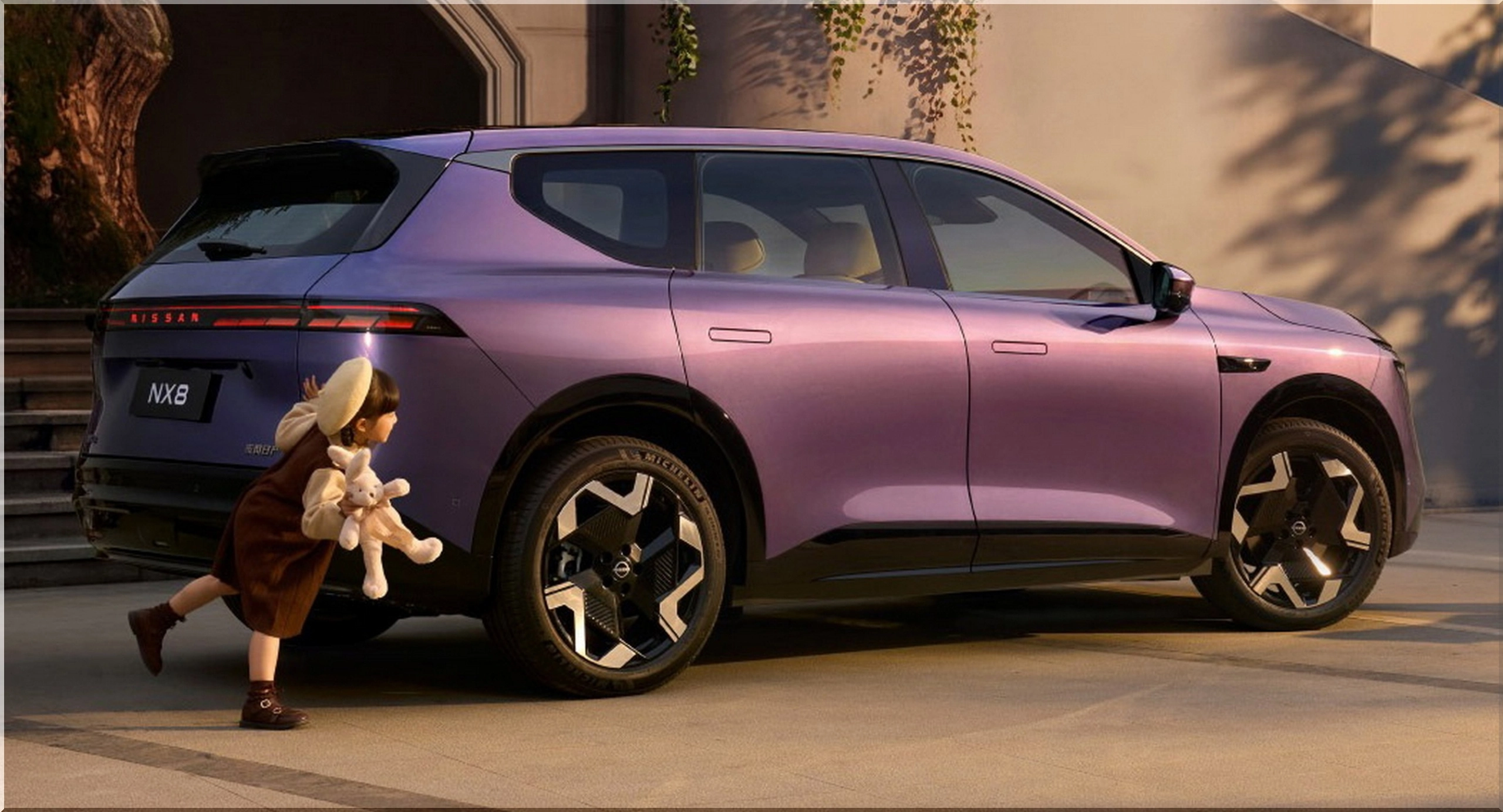
Why the Nissan NX8 Matters in China
Nissan did not position the Dongfeng Nissan NX8 as a niche halo product. It launched the model as the third entry in the brand's local N Series and loaded every trim with a long feature list, including comfort, safety, and digital hardware that Chinese buyers now expect in this class.
That matters because the China market has moved fast. Legacy joint-venture brands used to win on badge value and dealer reach. Now they need fast charging, smart-cabin silicon, advanced driver assistance, and pricing discipline. The Nissan NX8 in China checks those boxes far more convincingly than many recent mainstream-brand efforts.
In addition, early demand suggests Nissan found the right formula. The model reportedly pulled in more than 8,400 orders within 30 minutes of launch, which signals real showroom traffic and not just press-release optimism.
Nissan NX8 Size, Packaging, and Cabin Logic
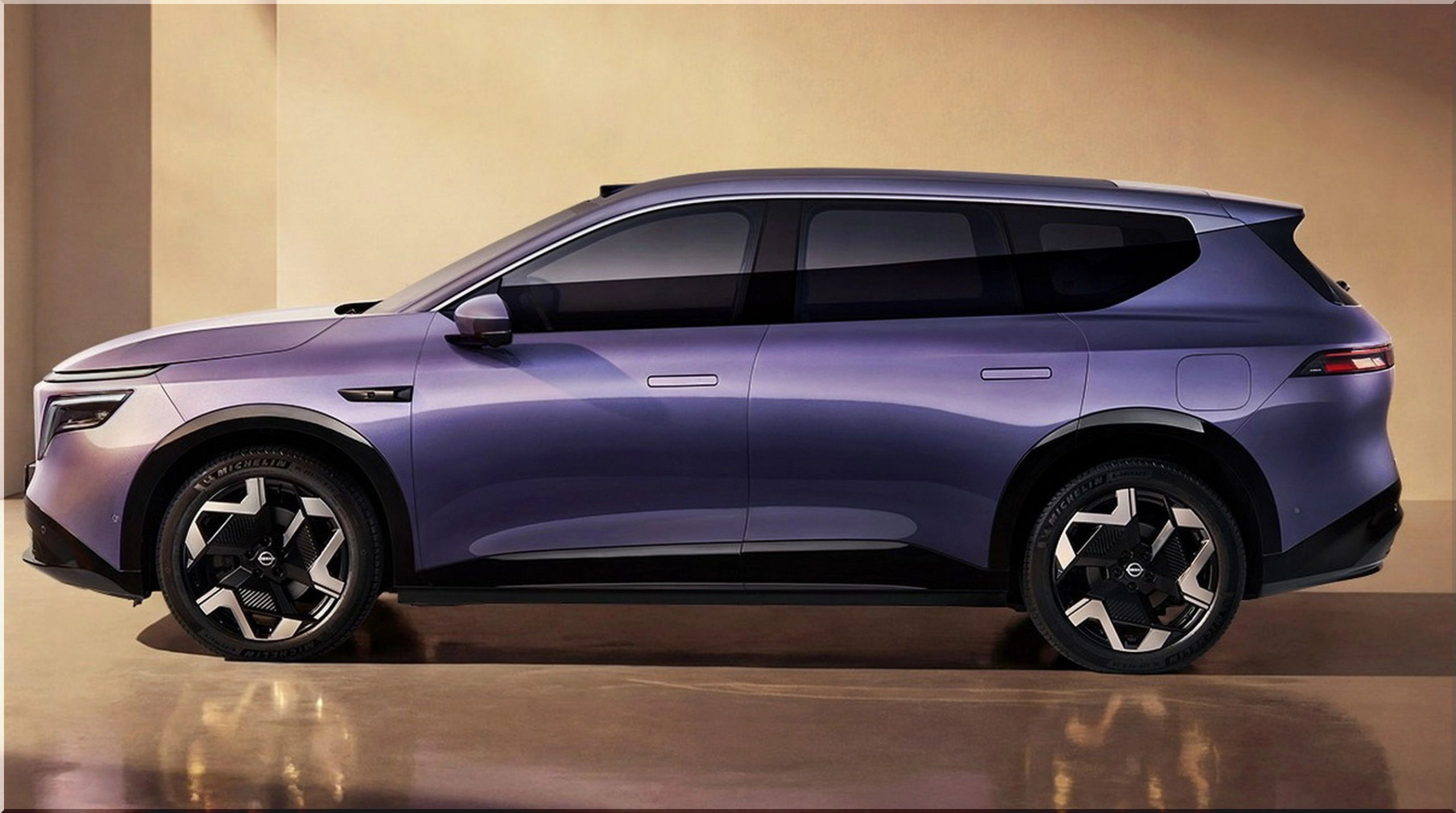
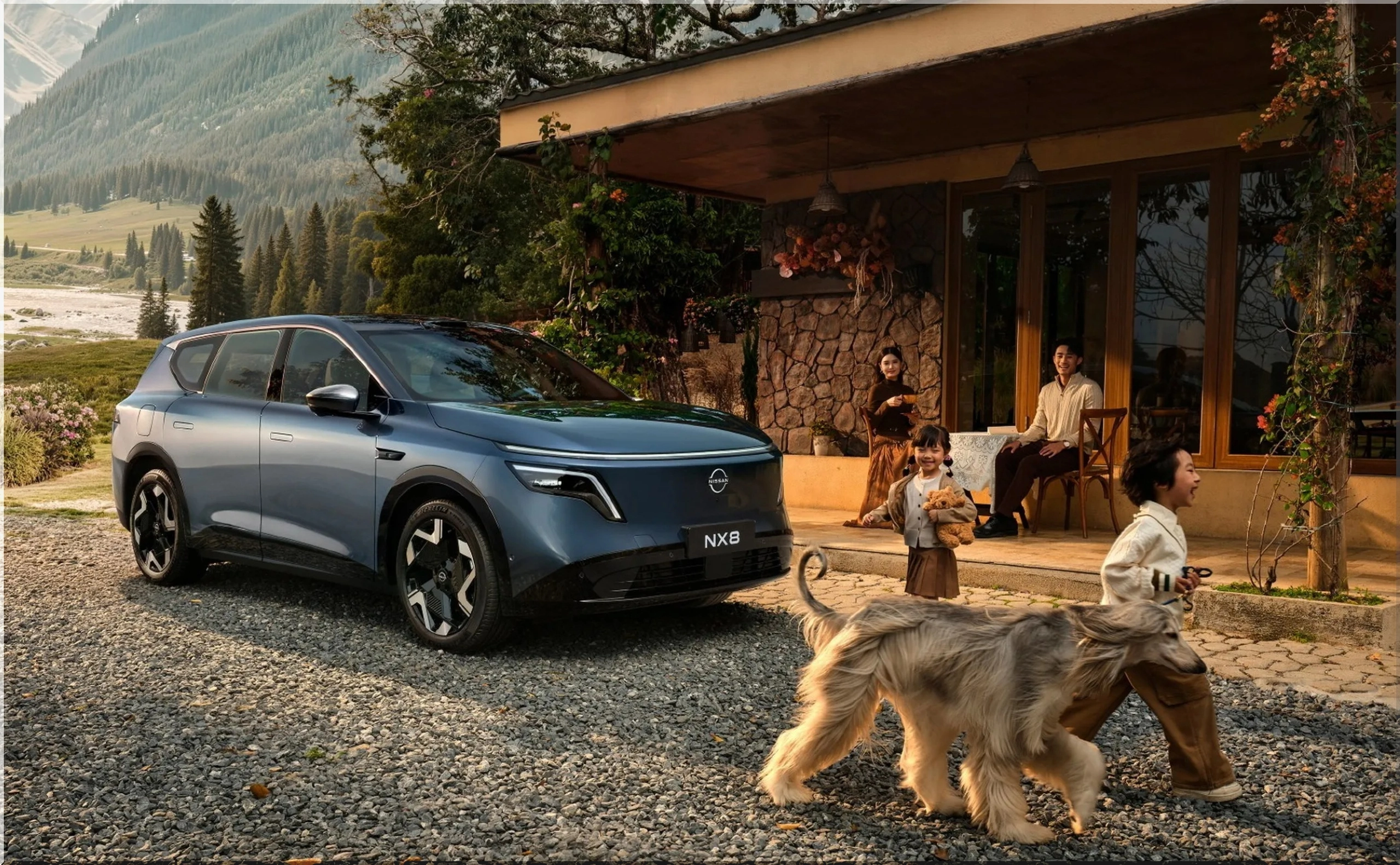
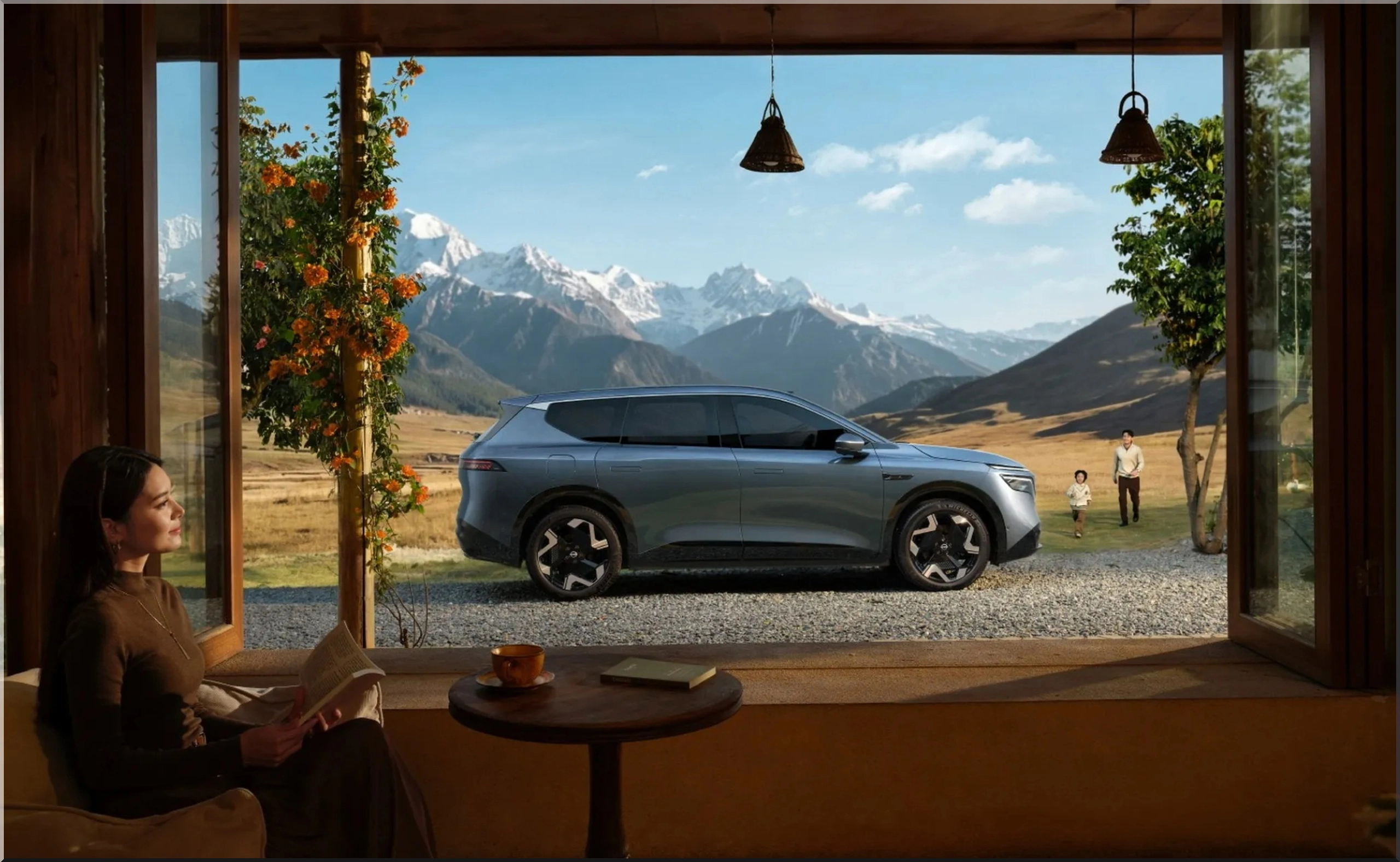
The Nissan NX8 dimensions place it directly in the family-sized sweet spot for China's electrified SUV segment.
| Nissan NX8 Exterior Dimensions | Metric | Imperial |
|---|---|---|
| Length | 4,870 mm | 191.7 in |
| Width | 1,920 mm | 75.6 in |
| Height | 1,680 mm | 66.1 in |
| Wheelbase | 2,917 mm | 114.8 in |
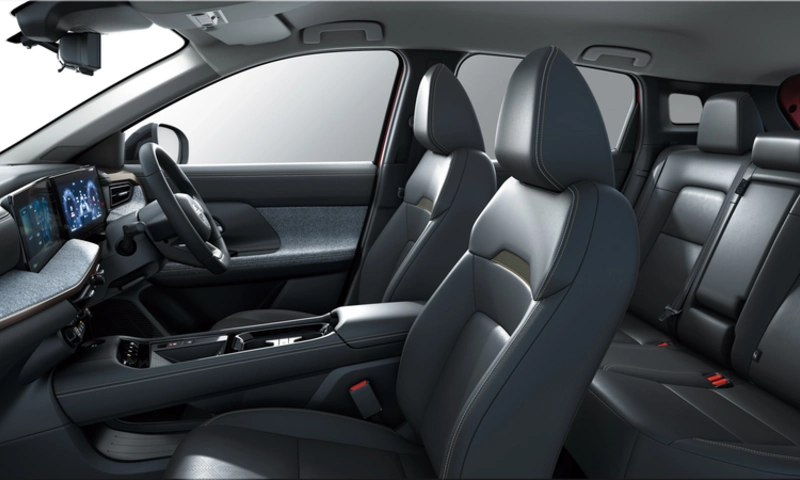
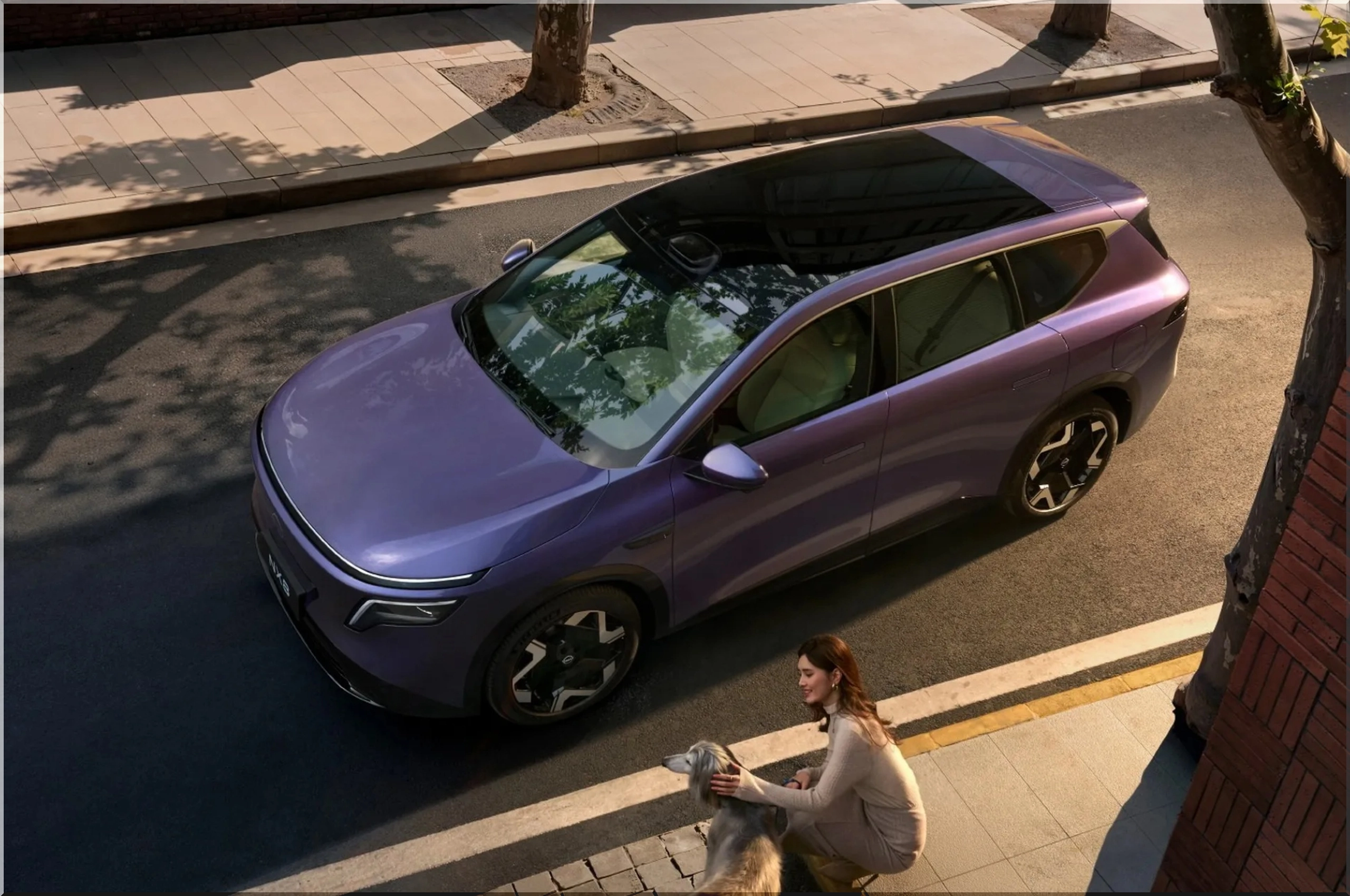
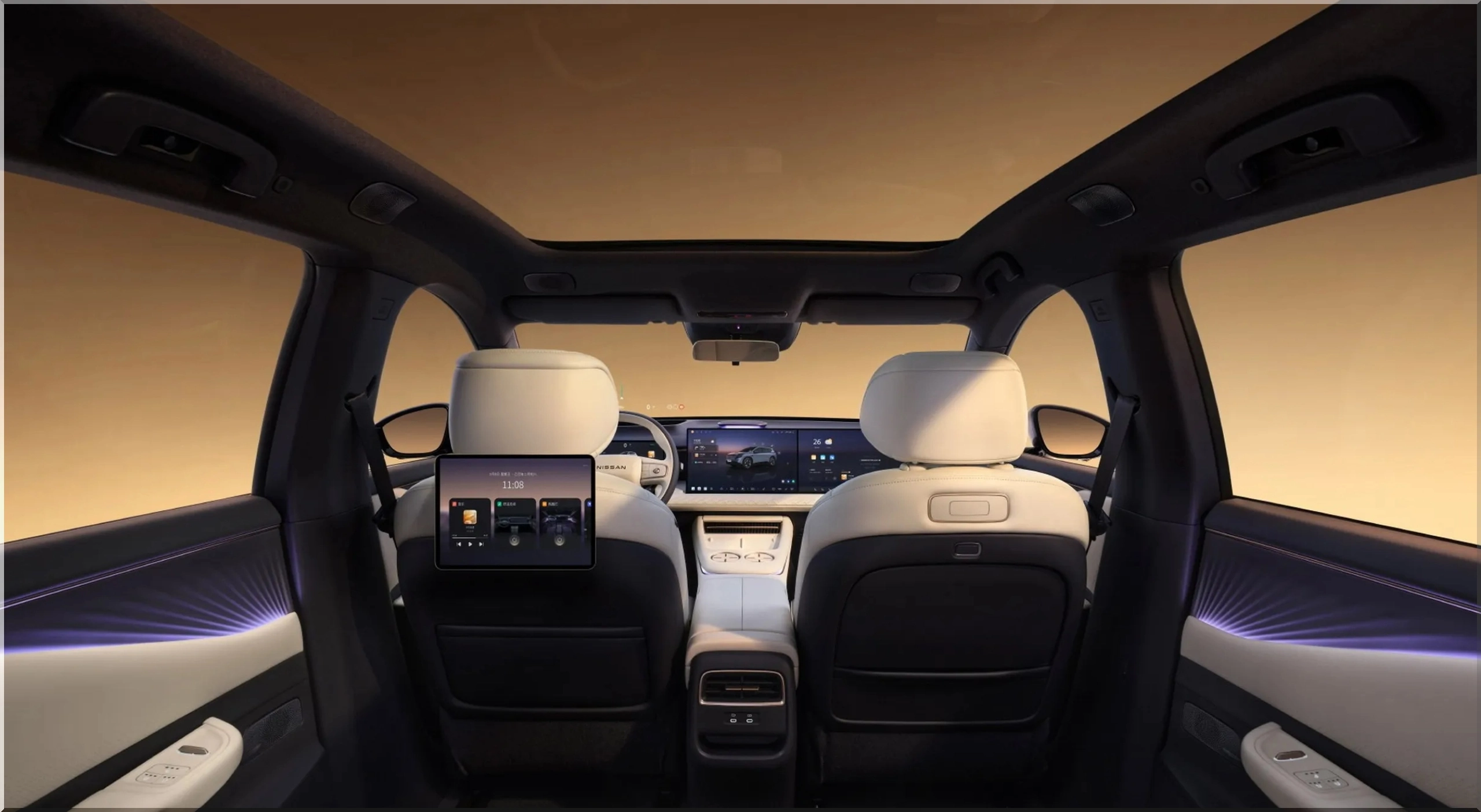
By comparison, that wheelbase does the heavy lifting here. A 2,917 mm wheelbase stretches the cabin where family buyers actually feel it: rear-leg packaging, second-row comfort, and cargo usability. Nissan also says rear headroom reaches 1,285 mm, or 50.6 inches, which explains the brand's unusual claim that kids can stand and change clothes in back. That sounds like marketing theater, but it also points to a high-roof, family-first packaging strategy.
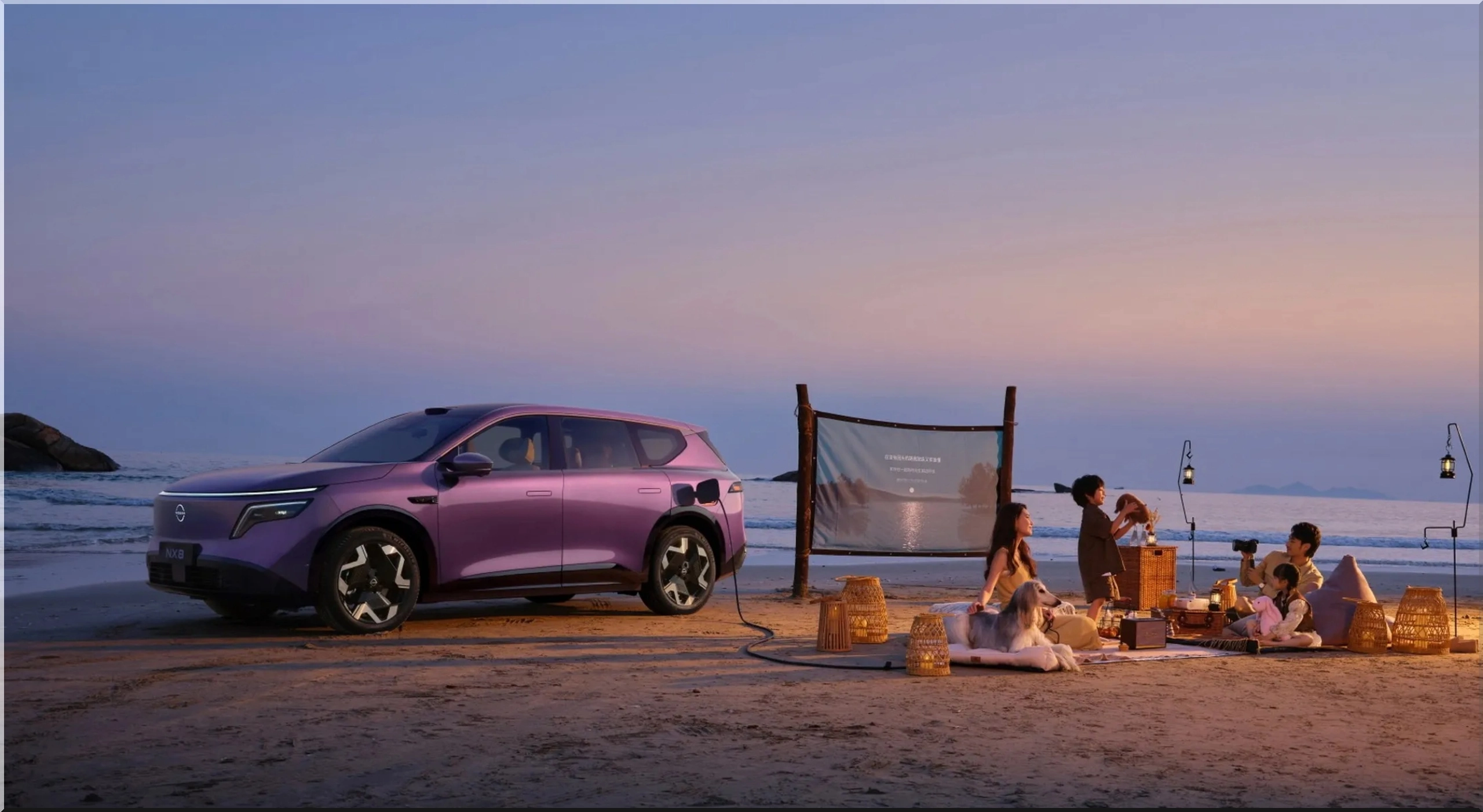
The luggage area adds another practical angle. Nissan quotes 773 liters, or about 27.3 cubic feet, and says the space can hold up to 35 suitcases. Specifically, that matters in China because large two-row family SUVs often pull double duty as daily commuter, holiday hauler, and multi-generation transport appliance.
Core comfort hardware
- AI Zero Gravity Seat 2.0 with 25 massage and support airbags
- Power-reclining rear seats
- Rear-seat ventilation, heating, and massage
- Bi-directional refrigerator/freezer with a range from 21.2F to 131F
- Pet Protection Mode
- AI contactless airflow control
- Motion sickness prevention technology 3.0
From an expert perspective, Nissan did not chase one headline gimmick. It stacked a full comfort ecosystem instead. That strategy usually converts better in the showroom than one big hardware brag, because families buy the total experience, not a single spec-sheet trophy.
BEV and EREV: Two Powertrains, One Market Play
The most interesting part of the Nissan NX8 specs sheet is the two-powertrain split. Nissan clearly wants one product line to answer two buyer objections at once.
The NX8 EV targets buyers who want full-electric operation, fast charging, and low running costs. The NX8 EREV targets buyers who like EV driving but still want gasoline backup for long intercity runs or inconsistent charging access. In China, that is a smart move. Pure EV adoption is strong, but the EREV category still sells hard because it cuts range anxiety without pushing buyers back into a traditional hybrid compromise.
| Nissan NX8 Powertrain Data | EV | EREV |
|---|---|---|
| Grades | 580 Pro, 580 Max, 650 Max | 150 Pro, 150 Max, 310 Max |
| Max CLTC range | 650 km / 403.9 mi | 310 km / 192.6 mi EV-only |
| Total range | N/A | 1,450 km / 901.0 mi |
| Charging architecture | 800V | Range-extended electric setup |
| Fast charging claim | 300 km in 6 minutes | N/A |
| Gasoline fuel consumption | N/A | 4.51 L/100 km / 52.2 mpg US equivalent |
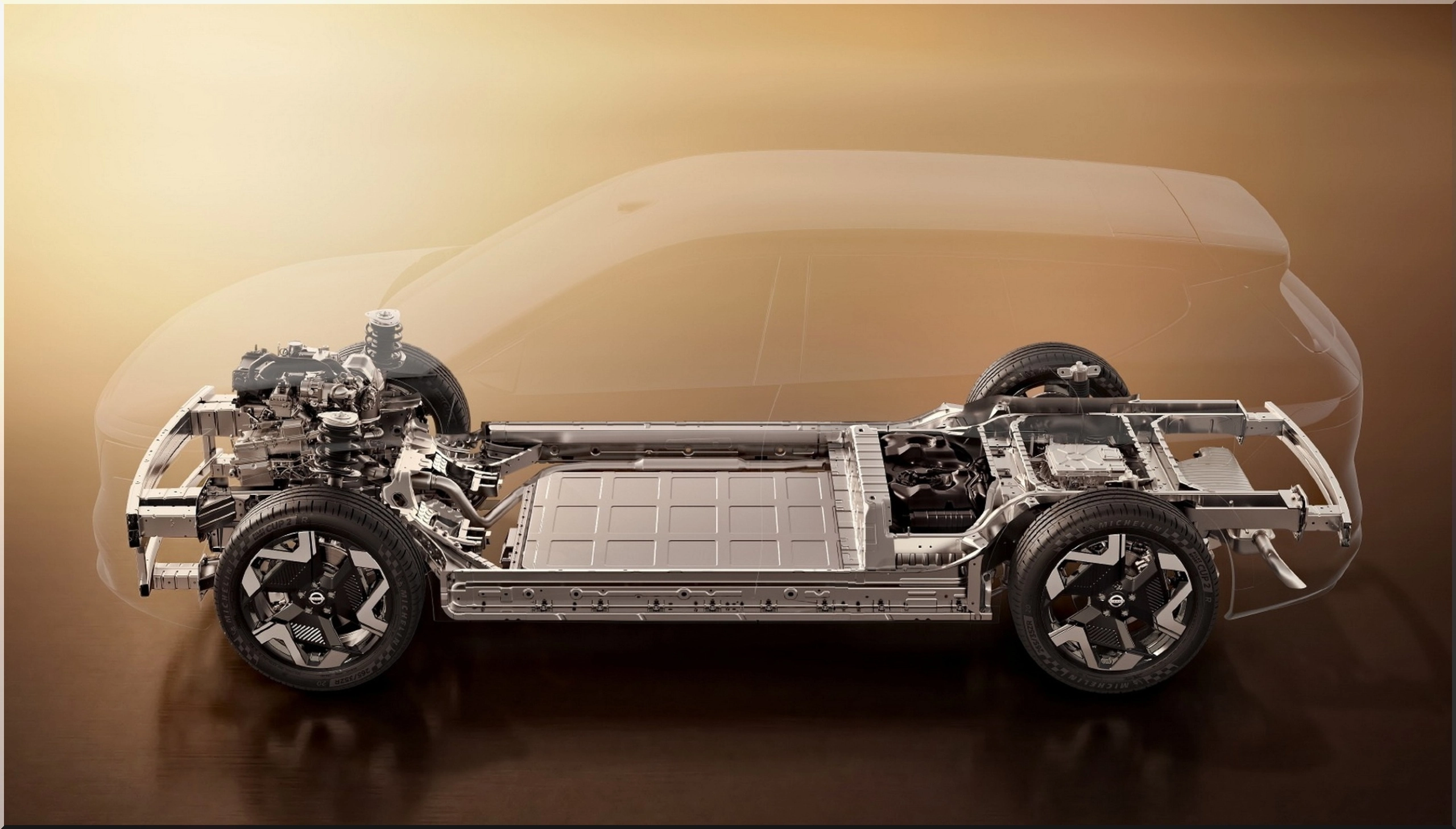
Consequently, the EV version gives Nissan a strong technical talking point with 800V architecture and 5C charging, allowing a claimed 300 km, or 186.4 miles, of range recovery in six minutes under the right conditions. That is the kind of number Chinese shoppers notice because it directly attacks charging downtime, which remains one of the biggest friction points in EV ownership.
The EREV version plays a different game. Its 310 km electric-only CLTC range already covers many daily-use patterns, while the 1,450 km combined range turns the NX8 into a long-distance family hauler with fewer charging compromises. That logic tracks. Nissan is not asking one propulsion format to do everything. It is splitting the use case and selling both.
Smart Cabin and Driver-Tech Stack
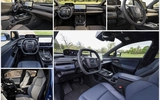
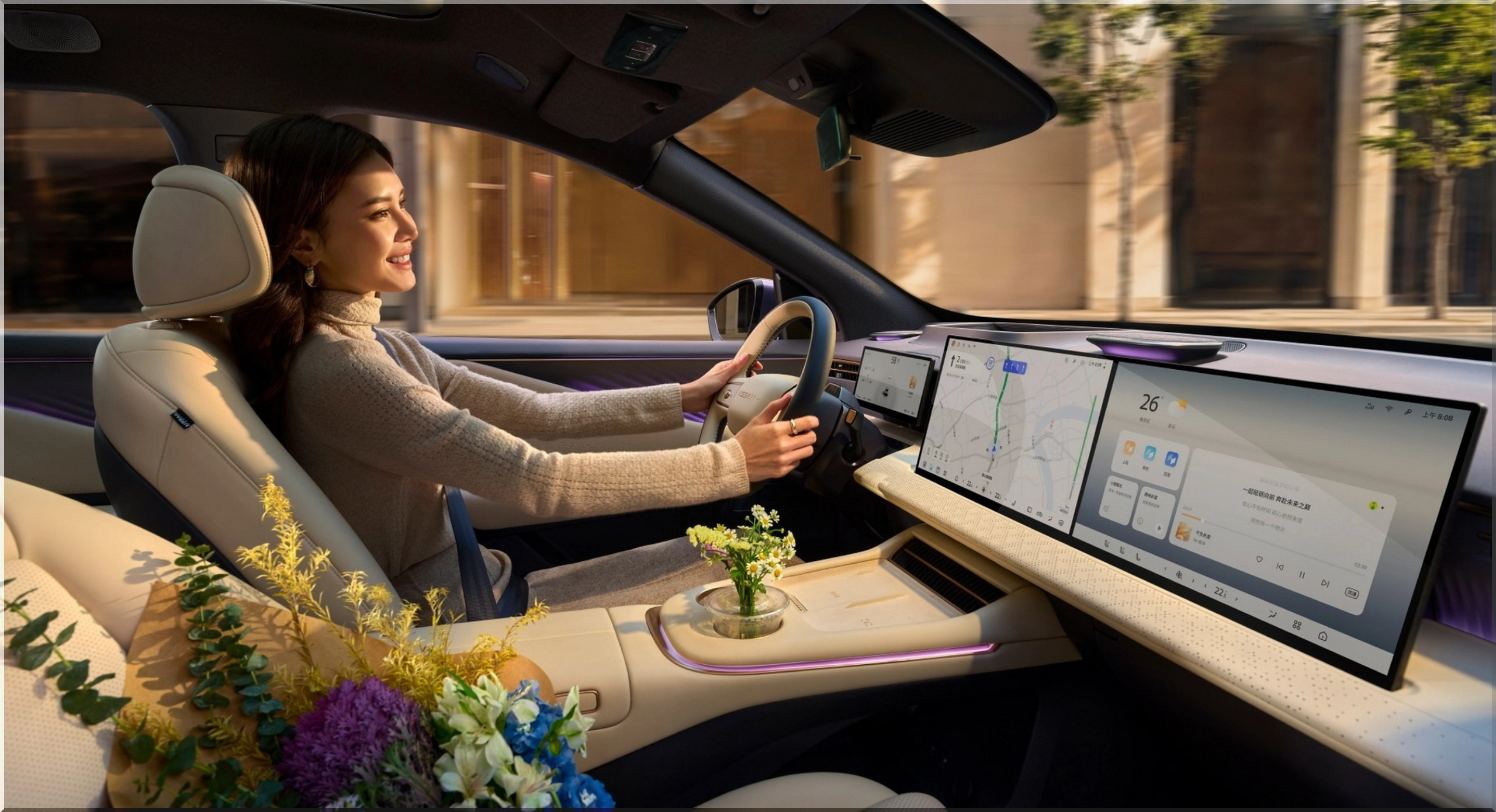
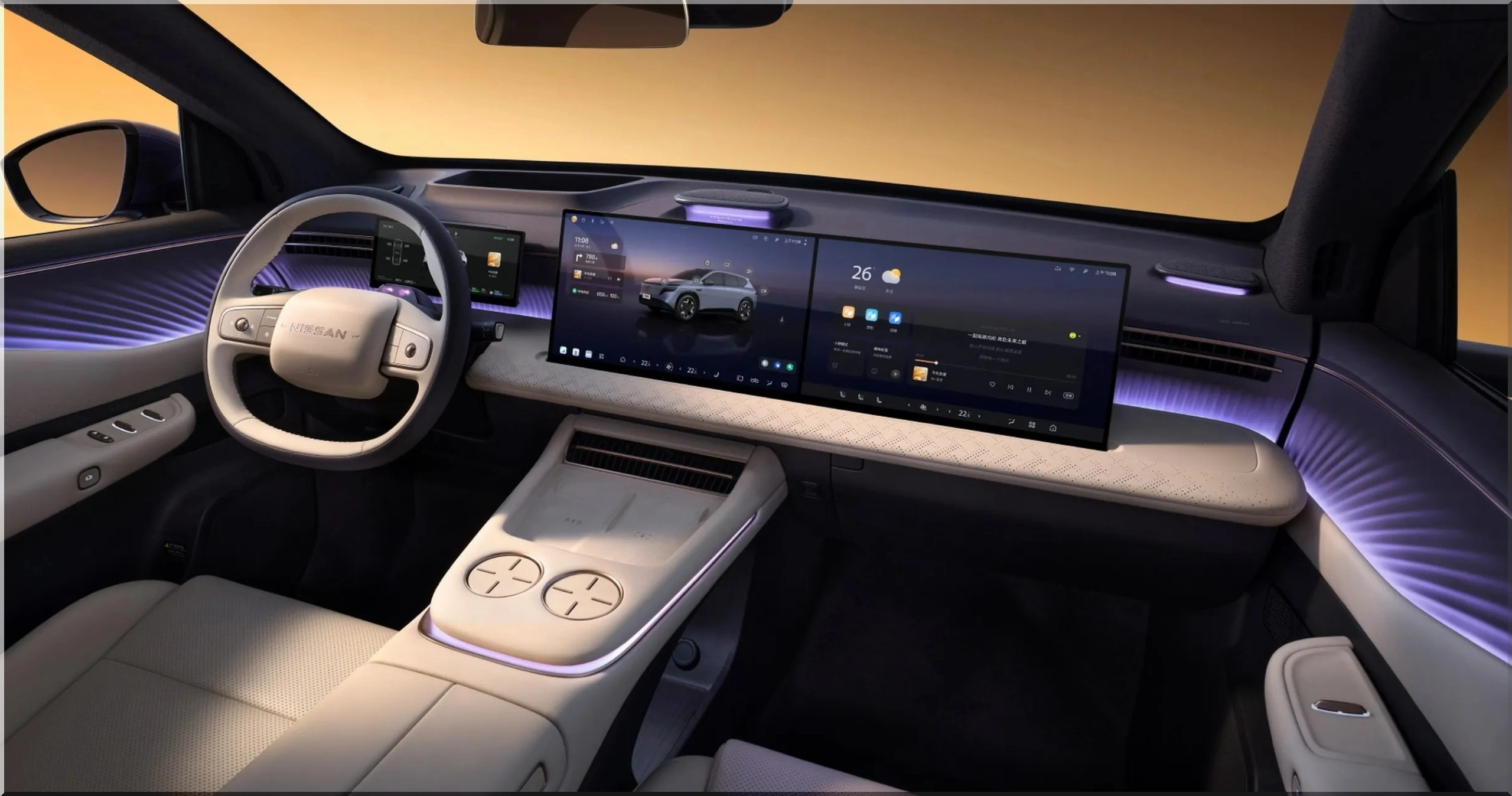
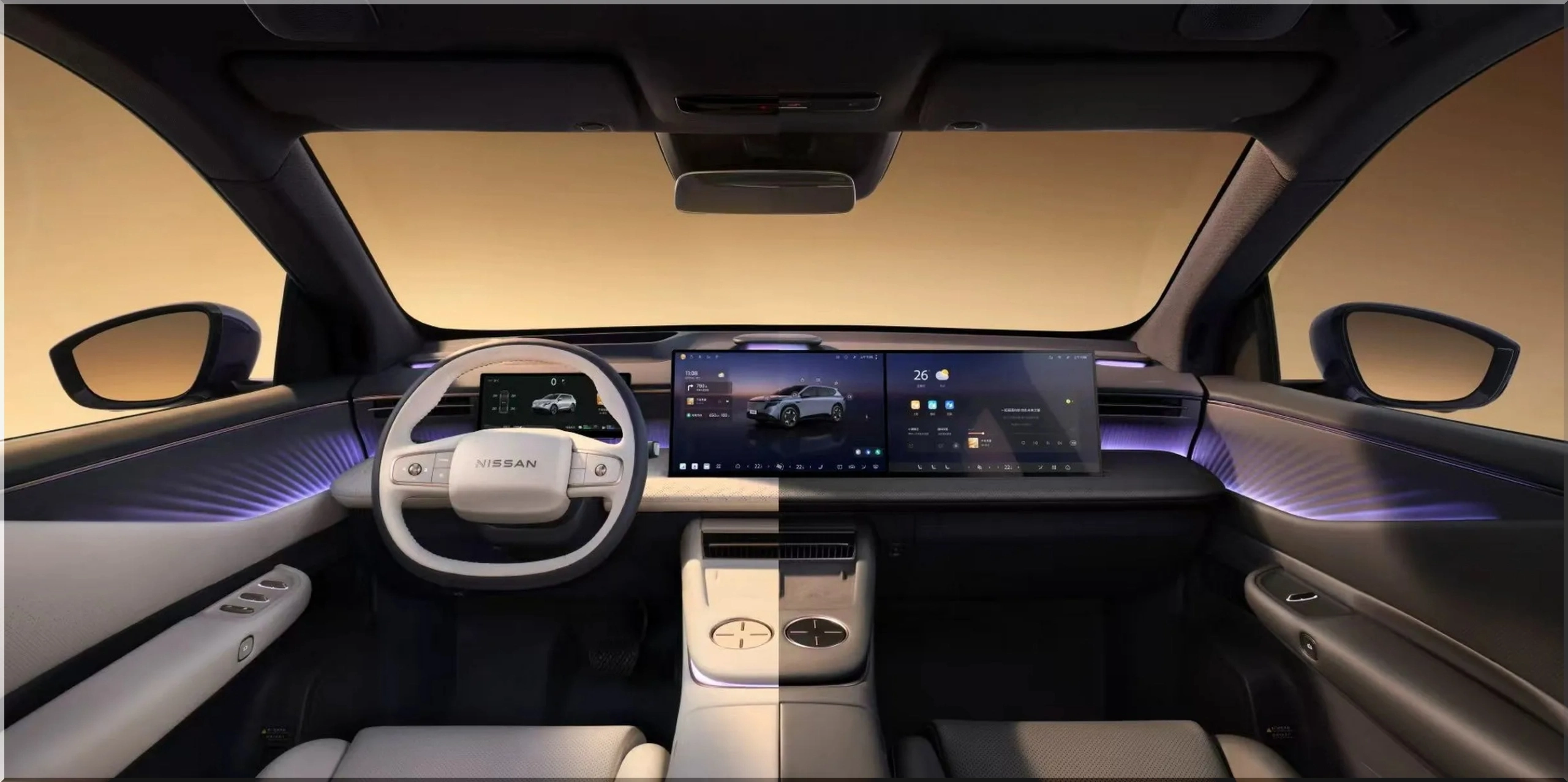
The Nissan NX8 interior leans hard into screen real estate and processing hardware. Buyers get dual 15.6-inch displays, Nissan OS 2.0, an AI voice assistant, a Qualcomm Snapdragon 8295P chipset, 256 GB of storage, and an AR head-up display equivalent to about 63 inches.
That hardware matters because cabin tech in China now works like power output did a decade ago. It shapes purchase intent before the test drive starts. A weak processor or dated interface can kill a sale fast in this segment.
Nissan also pairs the NX8 with a driver-assistance system developed with Momenta. In addition, outside reporting points to a roof-mounted LiDAR setup and a broader sensor suite, which tells you Nissan understands where the competitive baseline now sits in upper-volume Chinese EVs. Buyers in this segment want assisted highway driving, intelligent parking, and software credibility. Nissan had to show up with all three.
Pricing: Where the NX8 Gets Serious
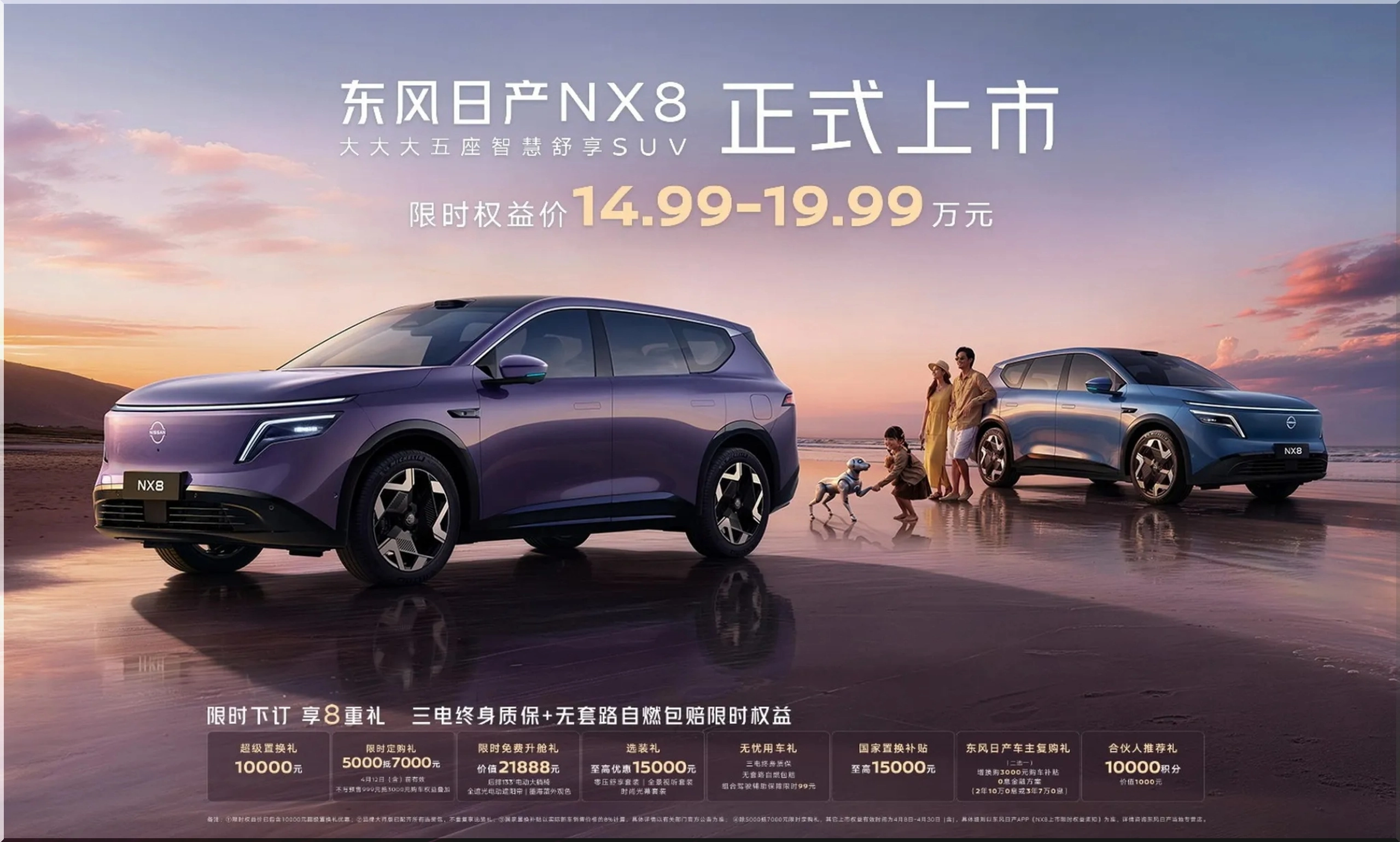
The Nissan NX8 price in China lands well below many better-known smart-SUV rivals.
| Nissan NX8 Trim Pricing | Limited-Time Price | Approx. USD |
|---|---|---|
| 150 Pro EREV | 149,900 yuan | $22,000 |
| 150 Max EREV | 159,900 yuan | $22,100 |
| 310 Max EREV | 169,900 yuan | $23,500 |
| 580 Pro EV | 149,900 yuan | $22,000 |
| 580 Max EV | 159,900 yuan | $22,100 |
| 650 Max EV | 174,900 yuan | $24,100 |
| Master Edition EV | 199,900 yuan | $27,600 |
By comparison, that is where Nissan applies real pressure. The NX8 undercuts a lot of China's premium-leaning EREV and large-smart-EV entries by a wide margin while still offering 800V charging, premium comfort features, and a high-spec digital cabin.
Competitive comparison
| Model | Powertrain Focus | Starting Price in China | Key Advantage | Key Weakness vs. NX8 |
|---|---|---|---|---|
| Nissan NX8 | EV and EREV | About $22,000 | Value, dual-powertrain strategy, strong feature density | Brand still rebuilding momentum in China's EV segment |
| Li Auto L6 | EREV | About $34,500 | Strong brand momentum and family-SUV reputation | Much higher entry price |
| Aito M7 | EREV | Around $36,000 to $40,000 depending on version | Huawei ecosystem and smart-cabin appeal | Higher price bracket |
| XPeng G9 | EV | About $34,800 | Premium EV image and advanced software stack | Significantly more expensive |
Looking at the data, Nissan's win metric is obvious: price-to-equipment efficiency. Its likely loss metric is brand momentum in smart EVs, where domestic players still carry more software credibility with local buyers.
Safety and Engineering Strategy
Nissan says the NX8 uses Cloud Shield Battery 2.0, CATL battery cells, testing across 146 safety criteria, 24-hour cloud monitoring, and a steel-aluminum hybrid body with 2,000 MPa-class ultra-high-strength steel.
That strategy reads like risk control built for skeptical mainstream buyers. Specifically, Nissan is trying to remove three purchase objections at once:
- Battery safety
- Long-distance trust
- Crash-structure confidence
For a joint-venture brand trying to claw back share in China, that is the right play. Fancy screens get attention. Battery credibility closes deals.
Pro-Tips for Readers Tracking the NX8
- Watch the 650 Max EV and 310 Max EREV trims first. They look like the strongest value-spec balance in the lineup.
- Treat CLTC range as a local-market test number, not a guaranteed real-world figure.
- Pay close attention to how Nissan prices future exports. The NX8's China value case is strong because local pricing is aggressive.
- If Nissan carries this software-and-hardware formula into other markets, the brand's global SUV story gets much more interesting.
What Now?
The Nissan NX8 gives Nissan a credible answer to China's electrified family-SUV fight. It brings real charging speed, serious cabin packaging, strong comfort hardware, and a dual-powertrain strategy that fits actual market behavior instead of forcing one solution on every buyer.
That does not mean Nissan has already solved its China problem. It does mean the company finally launched something that looks engineered for current demand instead of old assumptions. In this segment, at this price, that is a big shift. @ electrichunter & .carscoops.
- Add new comment
- 103 views