Toyota closed 2025 with clear momentum in the U.S. market. Volume rose. Electrified vehicles gained share. Core nameplates held demand even as pricing pressure stayed high across the industry.
This data matters because it shows what buyers actually paid for, not what brands promised. Toyota leaned on hybrids, pricing discipline, and manufacturing scale. The results point to where mass-market demand sits right now.
Toyota 2025 U.S. Sales by the Numbers
Toyota Motor North America reported 2,518,071 total vehicles sold in 2025, an 8.0 percent year-over-year increase. Daily selling rate climbed 8.3 percent.
Electrified models drove a large share of that growth.
Key figures from 2025:
- 1,183,248 electrified vehicles sold
- 17.6 percent growth in electrified volume
- 47.0 percent of total Toyota U.S. sales came from electrified models
- 30 electrified models available across Toyota and Lexus showrooms
These numbers show a buyer shift toward hybrids and plug-ins rather than full battery EVs.
Why Electrified Share Matters More Than Total Volume
Electrified share reveals intent. Almost one in two Toyota buyers in 2025 chose a hybrid, plug-in hybrid, or battery EV.
That ratio matters more than raw volume because it reflects trust. Buyers want efficiency gains without charging friction. Toyota focused on that middle ground.
Electrified vehicle sales growth outpaced total brand growth by more than double.
Toyota vs. the Market: How 2025 Stacks Up
The broader U.S. auto market grew at a slower pace in 2025. Incentives rose. Inventory loosened. Margins tightened.
Toyota moved in the opposite direction.
- Lower incentives than other full-line brands
- High hybrid availability
- Stable pricing under $30,000 across several trims
This strategy protected resale values and kept monthly payments predictable.
Comparison Table: Toyota vs. Key Competitors (2025)
| Brand | Total U.S. Sales Growth | Electrified Share | Primary Electrification Strategy |
|---|---|---|---|
| Toyota | +8.0% | 47.0% | Hybrid-first, plug-in selective |
| Honda | ~+5% | ~28% | Hybrid-heavy, limited EV |
| Ford | ~+3% | ~22% | Truck EVs, hybrid mix |
| Hyundai | ~+6% | ~31% | EV-forward, hybrid expansion |
Toyota led this group in electrified penetration without relying on large EV incentives.
Toyota Division: Core Models Still Drive Volume
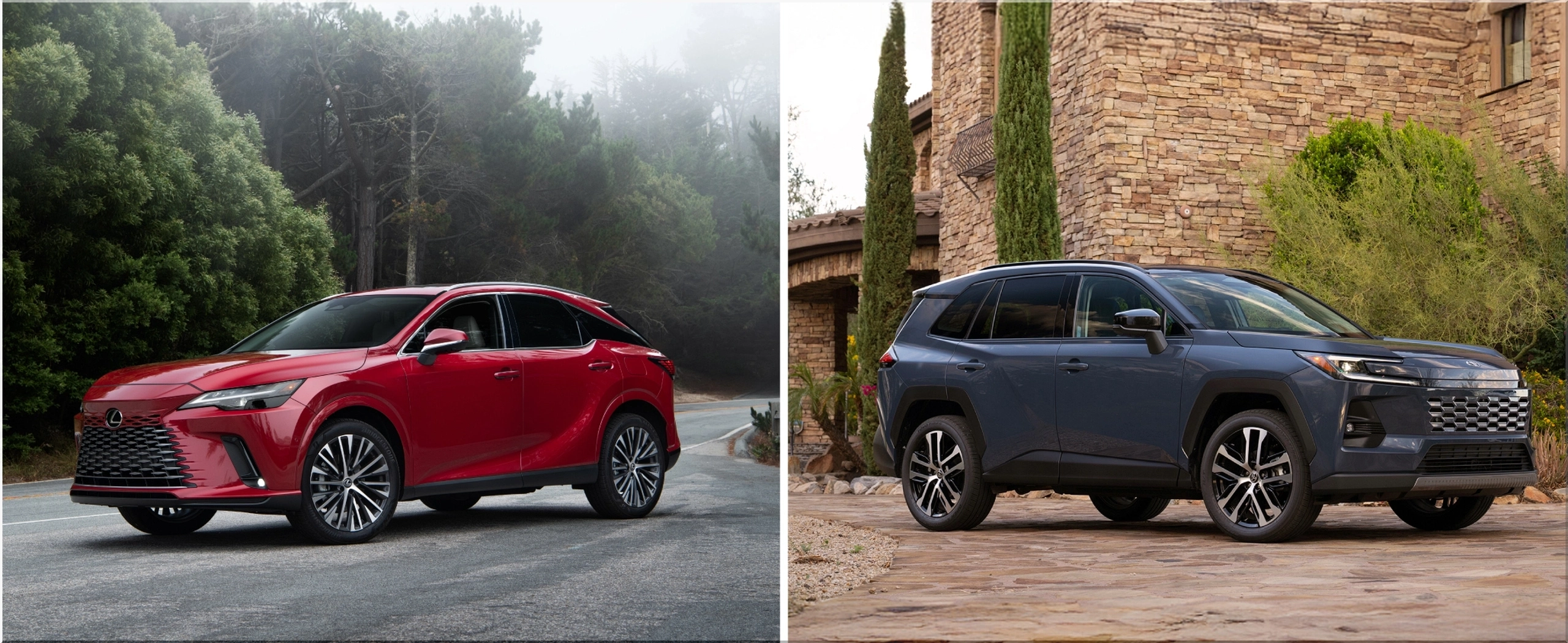
The Toyota brand posted 2,147,811 vehicles sold, up 8.1 percent year over year.
Several models posted their best sales years ever.
Top performers included:
Hybrid variants now anchor several of these nameplates. Buyers choose efficiency without losing range or capability.
Trucks and SUVs Still Anchor Demand
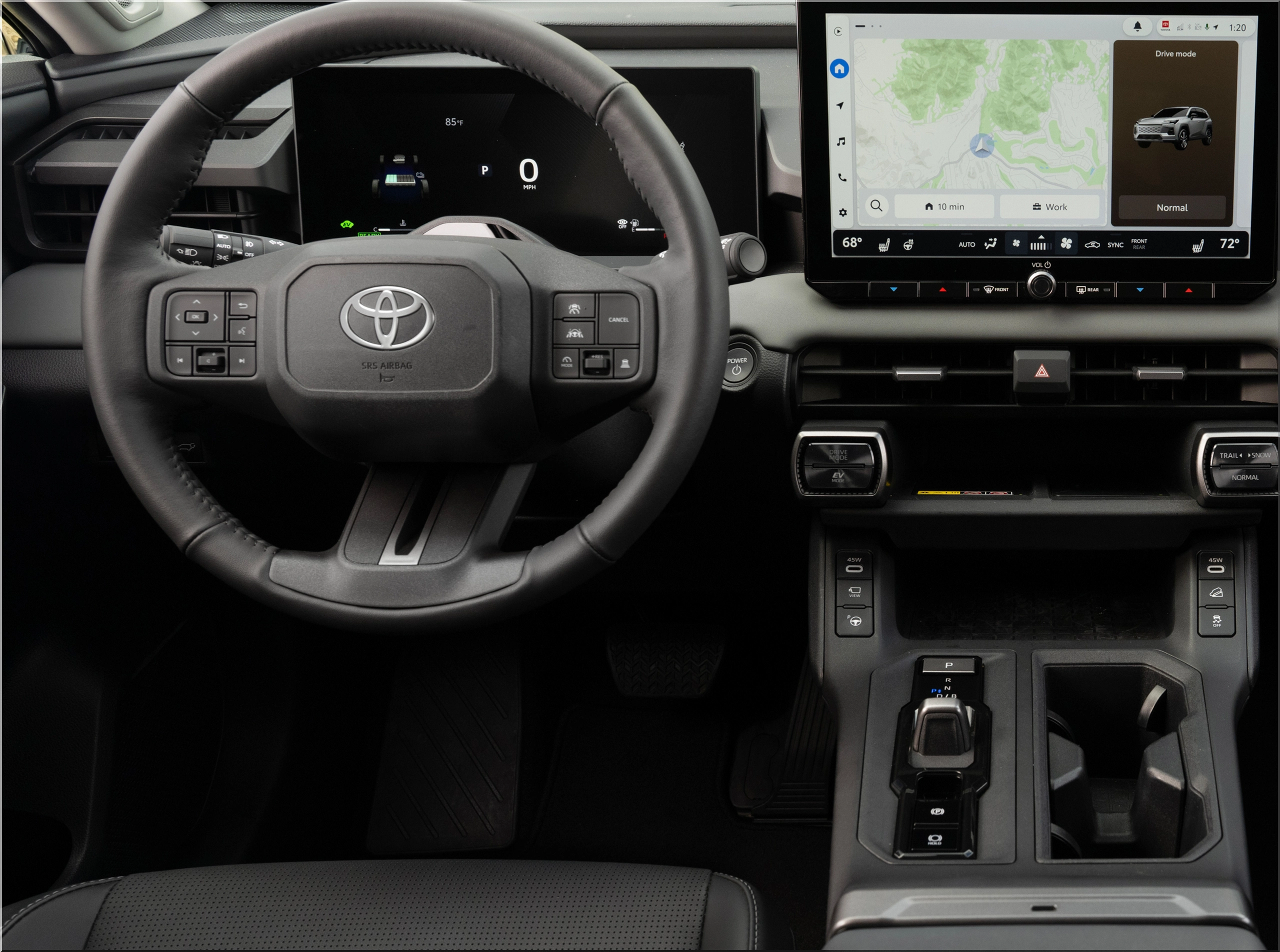
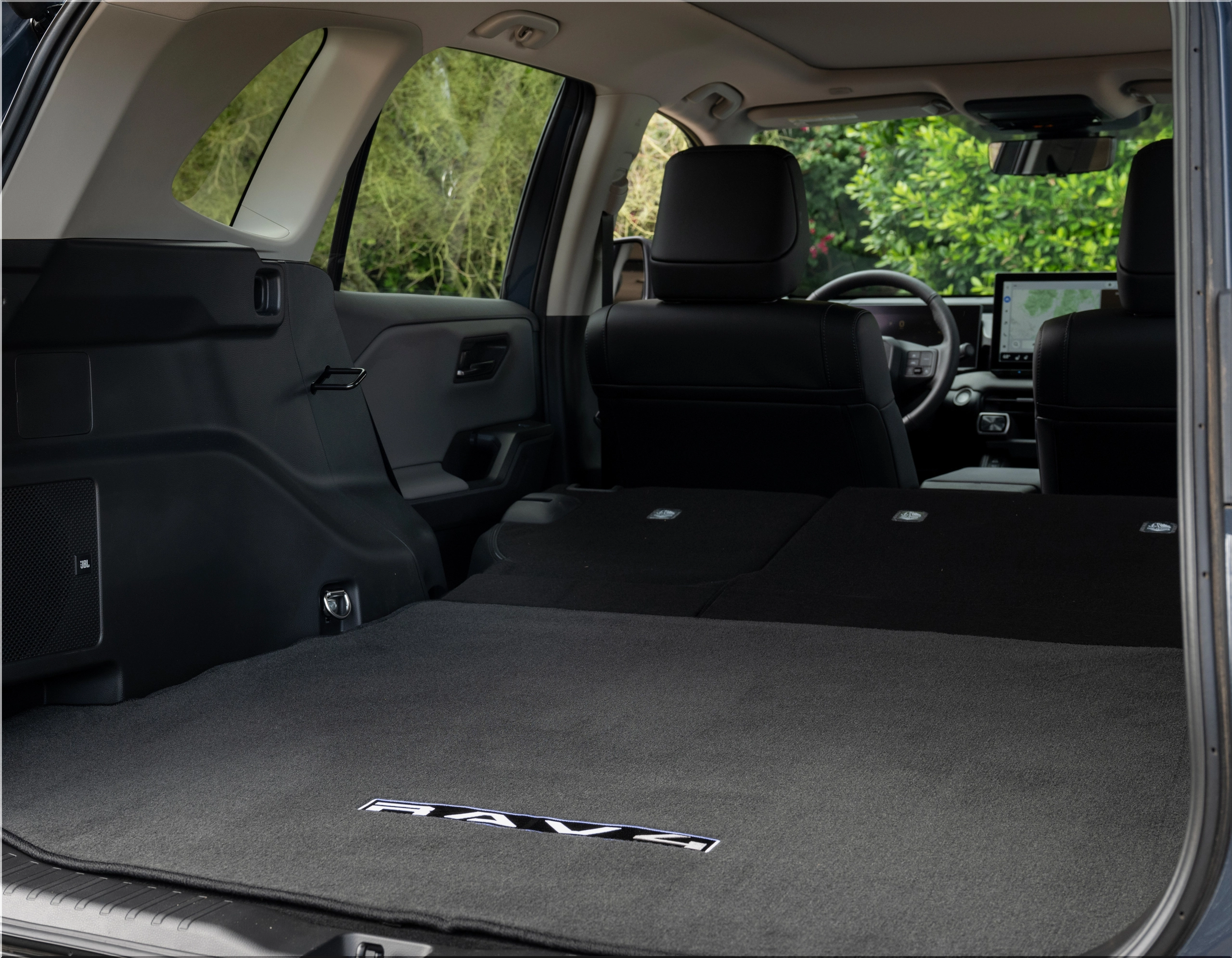
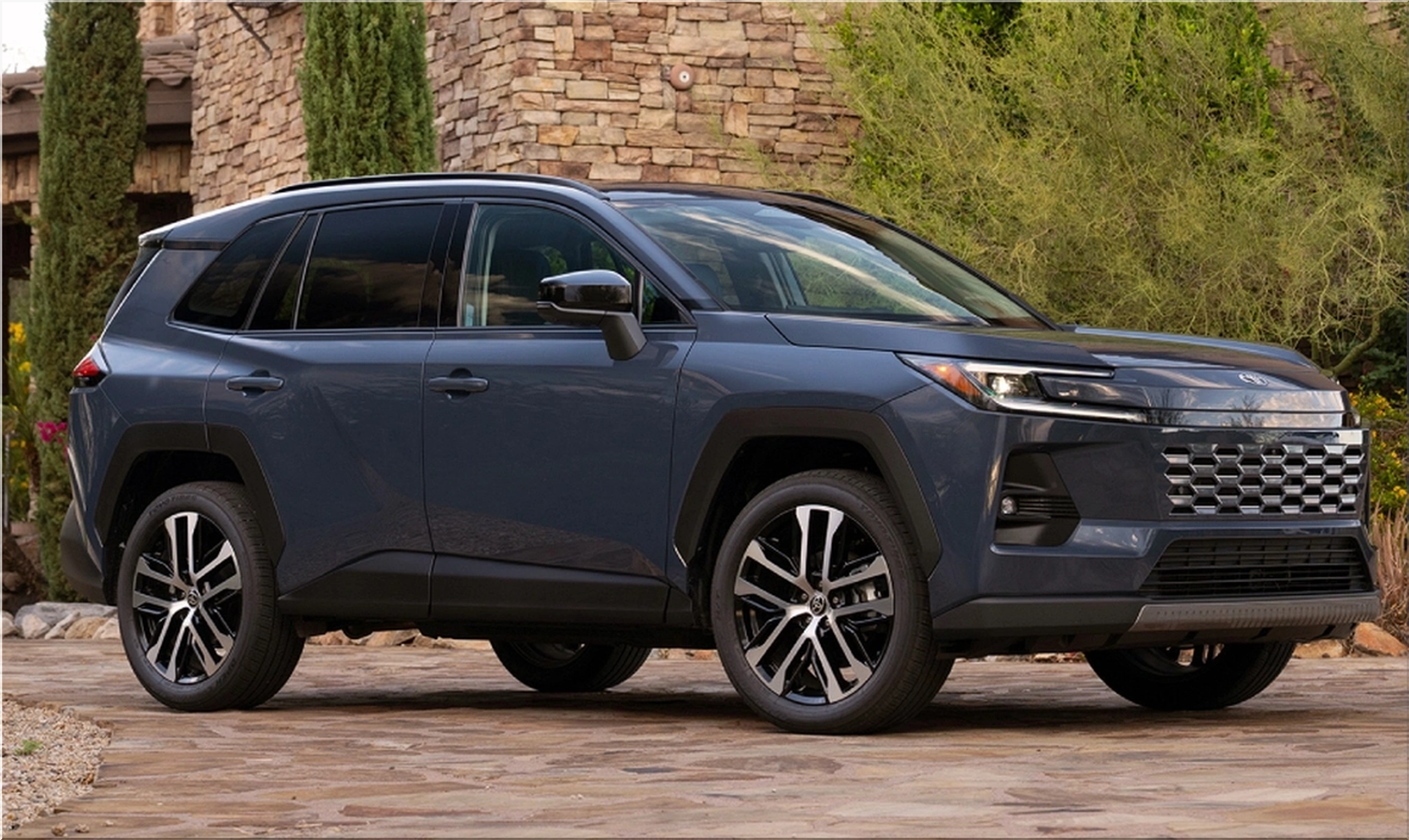
RAV4 remained Toyota's volume leader. Tacoma rebounded after redesign. Land Cruiser Hybrid pulled premium buyers back into the brand.
SUV and truck demand stayed strong, but buyers increasingly paired size with efficiency.
Lexus: Growth With Electrification Leading
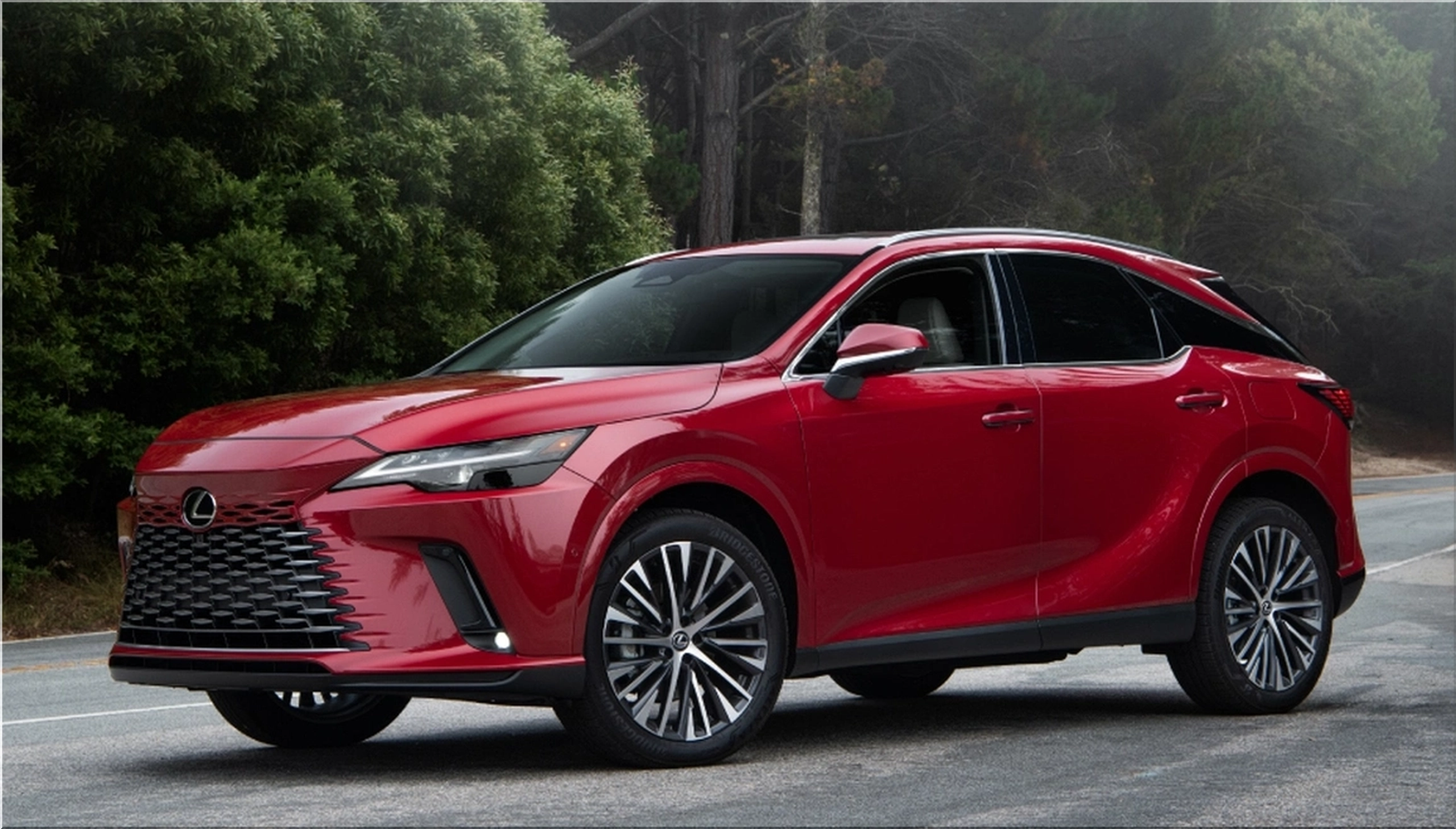
Lexus posted 370,260 vehicles sold, up 7.1 percent. This marked the brand's best-ever full-year sales result.
Electrified Lexus sales reached 131,851 units, a 7.2 percent increase, accounting for 35.6 percent of Lexus volume.
Best-selling electrified Lexus models included:
- NX Hybrid
- NX Plug-in Hybrid
- RX Plug-in Hybrid
- TX Hybrid
- TX Plug-in Hybrid
Luxury buyers showed strong interest in plug-in options when pricing stayed close to gas models.
Manufacturing Investment Supports Sales Stability
Toyota tied sales growth to domestic production. In 2025, the company:
- Opened its first U.S. battery plant in North Carolina
- Invested nearly $14 billion in battery manufacturing
- Added over 5,000 U.S. jobs
- Invested $912 million across five U.S. assembly plants
This approach reduced supply risk and stabilized hybrid availability during peak demand.
What This Data Says About Buyer Behavior
Toyota buyers showed clear preferences in 2025.
They favored:
- Hybrid efficiency over full EV dependence
- Lower monthly payments
- Proven platforms with incremental tech upgrades
Battery EV demand stayed selective. Hybrids delivered volume.
Pricing Still Shapes Conversion
Toyota maintained one of the lowest incentive spends among major automakers. That signals strong organic demand.
Models starting under $30,000 USD continued to convert buyers at scale. This pricing band remains critical for first-time buyers and households managing interest rate pressure.
What Now: Why This Matters Going Into 2026
Toyota enters 2026 with momentum and optionality.
Actionable takeaways:
- Expect hybrid availability to expand, not retreat
- Full EV launches will remain targeted, not mass-market
- Pricing discipline will continue to support resale values
- Competitors will push incentives harder to match Toyota volume
For buyers, this means hybrids will stay accessible. For competitors, Toyota's data shows that electrification works best when friction stays low.
- Add new comment
- 139 views