Early Access Through a Controlled Digital Experience
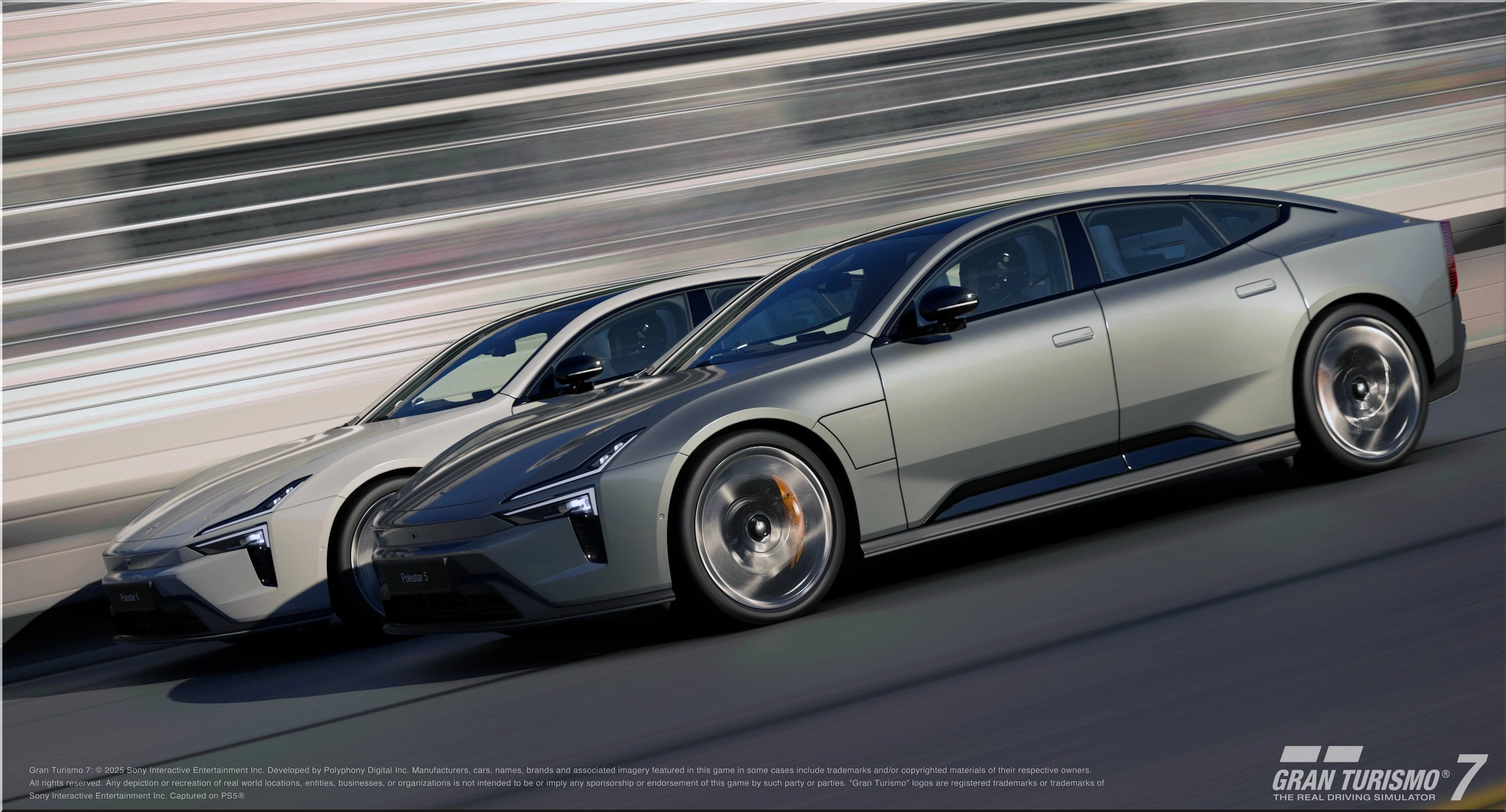
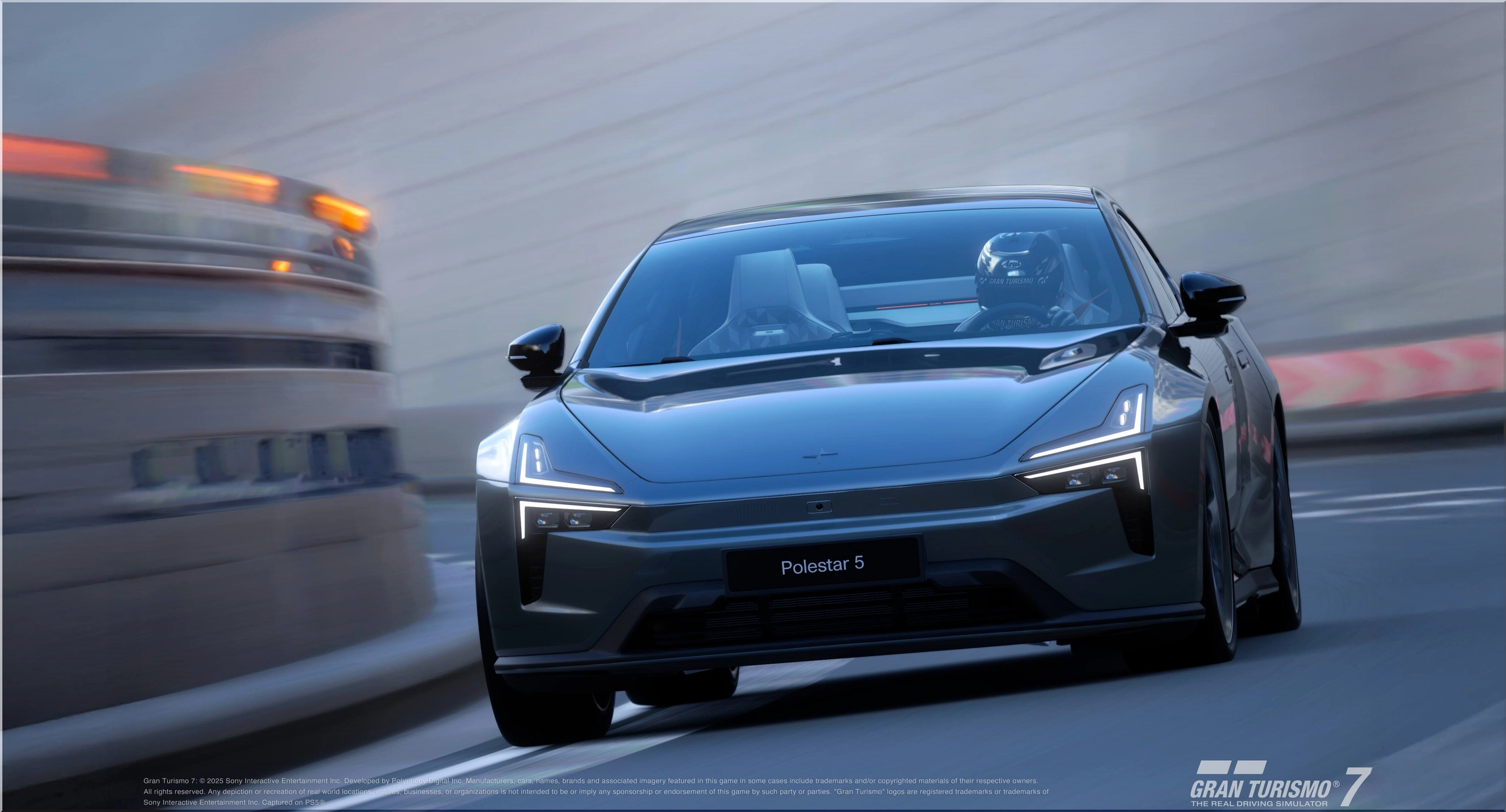
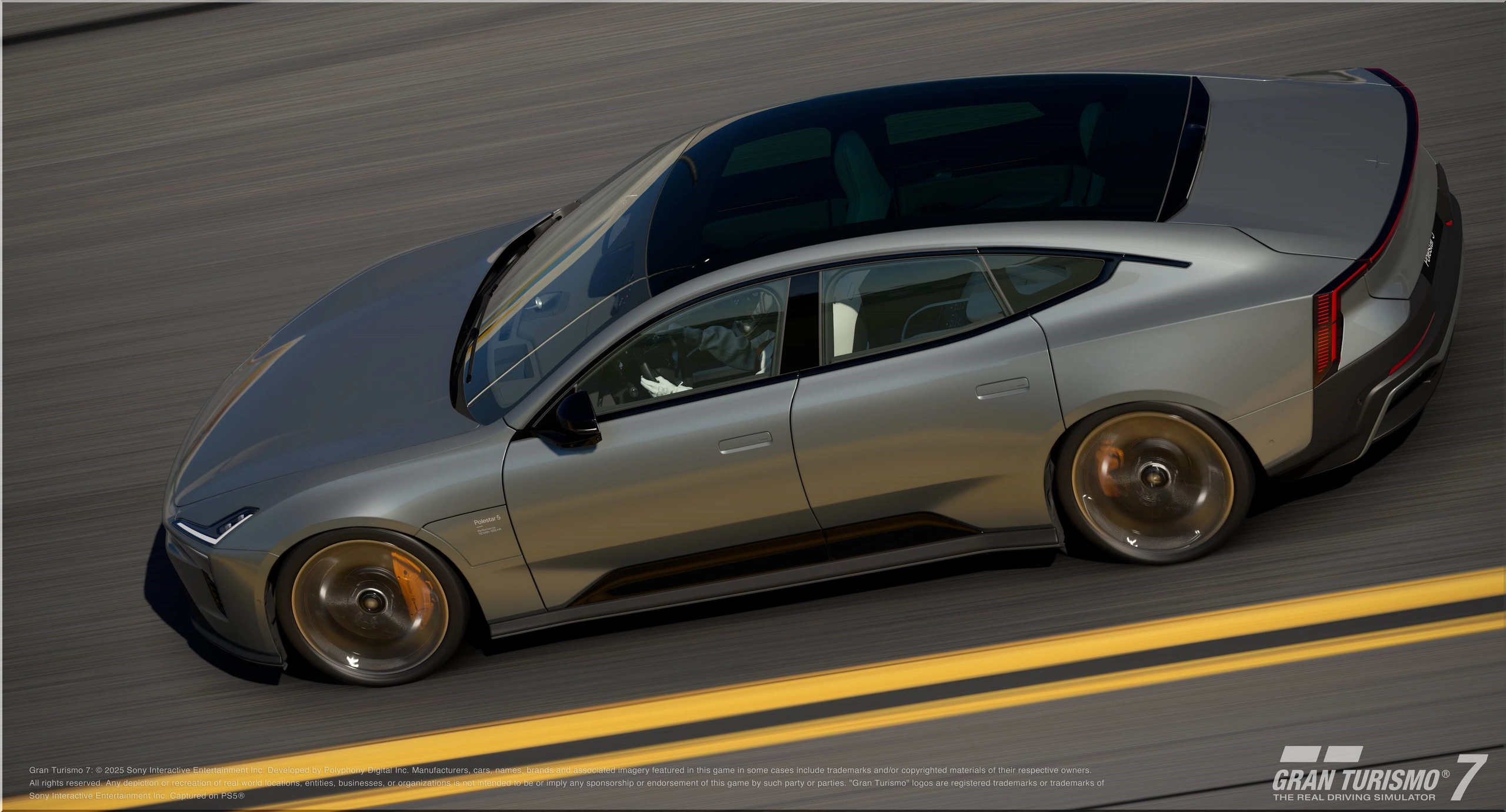
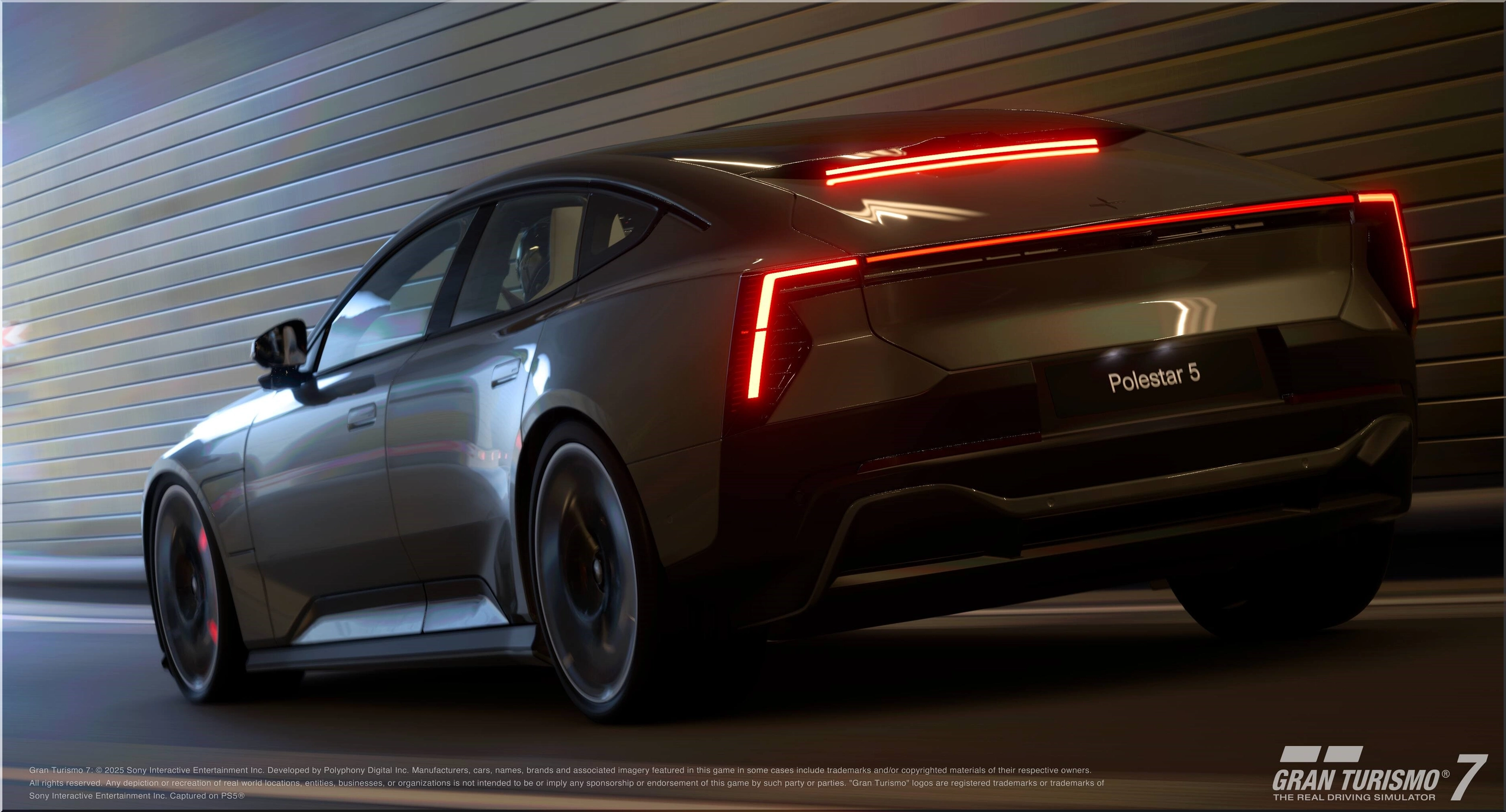
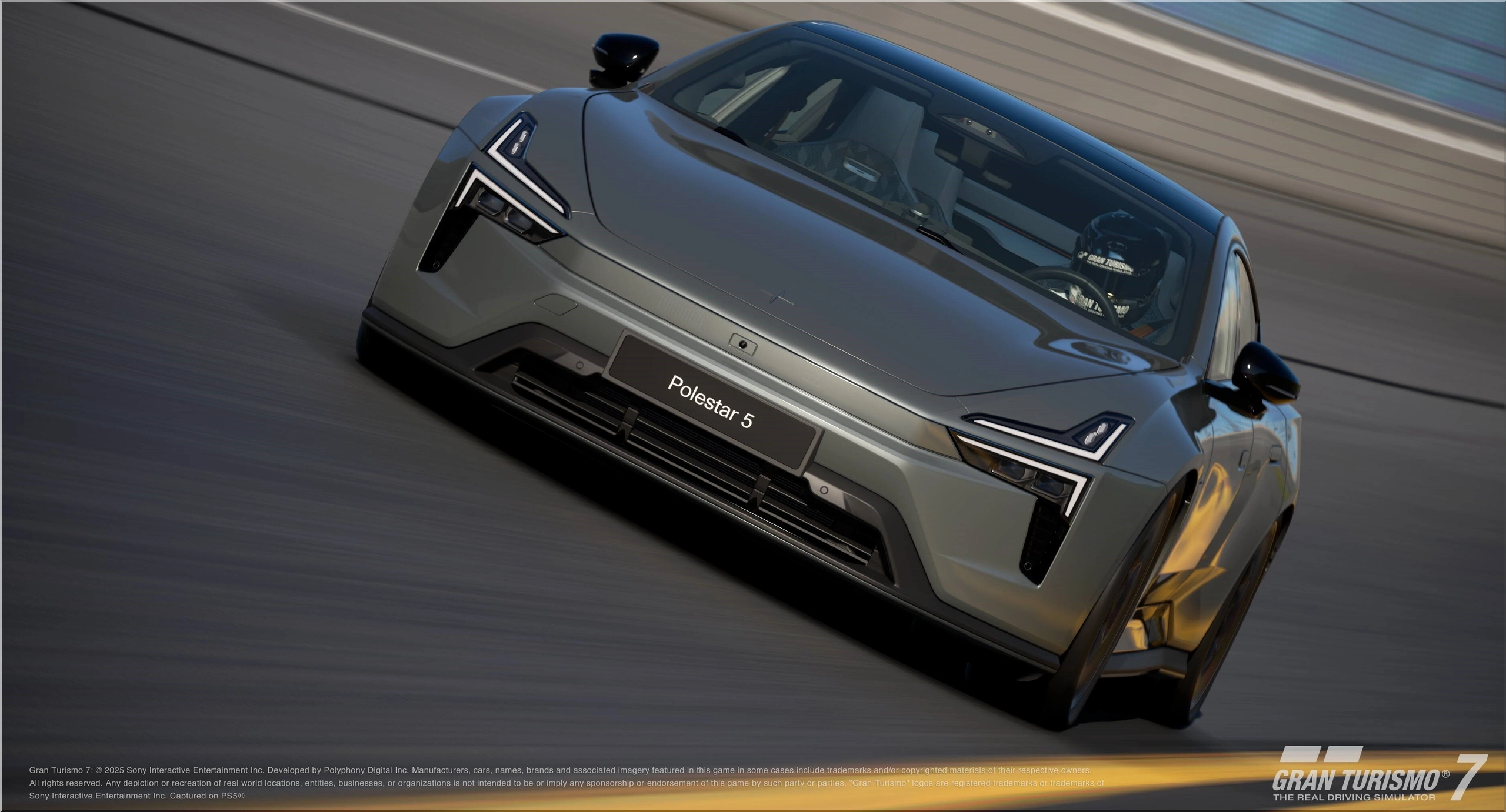
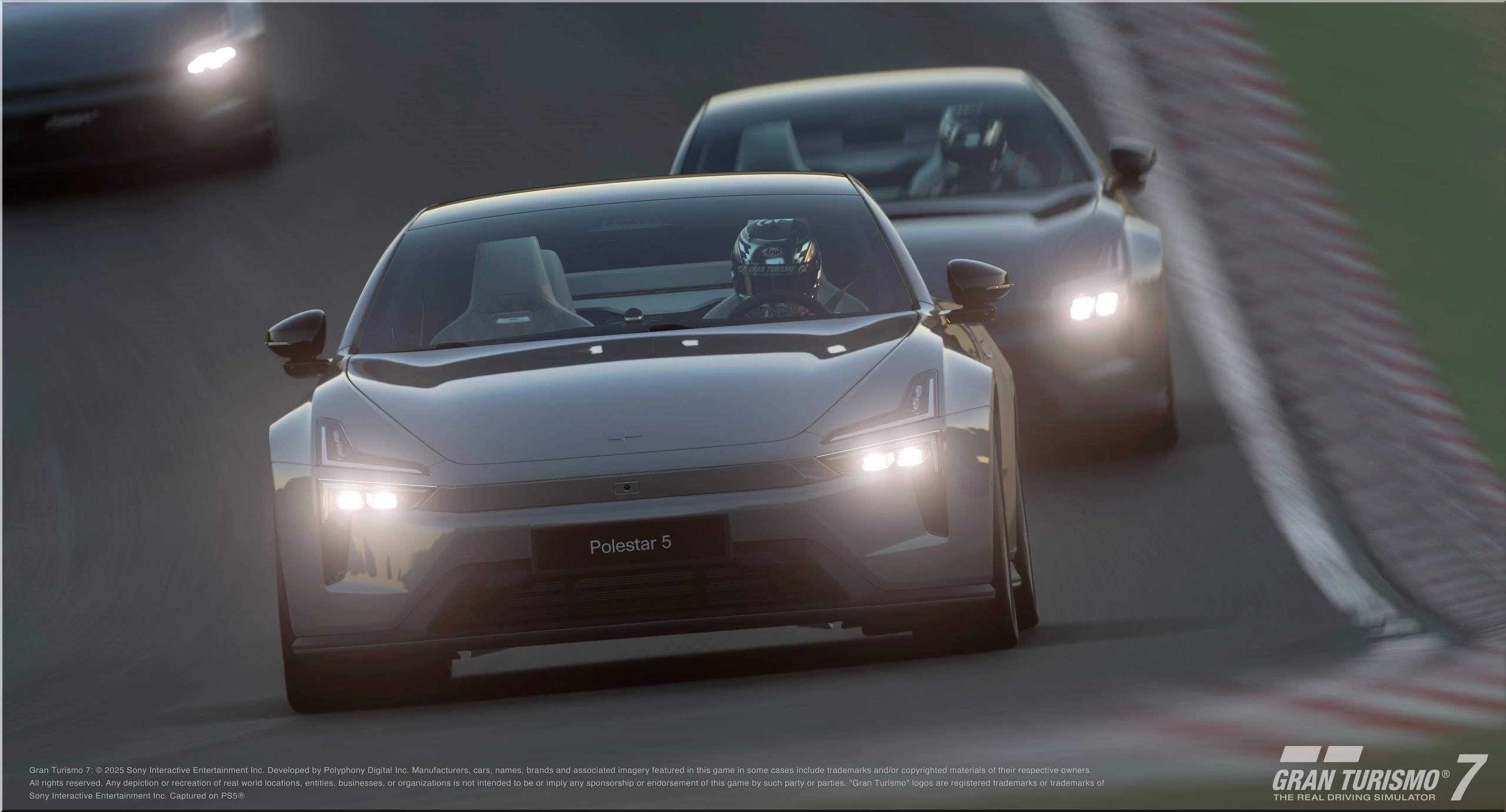
Polestar now gives drivers an early seat behind the wheel of the Polestar 5 Performance GT using a virtual test drive inside selected Polestar Spaces. The company added the car to Gran Turismo 7, allowing buyers to assess performance characteristics long before the vehicle reaches showrooms in mid-2026. The update positions Polestar to convert interest into orders while reducing the gap between product announcement and product availability.
Why Polestar Uses a Virtual Test Drive
The performance EV space moves fast, and buyers expect clear data before making decisions. Polestar uses a digital version of the Polestar 5 to give prospects a direct preview of its acceleration, torque delivery, and chassis control. The approach offers three measurable advantages:
- Faster buyer evaluation.
- Higher engagement inside Polestar retail spaces.
- Lower risk that customers shift to competitors with shorter wait times.
Gran Turismo 7 gives Polestar a controlled platform with accurate physics modeling. That accuracy helps buyers understand the 5's performance envelope without a physical test car.
Key Performance Data
The Polestar 5 Performance GT targets drivers who want high output and consistent control. The model delivers:
- 650 kW
- 1,015 Nm of torque
- 0–100 km/h in 3.2 seconds
- A bonded-aluminum platform for reduced flex
- A rigid structure that supports high-speed stability
The team used the Polestar Performance Architecture, which supports the power output without major weight penalties. Shorter response times help the car maintain predictable handling under acceleration.
Core Specifications Table
| Metric | Value |
|---|---|
| Maximum Power | 650 kW |
| Torque | 1,015 Nm |
| 0–100 km/h | 3.2 seconds |
| Platform | Bonded Aluminum |
| Doors | Four |
| Drive Type | Performance GT |
How the Virtual Model Was Built
Polestar engineers worked with Polyphony Digital to match the car's real behavior. The team transferred suspension geometry, power curves, and aerodynamic resistance into the game engine. The process delivered a virtual car that reacts like the upcoming production model. That accuracy matters, because Polestar wants the simulation to convert to real-world expectations.
Developers also modeled chassis stiffness and battery mass distribution. This helped drivers experience the handling balance expected from the production vehicle.
Retail Impact Across Europe
Polestar deploys the virtual test drive across selected European Spaces through February. Each site offers a controlled simulator setup, giving customers a consistent experience. The test drive events run in multiple cities including Trondheim, Hamburg, Sheffield, Cribbs Causeway, Gothenburg, Brussels, Stockholm, Battersea, Solihull, Vienna, and Zurich.
The strategy uses the same message across all retail locations: allow the driver to feel the performance GT first, then guide them toward a 2026 reservation.
Competitive Time Trials
Drivers with a competitive streak can participate in time trials. Polestar Spaces host local sessions, while the Gran Turismo 7 global time trial runs on a virtual Brands Hatch circuit. Competitive events serve two purposes:
- Bring more foot traffic into Polestar Spaces.
- Build brand attention through user-generated content.
The winner earns a trip to Japan to attend the World Finals of the GT World Series. That reward creates additional visibility for the Polestar 5 during the pre-launch phase.
What This Means for Polestar's Product Strategy
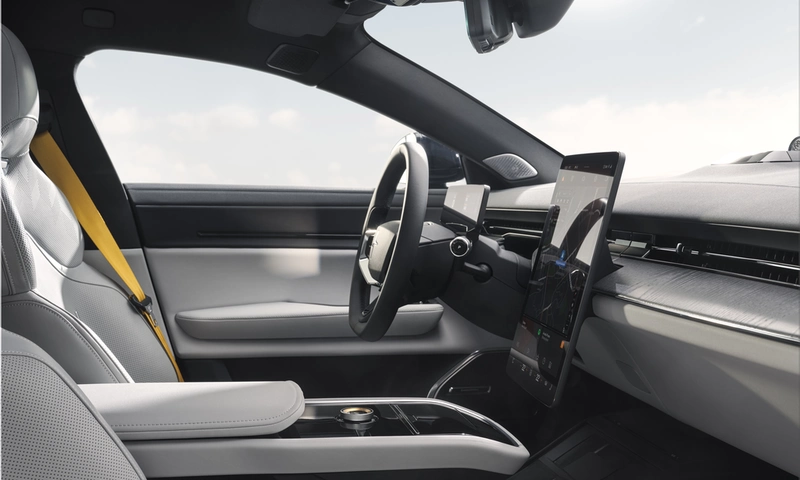
Polestar uses the Polestar 5 as a demonstration of its future direction. The company aims for high performance supported by structural efficiency and clean design. Introducing the model through a digital channel shows how product launches can shift when hardware is not yet ready.
The approach also supports Polestar's broader plan:
- Build demand ahead of manufacturing.
- Reduce buyer uncertainty during long development cycles.
- Give prospects a way to compare the Polestar 5 to competing performance EVs in real time.
The virtual test drive also doubles as a cost-control tool. Polestar avoids building early prototypes for public events and focuses resources on production-grade engineering.
What Buyers Gain from Early Digital Access
Early exposure gives interested drivers three practical insights:
- How the Polestar 5 responds at high speed.
- How the torque output affects corner exit control.
- How the steering balance compares with other performance EVs.
A short digital session can clarify the difference between raw numbers and real handling behavior. The virtual model delivers that context without long wait times.
The Road to the 2026 Test Drive
Polestar confirms physical test drives start in mid-2026. The digital rollout bridges the gap between now and launch. By the time production cars arrive, many prospects will already understand the core driving experience. The company expects those drivers to convert faster once seats become available.
Final Take
The Polestar 5 Performance GT enters the market with strong performance data and a new strategy to introduce the car ahead of schedule. Virtual access helps Polestar manage interest, eliminate delays in buyer evaluation, and compete in a segment defined by speed, both on the road and in product cycles.
- Add new comment
- 155 views