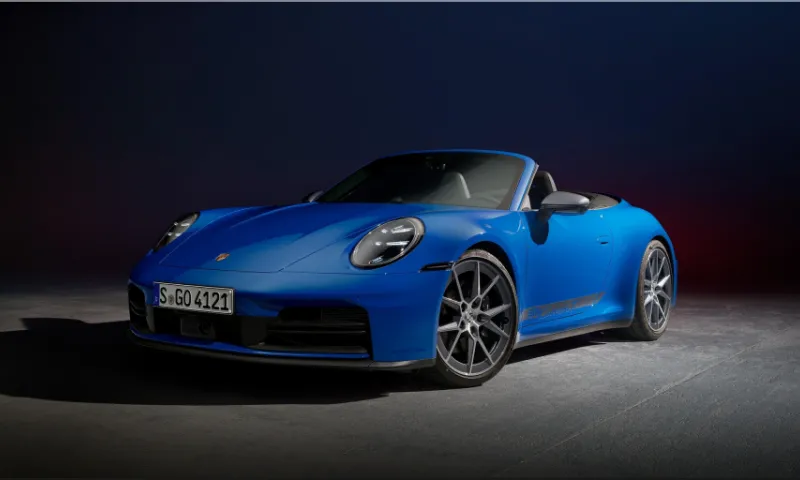
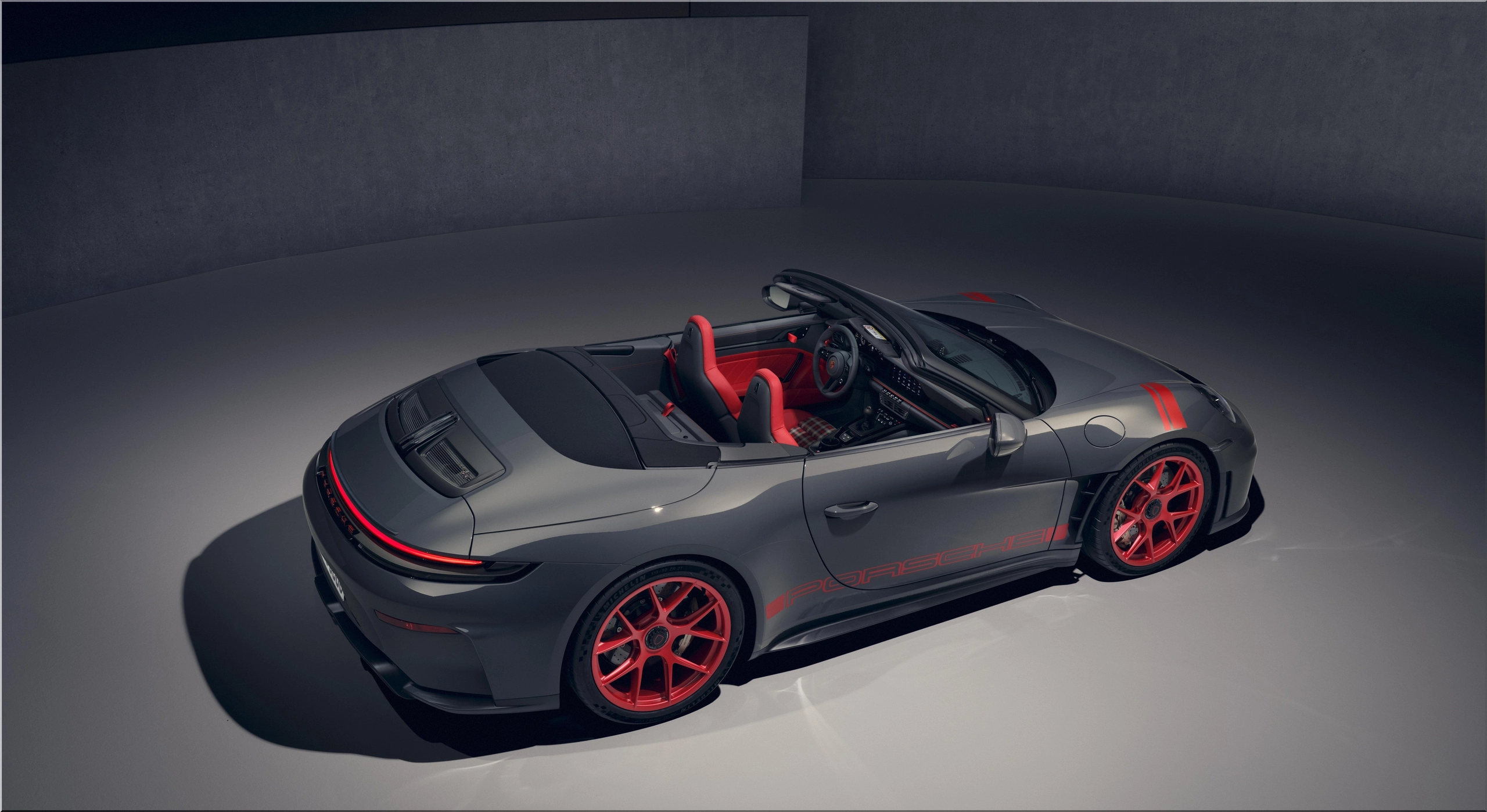
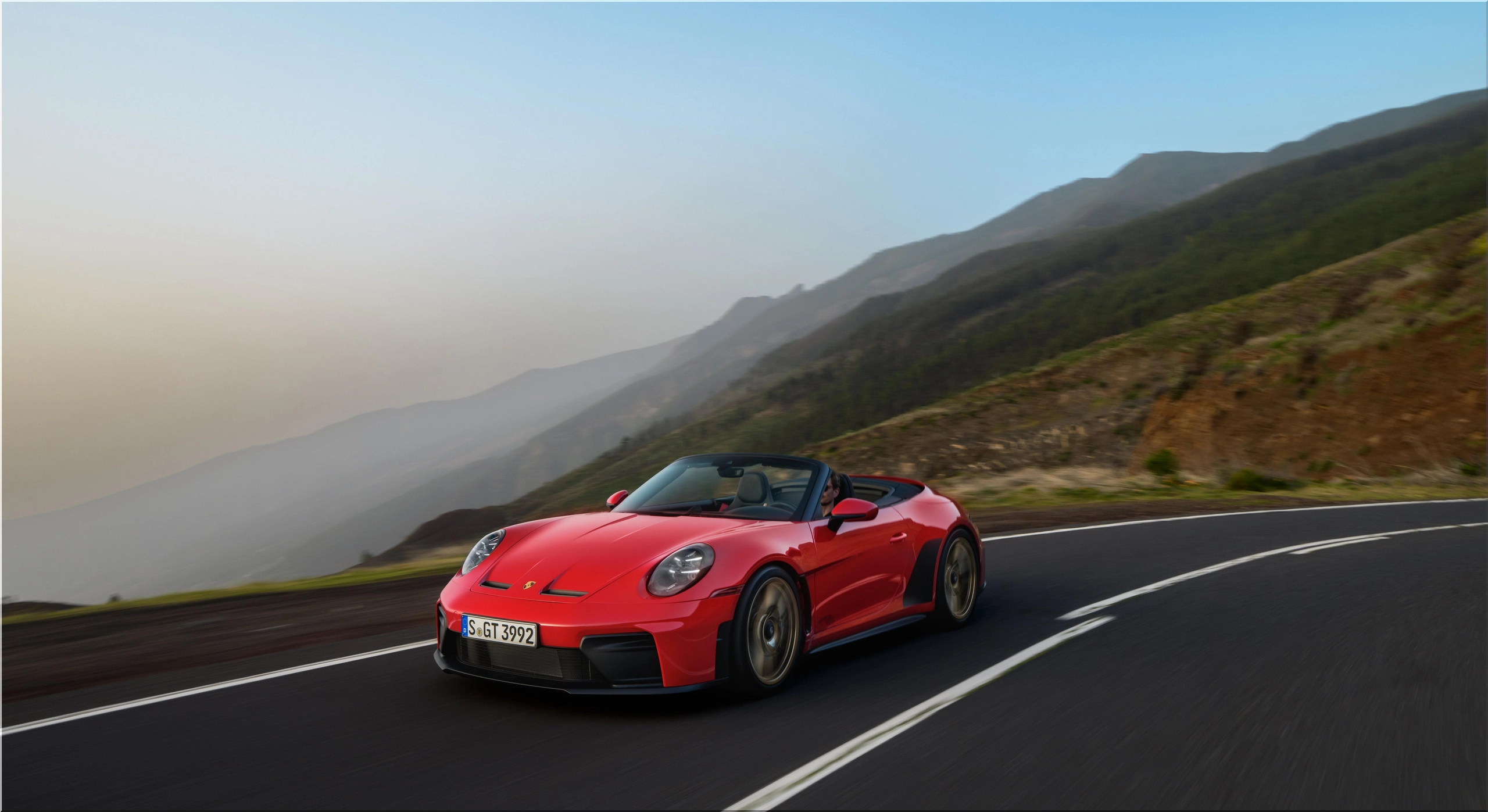
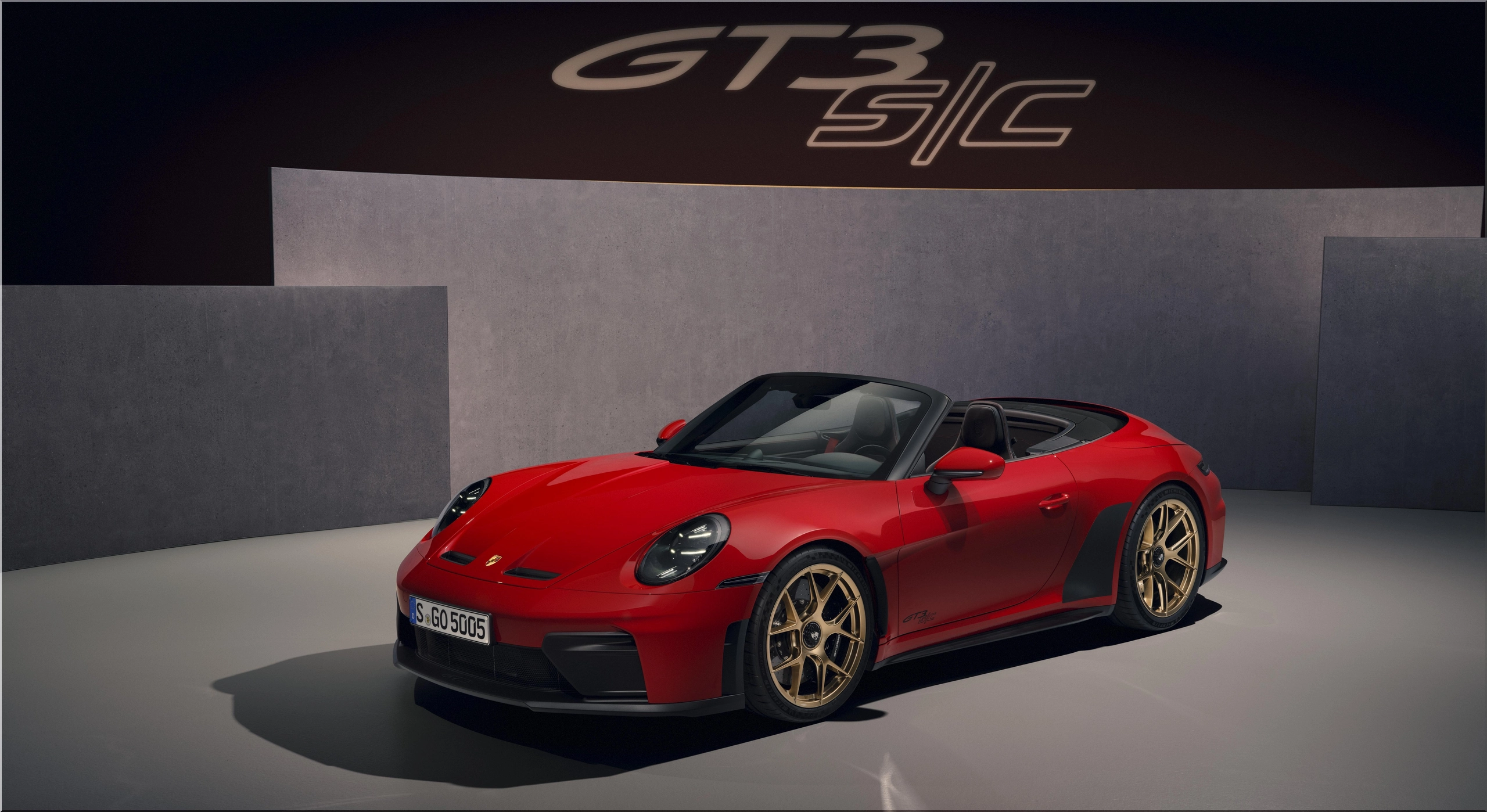
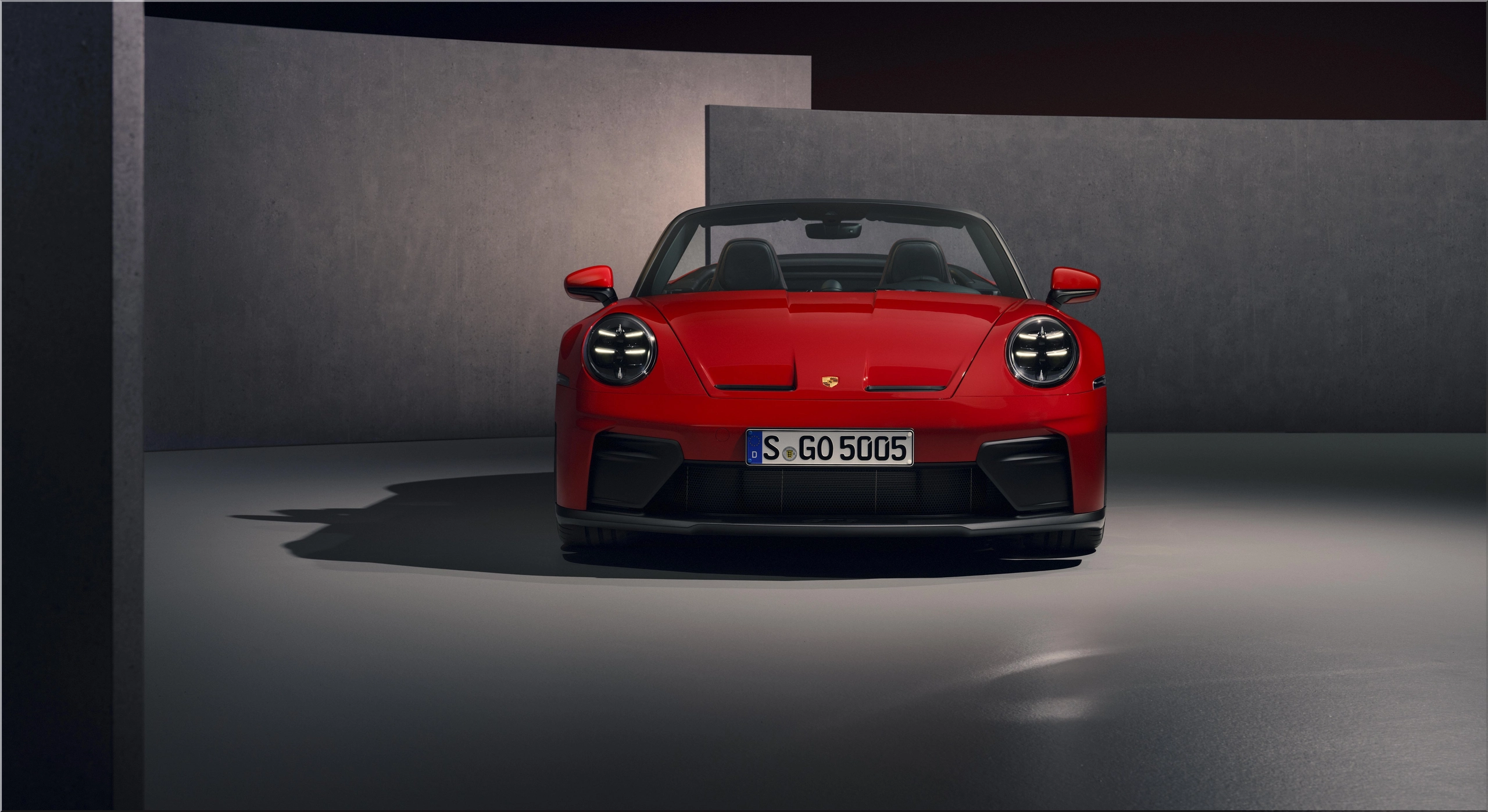
Porsche finally built the version many purists kept asking for in private and pretending not to expect in public. The new Porsche 911 GT3 S/C pairs a high-revving naturally aspirated engine with a manual transmission and an open roof, which sounds simple until you consider how hard that formula is to execute without turning a razor-sharp 911 into a floppy indulgence.
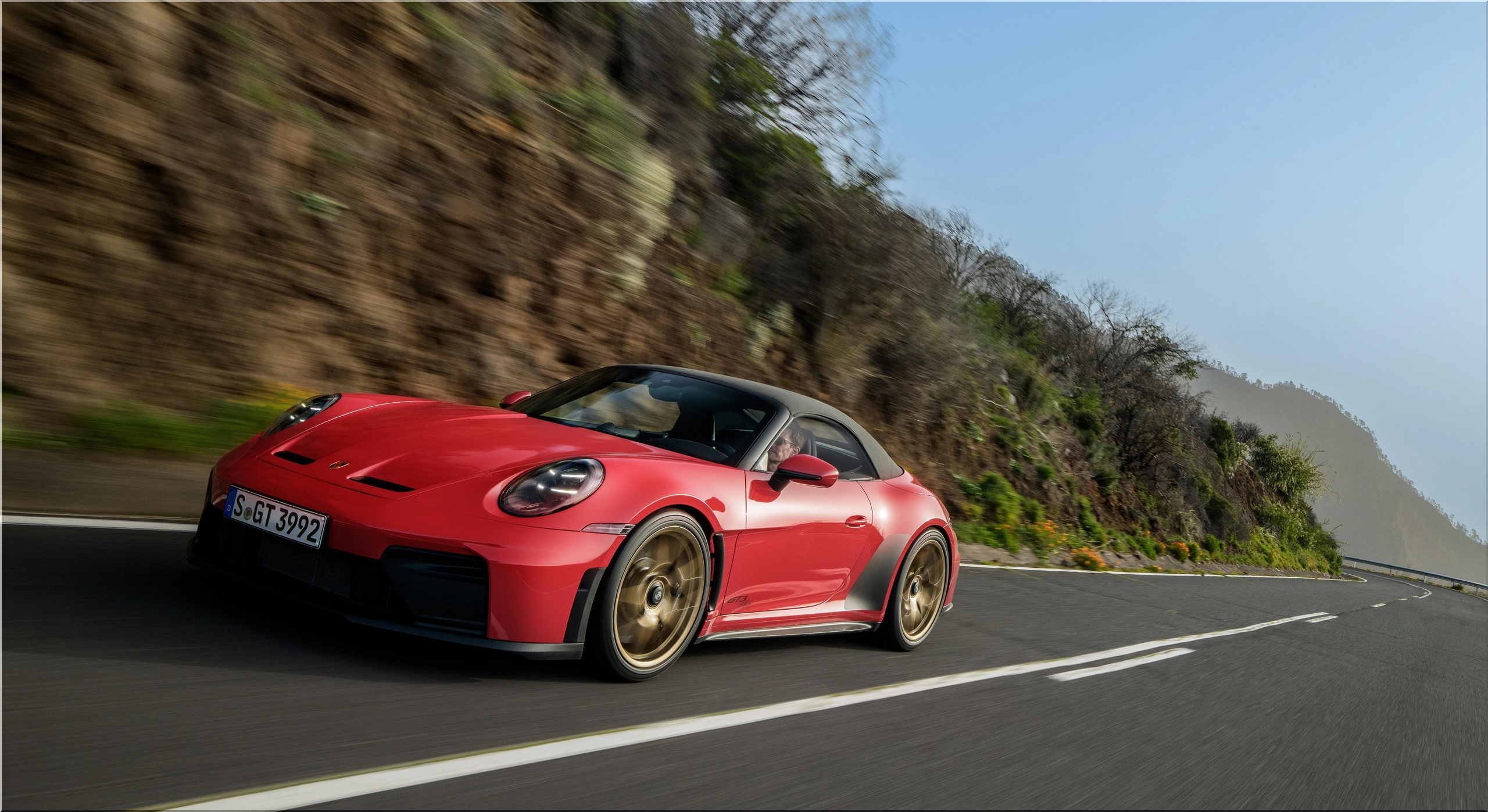
Instead, Porsche took the hard route. It gave the car the 4.0-liter naturally aspirated flat-six from the GT3 family, kept the six-speed manual as the only transmission, and wrapped the package in a lightweight cabriolet body with serious chassis hardware. Looking at the data, this is not a dress-up special. It is a focused, expensive, highly specific machine aimed at drivers who care more about throttle response, engine note, and shift action than bragging about launch-control heroics.
Why the 911 GT3 S/C Matters
The headline feature is not one single number. It is the mix of components.
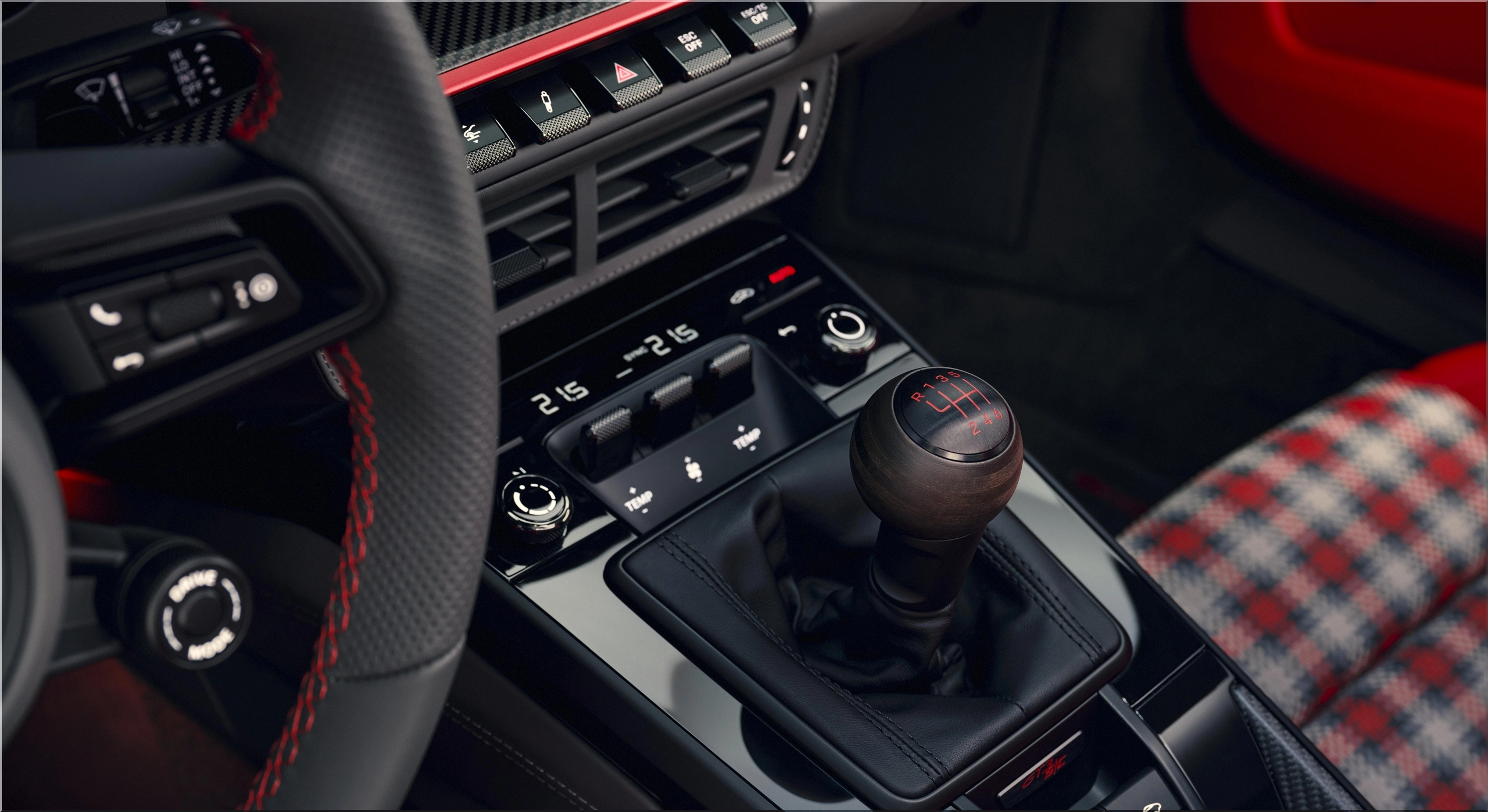
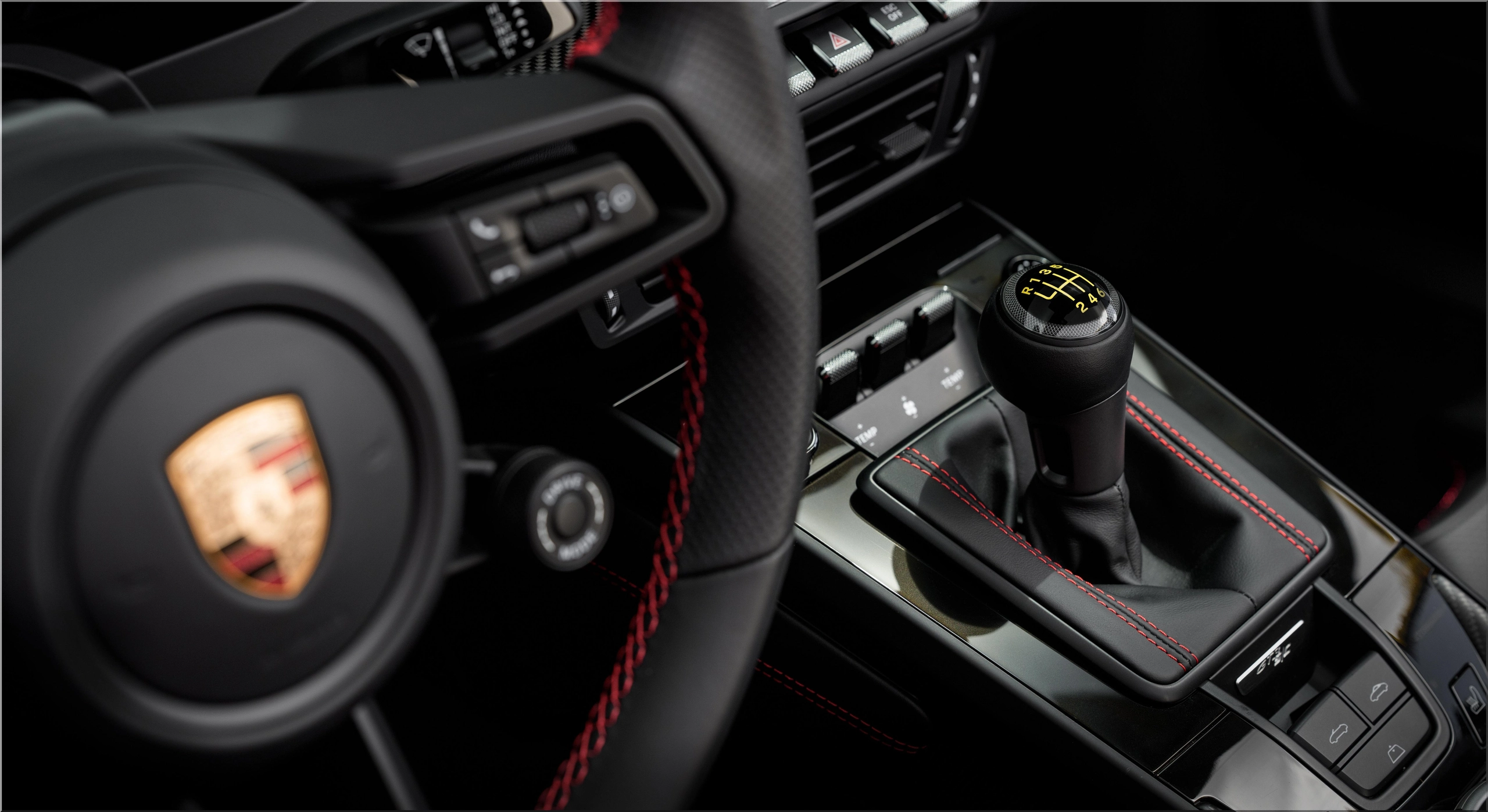
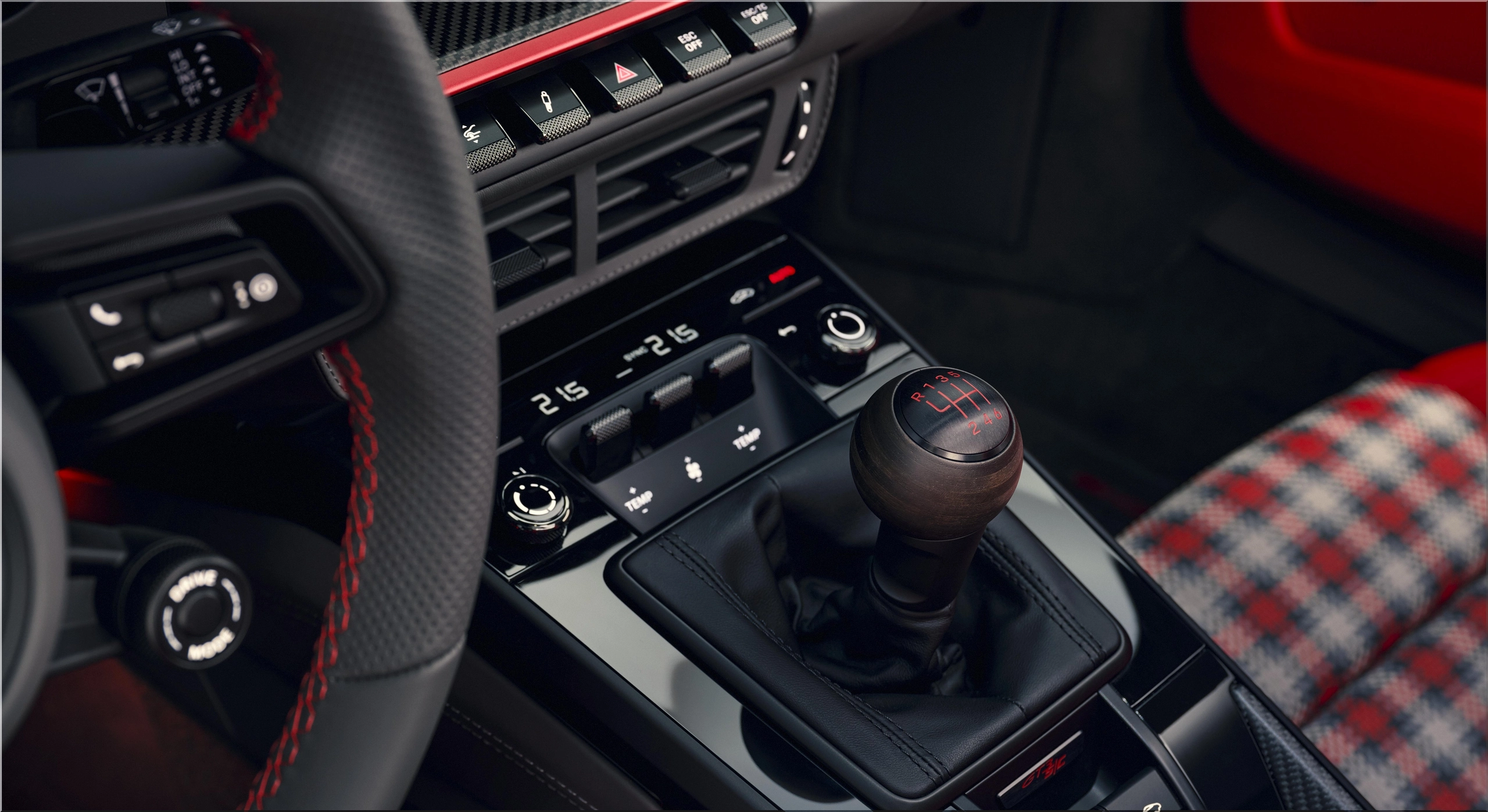
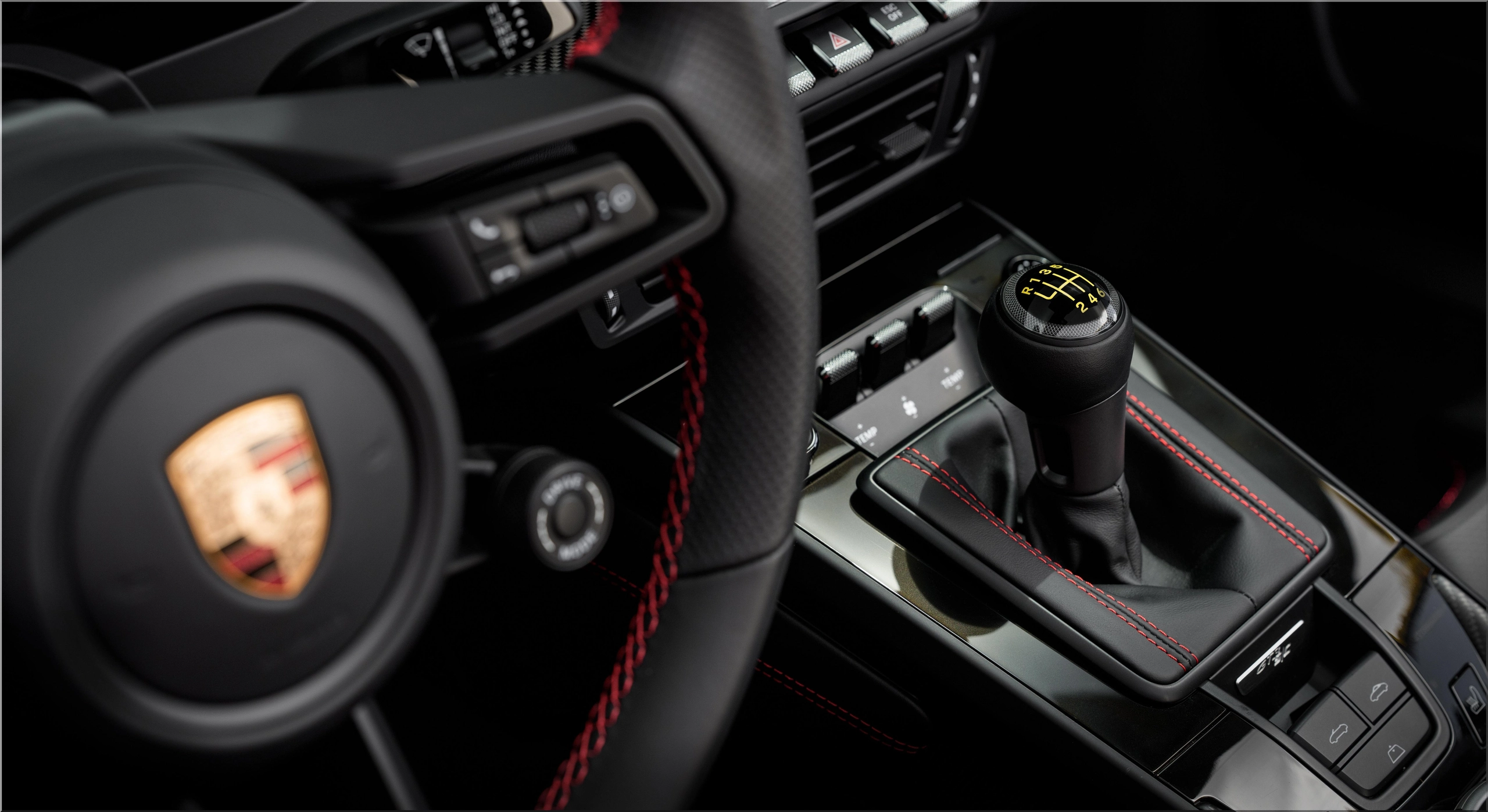
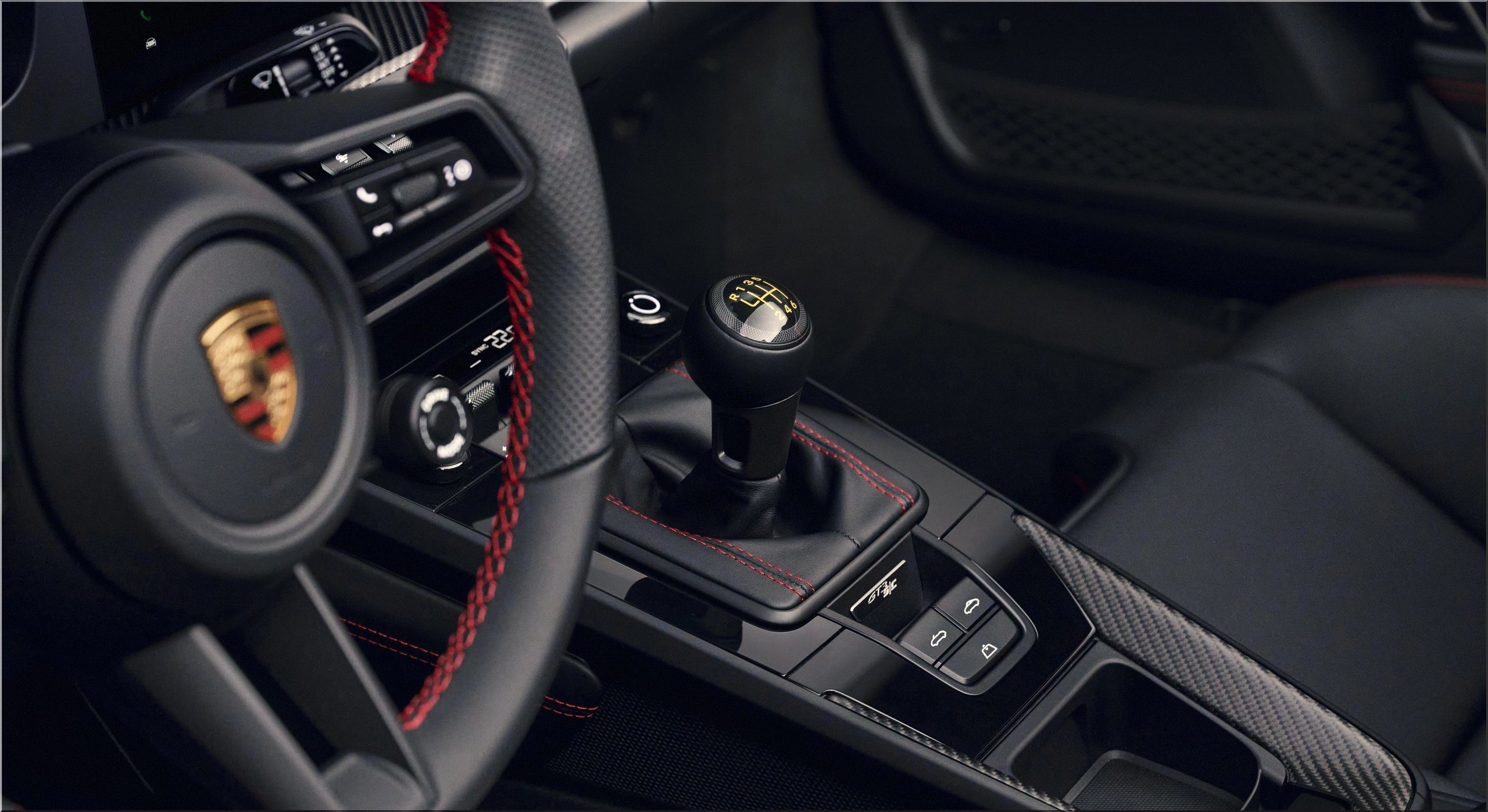
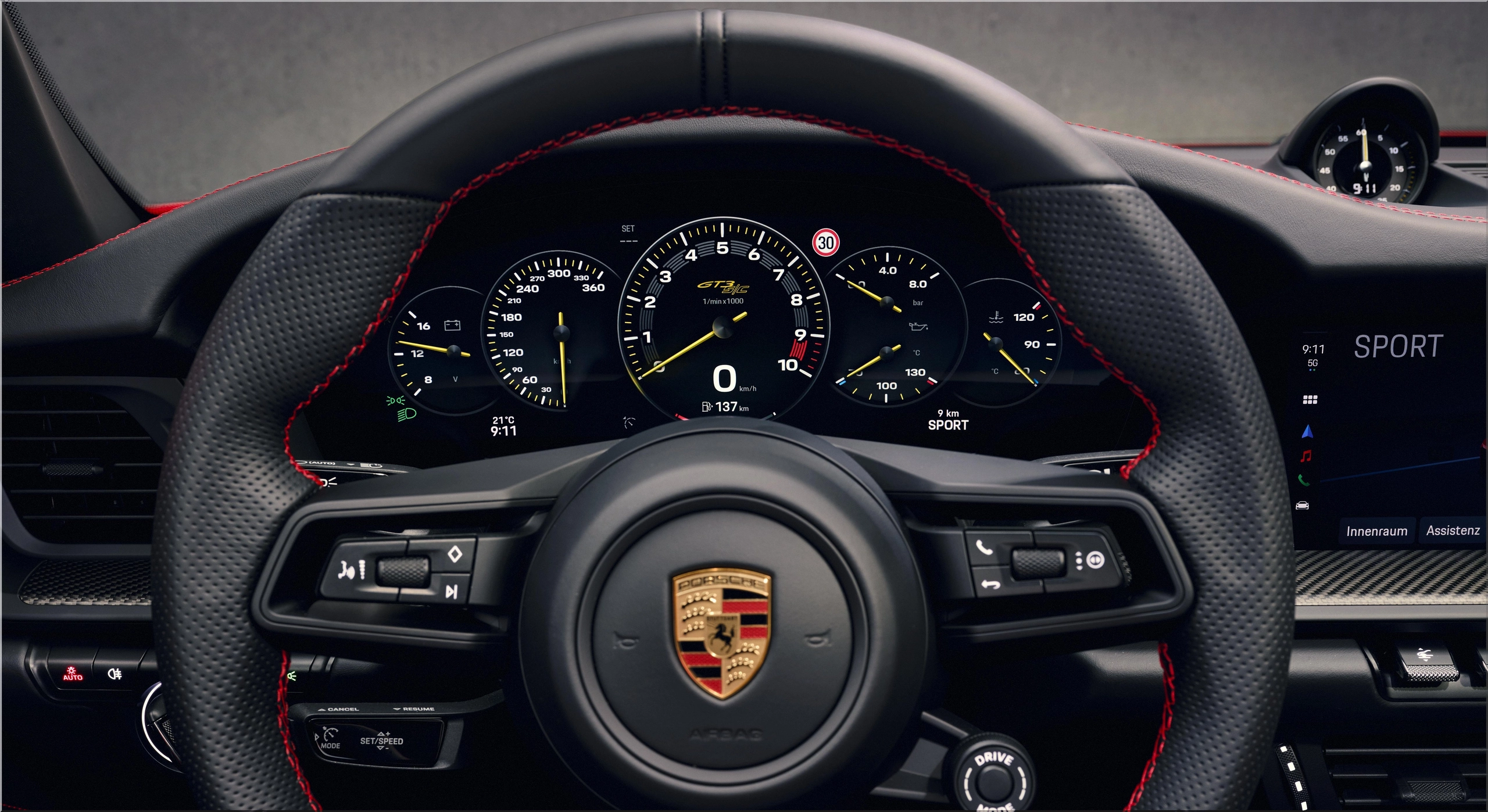
Porsche gives the 911 GT3 S/C 502 hp, 331 lb-ft of torque, and a 9,000-rpm redline. That output goes exclusively to the rear wheels through a six-speed manual gearbox with short ratios. Consequently, the car puts driver involvement at the center of the experience instead of filtering everything through automation.
From an expert perspective, that matters more than it may seem. Plenty of performance cars still make big power. Very few still deliver it with a naturally aspirated engine, a manual gearbox, and no apology for either.
Key Specs at a Glance
| Spec | 2027 Porsche 911 GT3 S/C |
|---|---|
| Engine | 4.0-liter naturally aspirated flat-six |
| Power | 502 hp |
| Torque | 331 lb-ft |
| Transmission | 6-speed manual |
| Drivetrain | Rear-wheel drive |
| 0-60 mph | 3.7 seconds |
| Top speed | 194 mph |
| Weight | 3,300 lb DIN |
| Seating | 2 |
| Base MSRP | $273,000 |
| Delivery fee | $2,350 |
Those numbers tell an interesting story. The 0-60 mph figure remains quick at 3.7 seconds, but this car is not trying to win a drag race against turbocharged all-wheel-drive missiles. It is trying to feel alive at every speed.
Lightweight Hardware Does the Heavy Lifting
A roofless performance car lives or dies by weight control and chassis rigidity. Porsche knew that, so it attacked mass with real intent instead of marketing language.
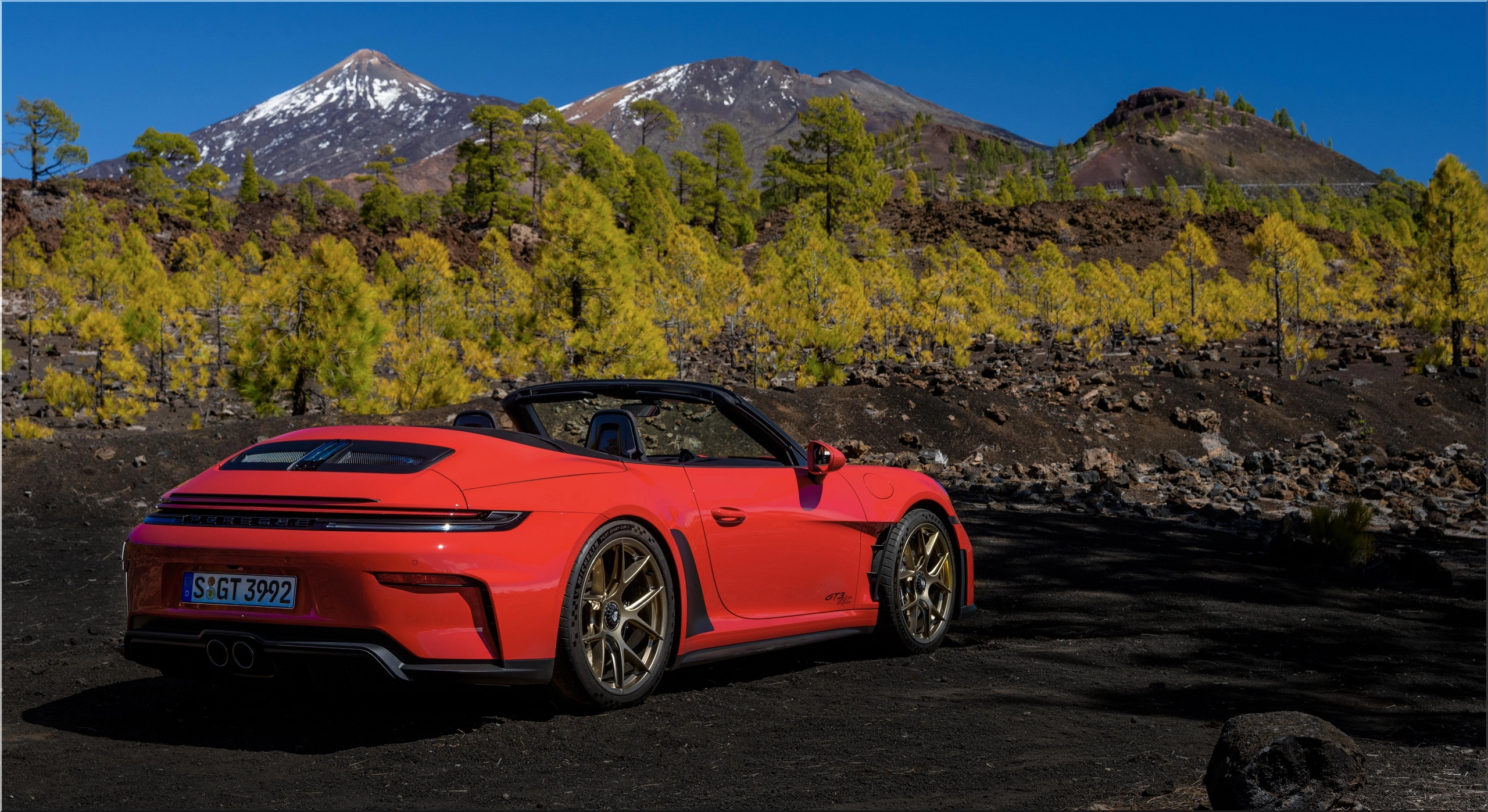
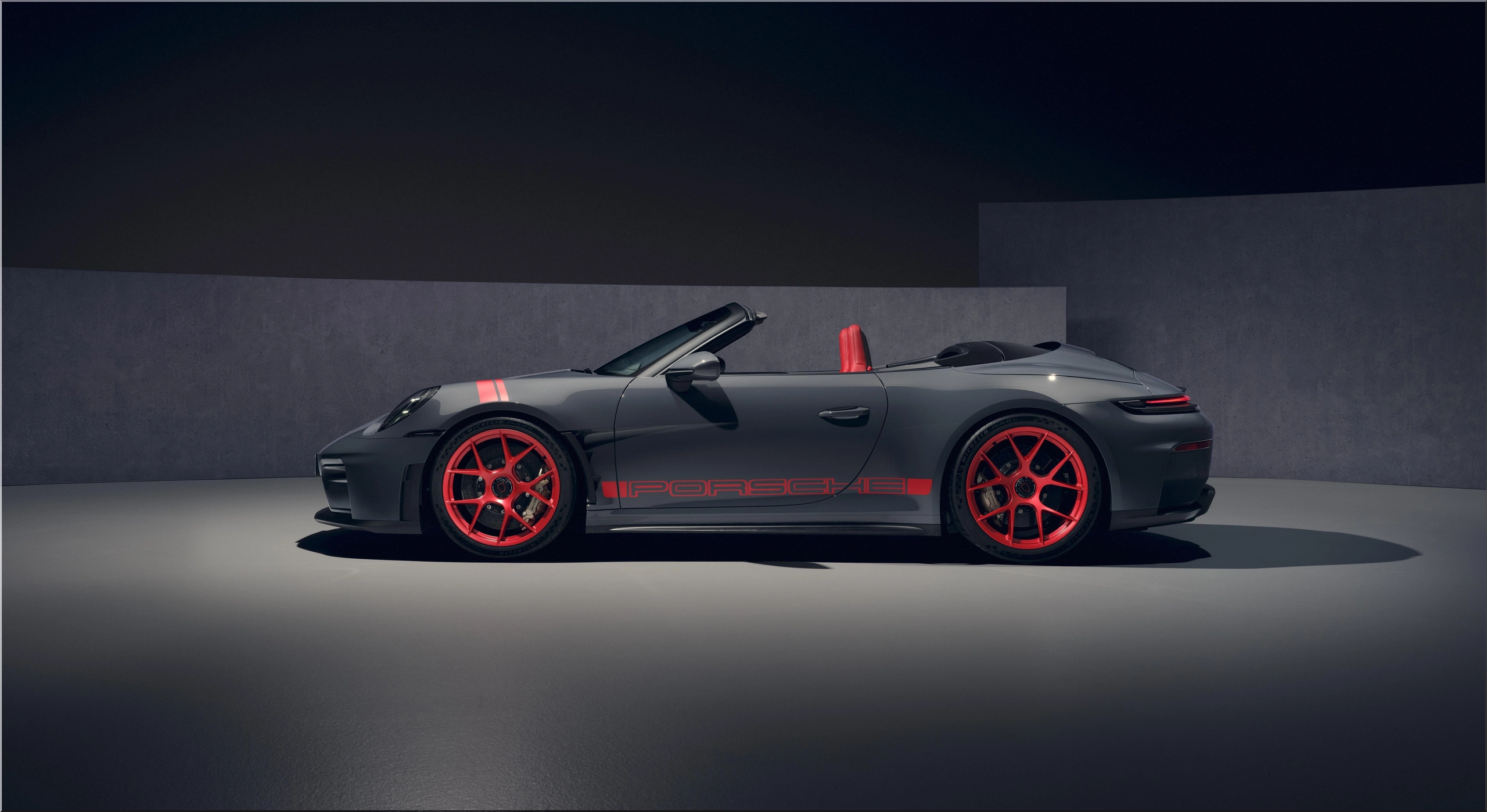
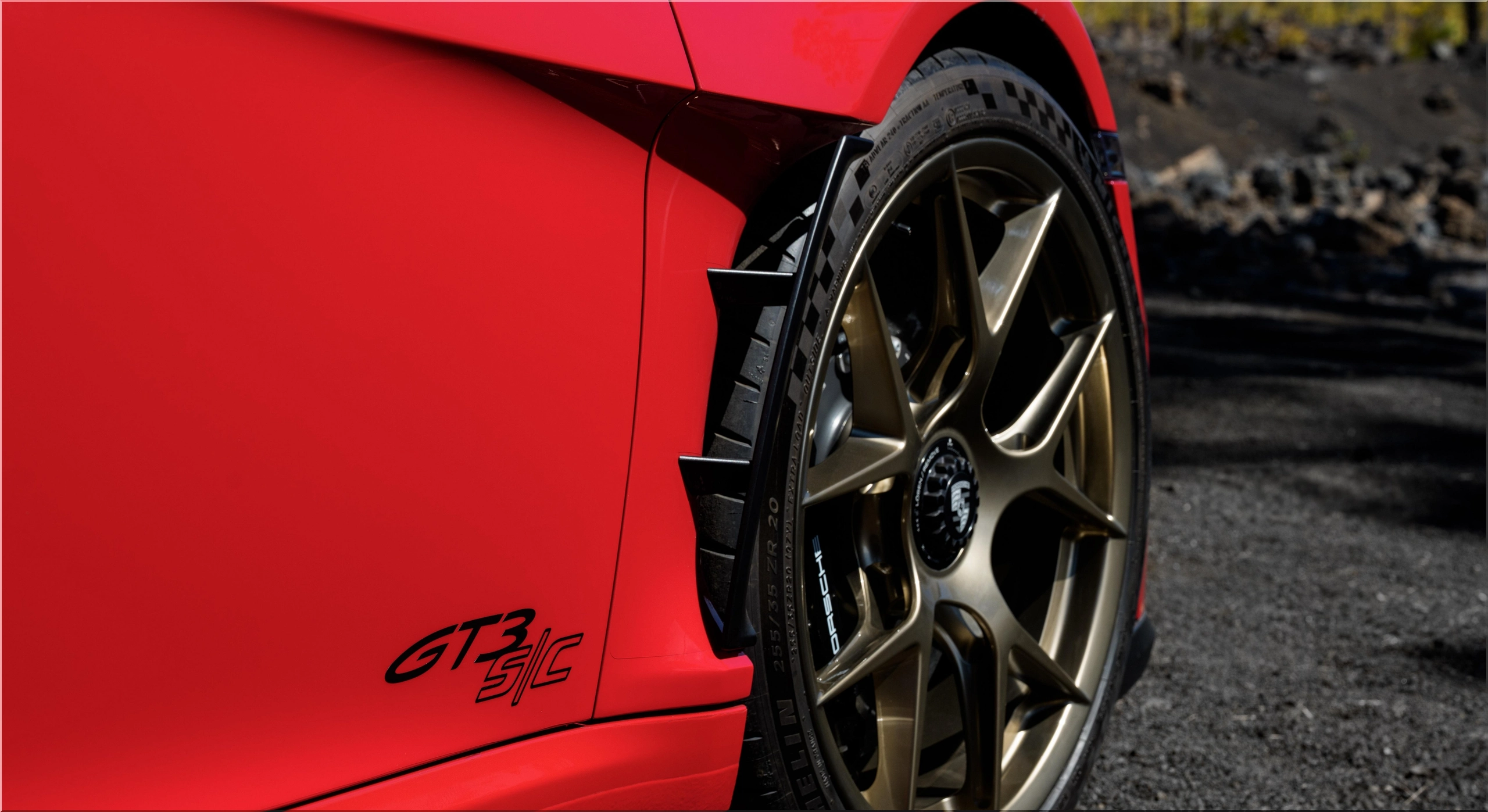
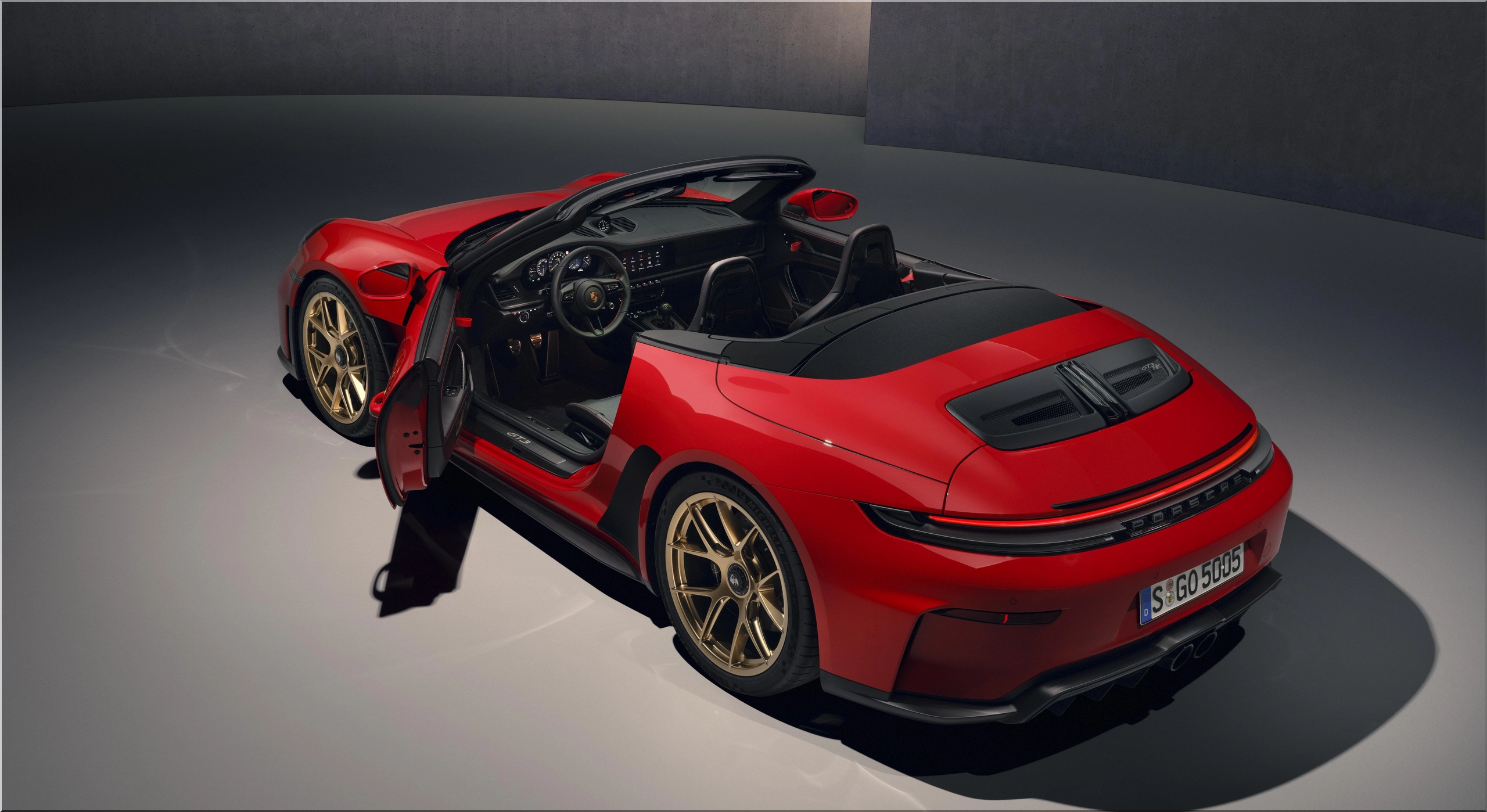
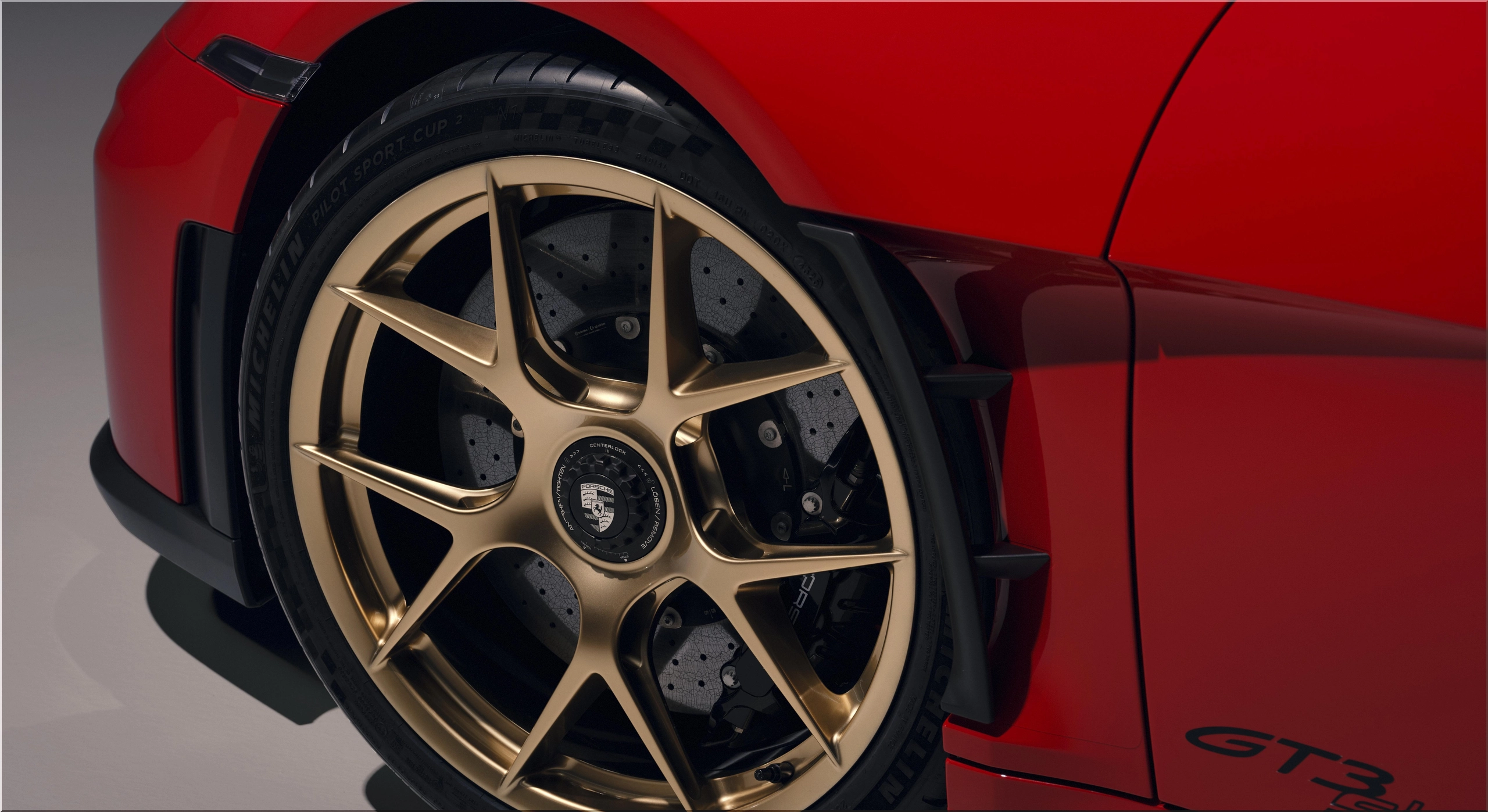
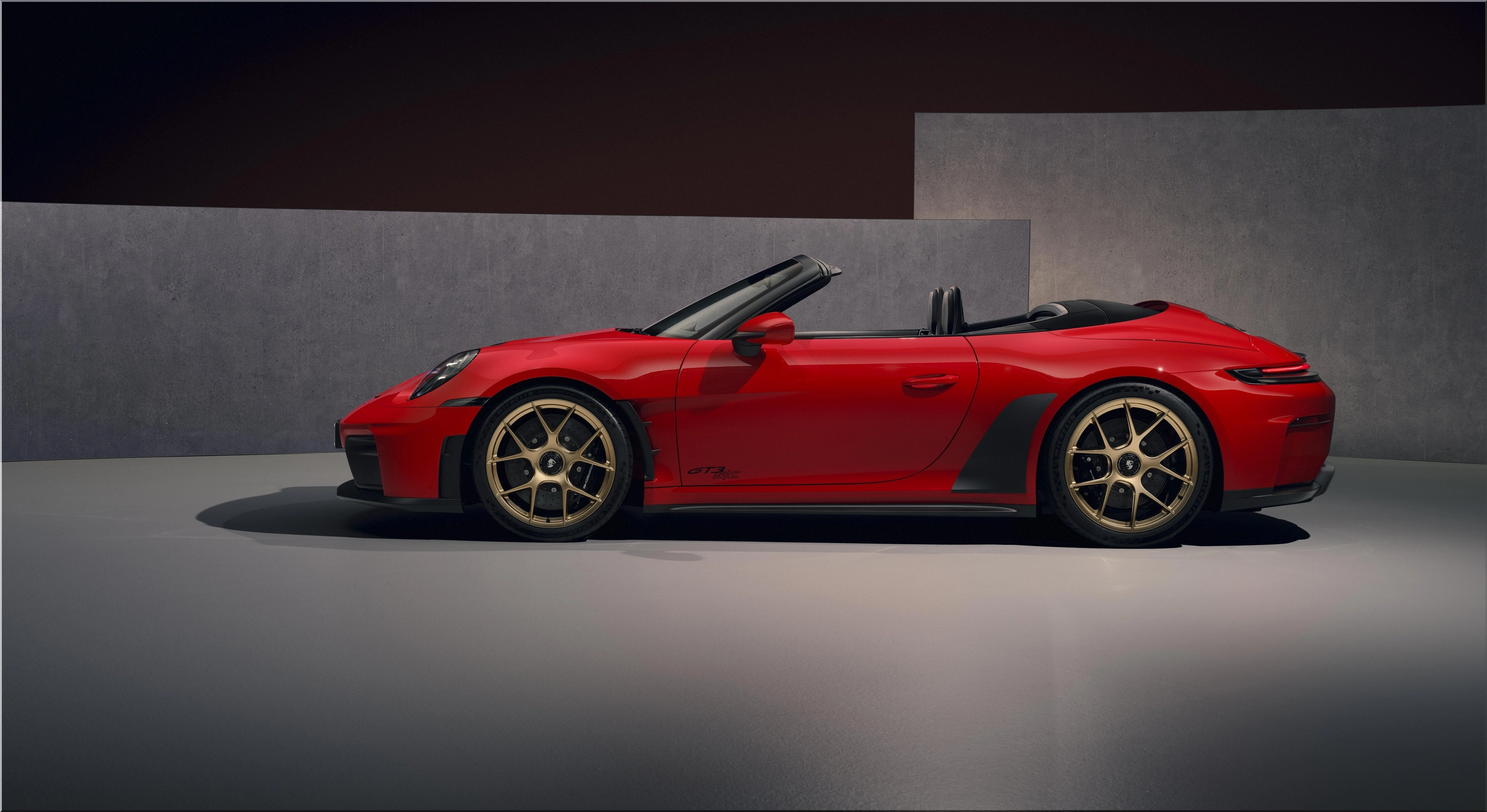
The hood, front fenders, and doors use lightweight construction derived from the 911 S/T. In addition, the car gets magnesium center-lock wheels, a lightweight lithium-ion battery, carbon-fiber anti-roll bars, and a carbon-fiber shear panel. Standard Porsche Ceramic Composite Brakes also reduce unsprung mass, which helps steering response, braking consistency, and ride control over rough pavement.
That engineering logic matters because an open-top car carries extra structural and packaging burdens. By comparison with a standard convertible built for comfort first, the 911 GT3 S/C uses lightweight parts as a survival strategy. Porsche needed this car to keep the reflexes expected from a GT-badged 911.
Dimensions, Tires, and Road Presence
| Measurement | 911 GT3 S/C |
|---|---|
| Length | 179.9 in |
| Width | 72.9 in |
| Width with mirrors | 80.0 in |
| Height | 50.4 in |
| Wheelbase | 96.7 in |
| Front tires | 255/35 ZR20 |
| Rear tires | 315/30 ZR21 |
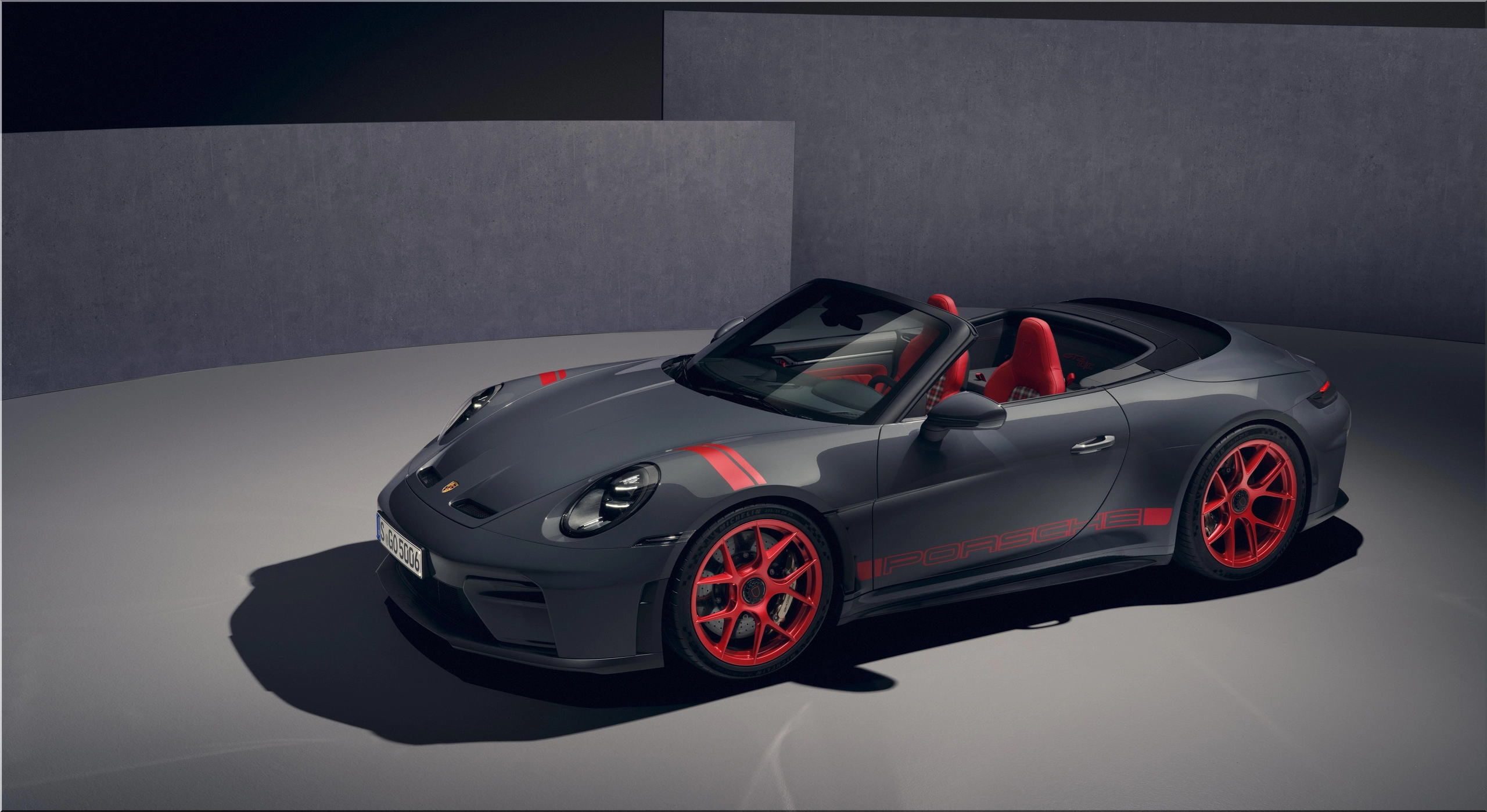
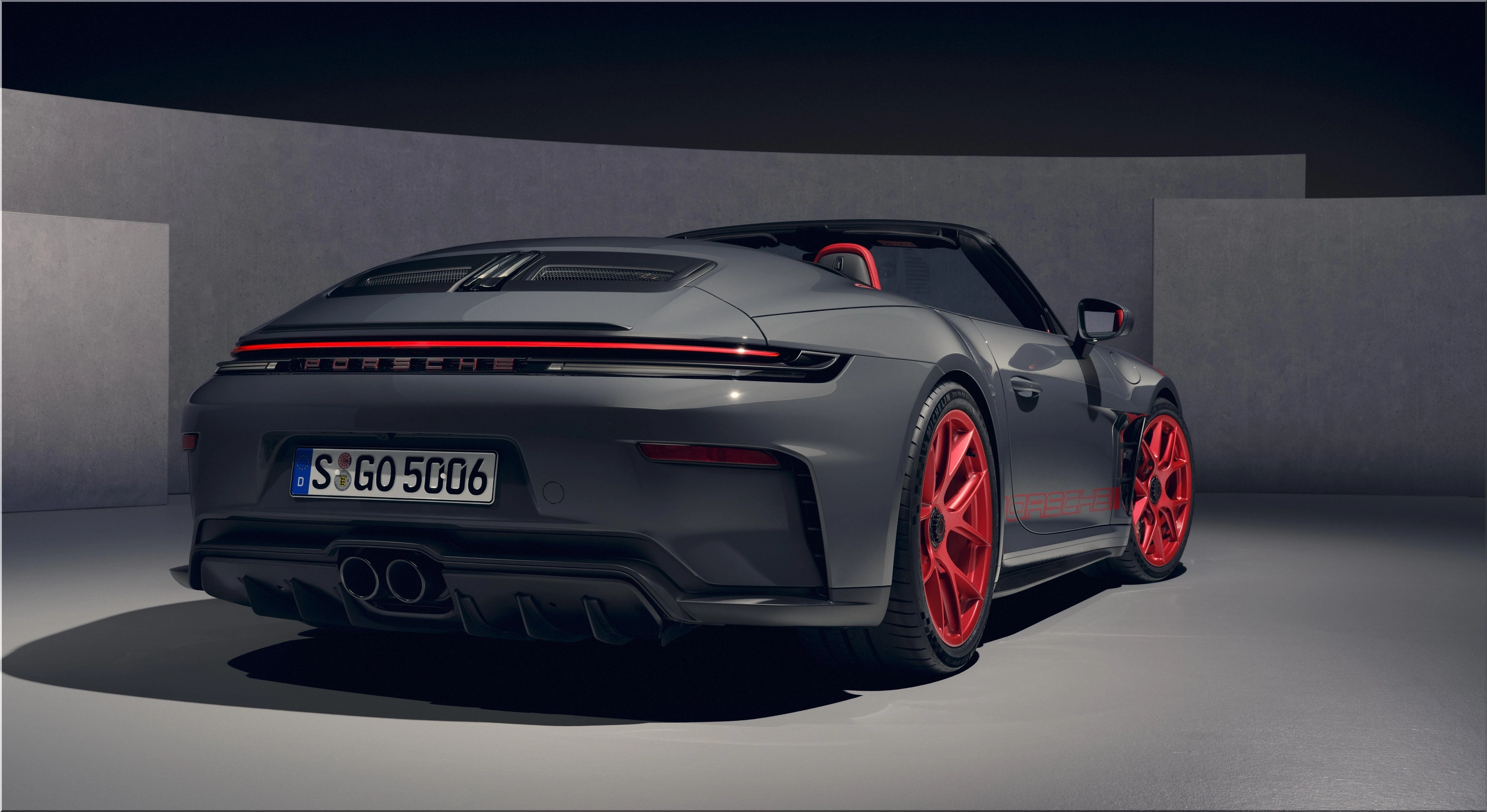
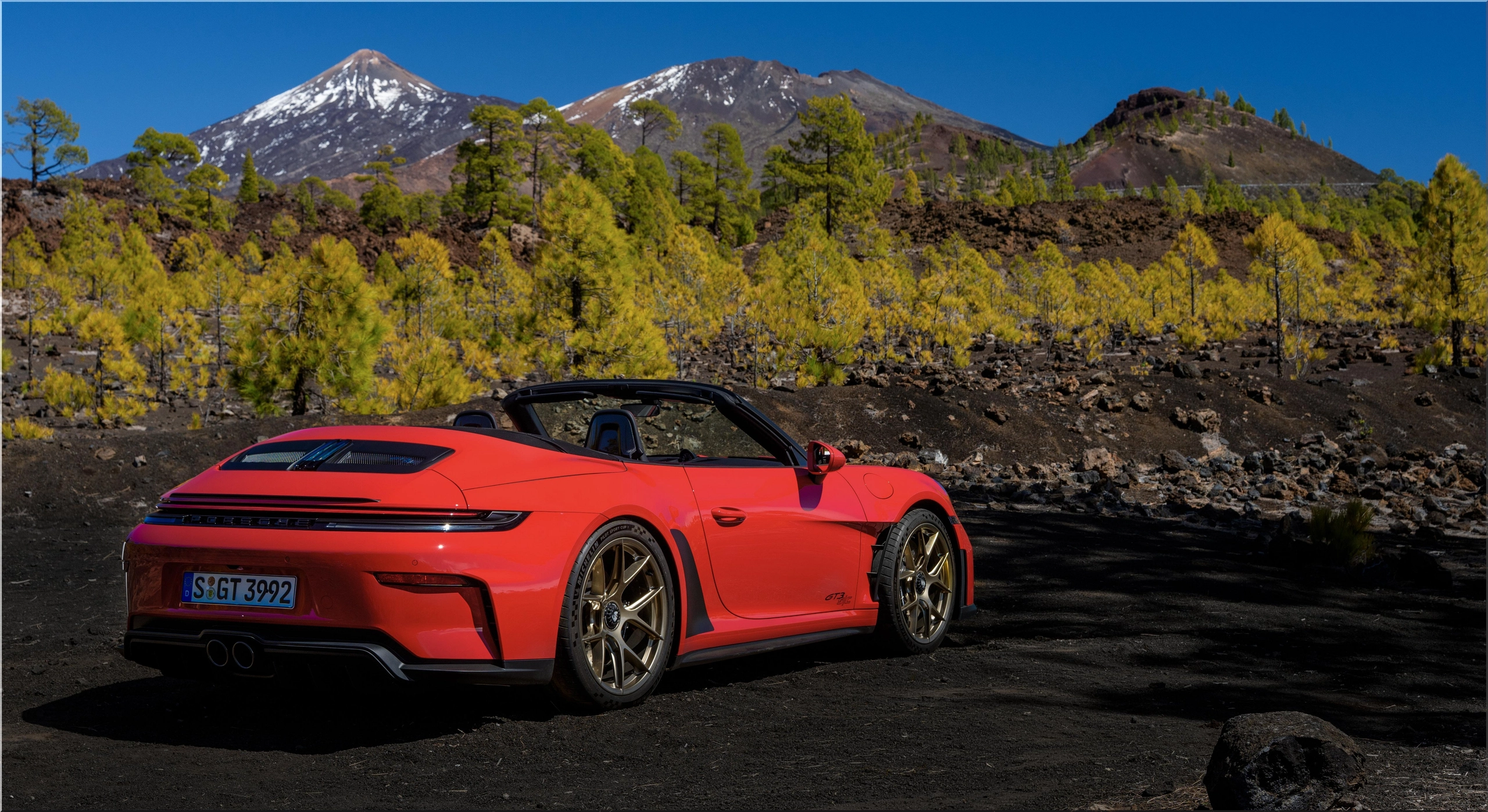
Specifically, the tire package tells you this car means business. A 255-section front tire and 315-section rear tire give the GT3 S/C a serious contact patch, while the familiar 96.7-inch wheelbase keeps the classic 911 proportions intact. This is still a compact car by modern standards, but it wears very serious hardware underneath.
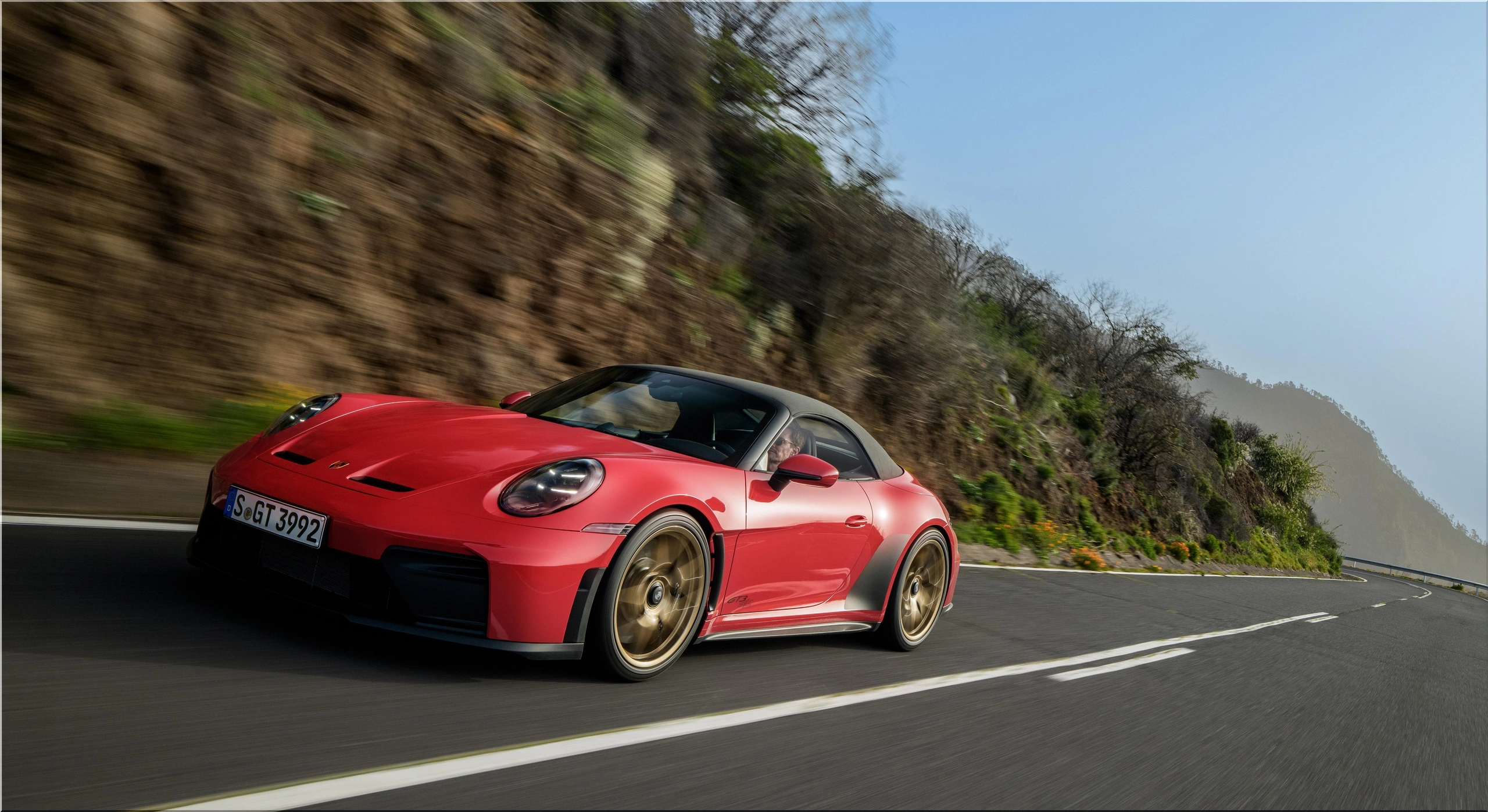
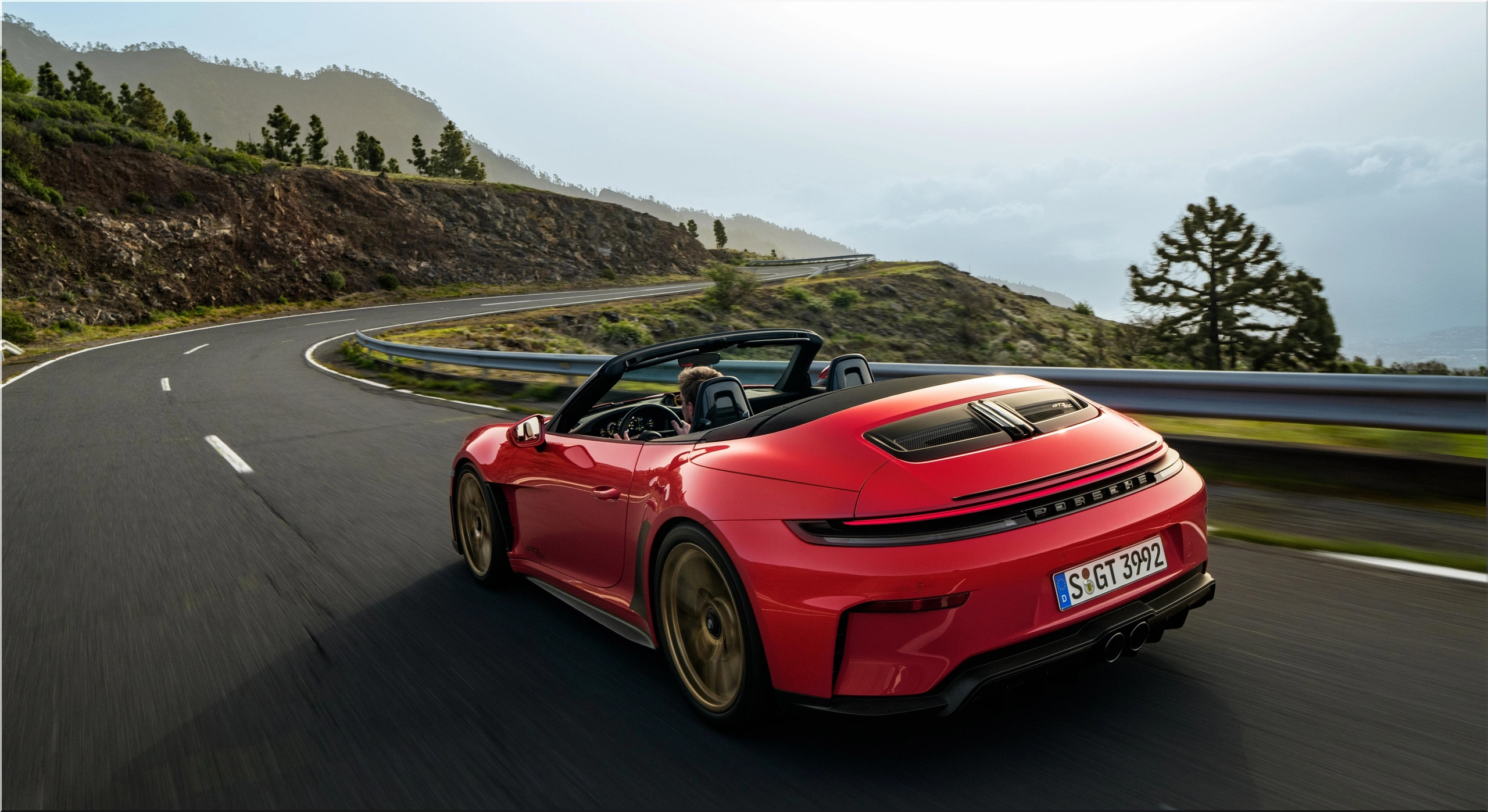
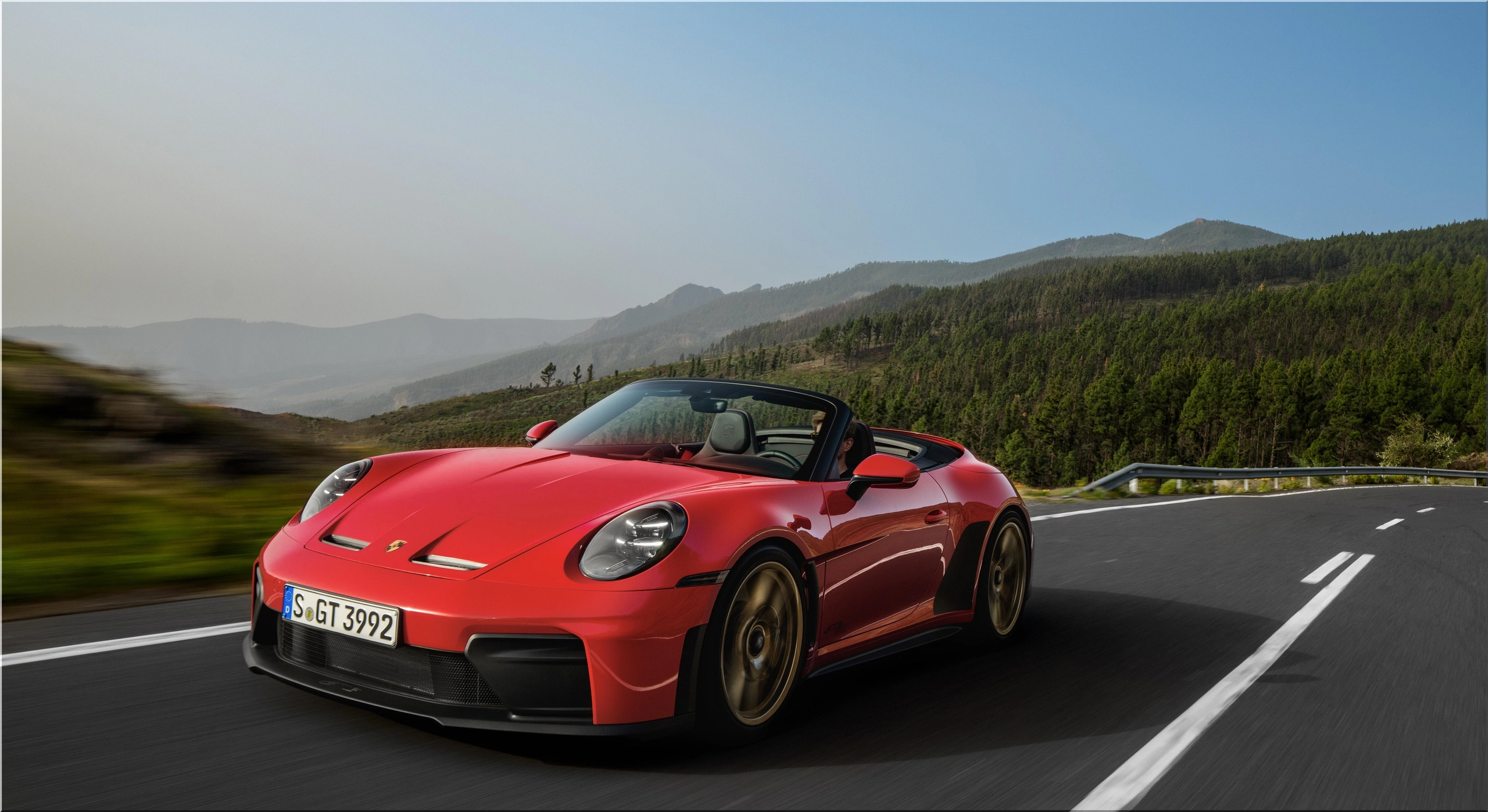
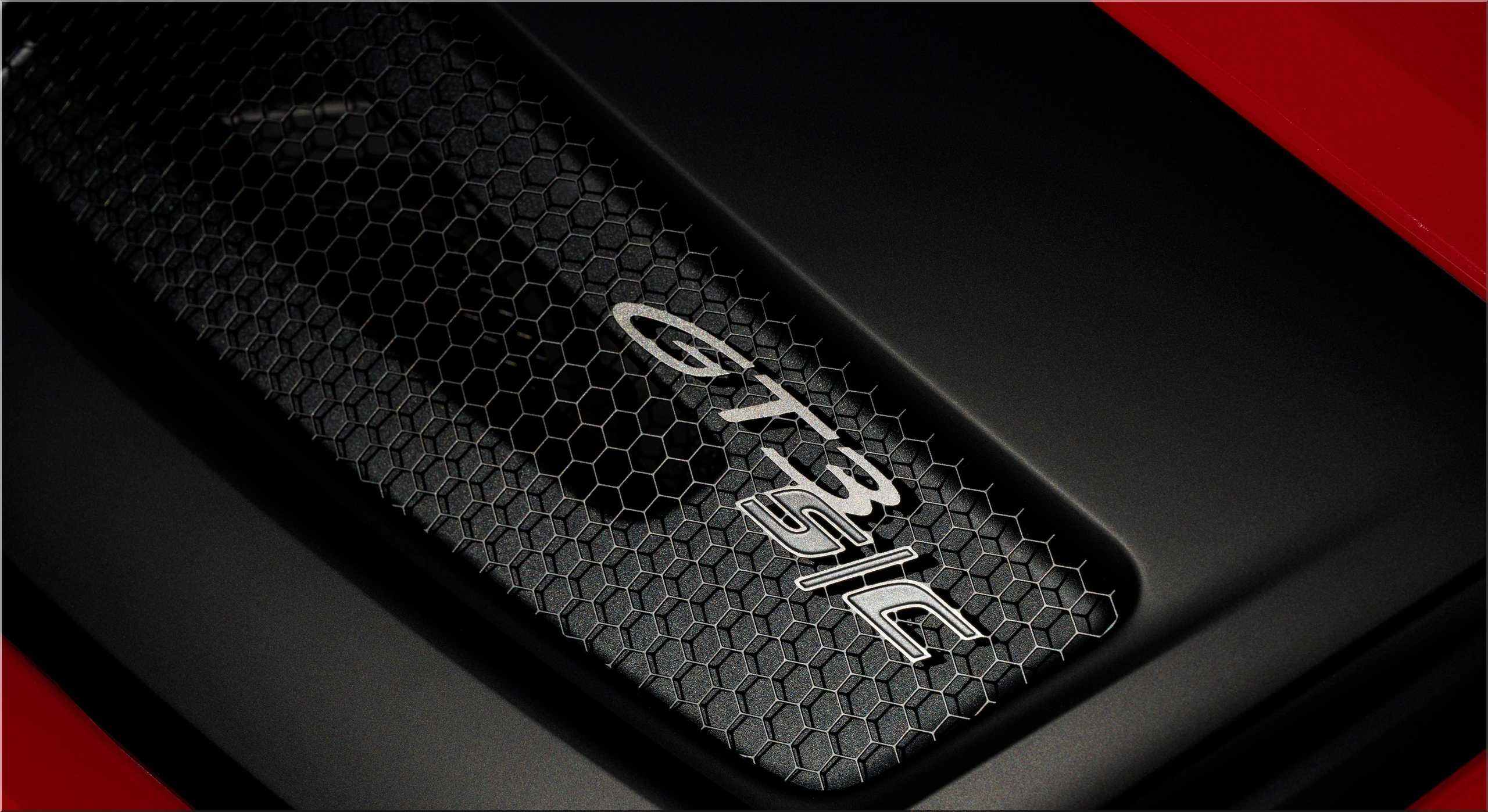
Roof Engineering and Aerodynamic Discipline
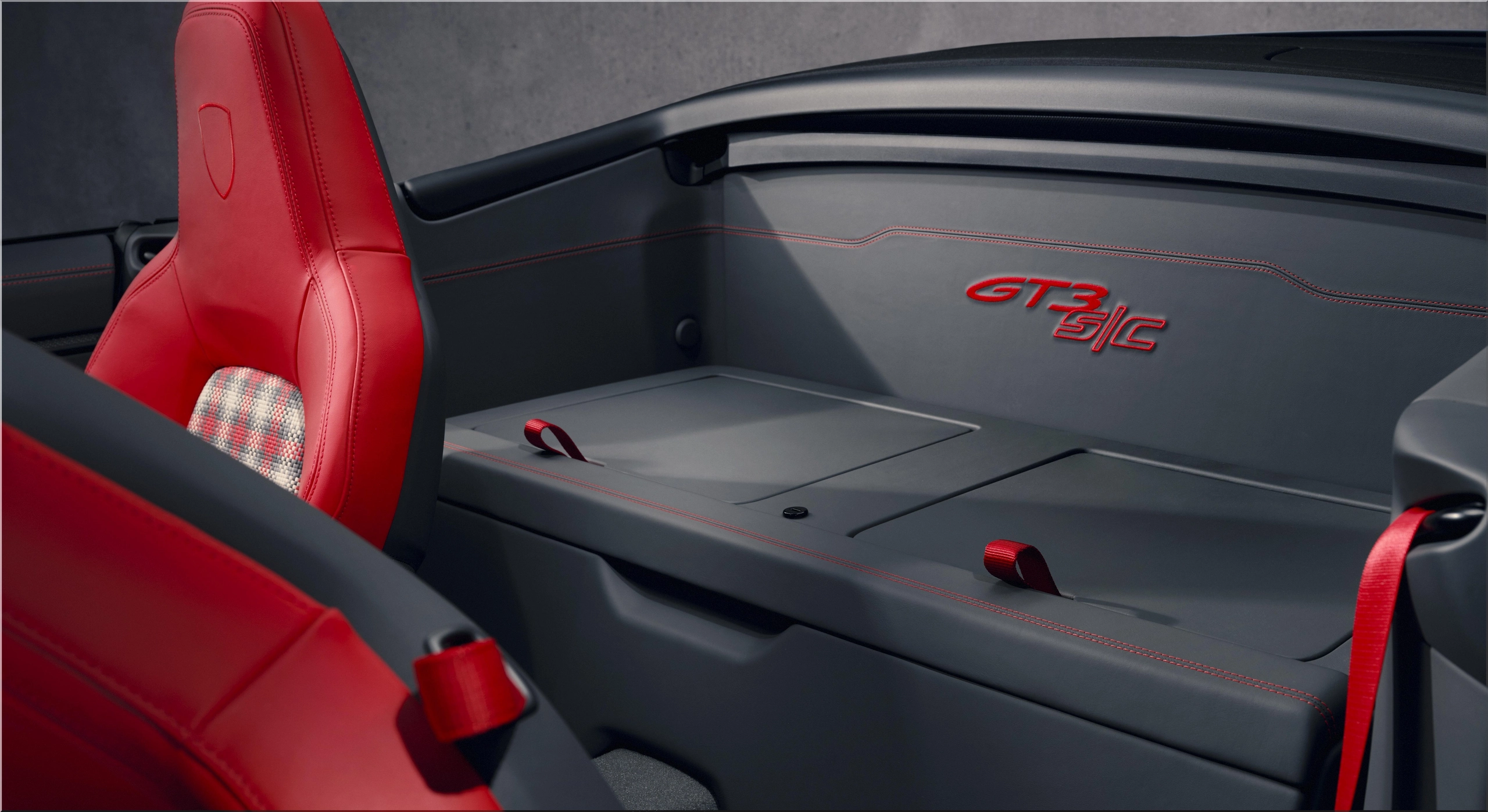
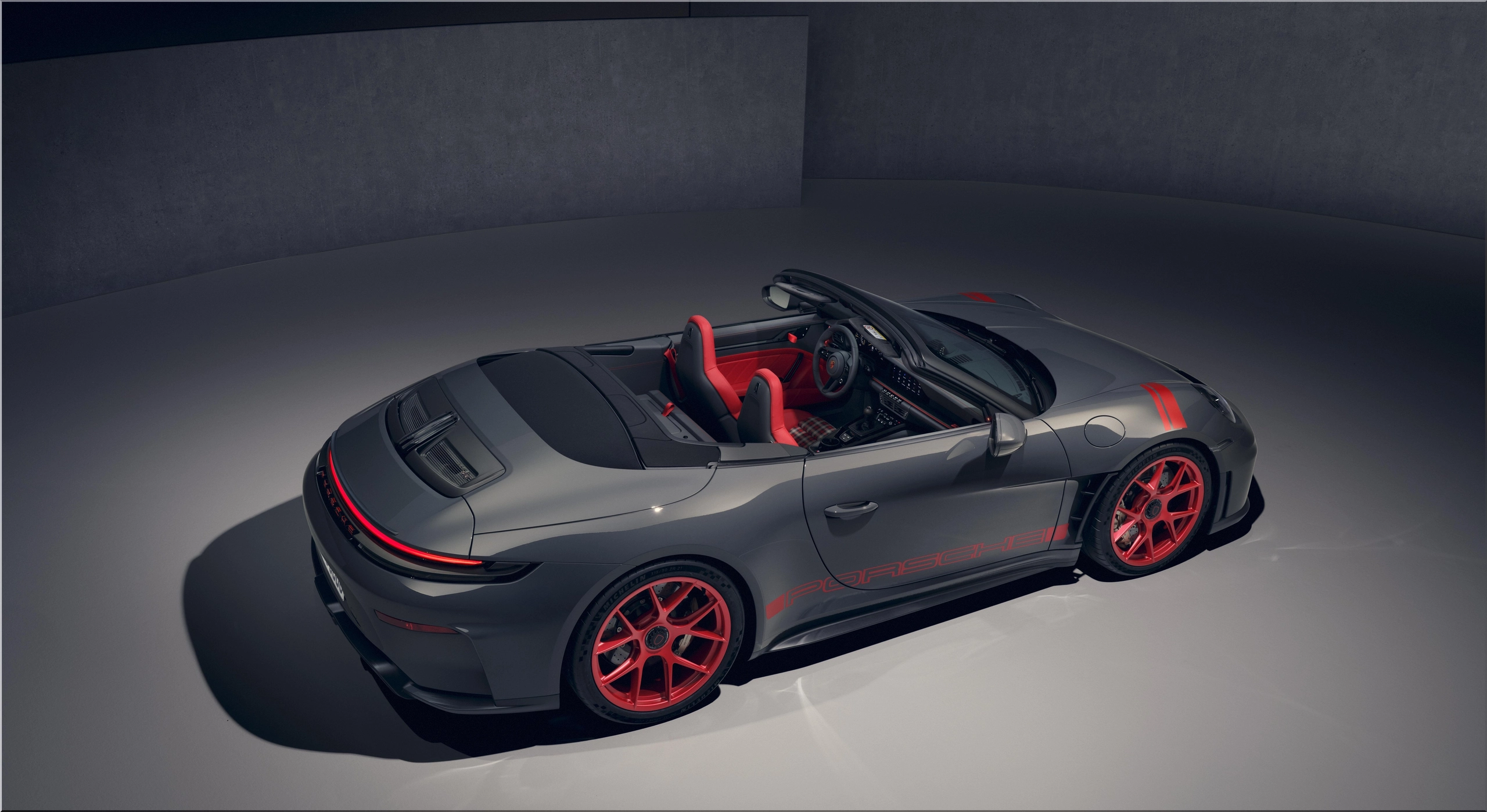
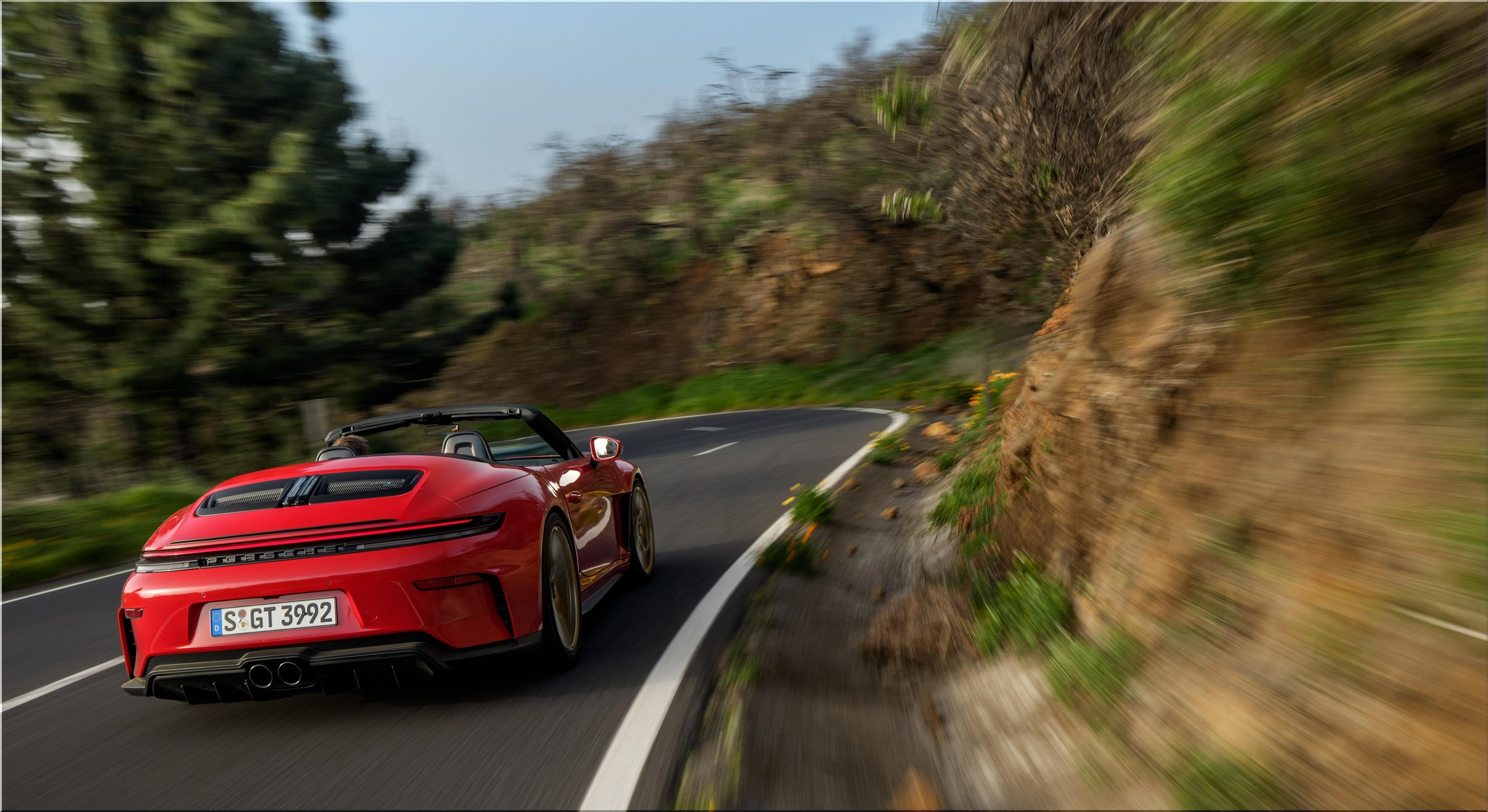
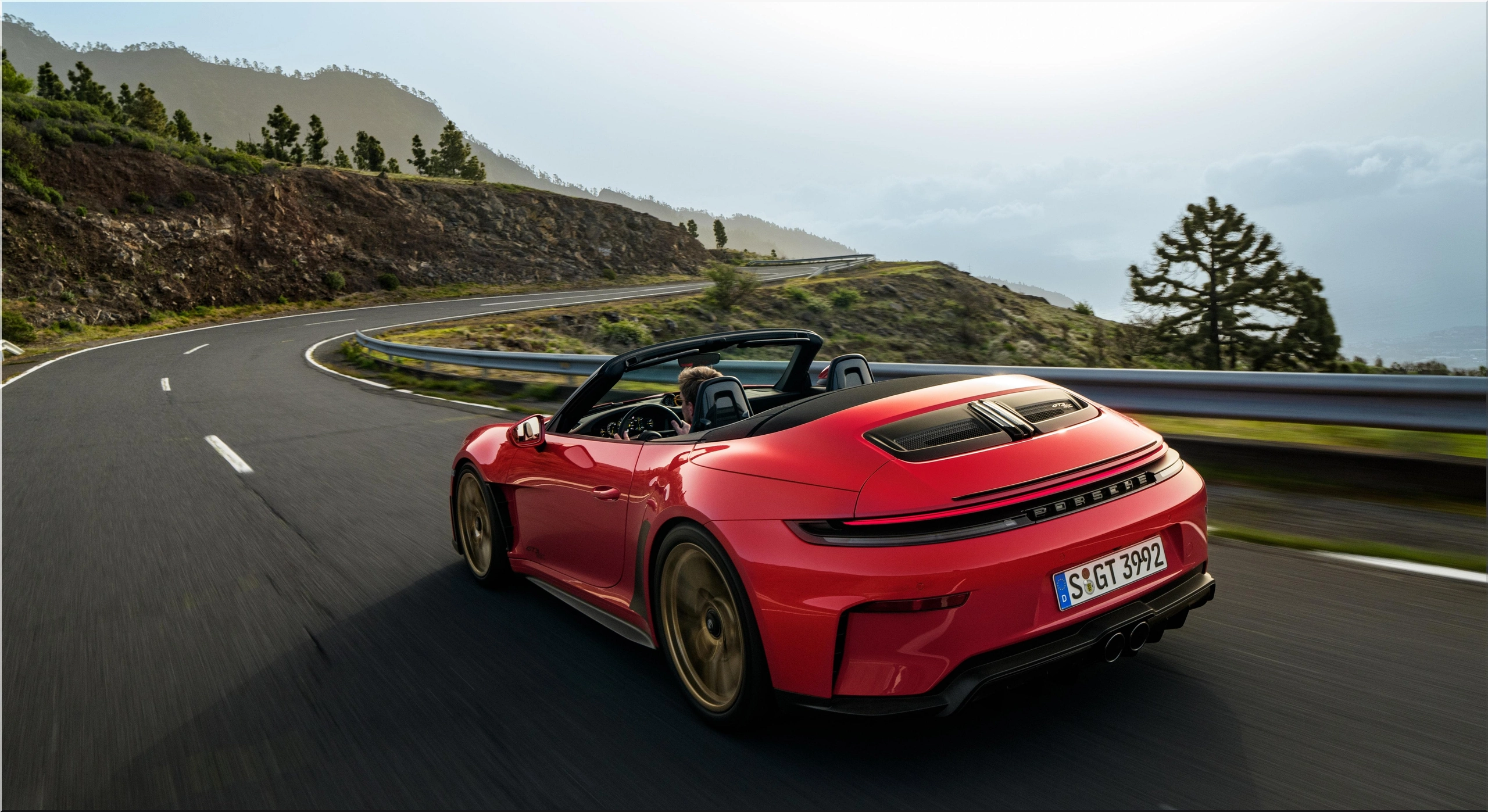
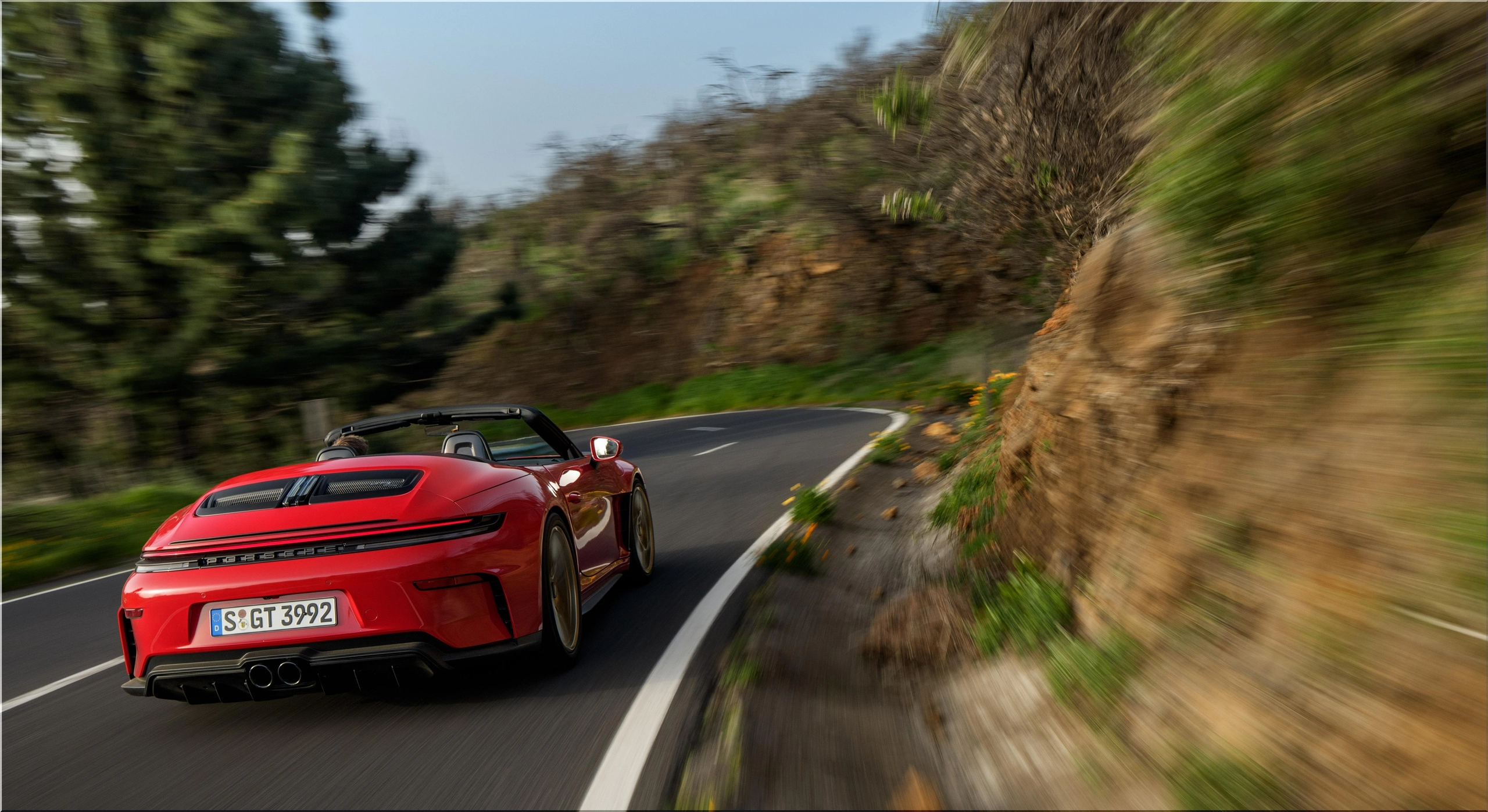
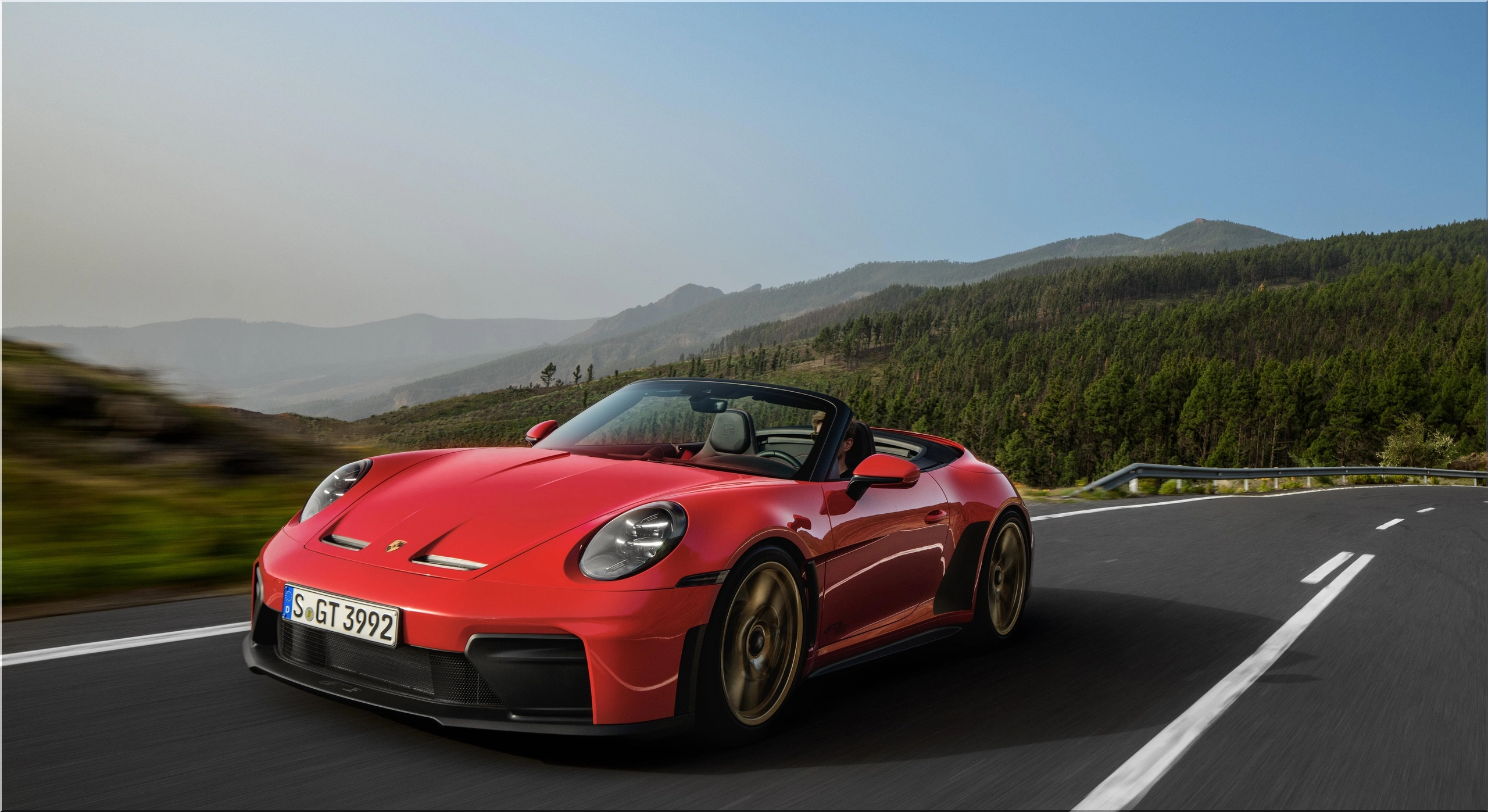
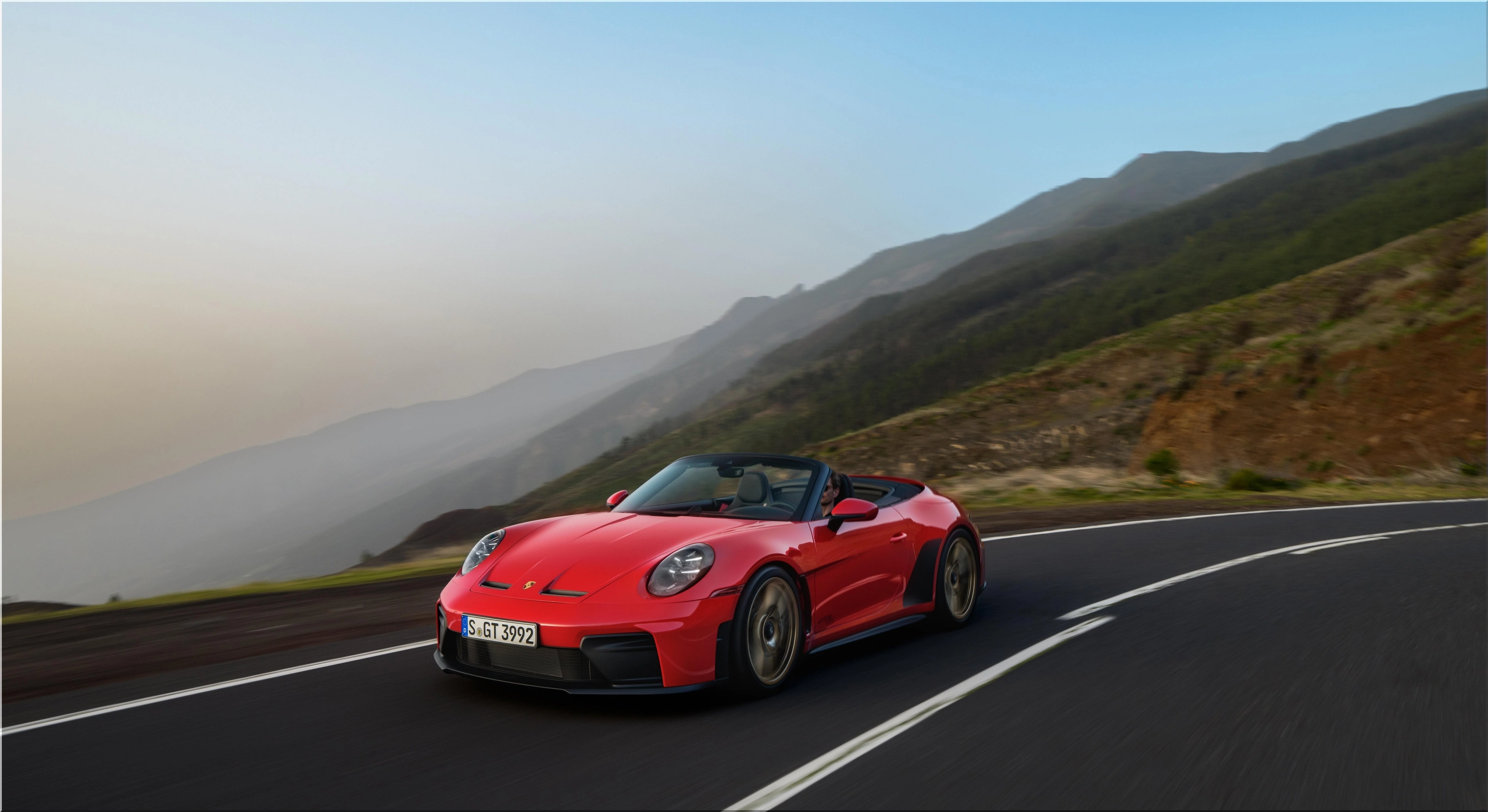
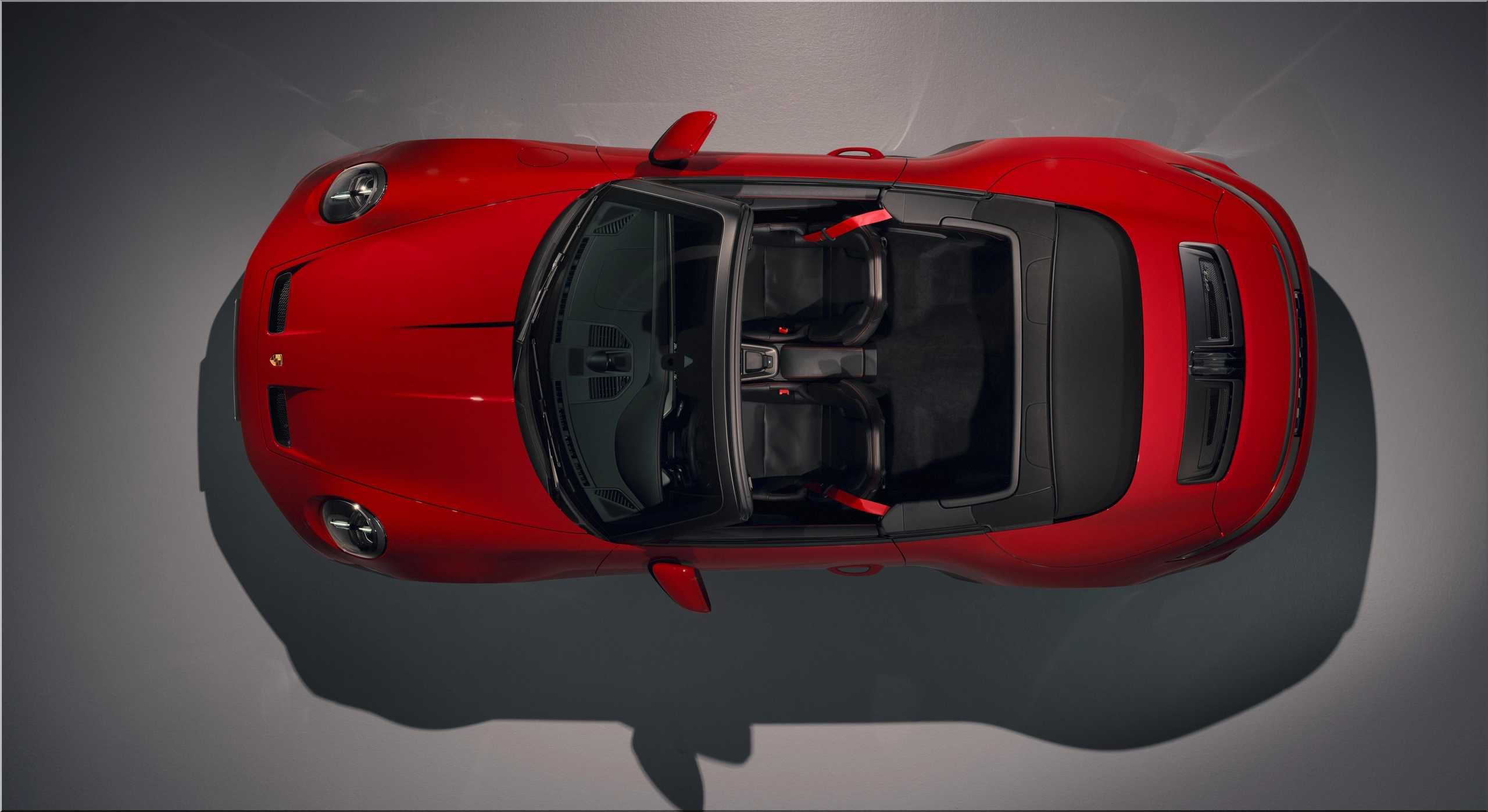
The roof opens or closes in about 12 seconds at speeds up to 31 mph. Porsche also fits an electric wind deflector that works at much higher speeds, which helps make the open-air experience usable rather than gimmicky.
More important, the roof structure uses magnesium components to keep mass down. That choice explains a lot about the car's mission. Porsche did not want a soft, glamorous convertible. It wanted a car that preserved as much of the GT3's precision as possible while adding the sensory overload that only a roof-down flat-six can deliver.
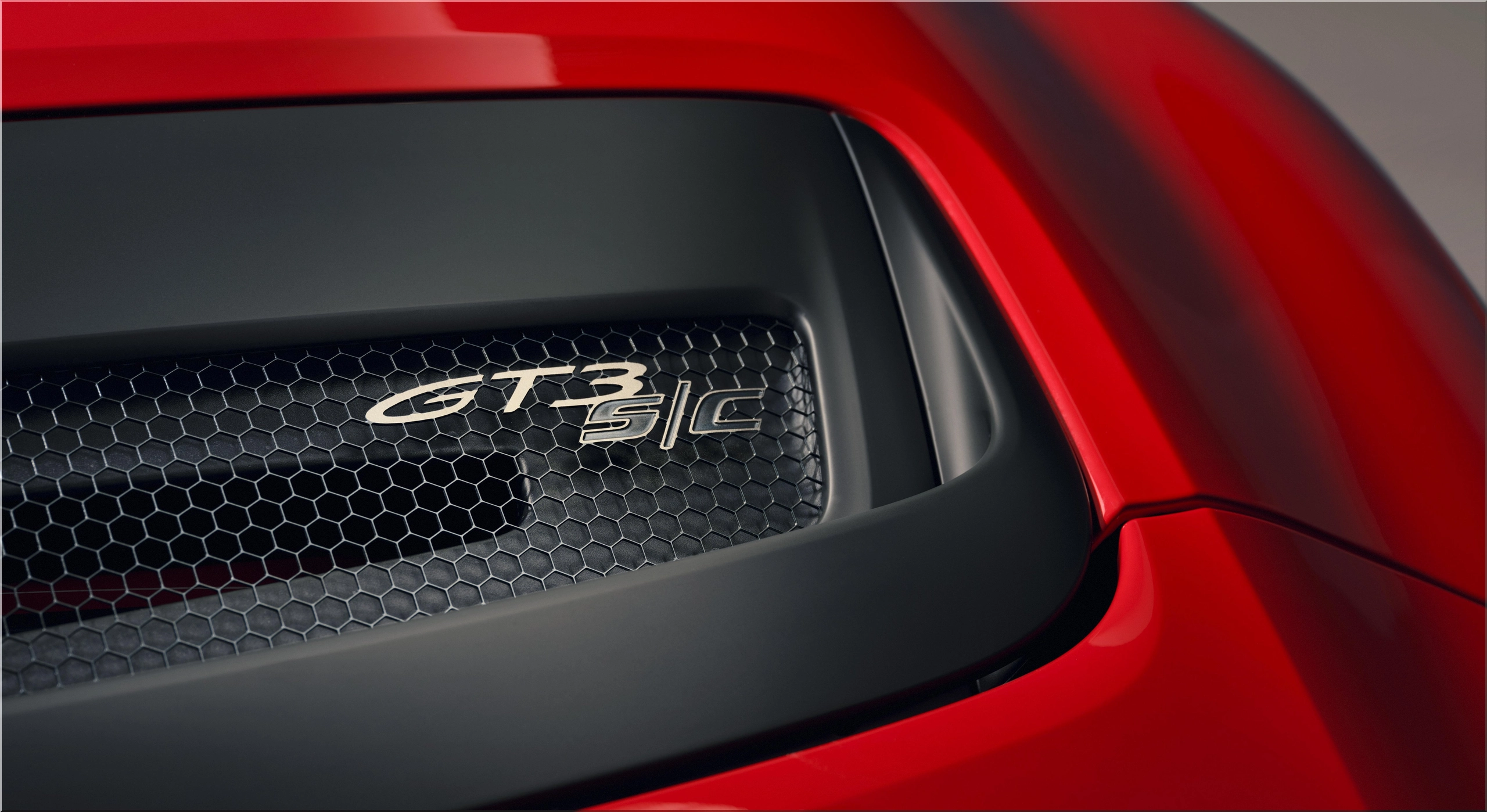
In addition, the GT3 S/C keeps serious aero and chassis tools in play. It uses GT3-derived front-end hardware, a shaped rear spoiler treatment, a rear diffuser, and the same general philosophy that makes the fixed-roof car feel disciplined at speed.
Cabin Focus: Built for Driving, Not Decorating
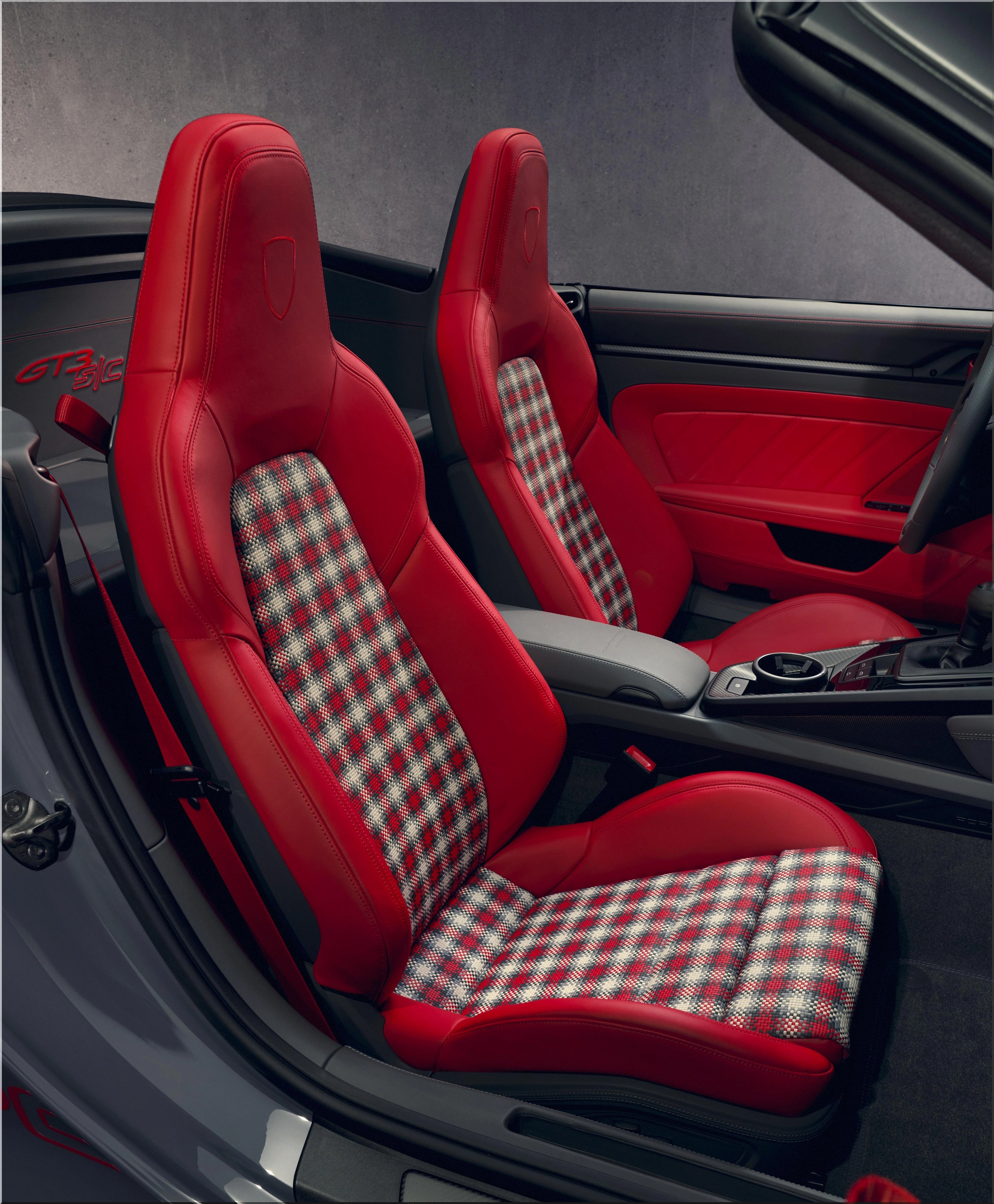
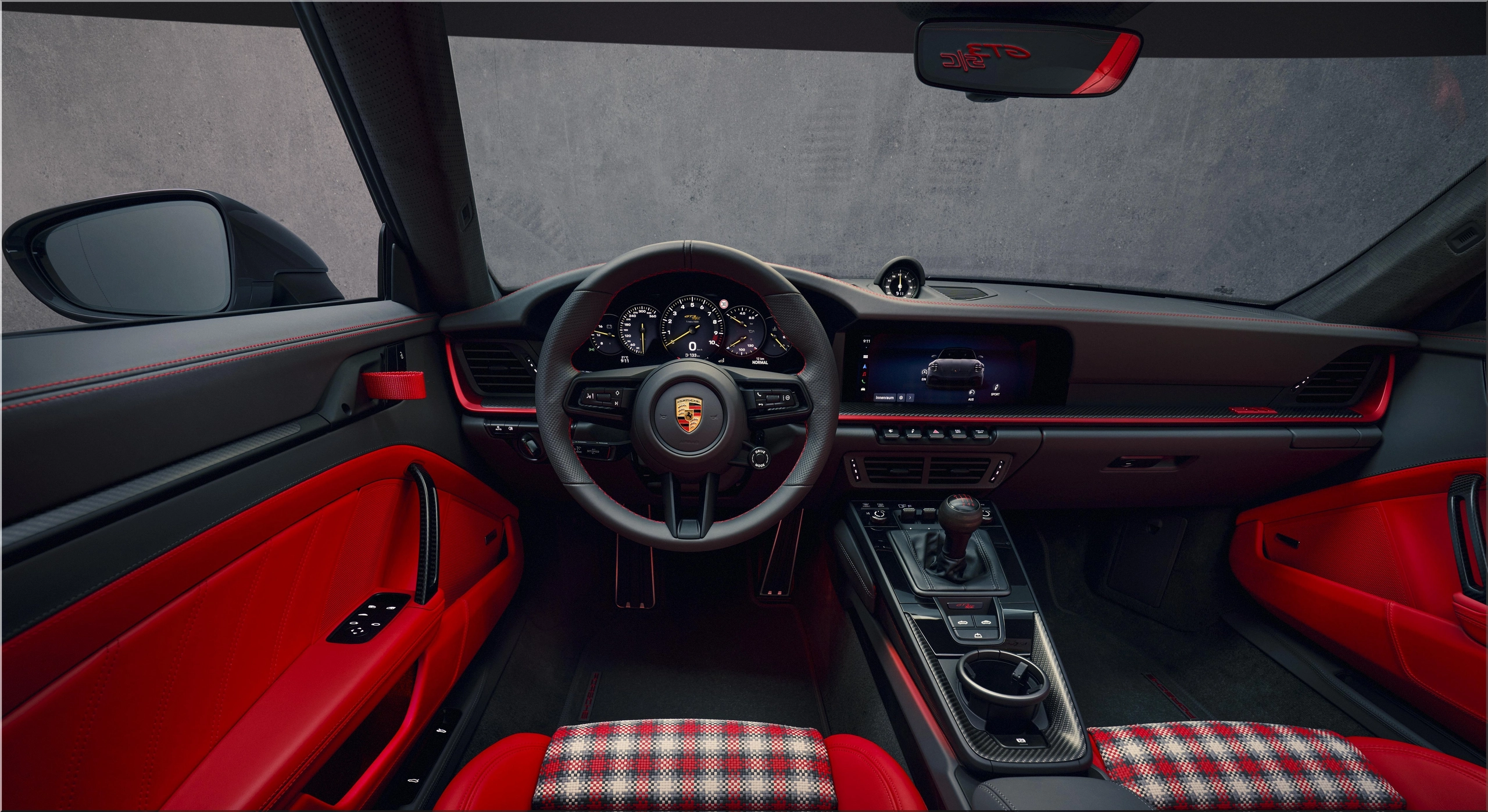
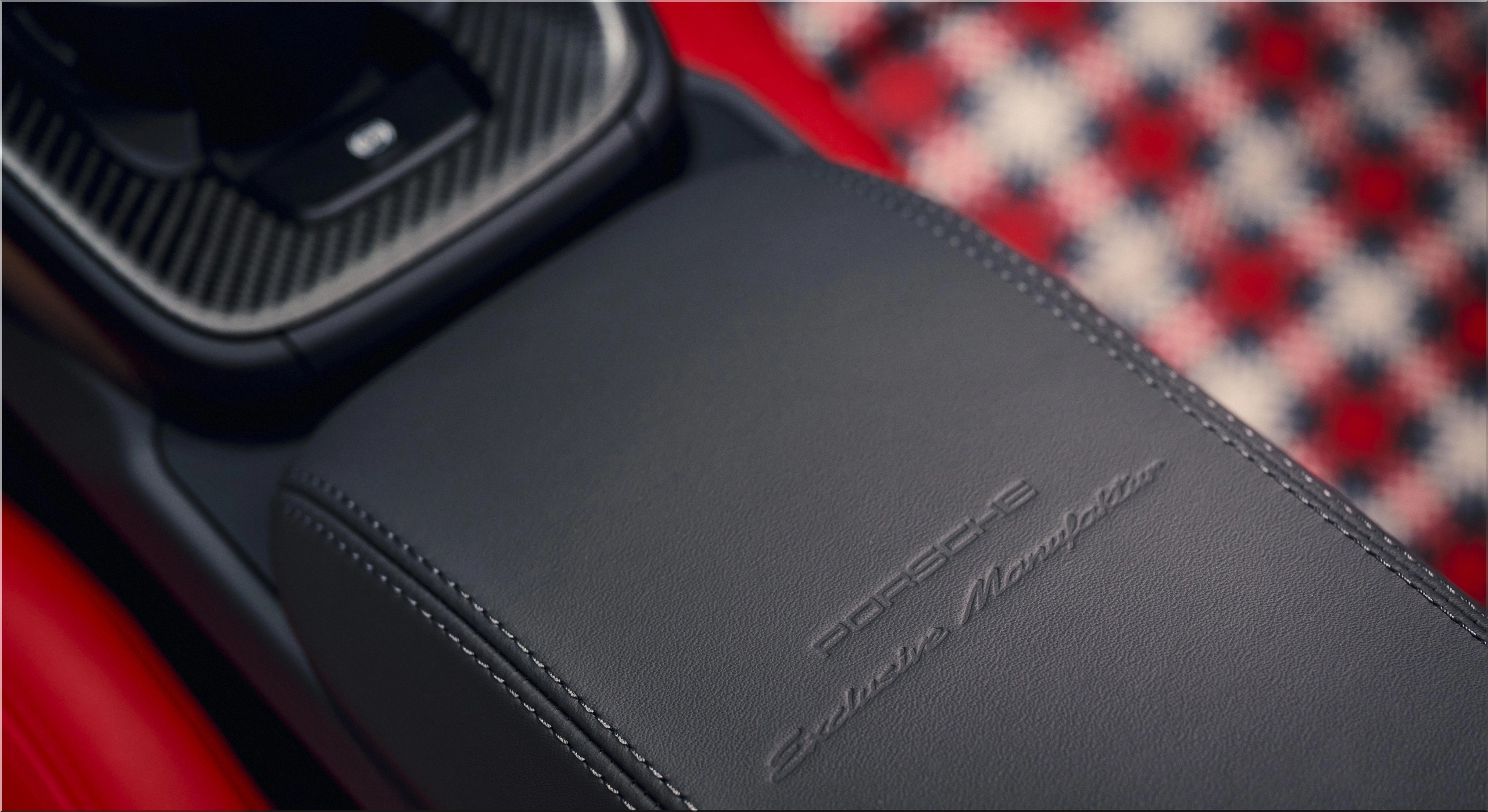
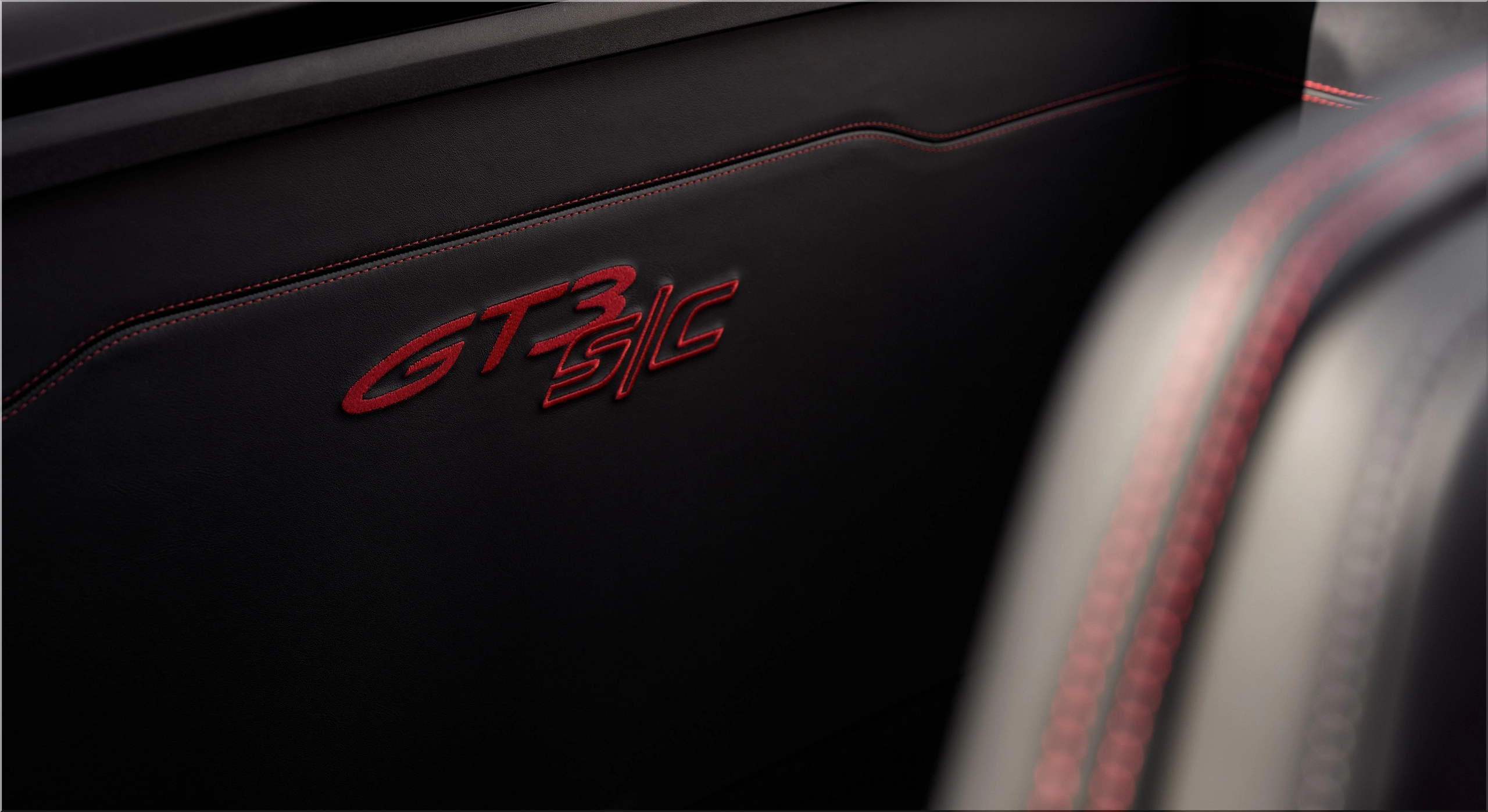
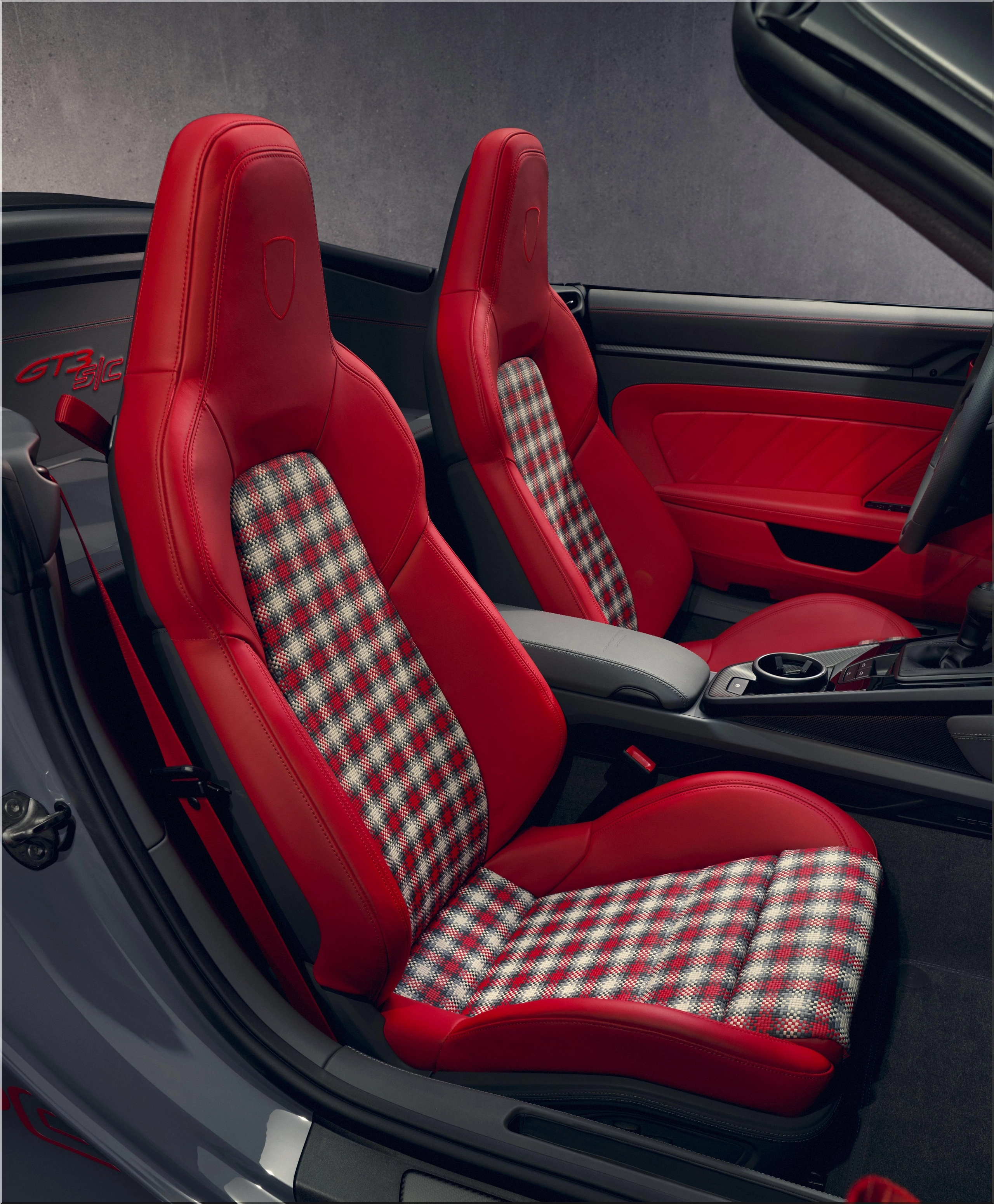
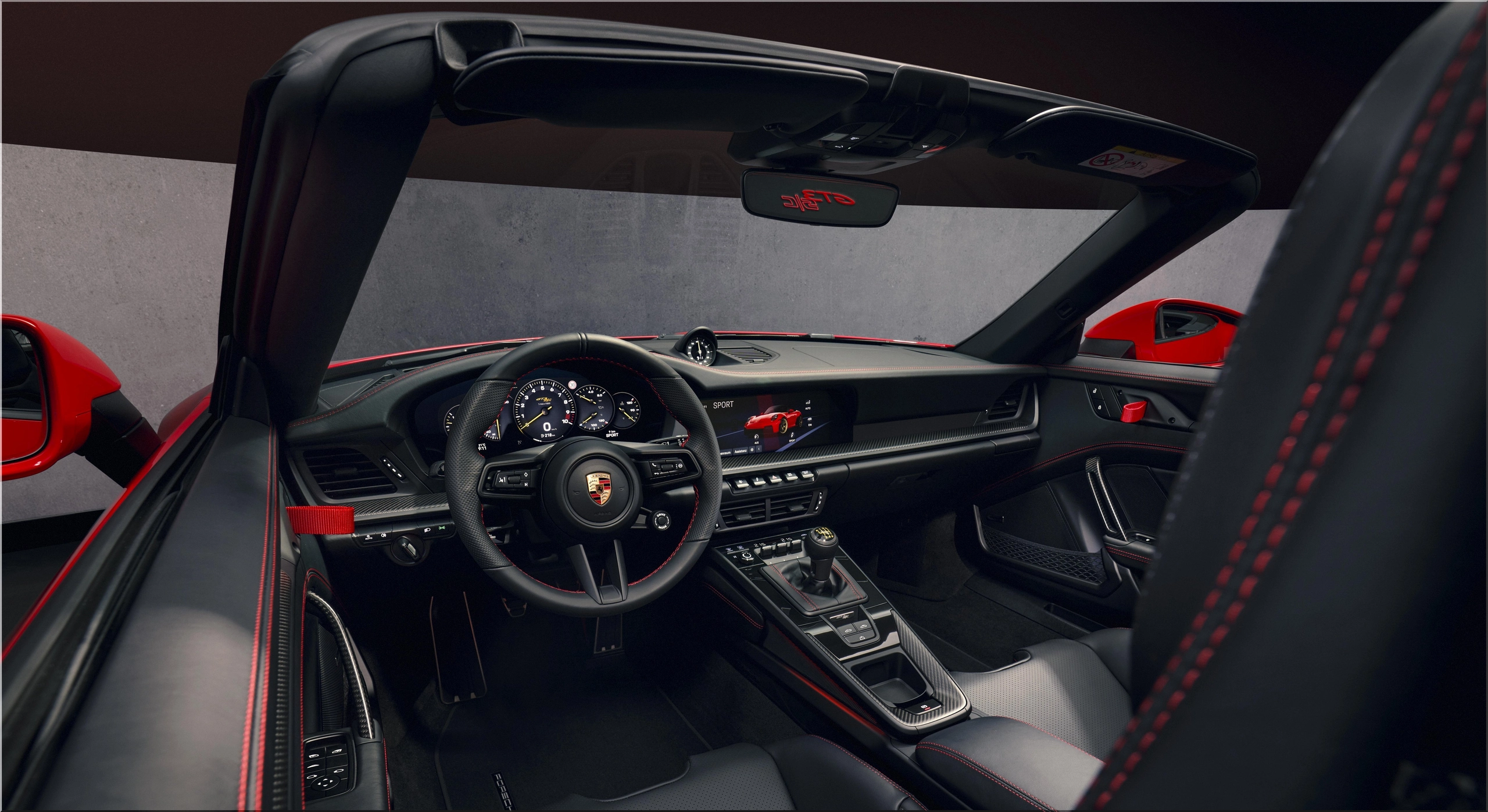
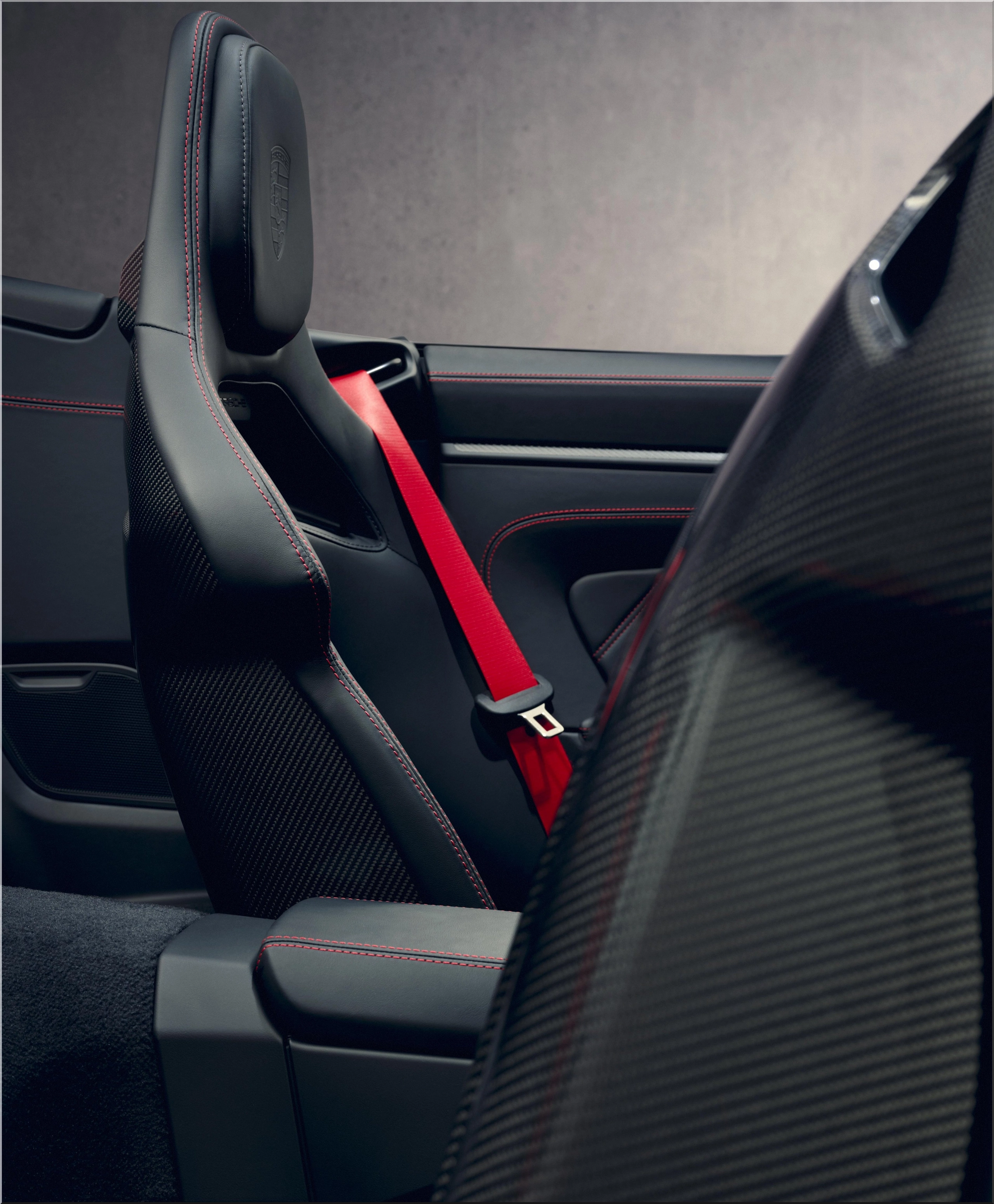
Inside, Porsche keeps the cabin aligned with the car's purpose. Standard Sports Seats Plus provide support without turning daily use into punishment, while optional lightweight bucket seats push the car further toward hard-core territory.
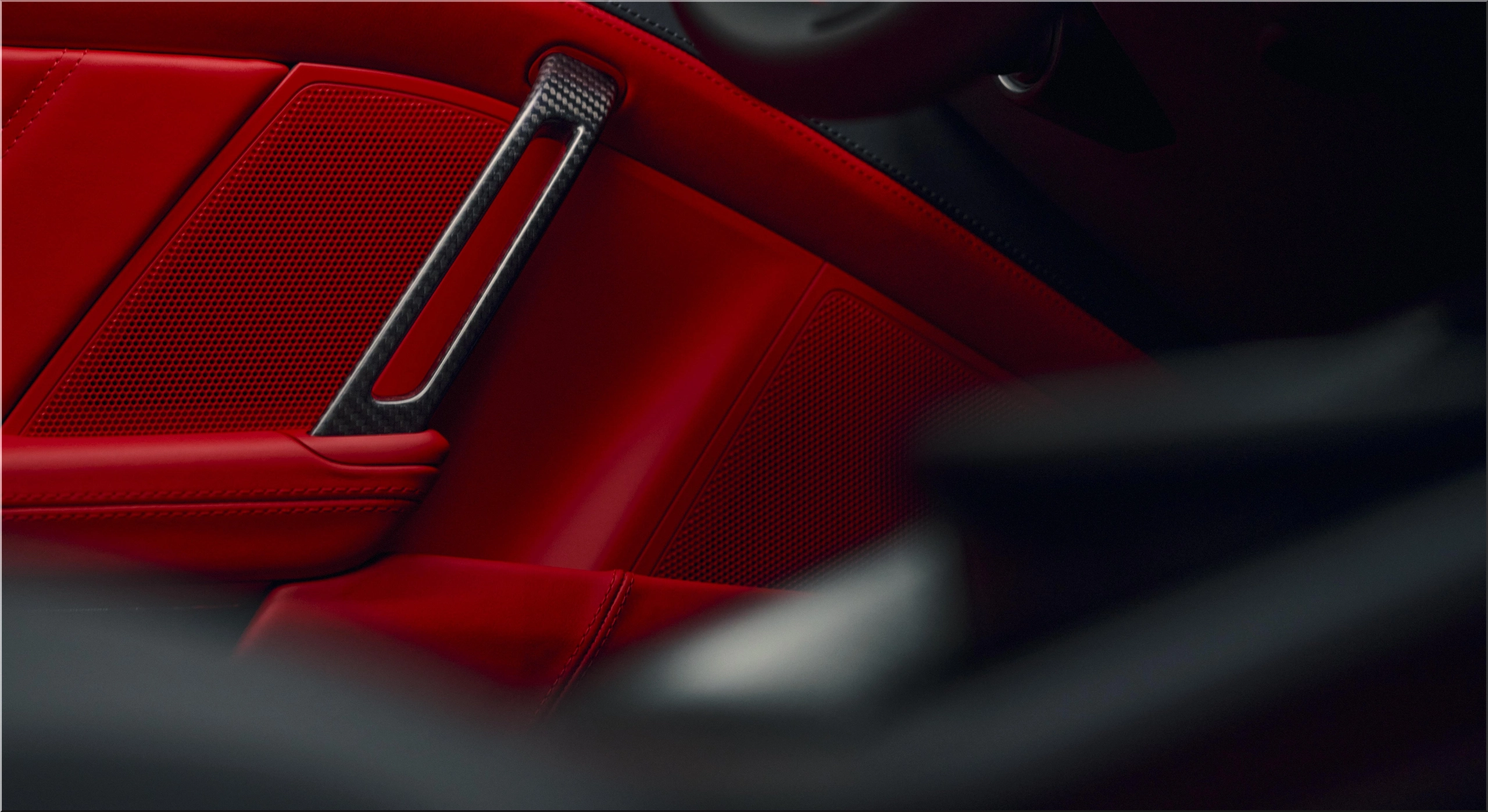
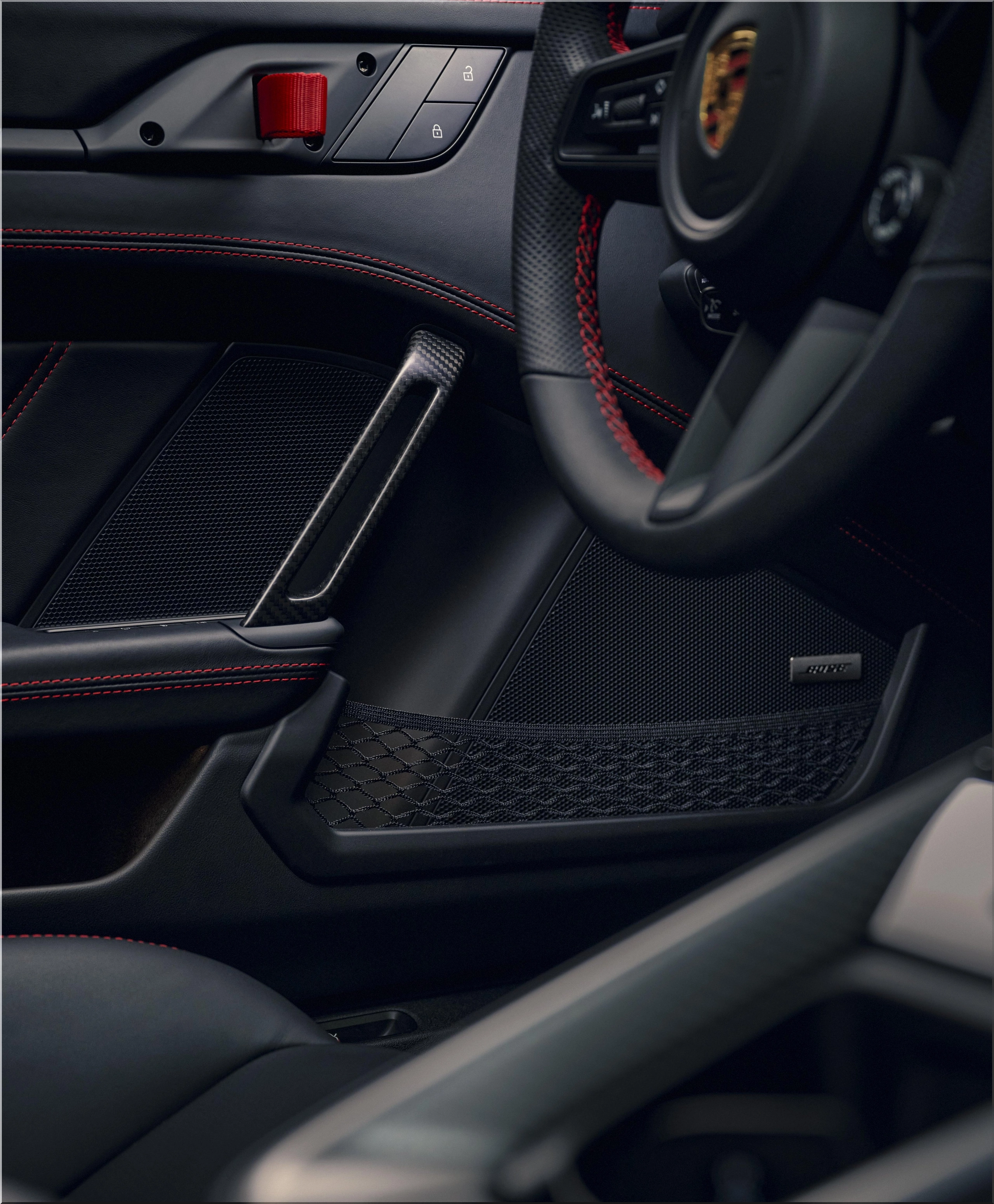
You also get lightweight interior trim, simplified pull handles, and a driver-focused display setup. Looking at the data and the equipment choices, Porsche wanted the cabin to feel special without burying the car under luxury fluff. That is the right move. A car like this should feel deliberate every time you climb in.
Pro-Tips for Buyers
- Choose the 911 GT3 S/C if you want maximum engine sound, open-air drama, and a true manual Porsche 911 experience.
- Choose a fixed-roof GT3 if your calendar includes frequent track days and your priorities lean toward consistency and aero efficiency.
- Budget for the whole package, not just MSRP. Tires, brakes, and insurance will not behave like ordinary 911 ownership costs.
- Keep the spec tasteful. Cars like this hold appeal because the engineering does the talking.
Should You Buy the Porsche 911 GT3 S/C?
If your version of performance starts with sensation, precision, and mechanical honesty, yes.
The Porsche 911 GT3 S/C delivers one of the rarest combinations left in the performance market: naturally aspirated power, manual transmission, rear-wheel drive, and open-top driving in a package engineered by people who clearly still care about unsprung mass and steering feel. That combination gives this car its entire reason for being.
It is expensive. It is narrow in purpose. It also looks like one of the most compelling modern 911s because it refuses to chase fashion. Instead, it chases feel. For the right buyer, that is exactly the point.
- Add new comment
- 77 views