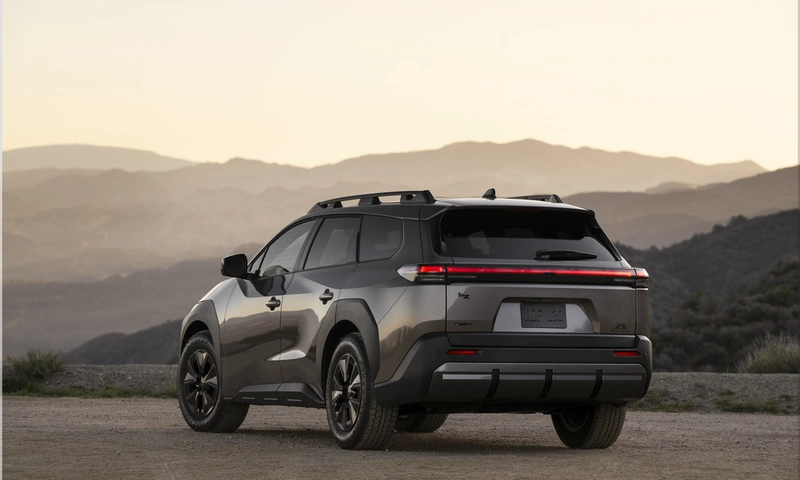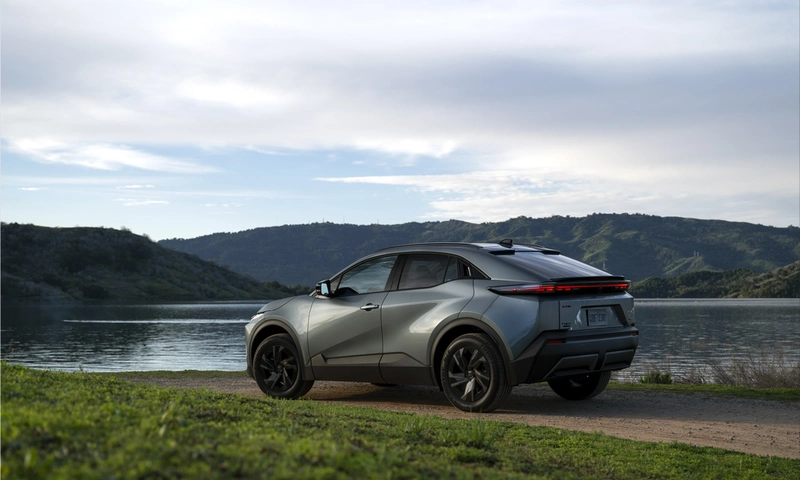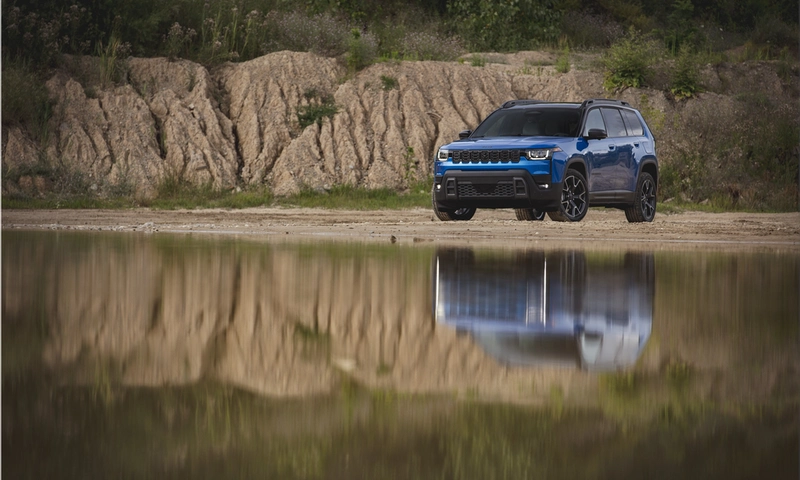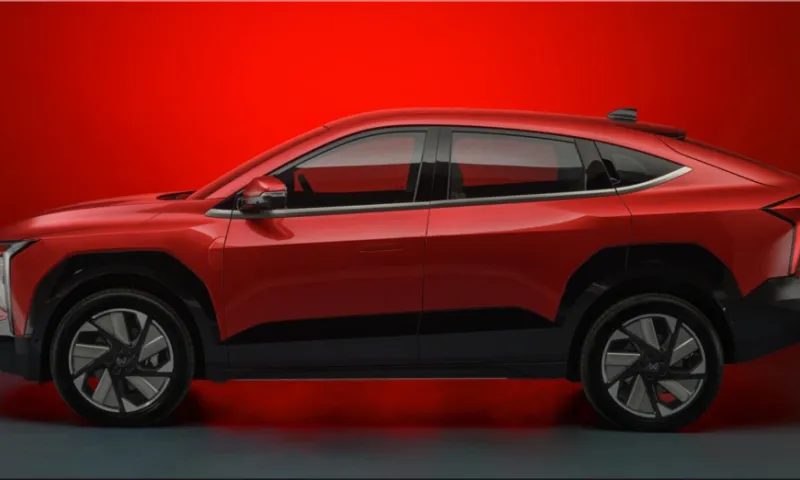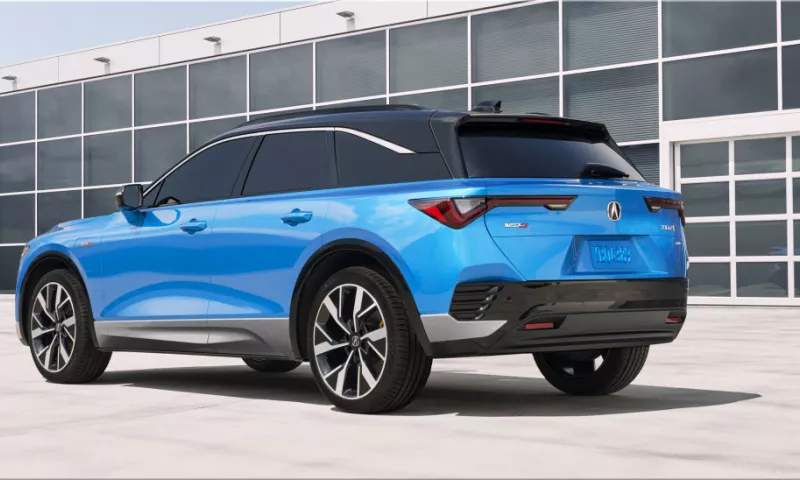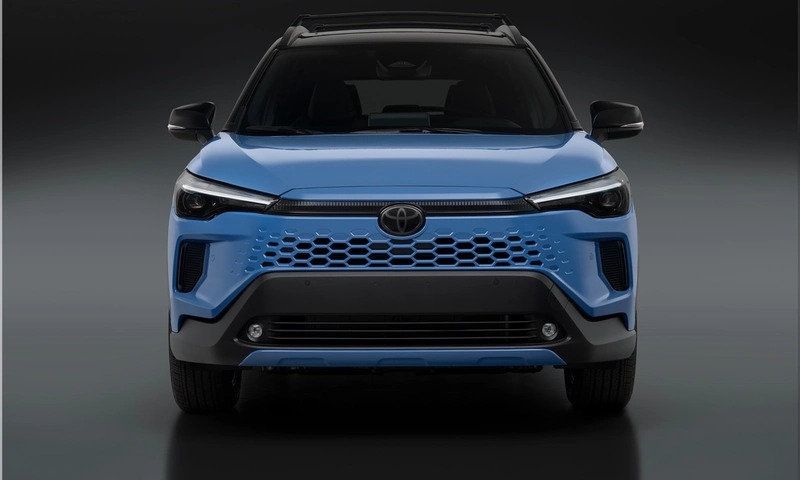
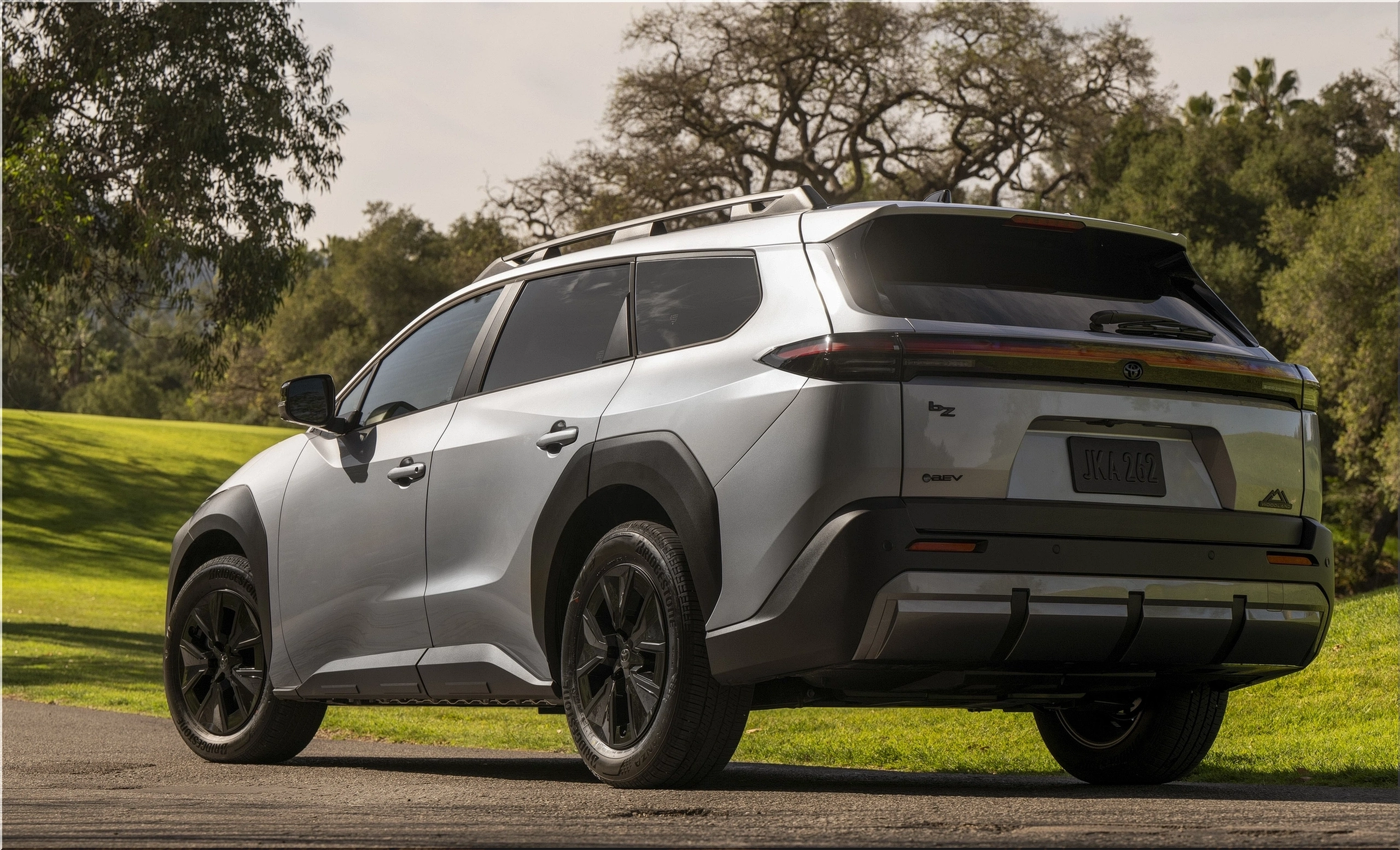
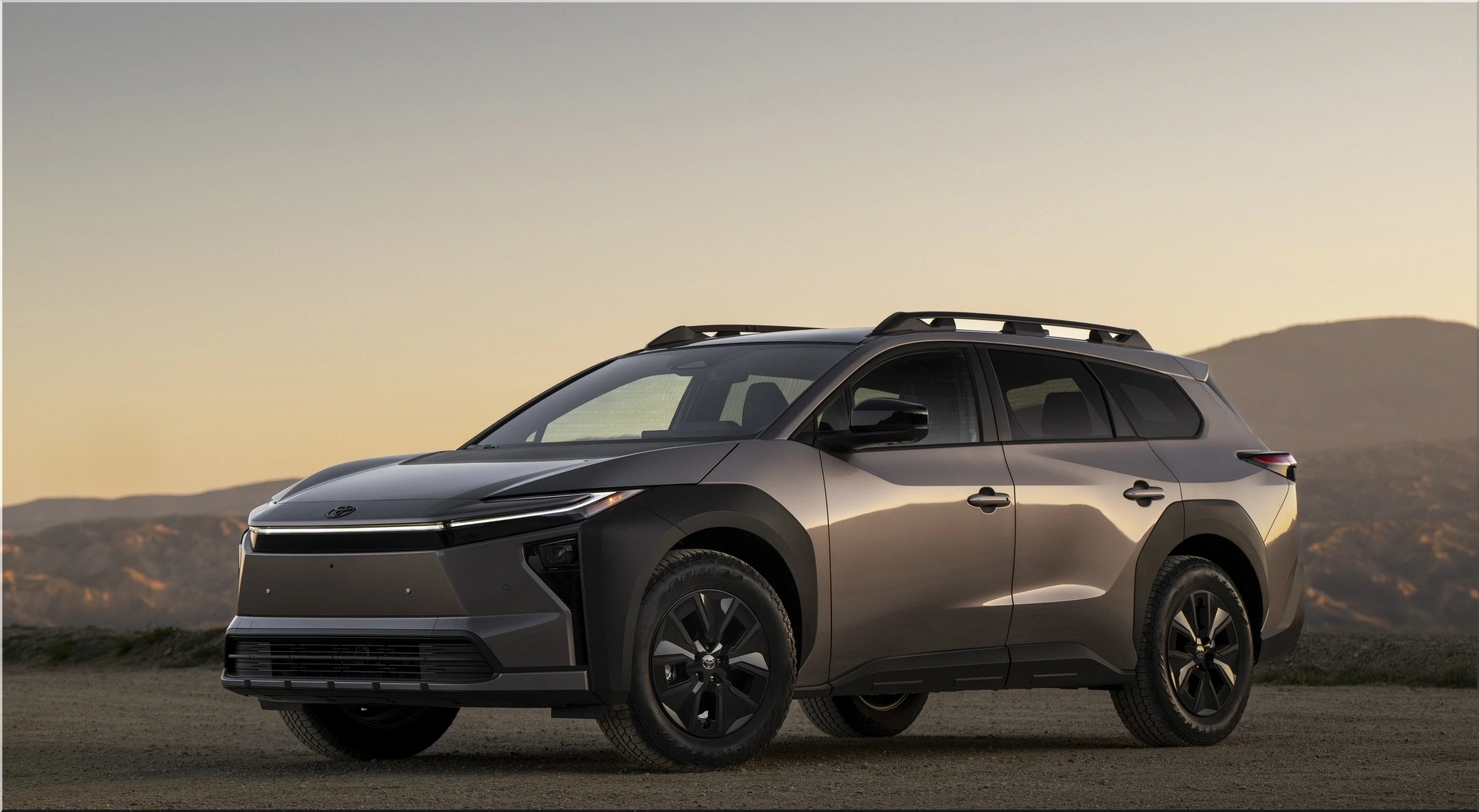
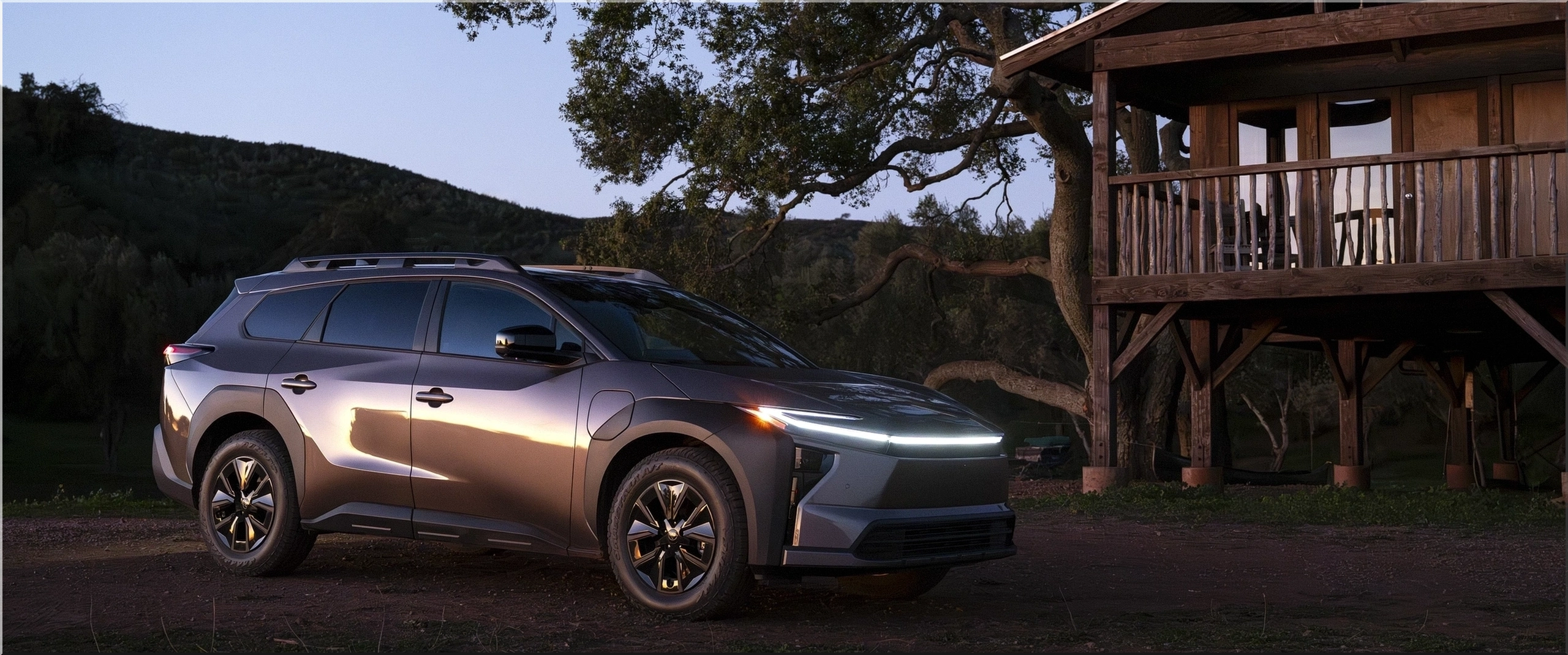
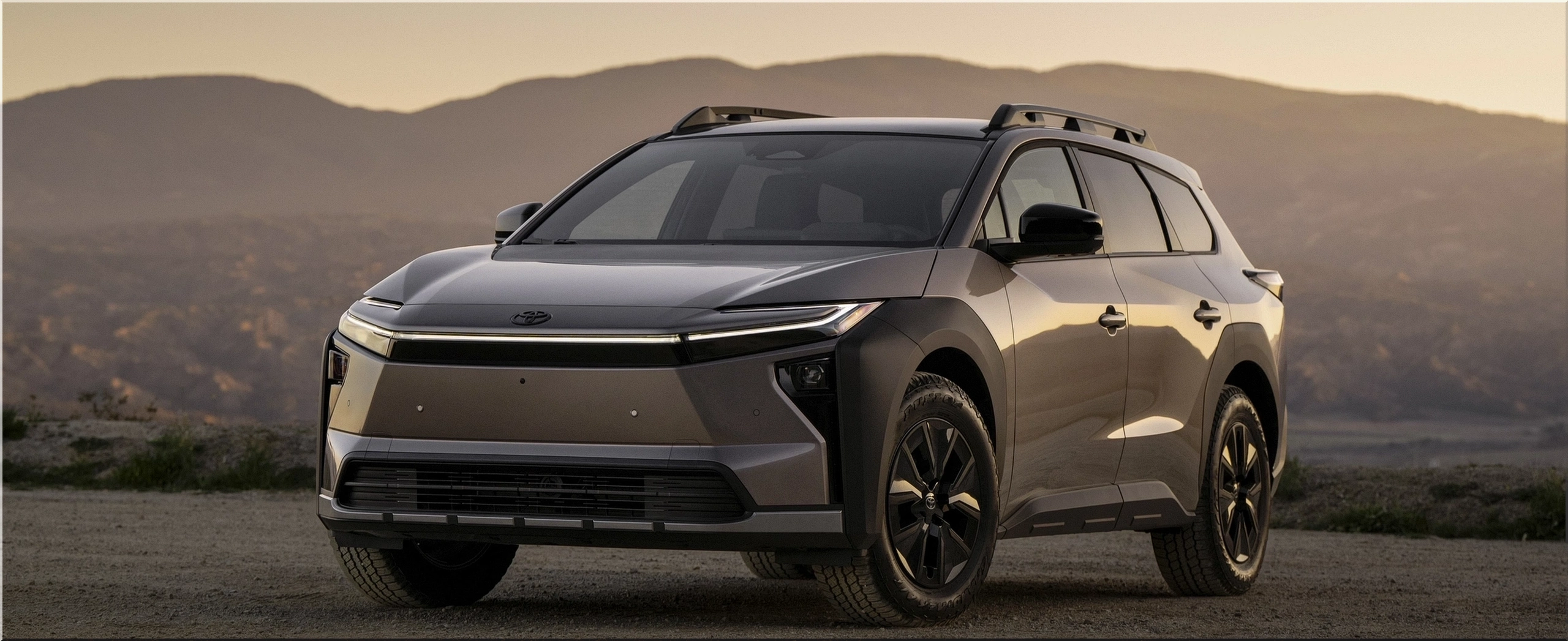
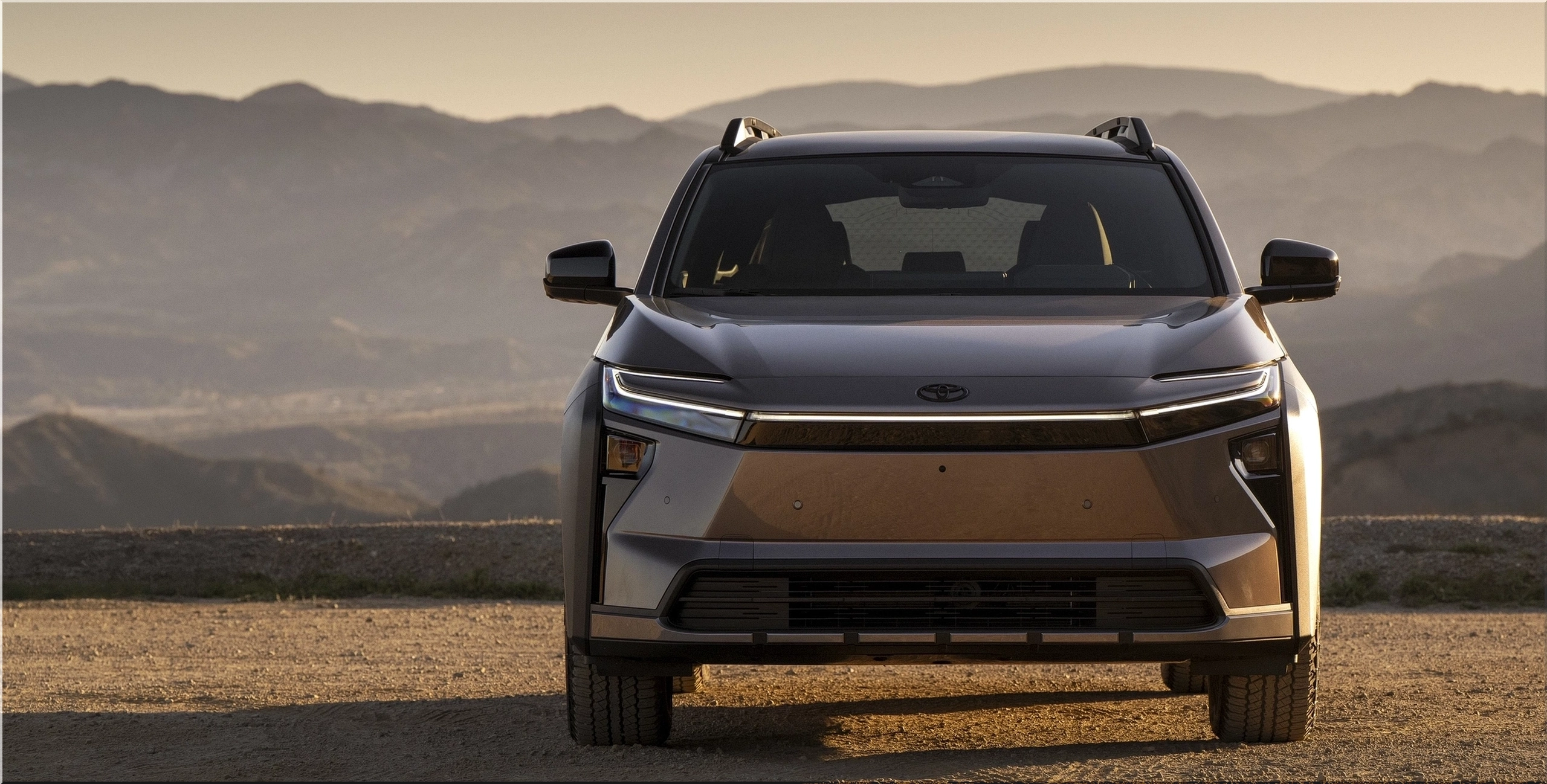
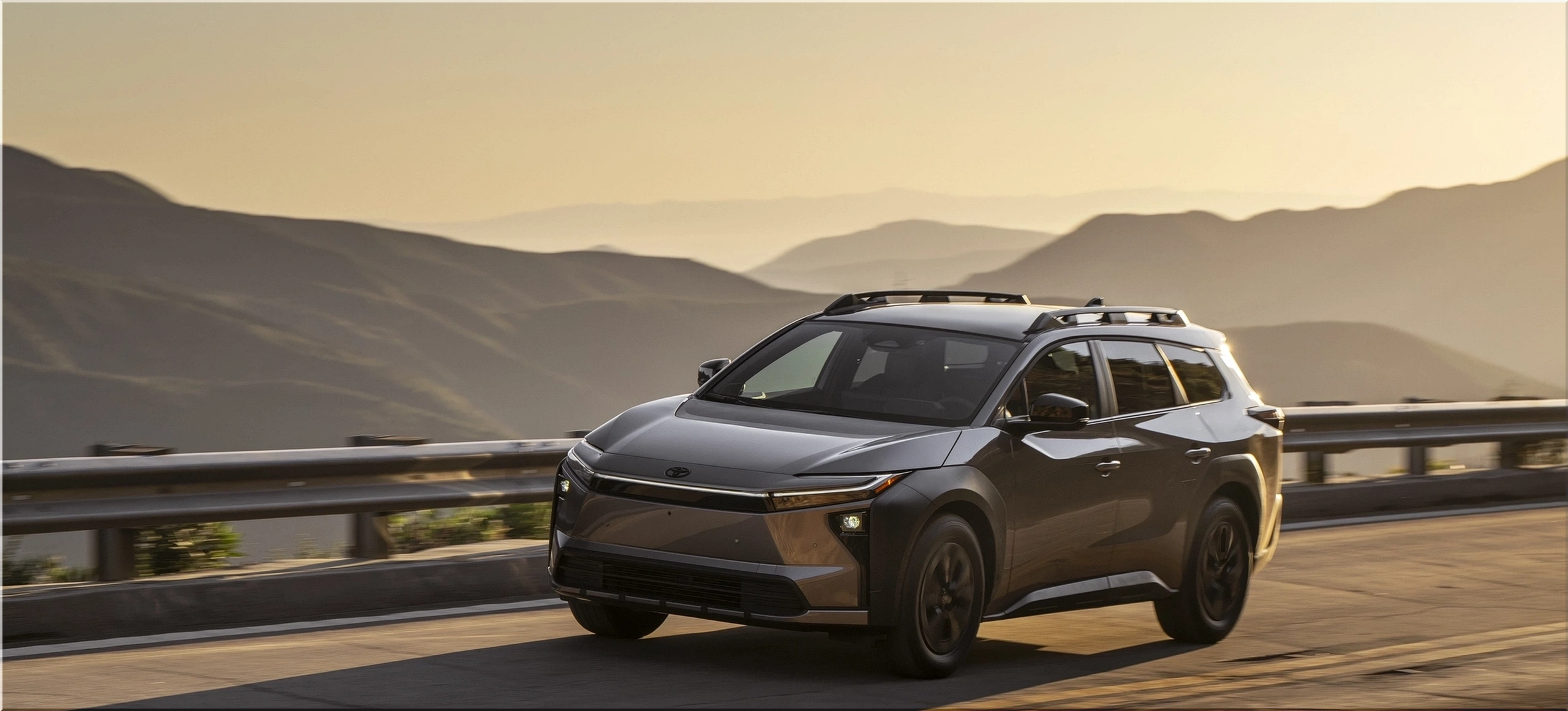
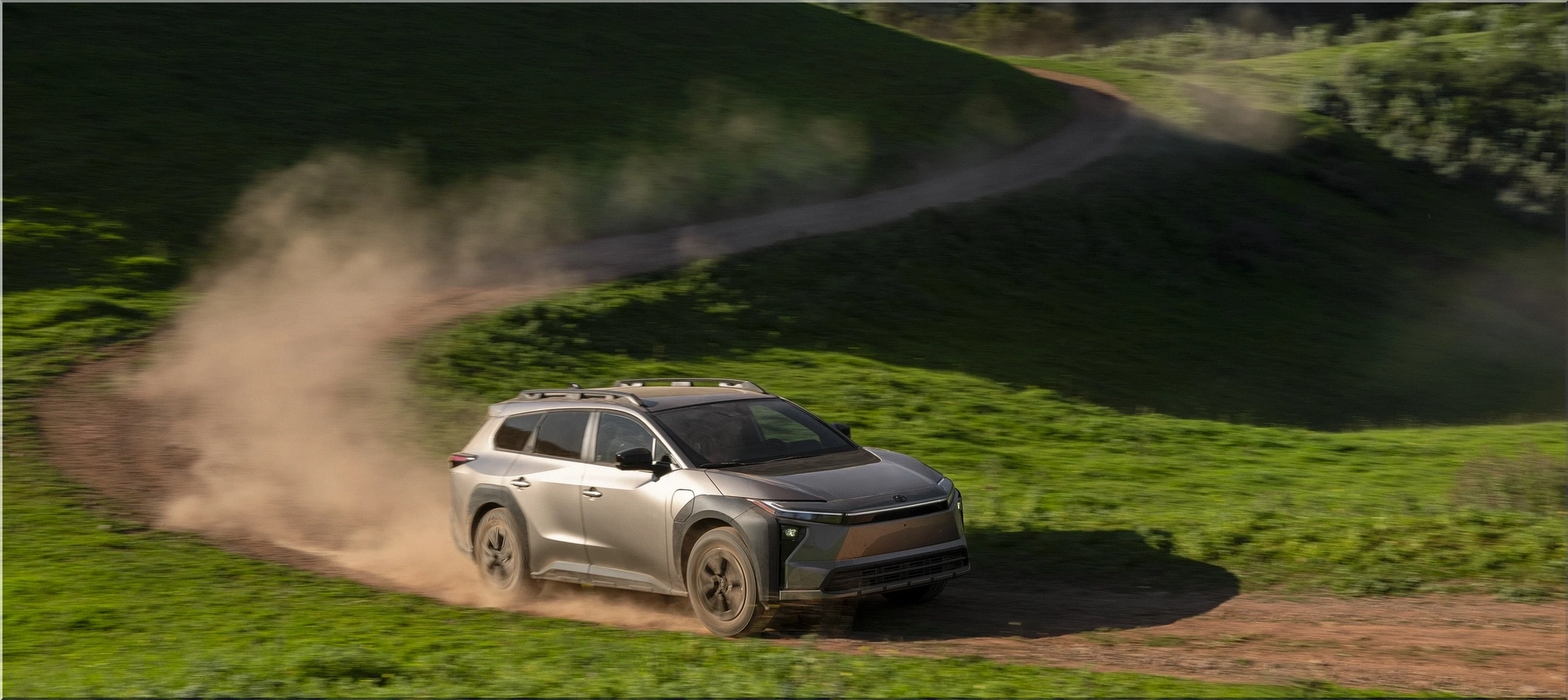
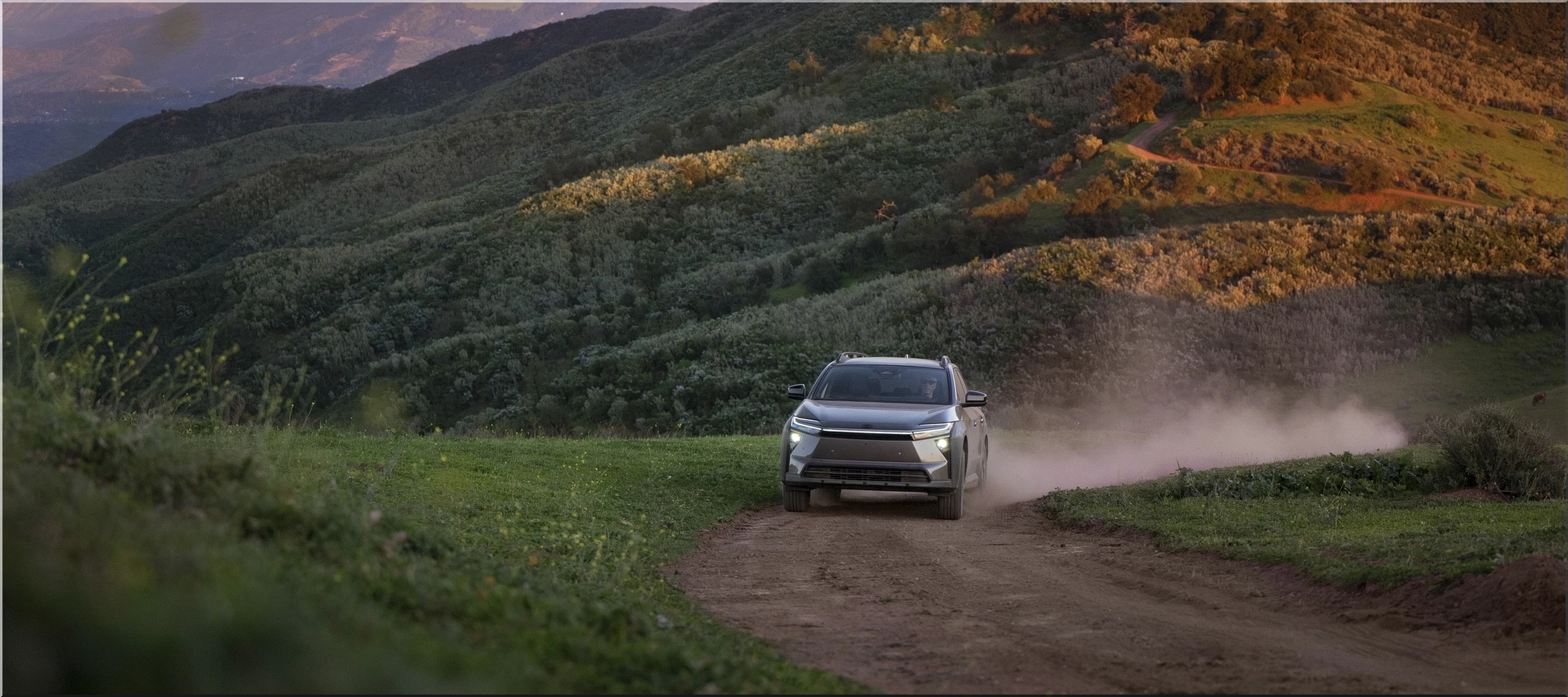
Toyota adds real off‑pavement intent to its all‑electric lineup with the 2026 Toyota bZ Woodland, a dual‑motor all‑wheel‑drive electric SUV that delivers 375 horsepower, up to 281 miles of range, and 3,500 pounds of towing capacity while riding on 8.4 inches of ground clearance. The bZ Woodland SUV targets shoppers who want a rugged electric midsize SUV that can handle dirt roads and towing duties instead of acting like a low‑slung city crossover.
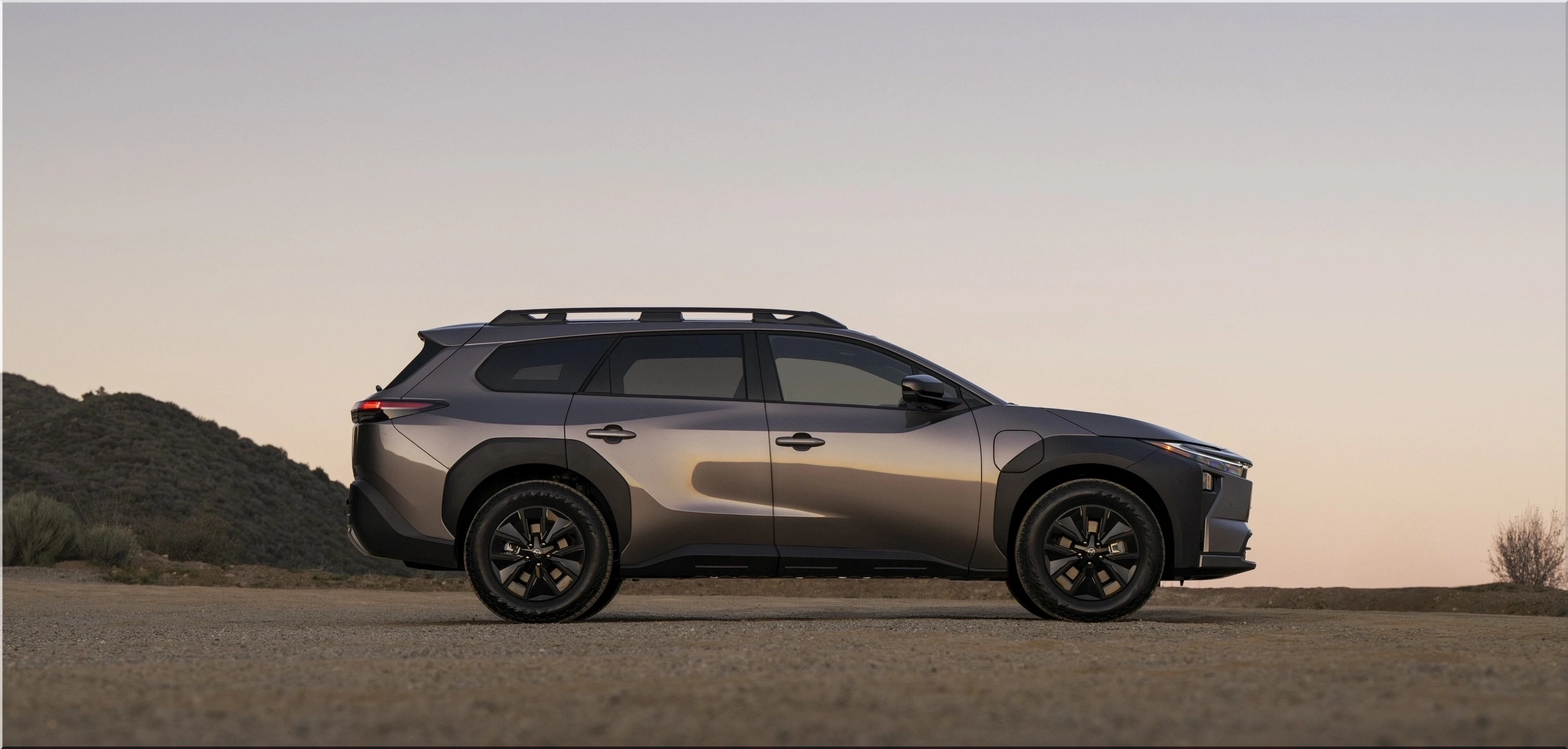
Powertrain, Performance, and Range
Toyota positions the bZ Woodland as the most powerful member of its bZ electric SUV family, using a dual‑motor AWD layout with motors packaged in front and rear e‑axles. The combined system output reaches 375 hp, which gives this midsize electric SUV a meaningful straight‑line advantage over the standard bZ model and many direct EV SUV competitors in the same size class.
Toyota estimates a 0–60 mph time of about 4.4 seconds, a figure that moves the bZ Woodland into performance territory that historically belonged to turbocharged V6 crossovers. That kind of acceleration gives Toyota a compelling spec sheet against electric crossovers like the Hyundai Ioniq 5, Kia EV6, and Ford Mustang Mach‑E.
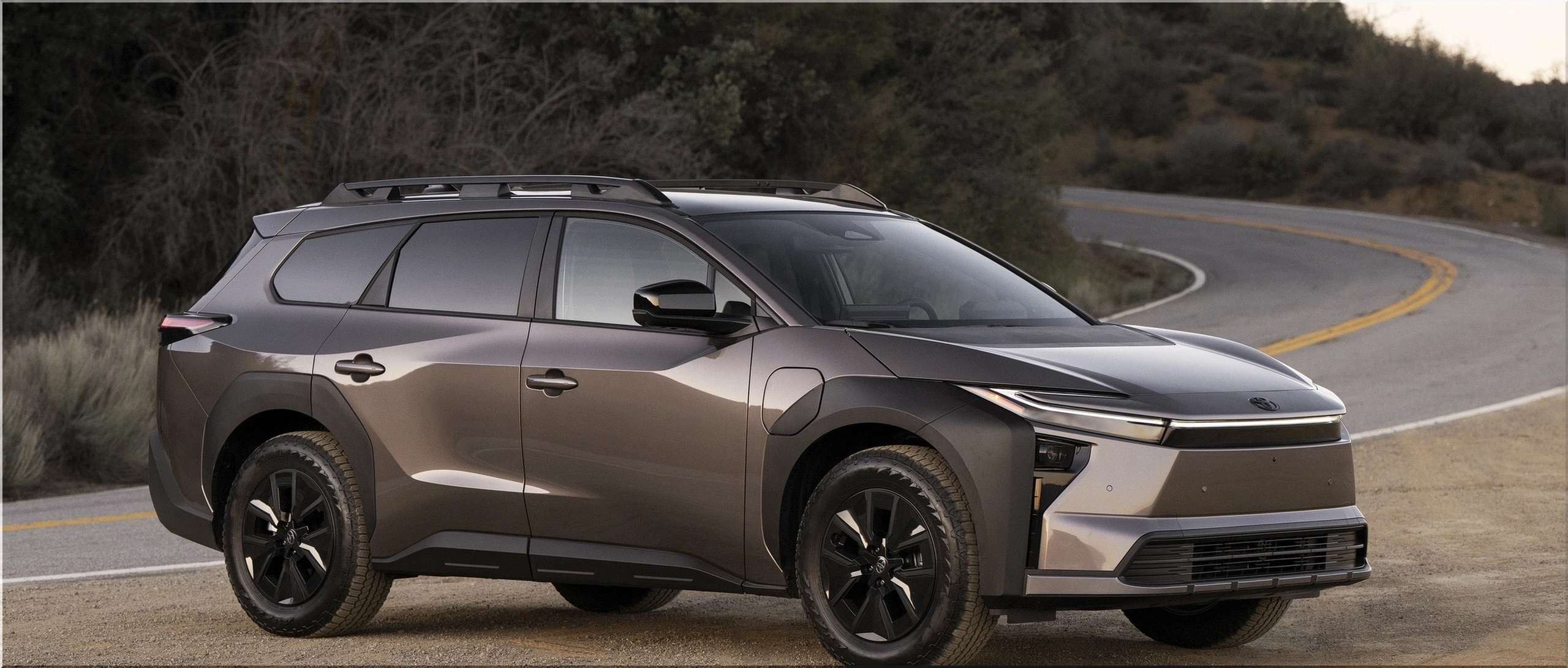
The 74.7‑kWh lithium‑ion battery pack sits flat under the floor, which lowers the center of gravity and improves turn‑in and mid‑corner stability compared with taller gas SUVs that carry heavy engines up front. The 2026 bZ Woodland delivers an EPA‑estimated total driving range of up to 281 miles on standard tires, dropping to 260 miles when equipped with the optional all‑terrain tires, which add off‑road grip at the cost of more rolling resistance. From an expert perspective, that range target places the bZ Woodland SUV slightly under top‑spec long‑range EV crossovers that clear 300 miles but still squarely inside the practical band for daily commuting and weekend adventure trips.
Key performance and range specs:
- Net system output: 375 horsepower
- Drive layout: dual‑motor all‑wheel drive
- 0–60 mph: ~4.4 seconds (manufacturer estimate)
- Battery: 74.7‑kWh lithium‑ion battery pack
- EPA range: up to 281 miles (260 miles with all‑terrain tires)
- Towing capacity: 3,500 pounds
- Ground clearance: 8.4 inches
Pro Tip: Range vs. Tire Choice
If you plan frequent highway trips, configure your Toyota bZ Woodland on standard all‑season tires to maintain the full 281‑mile EPA range estimate, and reserve the factory all‑terrain tire option for buyers who prioritize off‑pavement traction over maximum electric range and efficiency.
Off‑Road Hardware: X‑MODE, Grip Control, and Ground Clearance
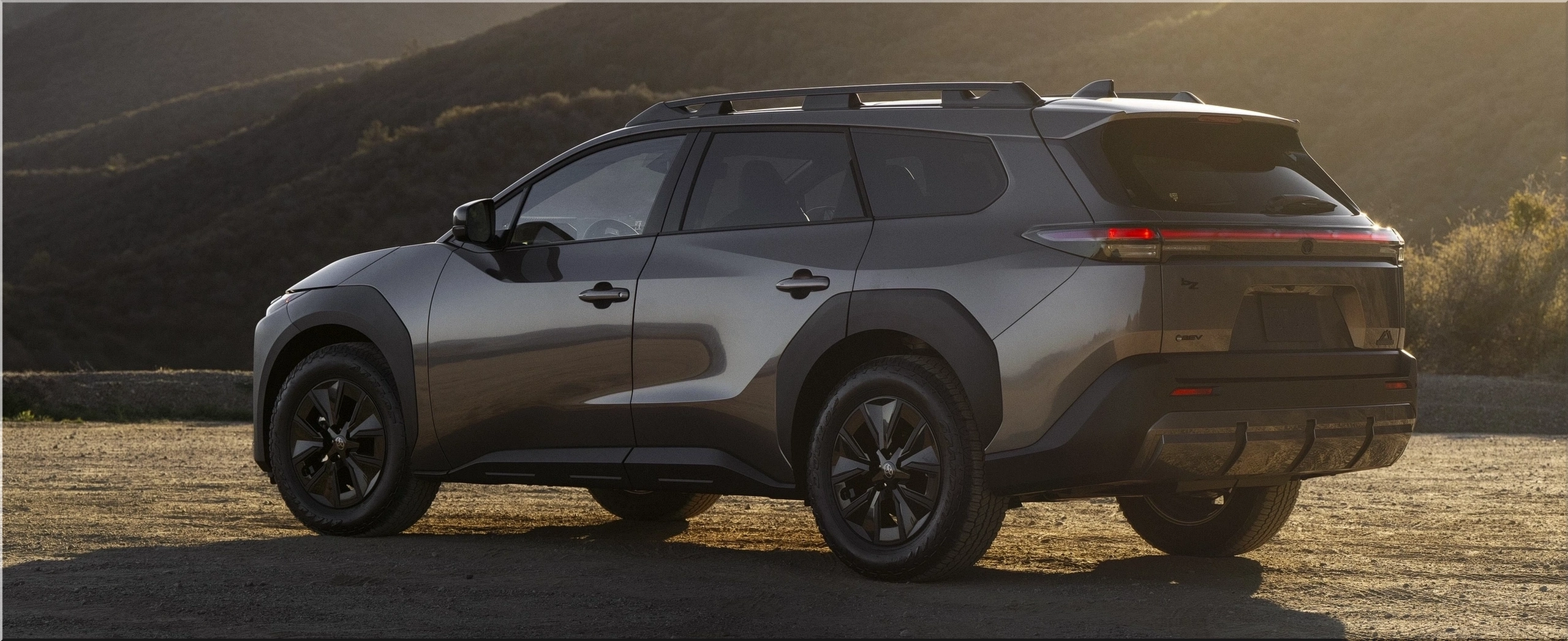
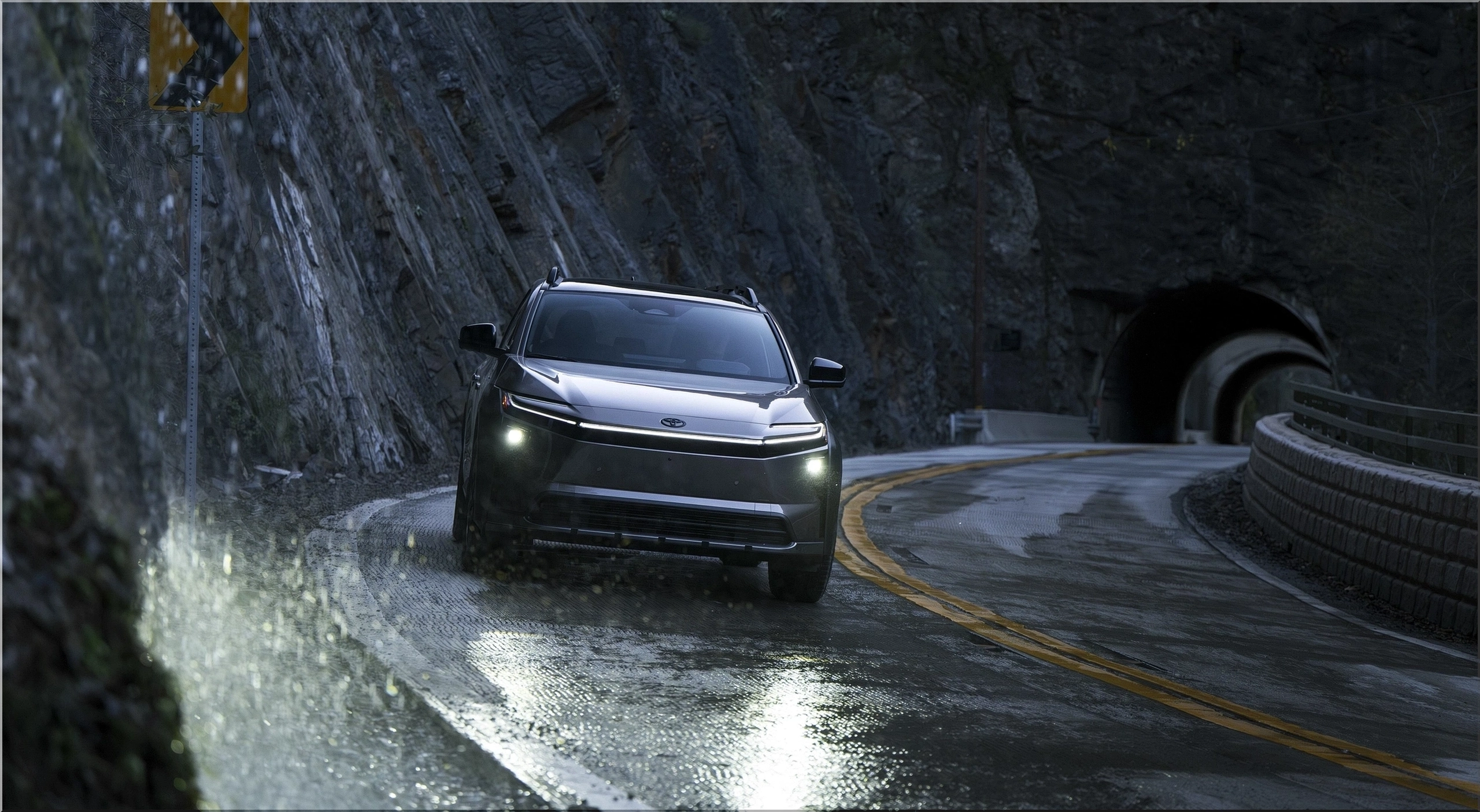
Toyota builds the bZ Woodland on its dedicated e‑TNGA battery‑electric platform, then tunes the chassis for light‑trail and rough‑road work instead of focusing solely on urban commuting. The SUV delivers 8.4 inches of ground clearance, which exceeds many street‑biased EV crossovers and mirrors numbers associated with adventure‑oriented models from Subaru.
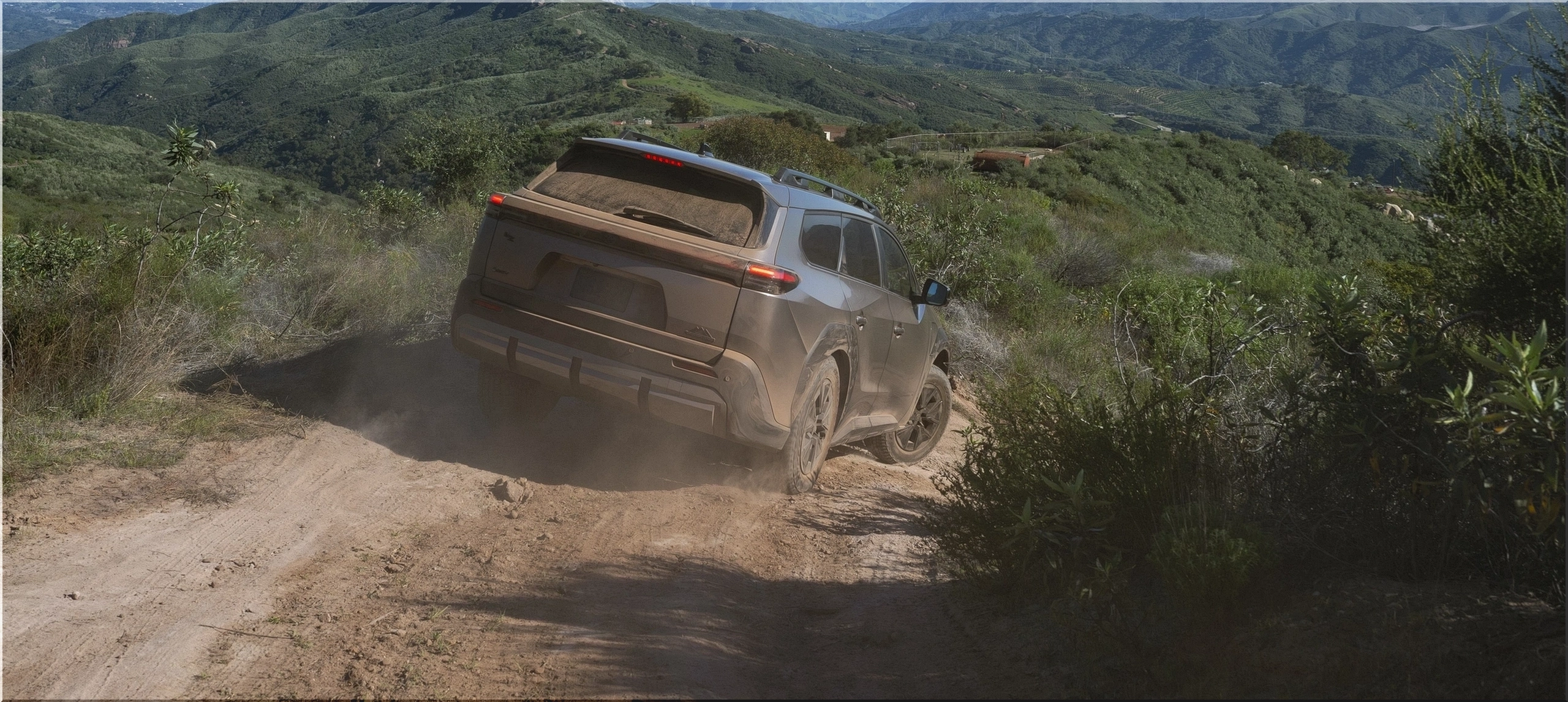
Standard X‑MODE provides the bZ Woodland with a terrain‑focused control layer that talks directly to the dual motors and braking system. In addition, the system manages brake pressure and torque delivery at each wheel to maximize traction on loose surfaces such as gravel, wet grass, or light mud instead of simply cutting power after slip is detected. When drivers activate Grip Control at low speeds, the system behaves like an EV‑specific crawl control, modulating motor power to maintain a steady pace over ruts, rocks, or steep grades so the driver can focus on steering inputs.
From an expert perspective, the engineering logic behind X‑MODE and Grip Control lies in replacing traditional mechanical low‑range gearing with software‑based torque management that leverages an EV’s instant torque and precise motor control. This approach avoids the weight and packaging penalties of a transfer case while still delivering the low‑speed precision many buyers expect from adventure SUVs.
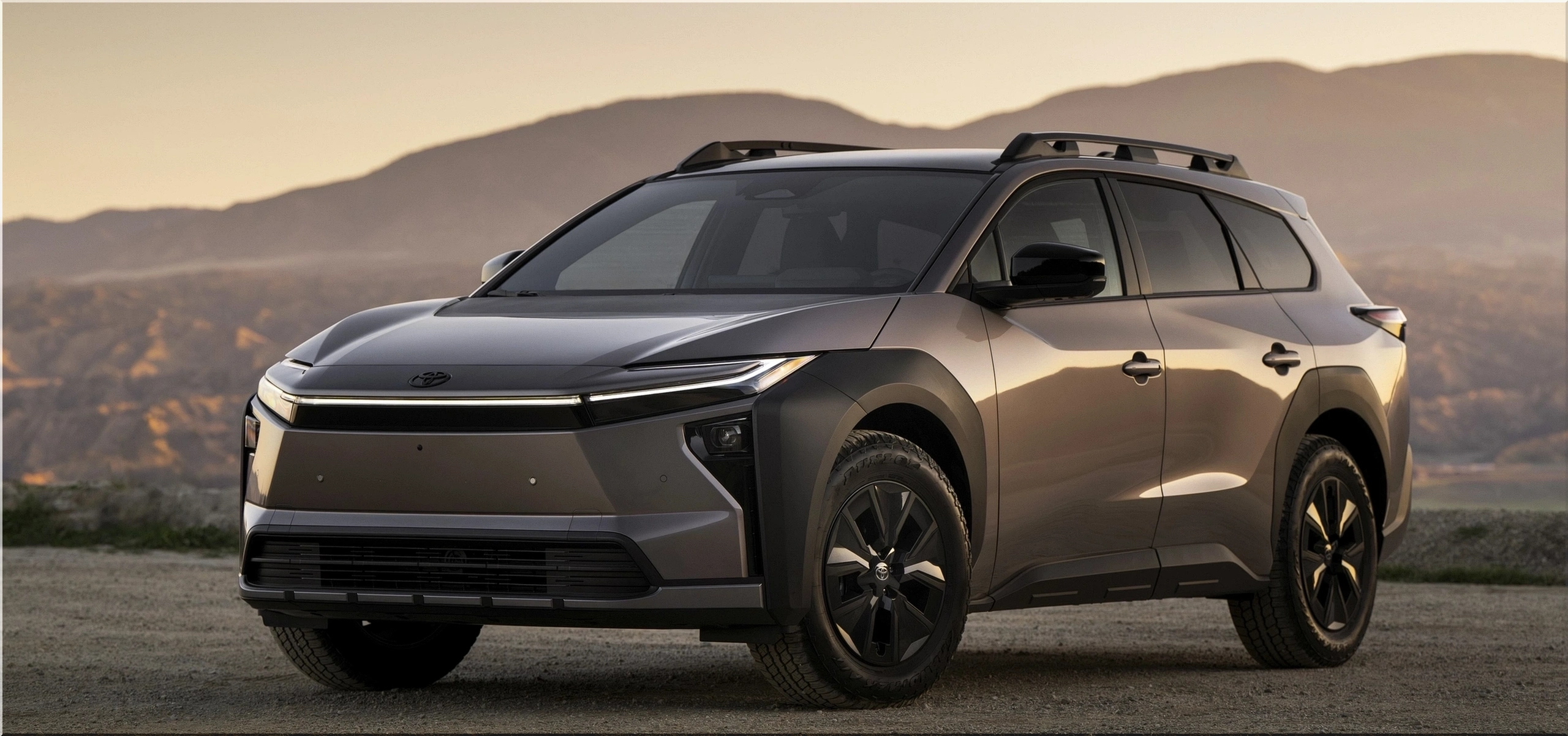
Off‑road‑relevant stats and features:
- 8.4 in ground clearance for rough roads and trailheads
- Dual‑motor AWD with front and rear e‑axles
- X‑MODE terrain management for loose surfaces
- Grip Control low‑speed assist for technical sections
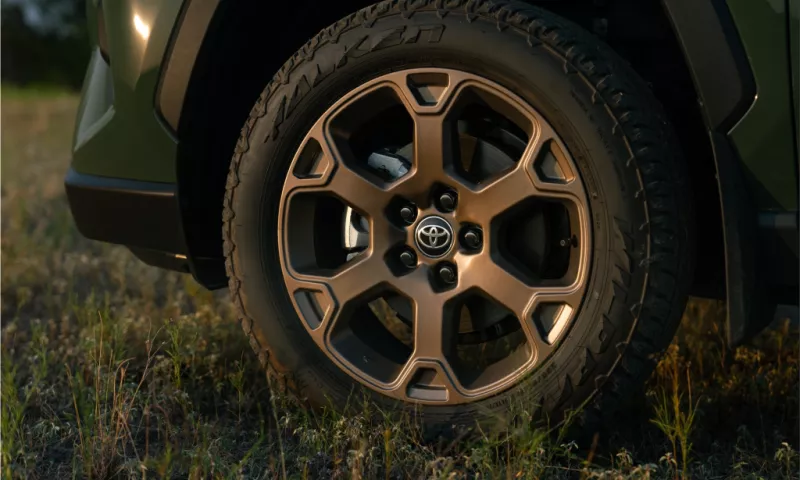
- Available all‑terrain tires on 18‑inch aluminum wheels
- Roof rails for added cargo and accessory mounting
Dimensions, Packaging, and Utility
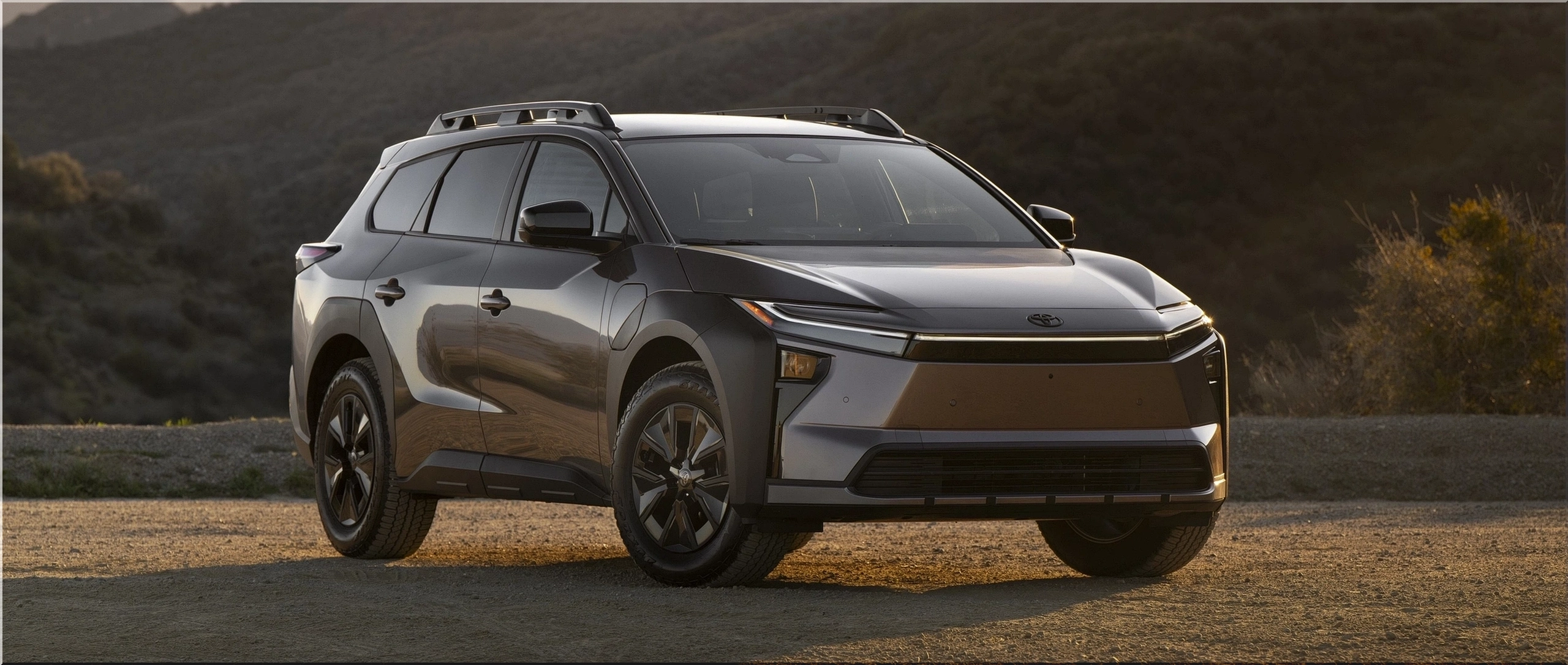
The Toyota bZ Woodland stretches the bZ platform to create an SUV with midsize‑class utility and slightly more interior volume than the standard bZ SUV sibling. Compared with the smaller bZ, Toyota adds nearly 6 inches of extra length and about an inch of extra rear height, which supports more cargo volume and a more open rear seating area.
2026 Toyota bZ Woodland Dimensions and Utility
| Dimension / Spec | 2026 Toyota bZ Woodland |
|---|---|
| Wheelbase | 112.2 in |
| Overall length | 190.2 in |
| Width (without mirrors) | 73.2 in |
| Height | 65.9 in |
| Ground clearance | 8.4 in |
| Cargo volume behind 2nd row | 33.8 cu ft |
| Max cargo (2nd row folded) | 74.3 cu ft |
| Max towing capacity | 3,500 lb |
Inside, the extra length translates to 74.3 cubic feet of cargo space with the second row folded, a marked increase over the standard bZ’s 67.1 cubic feet, which provides more real‑world space for camping gear, bikes, or bulkier items. With the second row upright, the Woodland still offers 33.8 cubic feet of storage, which places it in the hunt with many gas‑powered midsize SUVs on pure cargo metrics.
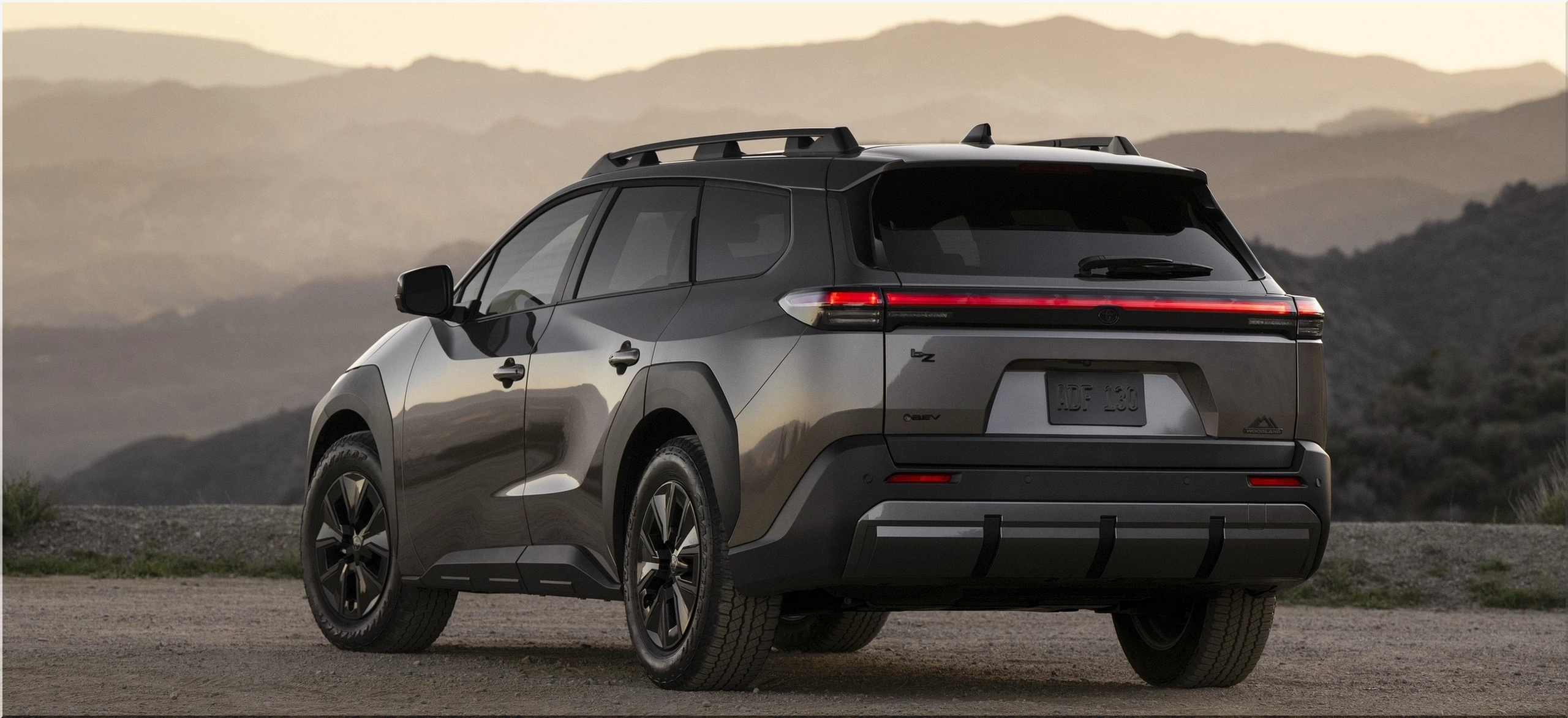
The bZ Woodland’s roof rails add vertical utility for cargo boxes, bike racks, and sports equipment, which matters for EV buyers who want to keep the cargo floor free while still carrying kayaks, skis, or extra storage on the roof. From an expert perspective, the combination of a flat battery floor, stretched wheelbase, and tall cargo area yields space utilization that compares favorably against similarly sized internal‑combustion SUVs with large engine bays and exhaust routing.
Charging, NACS Port, and Thermal Management
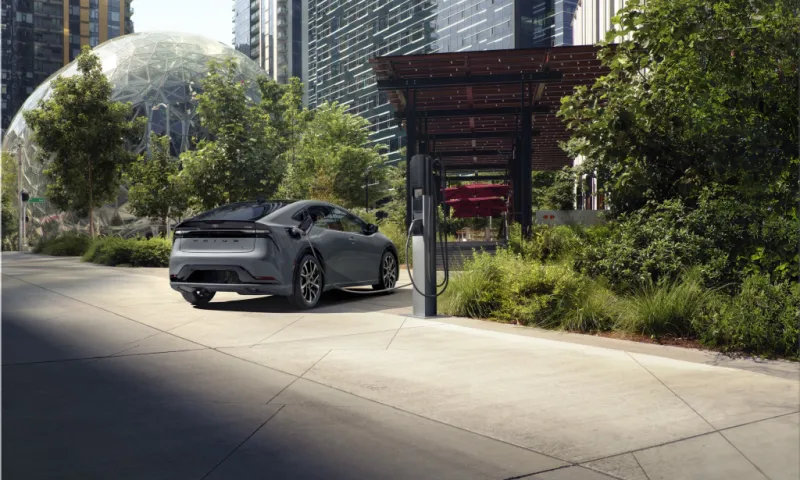
Toyota equips the bZ Woodland with a comprehensive charging package designed to make both home charging and public fast charging straightforward for buyers transitioning from gas vehicles. The lithium‑ion pack connects through a North American Charging System (NACS) port, which positions this model to plug into a broad and expanding network of DC fast chargers in North America.
On a DC fast‑charging station under ideal conditions, Toyota estimates a 10–80 percent charge in about 30 minutes, delivering realistic coffee‑stop timing on longer trips. For AC charging, the Woodland carries an 11‑kW on‑board charger, which pairs with a standard dual‑voltage 120V/240V home charging cable that supports both Level 1 and Level 2 charging from appropriate household circuits. From an expert perspective, that 11‑kW AC rate means a full overnight charge on a 240V Level 2 setup is practical for typical home installations.
Key charging and battery features:
- 74.7‑kWh lithium‑ion battery
- NACS DC fast‑charging port
- DC fast charge 10–80% in ~30 minutes (ideal conditions)
- 11‑kW on‑board AC charger (Level 1 and Level 2 support)
- Standard dual‑voltage 120V/240V home charging cable
- Plug Charge auto‑authorization on compatible networks
- Remote charge status and scheduling via the Toyota app
Toyota also integrates Battery Pre‑conditioning, which warms or cools the pack to an optimal temperature for DC fast charging based on navigation routing or manual driver inputs. This strategy improves charging consistency in extreme temperatures by reducing the risk of throttled charge rates from a cold or overheated battery. A high‑resistance coolant circulation system helps protect against thermal events even under repeated high‑speed driving and rapid charging, and redundant monitoring of voltage, current, and temperature allows the vehicle to detect abnormal heating early.
Definition: Battery Pre‑conditioning
Battery pre‑conditioning refers to the automated process in which the vehicle adjusts battery temperature ahead of a planned fast‑charging stop, using the HVAC and thermal management systems to reach an optimal temperature window for stable, faster charging.
Interior, Infotainment, and Connected Services
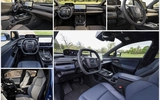
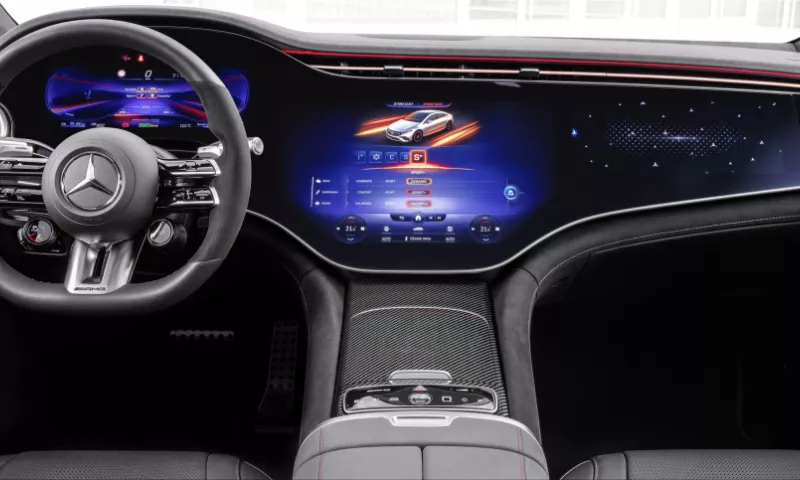
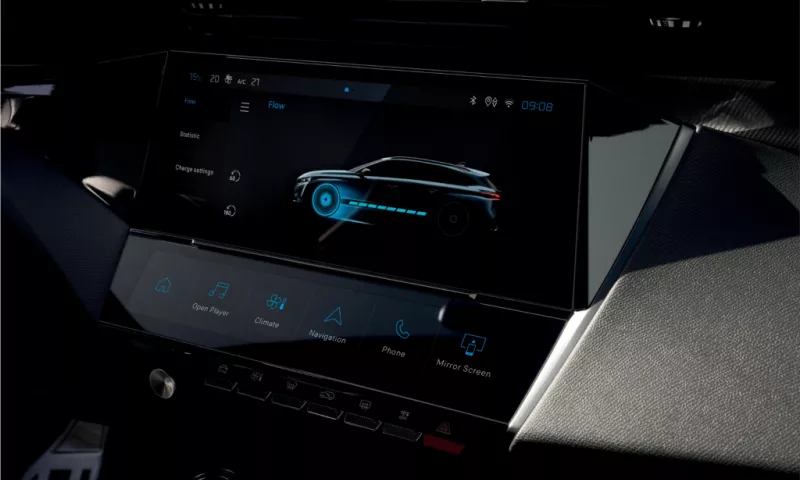
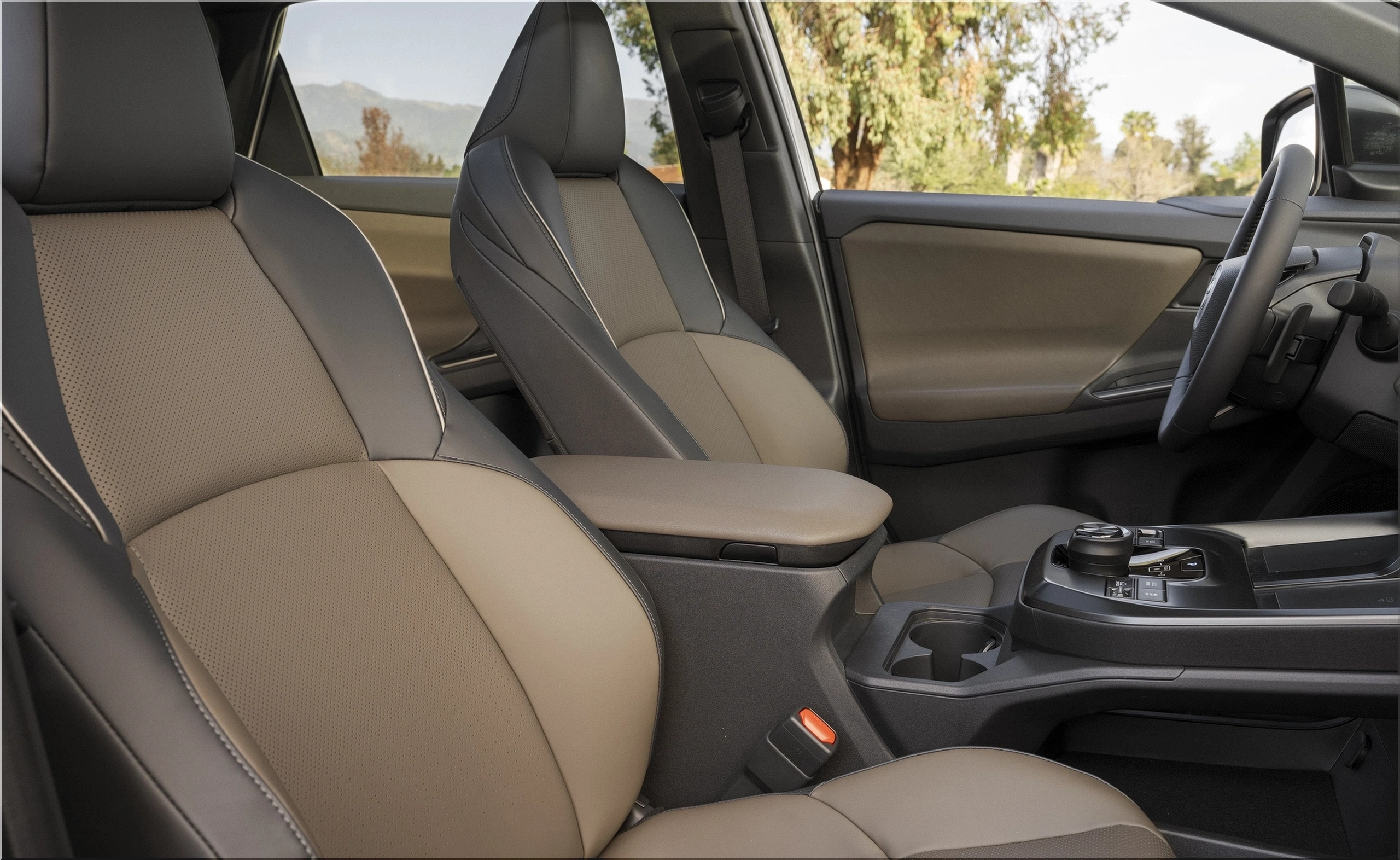
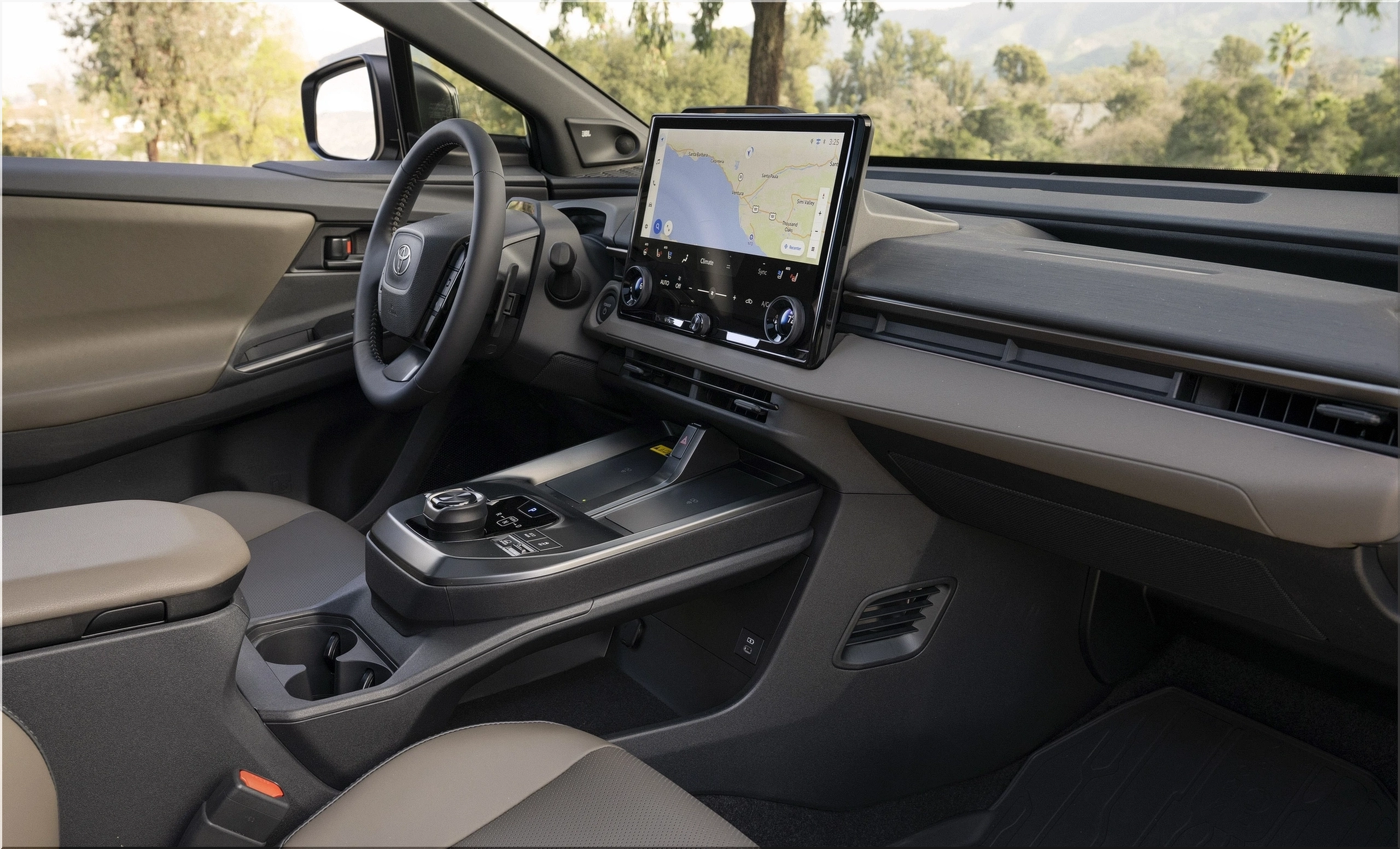
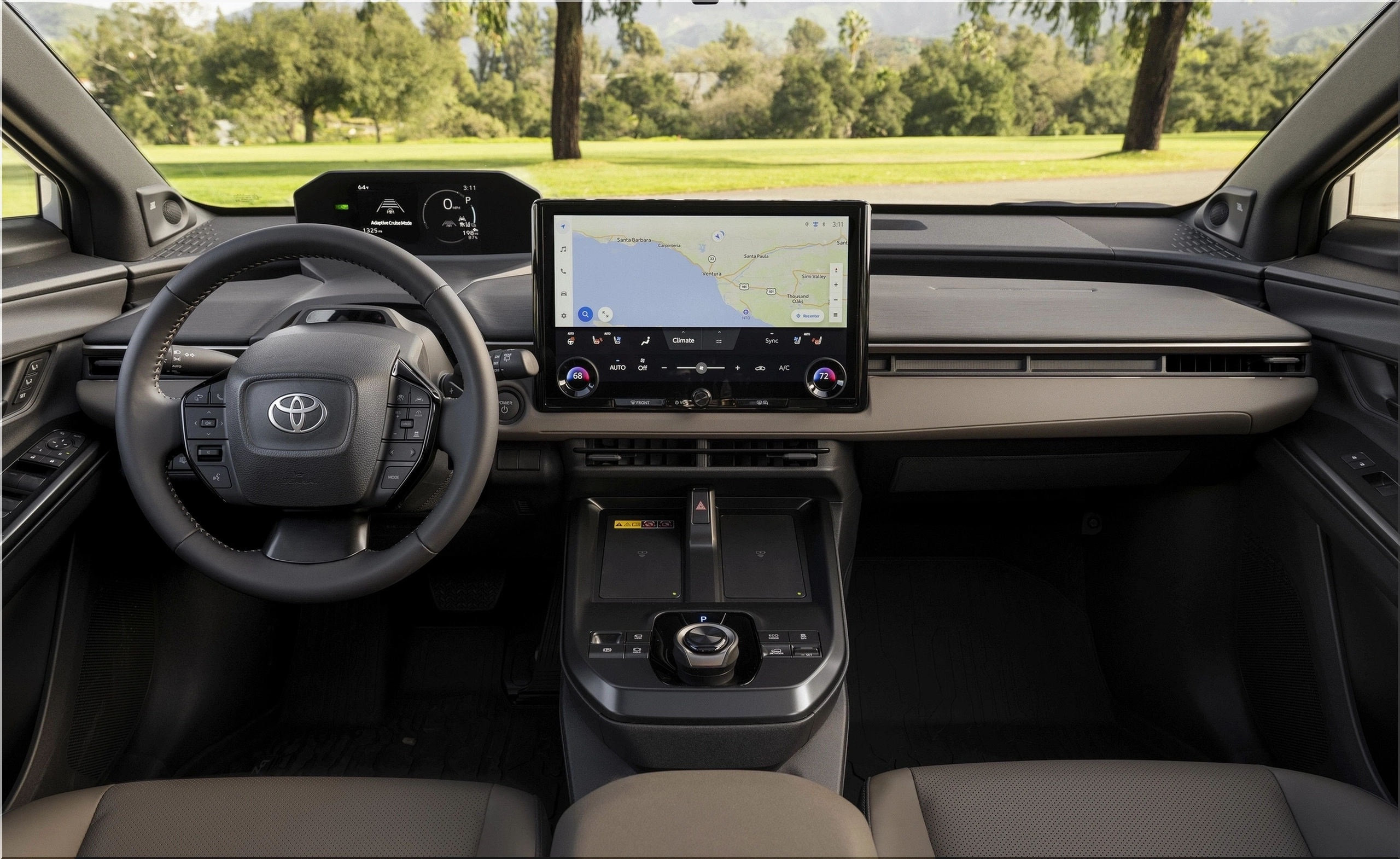
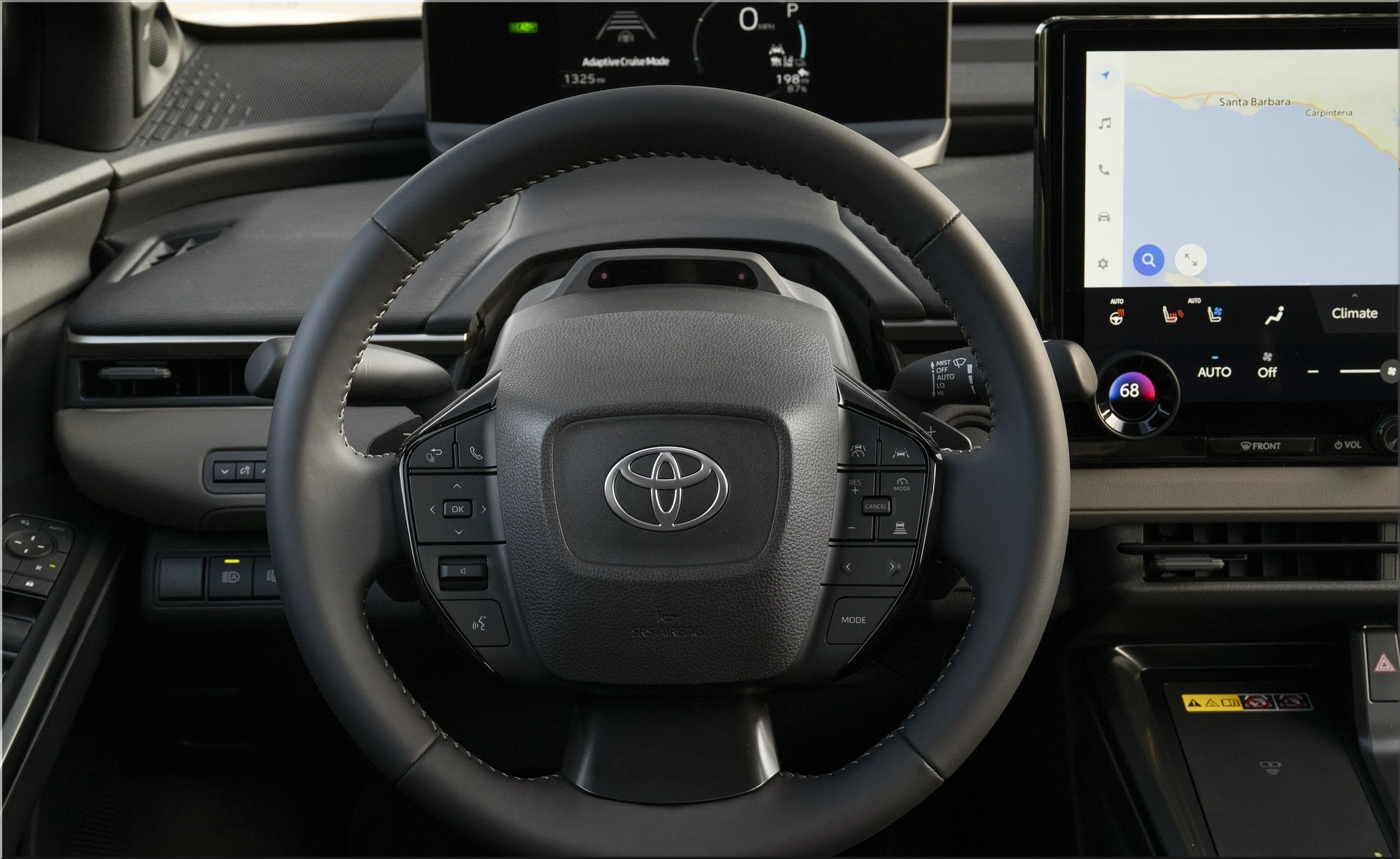
Inside, the Toyota bZ Woodland interior uses the e‑TNGA platform’s flat floor to maximize legroom and rear shoulder space while preserving cargo capacity. Toyota focuses on a clean dash layout centered around a 14‑inch Toyota Audio Multimedia touchscreen, which comes standard on all Woodland models. This large display runs Toyota’s latest infotainment software, including wireless Apple CarPlay, wireless Android Auto, and supports dual Bluetooth phone connections.
The cabin specification emphasizes both comfort and day‑to‑day usability:
- Heated front seats and heated outboard rear seats
- Heated steering wheel
- Dual‑zone automatic climate control
- Eight‑way power‑adjustable front seats
- SofTex‑trimmed seating surfaces
- Dual Qi wireless device chargers
- Four USB‑C ports (front media, front high‑power, two rear high‑power)
- Customizable ambient interior lighting
From an expert perspective, the combination of standard heated surfaces, multiple high‑power USB‑C ports, and dual wireless chargers reflects a packaging strategy geared toward households with multiple devices and four‑person road trips rather than single‑occupant commuting alone.
The bZ Woodland Premium grade adds higher‑end features such as:
- JBL Premium Audio with nine speakers, 800‑watt amplifier, and subwoofer
- Ventilated front seats
- Front radiant foot and leg heaters
- Digital rearview mirror with Homelink
- Panoramic fixed‑glass roof with power sunshade
- Driver seat and exterior mirror memory
Connectivity extends through Toyota’s Connected Services suite, including Wi‑Fi Connect with an AT&T hotspot for up to five devices, Integrated Streaming for Apple Music and Amazon Music, Drive Connect cloud navigation, and Intelligent Assistant voice control triggered by the phrase “Hey Toyota.” These features matter for tech‑focused buyers and help the bZ Woodland compete with EVs that lean heavily on software and connected experiences.
Safety, Driver Assistance, and Structural Engineering
Safety hardware and software play a central role in Toyota’s positioning of the bZ Woodland, with Toyota Safety Sense 3.0 standard across the lineup. This system pairs a monocular camera with millimeter‑wave radar to monitor traffic, lane markings, and vulnerable road users.
Core Toyota Safety Sense 3.0 features on the bZ Woodland SUV:
- Pre‑Collision System with Pedestrian Detection for vehicles, pedestrians, cyclists, and motorcyclists
- Full‑Speed Range Dynamic Radar Cruise Control
- Lane Departure Alert with Steering Assist
- Lane Tracing Assist
- Road Sign Assist
- Automatic High Beams
- Proactive Driving Assist for gentle braking and steering in traffic and curves
The bZ Woodland also includes standard Blind Spot Monitor with Rear Cross‑Traffic Alert, a Panoramic View Monitor with Multi‑Terrain Monitor, and Safe Exit Alert that detects approaching vehicles or cyclists when doors open. From an expert perspective, the inclusion of the Panoramic View Monitor on an adventure‑oriented EV aligns the technology package with its off‑road messaging, because situational awareness matters as much in low‑speed terrain driving as it does in tight urban parking spaces.
Toyota’s Star Safety System appears here as well, including Vehicle Stability Control, Traction Control, Anti‑lock Brake System, Electronic Brake‑force Distribution, Brake Assist, and Smart Stop Technology. Battery integrity receives special attention through redundant voltage, current, and temperature monitoring and a high‑resistance coolant system designed to reduce the likelihood of thermal events.
Warranty and maintenance coverage:
- Basic warranty: 36 months / 36,000 miles
- Powertrain warranty: 60 months / 60,000 miles
- EV drive components (including traction battery): 8 years / 100,000 miles
- ToyotaCare: 2 years / 25,000 miles of factory‑scheduled maintenance plus 3 years of roadside assistance with no mileage cap
Grades, Pricing, and Equipment Strategy
Toyota keeps the 2026 bZ Woodland lineup simple, with two grades: bZ Woodland and bZ Woodland Premium. Official pricing places the bZ Woodland into the heart of the midsize EV SUV segment in the United States.
2026 Toyota bZ Woodland Pricing and Trims (USD)
| Trim | Starting MSRP (approx.) | Key Additions vs. Below Trim |
|---|---|---|
| bZ Woodland | ~$45,300 | Dual‑motor AWD, 375 hp, X‑MODE, 14‑in screen, heated seats, roof rails |
| bZ Woodland Premium | ~$47,400 | JBL audio, panoramic roof, ventilated seats, radiant heaters, memory seats, digital rearview mirror |
Some sources list slightly higher figures including destination, landing around $46,750 for the Woodland and $48,850 for the Woodland Premium with destination charges included. From a buyer’s perspective, that structure means the Premium grade commands roughly a $2,000–$2,100 upcharge for its additional comfort, audio, and visibility features, which will attract shoppers who value cabin ambience and tech.
The Woodland grade strategy:
- Keeps the powertrain and range identical between trims
- Locks in dual‑motor AWD across the board, with no base FWD model
- Uses the Premium trim to upsell comfort and audio, not capability
- Makes optional all‑terrain tires available on both grades
Pro Tip: Trim Selection
If you prioritize capability and range over luxury, the base bZ Woodland delivers the full 375‑hp powertrain, ground clearance, and X‑MODE hardware without the extra cost. Choose the bZ Woodland Premium when you want a more refined long‑distance experience with JBL audio, panoramic glass roof, and additional comfort features.
Competitive Context: EV Adventure Crossovers
In this segment, the Toyota bZ Woodland targets buyers who want an electric SUV that can tow, handle dirt roads, and still provide a comfortable daily commute. Key competitors include the Subaru Trailseeker (Subaru’s variant on the shared architecture), Hyundai Ioniq 5, Kia EV6, and Ford Mustang Mach‑E, though not all of those rivals match the Woodland’s ground clearance or towing rating.
Toyota bZ Woodland vs. Key Electric SUV Rivals
| Model | Power (hp) | Drive layout | Est. 0–60 mph | Max range (mi, est) | Ground clearance (in) | Max towing (lb) | Base price (USD, approx.) |
|---|---|---|---|---|---|---|---|
| Toyota bZ Woodland | 375 | Dual‑motor AWD | ~4.4 s | Up to 281 | 8.4 | 3,500 | ~45,300 |
| Subaru Trailseeker | 375 | Dual‑motor AWD | ~4.4 s (est) | Similar to Woodland | 8.4 | 3,500 | ~40,000 |
| Hyundai Ioniq 5 (AWD) | Up to 320 | Dual‑motor AWD | Low‑5s | Up to ~260+ | Lower than 8.4 | ~2,000 | ~36,600 |
| Kia EV6 (AWD) | Up to 320+ | Dual‑motor AWD | Low‑5s to high‑3s (GT) | Up to ~270+ | Lower than 8.4 | ~2,300–3,500 (varies) | Low‑40,000s |
| Ford Mustang Mach‑E (AWD) | 325+ (varies) | Dual‑motor AWD | Mid‑5s | Up to ~310 | Lower than 8.4 | Up to ~3,500 | Low‑40,000s |
From an expert perspective, the Toyota bZ Woodland wins on:
- Standard dual‑motor AWD and 375 hp in every trim
- 8.4 inches of ground clearance that rivals non‑EV adventure SUVs
- 3,500‑lb towing rating, which beats several direct EV competitors
- Toyota warranty coverage and ToyotaCare maintenance
By comparison, the bZ Woodland trails some rivals on:
- Maximum range, as several EV crossovers now exceed 300 miles
- Base pricing, since some competitors start lower in 2WD form
- Fast‑charging ecosystem maturity, where some EVs have a longer track record, even as NACS access grows
Win/Loss Snapshot
- Win vs. Trailseeker: more upscale Toyota brand positioning, ToyotaCare maintenance, and dealer network reach, albeit at a higher price.
- Win vs. Ioniq 5 / EV6: better ground clearance, more adventure‑focused design, and higher towing in many configurations.
- Loss vs. Ioniq 5 / EV6 / Mach‑E: lower peak range and fewer high‑performance variants beyond the single 375‑hp configuration.
Woodland vs. Standard bZ: Strategy and Engineering Logic
The bZ Woodland shares its core architecture with the refreshed Toyota bZ SUV, but stretches the body and adjusts its tuning for capability and utility. The Woodland’s nearly 6 inches of added length translate directly into more rear legroom and cargo capacity, with 74.3 cubic feet of maximum storage compared with 67.1 cubic feet in the standard bZ.
Strategic differences between bZ and bZ Woodland:
- Length and packaging: bZ Woodland gains overall length and rear volume for family and gear‑heavy use cases.
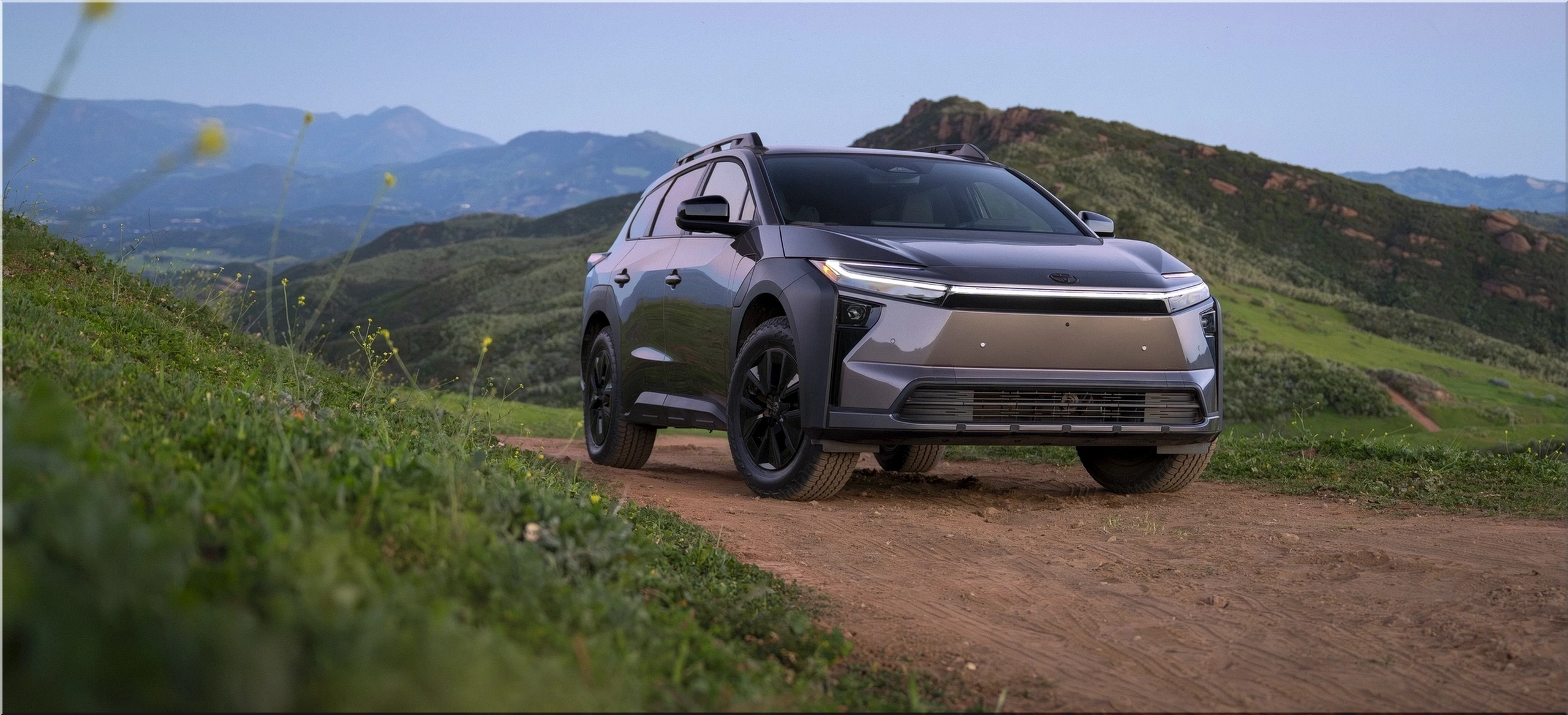
- Ride height and ground clearance: Woodland steps up to 8.4 inches, better supporting gravel roads and mild trails.
- Power and drivetrain: Woodland jumps to 375 hp and standard dual‑motor AWD, whereas the standard bZ offers lower‑power configurations.
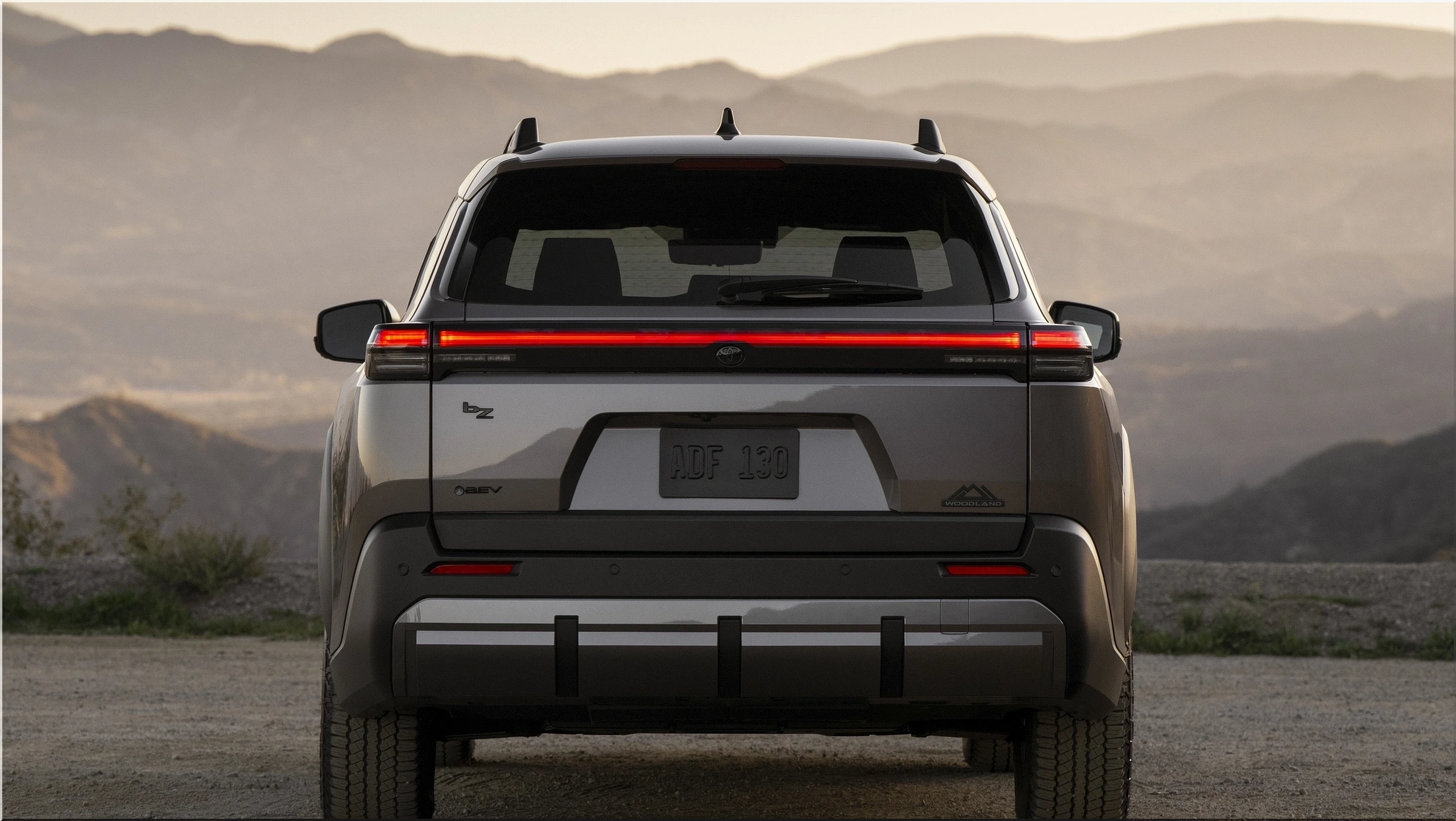
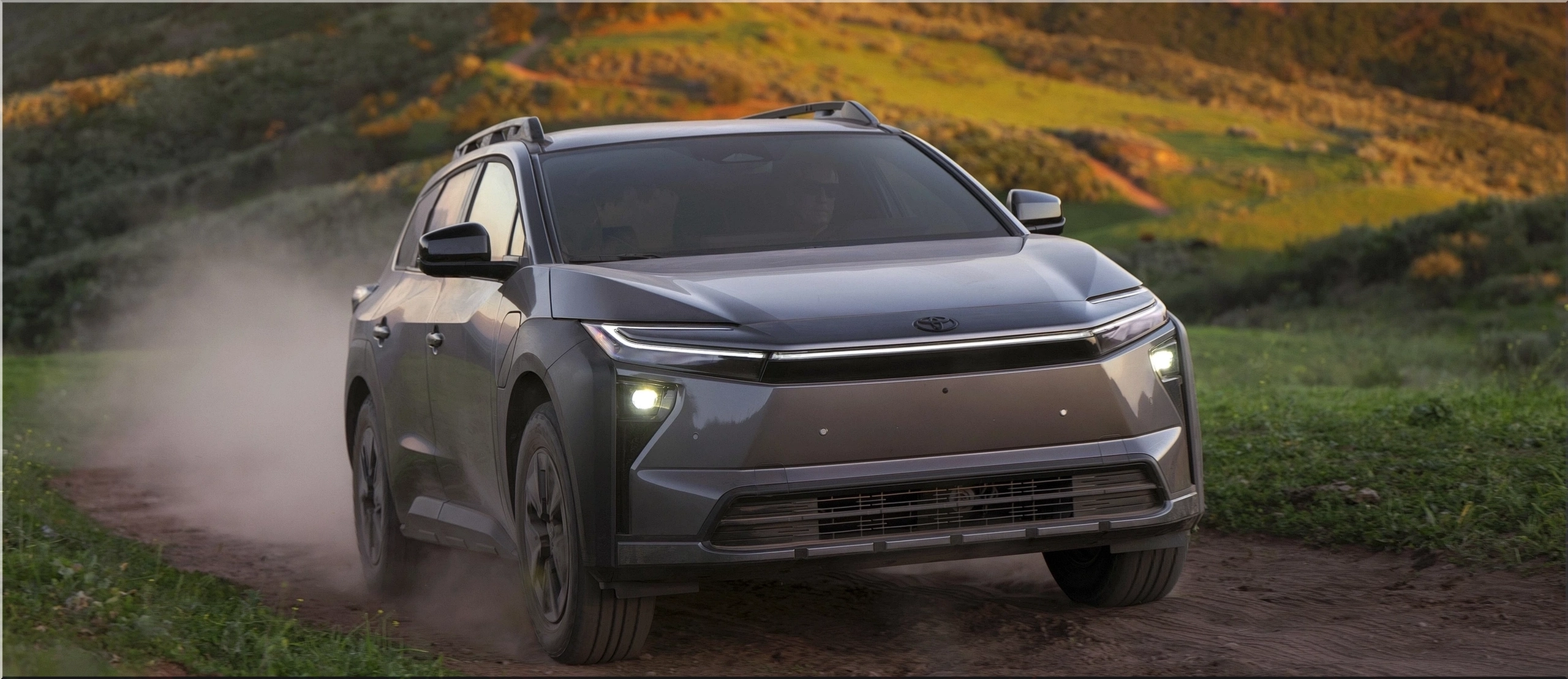
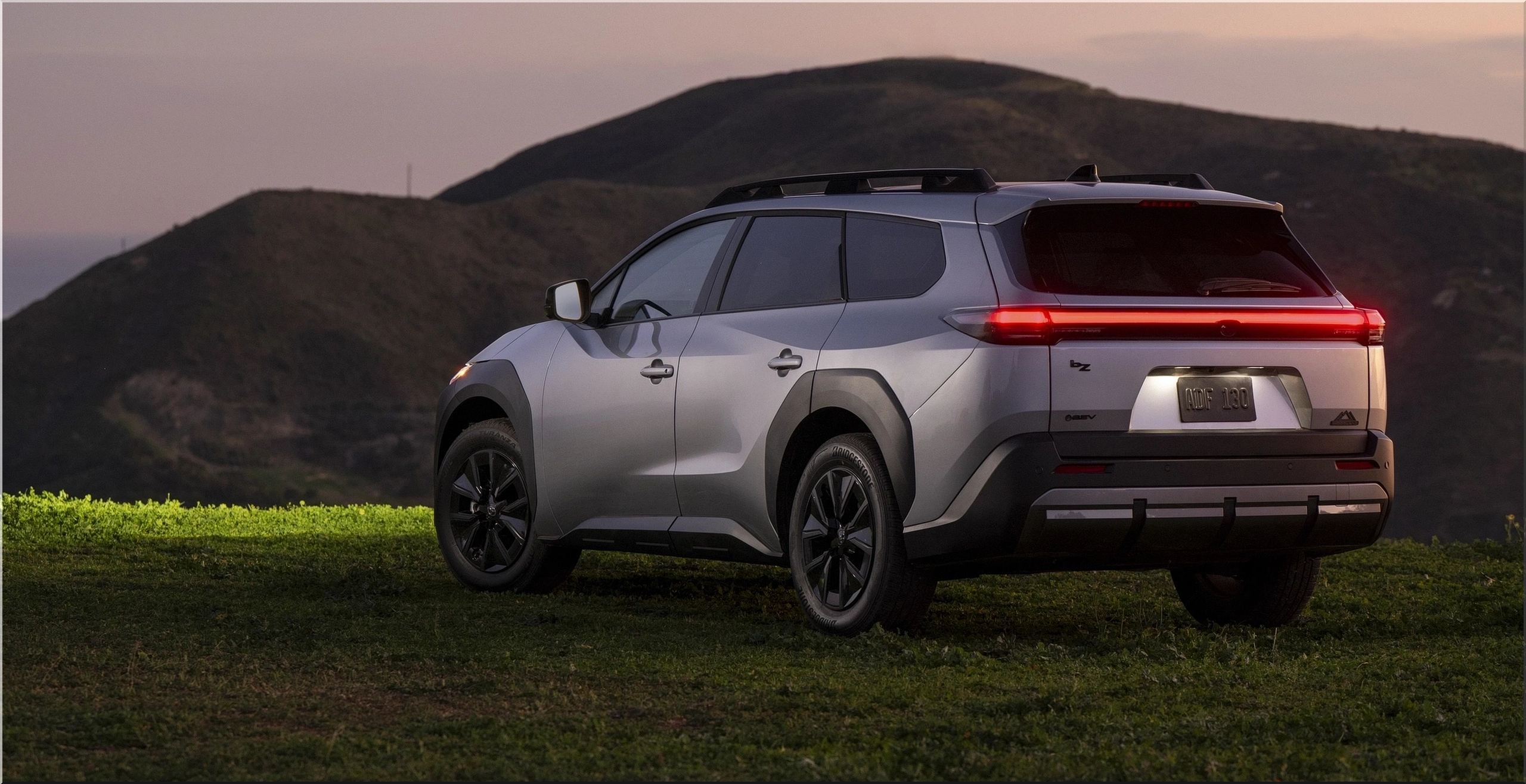
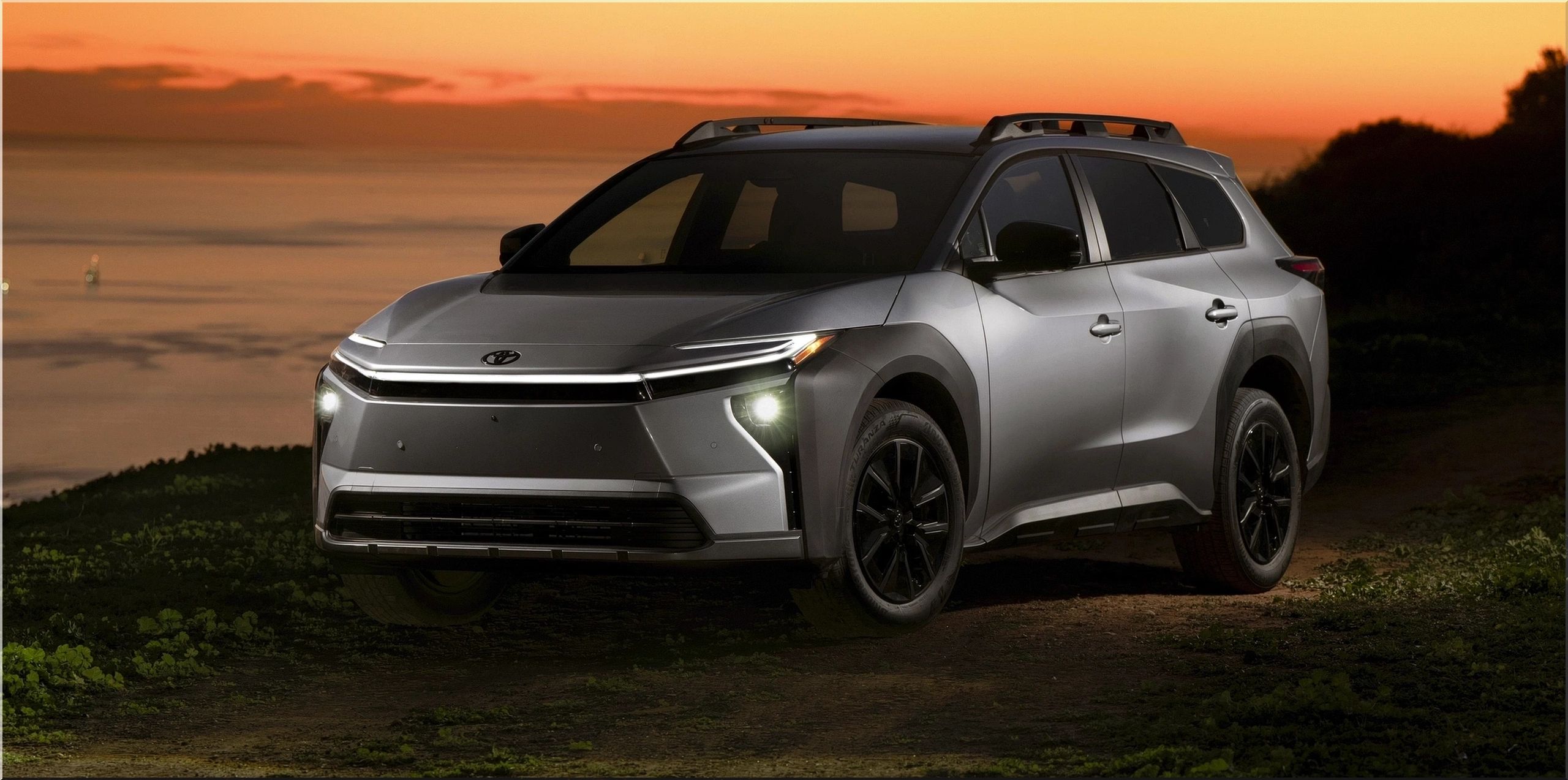
- Visual hardware: Woodland adds black overfenders, roof rails, unique wheels, and available all‑terrain tires to signal rugged intent.
- Trim and pricing: Woodland sits above the base bZ, with a gap justified by added capability, power, and equipment.
From an expert perspective, Toyota uses the bZ Woodland to:
- Target buyers who would otherwise shop Subaru for adventure‑centric EVs.
- Retain current RAV4 and 4Runner owners who want an EV without sacrificing utility.
- Create price and capability spacing that keeps the standard bZ attractive for urban, cost‑conscious buyers while the Woodland carries higher margins.
Ownership, Digital Key, and Remote Features
The Toyota bZ Woodland integrates multiple remote and digital key features that support modern ownership patterns, including multi‑driver households and app‑centric charging management. With the Toyota app, owners can:
- Use Remote Connect to lock/unlock, start the vehicle, and operate climate control remotely.
- Share the Toyota Digital Key with other drivers’ smartphones instead of passing a physical key.
- Check charging status, start or stop charging sessions, and edit charging schedules for off‑peak power rates.
- Use app‑based maps to locate charging stations nearby or along a route.
From an expert perspective, Digital Key capability aligns with subscription and connectivity trends across the EV industry by encouraging ongoing service relationships while also giving customers tangible convenience.
Pro Tip: Managing Charging Costs
Schedule home charging overnight in the Toyota app to align with off‑peak utility pricing where available, and set geographic charging profiles around frequently used DC fast chargers to combine battery pre‑conditioning with predictable trip times.
What Now: Buyer Takeaways and ROI Logic
From a strategic and data‑driven perspective, the 2026 Toyota bZ Woodland targets shoppers who want a rugged all‑electric midsize SUV with meaningful towing, real ground clearance, and dual‑motor all‑wheel drive capability. The 375‑hp powertrain, 3,500‑lb tow rating, and 8.4‑inch ground clearance give this model an engineering story that speaks directly to buyers who care about hard specs, not just styling.
Actionable takeaways if you are cross‑shopping electric SUVs:
- Prioritize the Toyota bZ Woodland if you care about towing capacity, ground clearance, and rough‑road comfort more than squeezing out a 300‑plus‑mile range.
- Choose standard tires if range and daily efficiency carry more weight than maximum off‑road grip.
- Consider the bZ Woodland Premium if you spend long hours inside the vehicle and value JBL audio, a panoramic glass roof, and enhanced climate comfort features.
- Compare total cost of ownership, including ToyotaCare maintenance and 8‑year/100,000‑mile battery coverage, against gas RAV4, 4Runner, and rival EV SUVs to build a clear ROI model for your usage pattern.
- Add new comment
- 126 views