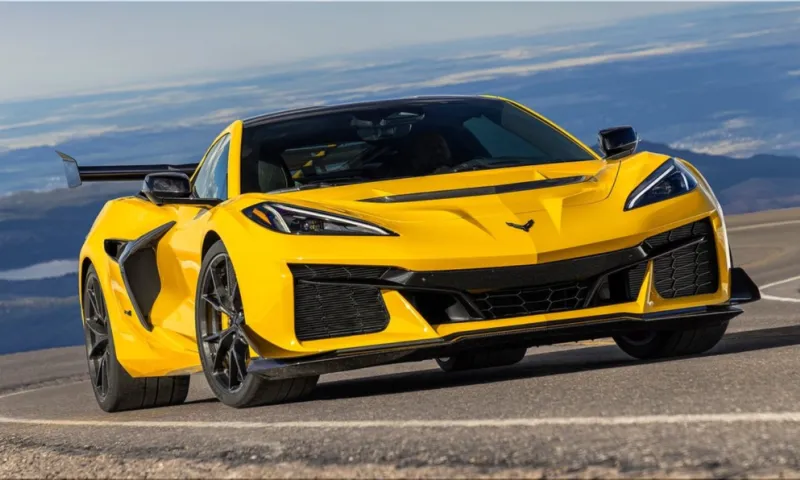
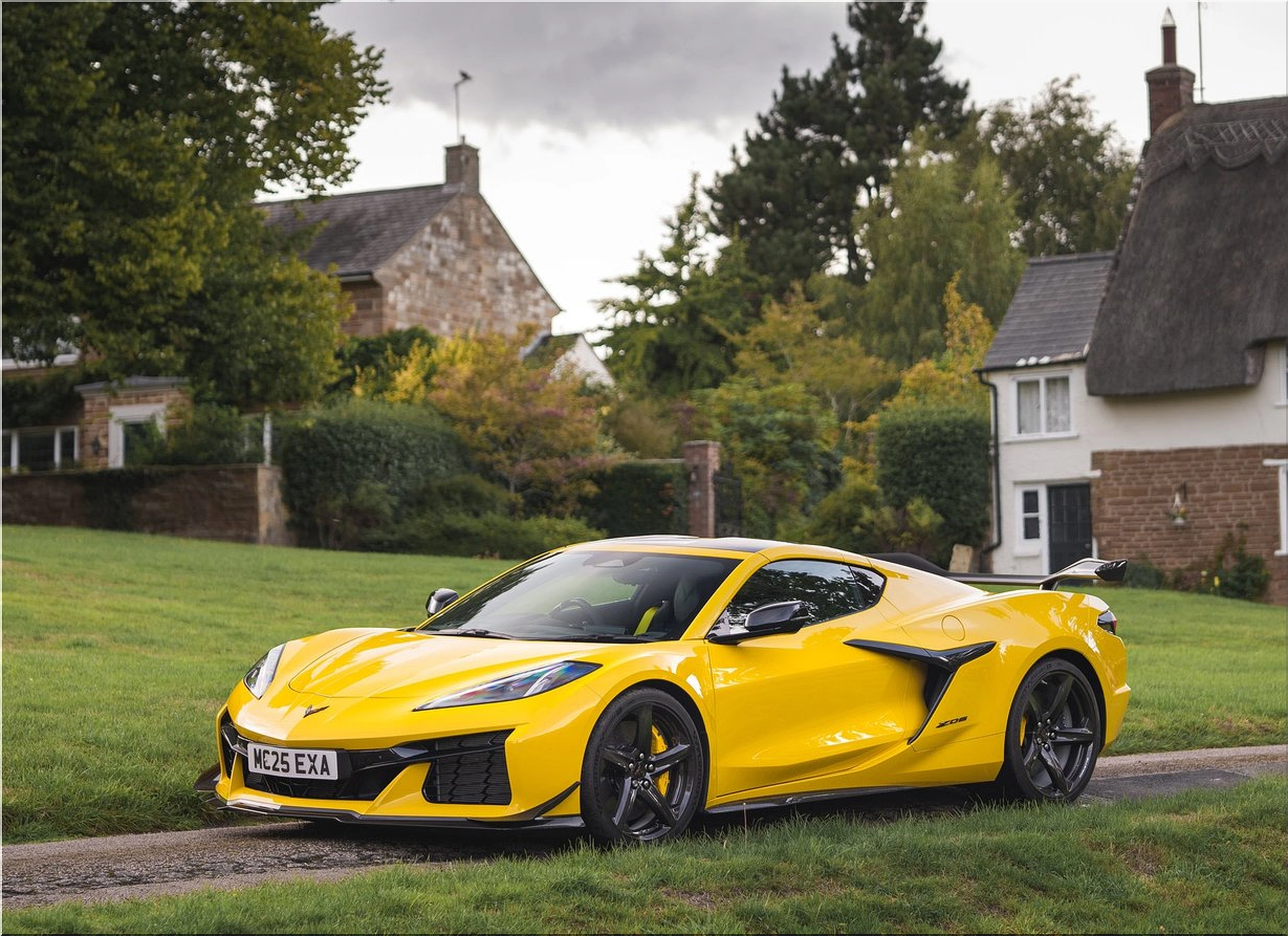
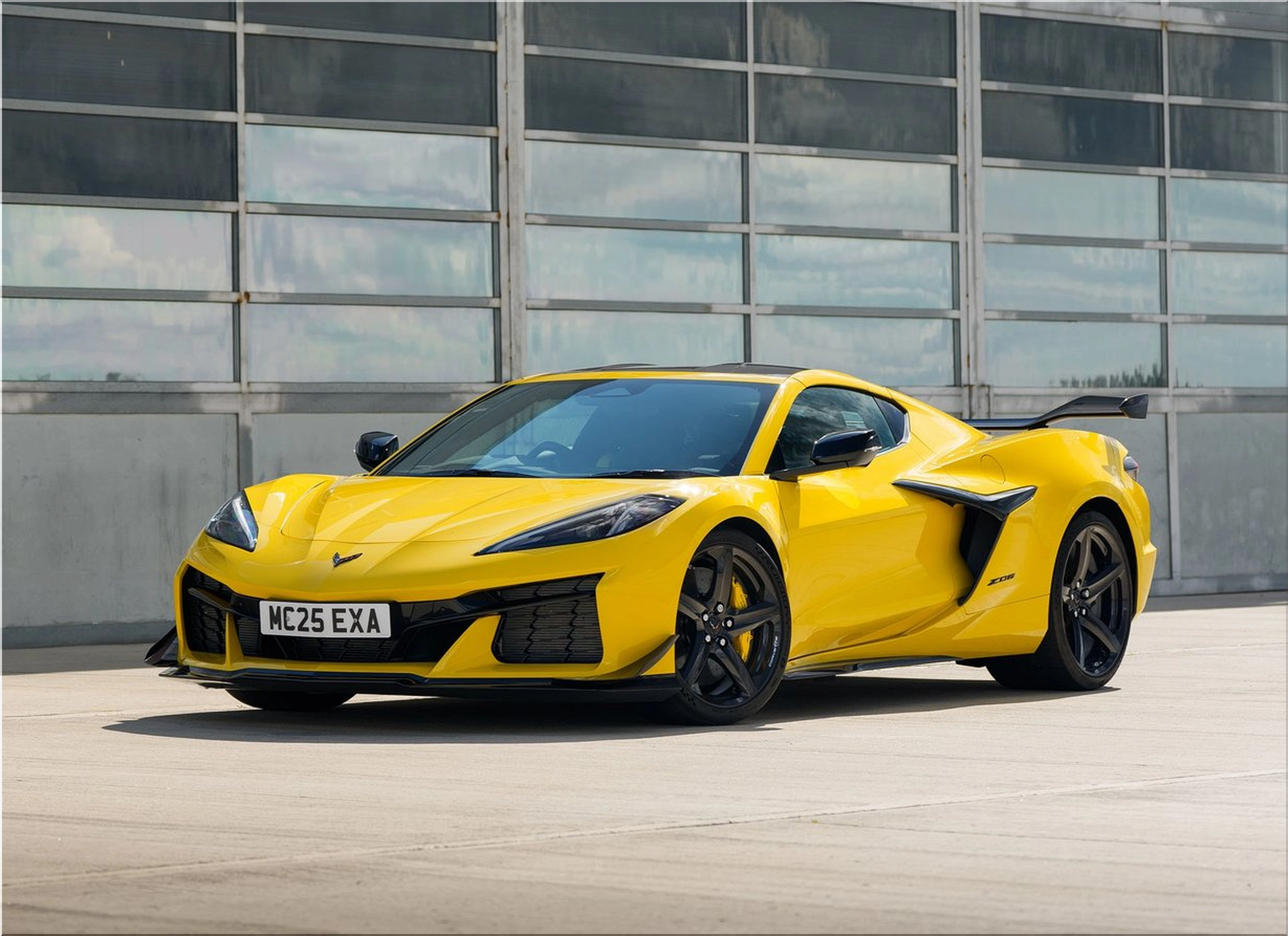
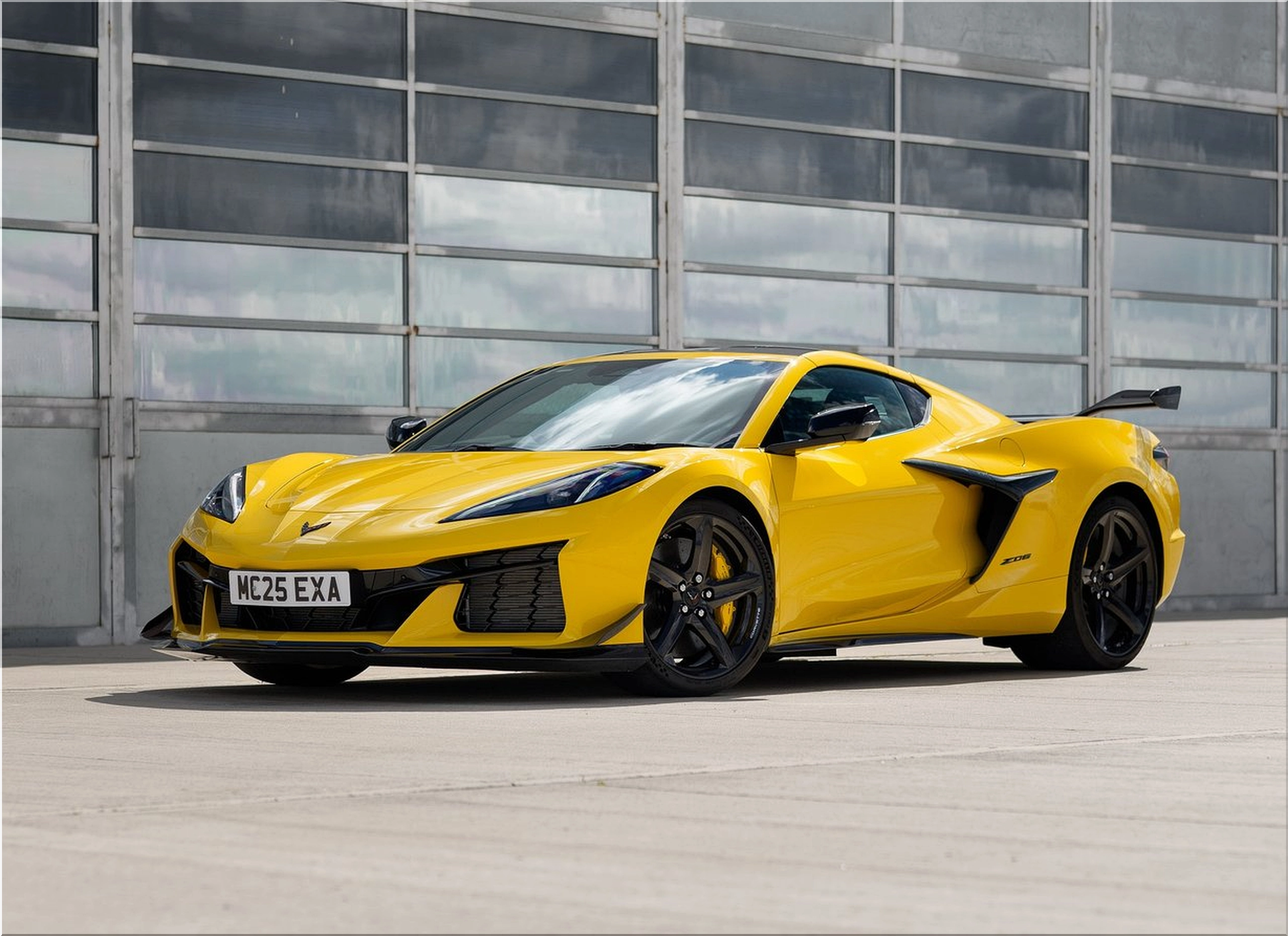
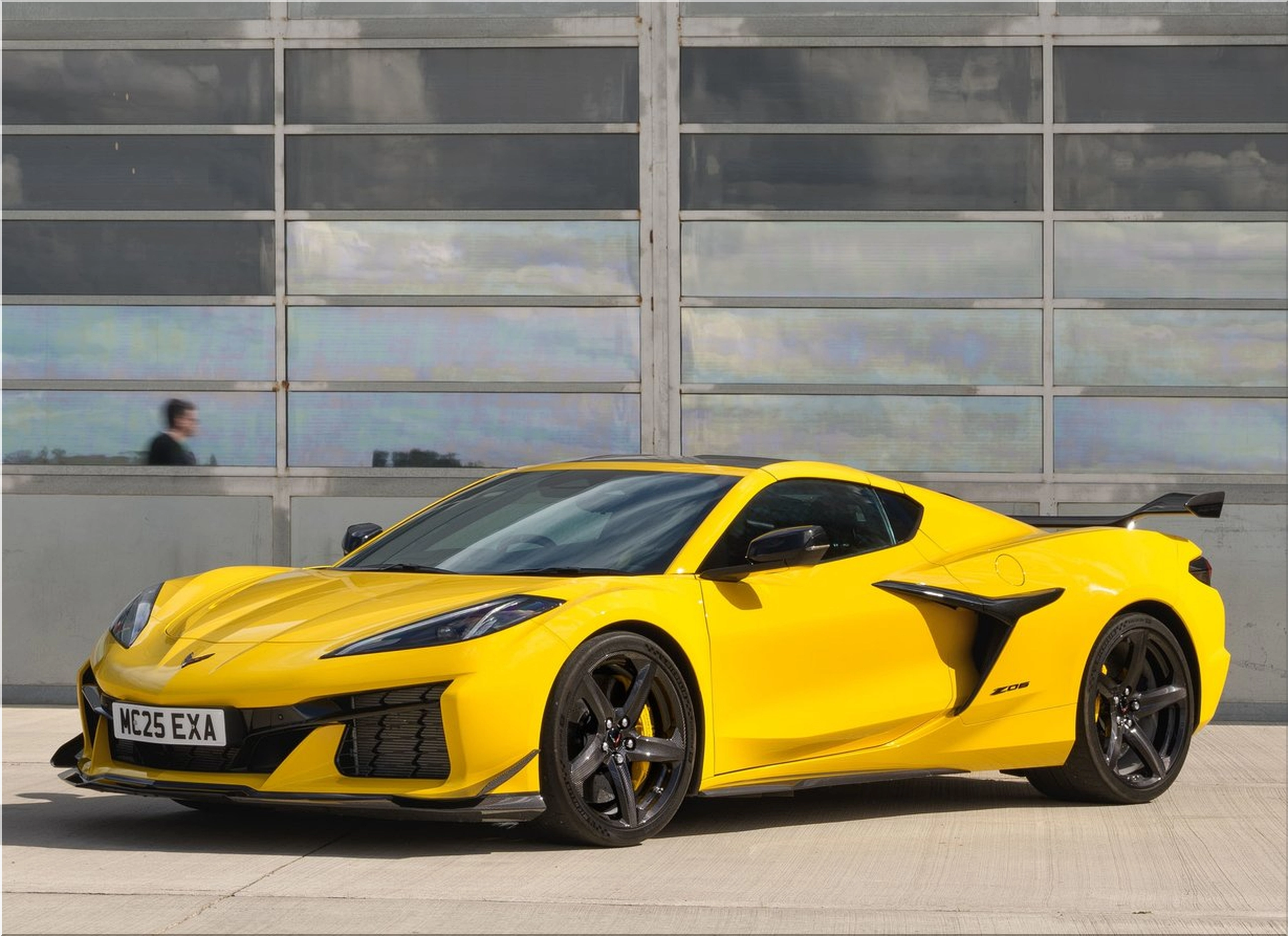
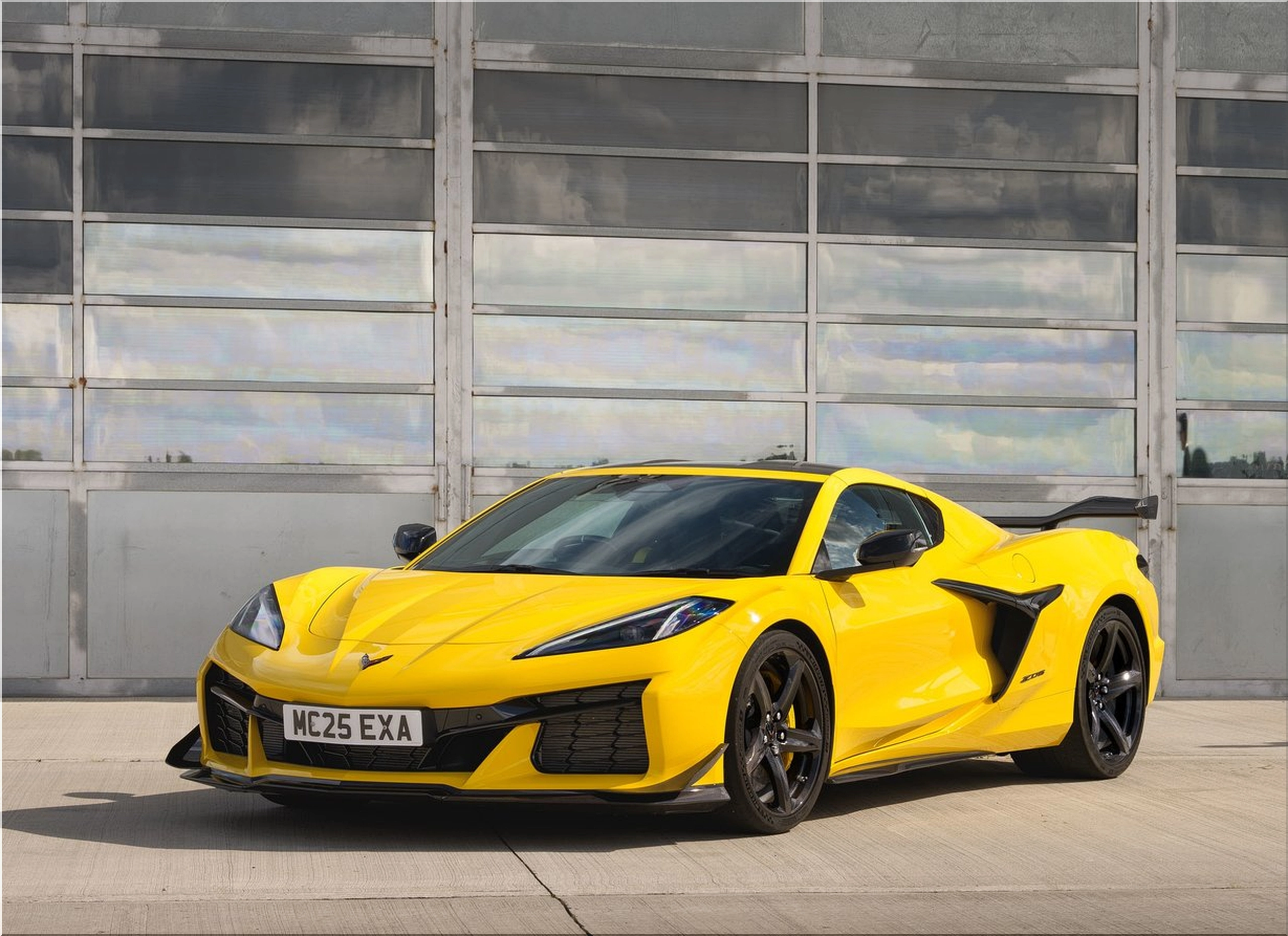
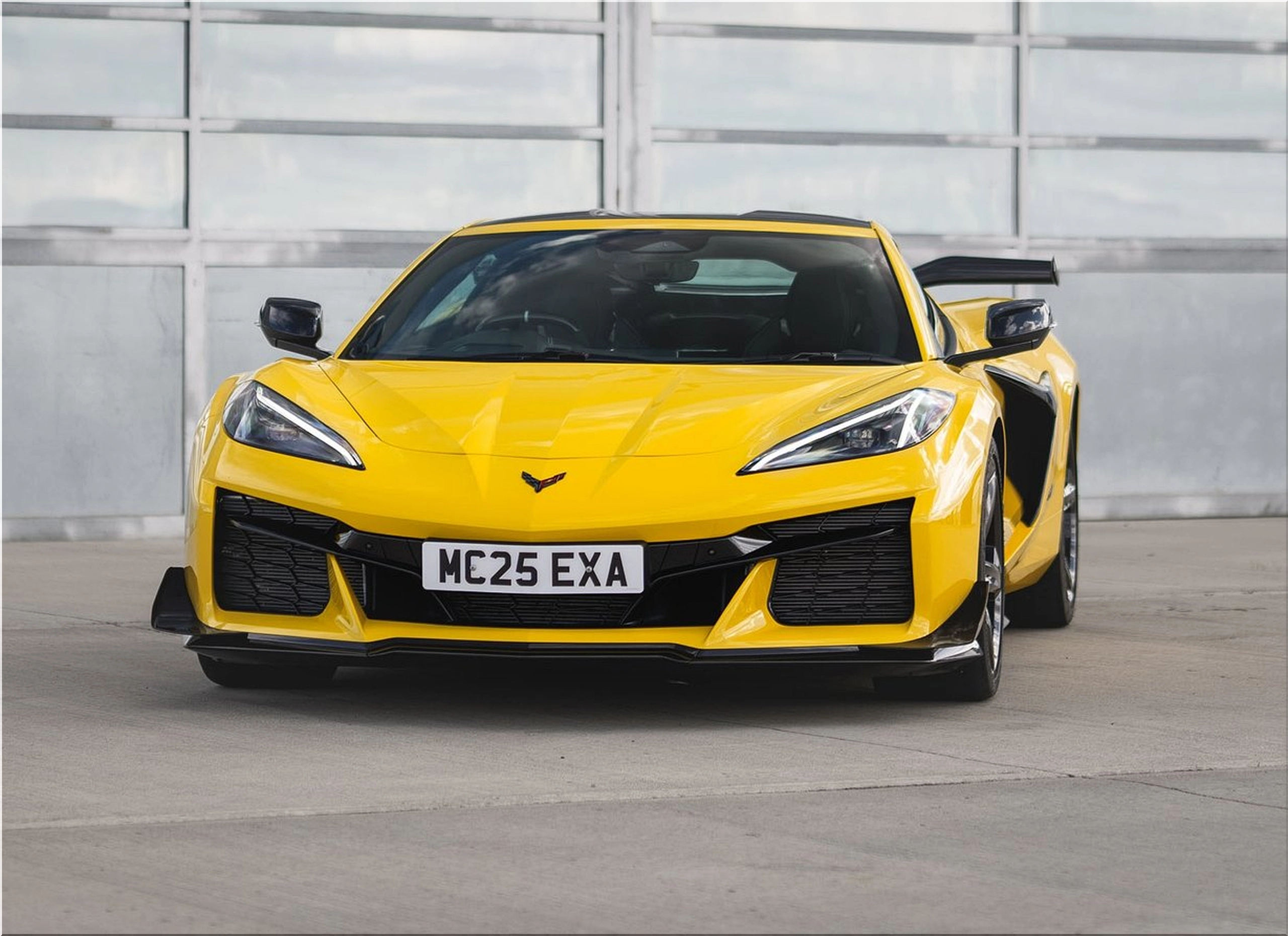
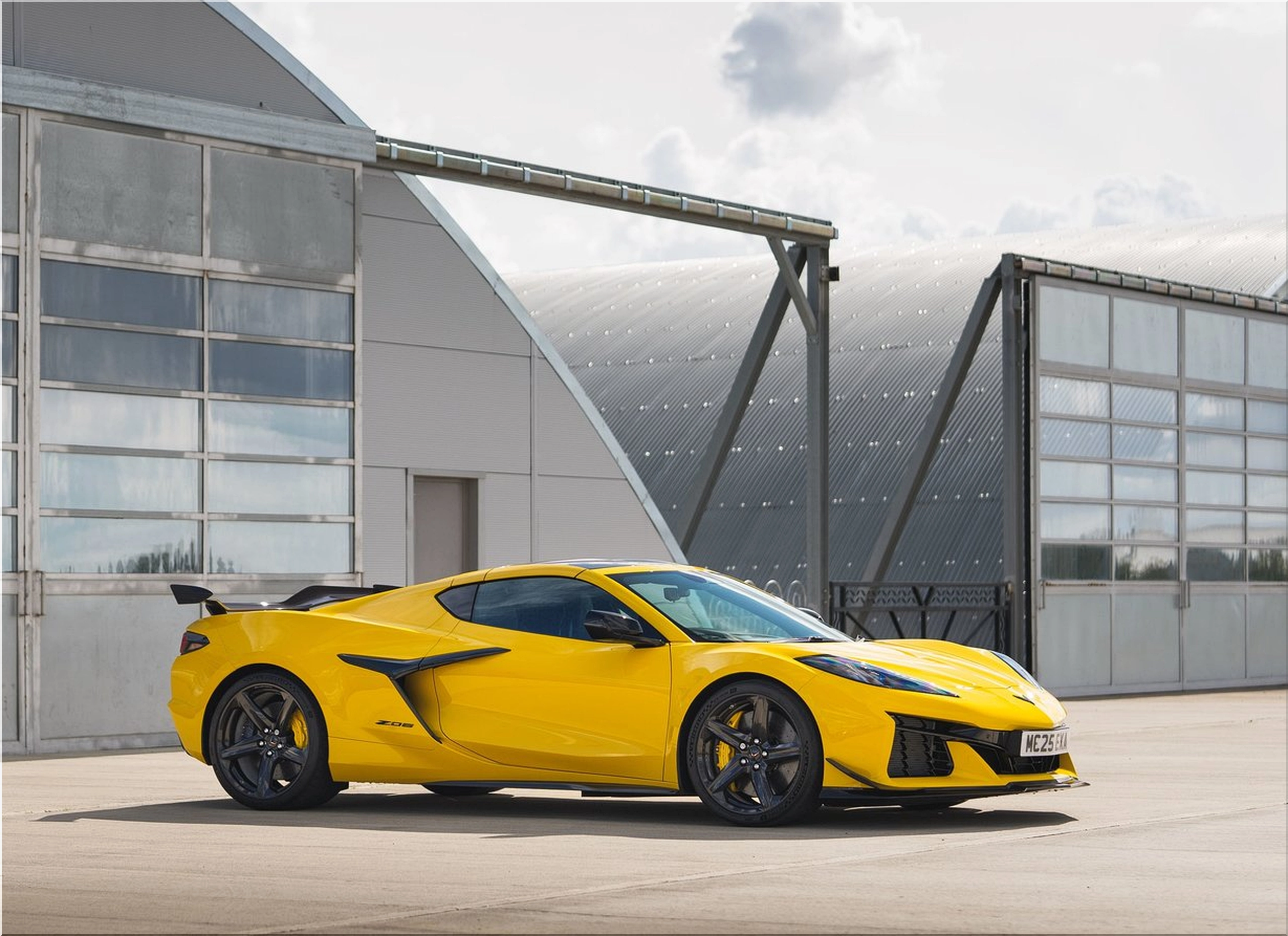
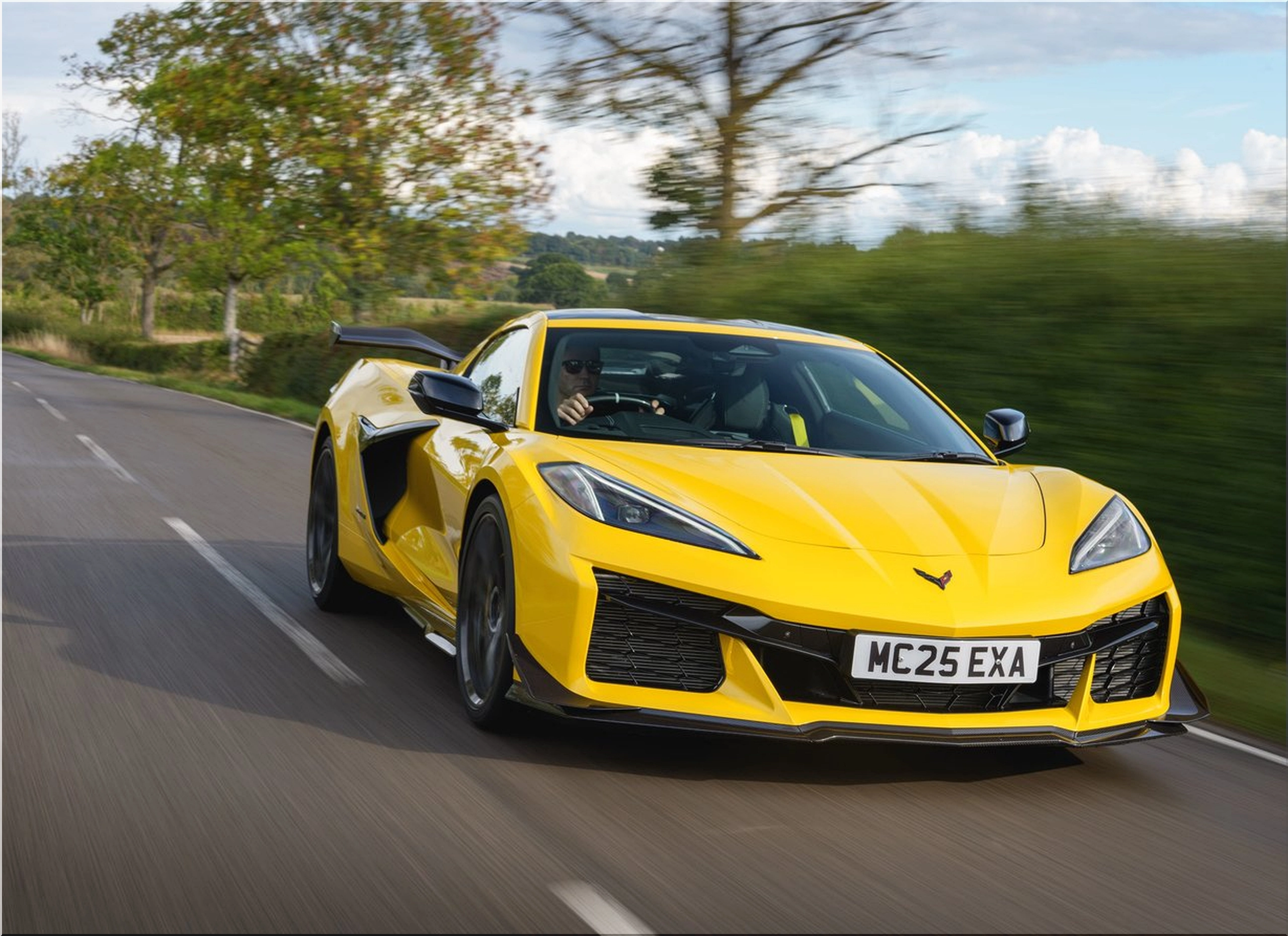
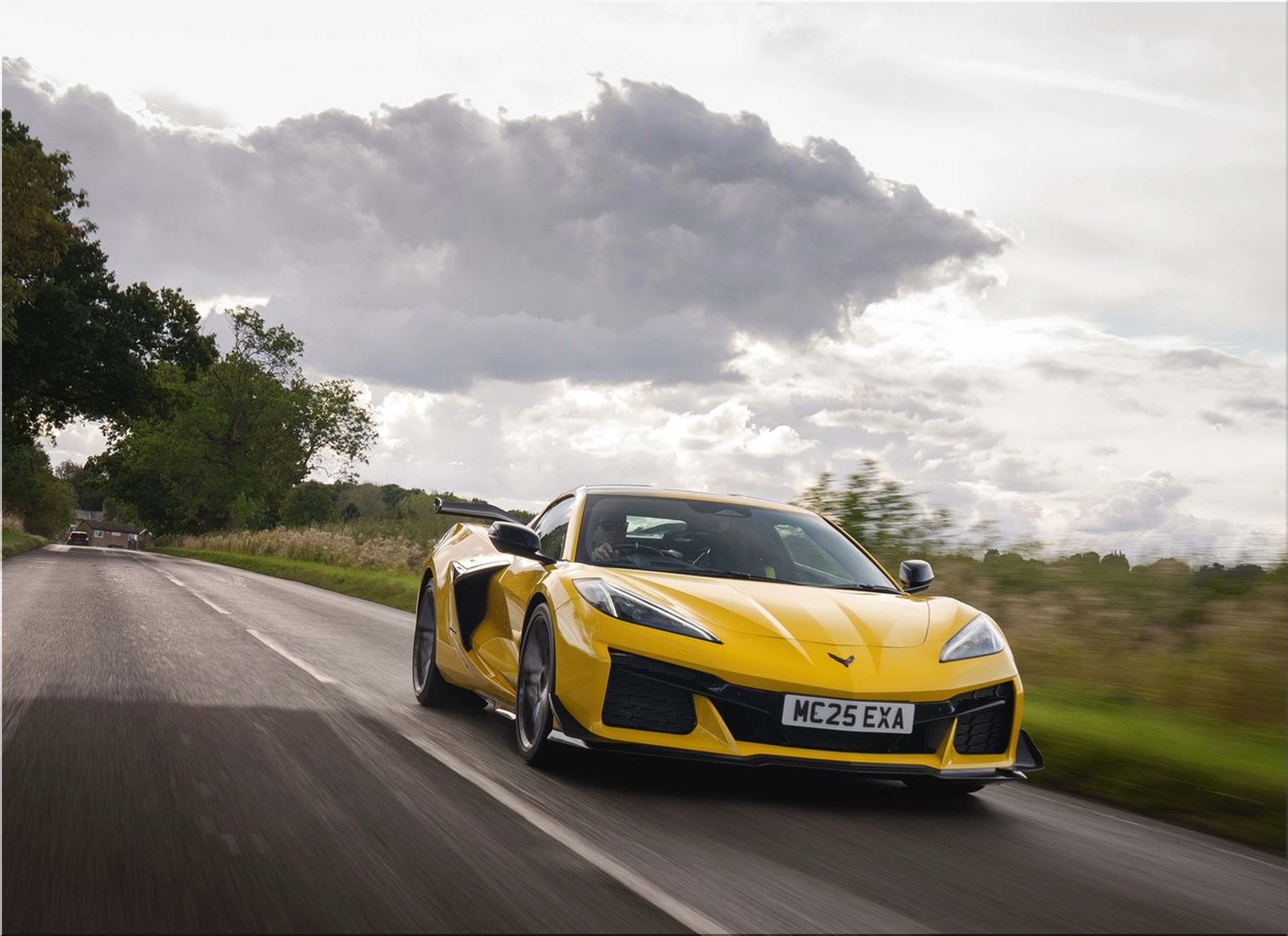
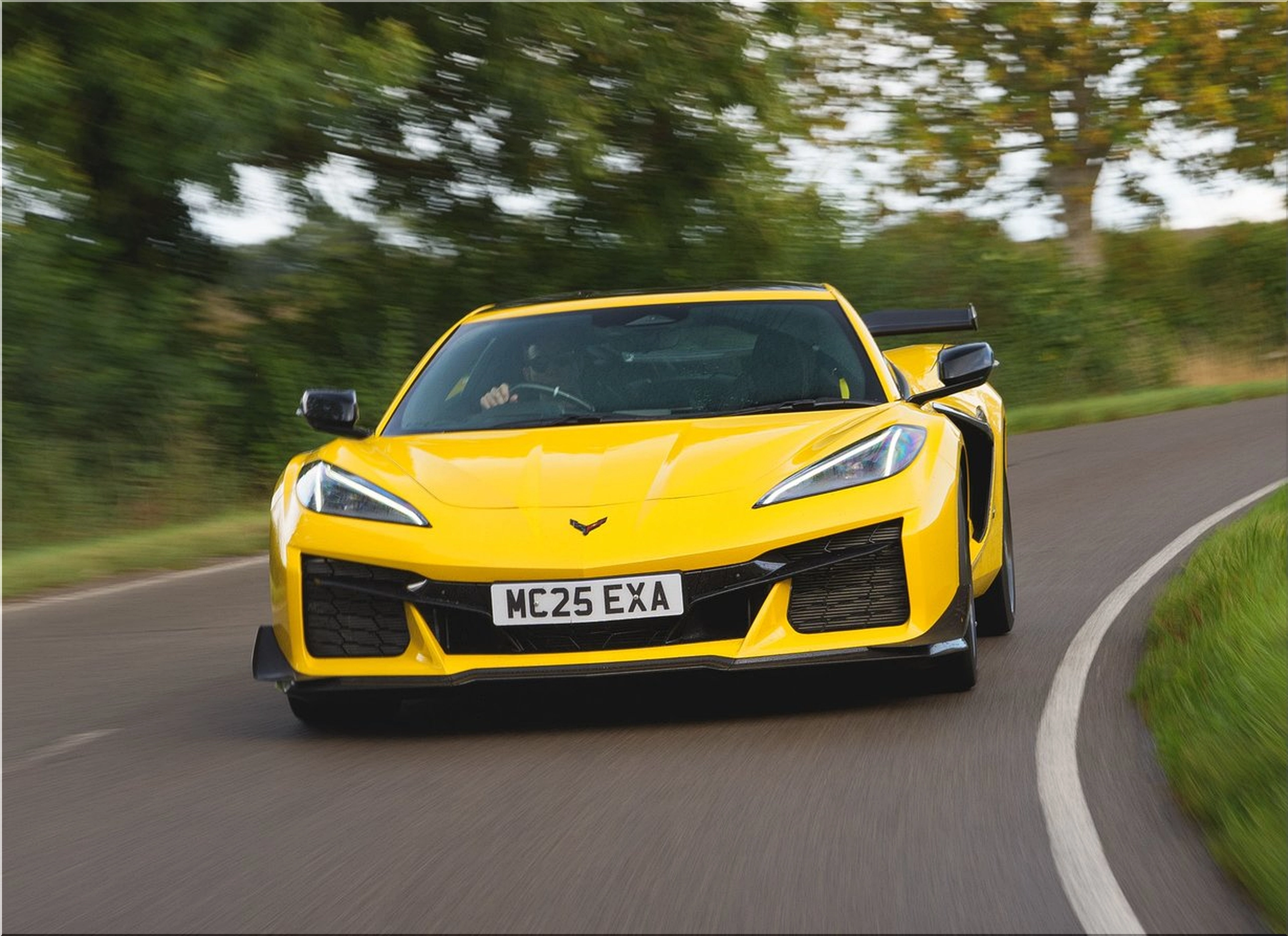
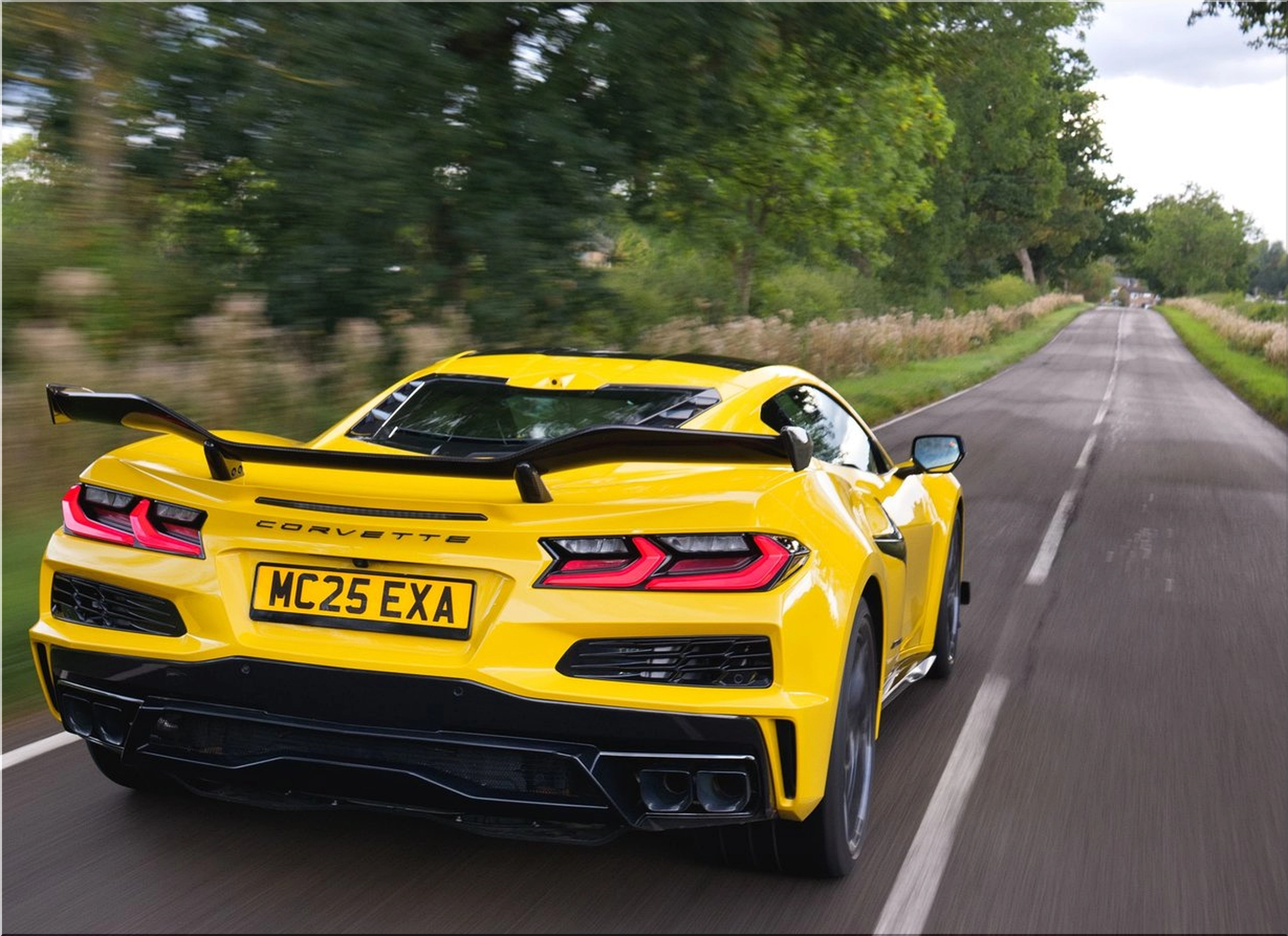
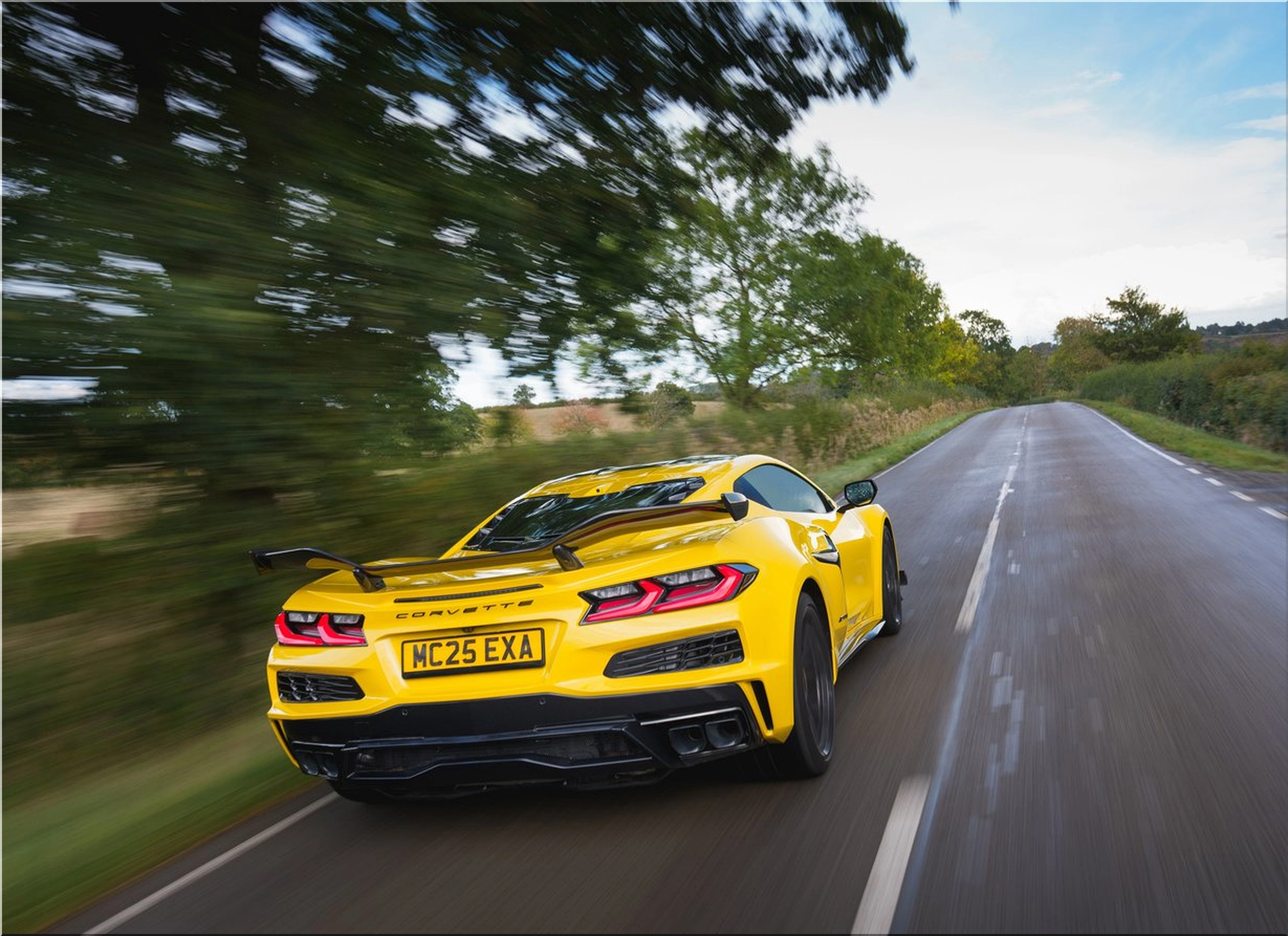
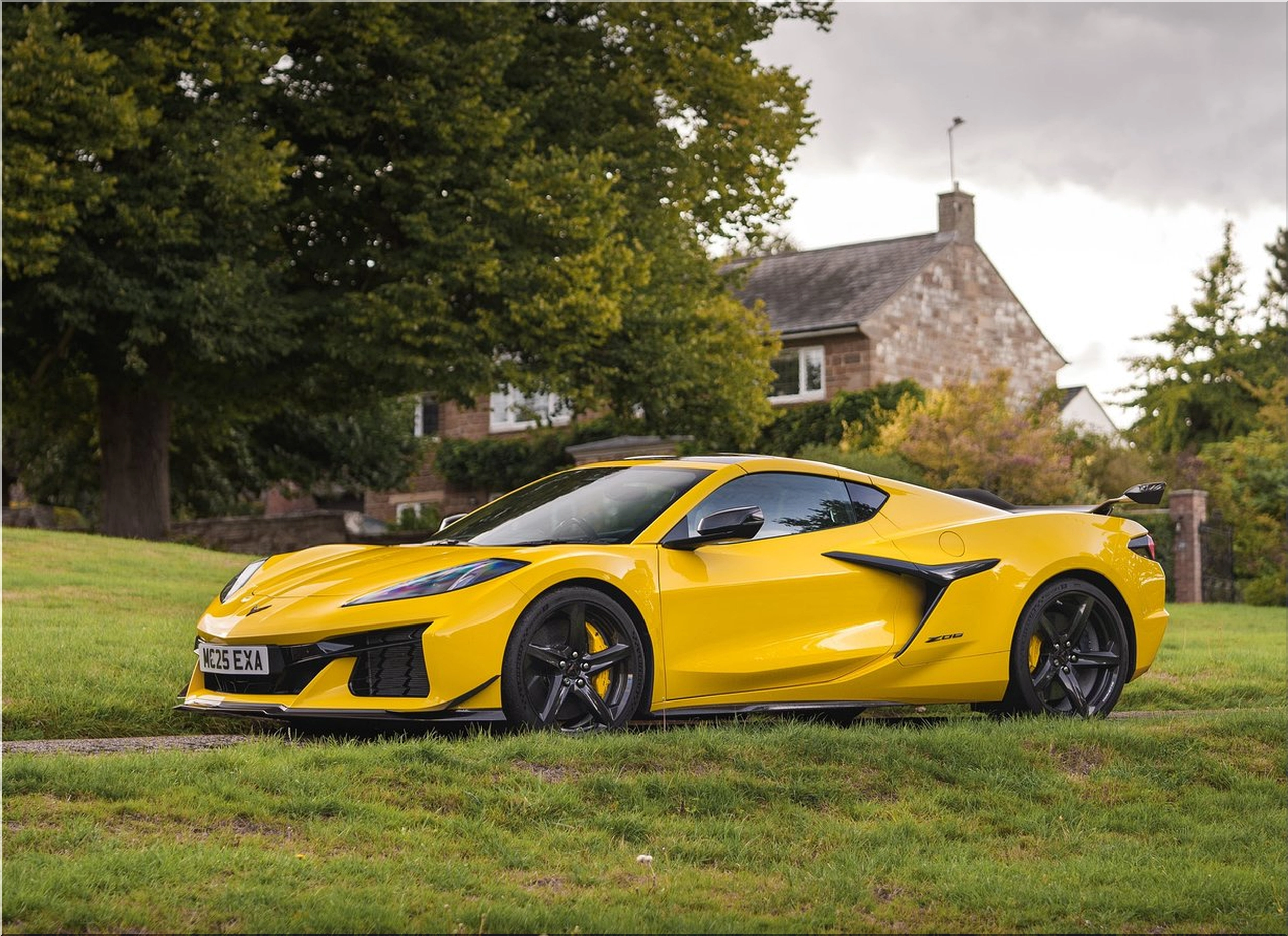
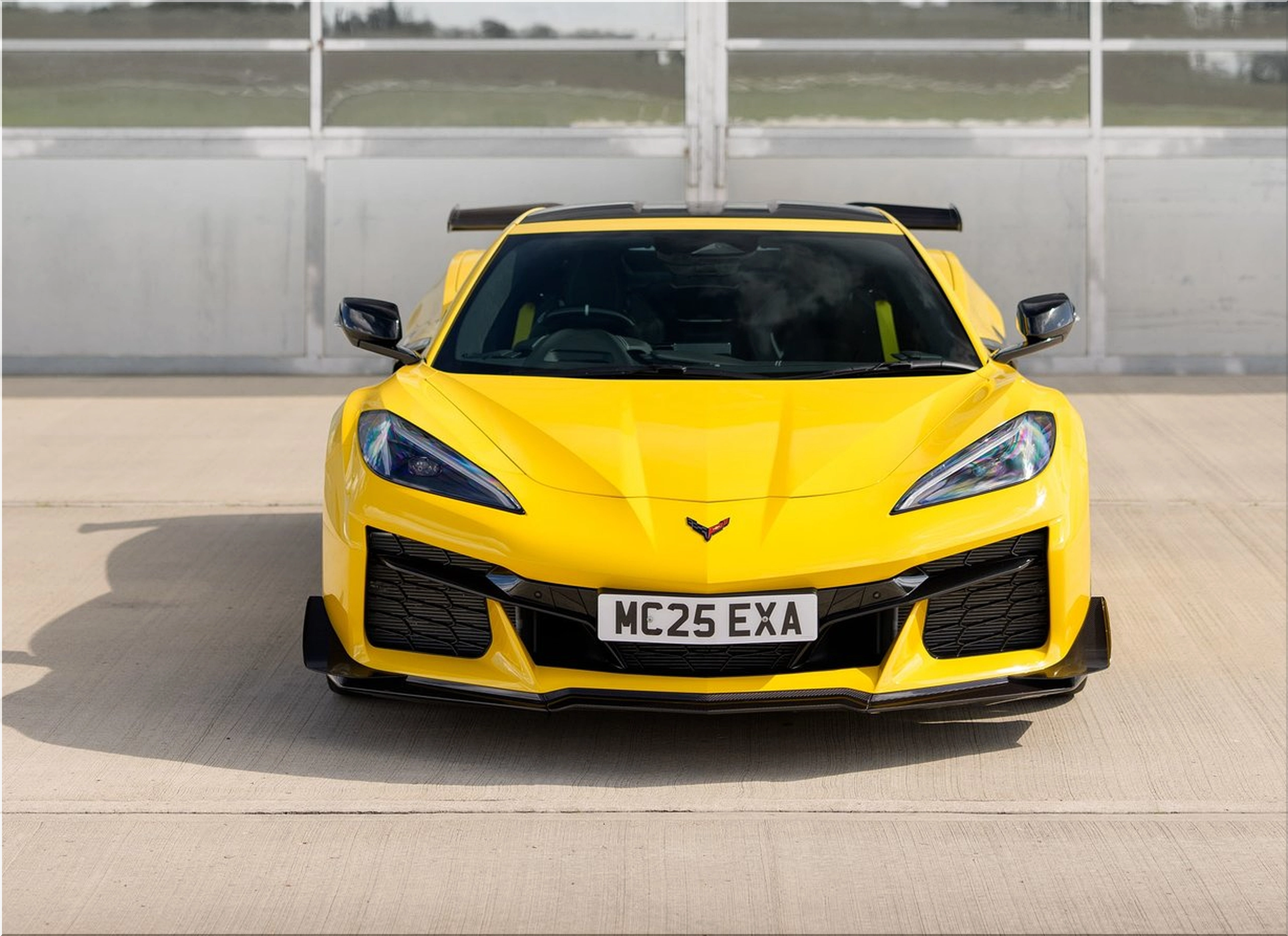
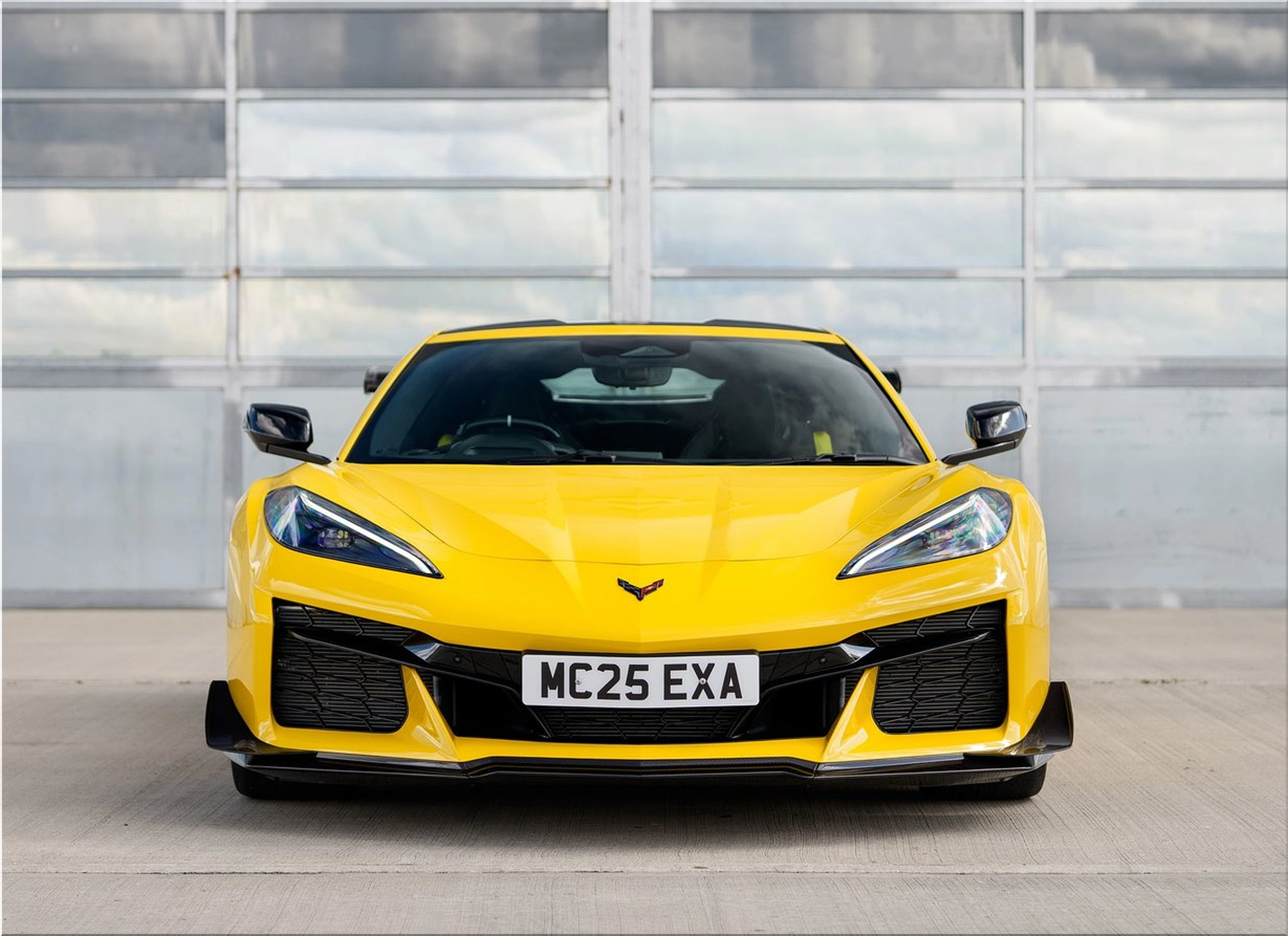
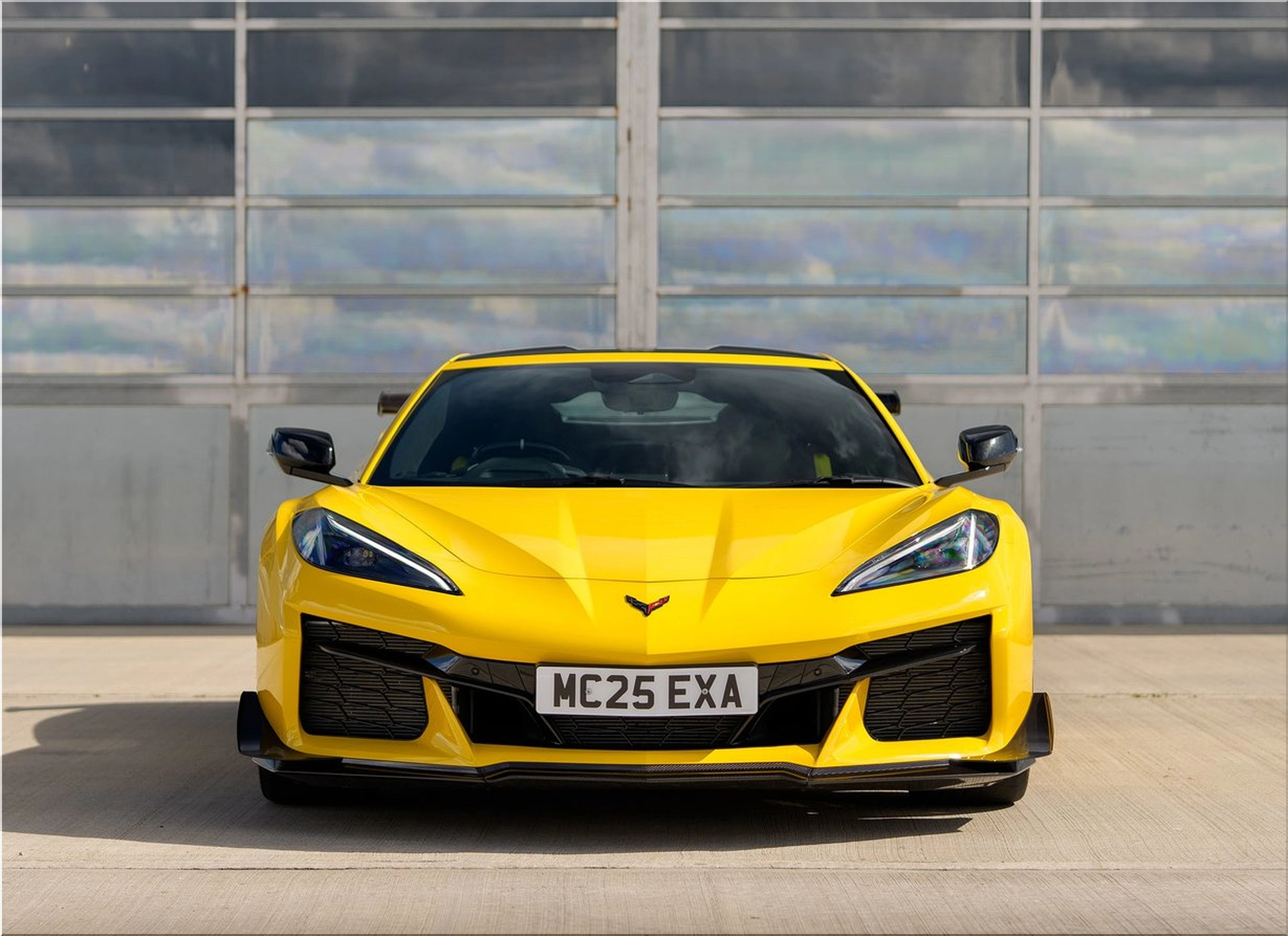
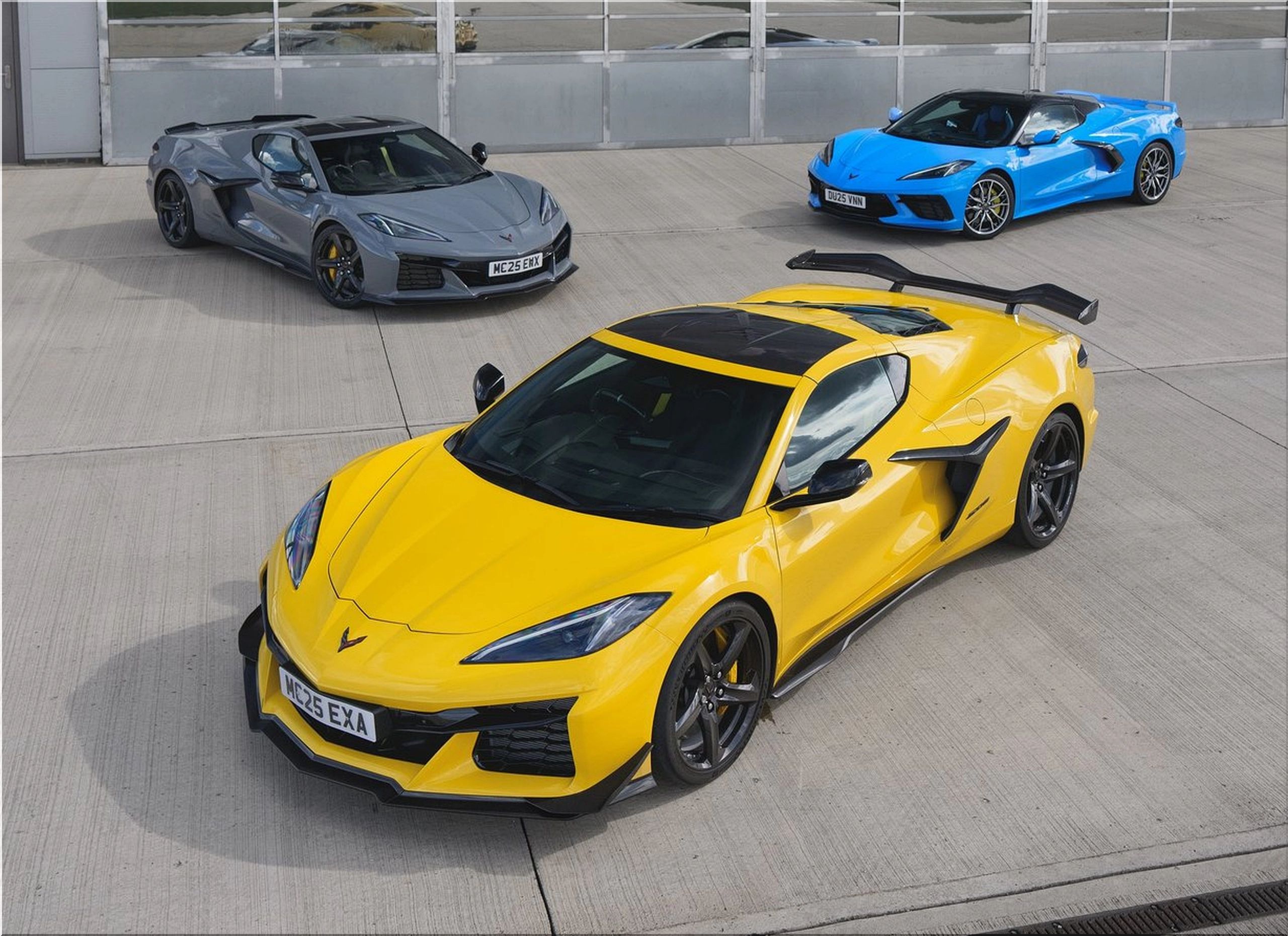
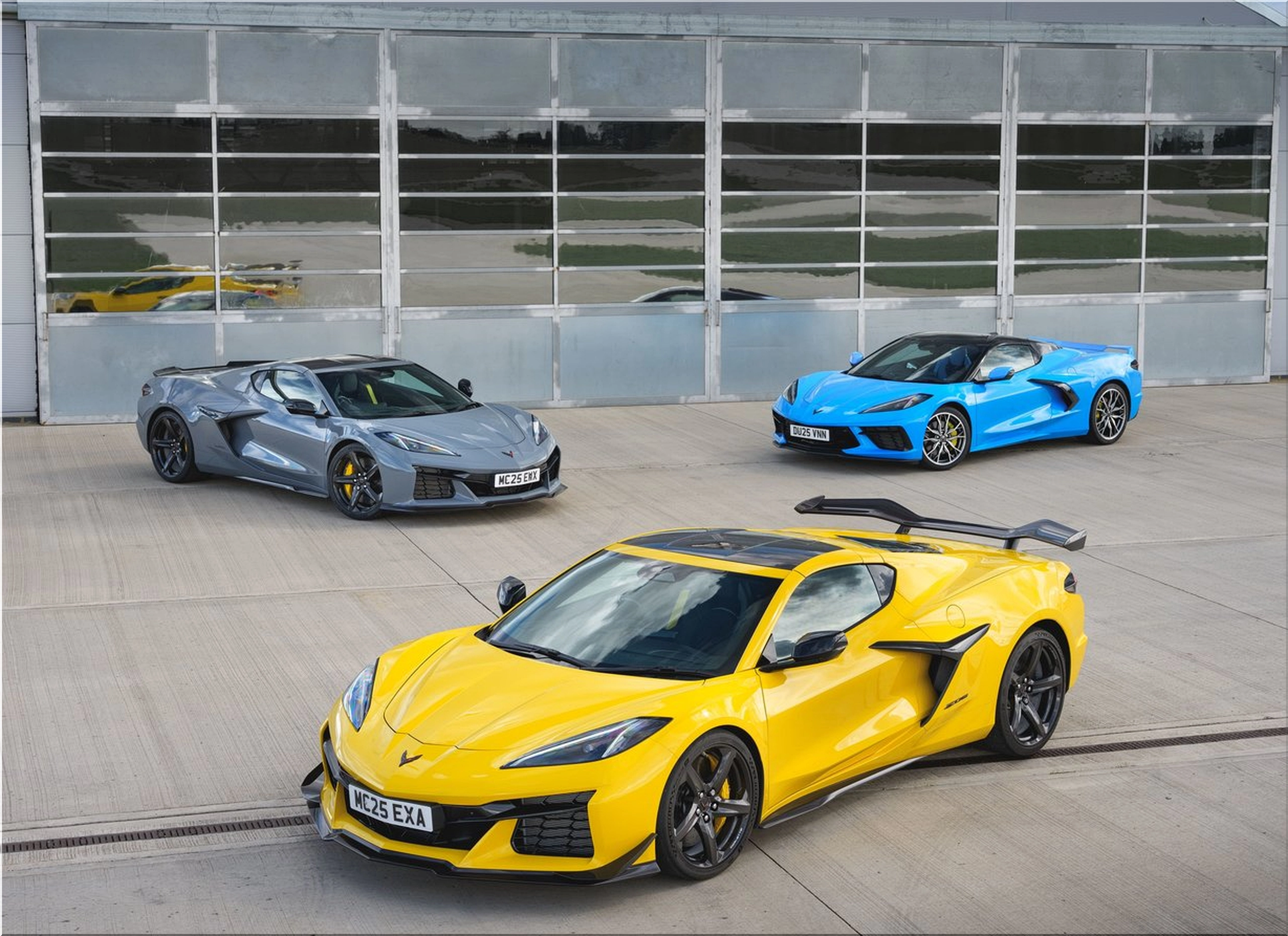
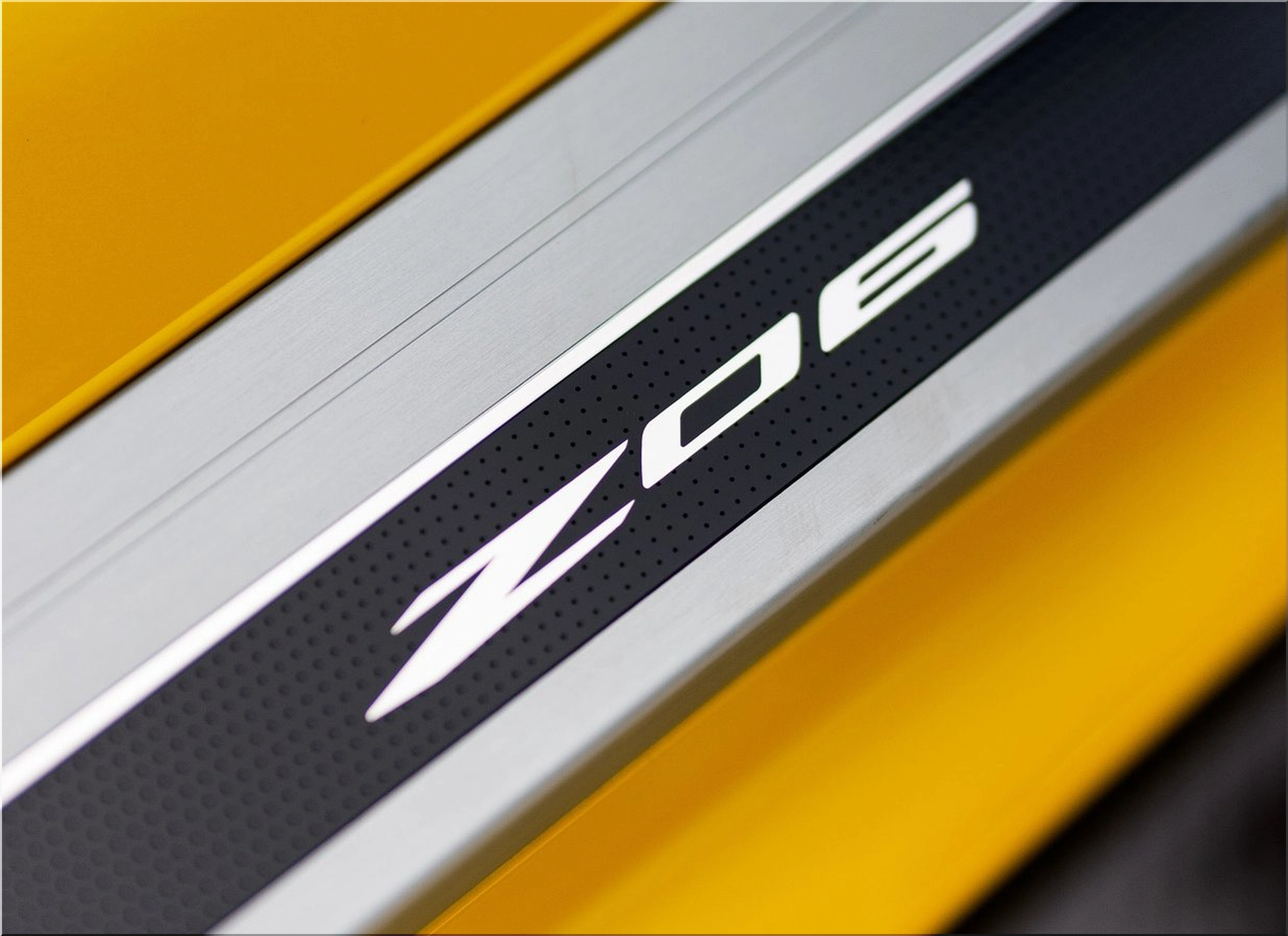
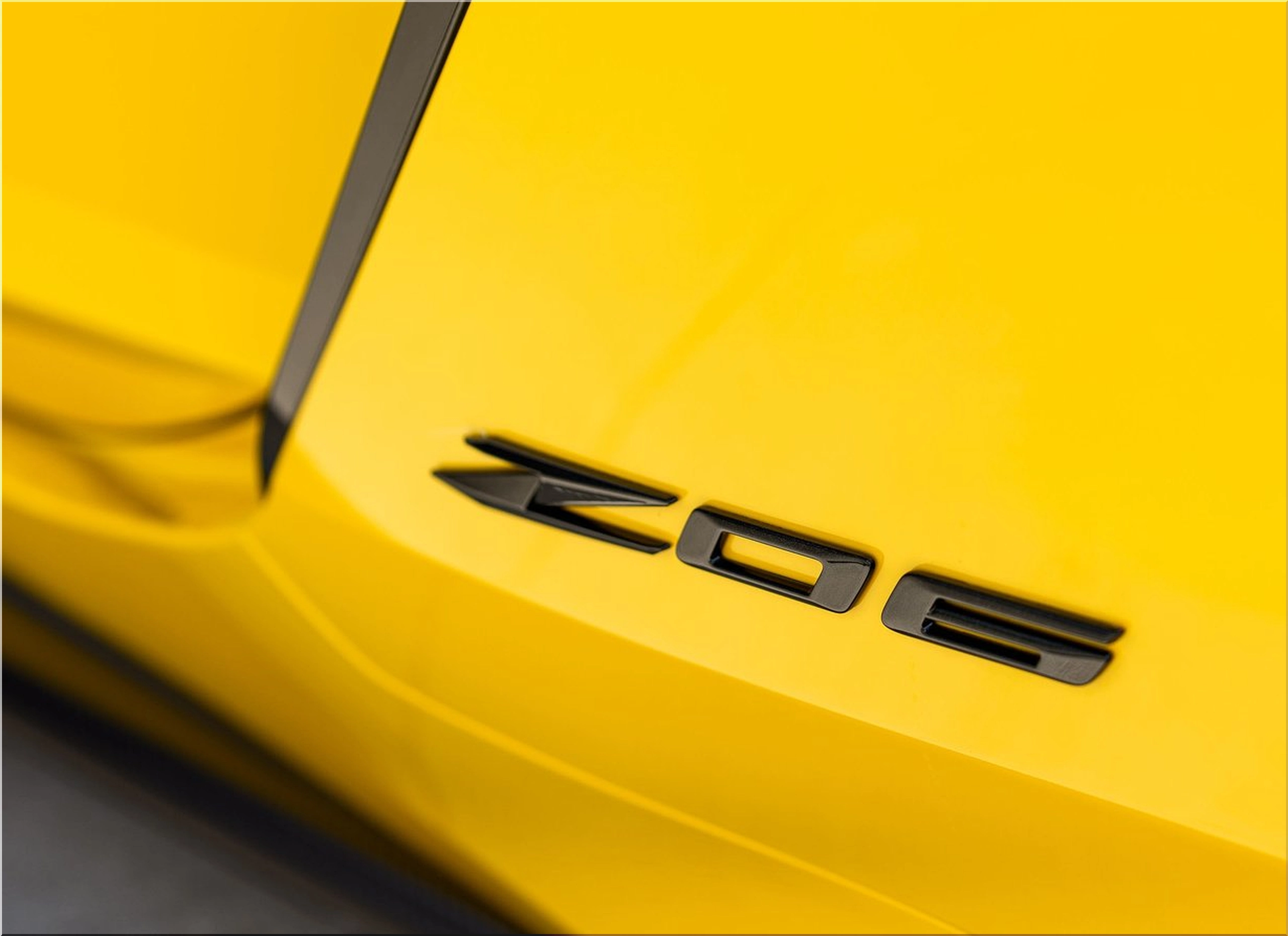
The Chevrolet Corvette Z06 Coupe exists for one reason: speed built around response, grip, and revs. Chevrolet took the mid-engine C8 platform, dropped in the wildest production V8 the brand has ever sold, and turned the Z06 into a serious track-focused machine instead of a regular Corvette with more power.
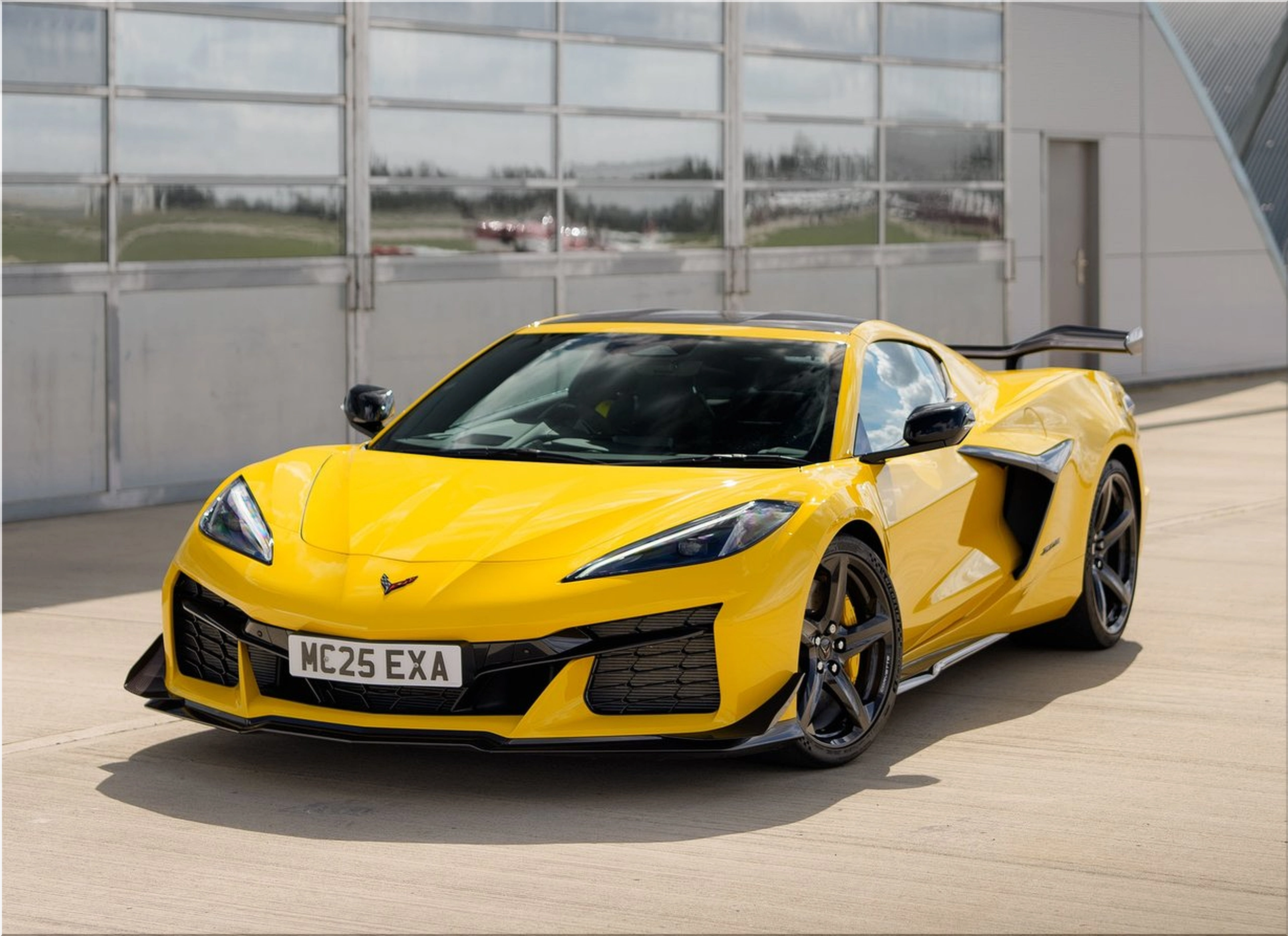
The centerpiece is the 5.5-liter LT6 V8, and it changes everything. Unlike the Stingray's pushrod V8, this engine uses dual overhead cams, a flat-plane crankshaft, dry-sump lubrication, and a towering 8,600-rpm redline. That architecture gives the Corvette Z06 Coupe a much sharper, harder-edged power delivery, with the kind of top-end pull and throttle reaction that usually lives in far more expensive exotics.
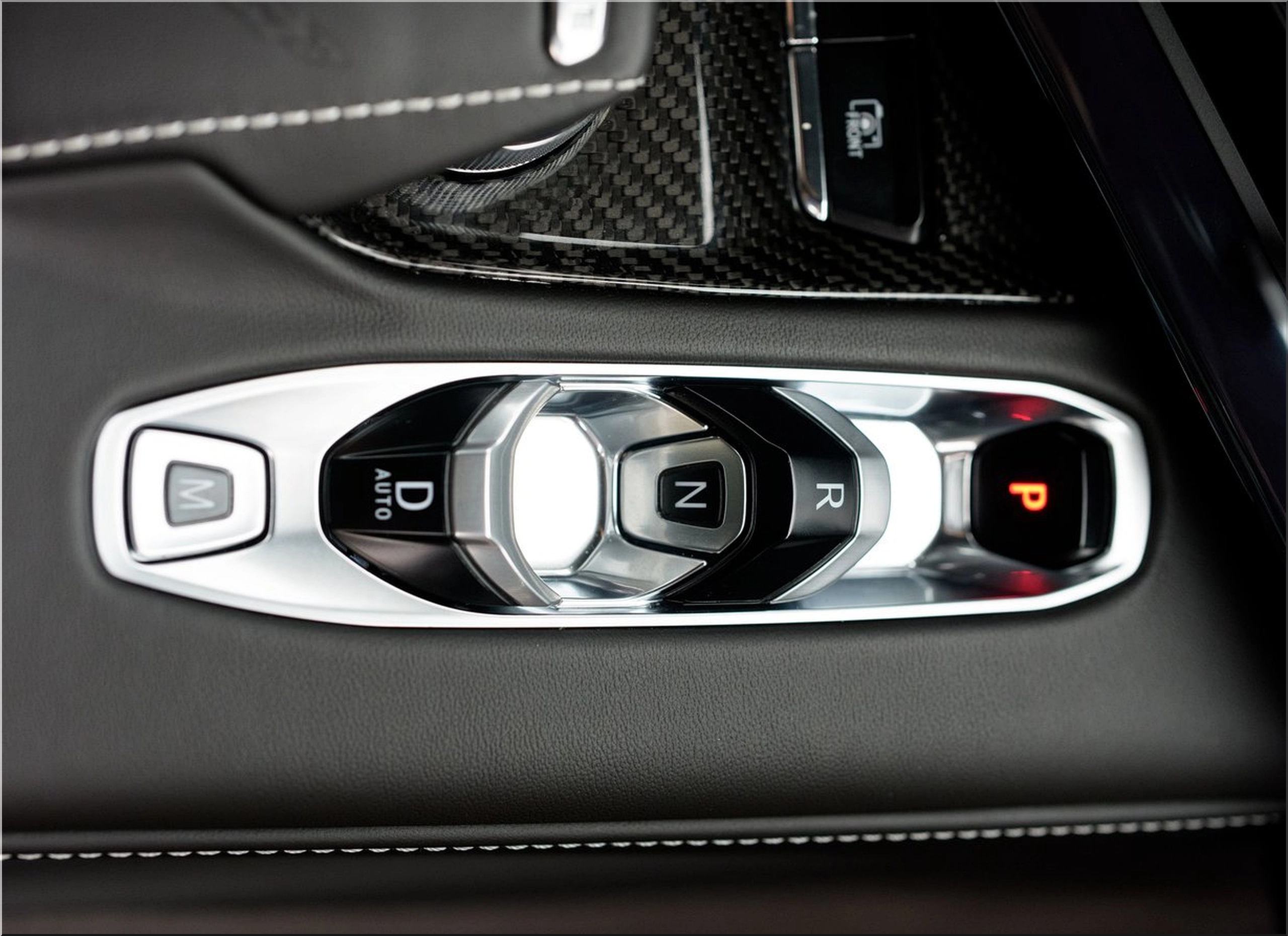
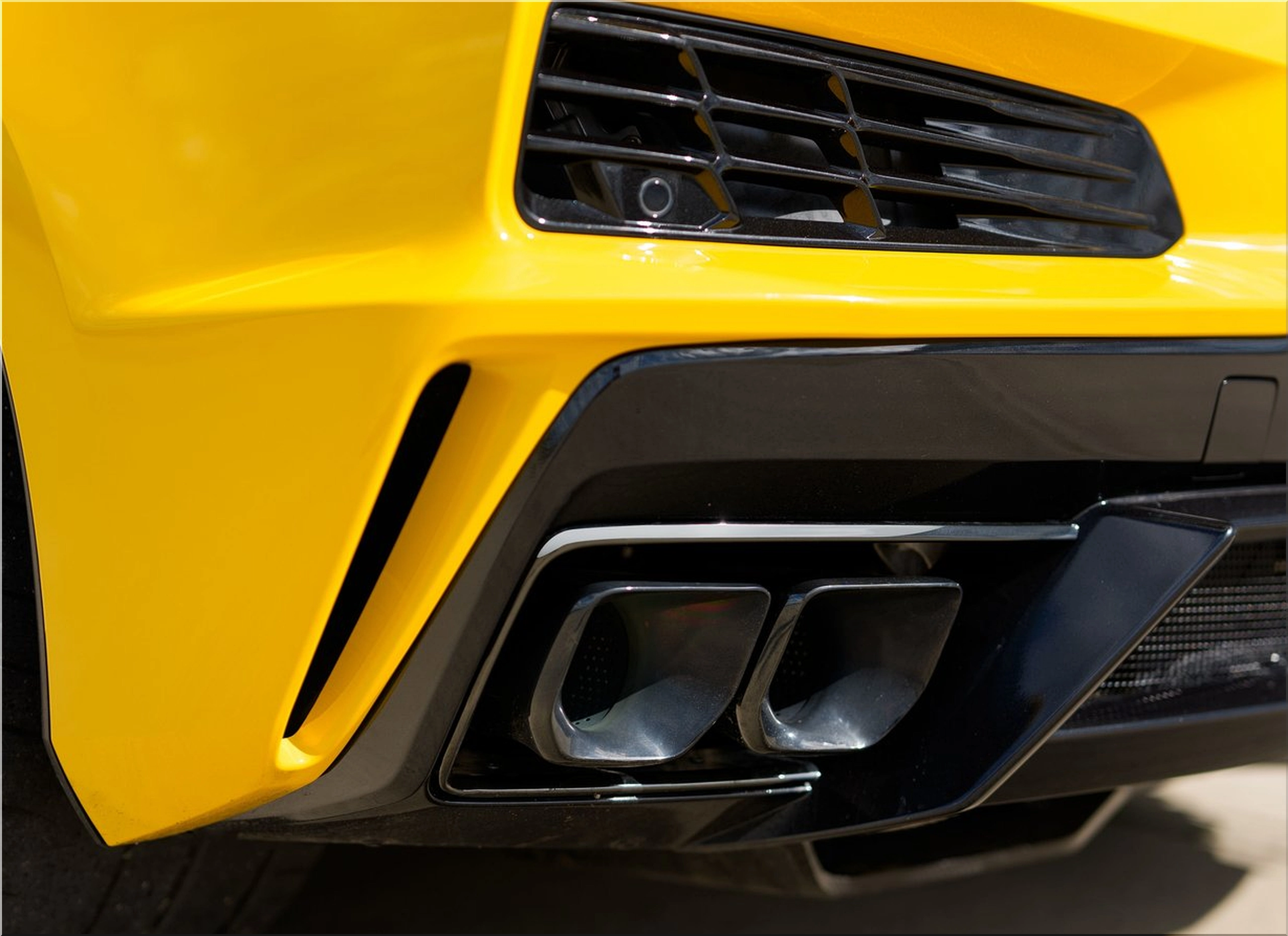
Looking at the data, the numbers still hit hard. The LT6 V8 produces 670 hp and 460 lb-ft of torque, and Chevrolet routes that output through an 8-speed dual-clutch transmission mounted at the rear. That gearbox matters because the LT6 needs close ratios and quick shifts to stay in its sweet spot, and a slower transmission would waste the engine's best trait: the way it charges toward redline with almost no hesitation.
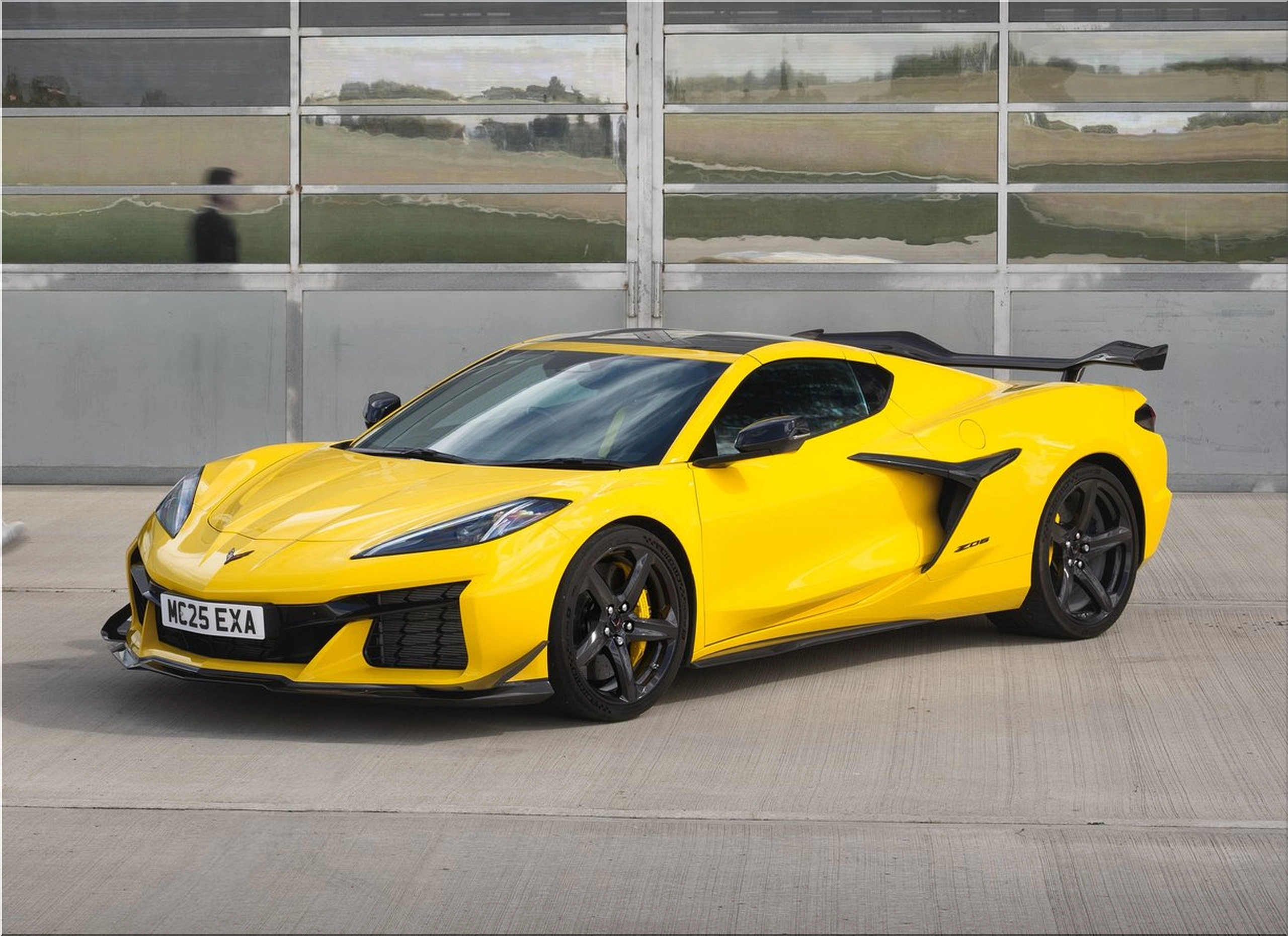
Corvette Z06 Coupe Performance Specs
| Specification | Chevrolet Corvette Z06 Coupe |
|---|---|
| Engine | 5.5-liter LT6 DOHC V8 |
| Power | 670 hp |
| Torque | 460 lb-ft |
| Transmission | 8-speed dual-clutch |
| Redline | 8,600 rpm |
| 0-60 mph | 2.6 seconds |
| Quarter mile | 10.6 seconds at 131 mph |
| Top speed | 195 mph |
Specifically, Chevrolet did not chase power with boost. It chased response, airflow, and durability at very high rpm. The LT6 uses a 12.5:1 compression ratio, 350-bar direct injection, titanium intake valves, and a racing-style dry-sump system to keep oil pressure stable under heavy cornering and braking loads. From an expert perspective, that tells you the Z06 was engineered for repeated abuse, not one flashy acceleration run and a cool spec-sheet screenshot.
Chassis, Tires, and Braking Hardware
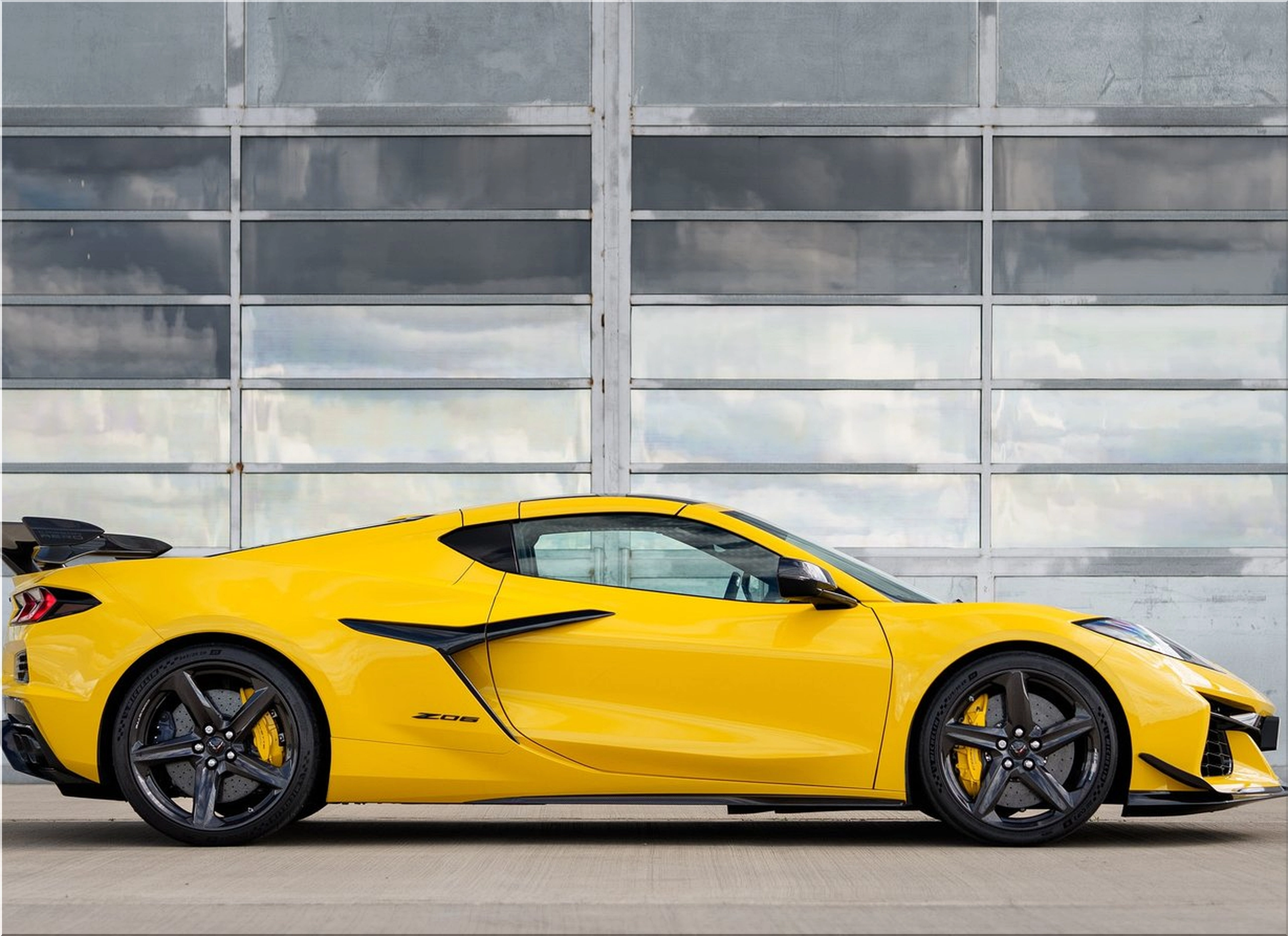
The Chevrolet Corvette Z06 Coupe backs up its engine with serious mechanical grip. Chevrolet widened the body to fit larger tires, larger brakes, and more cooling capacity, and that wider stance gives the car its planted look and much of its cornering authority. By comparison, a regular Stingray feels lighter on its feet, but the Z06 feels far more locked down when the pace rises.
Core Chassis Data
| Chassis Item | Corvette Z06 Coupe |
|---|---|
| Wheelbase | 107.2 in / 2,722 mm |
| Length | 186.3 in / 4,731 mm |
| Width | 79.7 in / 2,024 mm |
| Height | 48.7 in / 1,237 mm |
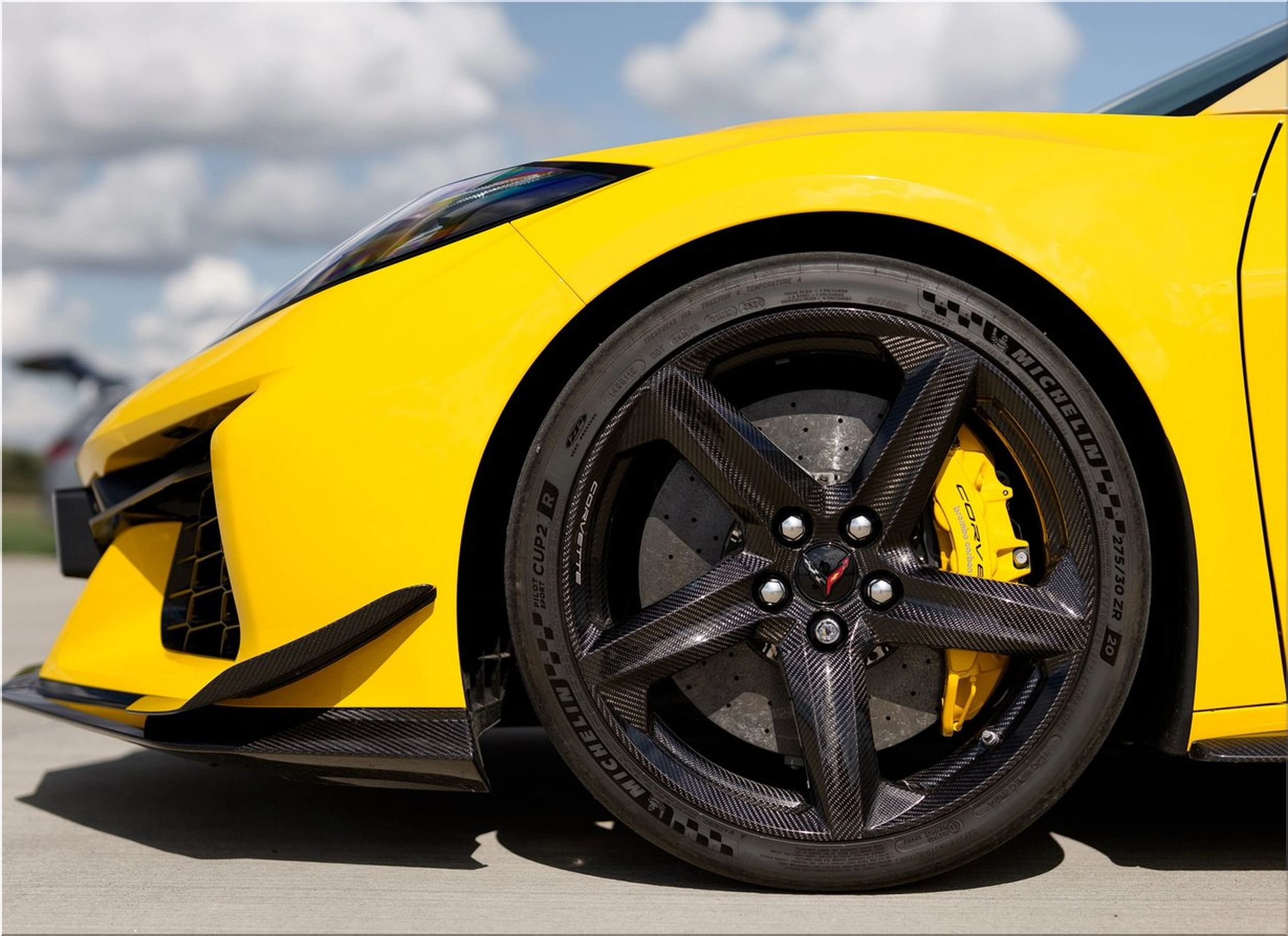
| Front tires | 275/30ZR20 |
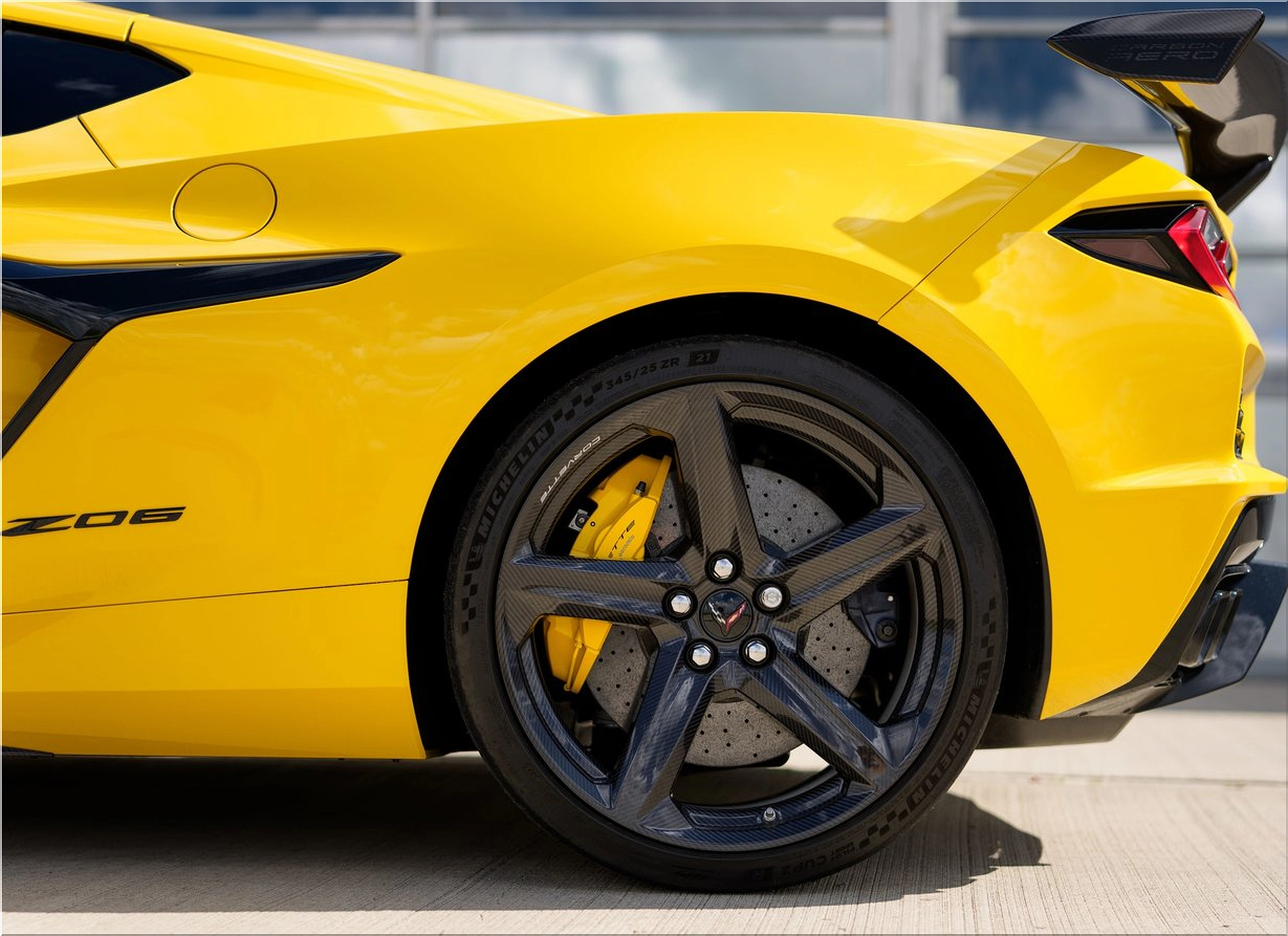
| Rear tires | 345/25ZR21 |
| Front wheels | 20 x 10 in |
| Rear wheels | 21 x 13 in |
In addition, the suspension setup gives the Z06 the hardware it needs to work on real pavement, not only on a smooth proving ground. The car uses double-wishbone suspension front and rear with Magnetic Ride Control 4.0, which adjusts damping fast enough to keep the chassis stable under rapid load changes. That helps the car stay composed over imperfect surfaces while still delivering the body control a high-downforce coupe demands.
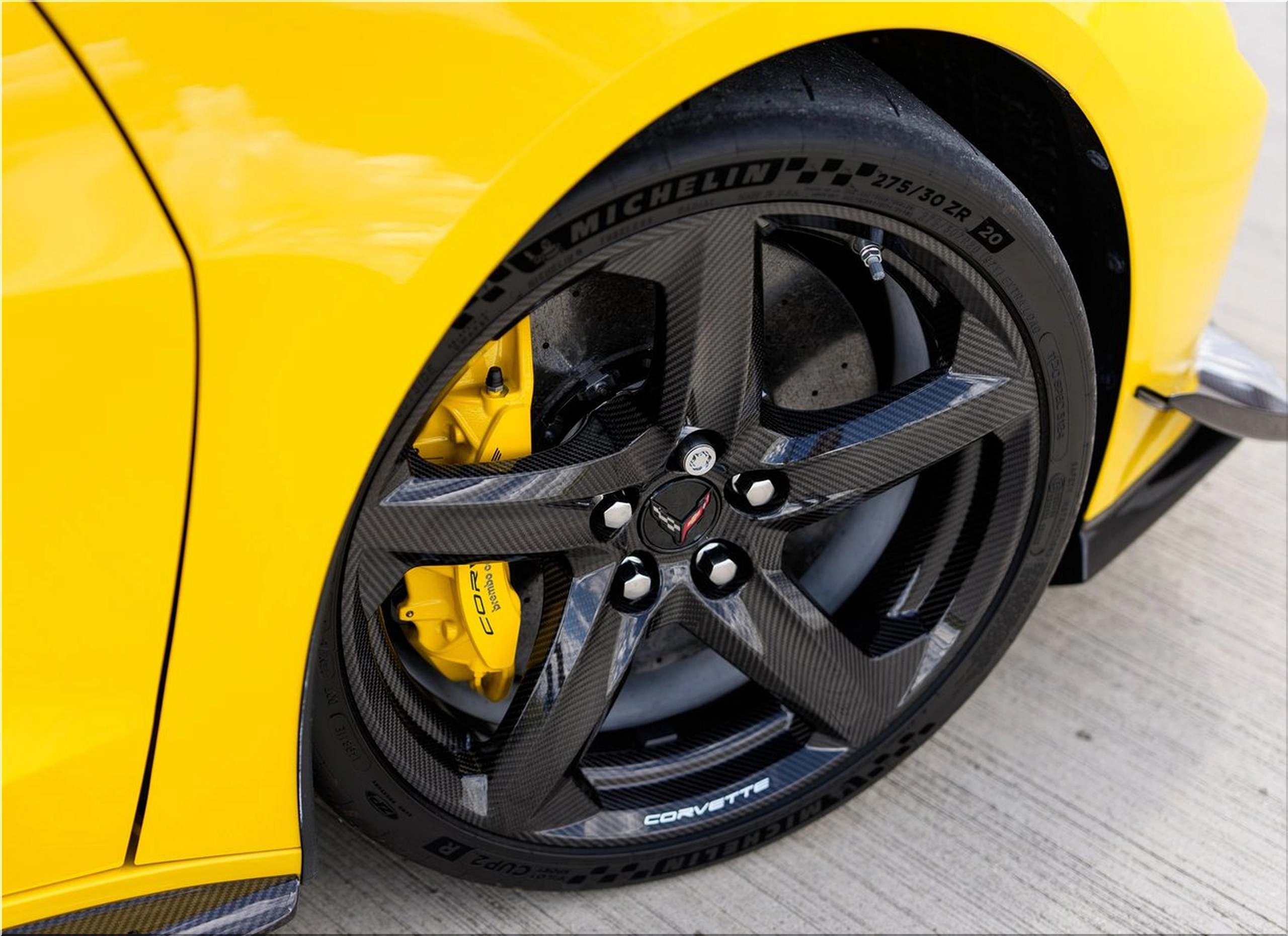
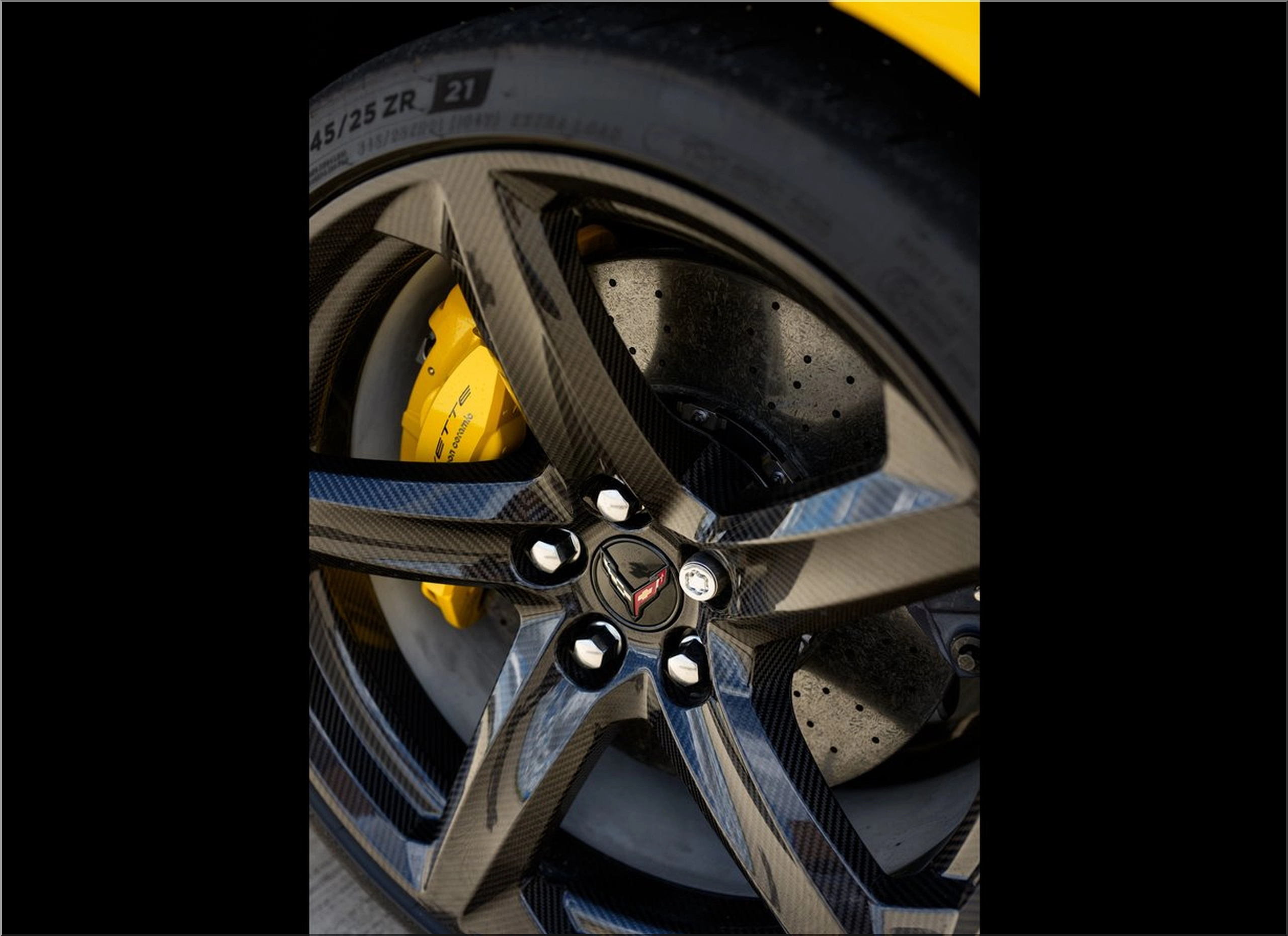
The brake package also means business. Standard steel brakes measure 370 x 34 mm up front and 380 x 34 mm at the rear, while available carbon-ceramic hardware grows to 398 x 38 mm front and 391 x 34 mm rear. Consequently, the Z06 brings the thermal capacity needed for repeated hard stops, and that separates real track cars from fast road cars very quickly.
Why the Z07 Package Matters
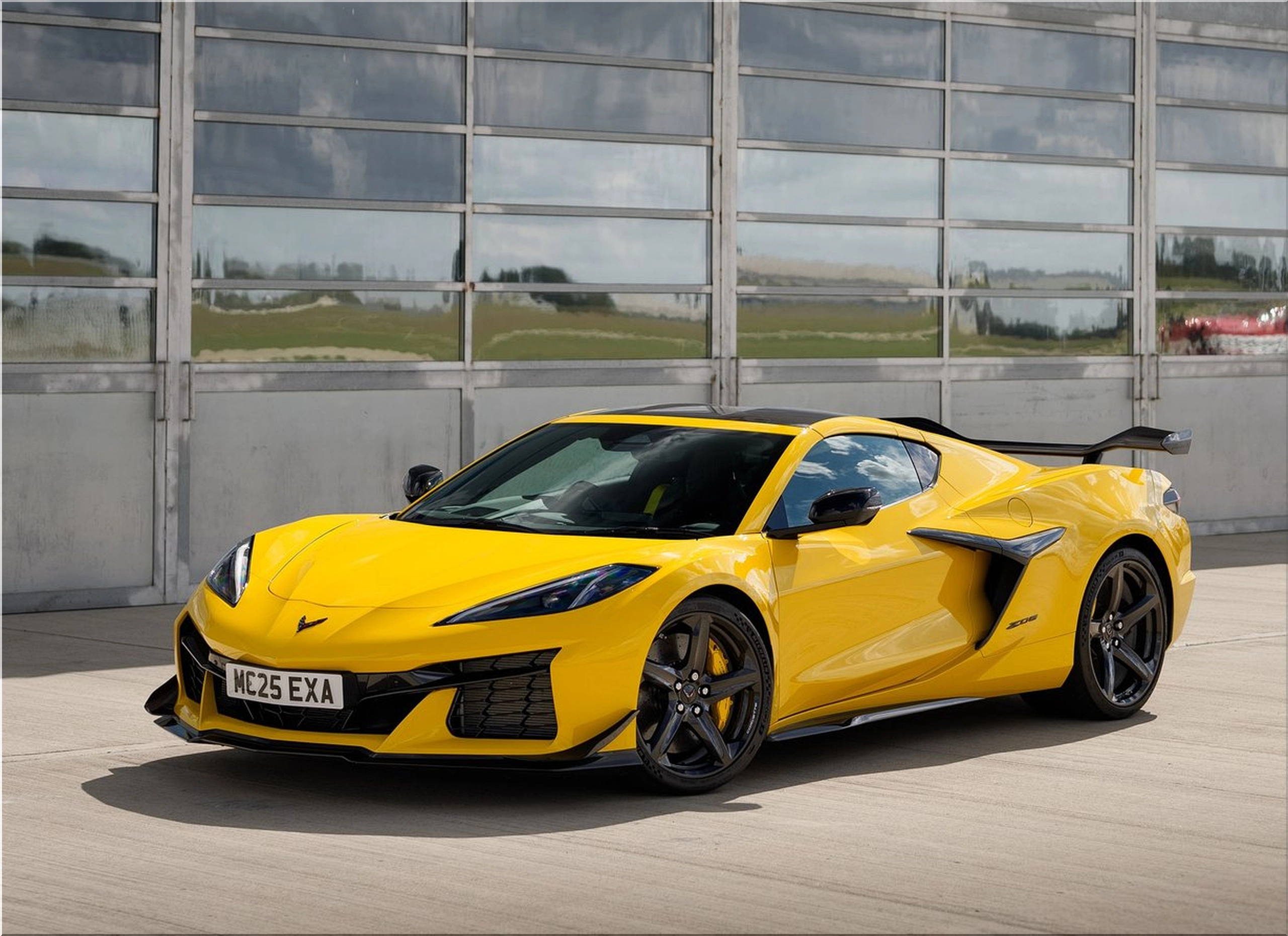
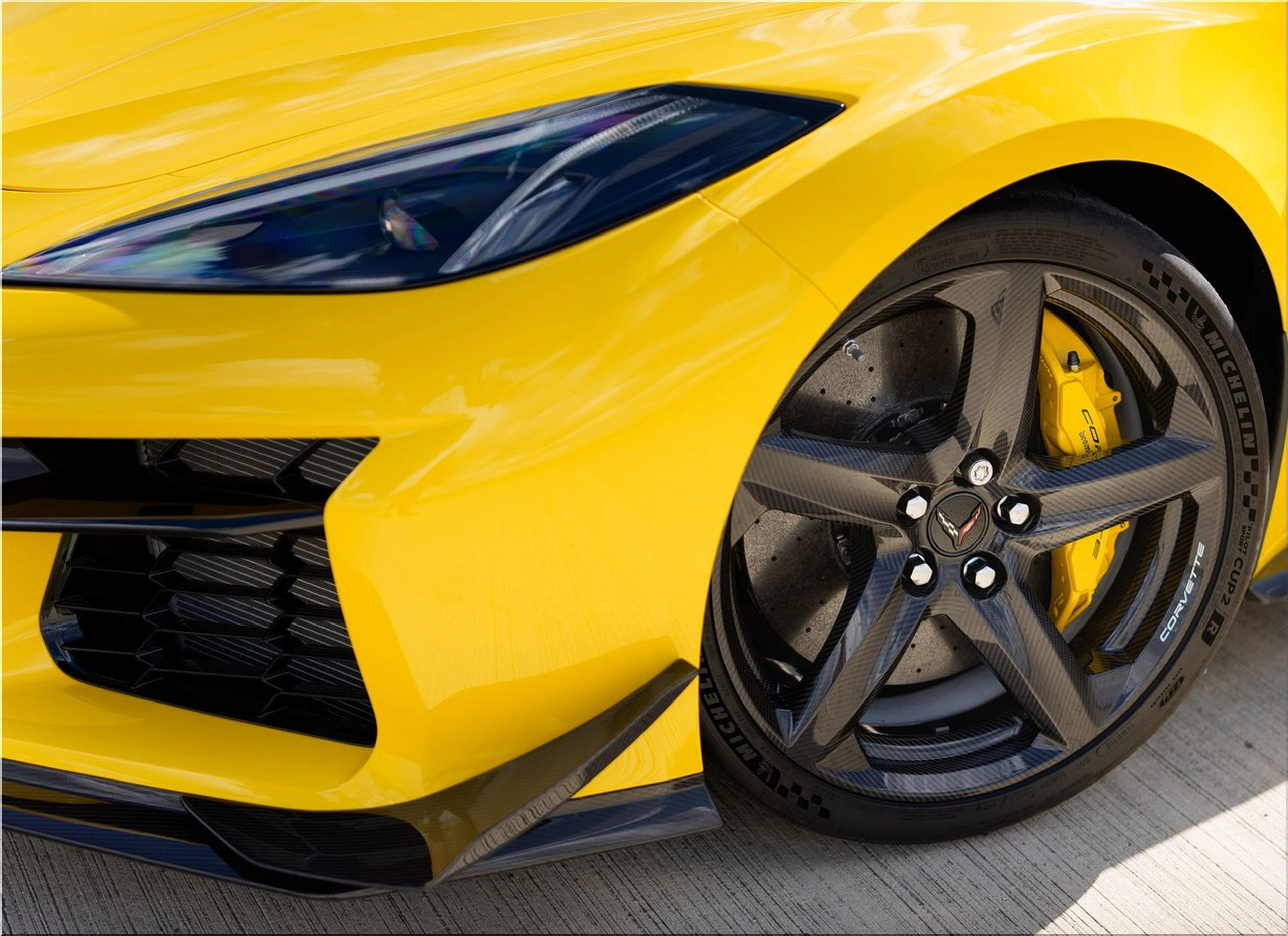
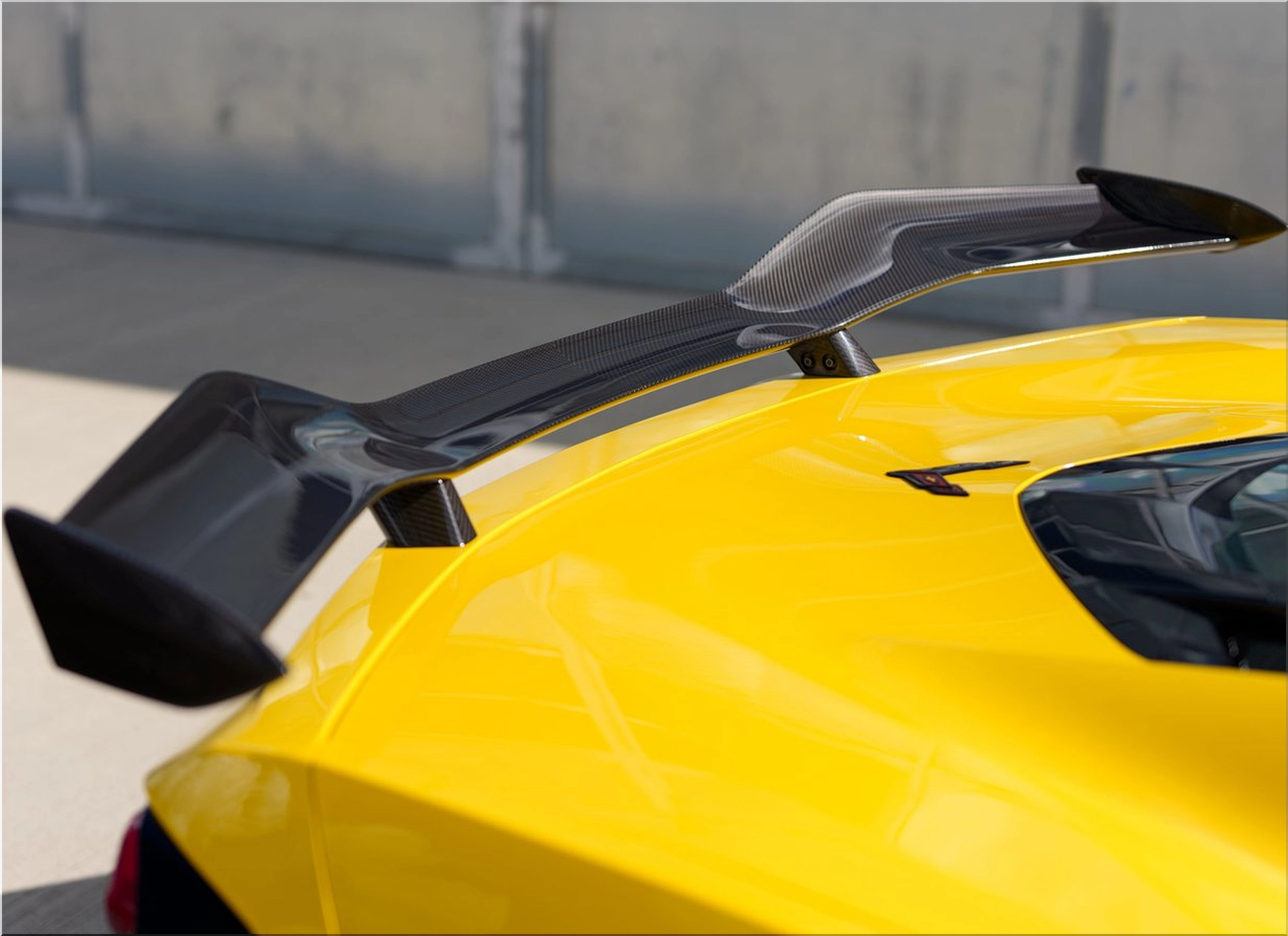
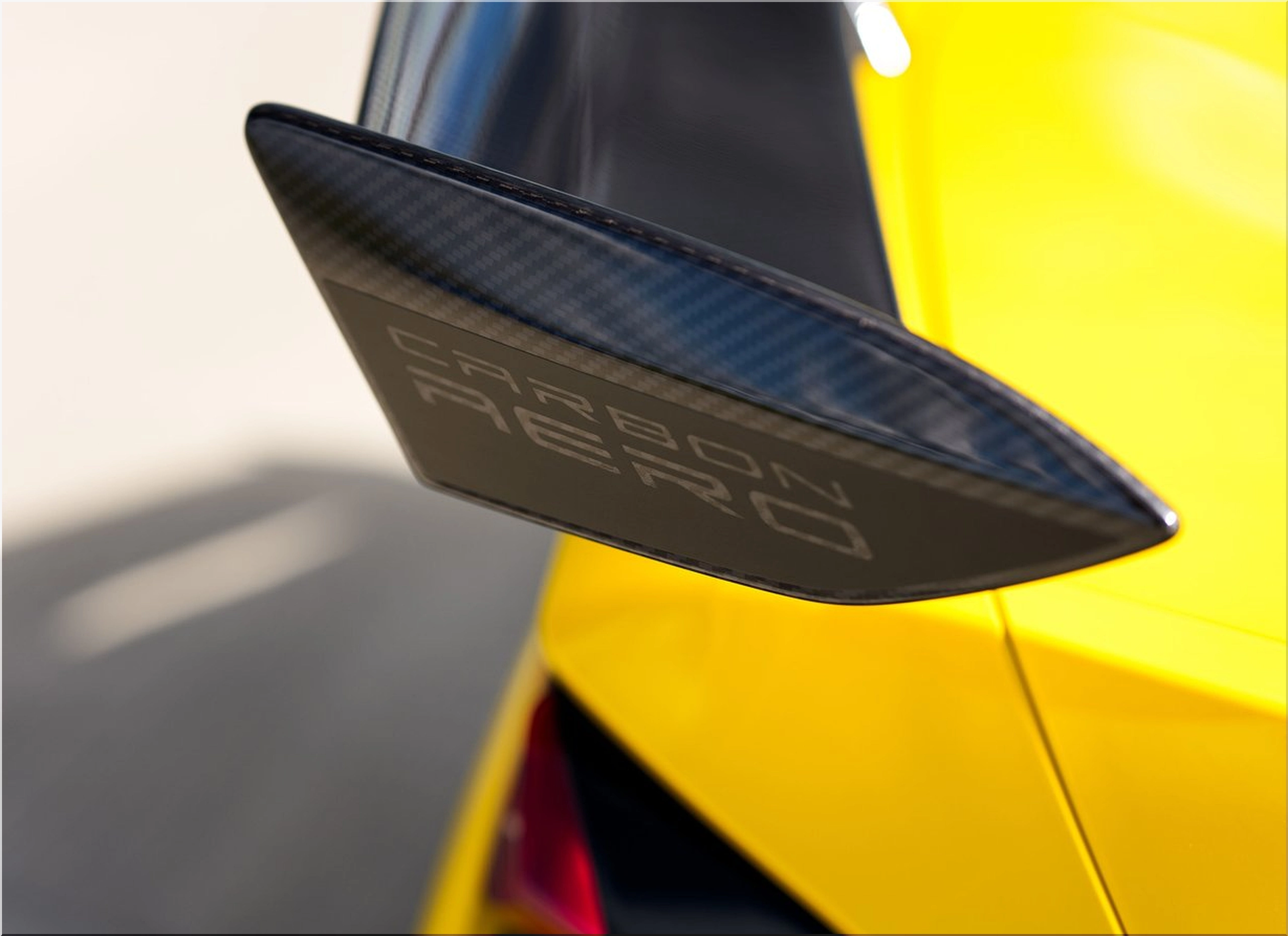
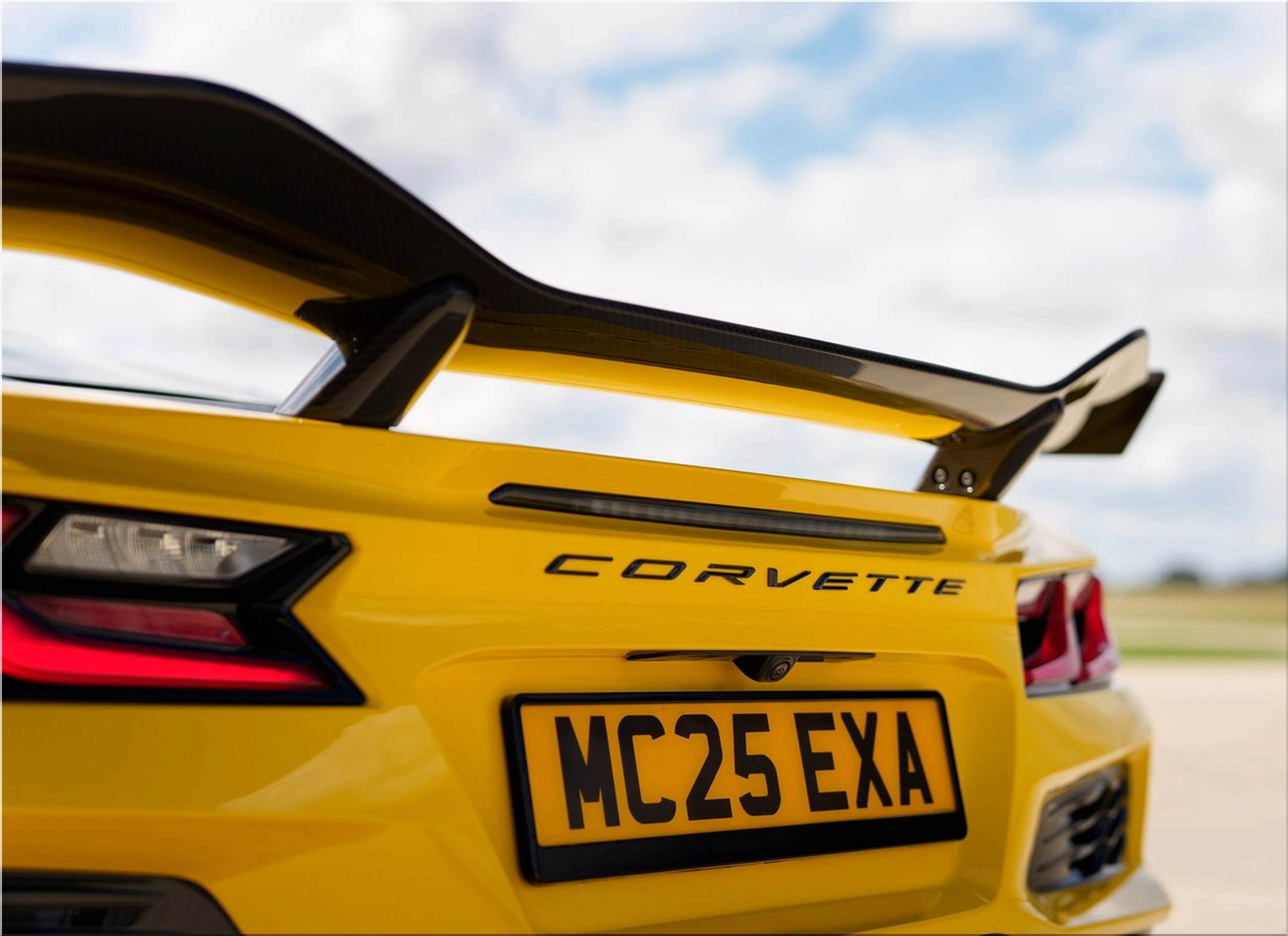
The optional Z07 Performance Package pushes the Corvette Z06 Coupe deeper into circuit territory. Chevrolet adds stickier Michelin Pilot Sport Cup 2 R tires, carbon-ceramic brakes, a more aggressive aero package, and available carbon-fiber wheels. That package does not exist for styling points. It exists to increase grip, sharpen response, and hold performance together when heat starts building in the tires and brakes.
Specifically, aero and tire choice do the heavy lifting here. Wider rubber increases the contact patch, while the added downforce helps the car stay stable at speed and under braking. Looking at the data, Chevrolet quotes up to 1.22 g of lateral grip in the right configuration, which places the Z06 squarely in serious track-capable territory.
Corvette Z06 Coupe vs the Competition
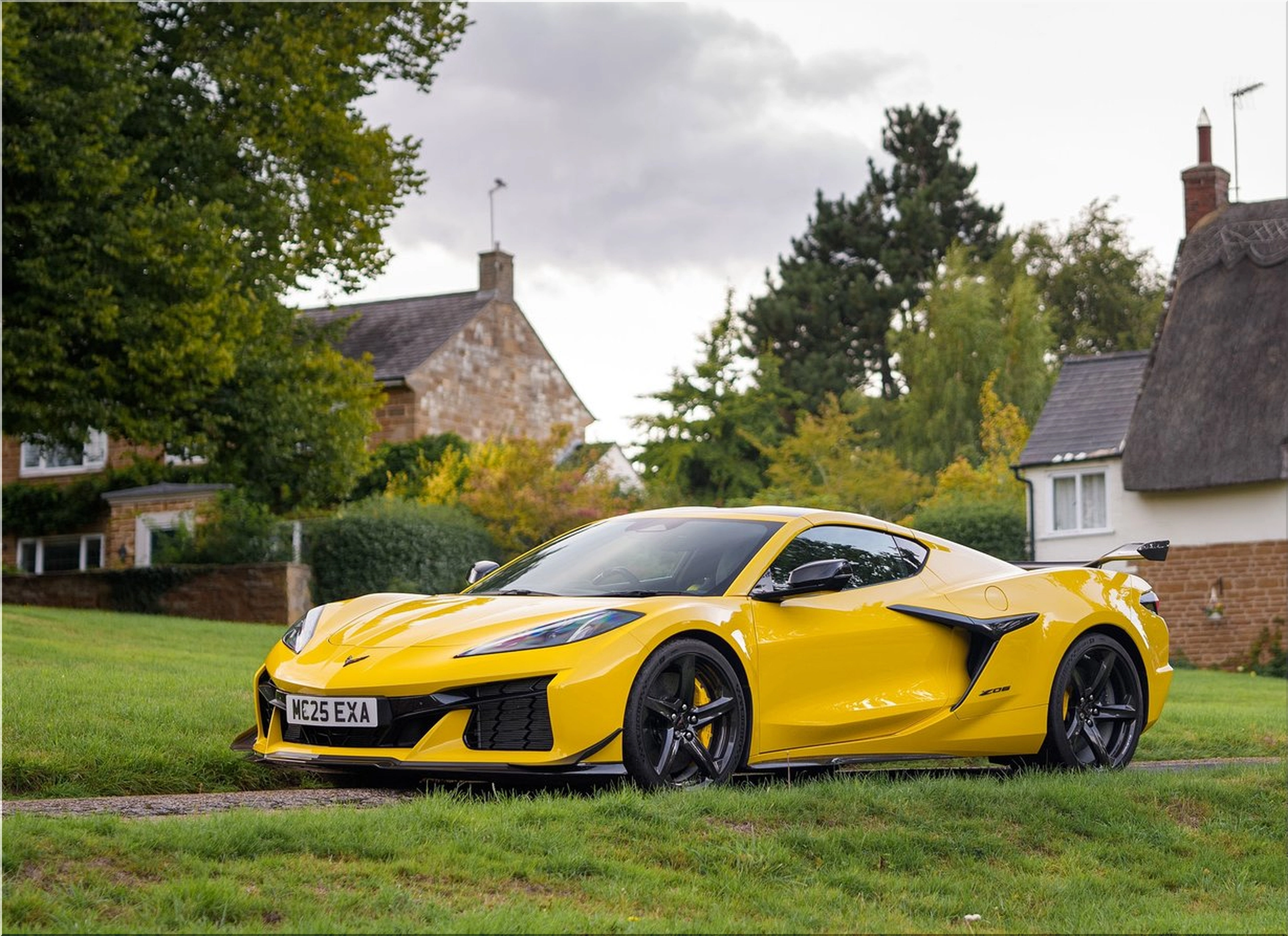
The obvious rivals remain the Porsche 911 GT3, Maserati MC20, and McLaren Artura. The 911 GT3 still owns the precision-and-feedback argument, the MC20 brings carbon-tub exotic flavor, and the Artura leans on hybrid tech and lighter weight. The Chevrolet Corvette Z06 Coupe answers with brute naturally aspirated drama, huge tire footprint, and one of the most intense V8s in the segment.
Quick Rival Snapshot
- Corvette Z06 Coupe: wins on engine character, power, and track hardware value
- Porsche 911 GT3: wins on steering purity and motorsport polish
- Maserati MC20: wins on exotic image and carbon-tub construction
- McLaren Artura: wins on hybrid punch and modern technical packaging
Pro-Tips
- Choose the Z07 package if track days sit high on your priority list.
- Stay with the standard setup if you want stronger day-to-day usability.
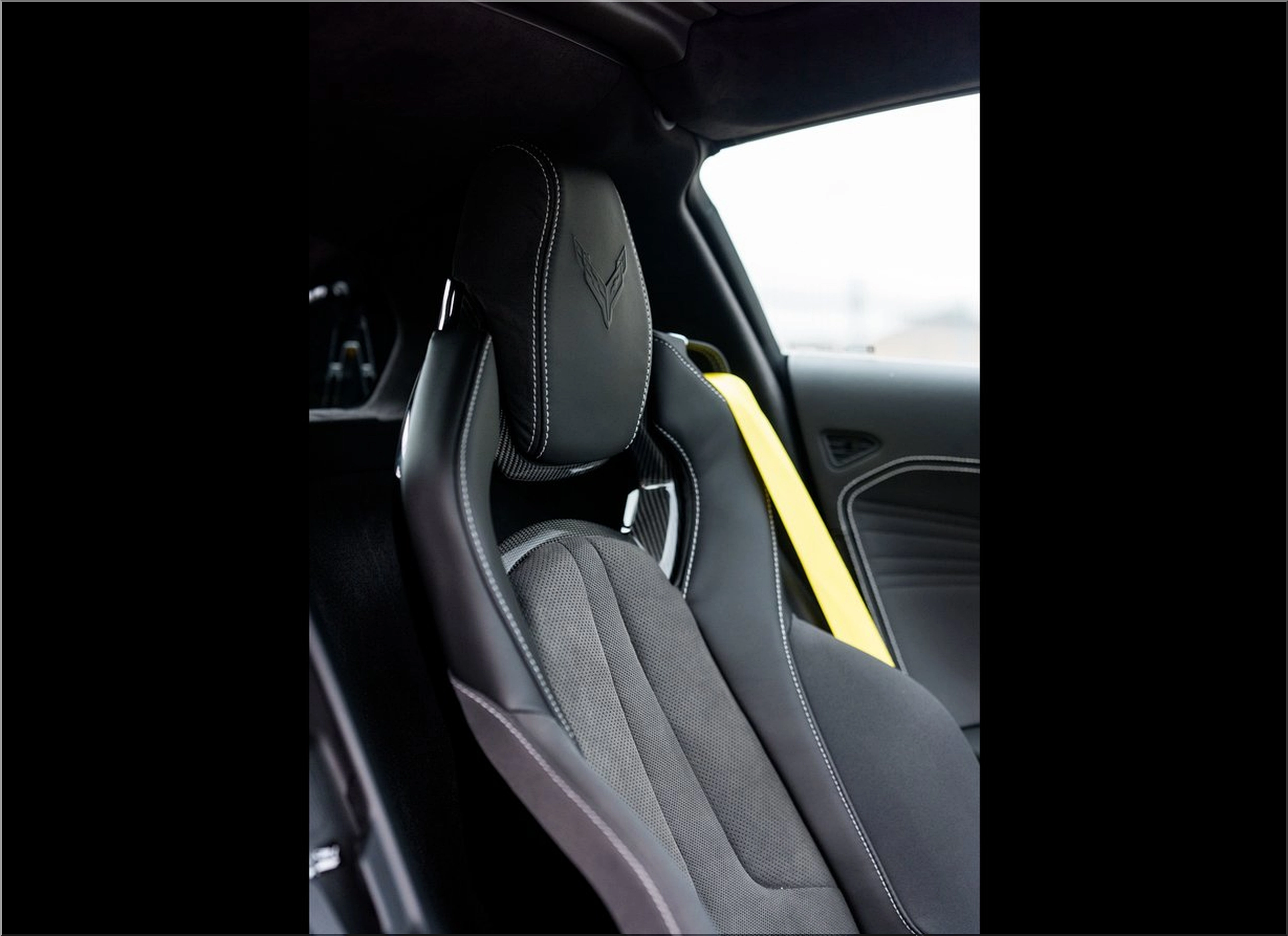
- Focus on seat choice and brake package before cosmetic options.
- Treat the LT6 V8 as the reason to buy the car, because nothing else in this price class delivers power in quite the same way.
What Now?
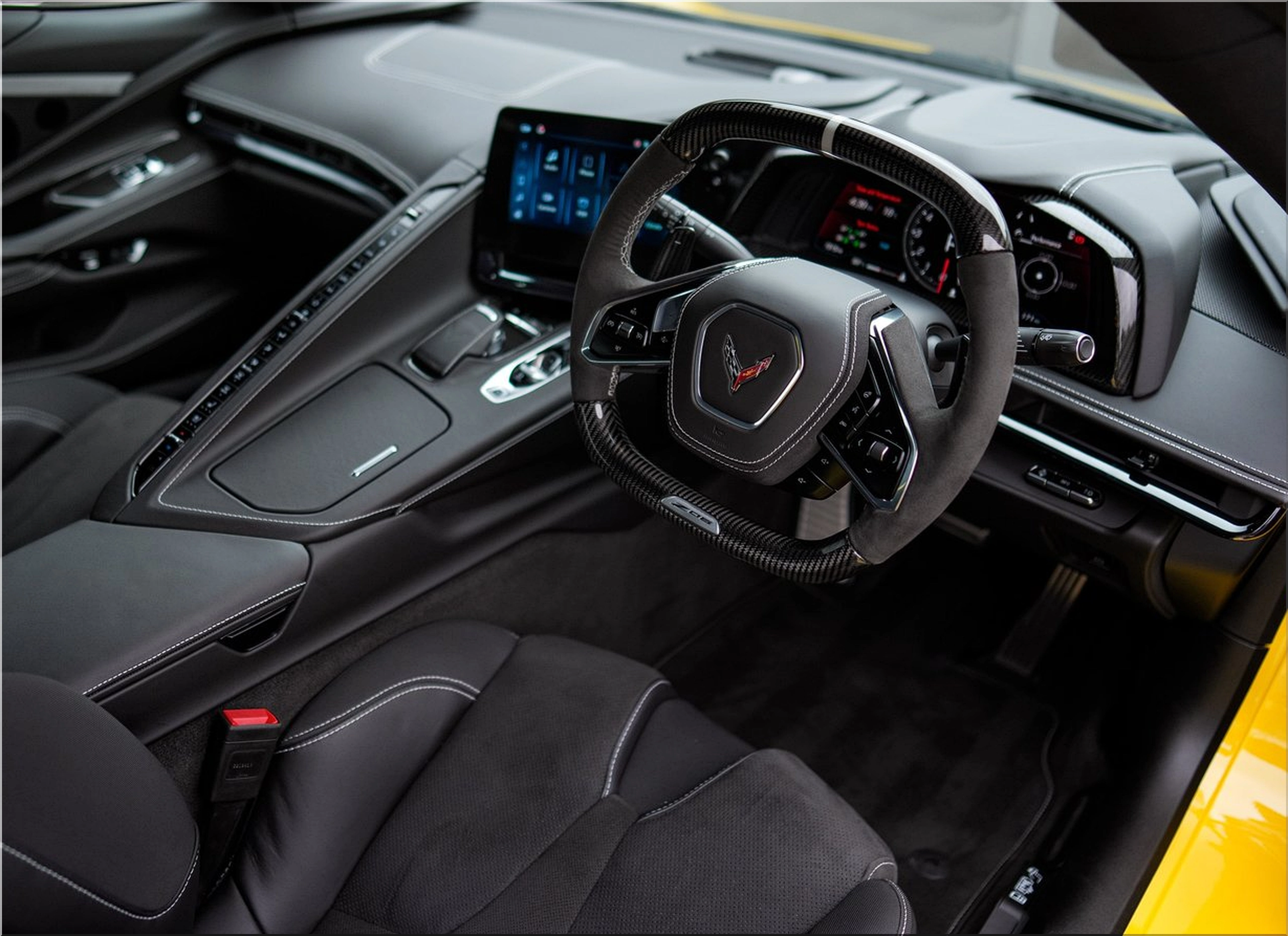
If your goal is maximum driver engagement, the Chevrolet Corvette Z06 Coupe makes its case through engine design, not marketing fluff. The 670-hp LT6 V8, dual-clutch gearbox, wide-body chassis, and available Z07 package give it the hardware to run with serious performance cars and the attitude to make the point loudly.
- Add new comment
- 87 views