
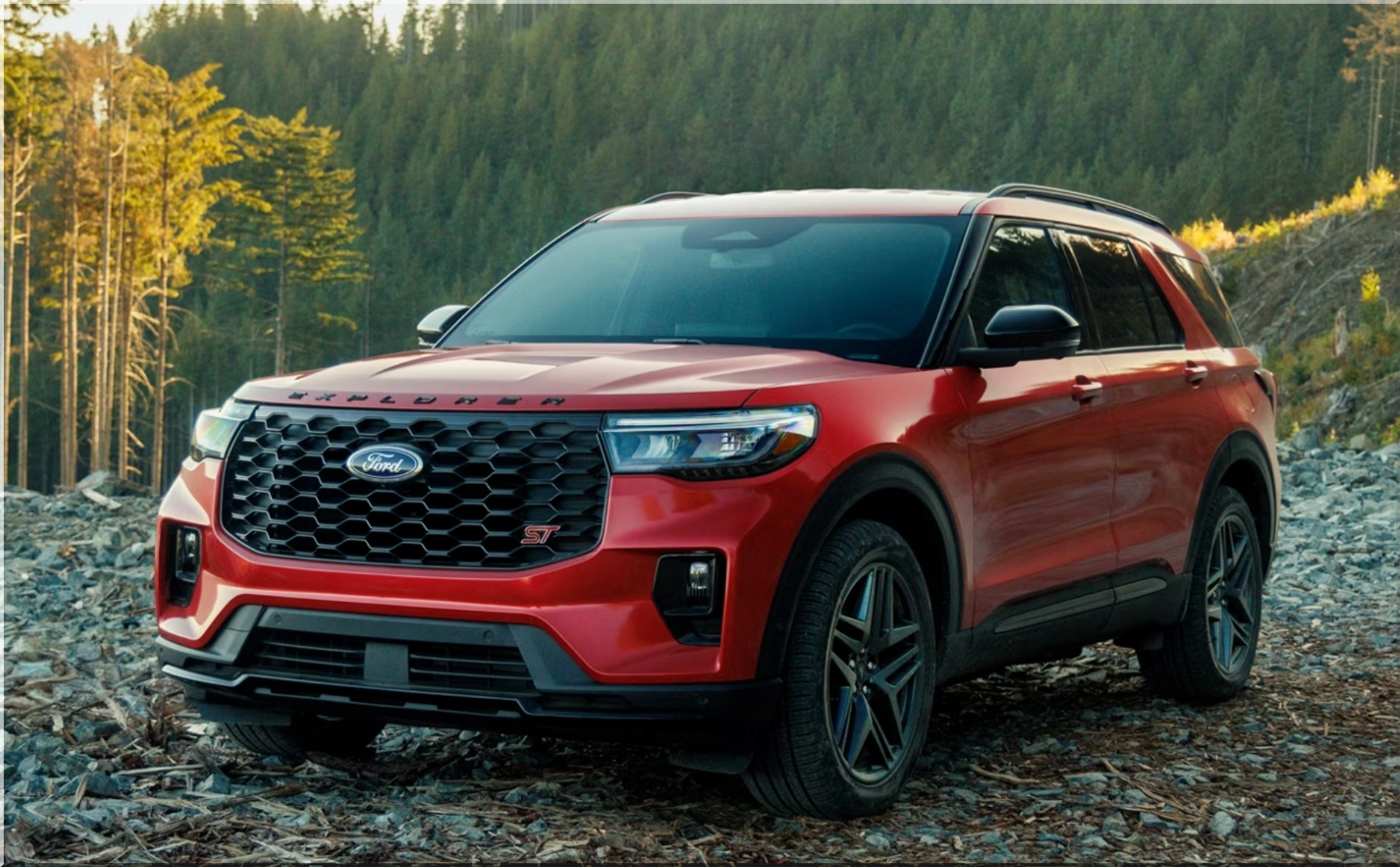
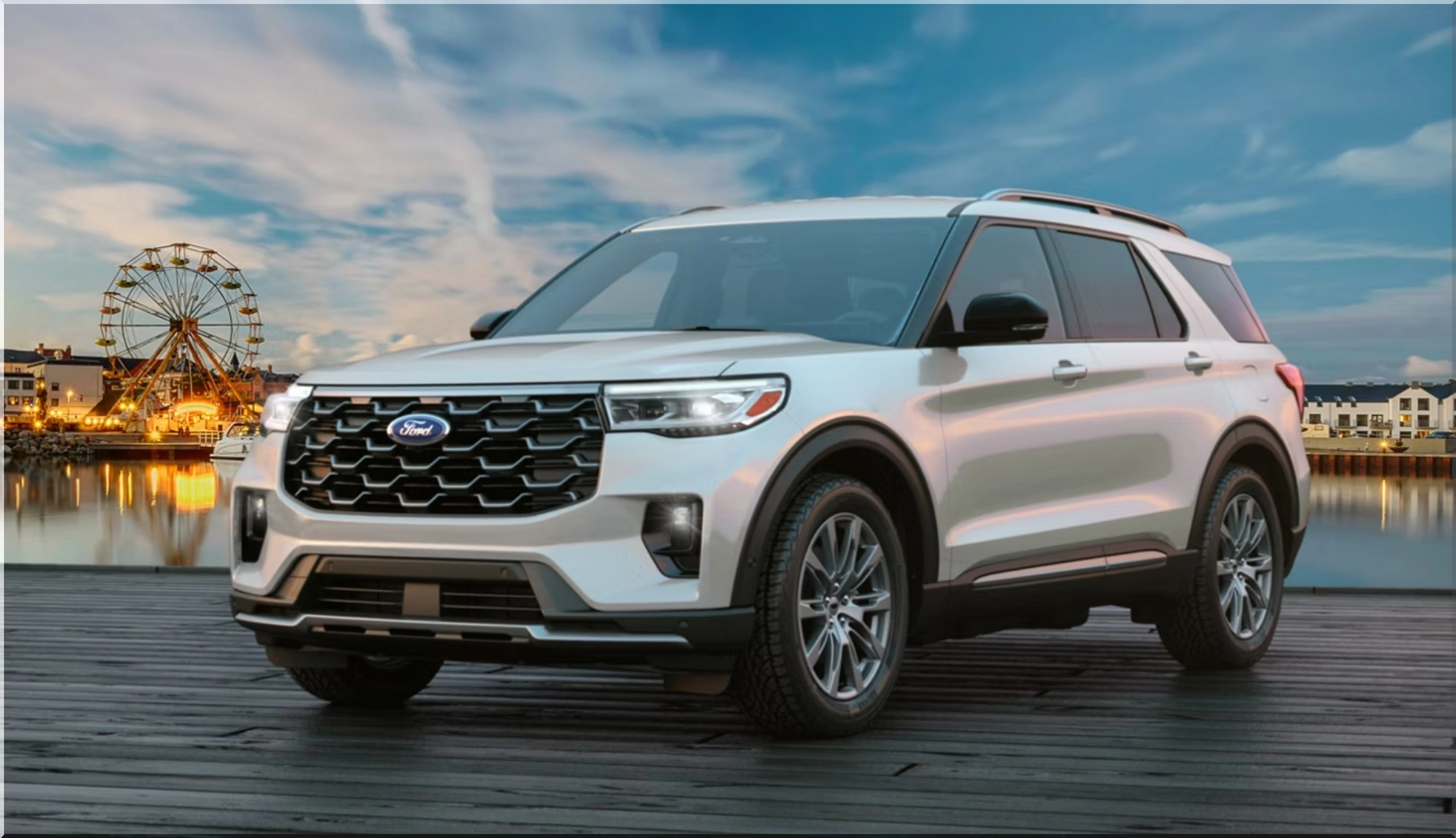
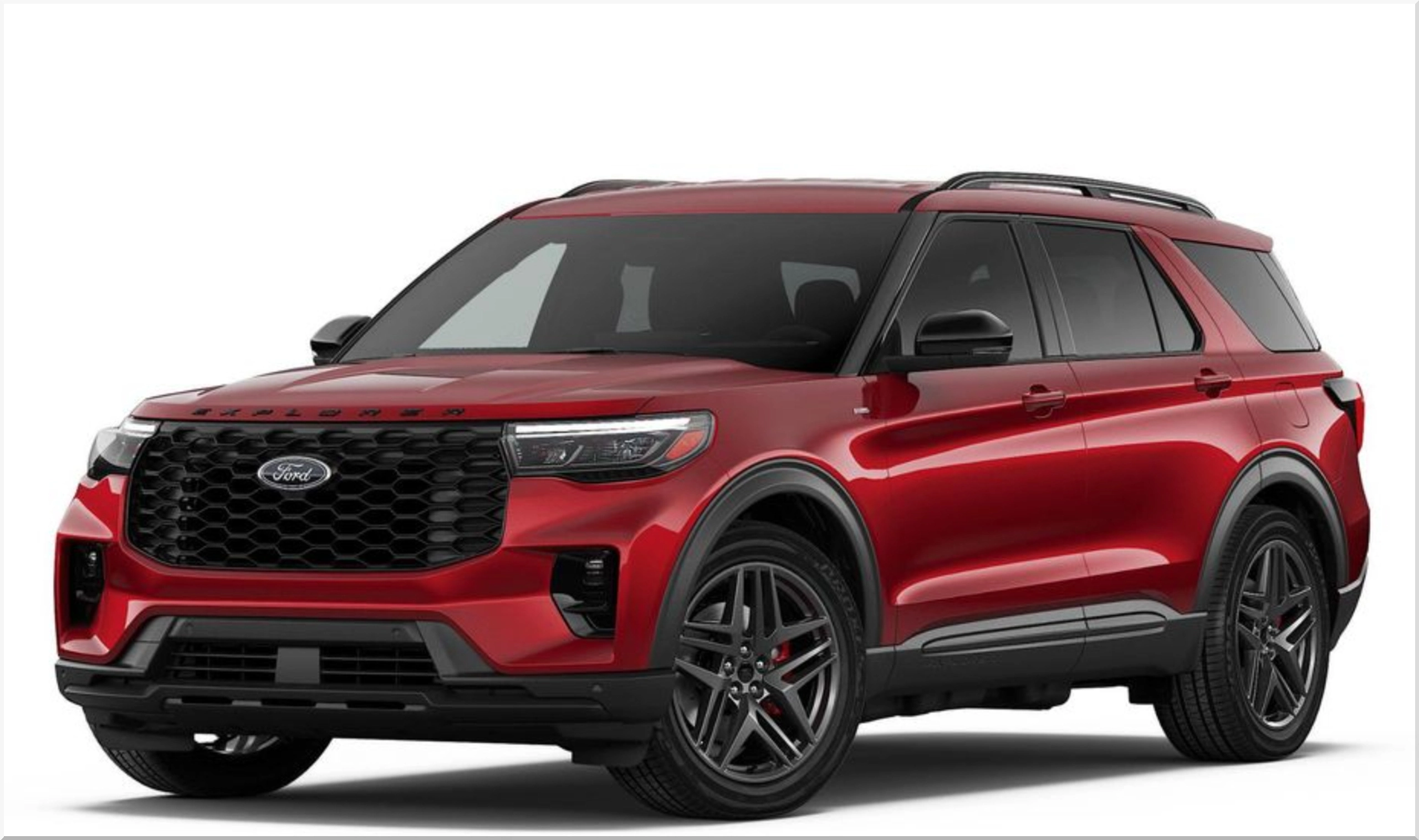
The 2026 Ford Explorer ST answers a very American question: can one SUV haul kids, luggage, sports gear, a trailer, and still feel quick enough to entertain the driver? Ford's answer uses a familiar formula. Add a twin-turbo V6, rear-biased architecture, a 10-speed automatic, sharper suspension tuning, bigger wheels, and enough cabin space to keep family life from turning into cargo Tetris.
The result lands in a sweet spot. The Explorer ST gives buyers more muscle than a normal midsize three-row SUV without forcing them into the bulk, fuel appetite, and parking-lot gymnastics of a full-size SUV. It does not chase sports-car purity. It chases something far more useful: power that works on school runs, highway ramps, mountain grades, and weekend towing.
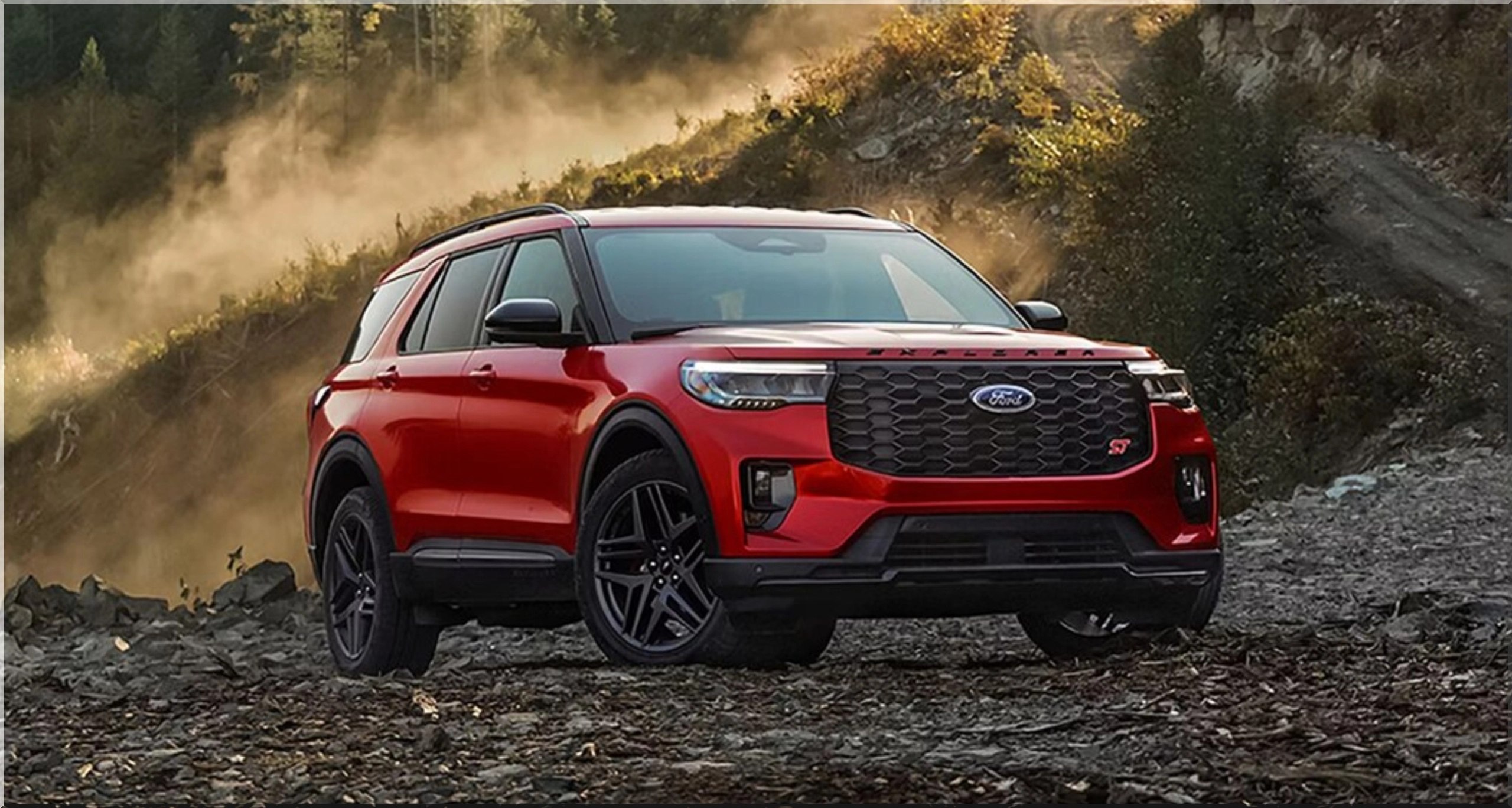
2026 Ford Explorer ST Specs: The Numbers That Matter
The headline figure comes from Ford's 3.0-liter EcoBoost V6, a twin-turbocharged engine rated at 385 horsepower and 415 lb-ft of torque. That torque figure matters more than the horsepower number in daily driving because it gives the Explorer ST its shove from low and midrange speeds.
Ford pairs the twin-turbo V6 with a 10-speed automatic transmission. Rear-wheel drive comes standard, while Intelligent 4WD remains available for drivers who deal with snow, heavy rain, gravel roads, steep driveways, or frequent road trips outside the Sun Belt.
| Key Specification | 2026 Ford Explorer ST |
|---|---|
| Engine | 3.0-liter twin-turbo EcoBoost V6 |
| Horsepower | 385 hp |
| Torque | 415 lb-ft |
| Transmission | 10-speed automatic |
| Standard drivetrain | Rear-wheel drive |
| Available drivetrain | Intelligent 4WD |
| Maximum towing capacity | 5,000 lbs |
| Standard seating | 6 passengers |
| Available seating | 7 passengers |
| Maximum cargo space | 85.3 cu ft |
| Wheelbase | 119.1 in |
| Overall length | 198.7 in |
| Height | 69.8 in |
Looking at the data, Ford did not build the ST as a sticker-and-wheel package. It gives the model a meaningful mechanical advantage over lower Explorer trims, and that advantage shows up in the numbers buyers use every day.
Powertrain And Acceleration: Why The V6 Makes Sense
The 2026 Ford Explorer ST engine uses turbocharging to deliver strong torque without the packaging and fuel penalties of a larger V8. That approach fits a modern three-row SUV because most buyers need passing power, towing confidence, and relaxed highway speed more than redline drama.
The 10-speed automatic plays a major role. With more ratios to work with, the transmission can keep the V6 near its torque peak during acceleration and then drop engine speed at cruising pace. That gives the ST two personalities: quick when the driver asks for power, calm when the family settles into a long interstate run.
From an expert perspective, this powertrain suits the Explorer's size. A naturally aspirated engine would need more rpm to match the ST's midrange punch, while a smaller turbo four would work harder when loaded. The V6 gives this SUV the breathing room it needs.
Driving Feel: Sport-Tuned, Not Silly
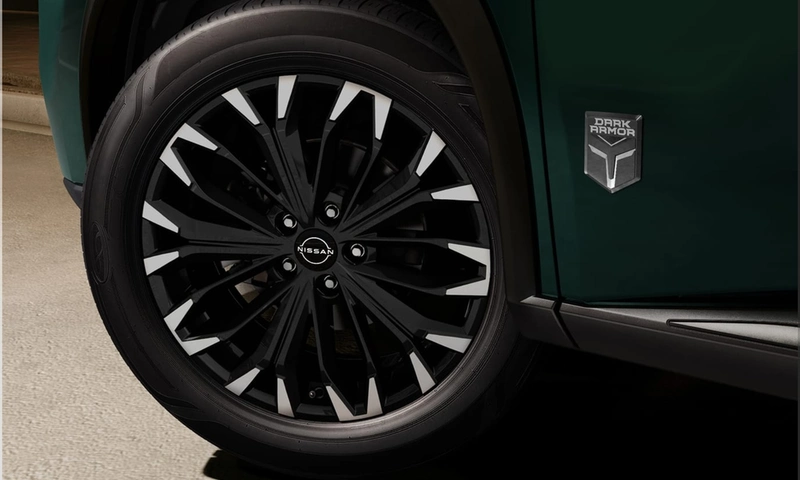
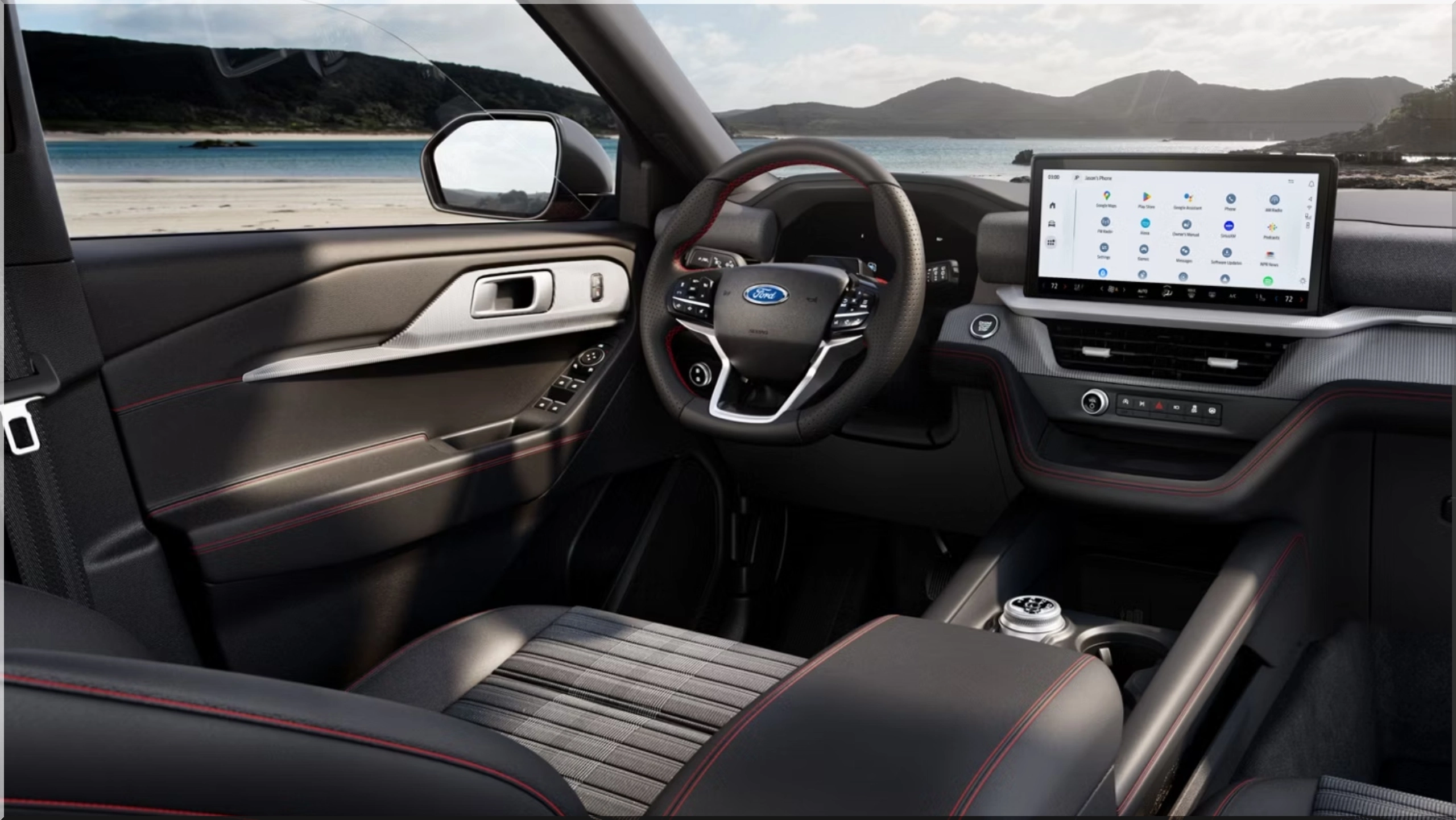
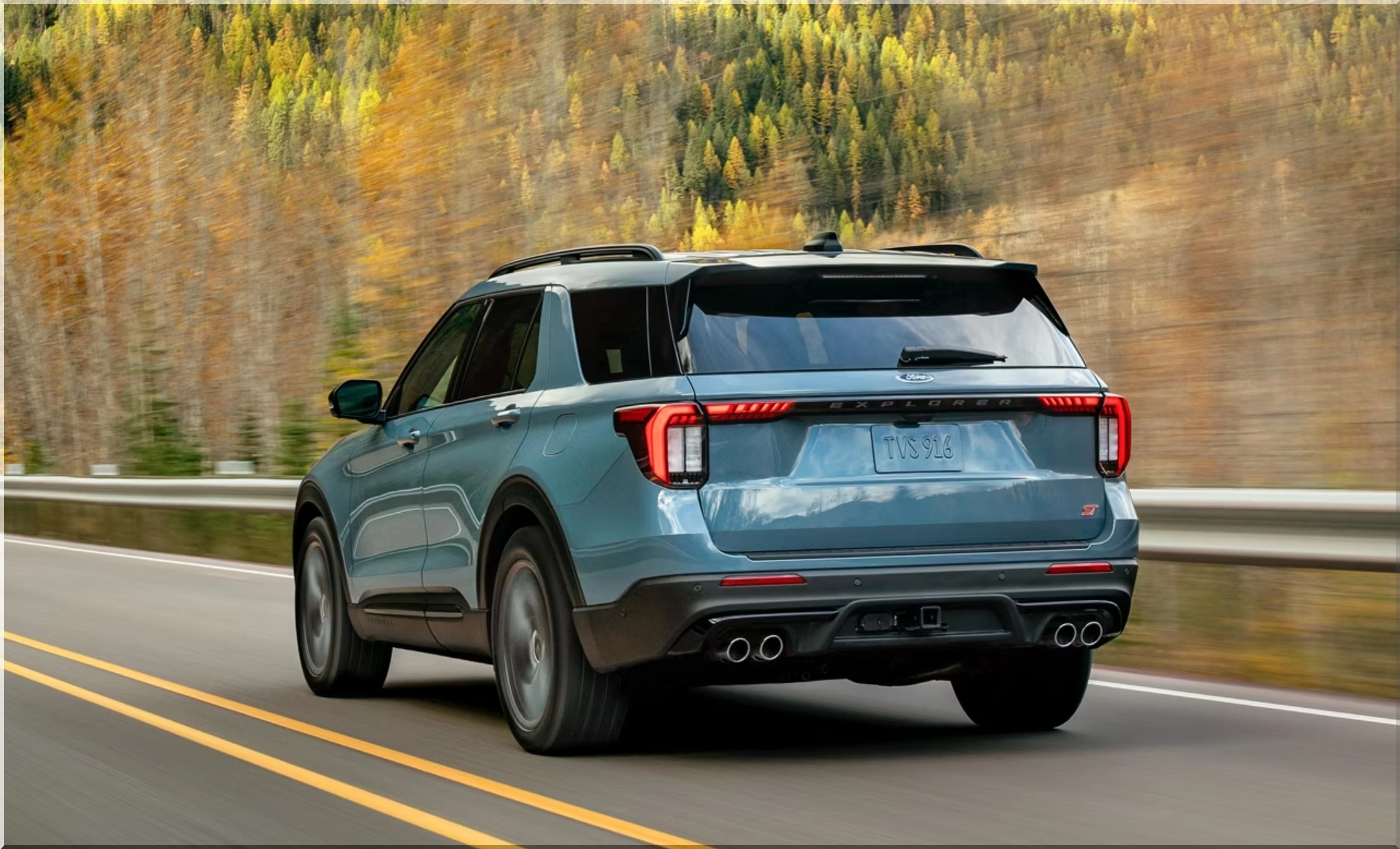
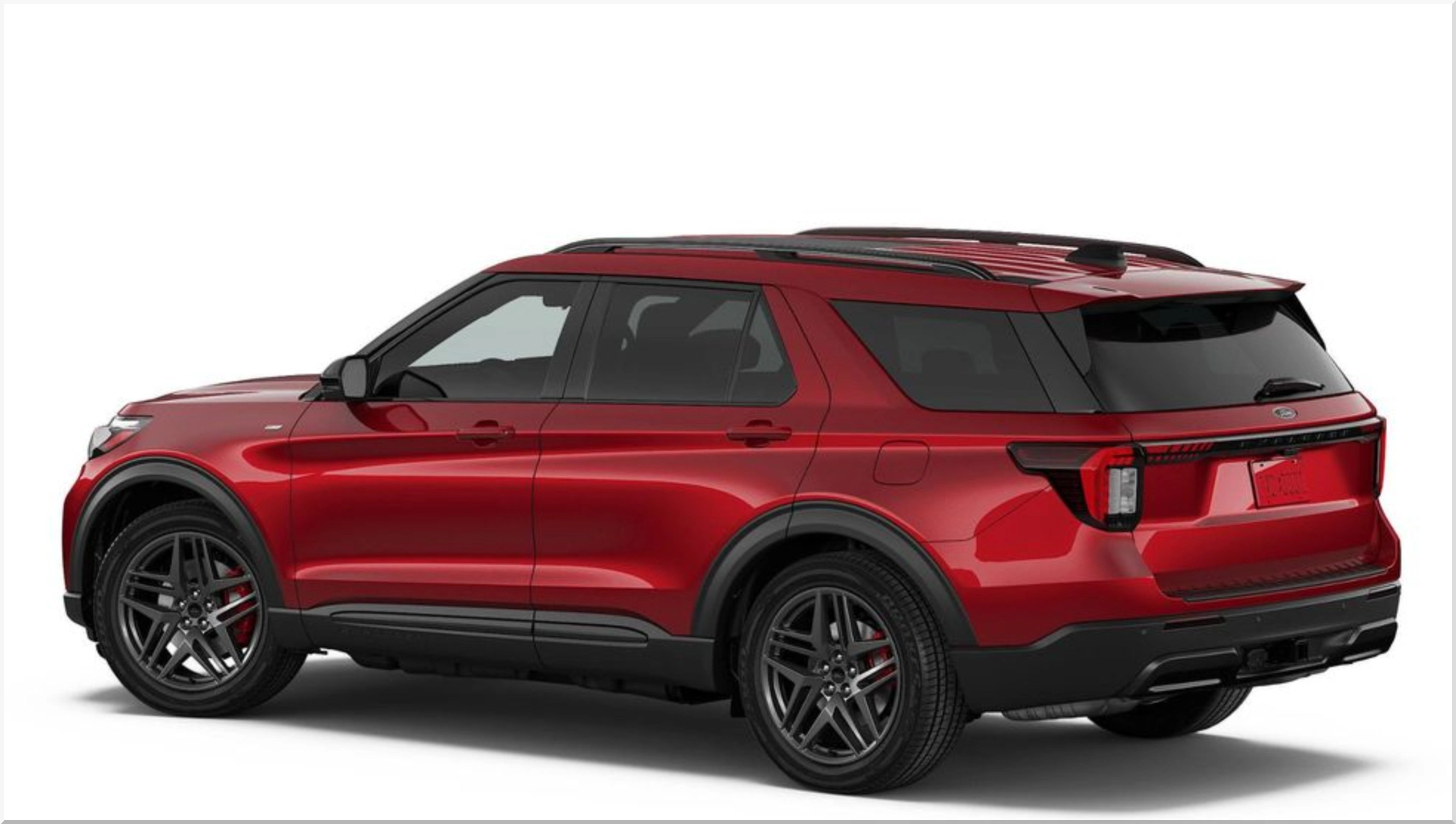
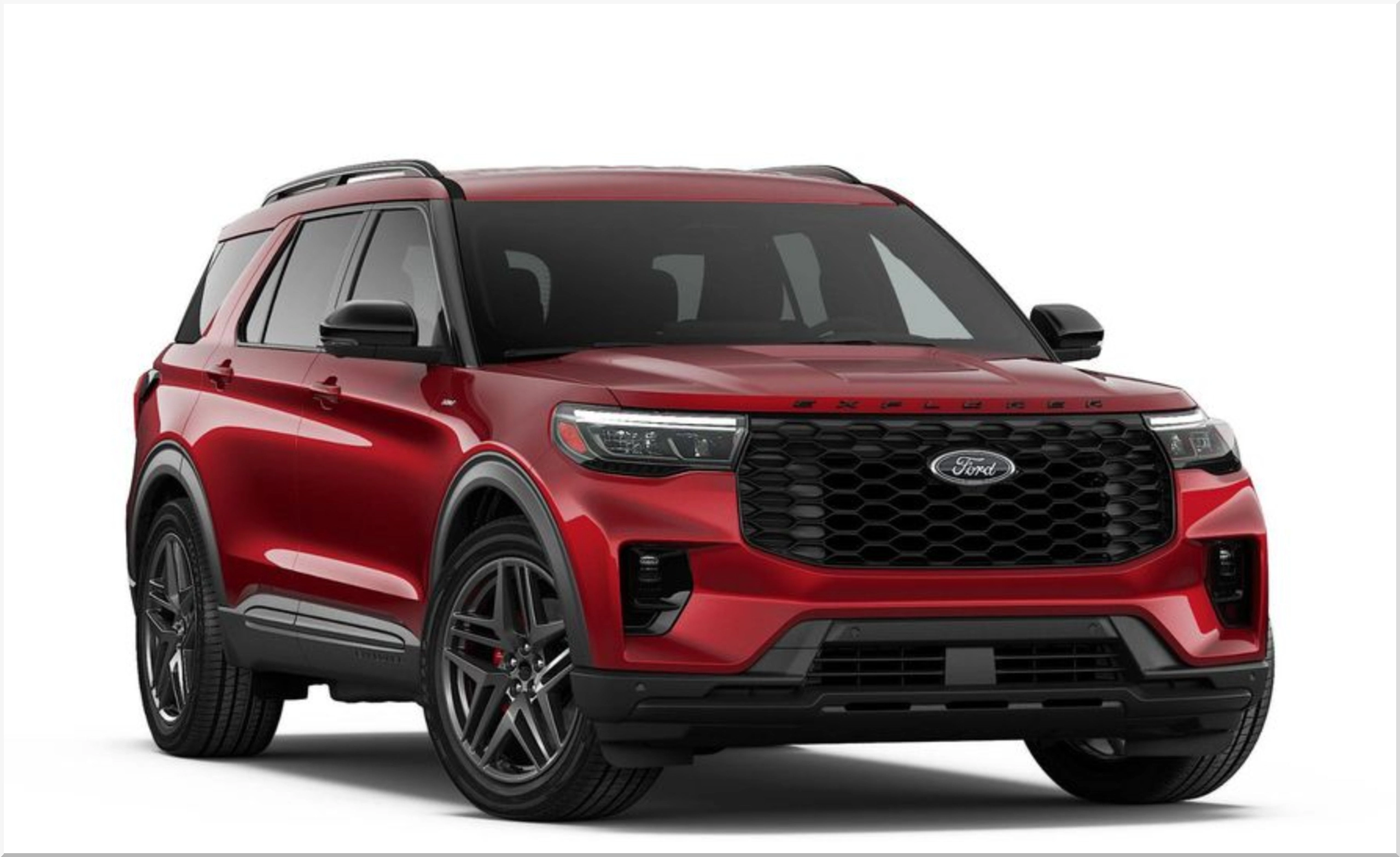
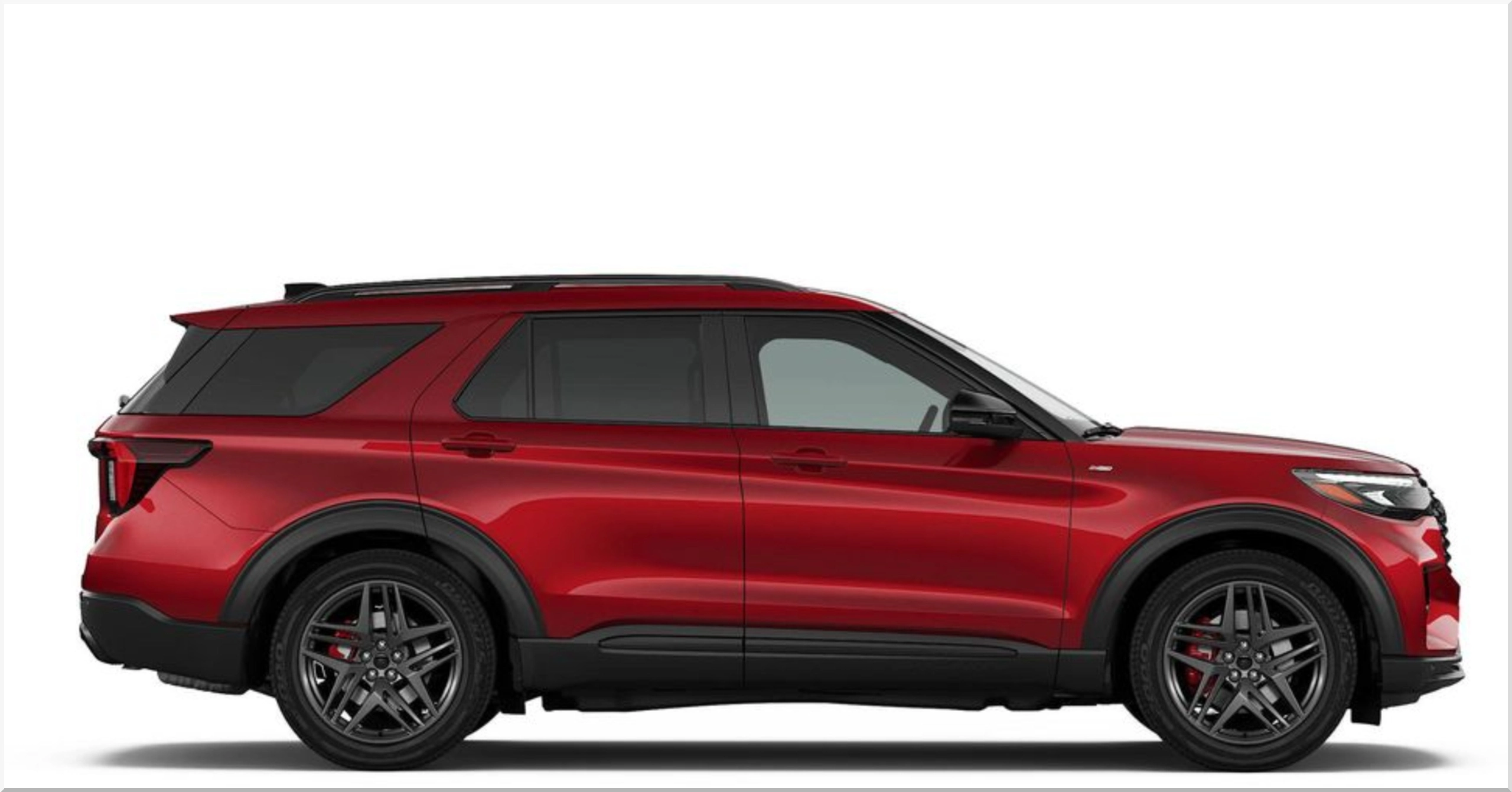
The Explorer ST adds a sport-tuned suspension, 21-inch wheels, wide all-season tires, performance brakes with red calipers, paddle shifters, and a flat-bottom heated steering wheel. Ford also gives the ST a lower stance than softer Explorer trims, which helps reduce body motion during quick transitions.
This matters because a three-row SUV carries height, mass, and family-duty compromises. Ford cannot cheat physics, but it can tune the suspension, tires, steering, and brake feel to give the driver more control. The ST feels like Ford built it for fast real roads, not fantasy lap times.
Key driver-focused features include:
- Sport-tuned suspension for tighter body control
- 21-inch aluminum wheels with a wide tire footprint
- Performance brakes with red-painted calipers
- Paddle shifters for manual gear selection
- Selectable drive modes for changing road conditions
- Available Intelligent 4WD for added traction
By comparison, the Explorer ST-Line gives buyers the sporty appearance without the full V6 hardware. That trim will make sense for style-first shoppers. The ST makes sense for people who want the engine to match the badge.
Fuel Economy: The Cost Of Real Power
The 2026 Ford Explorer ST MPG rating sits at 18 mpg city and 25 mpg highway. Rear-wheel-drive models carry a combined rating of 21 mpg, while Intelligent 4WD models drop slightly to 20 mpg combined.
| Drivetrain | City MPG | Highway MPG | Combined MPG |
|---|---|---|---|
| 3.0L EcoBoost V6 RWD | 18 | 25 | 21 |
| 3.0L EcoBoost V6 Intelligent 4WD | 18 | 25 | 20 |
That one-mpg difference between rear-wheel drive and 4WD makes the decision easy for many buyers. If you live in Michigan, Colorado, New England, Pennsylvania, or anywhere with rough winter weather, the added traction will likely justify the small efficiency hit. If you live in Arizona or Florida and rarely leave dry pavement, rear-wheel drive keeps the ST lighter and slightly more efficient.
Towing Capacity: 5,000 Pounds With Useful Hardware
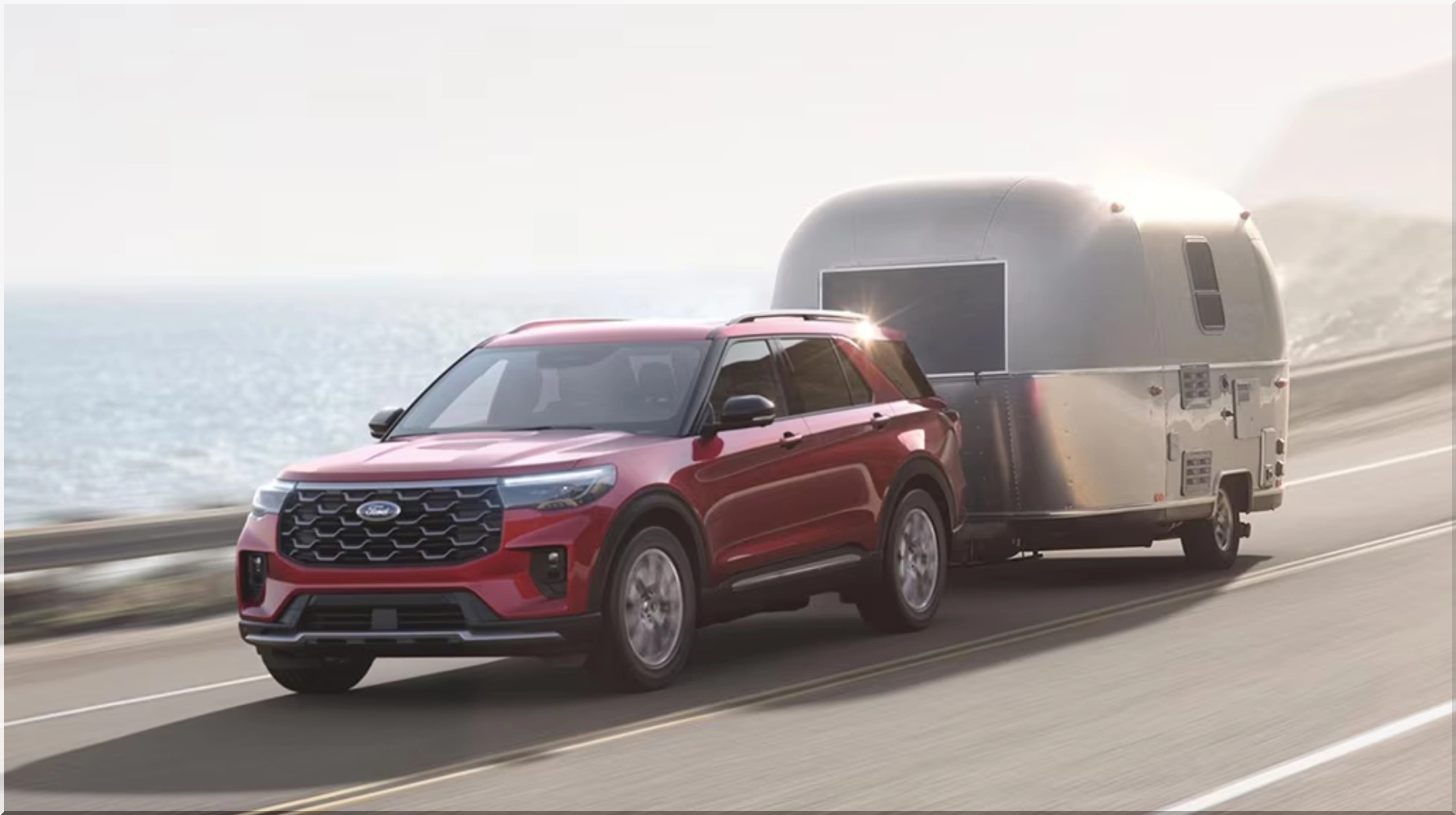
The 2026 Ford Explorer ST towing capacity reaches 5,000 pounds when properly equipped. Ford gives the Explorer a Class III Tow Package, trailer wiring, and towing-focused driver assistance systems. That setup makes the ST useful for small campers, utility trailers, personal watercraft, dirt bikes, ATVs, and weekend gear.
Still, 5,000 pounds does not mean every 5,000-pound trailer makes sense. Tongue weight, passengers, cargo, fuel, roof racks, and camping gear all count against the real-world load picture. A trailer that looks fine on paper can feel much heavier once the whole family climbs aboard.
Pro-Tip: Shop Trailer Weight Like An Engineer
Use loaded trailer weight, not dry trailer weight. Add water, propane, tools, batteries, food, luggage, hitch gear, and passengers before you decide the Explorer ST can tow your setup comfortably. If your trailer regularly pushes the limit, move up to a truck or full-size SUV.


Interior Space: Three Rows With Daily Use Built In
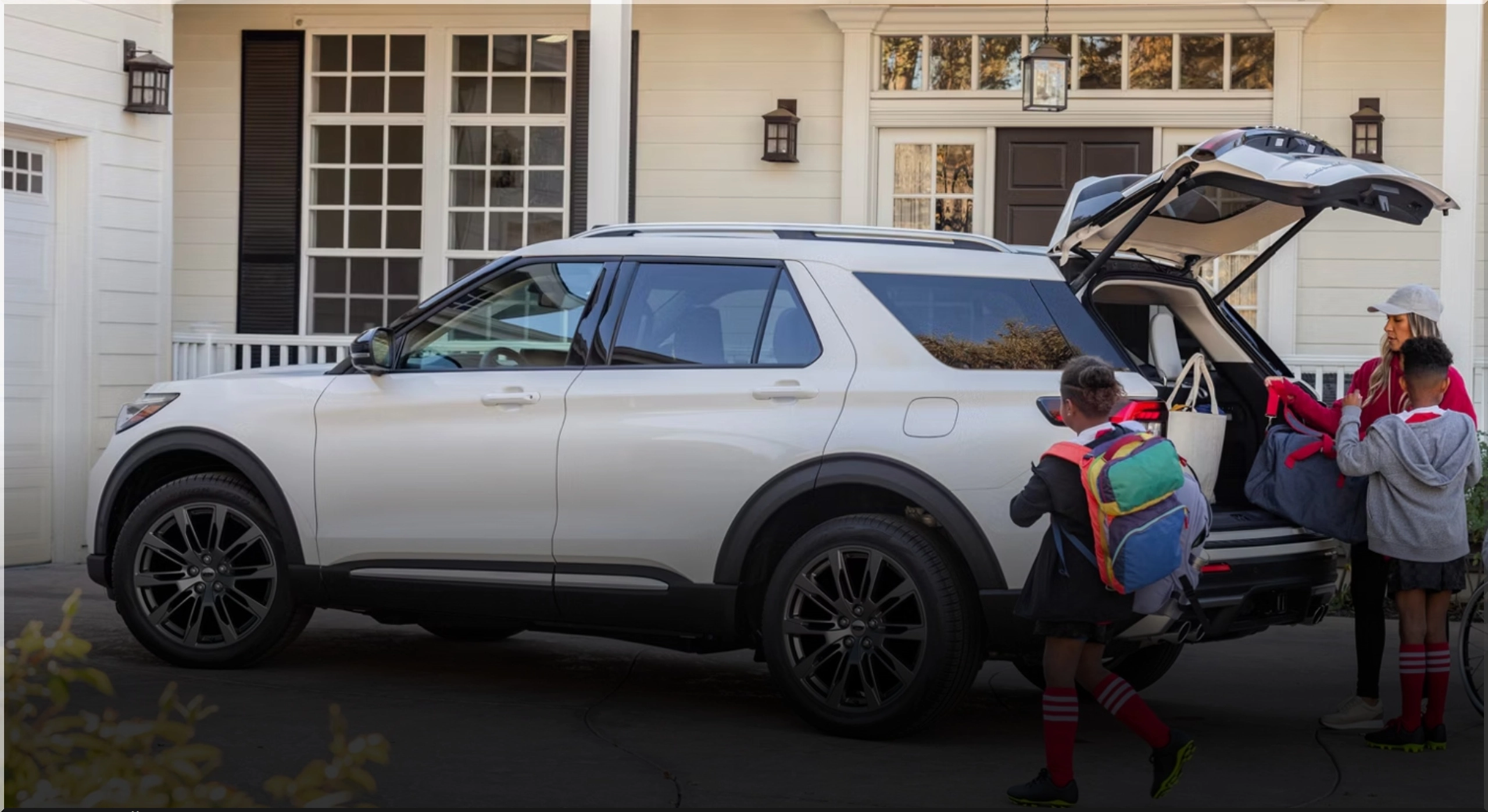
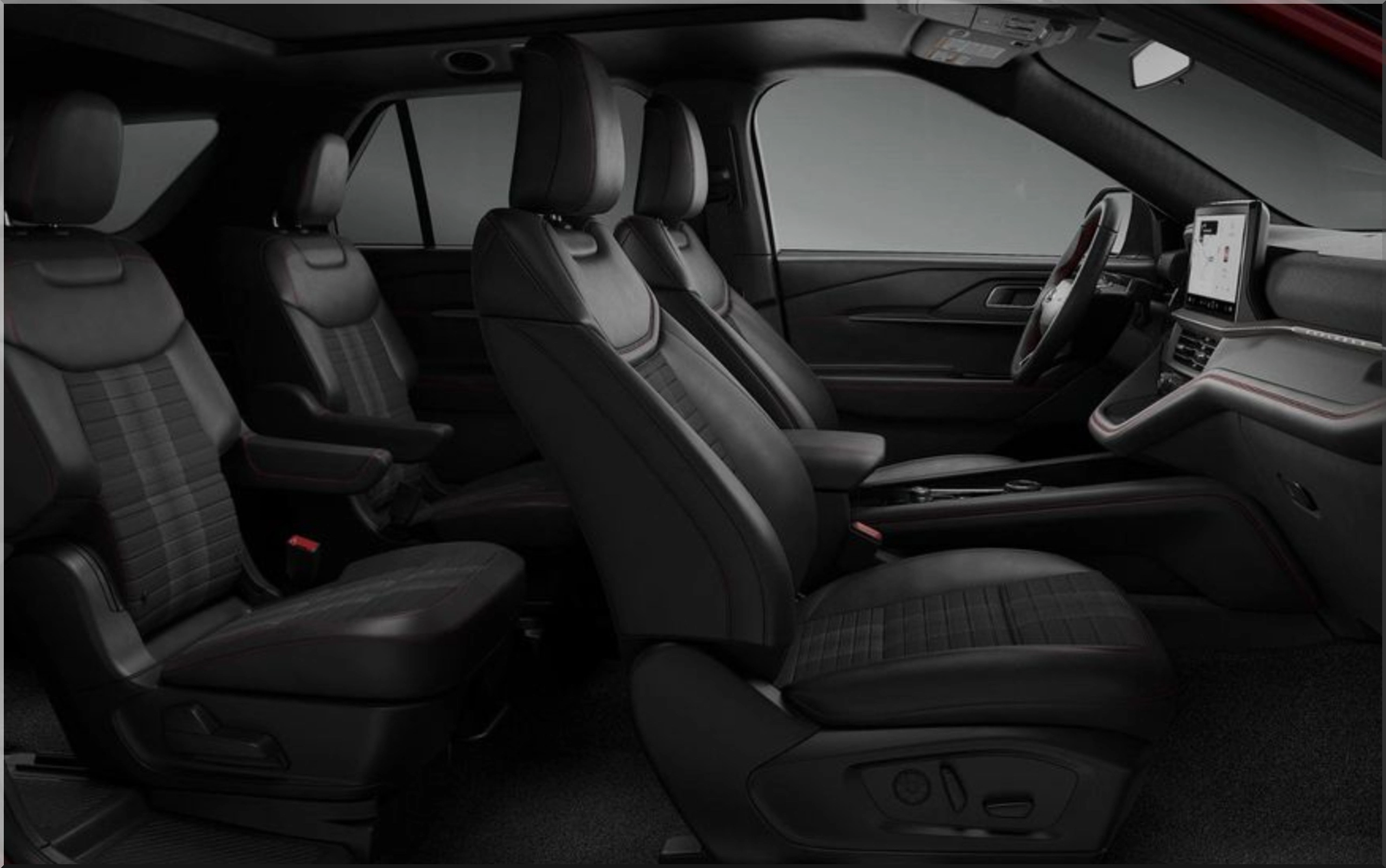
The 2026 Ford Explorer ST interior seats six passengers as standard with second-row captain's chairs. Buyers can choose a second-row bench to raise seating capacity to seven. Families with car seats will likely prefer the captain's chairs for easier third-row access, while larger households may want the bench.
The cabin gives front passengers generous space, keeps the second row adult-friendly, and reserves the third row for kids, shorter adults, or occasional use. That layout matches the midsize three-row class. Nobody should confuse it with a Ford Expedition, but the Explorer remains easier to park and more manageable in tight urban spaces.
| Interior Measurement | 2026 Ford Explorer ST |
|---|---|
| Front headroom | 40.7 in |
| Second-row headroom | 40.5 in |
| Third-row headroom | 38.9 in |
| Front legroom | 42.9 in |
| Second-row legroom | 37.0 in |
| Third-row legroom | 31.8 in |
| Passenger volume | 149.5 cu ft |
| Cargo behind third row | 16.3 cu ft |
| Maximum cargo space | 85.3 cu ft |
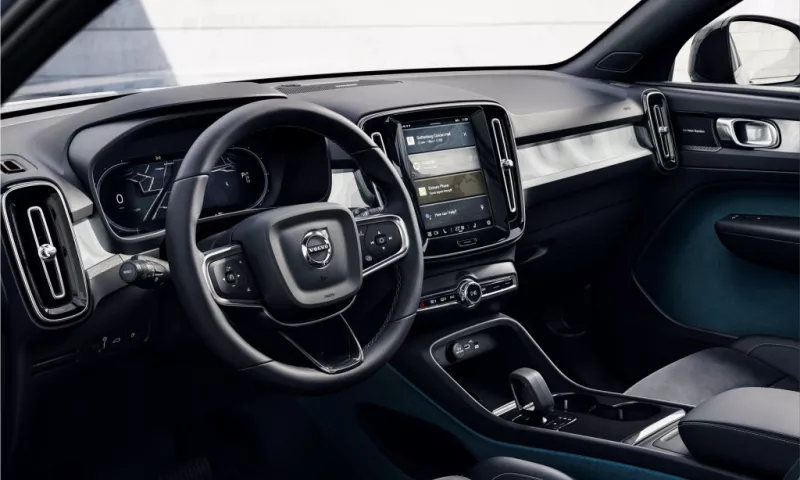
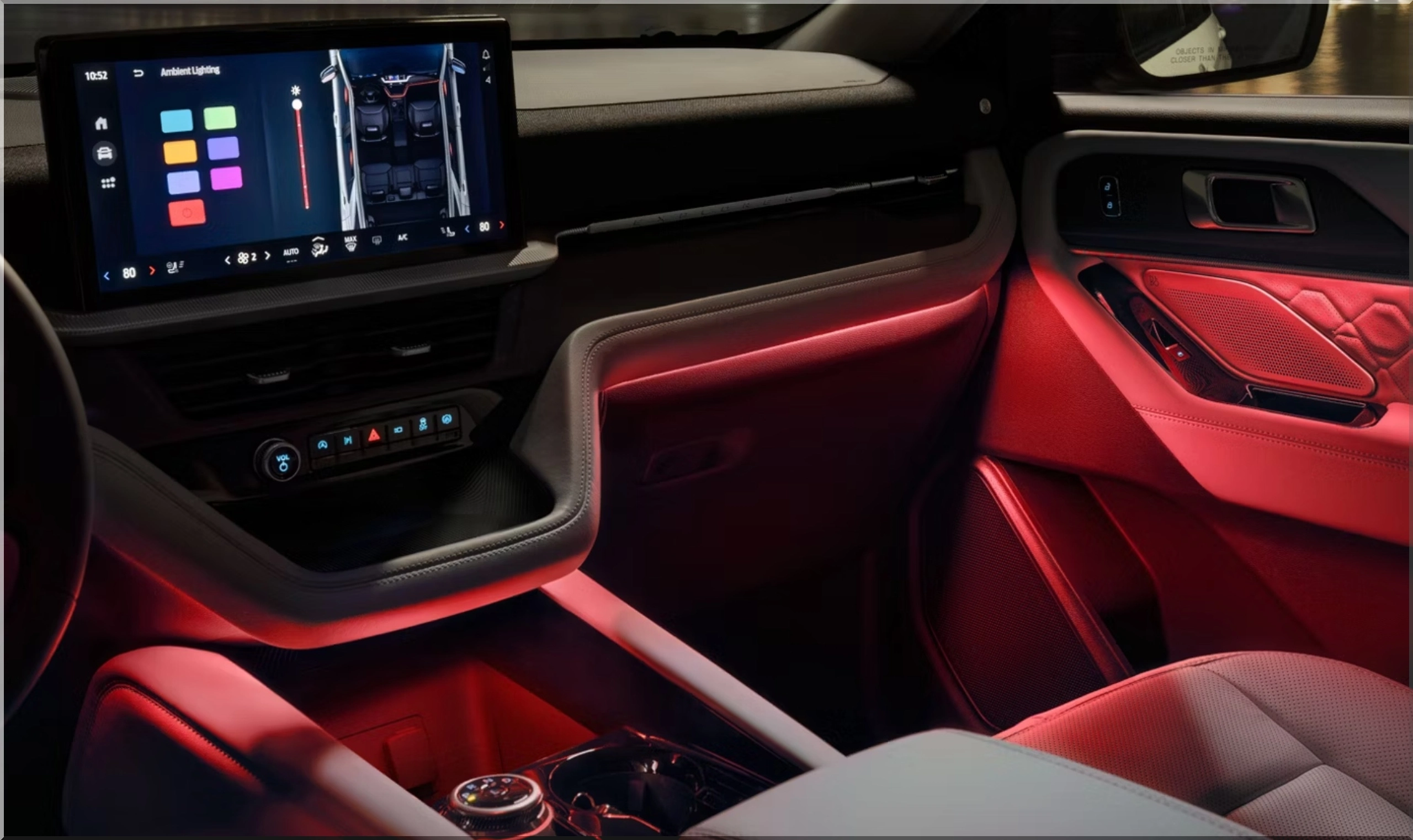
In addition, Ford fits the ST with comfort features that matter during long ownership: tri-zone automatic climate control, rear climate controls, active noise cancellation, acoustic-laminate front glass, a power liftgate, and PowerFold third-row seats. Those details reduce daily friction. Parents will appreciate them more after the third grocery run of the week.
Technology And Safety: Big Screens, Better Cameras, Less Guesswork
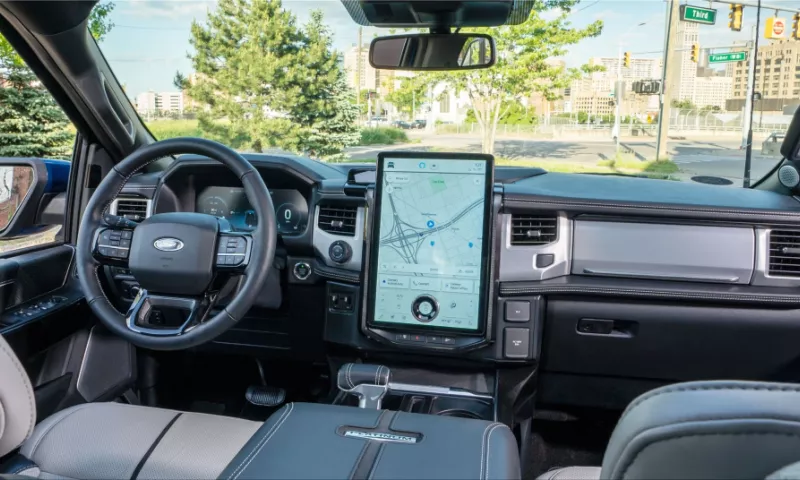
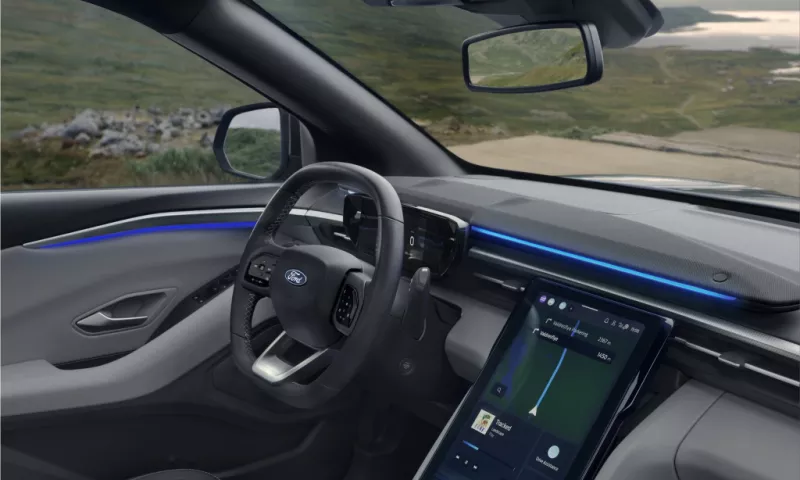
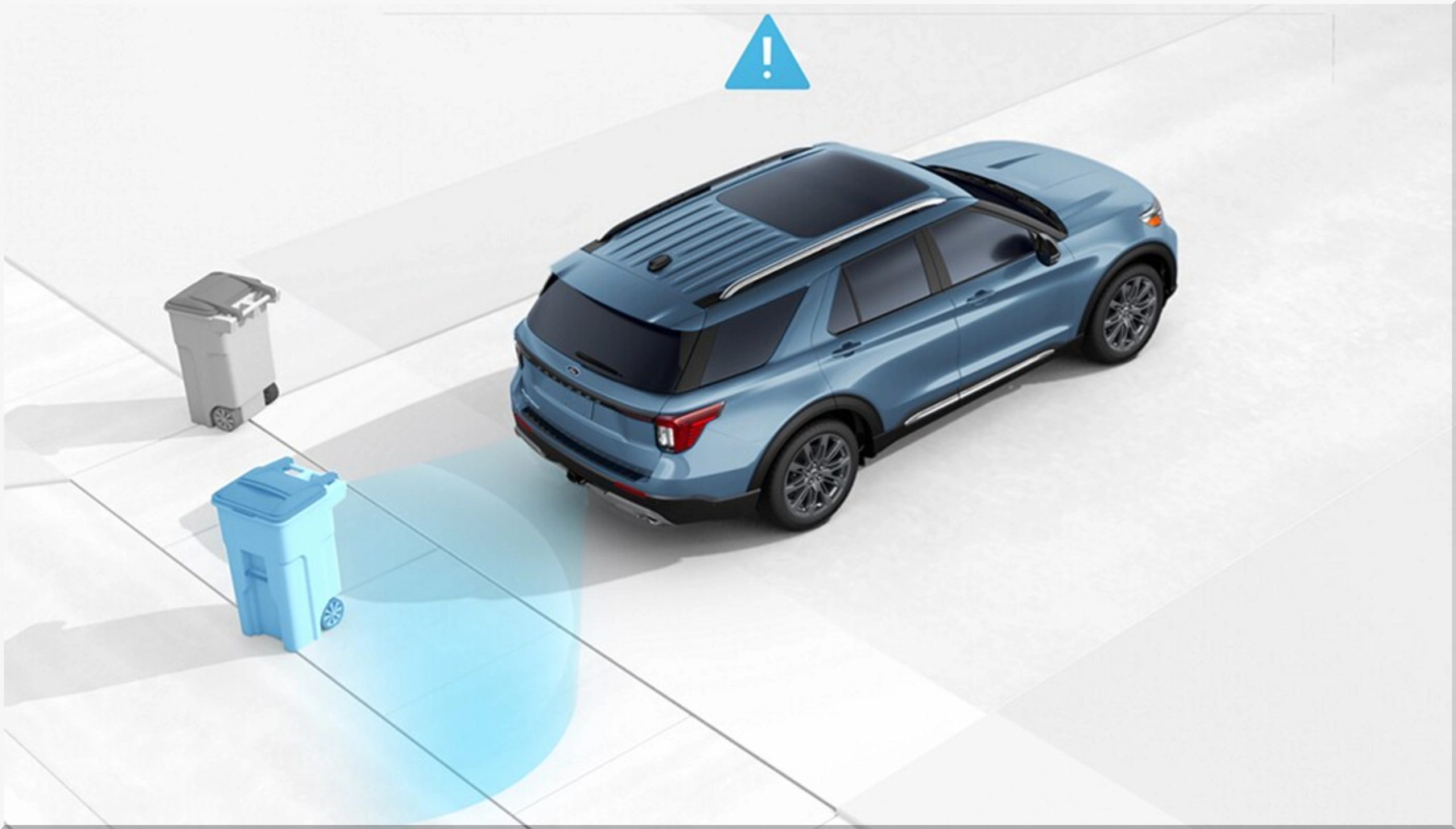
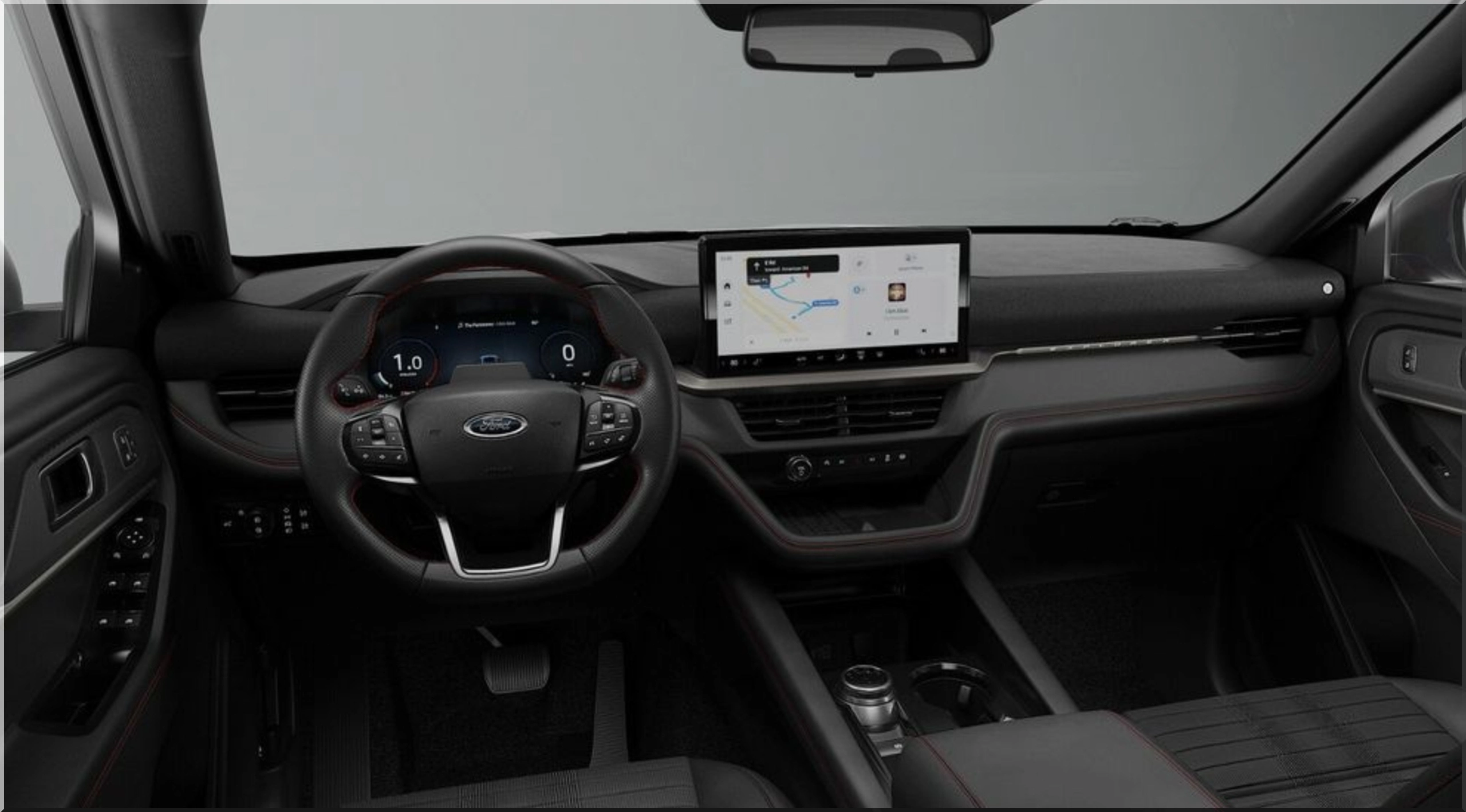
The 2026 Ford Explorer ST technology package includes a digital instrument cluster, a large center touchscreen, wireless smartphone integration, a 360-degree camera, front and rear parking sensors, lane-keeping assistance, Reverse Brake Assist, and available BlueCruise hands-free highway driving.
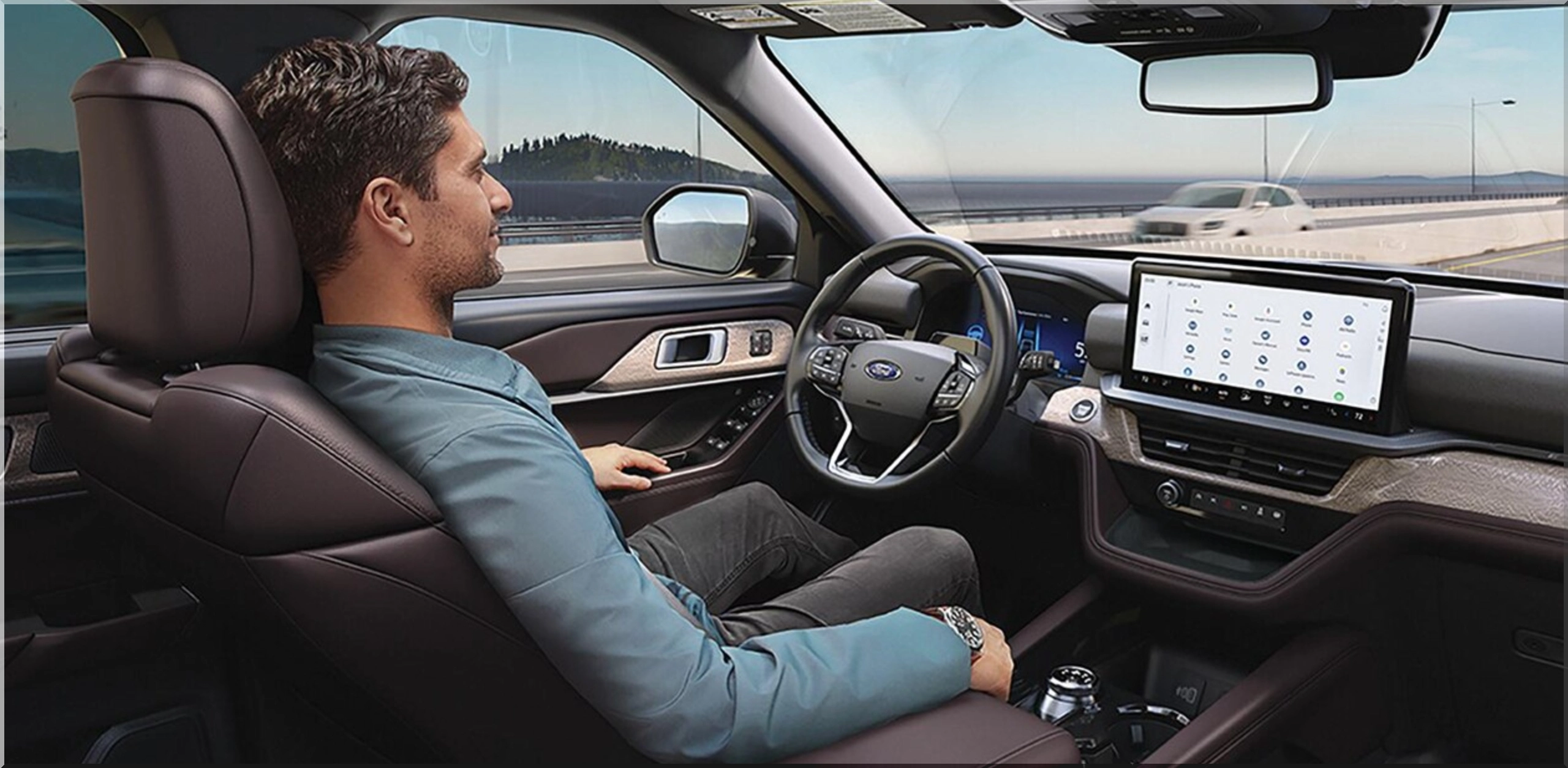
BlueCruise gives the ST a stronger road-trip pitch. On approved highways, the system can reduce driver fatigue by handling steering support under proper conditions. The driver still stays responsible, but the system helps during long, steady interstate drives where fatigue creeps in quietly.
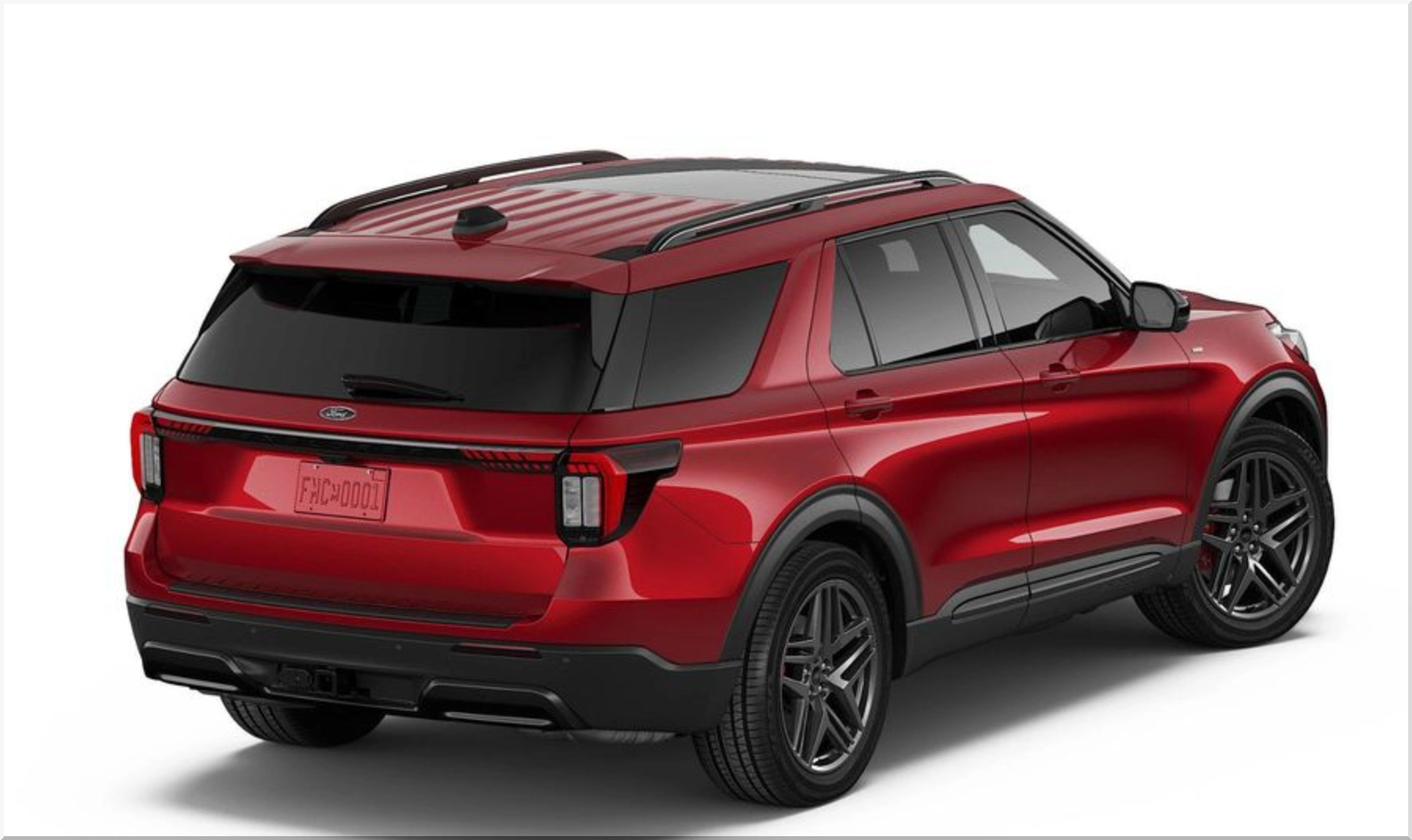
For towing and family driving, the camera system may matter even more. A 198.7-inch SUV with a trailer behind it needs visibility. The 360-degree camera helps drivers place the vehicle in parking lots, tight garages, campsites, boat ramps, and crowded school pickup lanes.
Price And Trim Logic: Who Should Pick The ST?
The 2026 Ford Explorer ST price sits in premium midsize SUV territory once destination charges, options, taxes, and dealer fees enter the picture. That means buyers should avoid choosing the ST only for its appearance. Ford already sells the ST-Line for that role.
Choose the ST if you want the stronger V6, sharper chassis tuning, better braking hardware, higher driver engagement, and proper performance character. Choose a lower Explorer trim if fuel economy, monthly payment, or simple family transportation ranks higher than speed.
What Now?
Shortlist the 2026 Ford Explorer ST if you need one SUV to handle weekday family duty and weekend fun. Test-drive both rear-wheel drive and Intelligent 4WD if your dealer has them. Pay attention to ride quality on rough pavement, third-row access with your car-seat setup, and how easily the cargo area handles your real gear.
Final Verdict: A Three-Row SUV With A Pulse
The 2026 Ford Explorer ST works because it understands its buyer. It gives American families useful space, strong towing capability, modern driver assistance tech, and enough performance to make the driver care.
It will not deliver hybrid-like fuel savings. It will not replace a full-size SUV for maximum towing or adult-sized third-row comfort. But for buyers who want a 385-hp three-row SUV with real-world practicality and a sharper edge, the Explorer ST makes a convincing case.
- Add new comment
- 162 views