Electric Performance Now Has a New Benchmark
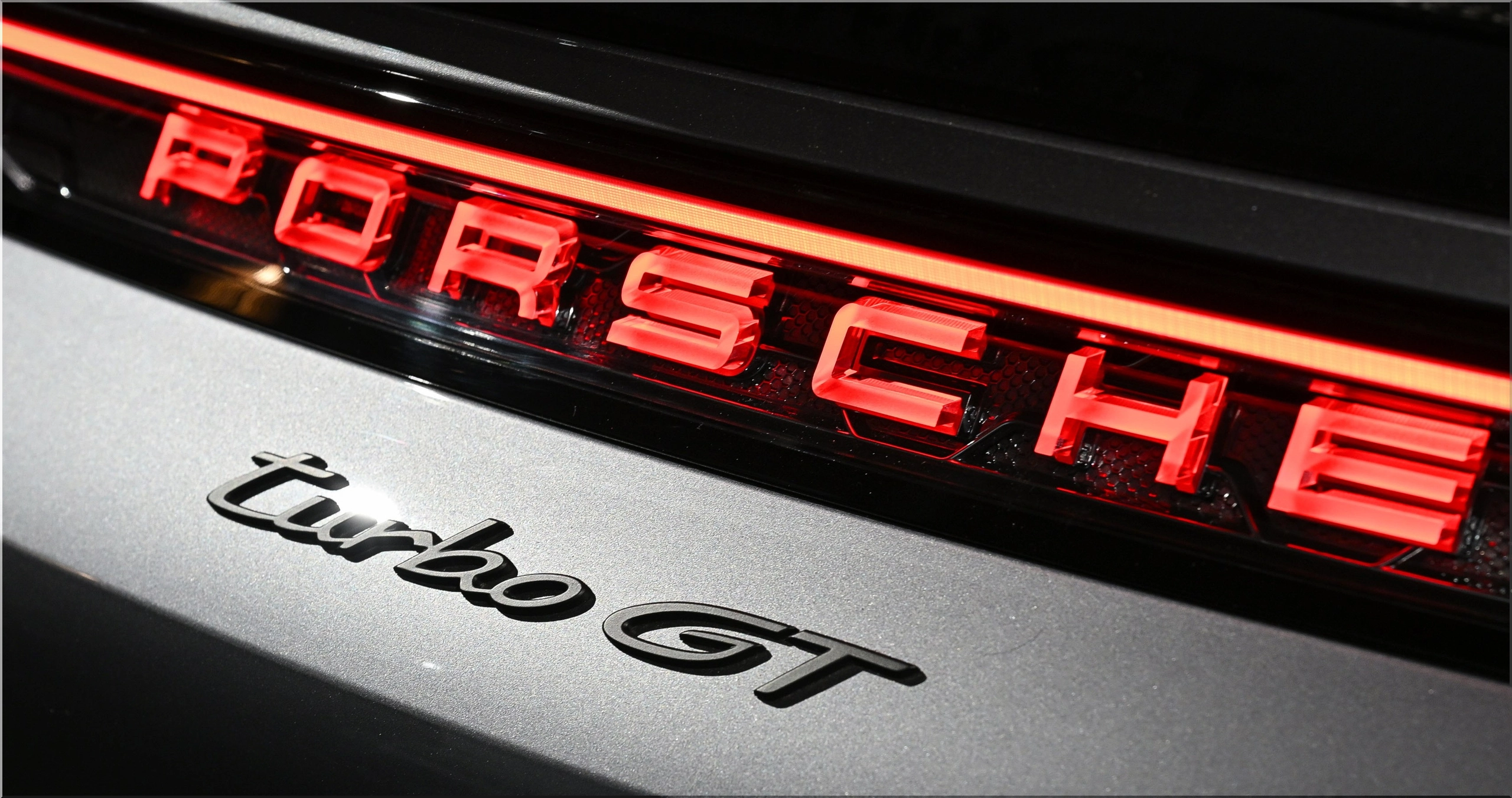
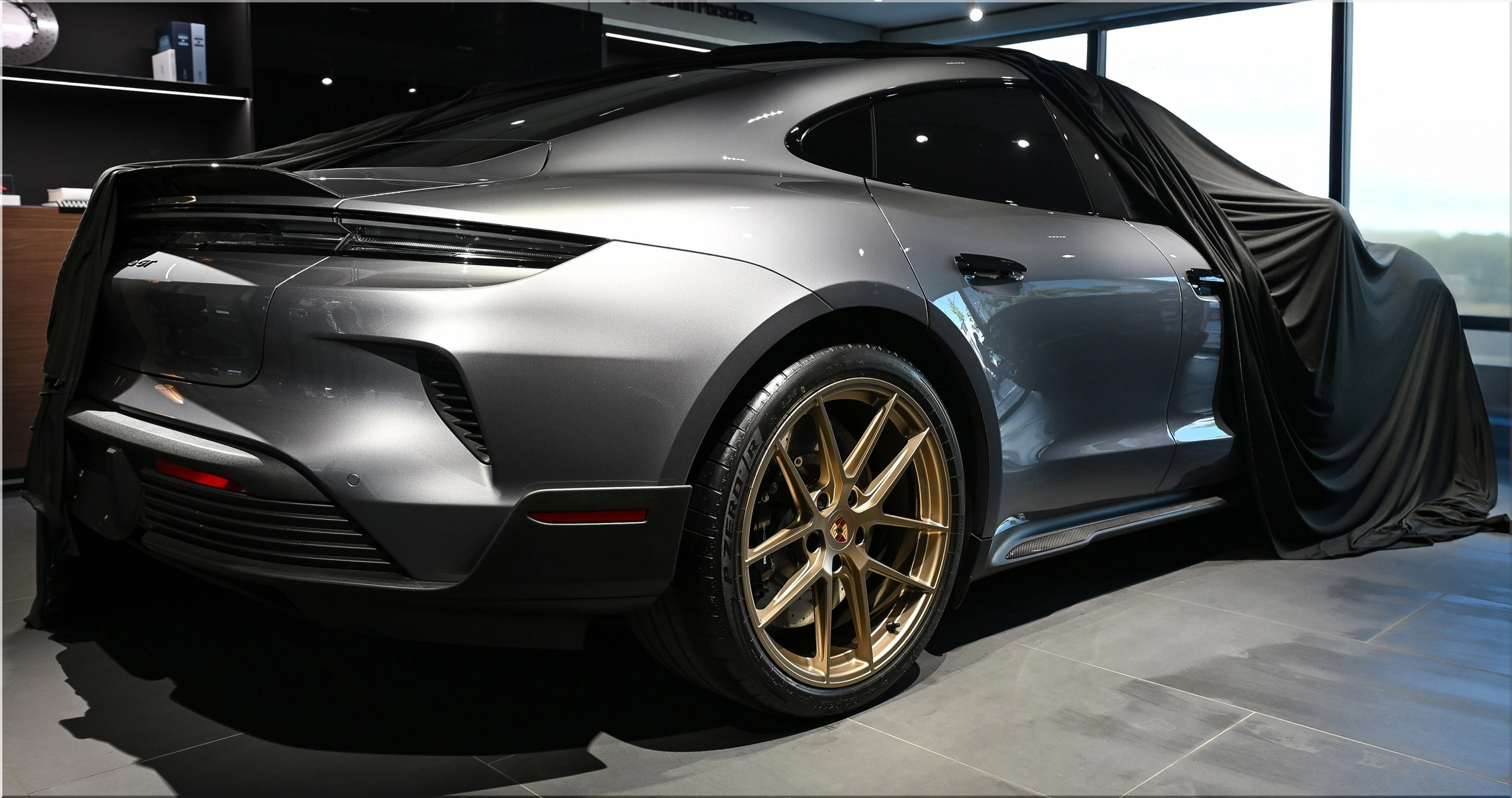
The 2025 Taycan Turbo GT delivers 1,108 horsepower at peak, sprinting from 0 to 62 mph in just 2.3 seconds. That makes it the most powerful production Porsche ever made—gas or electric.
With the EV market expanding rapidly, this car signals Porsche’s commitment to high-performance electrification without compromise. U.S. consumers focused on acceleration, handling, and usable range now have a new top-of-the-line benchmark.
Performance: Hard Numbers, No Hype
The Taycan Turbo GT’s specs are not marketing fluff—they’re measured results.
- Peak power output: 815 kW (1,108 hp) with Launch Control
- Max torque: 1,340 Nm (988 lb-ft)
- Acceleration (0–62 mph): 2.3 seconds
- Top speed: Electronically limited, likely over 190 mph
- Range: Up to 345 miles (WLTP estimated; EPA numbers may vary)
Porsche’s engineers used a rear-axle pulse inverter with silicon carbide semiconductors. This improves energy flow and minimizes losses. The result is repeatable, controlled speed—without thermal compromise.
Track-Focused, Street-Ready
This isn’t just about straight-line numbers. The Taycan Turbo GT inherits motorsport DNA. Porsche’s new Attack Mode gives drivers an extra 120 kW (161 hp) for 10 seconds—on demand. Inspired by Formula E, it’s activated by a thumb switch on the steering wheel. Gloves? No problem. It works with them.
This function isn’t theoretical. It’s built for real-world use. Track day or canyon run, it’s available without prep or cooldown.
Lightweight Upgrades: Carbon Where It Counts
Weight savings matter. The Turbo GT features:
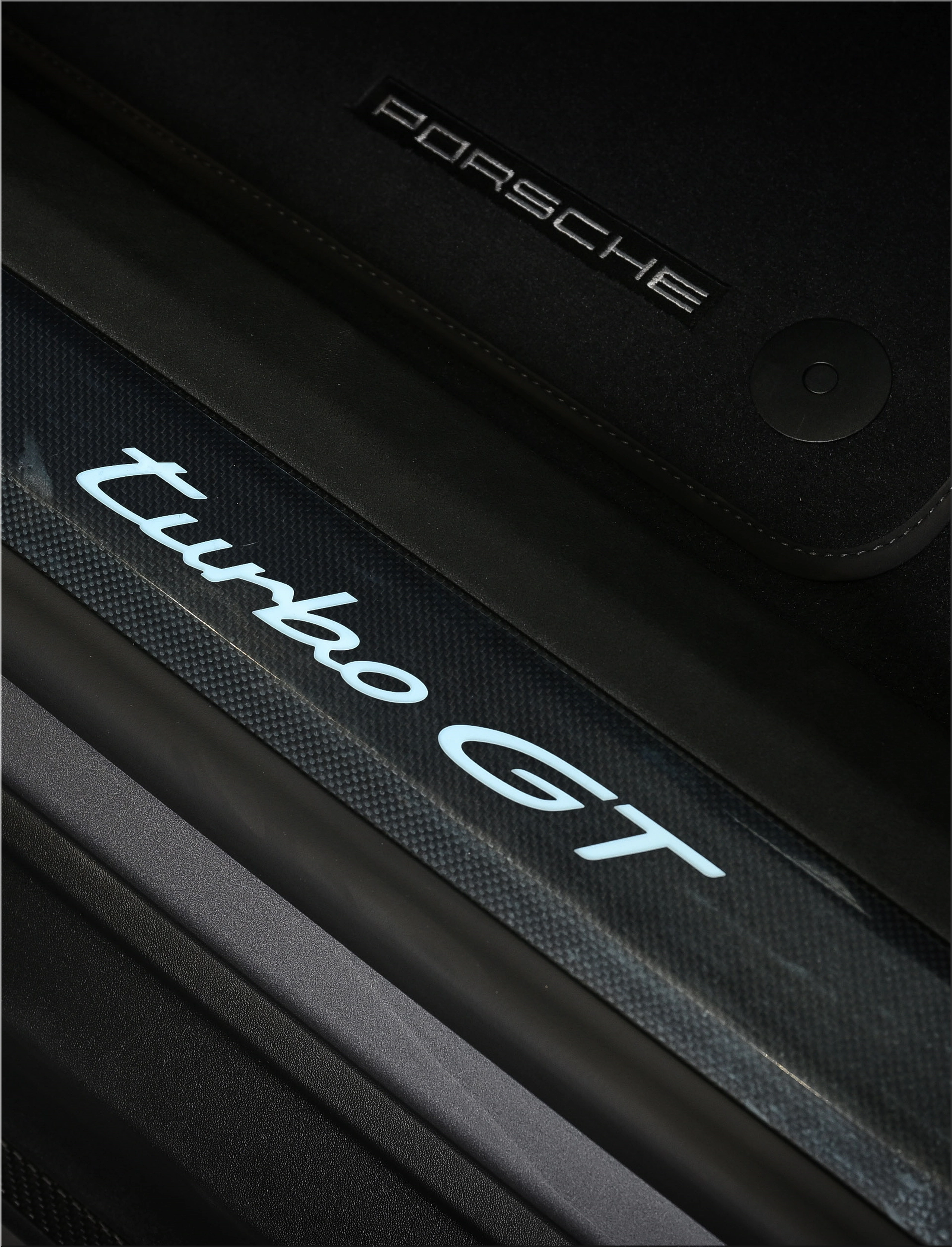
- Carbon fiber trim on the side skirts, mirrors, and B-pillars
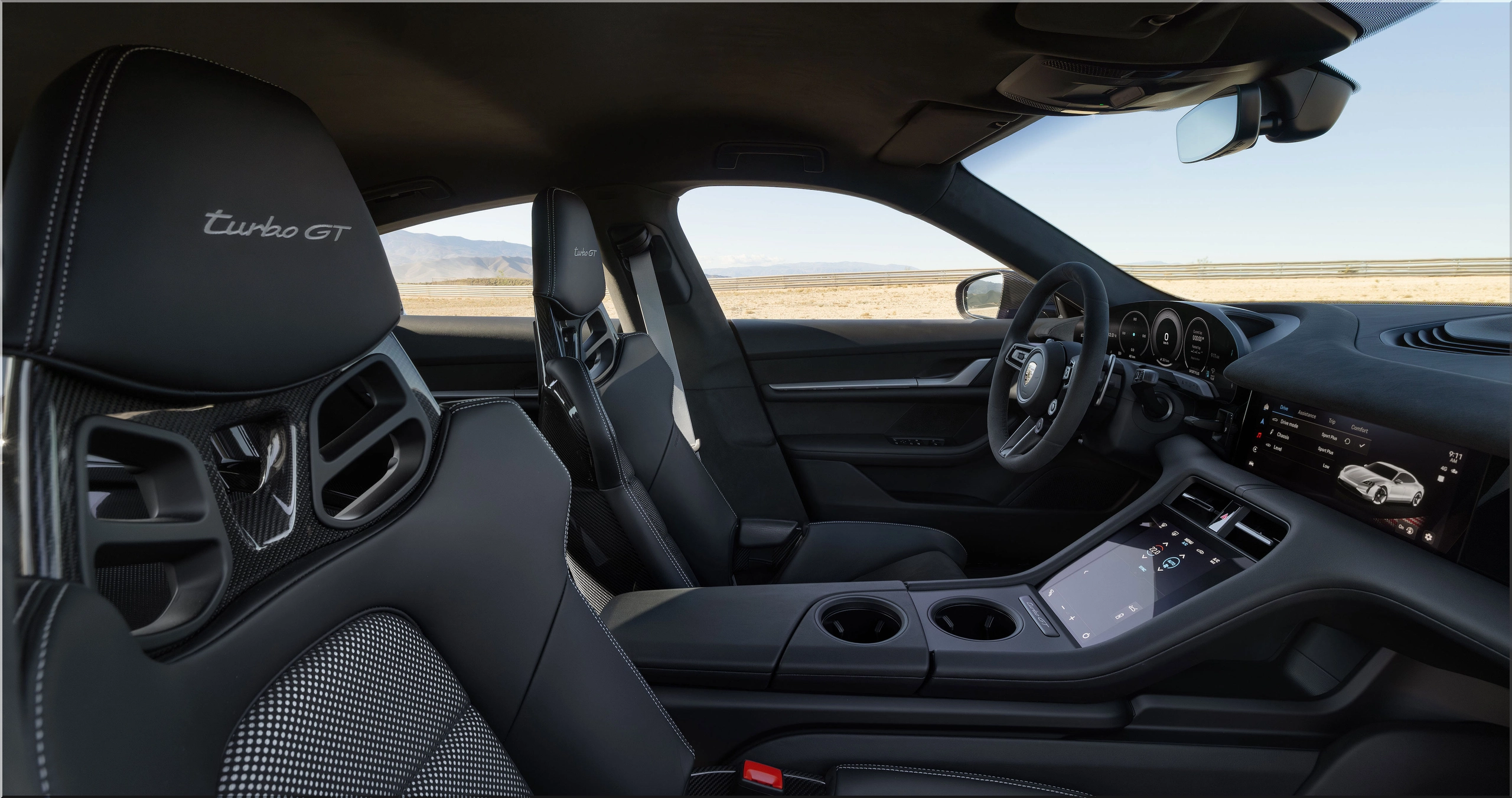
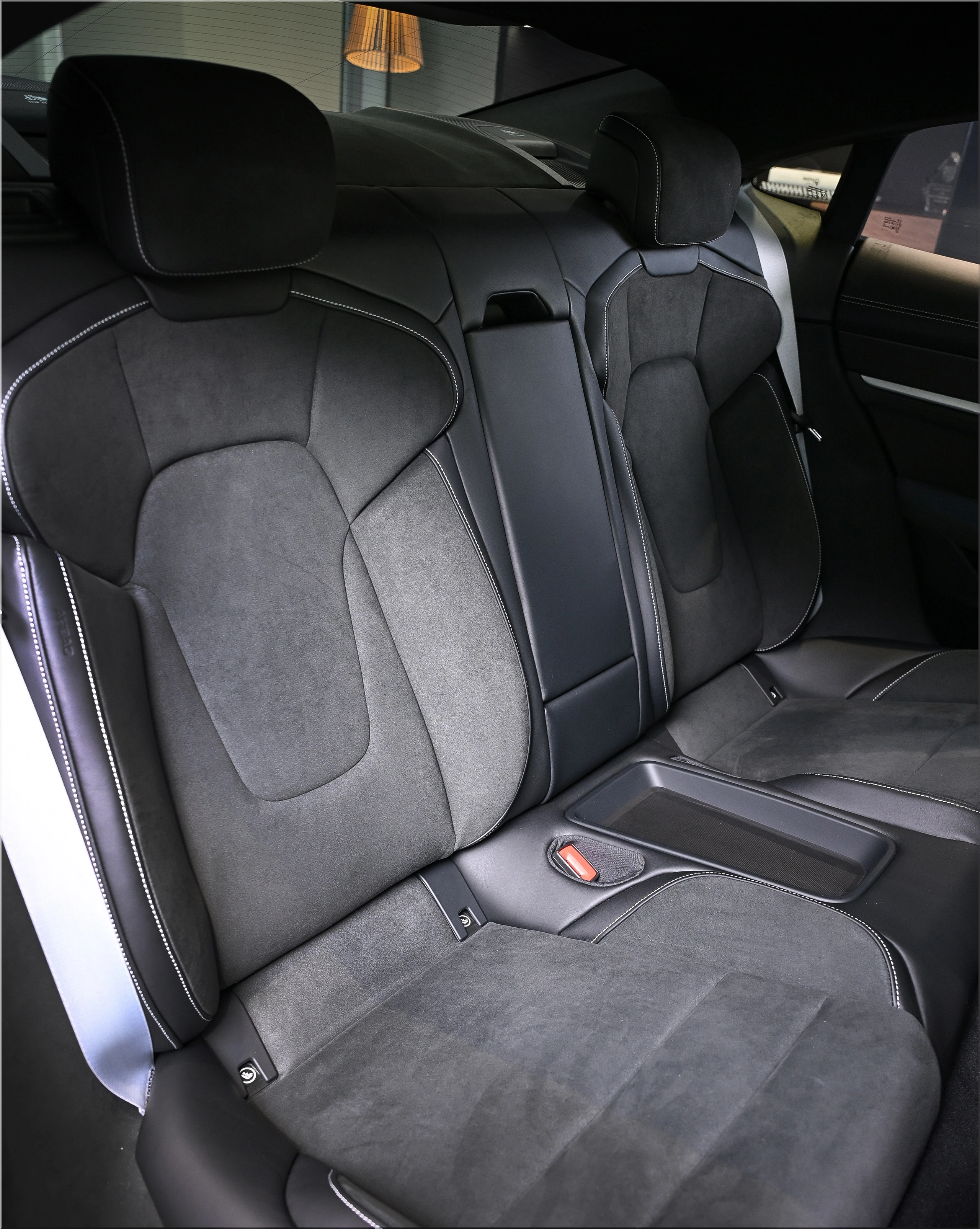
- Lightweight bucket seats made with carbon-fiber-reinforced plastic
- Race-Tex upholstery for improved grip and reduced mass
This helps reduce curb weight and lower the center of gravity. Porsche also shaved pounds off the ceramic composite brakes, which are now standard.
Suspension uses Porsche Active Ride, improving comfort and agility at speed. Whether you’re cornering hard or cruising uneven roads, body control stays tight.
Functional Aero, Not Cosmetic Flash
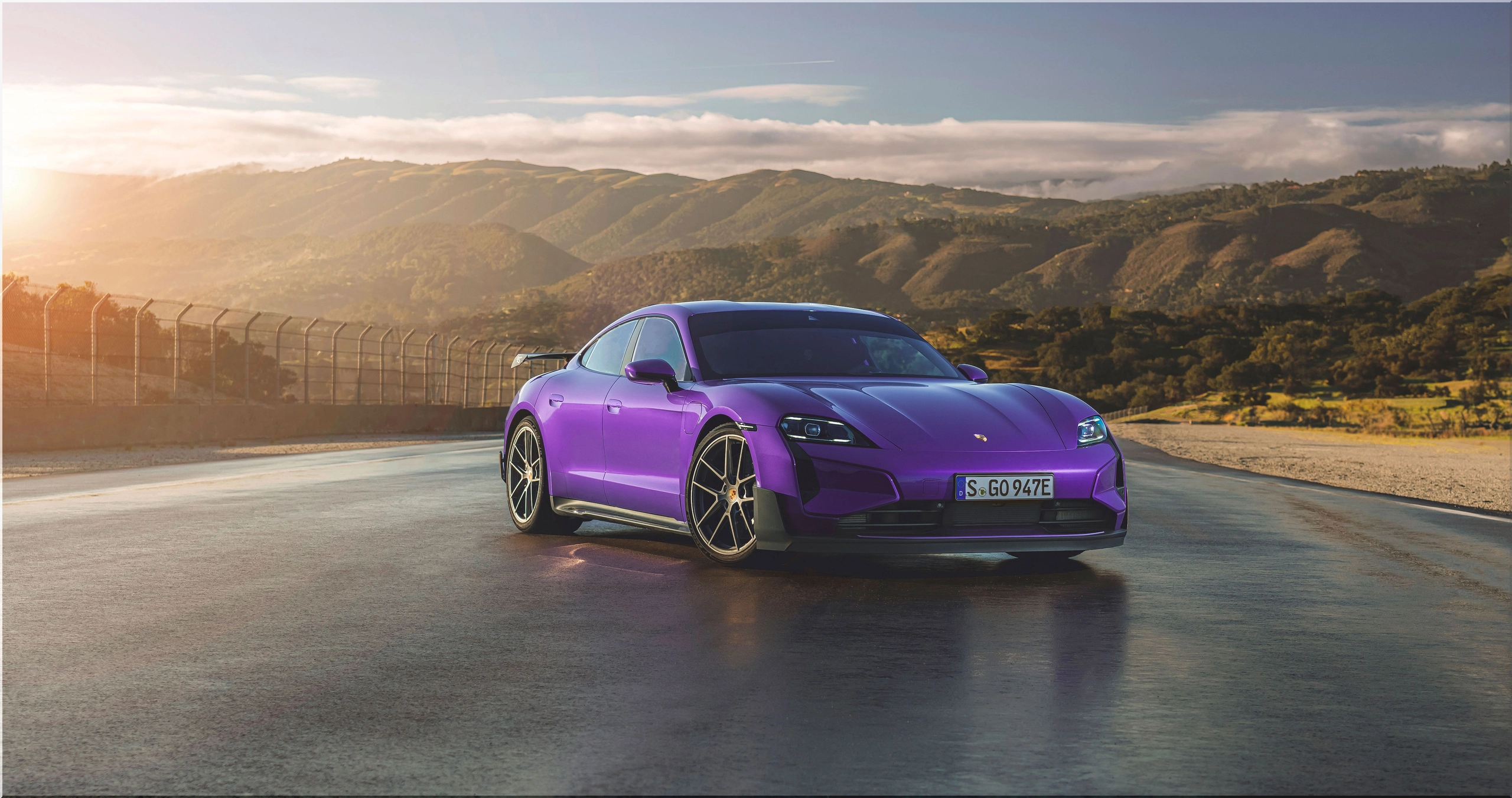
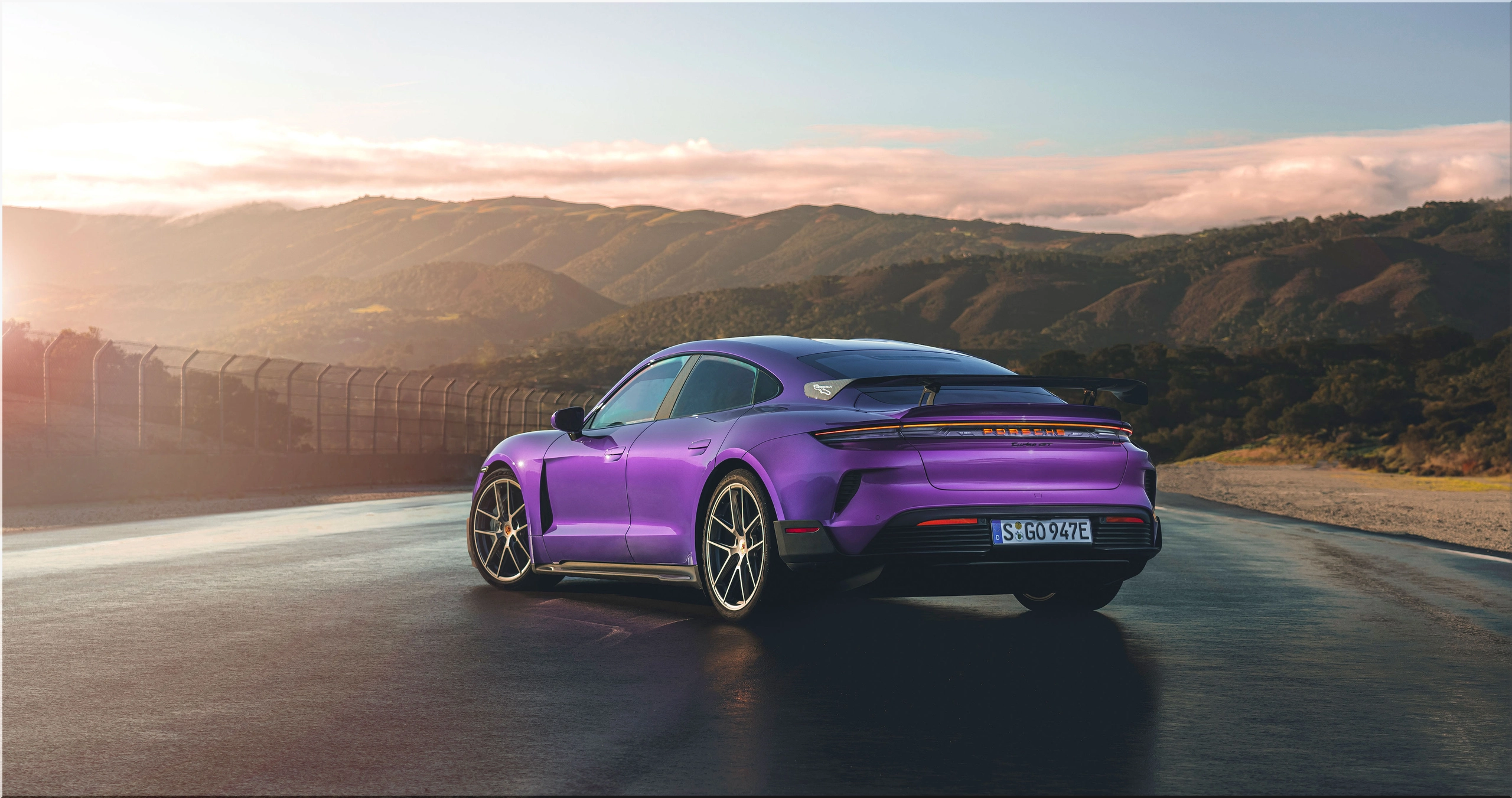
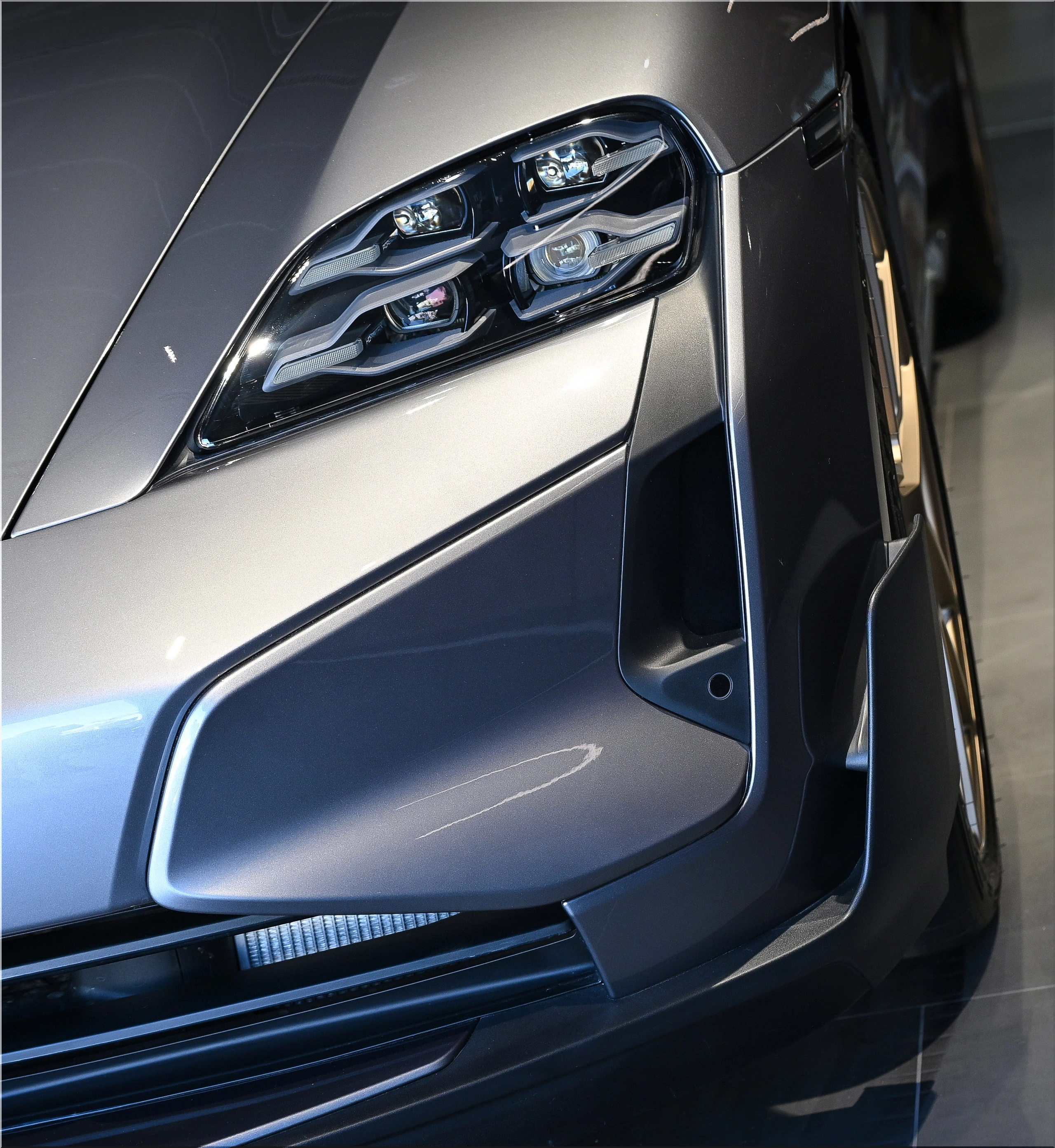
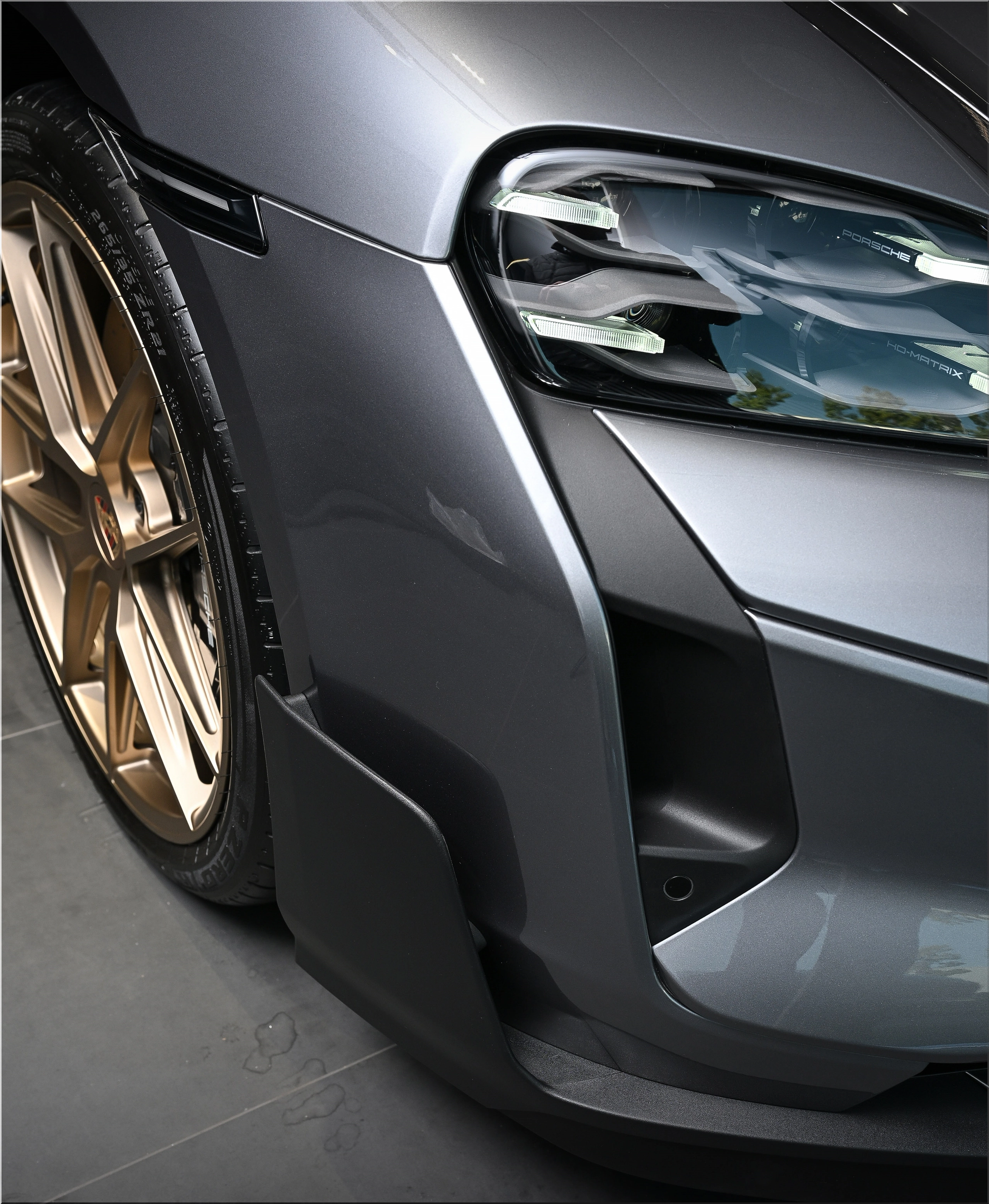
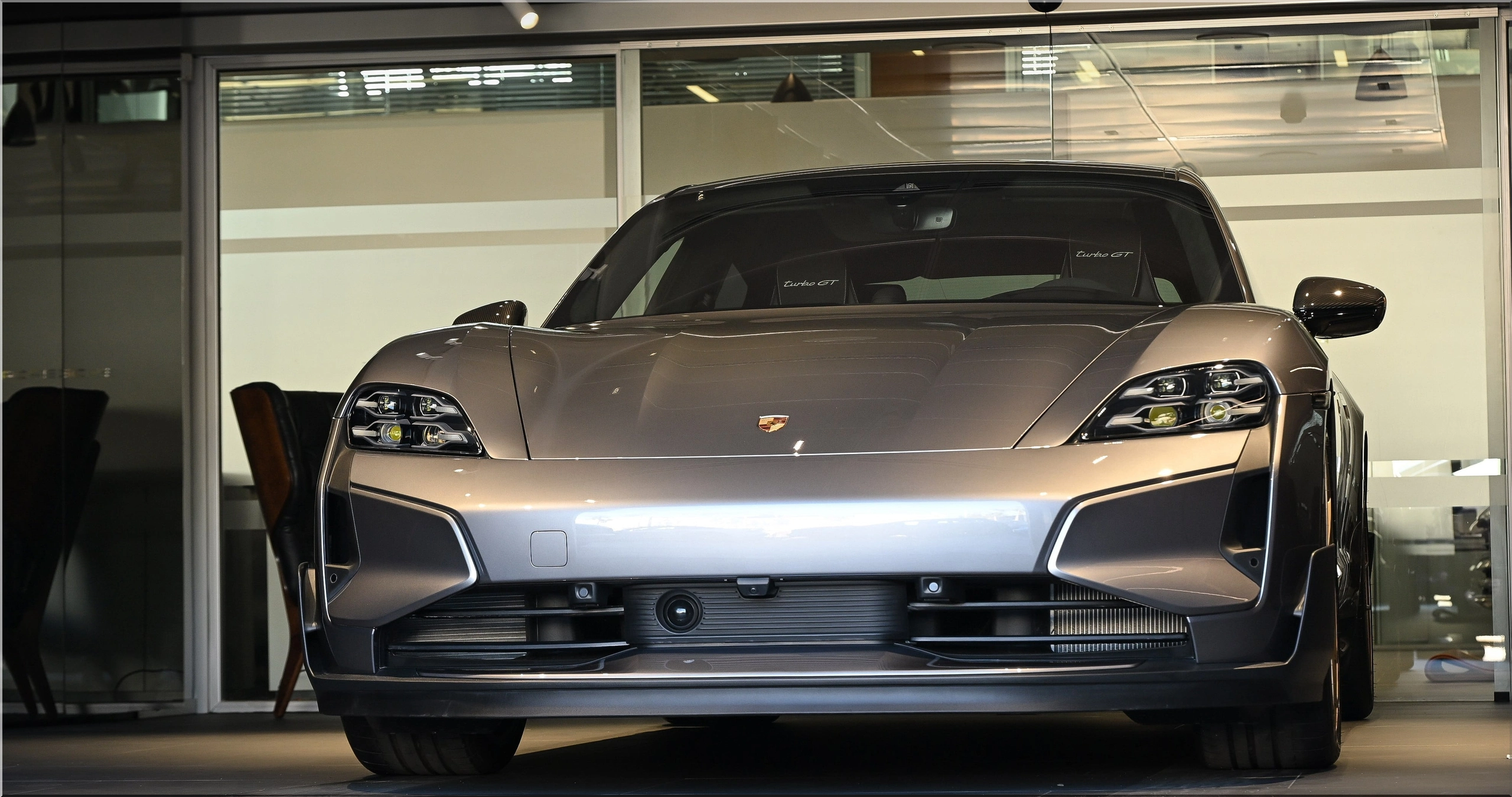
The exterior follows function. Every element improves airflow, reduces drag, or increases downforce. Notable upgrades:
- Active rear spoiler with Gurney flap for added stability
- Low front apron that guides air efficiently around the front wheels
- Exclusive colors like Pale Blue Metallic and Purple Sky Metallic designed to stand out while staying premium
This is an EV that looks fast because it is.
Interior: Driver First, Frills Second
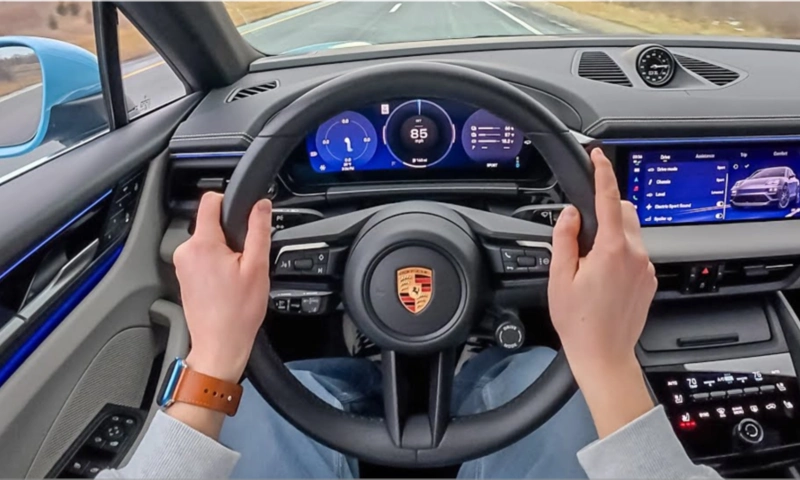
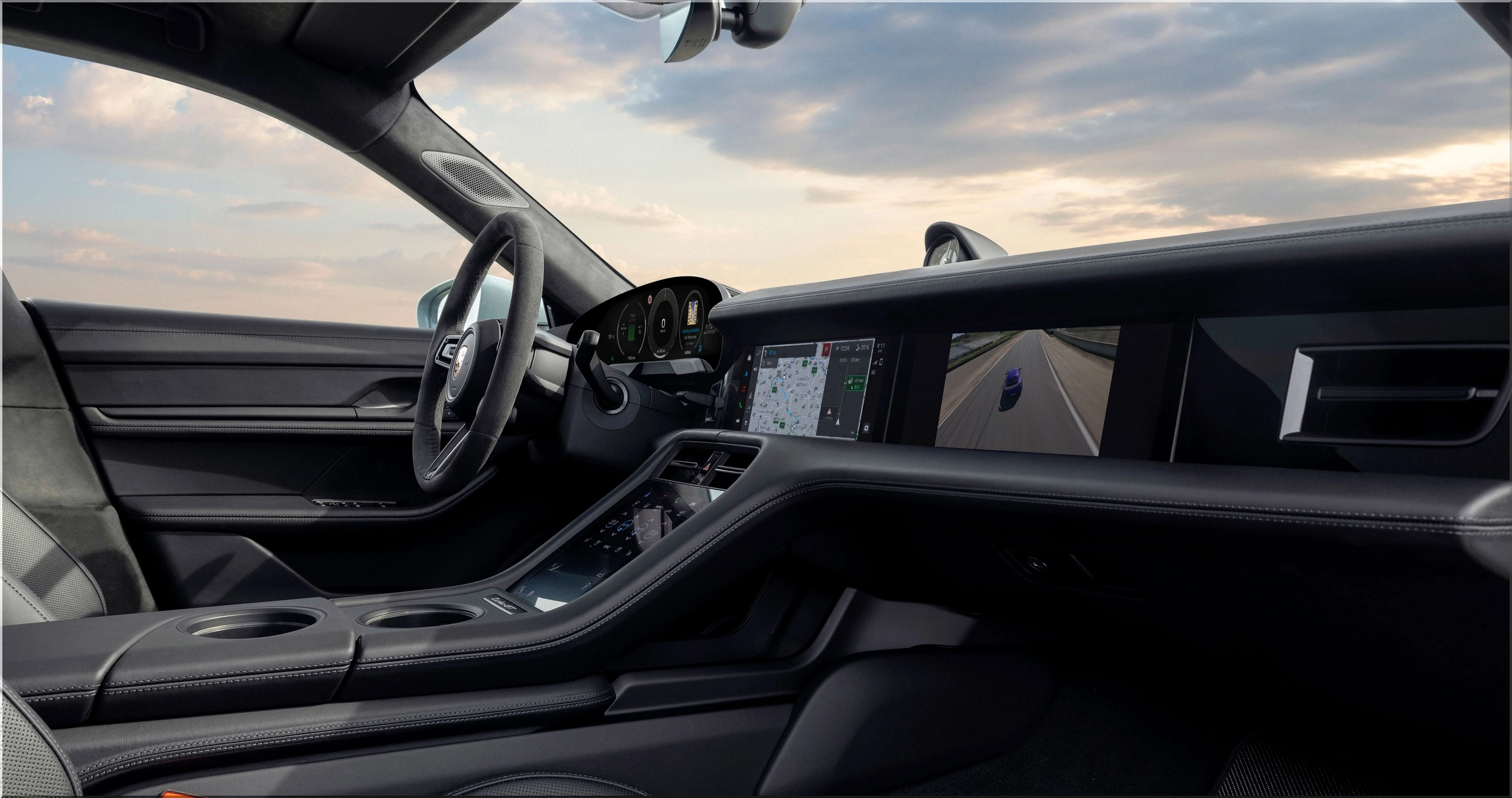
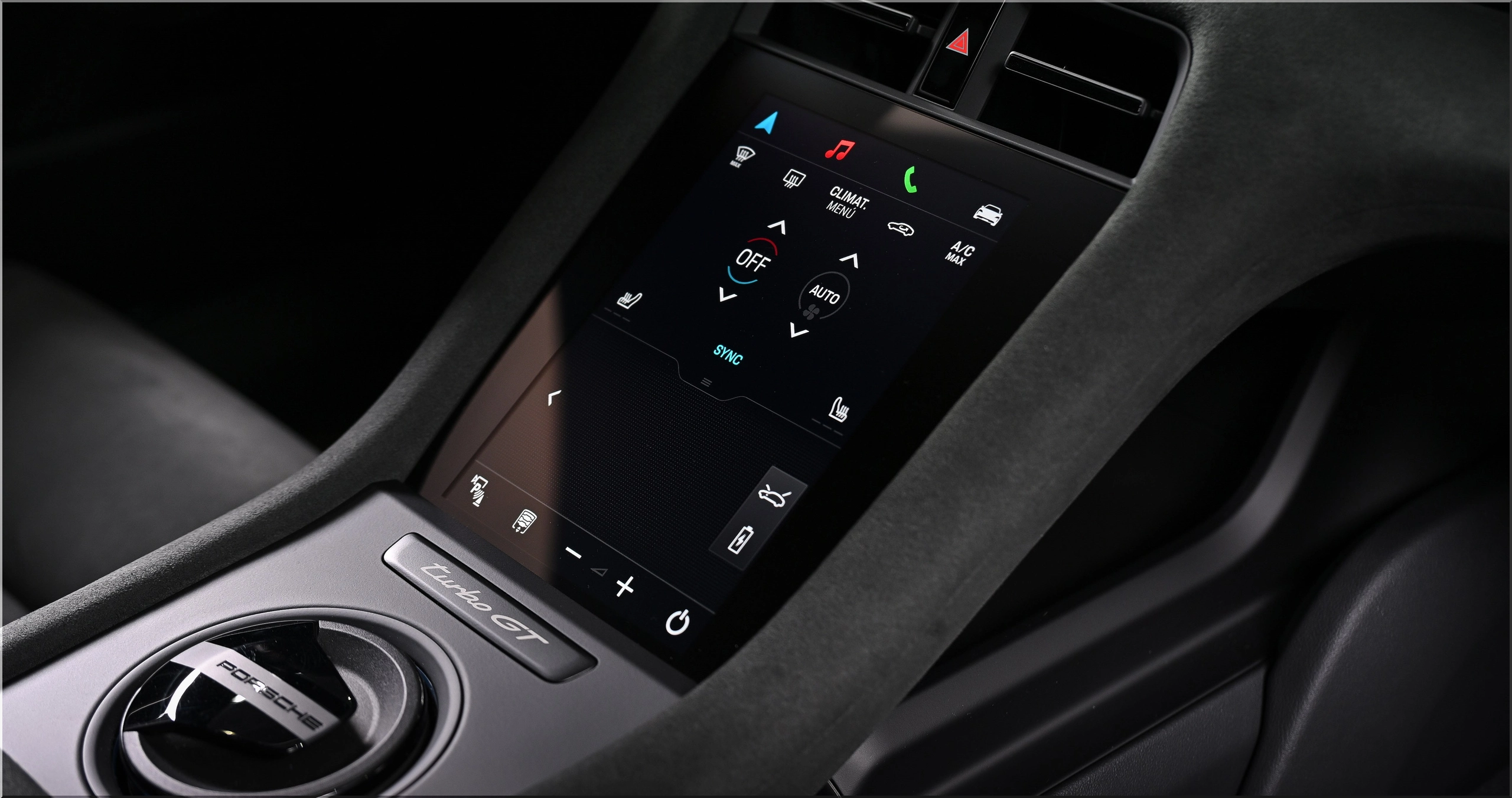
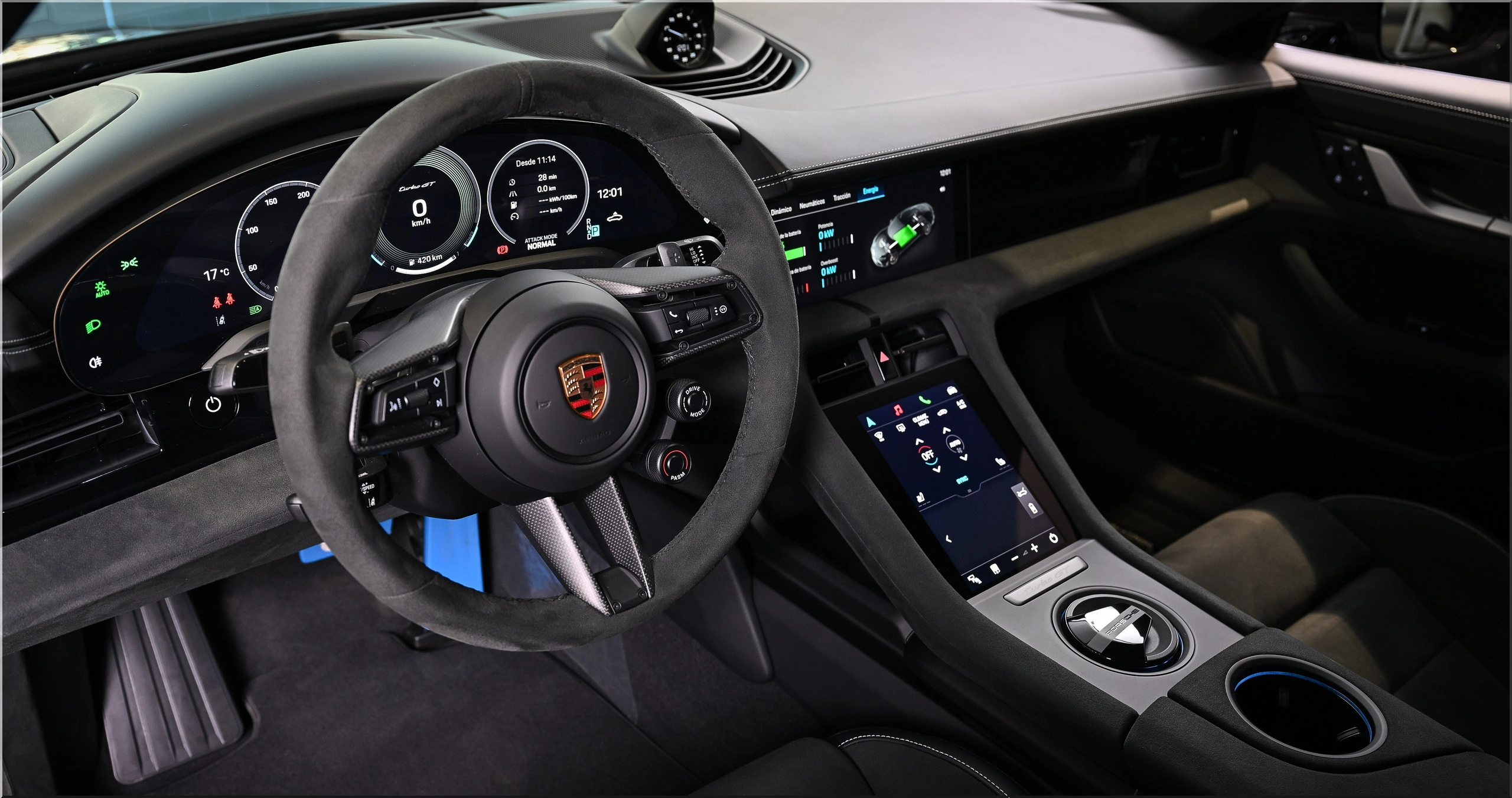
Inside, Porsche didn’t pad the cabin with unnecessary screens or novelty. Focus stays on the driver.
- GT sport steering wheel with Race-Tex covering and 12 o’clock marker
- Optional contrast stitching in Volt Blue or Silver GT
- Race-bred bucket seats that hold firm through hard cornering
Every detail supports speed, control, and repeatable lap performance.
Pricing and U.S. Availability
While the Turbo GT launched in Chile with a starting price of CLP $231,000,000, that converts to roughly $250,000 USD. Expect U.S. pricing to track close to that.
Breakdown of expected costs for U.S. buyers:
| Category | Estimated Price (USD) |
|---|---|
| Base Taycan Turbo GT | $250,000 |
| Optional Paint + Interior | $5,000 – $10,000 |
| Performance Upgrades (std.) | Included |
| Destination & Handling | ~$1,500 |
| Total Estimated Price | $256,500 – $261,500 |
Dealer allocation will be tight. Porsche will likely restrict inventory based on build slots and region. Early adopters should contact local Porsche centers for reservations.
How It Compares
The Taycan Turbo GT now leads Porsche’s EV lineup. Here's how it stacks against internal rivals and key competitors:
| Model | Power (hp) | 0–60 mph (s) | Range (mi) | Base Price (USD) |
|---|---|---|---|---|
| Taycan Turbo GT (2025) | 1,108 | 2.3 | 345 (est.) | ~$250,000 |
| Taycan Turbo S (2024) | 750 | 2.6 | 300 | $209,000 |
| Tesla Model S Plaid | 1,020 | 1.99 | 396 | $91,990 |
| Lucid Air Sapphire | 1,234 | 1.89 | 427 | $249,000 |
Porsche isn’t chasing spec sheets. Instead, it focuses on repeatable track performance and build quality. Lucid and Tesla win on raw power-to-price, but the Taycan dominates braking, cornering, and drivability.
Charging and Range
With a target range of 345 miles (WLTP), the Turbo GT balances power with practicality. Expect slightly lower EPA numbers—around 305–320 miles—based on historical adjustments.
It supports 800-volt DC fast charging architecture:
- 5% to 80% in 21 minutes on a 350 kW charger
- Up to 270 kW peak charging rate
That means usable charge in the time it takes for a coffee stop—if your station delivers full output.
Infrastructure and Support
Porsche continues expanding its U.S. charging partnerships. Taycan buyers gain access to:
- Electrify America ultra-fast chargers
- Exclusive charging rates for Porsche drivers
- Integrated navigation with charger availability and route planning
The Taycan Turbo GT doesn’t need a proprietary network to stay competitive. It’s already integrated with the biggest national networks.
Verdict: Built for Porsche Loyalists
This isn’t a car for value shoppers or software-first buyers. It’s a driver-focused electric car built on real performance metrics. Every feature, spec, and material serves speed and control.
What makes the 2025 Taycan Turbo GT different?
- Track-proven power delivery
- Lightweight materials where it matters
- Racing-inspired torque management
- No gimmicks—just numbers and execution
With over 1,100 hp on tap, Porsche could’ve leaned into hype. Instead, it stuck to what it does best: build fast, balanced, purpose-built cars. That approach now defines the top of the EV performance pyramid.
- Add new comment
- 326 views