Tesla built its reputation on minimalism, software control, and aggressive cost reduction. Door handles became a physical expression of that strategy. Flush surfaces cut drag. Electronic latches removed mechanical complexity. Interior buttons replaced traditional pulls.
That approach now collides with global safety regulators. New rules in China and mounting scrutiny in the US force Tesla toward a rare hardware rethink. Software updates will not solve this problem. Regulators want metal, cables, and predictable human behavior.
Why Regulators Target Tesla Door Handles
Modern vehicles rely heavily on electronics, but door opening remains a life-safety function. When power fails, doors must open instantly and intuitively. Regulators view this as non-negotiable.
Tesla’s design philosophy places electronic actuation first and mechanical backup second. In emergency conditions, that order reverses human instinct. Occupants pull harder on the same control. They do not search for hidden releases.
Reports submitted to regulators describe scenarios involving low-voltage battery failure after collisions, thermal events, or water intrusion. In those cases, electronic latches stopped responding. Occupants and first responders struggled to locate mechanical overrides quickly.
That pattern triggered regulatory action across multiple markets.
China’s New Safety Expectations
China’s Ministry of Industry and Information Technology issued draft standards focused specifically on vehicle door handle safety. The rules aim to eliminate ambiguity during emergencies and standardize mechanical access.
Key requirements include:
- A clearly visible mechanical door release
- Operation without electrical power or software logic
- Consistent placement across all doors
- Sufficient leverage to open doors under stress
- No covers, trim removal, or secondary steps
China’s role matters. Tesla builds a significant share of its global output at Giga Shanghai. Vehicles produced there ship worldwide. A China-only solution would fragment manufacturing and raise cost.
Tesla historically avoids market-specific hardware. That makes a single global redesign the most likely outcome.
Pressure From the United States
US regulators reached similar conclusions from a different path. Investigators began reviewing Tesla’s electronic door latch behavior after incidents involving entrapment during post-crash power loss.
The focus centers on usability under stress. Regulators evaluate how quickly an untrained occupant or rescuer can open a door without instructions. Hidden levers, unfamiliar motions, and trim panels fail that test.
The convergence of Chinese standards and US investigations creates a narrow design corridor. Tesla must satisfy both to limit legal risk and maintain global sales momentum.
Tesla’s Current Door Handle Architecture
Tesla does not use a single solution across its lineup. Each model reflects different design priorities and development timelines.
Model 3 and Model Y
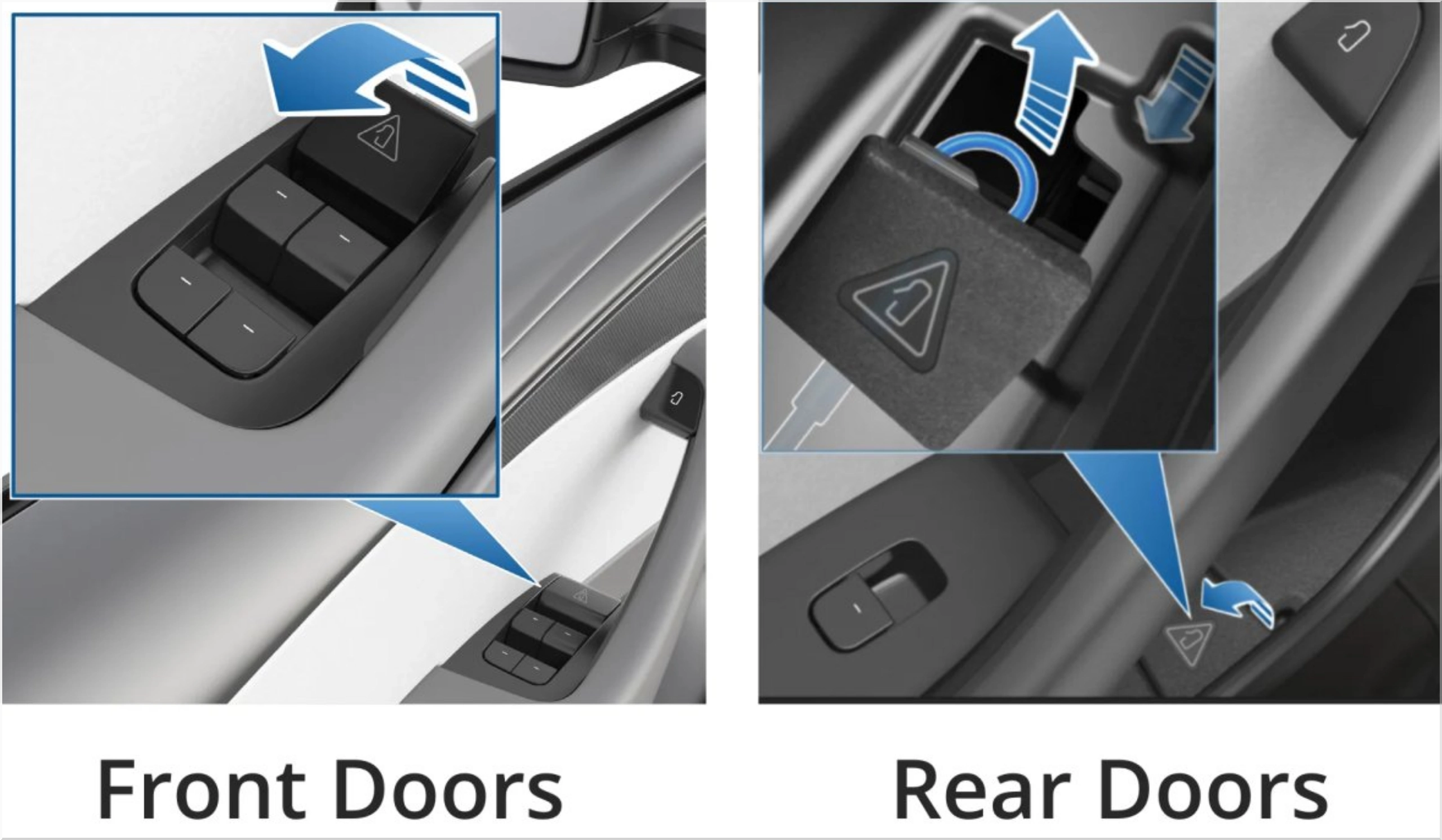
Front doors include a visible mechanical release near the window switch. Rear doors hide the release under trim panels or storage covers.
Passengers rarely encounter those controls. Many owners remain unaware they exist. In emergency testing scenarios, that lack of familiarity delays egress.
Model S and Model X
The issue escalates on premium models.
- Model S relies heavily on electronic actuation with less obvious mechanical linkage
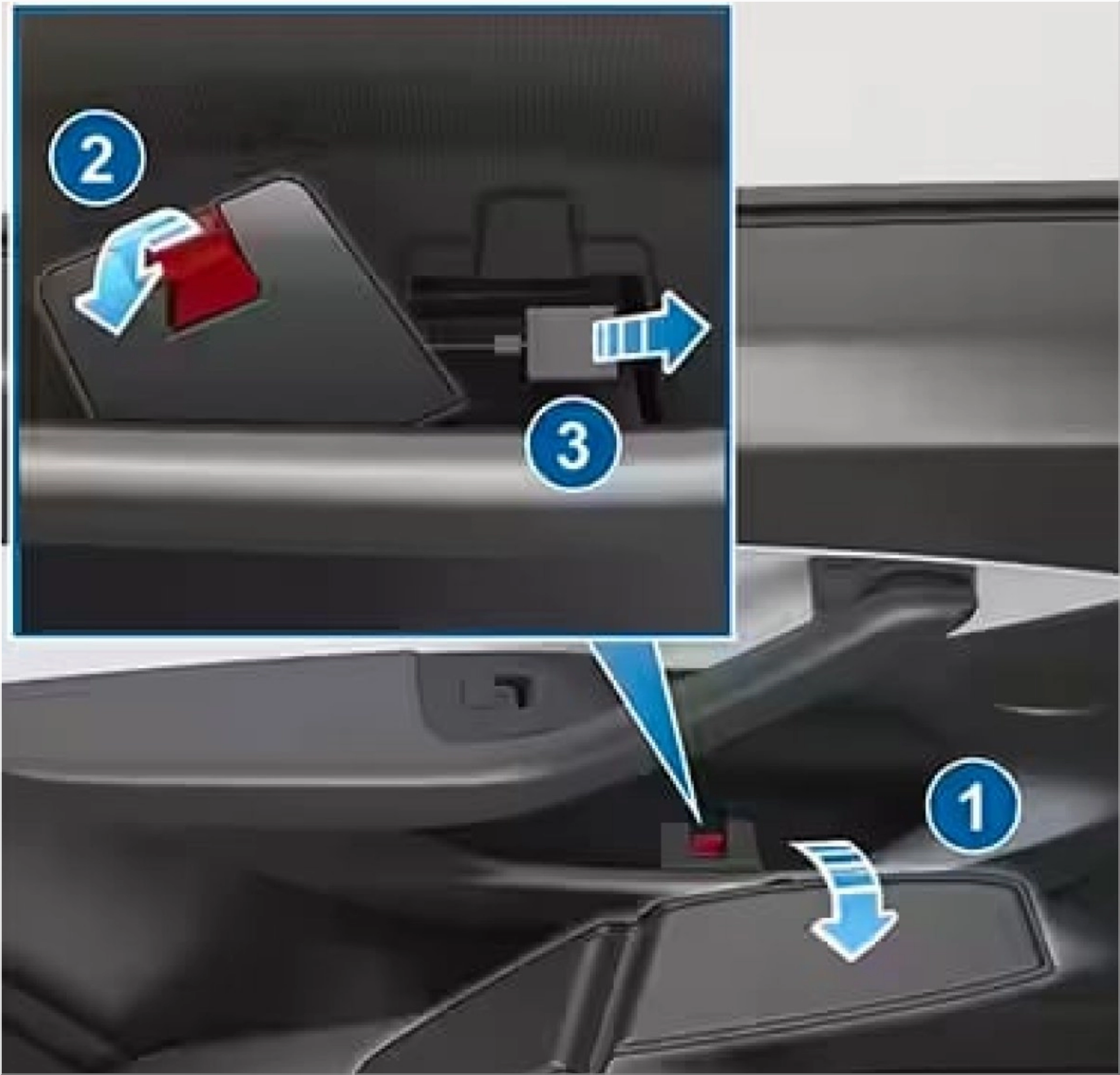
- Model X places some emergency releases behind speaker grilles or trim panels
Accessing certain Model X emergency releases requires partial disassembly. Regulators view that as unacceptable in real-world emergencies.
Why Hidden Releases Increase Risk
Emergency behavior follows instinct, not training. Under stress, occupants repeat the same action with more force. Tesla’s designs often require switching to a different control entirely.
Separating normal operation from emergency operation introduces cognitive delay. Regulators aim to remove that delay.
The core criticism remains consistent across markets: Tesla asks too much from occupants at the worst possible moment.
The Likely Tesla Fix: Unified Mechanical-Electronic Handles
Tesla’s design leadership publicly acknowledged the issue. Engineers appear to be moving toward a single-handle, dual-function system.
This solution already dominates the broader auto industry.
How Progressive Latches Work
A dual-stage latch combines electronic convenience with mechanical certainty:
- Initial handle movement triggers electronic unlatching when power exists
- Continued movement engages a mechanical cable if electronics fail
The same motion works in all conditions. No additional levers. No hidden steps.
This architecture aligns with regulatory language and human behavior studies.
Why Tesla Will Adopt This Design
A unified handle:
- Reduces part variation across markets
- Preserves manufacturing efficiency
- Lowers legal exposure
- Improves real-world safety outcomes
- Maintains a clean interior layout
Tesla values scale. This solution supports it.
Exterior Door Handles Also Face Scrutiny
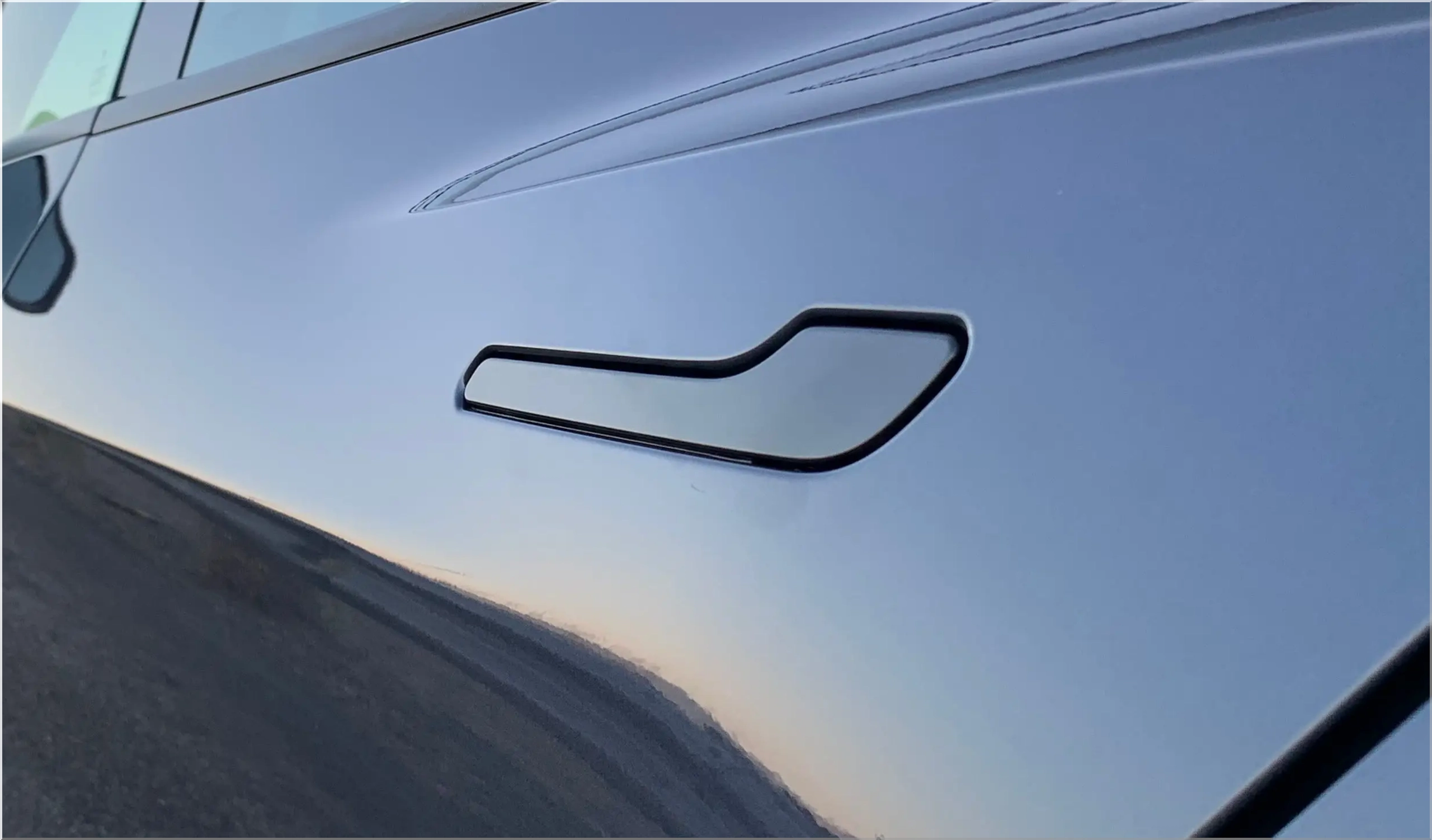
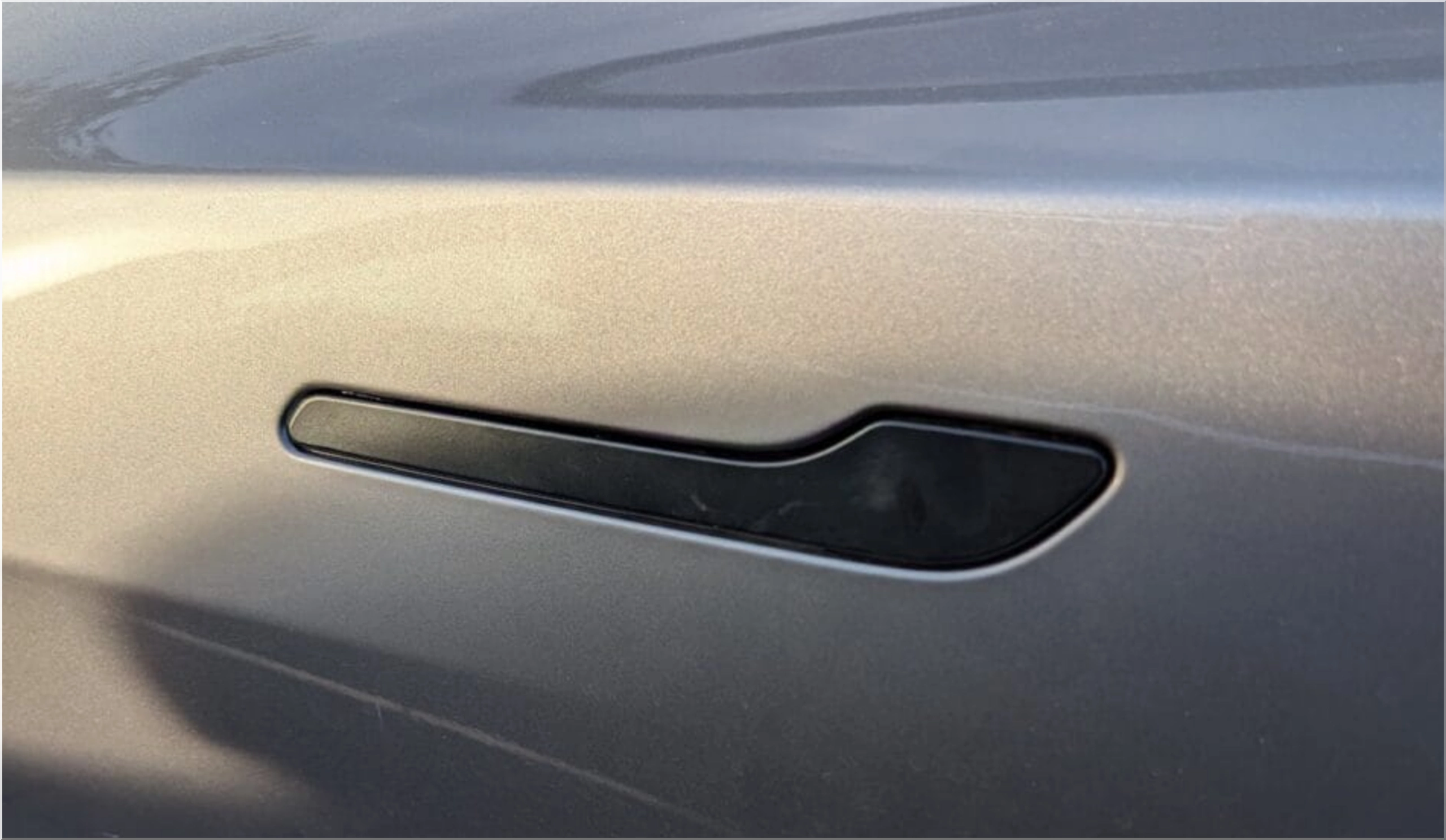
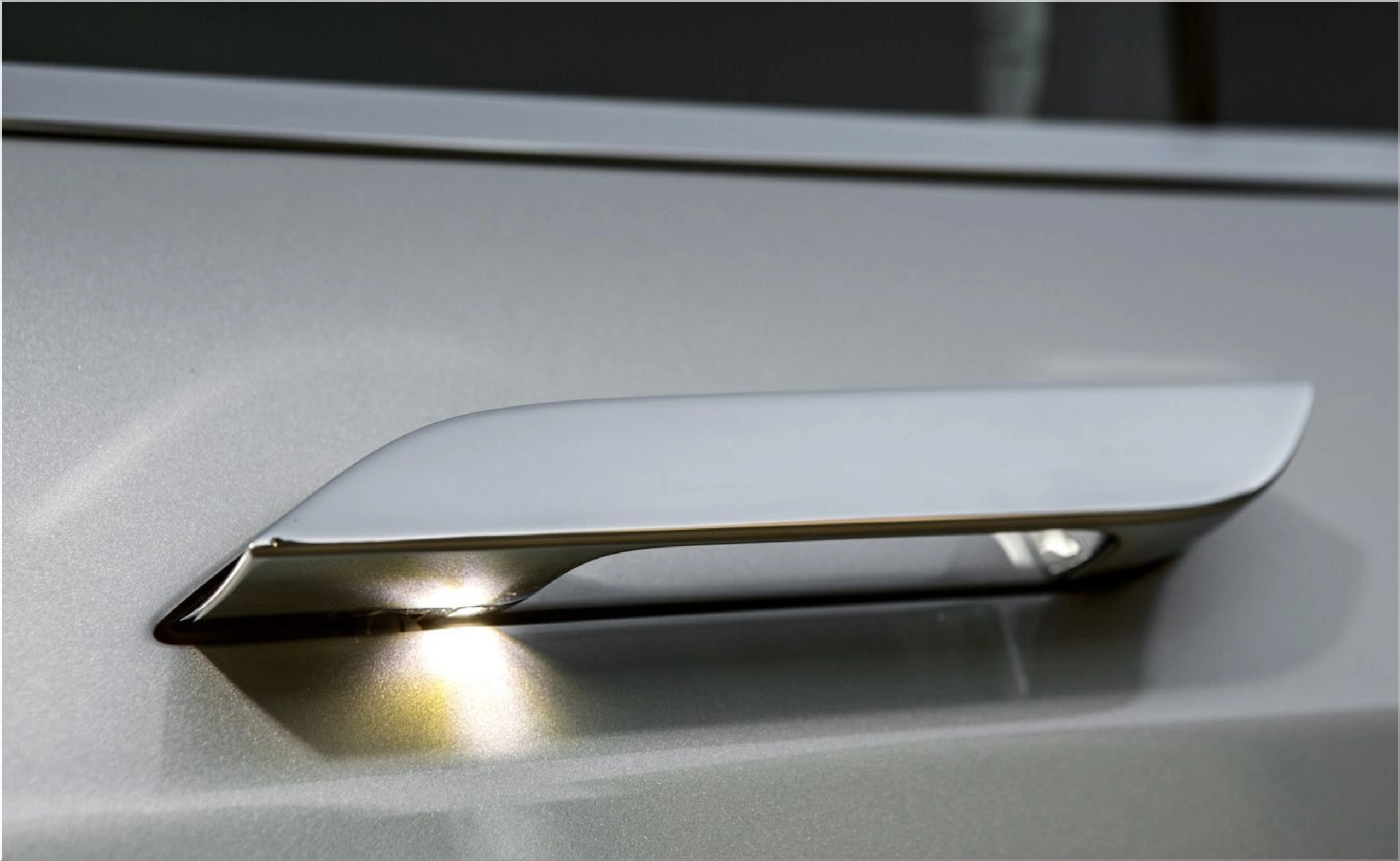
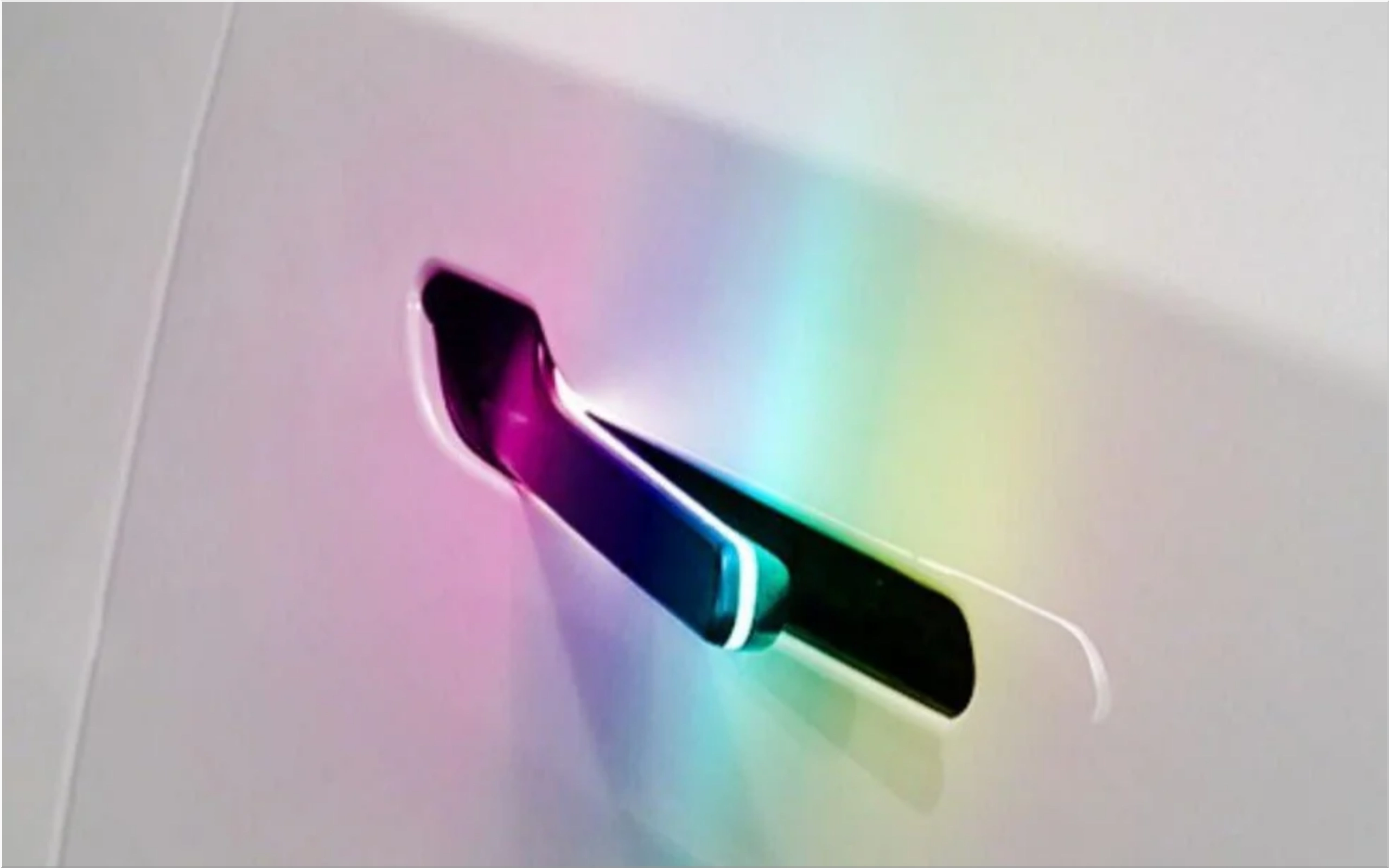
Flush exterior handles contribute to Tesla’s aerodynamic efficiency and range metrics. They also confuse unfamiliar users and complicate access during power loss.
New rules emphasize mechanical exterior operability without electricity. That directly challenges fully flush designs.
Possible Exterior Changes
Tesla may implement:
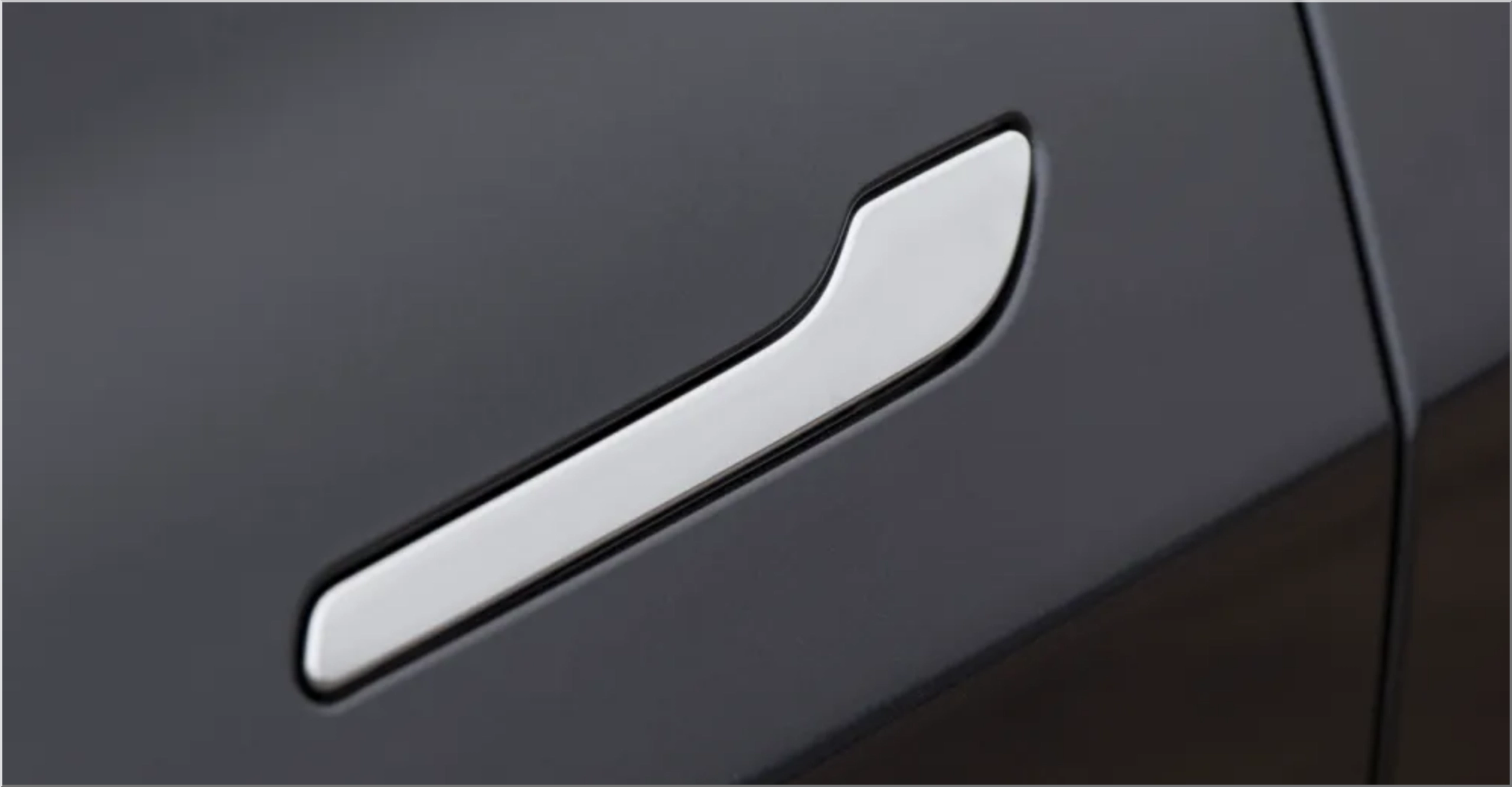
- Spring-loaded handles with mechanical presentation
- Recessed grip points that allow manual pull
- Limited-travel handles with dual-action linkage
Previous Tesla refreshes already softened flush designs. This change continues that trend, prioritizing access over drag reduction.
Range impact should remain marginal.
How Tesla Compares With Rivals
Legacy automakers integrated electronics without abandoning mechanical fundamentals. Most competitors retained intuitive door operation while adding electronic assistance.
Emergency Door Access Comparison
| Vehicle | Door Handle Type | Mechanical Backup | Emergency Clarity |
|---|---|---|---|
| Tesla Model Y | Electronic button + hidden release | Yes | Low |
| Ford Mustang Mach-E | Mechanical handle with e-latch assist | Yes | High |
| Hyundai Ioniq 5 | Conventional pull handle | Yes | High |
| Volkswagen ID.4 | Mechanical pull with electronic assist | Yes | High |
| BMW i4 | Traditional handle | Yes | Very High |
Tesla stands apart by separating primary and emergency actions. That distinction now disappears.
Timing and Rollout Expectations
Chinese draft standards target implementation starting in late 2026. Final enforcement could arrive sooner.
Tesla typically introduces hardware changes during:
- Production line updates
- Mid-cycle refreshes
- New model launches
Expect redesigned handles to debut first on high-volume models. Existing vehicles will not receive retrofits. Software cannot replace mechanical components.
What This Means for Owners and Buyers
Current owners must rely on education and familiarity. Future buyers will benefit from improved design.
Immediate Steps for Owners
- Learn the location of manual door releases
- Brief passengers before driving
- Practice mechanical opening without power
- Review emergency instructions periodically
These steps reduce risk today.
What Future Buyers Will See
Upcoming Teslas will feel slightly more conventional at the door. That shift improves usability without compromising daily convenience.
Expect:
- Faster emergency egress
- Fewer passenger questions
- Better first-responder access
- Subtle but visible design changes
Minimalism yields to safety here.
The Larger Takeaway
Tesla transformed vehicle software. This moment reinforces a limit. Life-safety hardware must remain intuitive and mechanical.
Regulators enforce that reality. Human behavior confirms it.
Tesla will adapt. It always does. This redesign trades hidden elegance for clarity. One pull replaces two actions. Cables back up code.
That change improves outcomes. It reduces confusion. It aligns Tesla with global safety norms.
And in emergencies, that matters more than drag coefficients. @via notateslaapp.
- Add new comment
- 169 views