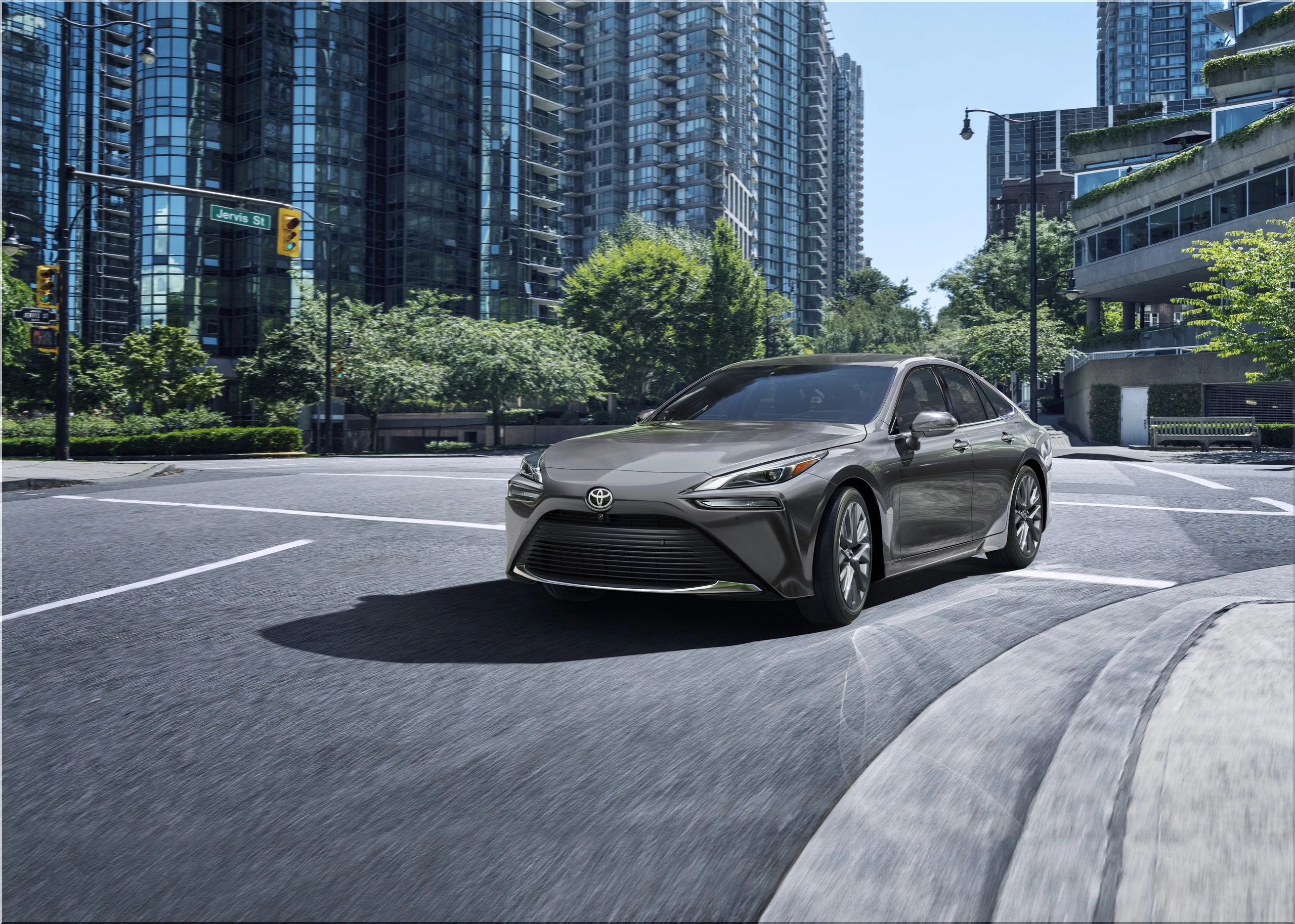
Hydrogen Still Matters—and Toyota Is Doubling Down
While much of the auto industry chases battery-electric vehicles, Toyota continues to refine hydrogen fuel cell technology. The 2025 Toyota Mirai shows just how committed the brand remains to zero-emissions innovation that doesn’t rely on lithium or massive batteries.
This update isn't a design overhaul. It’s a strategic evolution aimed at reducing complexity, improving efficiency, and nudging the car closer to mainstream appeal. And for a niche product like the Toyota Mirai, that’s the point.
Key Updates for the 2025 Toyota Mirai
The changes for Model Year 2025 focus on simplification, improved packaging, and cost-effectiveness. Here's what stands out:
1. Fewer Trims, More Focus
Toyota has reduced the number of available trims to streamline manufacturing and ordering:
- XLE: The single trim level for 2025.
- Limited and Platinum: Discontinued.
This move cuts production costs and simplifies the buying process. It also helps dealers manage inventory more efficiently.
2. Cleaner Interior Packaging
The interior materials have been refined:
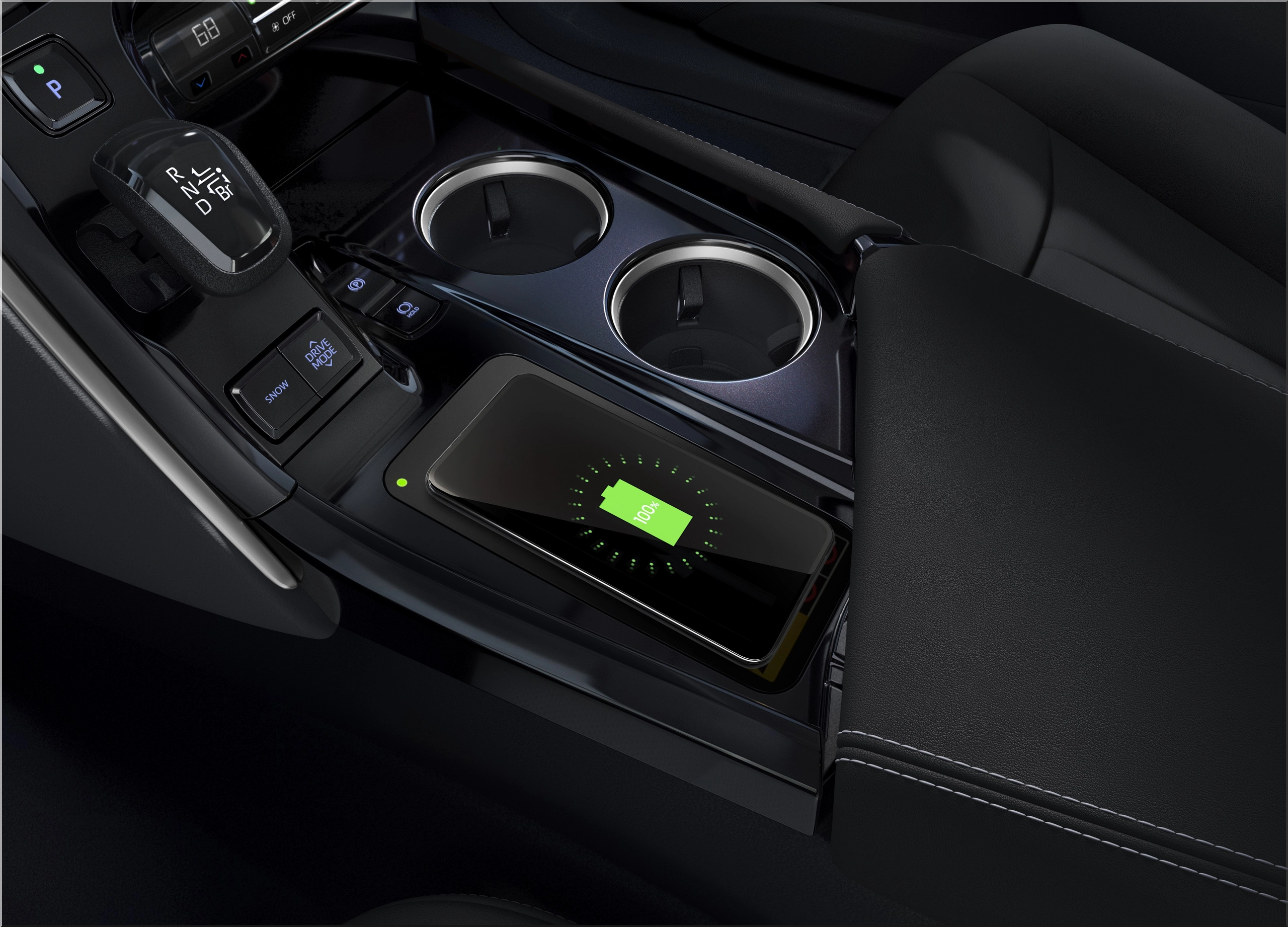
- SofTex® synthetic leather replaces full leather, saving cost and weight.
- New Black and Light Gray options available.
- Audio systems have been rationalized. A 14-speaker JBL® Premium Audio system now comes standard.
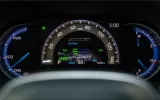
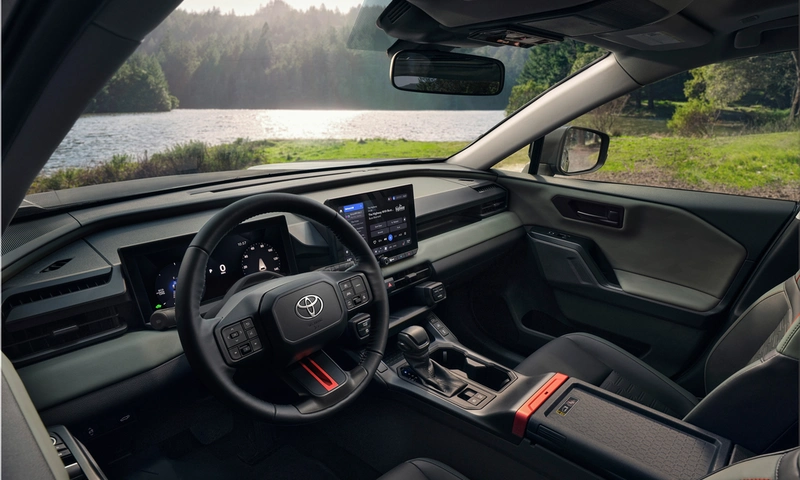
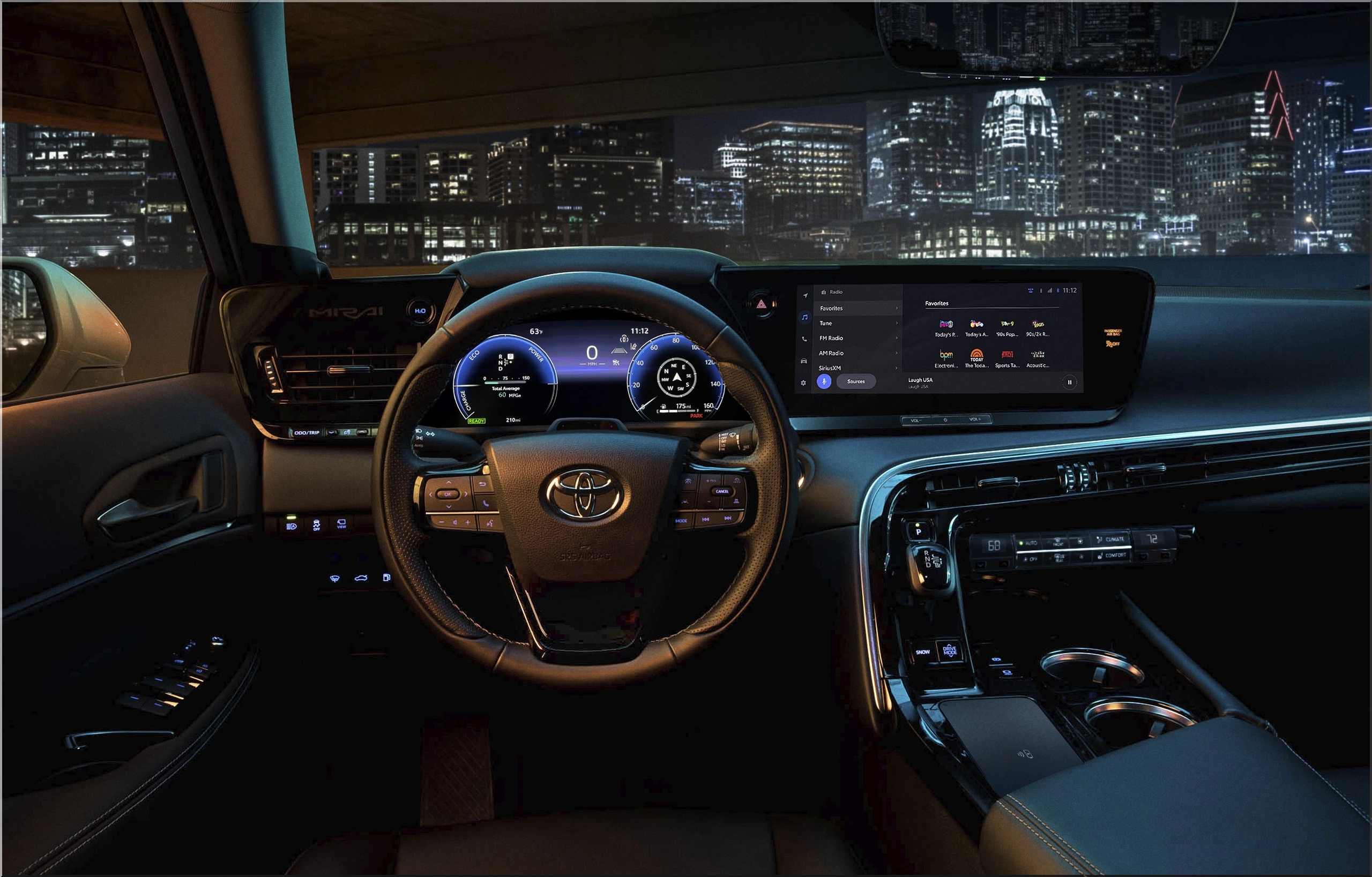
The dashboard layout remains unchanged, keeping the familiar 12.3-inch infotainment system and digital instrument cluster.
3. Subtle Exterior Tweaks
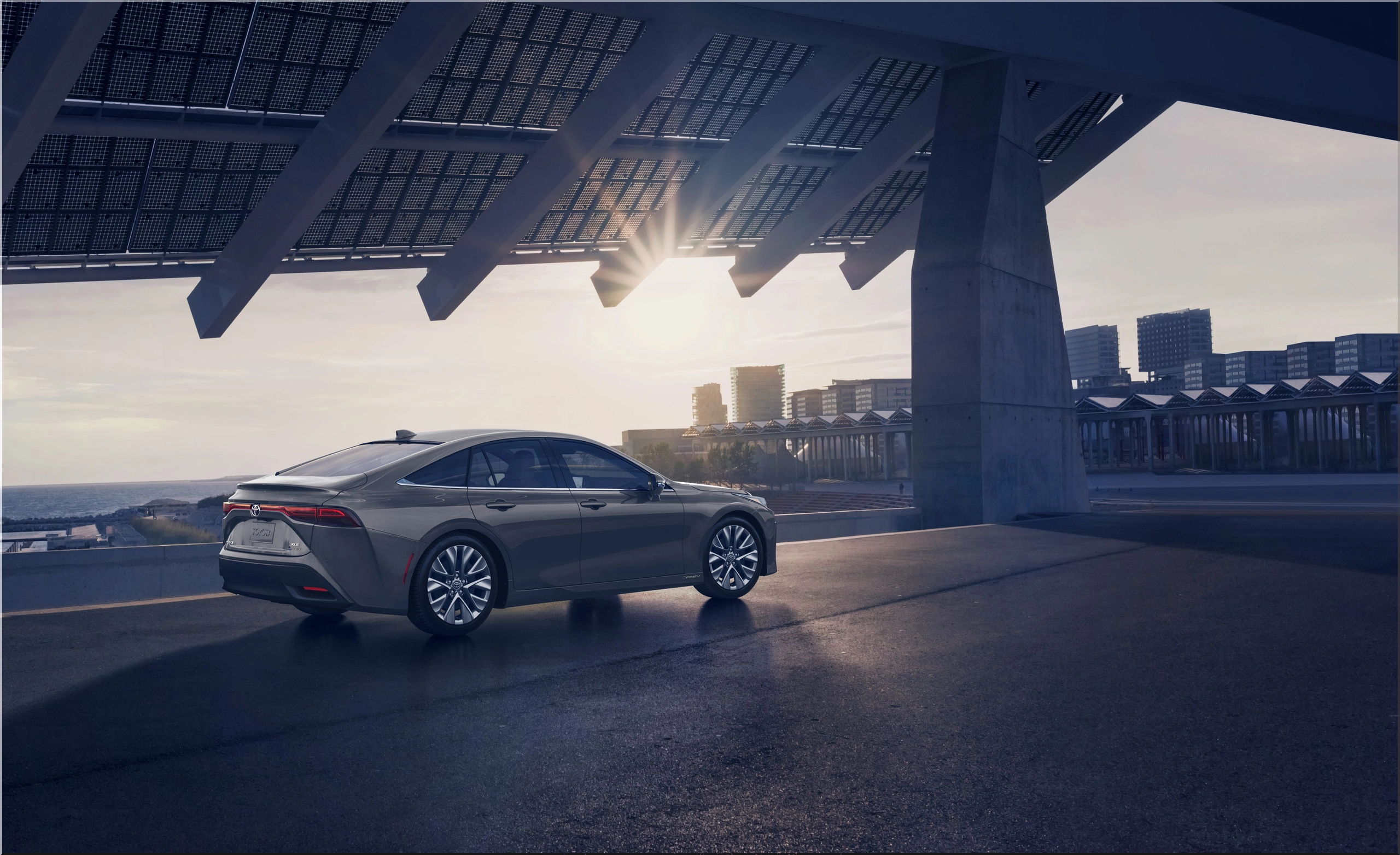
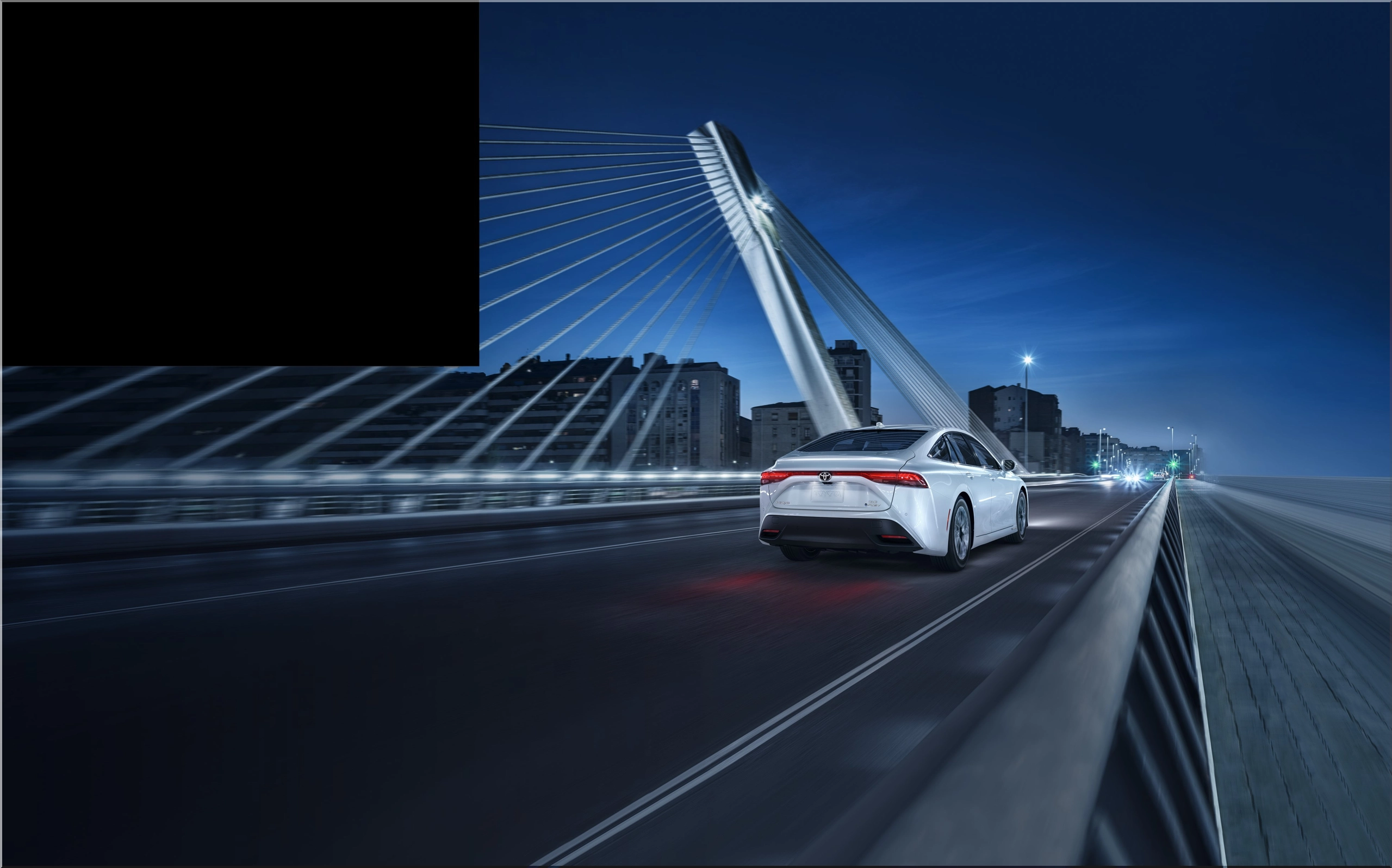
Toyota didn’t touch the body design—but it did update color options:
| Exterior Colors | Status |
|---|---|
| Hydro Blue | New |
| Oxygen White | Returning |
| Heavy Metal | Returning |
| Black | Returning |
| Supersonic Red | Returning |
These colors are now free of charge, eliminating the $425–$595 option fees from previous models.
Why Toyota Still Believes in Hydrogen
Toyota’s belief in hydrogen hasn’t changed—and the 2025 Mirai proves it. Here’s why this strategy still matters:
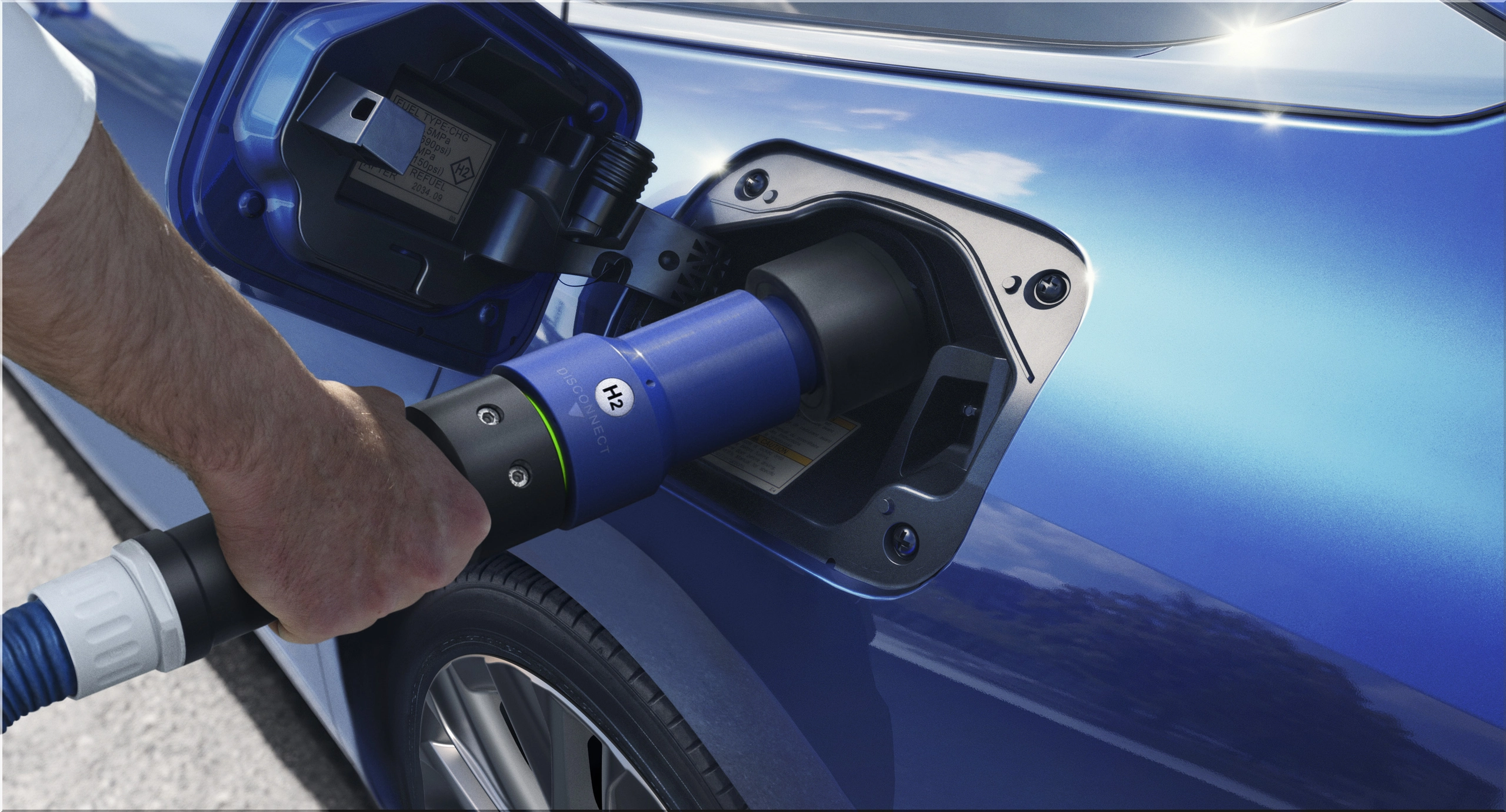
- Refueling speed: Around 5 minutes to full, versus 30–60 minutes for EVs.
- Driving range: Up to 402 miles—more than most battery-electric cars.
- Cold-weather performance: Hydrogen fuel cells aren’t affected by freezing temps.
Toyota is betting that a dual-track zero-emission future (hydrogen + EVs) will be more resilient and scalable.
Efficiency Gains Without Changing the Drivetrain
While the hydrogen powertrain remains unchanged, Toyota squeezed out small gains:
- Reduced weight by cutting options and trim features.
- More efficient power electronics integration.
- Streamlined maintenance schedule—lower cost of ownership.
These are marginal gains, but in a specialized segment, every 1% matters.
Performance: Still Smooth, Still Electric
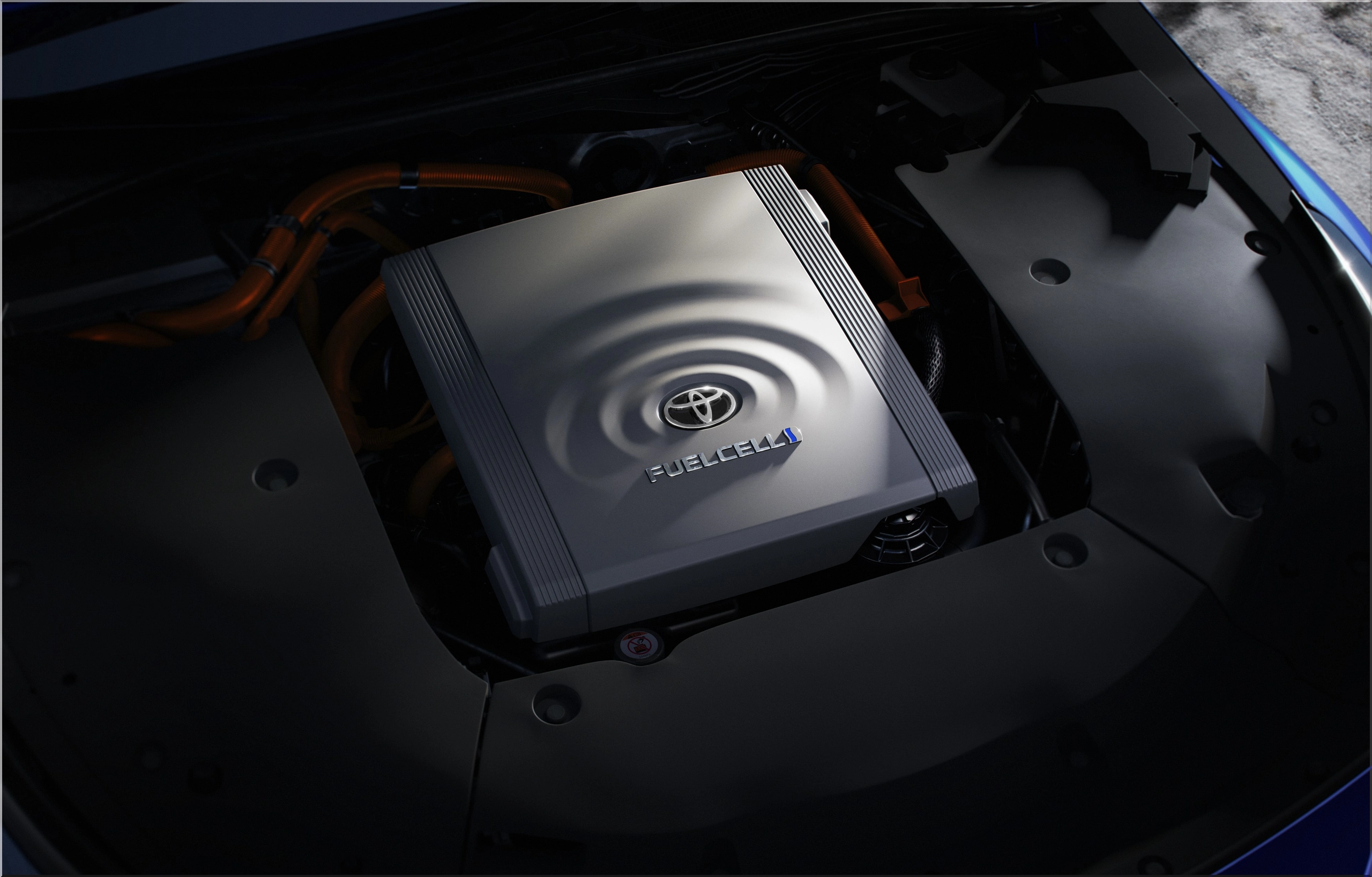
The Mirai remains powered by the Toyota Fuel Cell System (TFCS), producing the equivalent of 182 hp and 221 lb-ft of torque. It sends power to the rear wheels through a single-speed transmission.
Acceleration isn’t eye-watering but feels brisk thanks to instant electric torque. It’s quiet, refined, and composed—hallmarks of fuel cell operation.
Key specs:
| Specification | 2025 Toyota Mirai |
|---|---|
| Powertrain | Hydrogen Fuel Cell |
| Horsepower | 182 hp |
| Torque | 221 lb-ft |
| 0–60 mph | ~9 seconds |
| Top Speed | 108 mph (electronically limited) |
| Estimated Range | 402 miles (XLE trim) |
Hydrogen Infrastructure: The Real Bottleneck
Toyota’s biggest challenge isn’t the Mirai—it’s the hydrogen refueling network. As of early 2025, the overwhelming majority of hydrogen stations are in California.
Challenges include:
- High cost of station buildout: ~$2 million per station.
- Low utilization rates: Less than 20% for many locations.
- Limited government incentives: Compared to EV charging support.
Without a larger and more reliable hydrogen network, adoption of fuel cell vehicles will remain localized.
Incentives and Pricing: Toyota Pushes for Accessibility
Toyota hasn’t released full pricing yet, but expect the 2025 Toyota Mirai XLE to come in just under $51,000 USD.
Key incentives include:
- Up to $15,000 in hydrogen fuel credits over six years.
- Potential federal and state tax credits (California offers up to $4,500).
- HOV lane access in some regions.
Toyota is using these benefits to offset the high upfront cost of fuel cell ownership.
Pros and Cons of the 2025 Toyota Mirai
Advantages
- Zero emissions without battery anxiety.
- Fast hydrogen refueling.
- Long range (over 400 miles).
- Smooth, quiet driving experience.
- Generous fuel credit incentives.
Drawbacks
- Hydrogen stations remain extremely limited.
- Small trunk due to tank packaging.
- Limited public awareness and education.
- Not suitable outside California (yet).
Who Should Buy the 2025 Mirai?
This car isn’t for everyone. But it makes sense for a very specific type of buyer:
- Lives in Southern or Northern California.
- Has reliable access to hydrogen refueling.
- Wants to reduce emissions but avoids battery EVs.
- Values luxury features and quiet performance.
- Plans to take full advantage of fuel credits and incentives.
If those boxes are checked, the Mirai becomes a compelling option.
Where the Mirai Fits Into Toyota’s Zero-Emission Strategy
Toyota isn’t abandoning EVs. But they’re hedging their bets. By continuing to refine the fuel cell platform, Toyota gains:
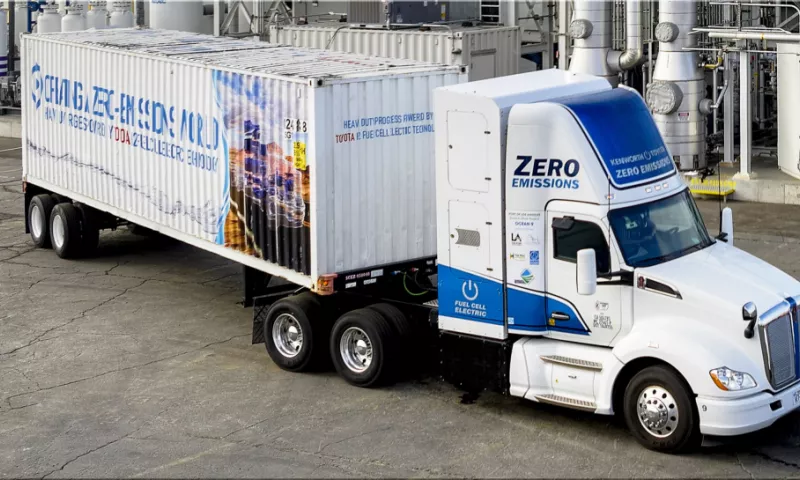
- A scalable option for heavy-duty vehicles and commercial fleets.
- R&D experience across hydrogen storage, cooling, and safety.
- A hedge against raw material bottlenecks in the battery supply chain.
The Mirai is Toyota’s rolling laboratory for hydrogen. Every model year brings insights that feed into broader applications—from trucks to energy systems.
Conclusion: Toyota’s Hydrogen Bet Isn’t Dead Yet
The 2025 Toyota Mirai is a tactical update. No marketing gimmicks. No unnecessary add-ons. Just smarter packaging, simplified production, and practical improvements.
It’s still hamstrung by the lack of infrastructure—but that’s not the product’s fault. Toyota continues to invest in fuel cell R&D and station partnerships because they believe hydrogen has a long-term role to play.
Whether that future arrives depends less on carmakers and more on policy, energy prices, and infrastructure funding. But if hydrogen scales up, Toyota will already be years ahead.
- Add new comment
- 168 views