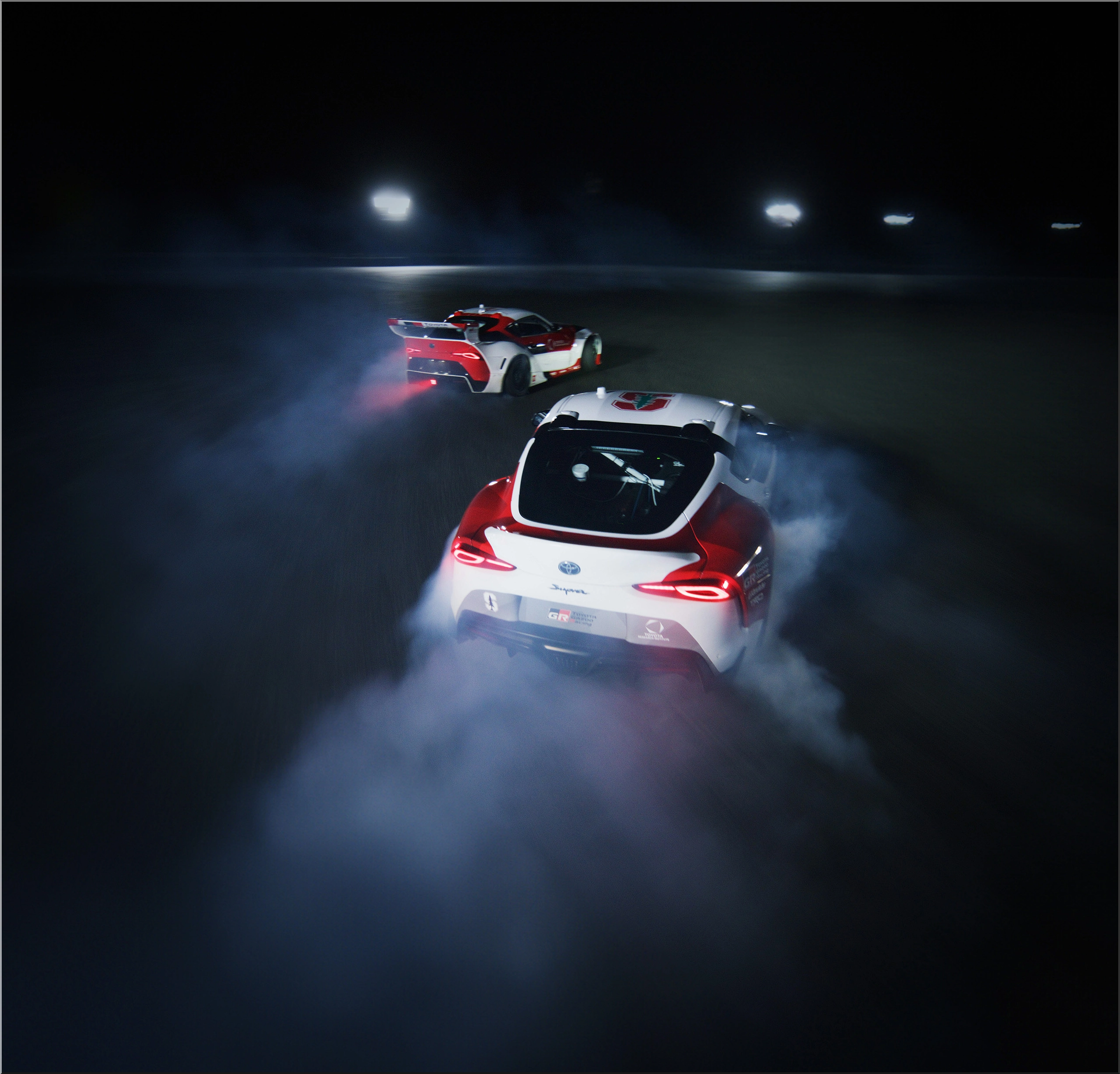
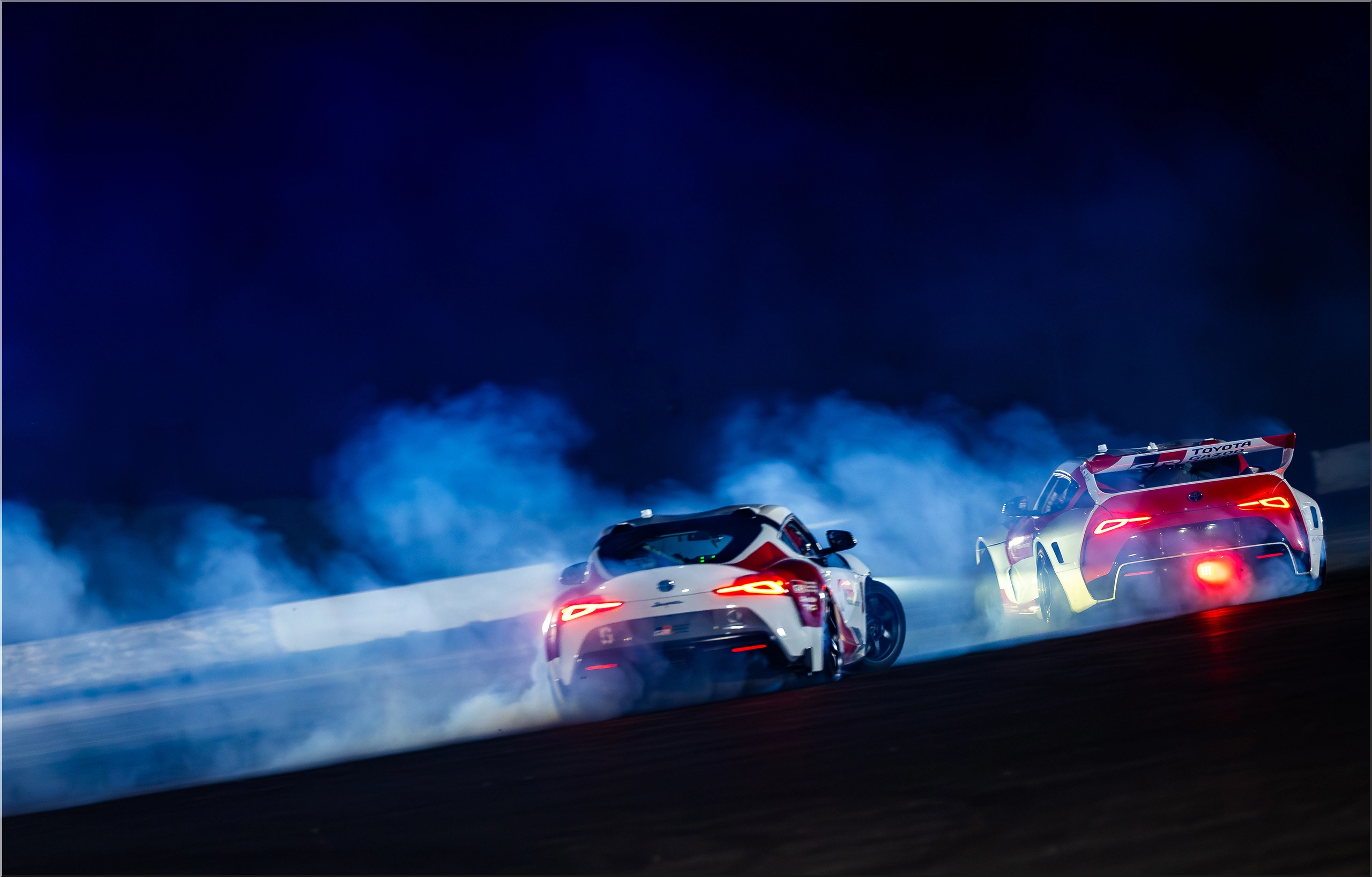
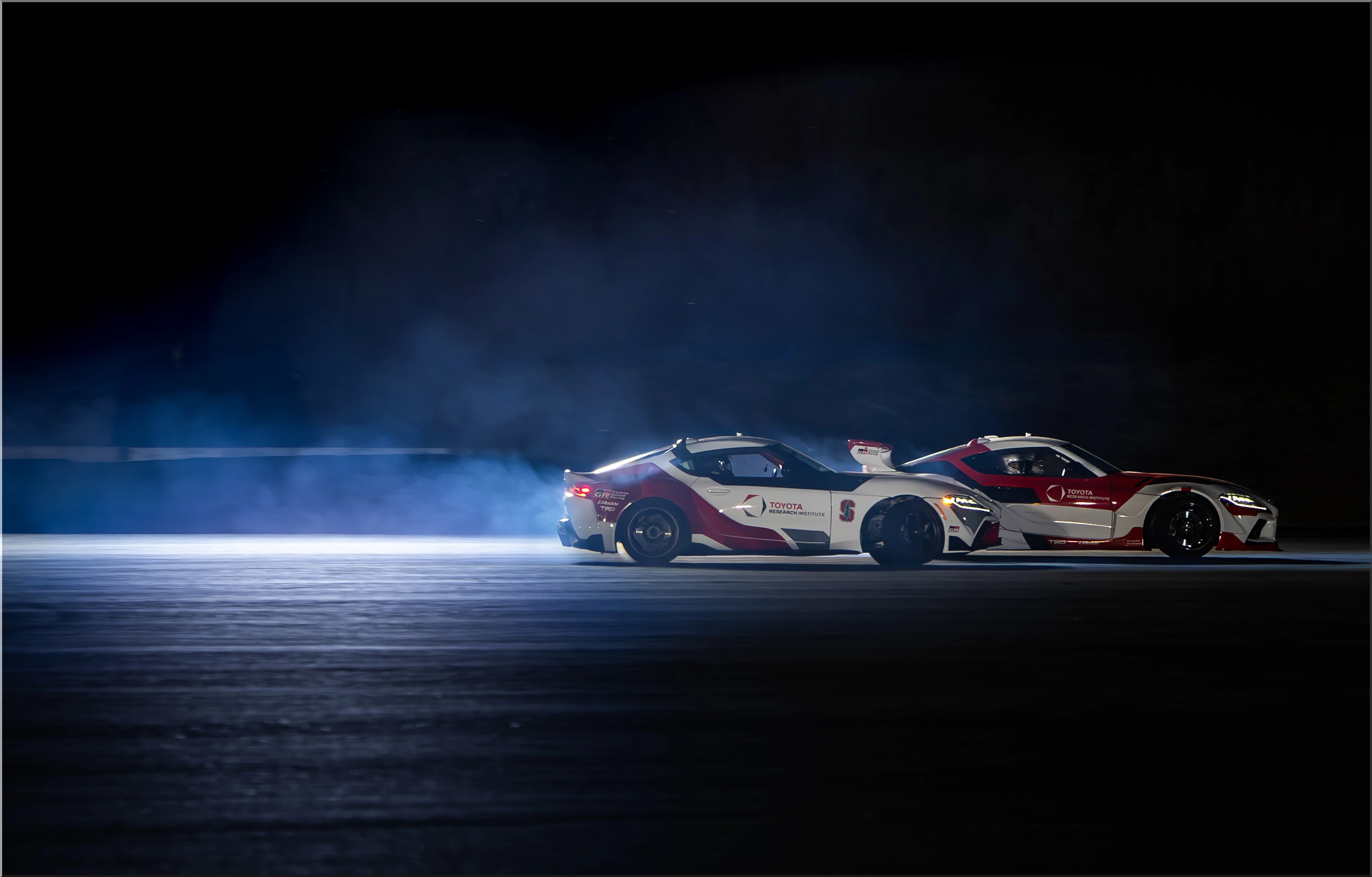
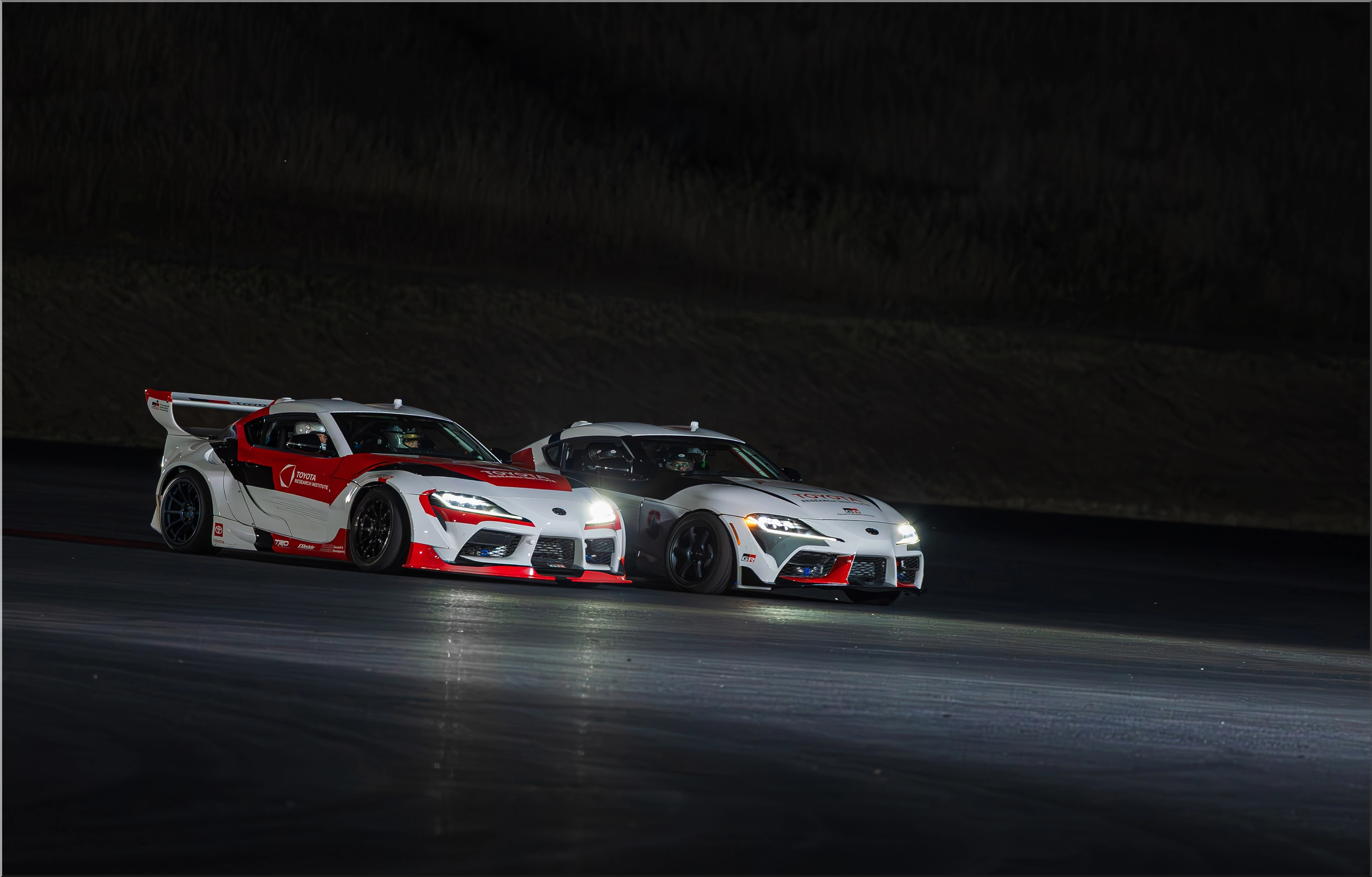
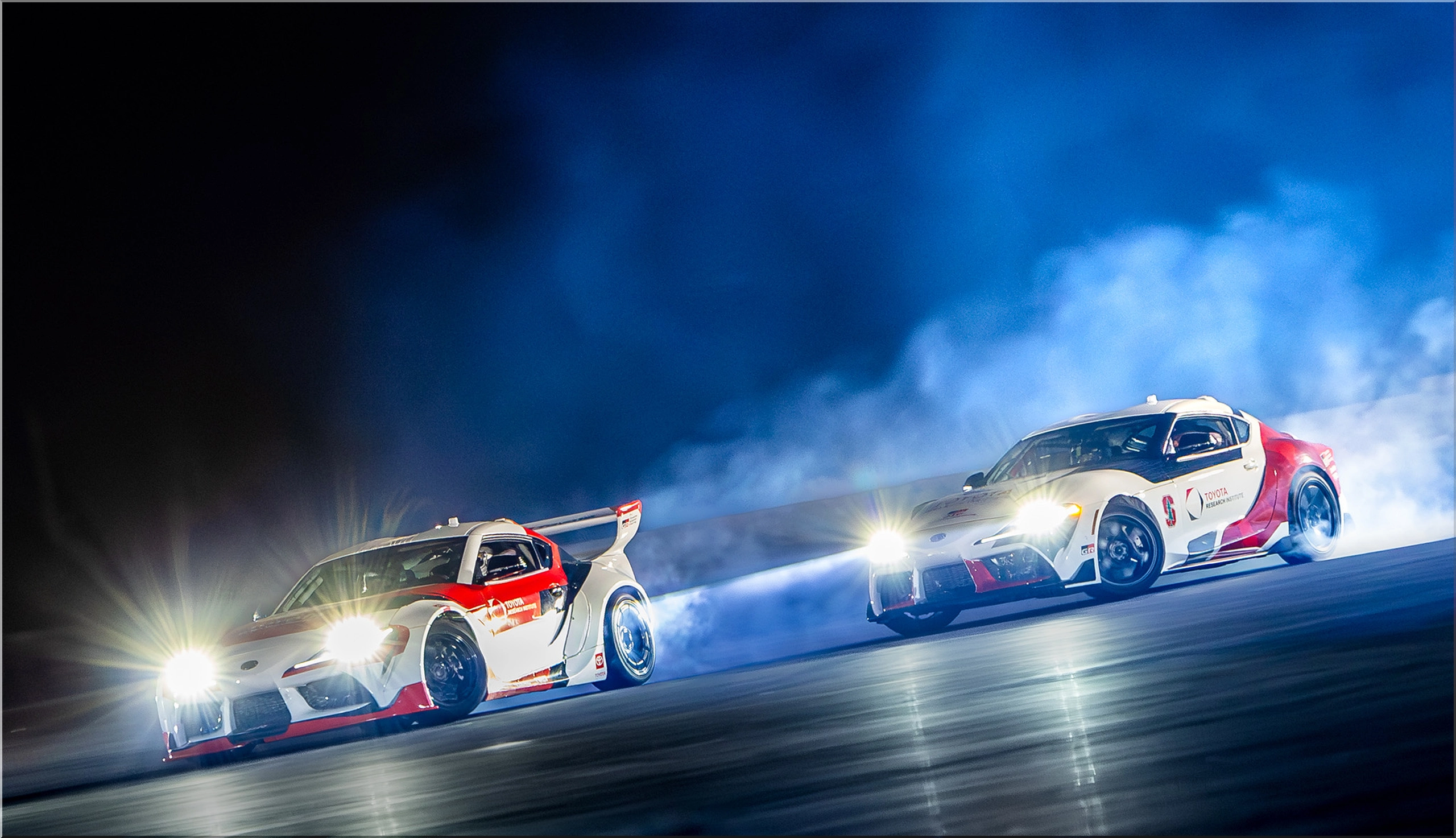
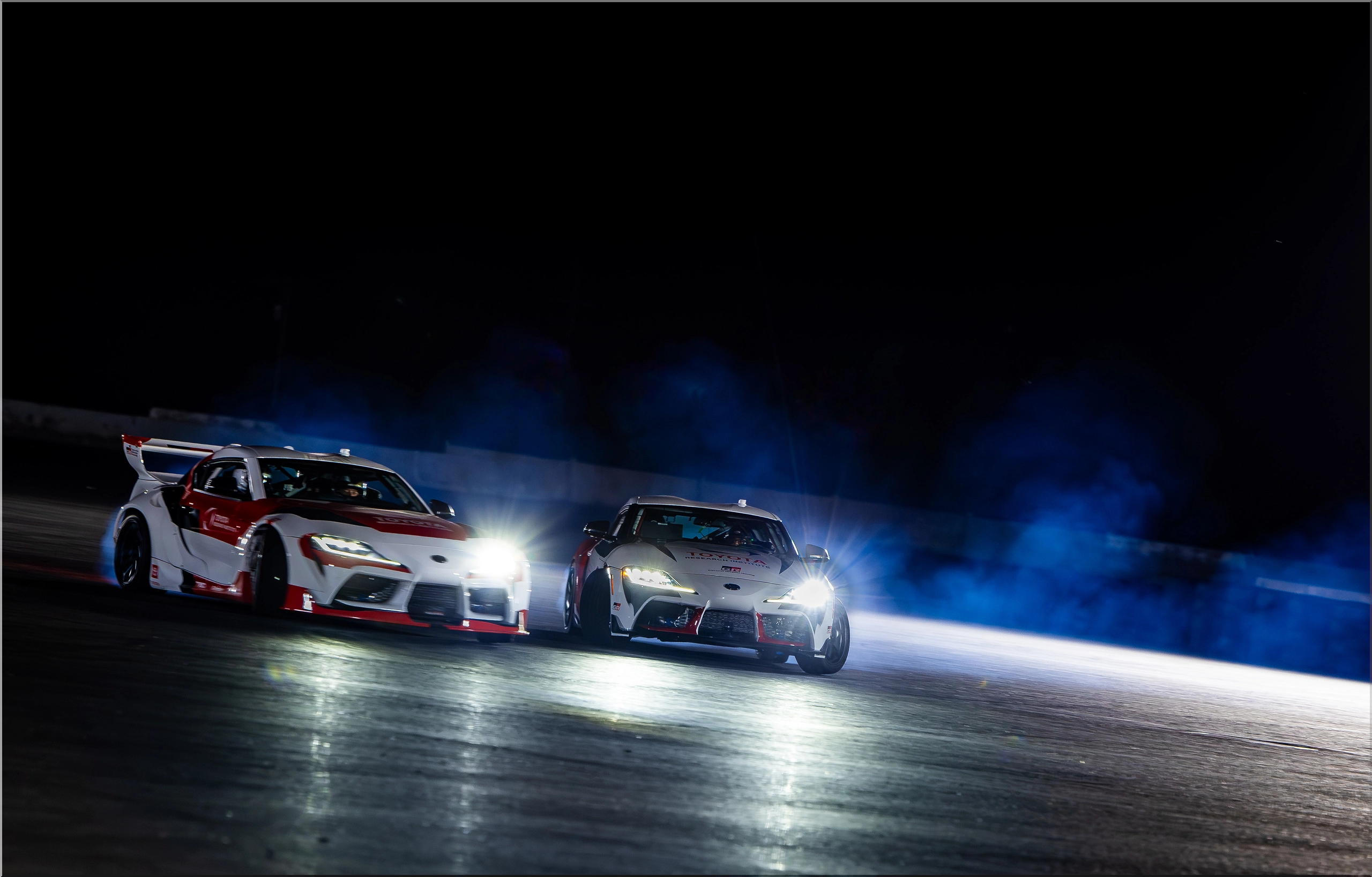
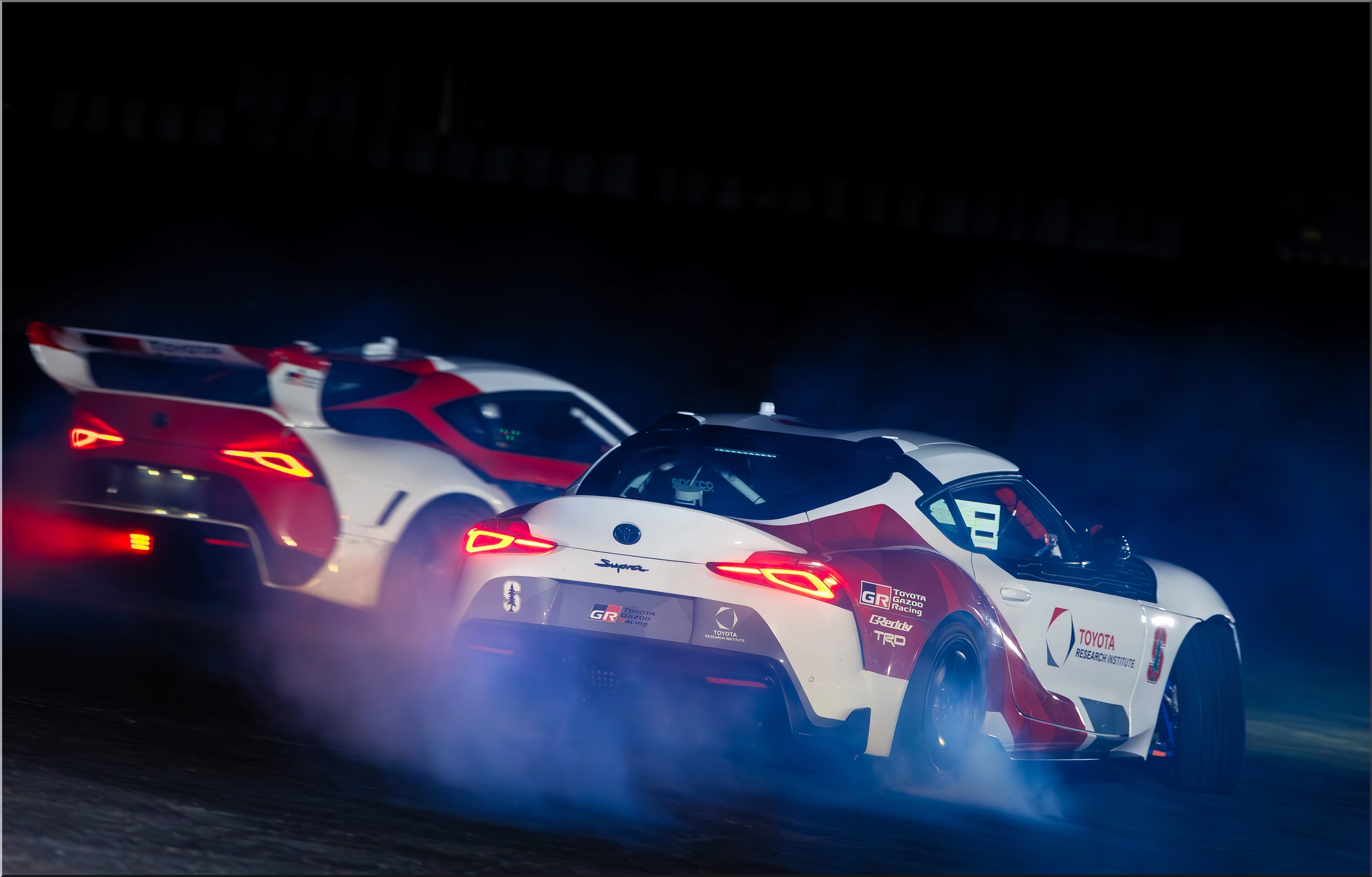
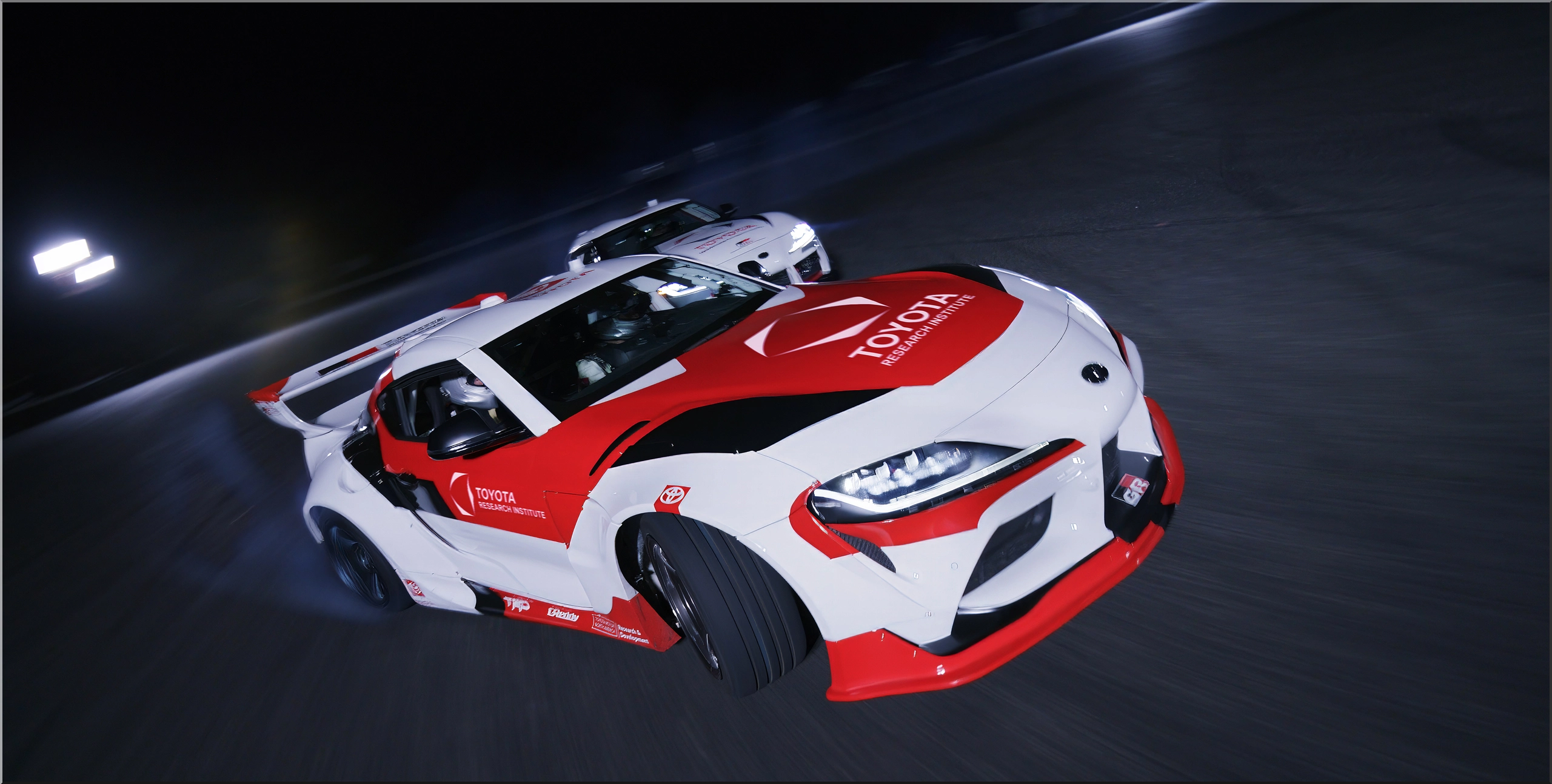
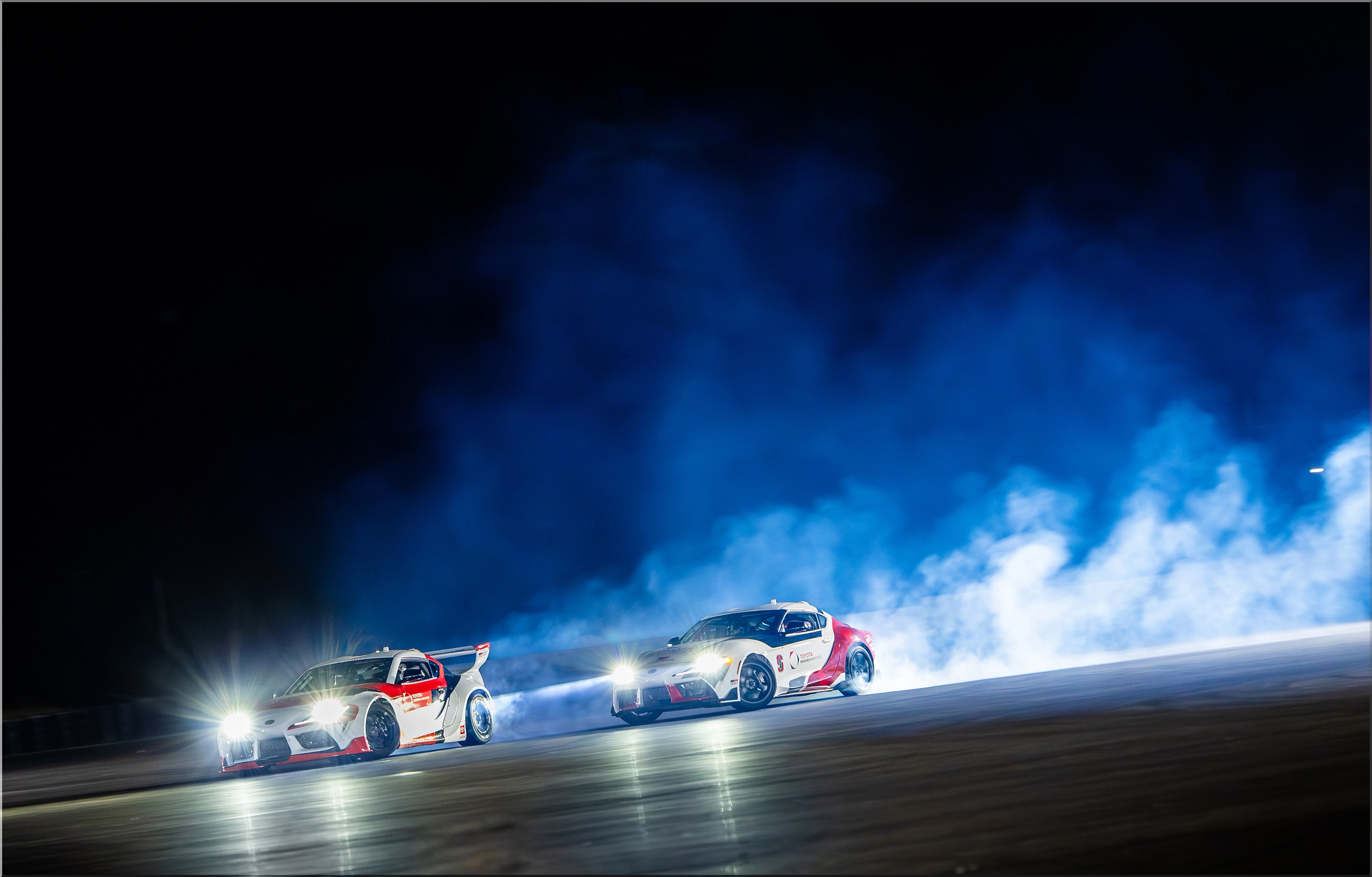
Breaking new ground in the ever-evolving world of autonomous vehicles, Toyota Research Institute (TRI) and Stanford Engineering have collaborated to achieve a remarkable feat: the world's first fully autonomous tandem drift sequence. This groundbreaking accomplishment signifies a significant leap forward in the development of artificial intelligence (AI) for automotive applications, with the potential to extend far beyond the realm of drifting competitions.
The Thrill of Drifting, Mastered by Machines
Drifting, a motorsport that involves intentionally oversteering a car to maintain controlled slides through corners, is a captivating display of human skill and vehicle control. However, replicating this feat autonomously presents a formidable challenge. Stanford Engineering's contribution to this project lies in the development of AI vehicle models and algorithms. These models endow the chase car with the capability to dynamically adapt to the lead car's movements, enabling it to drift in perfect harmony without colliding.
A Testament to the Power of Collaboration
This triumph exemplifies the power of collaboration between industry leaders and academic institutions. TRI's expertise in automotive engineering perfectly complements Stanford's prowess in AI research. This collaboration has yielded a groundbreaking achievement that pushes the boundaries of what's possible in autonomous driving.
Beyond the Smoke and Tires: Implications for Safety
While achieving autonomous tandem drift might seem like a niche accomplishment, the underlying technology holds immense potential for improving overall driving safety. The AI systems developed for this project have honed their ability to anticipate and react to dynamic situations in real time, a crucial skill for navigating the complexities of the road. Furthermore, the data gathered during this project will provide valuable insights into vehicle control at the very edges of handling, potentially informing the development of advanced safety systems that can intervene and prevent accidents in critical situations.
Technical Innovations and Challenges
The technical achievements behind autonomous tandem drifting are rooted in advanced AI and vehicle control systems. TRI and Stanford equipped two modified Toyota GR Supras—dubbed “Keisuke” and “Takumi”—with sophisticated control algorithms and hardware modifications. These cars were engineered to the specifications of Formula Drift competitions, ensuring they could perform under extreme conditions.
Key to their success was the development of a neural network tire model. This AI-driven model allowed the vehicles to learn from their experiences on the track, adapting to variations in conditions such as temperature changes that affect tire grip. Chris Gerdes, professor of mechanical engineering at Stanford and co-director of the Center for Automotive Research at Stanford (CARS), highlighted the importance of this adaptability. “The AI we developed for this project learns from every trip we have taken to the track to handle this variation,” he explained.
A Glimpse into the Future of Autonomous Driving
The successful execution of autonomous tandem drifting represents a significant milestone on the path towards a future filled with more capable and dependable self-driving cars. The AI and machine learning techniques honed during this project can be adapted for various purposes, including:
- Enhanced maneuverability: Autonomous vehicles will be able to navigate tight spaces and handle unexpected situations with greater precision.
- Improved accident avoidance: The ability to anticipate and react to potential hazards will be significantly enhanced.
- Refined passenger comfort: Smoother and more precise handling will contribute to a more comfortable riding experience.
The Road Ahead
While achieving autonomous tandem drift is a remarkable feat, it's merely a stepping stone on the path toward a future filled with intelligent vehicles. TRI and Stanford's collaboration serves as a beacon of innovation, illuminating the immense potential of AI to revolutionize the automotive industry and enhance road safety for all.
- Add new comment
- 165 views