
Tokyo Targets Hydrogen Leadership
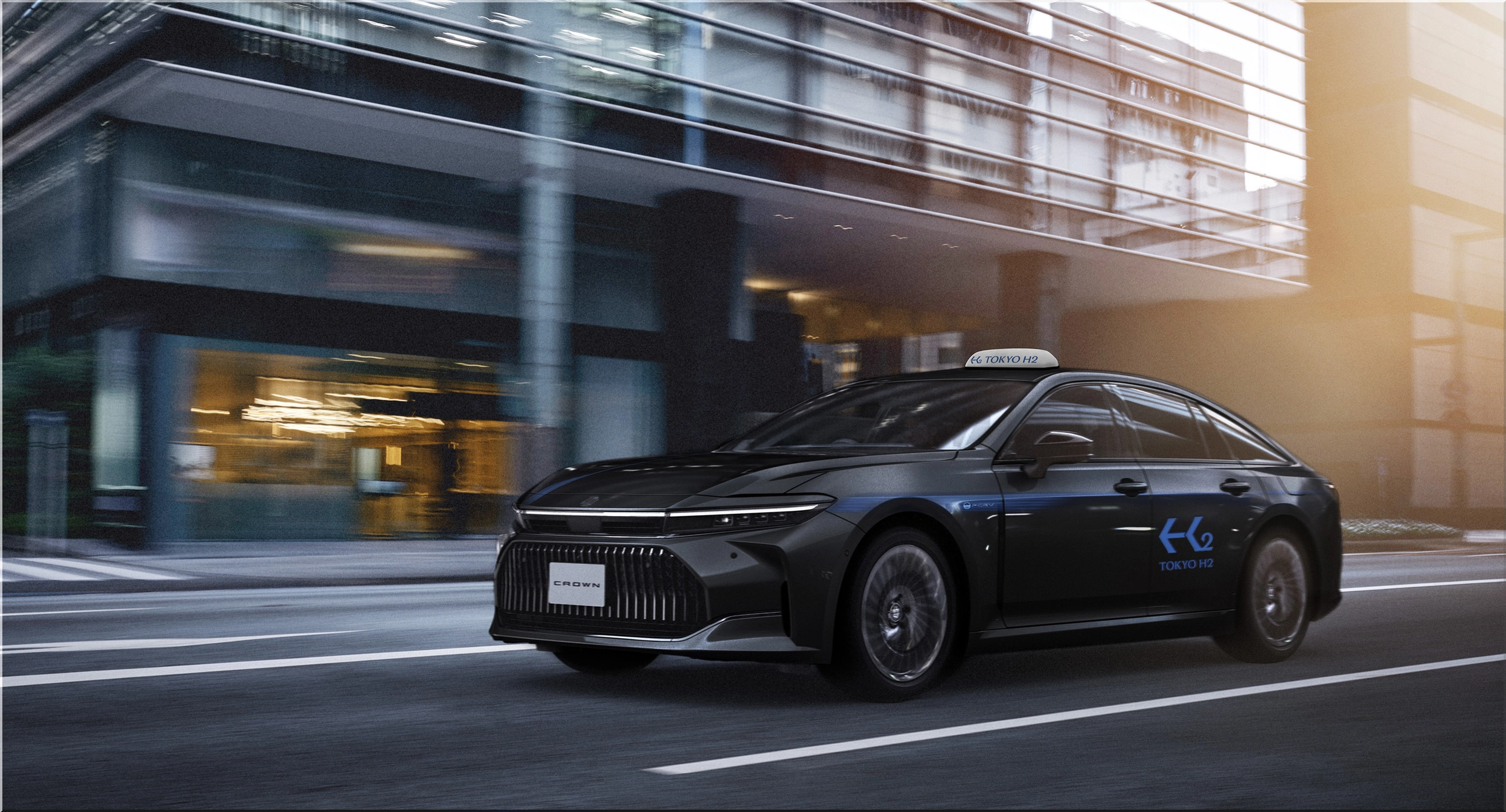
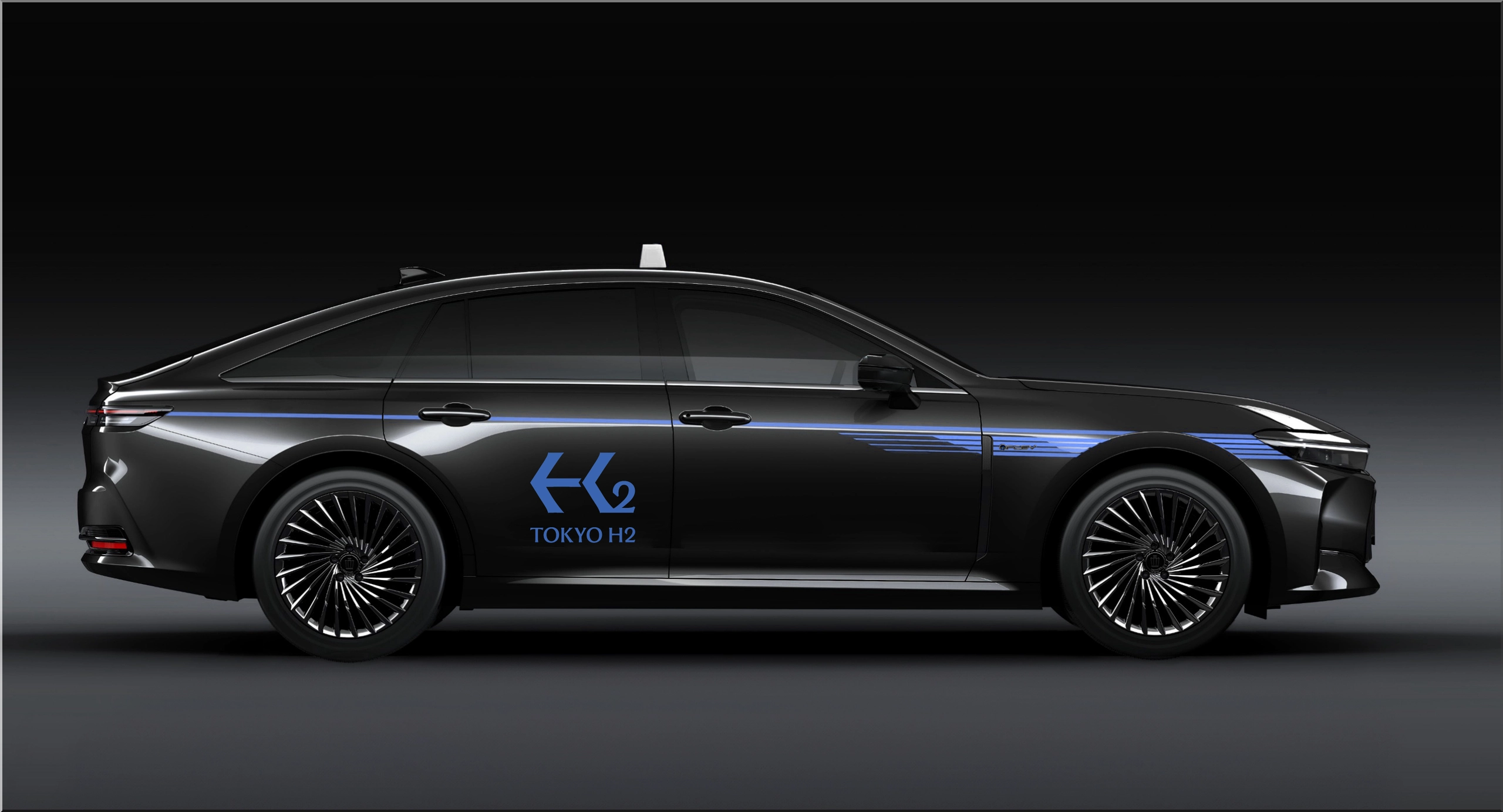
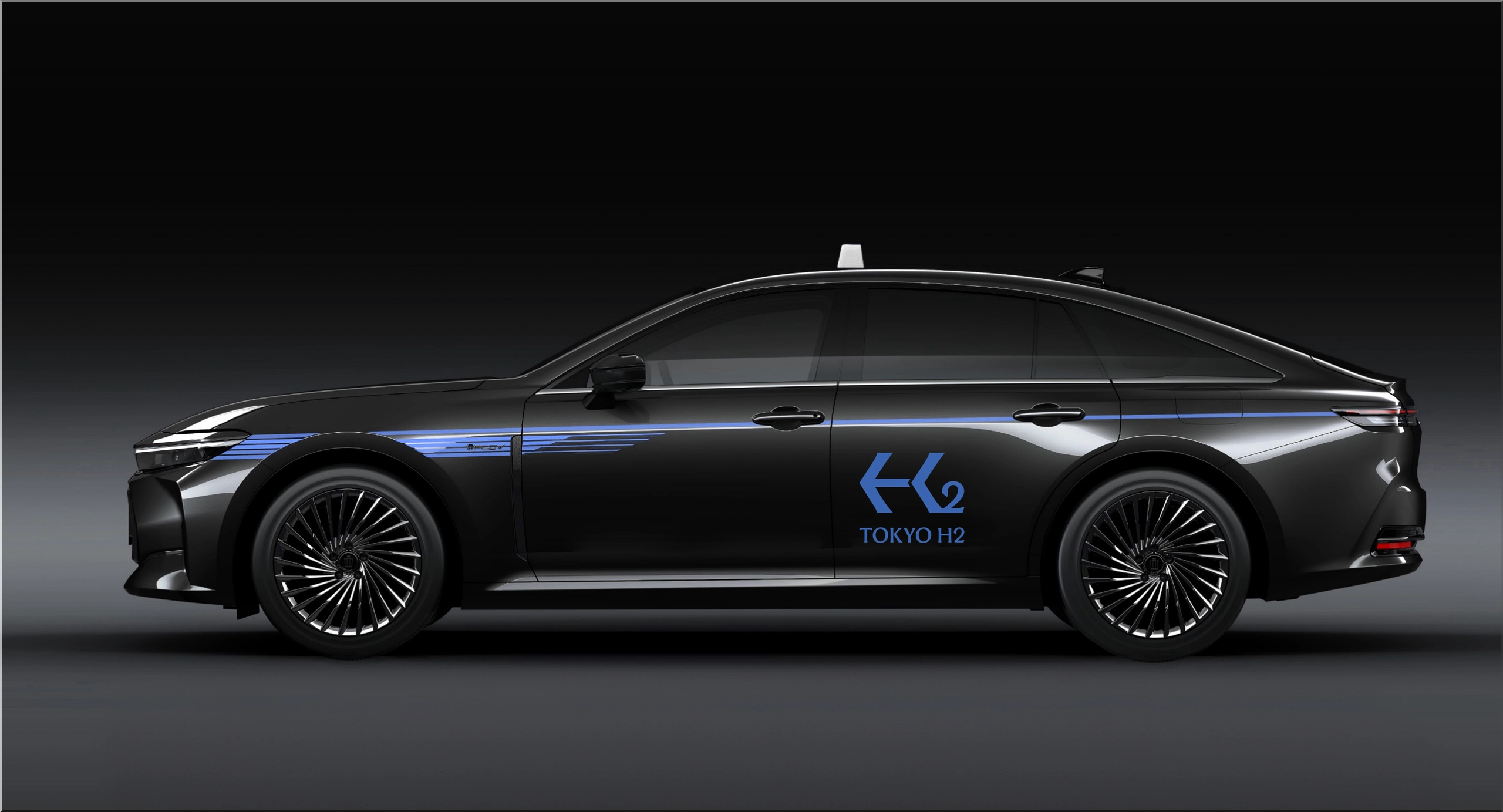
In September 2025, the TOKYO H2 project launched with a clear goal. Make Tokyo a hydrogen mobility leader. The program centers on fuel cell taxis and trucks. Toyota supports the plan with its Crown fuel cell taxi. Toyota pledged 200 Crown FCEVs by fiscal year 2025. The city aims for 600 hydrogen taxis by 2030.
The plan builds daily fuel demand. That demand justifies more stations and lowers risk for investors.
Crown Fuel Cell Taxi: Urban Fit
The Toyota Crown FCEV targets taxi duty cycles. It focuses on comfort, range, and uptime.
- Quiet operation improves ride quality on dense routes.
- Spacious rear seating serves airport and hotel trips.
- Low entry height speeds boarding and cut dwell time.
Operators want fast turns and predictable costs. The fuel cell vehicle format supports both aims.
TOKYO H2 Hub: Knowledge and Collaboration
Toyota reopened its former Mirai showroom as the TOKYO H2 Hub. It sits in Minato City. The site educates riders and connects companies. It also shows hydrogen infrastructure in action.
- Public information on hydrogen mobility and safety.
- Workshops for fleet and energy partners.
- Live demos of Toyota Crown FCEV taxis.
Public-Private Strategy That Targets Daily Utilization
The city aligns policy, branding, and fleets. Toyota aligns vehicles, service, and refueling partners.
- Deploy hydrogen taxis Tokyo wide.
- Build a clear hydrogen brand across the city.
- Scale fueling capacity with shared investment.
- Reach hydrogen leadership by 2030.
Fleet growth creates stable demand. Stable demand supports station cash flow.
Hydrogen Economics: The Cost Math Today
Hydrogen in Japan averages about $10 USD/kg. A Crown FCEV uses about 0.9 kg/100 km. That equals $9 per 100 km. Compare with other taxi formats:
| Powertrain | Energy cost (USD/100 km) | Operational edge |
|---|---|---|
| Hydrogen FCEV taxi | $9 | Quick refueling, steady range |
| Hybrid taxi | $5 | Low fuel cost, dense station map |
| BEV taxi | $3–4 | Lowest energy cost, depot charging |
Subsidies help close the gap. Scale and cheaper hydrogen must do the rest.
Why Taxis Are the First Scalable Test
- High utilization needs fast refueling.
- Urban visibility drives awareness and trust.
- Predictable routes simplify station placement.
Win taxis and trucks get easier. Duty cycles look similar and uptime rules both segments.
Global Comparison: California
California set a hydrogen infrastructure target through 2030. Progress trails targets.
- About 55 public stations operate statewide in 2025.
- Hydrogen averages $12–$16 USD/kg.
- Toyota Mirai adoption stays niche due to station gaps.
Tokyo can bunch stations in a compact area. That helps station throughput and uptime.
Global Comparison: Europe
Europe backs a fleet-first hydrogen strategy. Trucks and buses lead adoption.
- Germany runs 100+ stations, with regional focus.
- France funds hydrogen vans and logistics nodes.
- The UK fields hydrogen double-deck buses in London.
Tokyo copies the fleet lens with taxis. It targets where refueling speed beats charging time.
Infrastructure Needs: Stations, Supply, and Throughput
The 600-taxi target needs 20–30 stations across metro Tokyo.
- Depot stations for taxi operators.
- Public forecourts for visibility.
- Hydrogen supply scaling to cut delivered cost.
Compression, storage, and delivery must match peak hours. Downtime kills fleet trust fast.
Toyota Beyond Zero: Multi-Path Strategy
Toyota Beyond Zero targets zero emissions and added social value. Toyota runs a multi-path plan. Hybrids, plug-in hybrids, BEVs, and hydrogen mobility share the stage. Hydrogen supports heavy duty use and grid-constrained areas. It also builds energy partnerships.
Strategic Role of Hydrogen for Toyota
- Energy security with domestic and imported supply.
- Industrial collaboration across energy and logistics.
- Heavy transport where BEV weight and charging slow duty.
- City resilience with distributed fuel and storage.
This plan hedges a BEV-only path. It also keeps options open as costs shift.
Policy Context: Japan, U.S., and EU
Japan Hydrogen Roadmap
Japan targets about 3 million tons of hydrogen use by 2030. Mobility is one pillar. Tokyo’s taxi program fits the plan. It grows demand and tests urban scale.
U.S. Hydrogen Shot
The U.S. aims for $1 USD/kg clean hydrogen within a decade. Production costs lead the agenda. Mobility follows heavy industry and power use cases. Fleets adopt where stations exist.
EU Hydrogen Strategy
The EU plans up to 40 GW electrolyzers by 2030. Logistics and industry sit first. Passenger cars remain niche. Buses, trucks, and rail carry the near-term load.
At-a-Glance Comparison
| Region | Primary focus | Key 2030 target | Passenger adoption |
|---|---|---|---|
| Japan | Urban fleets and energy supply | ~3M tons consumption | Taxi focus in Tokyo |
| U.S. | Production cost reduction | $1/kg Hydrogen Shot | Niche, infrastructure limited |
| EU | Industry and logistics | ~40 GW electrolyzers | Low, fleet-first use |
Key Risks That Could Slow Adoption
- Infrastructure lag against fleet growth.
- Cost gap with BEVs and hybrids.
- Global BEV momentum in urban fleets.
Tokyo must link vehicle rollouts to station builds. That link protects uptime and trust.
Outlook to 2030: What Success Looks Like
- 600 hydrogen taxis running daily routes.
- A metro network of refueling stations with high throughput.
- Hydrogen trucks in regional logistics lanes.
- A visible brand that signals hydrogen leadership.
Toyota’s 200 Crown FCEVs by 2025 kickstart the curve. Cost cuts and scale must follow.

Final Takeaway
The TOKYO H2 project is a live test for hydrogen mobility at city scale. Toyota Crown FCEV taxis and the TOKYO H2 Hub build demand and proof. Hit the cost and uptime targets and Tokyo sets the pace for fleets. Miss them and BEVs win more ground. @ drivinghydrogen.
- Add new comment
- 124 views