Atlas Dominates CES 2026 With a Clear Industrial Message
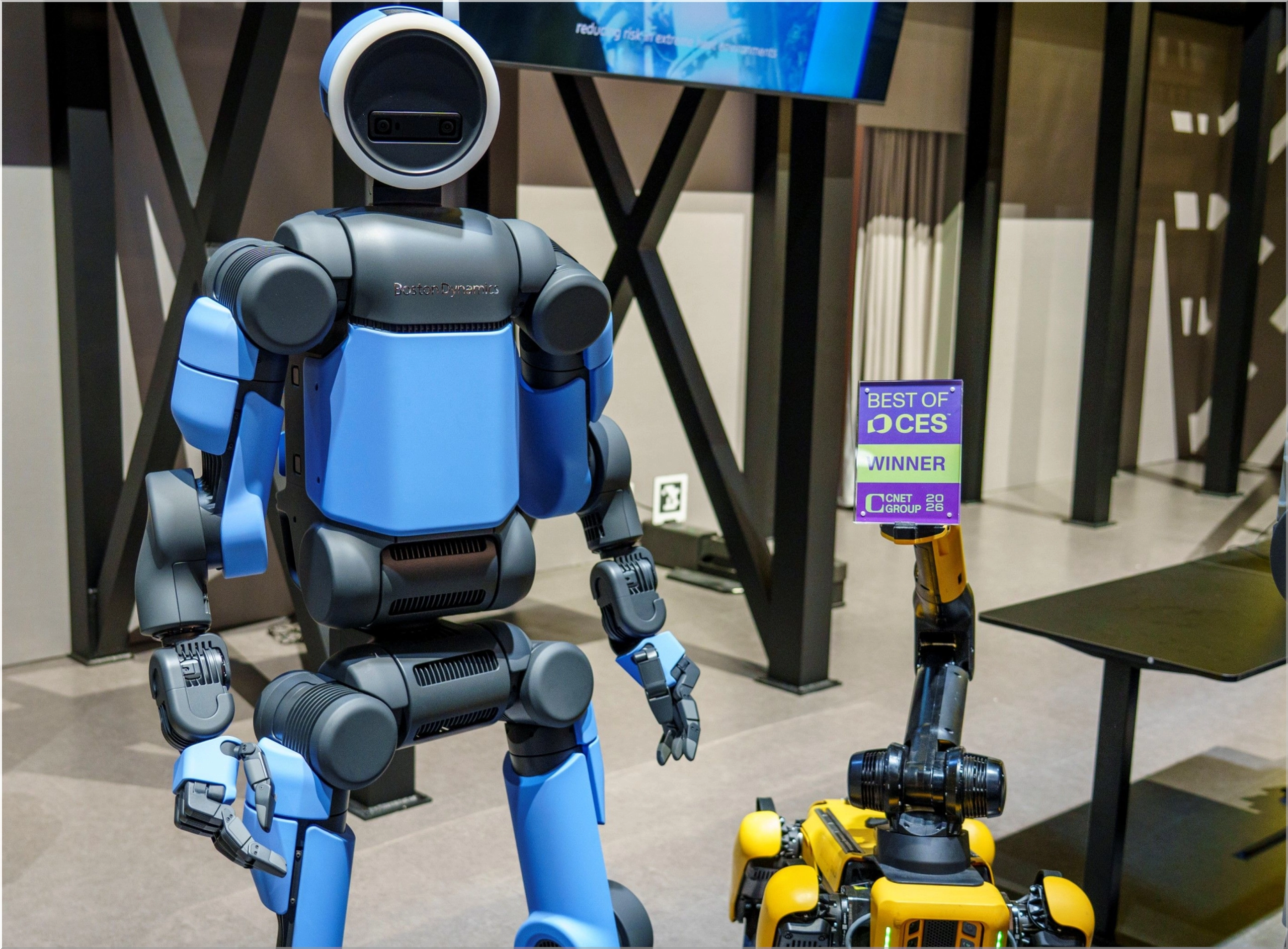
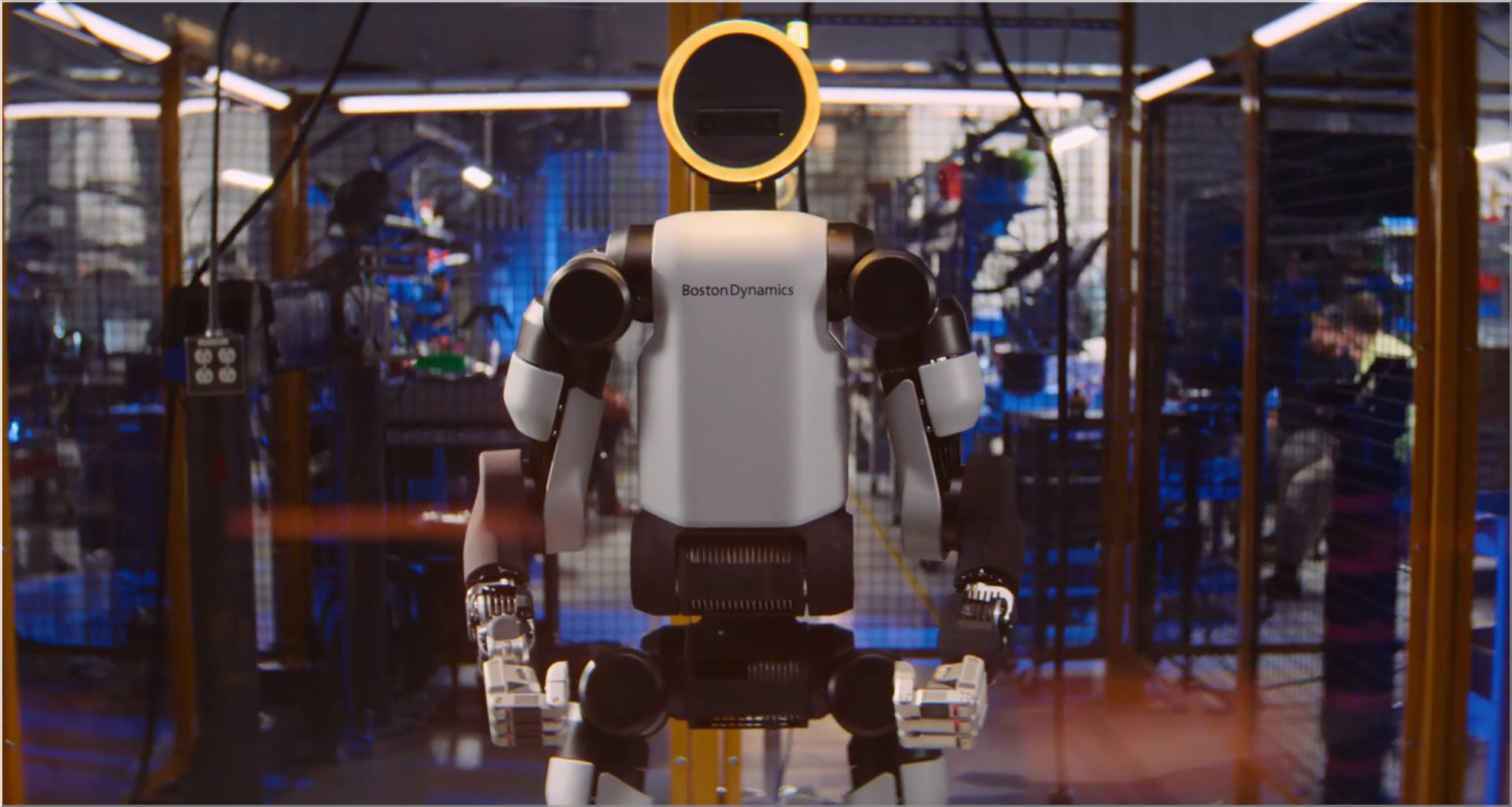
Boston Dynamics returned to the center of the robotics conversation at CES 2026. Its humanoid robot, Atlas, received the Best Robot award from the CNET Group after a live debut that focused on applied performance.
This recognition carries weight because CES judging panels reward deployable technology. Atlas showed controlled movement, task readiness, and a defined commercial path. Those factors separate engineering demonstrations from production-grade machines.
The unveiling took place during Hyundai Motor Group's CES media briefing. Hyundai used the stage to outline how physical AI fits into future manufacturing operations. Atlas served as the proof point.
Why Atlas Stands Apart From Other Humanoid Robots
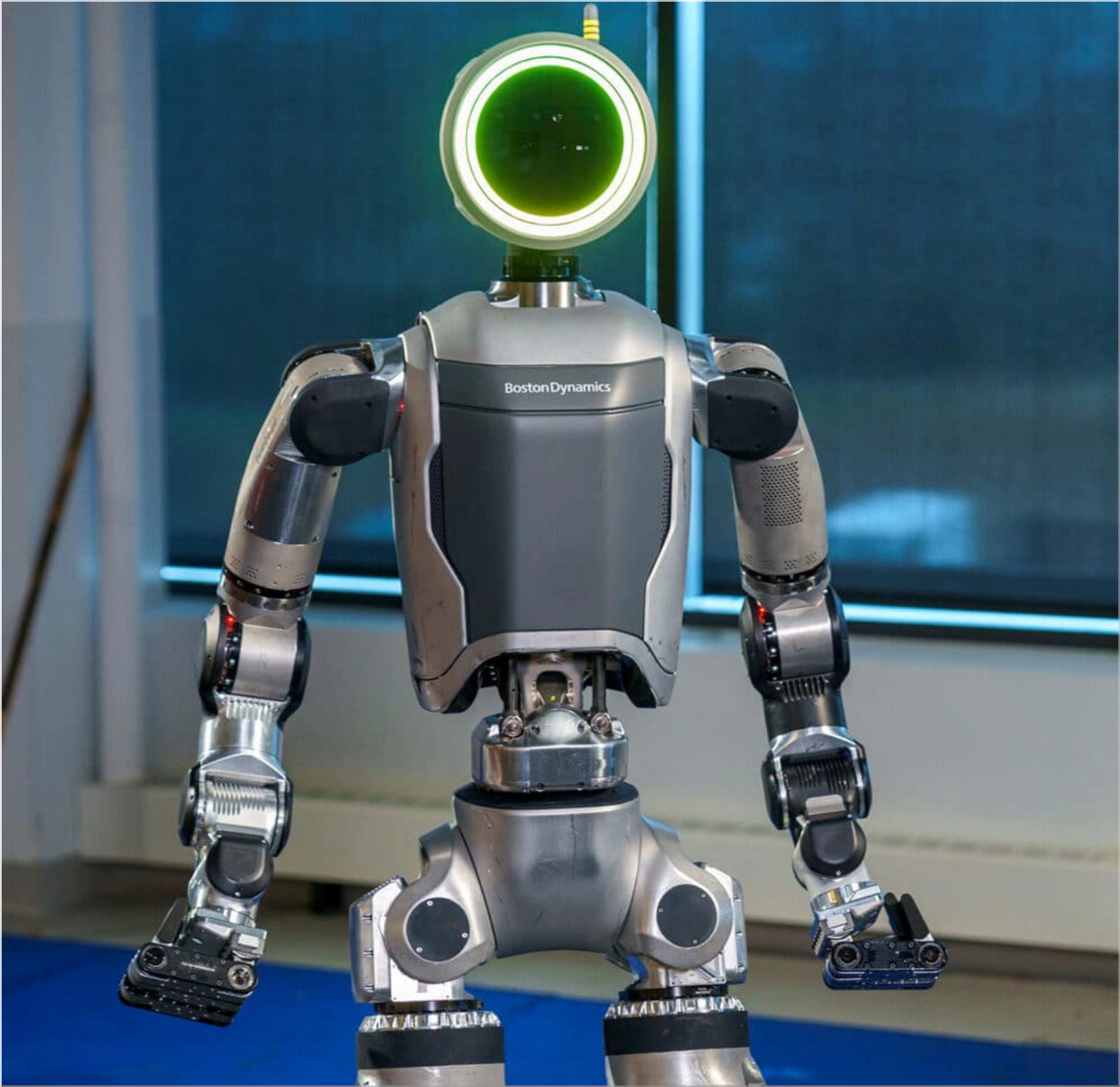
Atlas succeeds where many humanoid robots stall. Most competitors still operate in scripted environments or rely on human supervision. Atlas demonstrated autonomous balance, adaptive walking, and precise manipulation under live conditions.
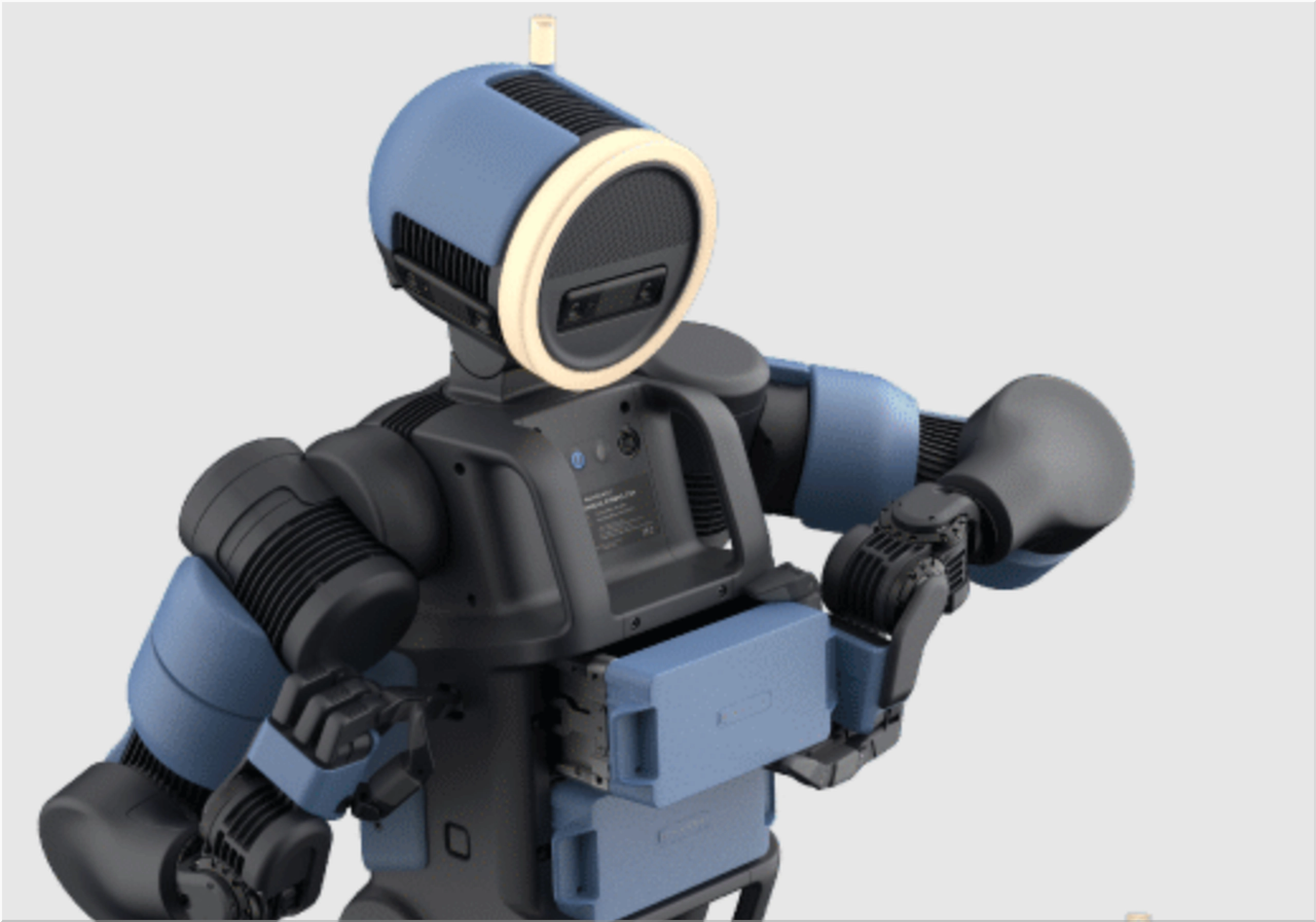
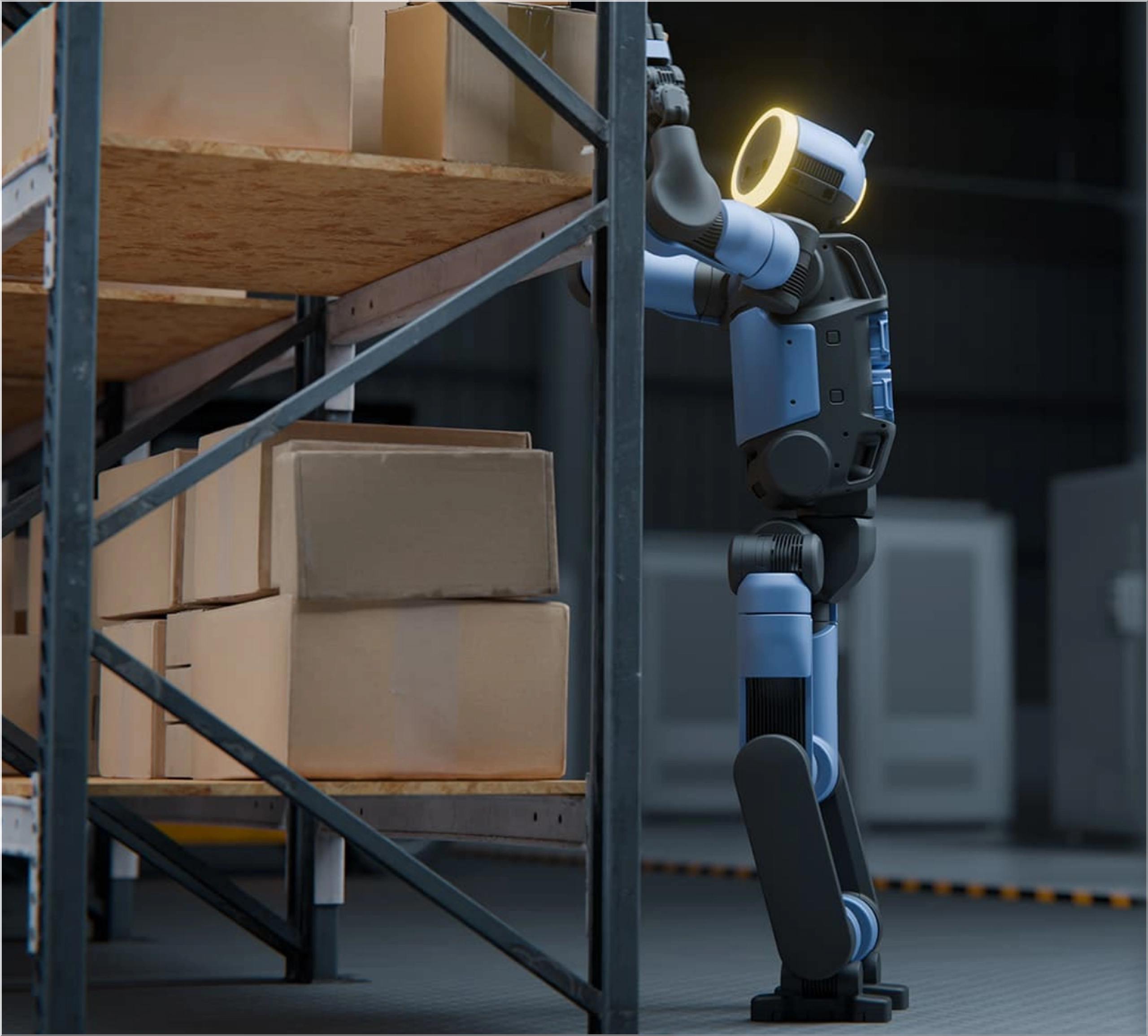
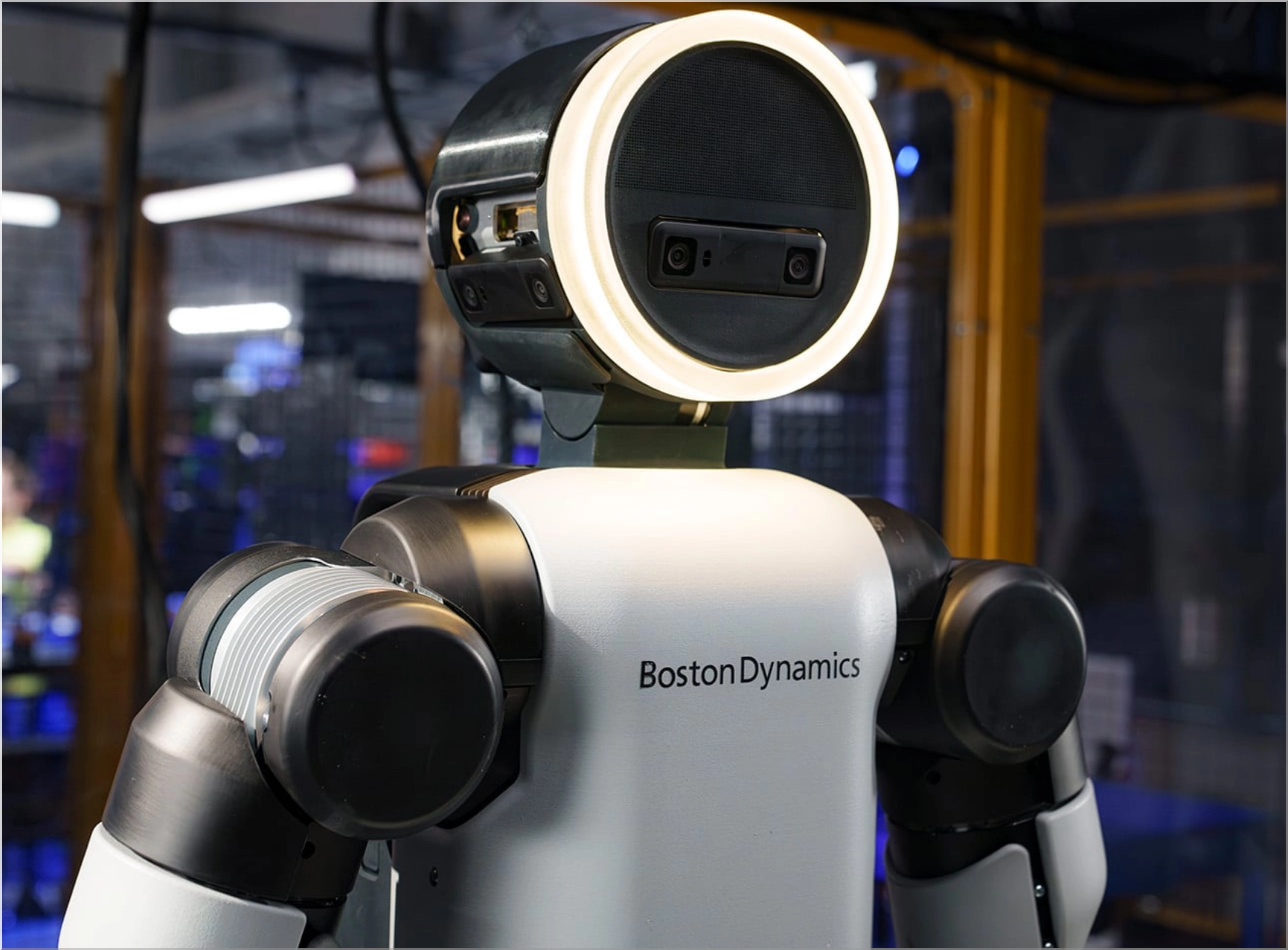
Boston Dynamics redesigned Atlas with industrial movement as the priority. The robot uses advanced rotational joints and distributed sensors that allow it to react in real time. That design reduces pauses, resets, and error recovery delays.
Key performance metrics include:
- Human-like gait capable of handling slopes, debris, and uneven floors
- 110-pound lifting capacity, which matches many repetitive factory tasks
- 56 degrees of freedom, allowing complex joint articulation
- Human-scale hands with tactile sensing for accurate grip control
These specifications place Atlas closer to human labor capability than any previous Boston Dynamics platform.
Definition: Physical AI in Manufacturing
Physical AI combines artificial intelligence with mechanical autonomy. In manufacturing, this means robots that sense their environment, make decisions, and perform physical work without fixed programming. Atlas fits this category by adapting to variable factory conditions.
Hyundai's Role Moves Atlas Toward Real Production
Hyundai does not position Atlas as a concept. The company committed to deployment.
Atlas will begin work at Hyundai Motor Group Metaplant America in Savannah, Georgia by 2028. Early assignments focus on parts sequencing, internal logistics, and material handling. These tasks stress consistency and physical endurance.
Hyundai plans to expand Atlas use by 2030 into component assembly and repetitive operations. Over time, Atlas will handle jobs that expose human workers to strain, fatigue, or injury.
This approach reflects Hyundai's broader automation strategy. The company aims to improve throughput while lowering ergonomic risk. Atlas supports that goal without forcing factories to redesign layouts.
Factory-Ready Design Reduces Adoption Friction
Atlas was engineered to operate in human-built spaces. That decision lowers integration costs and speeds adoption.
Operational features include:
- Autonomous operation without constant supervision
- Automatic battery replacement to support continuous shifts
- Water resistance for industrial washdowns
- Stable performance from -4 to 104 degrees Fahrenheit
Training efficiency also stands out. Boston Dynamics states most tasks can be taught in under a day. That learning curve matters for factories that change production lines frequently.
Atlas does not require specialized infrastructure. It moves through standard doorways, stairs, and work cells. This flexibility allows manufacturers to deploy it incrementally.
Safety and Reliability Drive Atlas' Industrial Appeal
Manufacturers value predictability. Atlas was designed with safety systems that prioritize controlled motion and fail-safe behavior.
Sensors monitor joint load, balance, and environmental contact. When Atlas detects anomalies, it adjusts movement rather than stopping abruptly. This behavior reduces downtime and risk.
Hyundai plans to validate Atlas performance gradually. Each deployment phase builds confidence before scaling across entire plants. That staged rollout lowers operational risk.

How Atlas Compares With Other Humanoid Robots
The humanoid robotics field has expanded rapidly. Several companies target factory and logistics roles, but Atlas leads in readiness and strength.
| Robot | Primary Use Case | Lifting Capacity | Commercial Status |
|---|---|---|---|
| Boston Dynamics Atlas | Industrial labor | 110 lbs | Factory deployment planned |
| Tesla Optimus | Manufacturing support | ~45 lbs | Prototype |
| Figure 01 | Assembly and logistics | ~44 lbs | Limited pilots |
| Agility Robotics Digit | Warehouse transport | ~35 lbs | Select commercial use |
Atlas exceeds competitors in payload capacity and movement complexity. It also benefits from Hyundai's manufacturing footprint, which accelerates real-world testing.
Why CNET Group Selected Atlas as Best Robot
CNET Group journalists assess technology based on impact and execution. Atlas delivered both.
Judges highlighted Atlas' natural walking gait, industrial-ready design, and immediate use case. They also cited Hyundai's commitment to deployment as a differentiator.
Many robots impress on stage but lack buyers. Atlas already has one.
Implications for Automotive Manufacturing
Automakers face persistent labor shortages and rising production costs. Automation offers relief, but traditional robots lack flexibility. Atlas fills that gap.
Fixed robots excel at repetitive tasks in controlled spaces. Atlas handles variable tasks in shared environments. This capability reduces the need for line redesigns when models change.
Atlas also supports worker safety. By taking on heavy lifting and repetitive motion tasks, it lowers injury risk and absenteeism. These factors directly affect production efficiency.
What Atlas Signals for the Robotics Market
Atlas changes expectations for humanoid robots. It shifts the category from experimental to operational.
Boston Dynamics positions itself as a supplier of industrial systems rather than demonstration machines. Hyundai gains early access to a tool that could reshape factory labor models.
If Atlas performs as planned, other manufacturers will follow. The result would accelerate adoption across logistics, assembly, and material handling sectors.
What Now for Boston Dynamics and Hyundai
The next phase focuses on execution. Atlas must deliver consistent performance over long production cycles.
Hyundai will validate safety, reliability, and cost efficiency before expanding deployment. Success at Metaplant America will guide rollout decisions globally.
For Boston Dynamics, Atlas represents a transition from viral videos to recurring revenue. For Hyundai, it strengthens vertical integration across mobility and manufacturing technology.
Pro-Tip for Industry Analysts
Track production metrics after deployment. Robots that improve throughput and reduce injury rates drive long-term adoption. Atlas now enters that evaluation phase.
- Add new comment
- 134 views