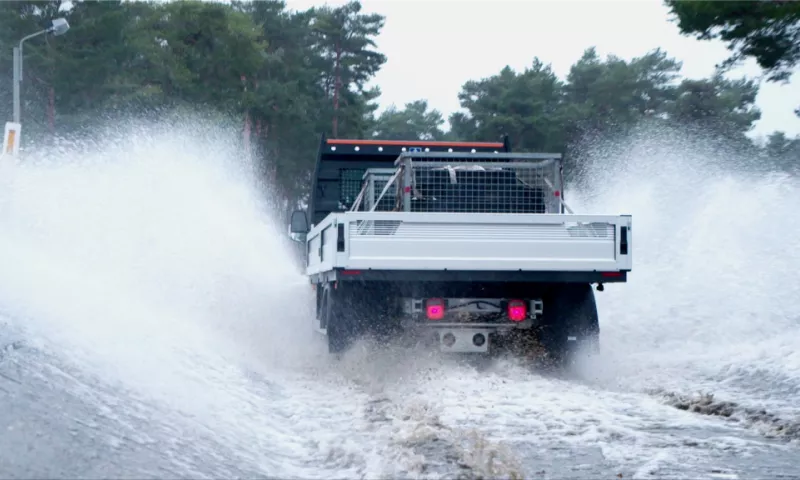
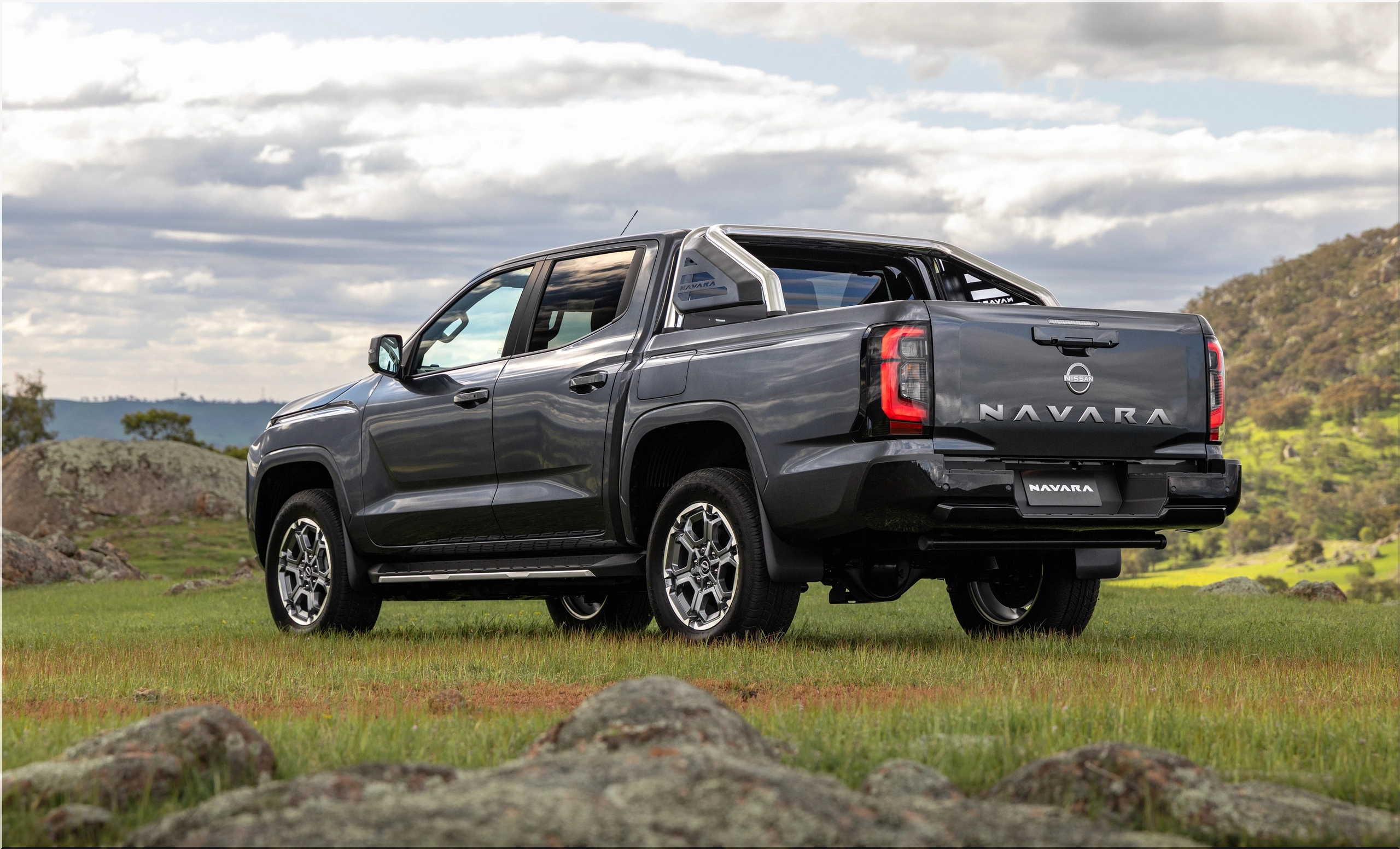
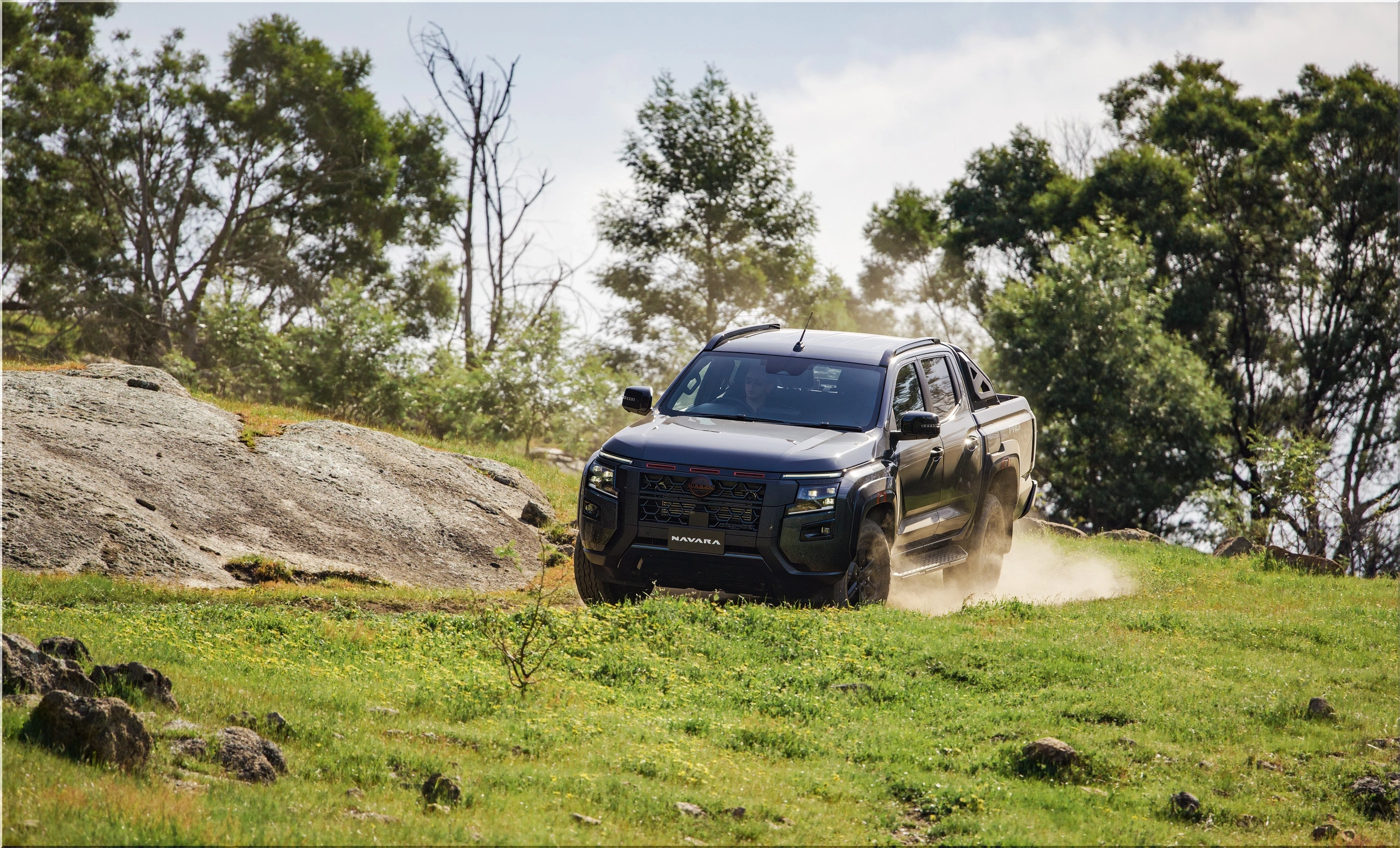
The 2026 Nissan Navara enters a midsize pickup segment defined by escalation. Competitors chase higher torque figures, more gears, and larger screens. Nissan takes a different path. It prioritizes cost control, mechanical familiarity, and regional tuning over headline-grabbing specifications.
This redesign reflects restraint, not retreat. Nissan aims the Navara at buyers who value predictability over performance theater. That positioning shapes every major decision in this truck.
Platform Sharing Defines the New Navara
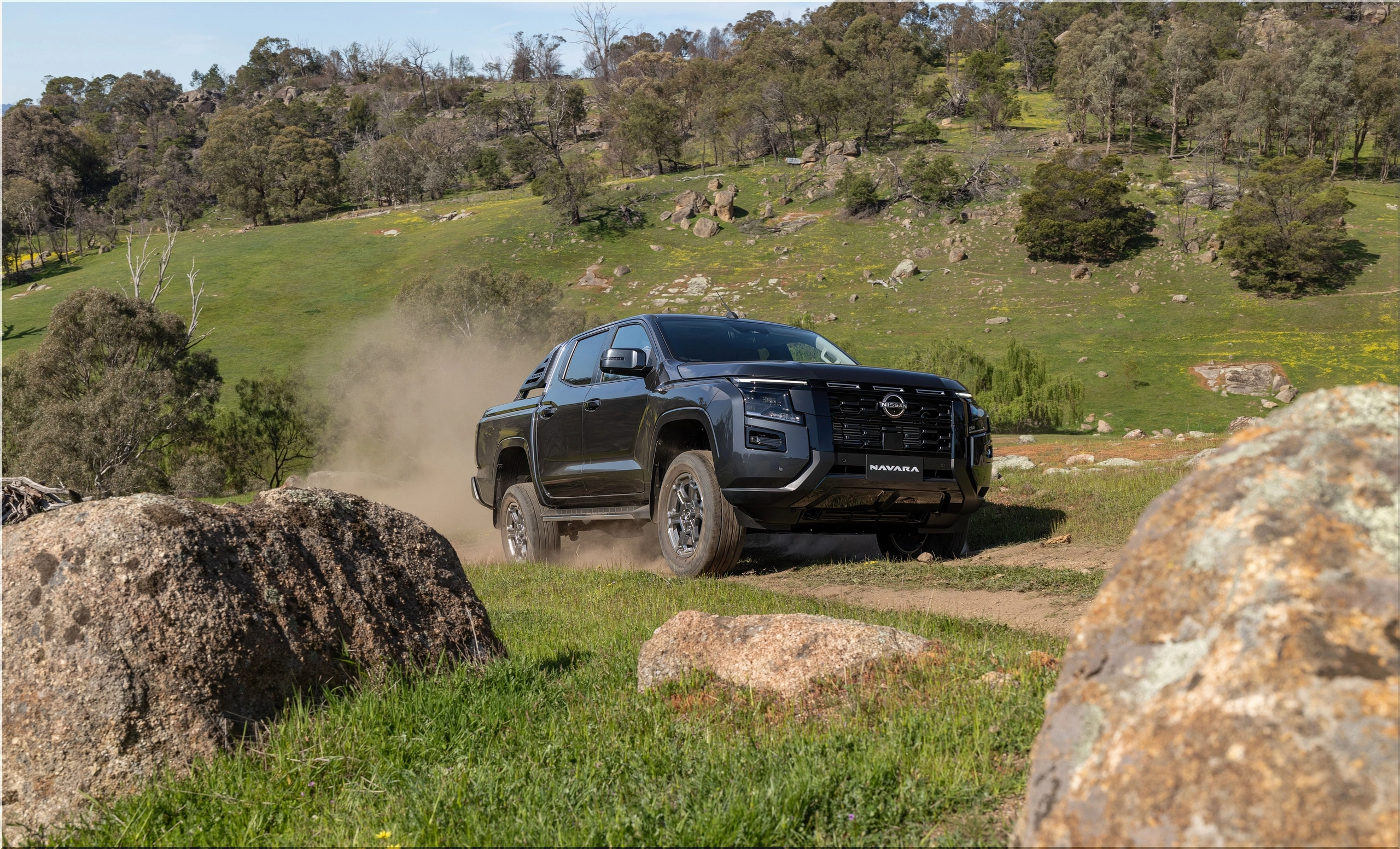
Nissan built the 2026 Navara on the same ladder-frame platform used by the Mitsubishi Triton. This choice anchors the entire program. The chassis structure, core dimensions, and hard points come from Alliance engineering, reducing development risk and production cost.
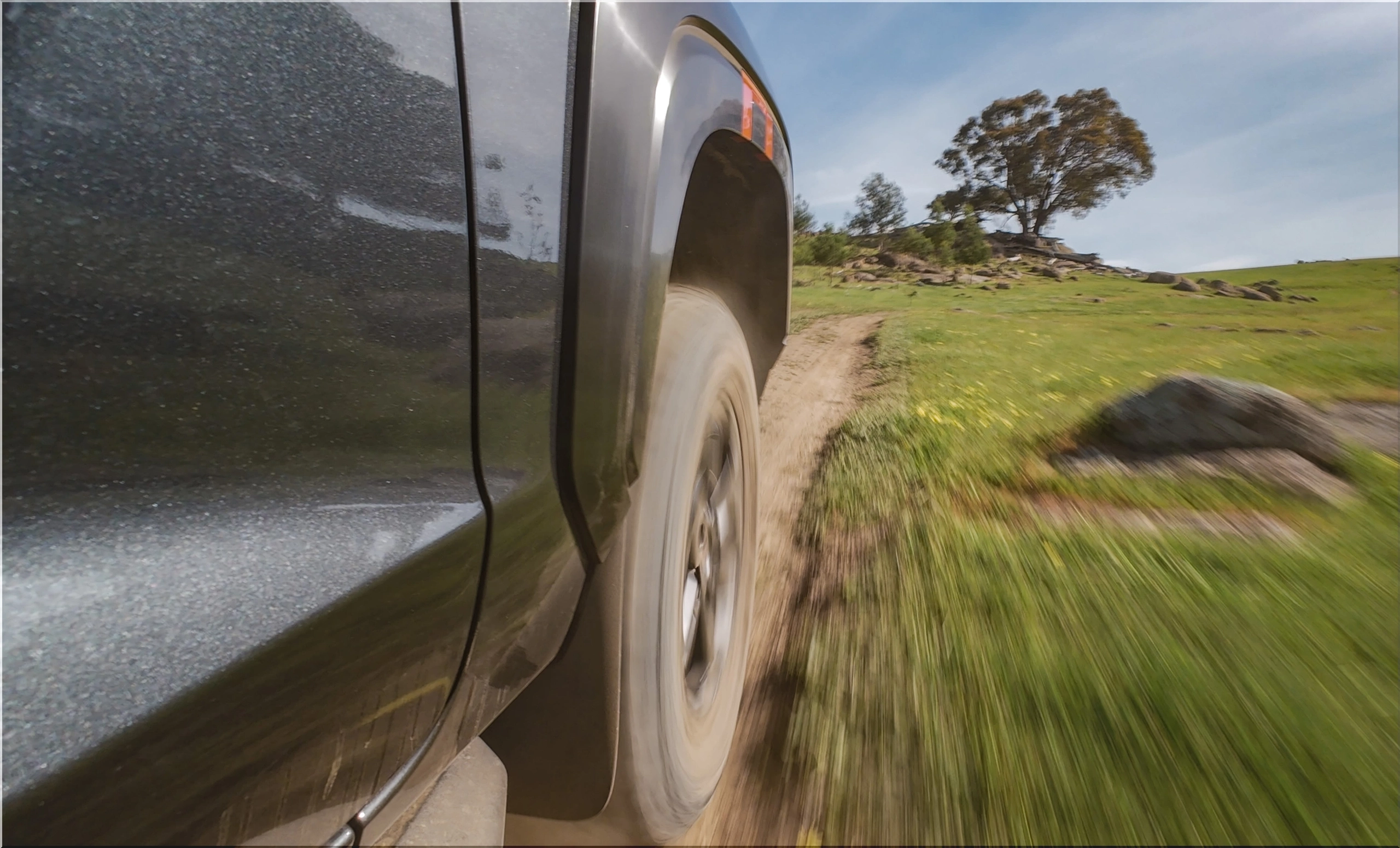
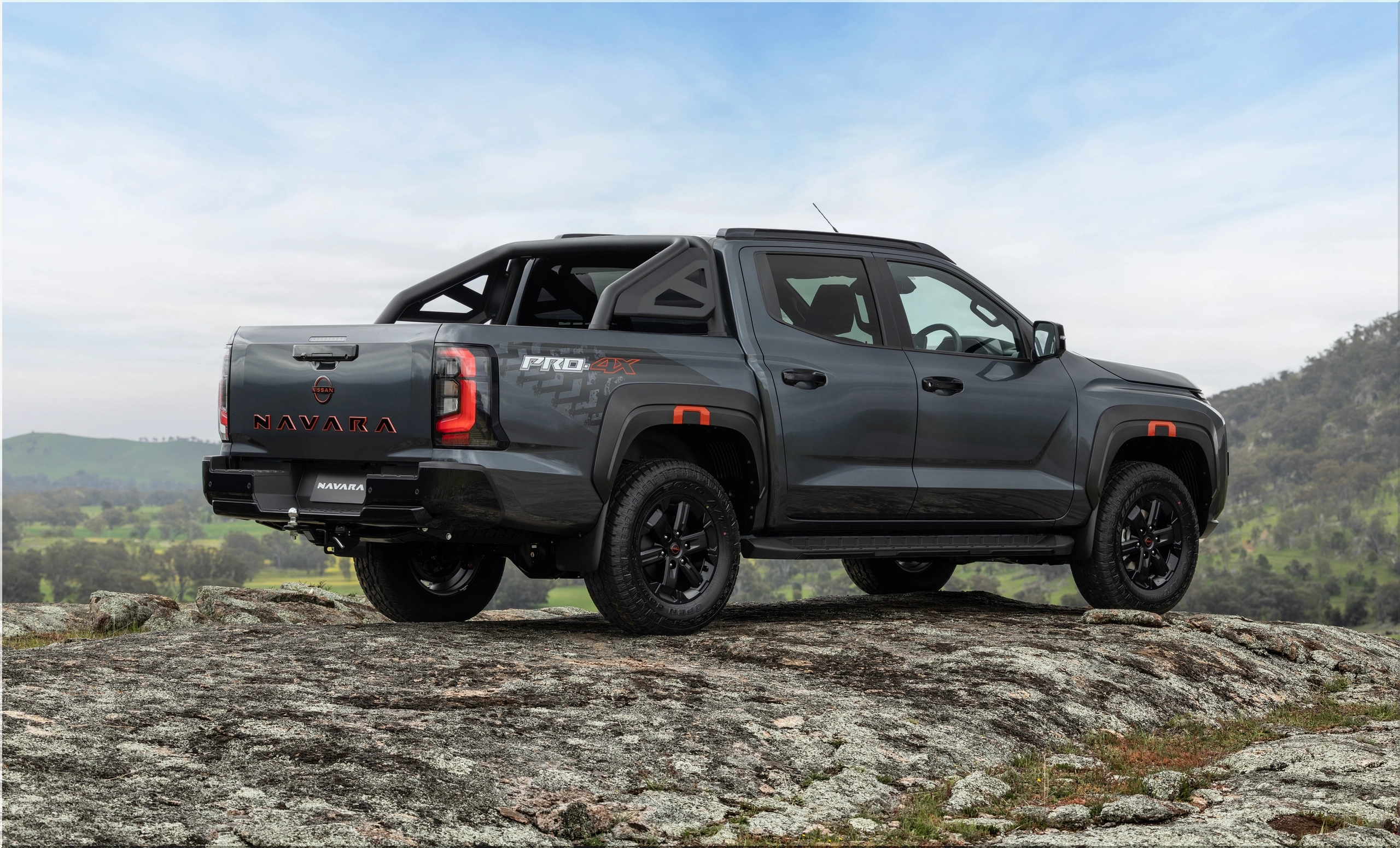
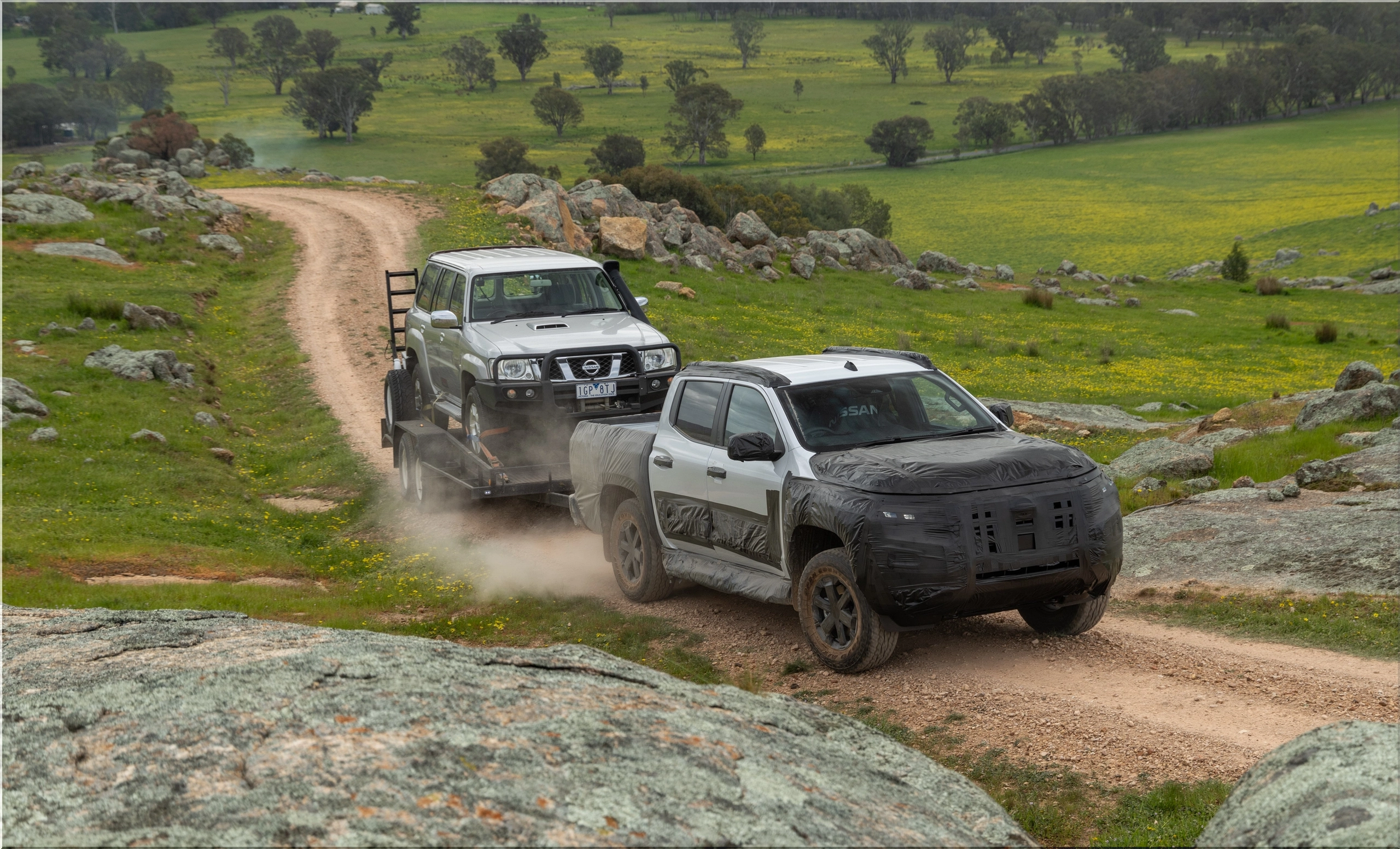
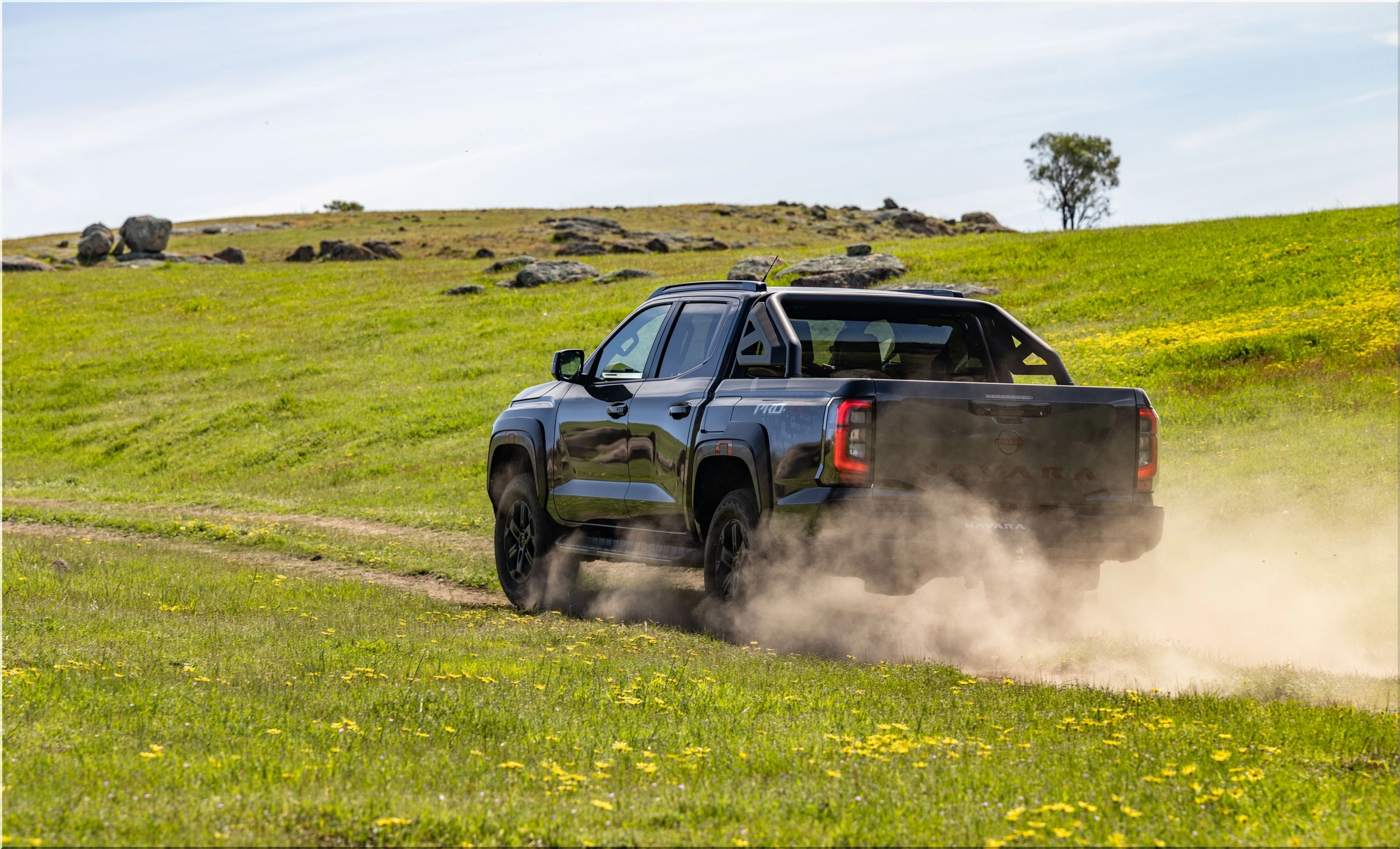
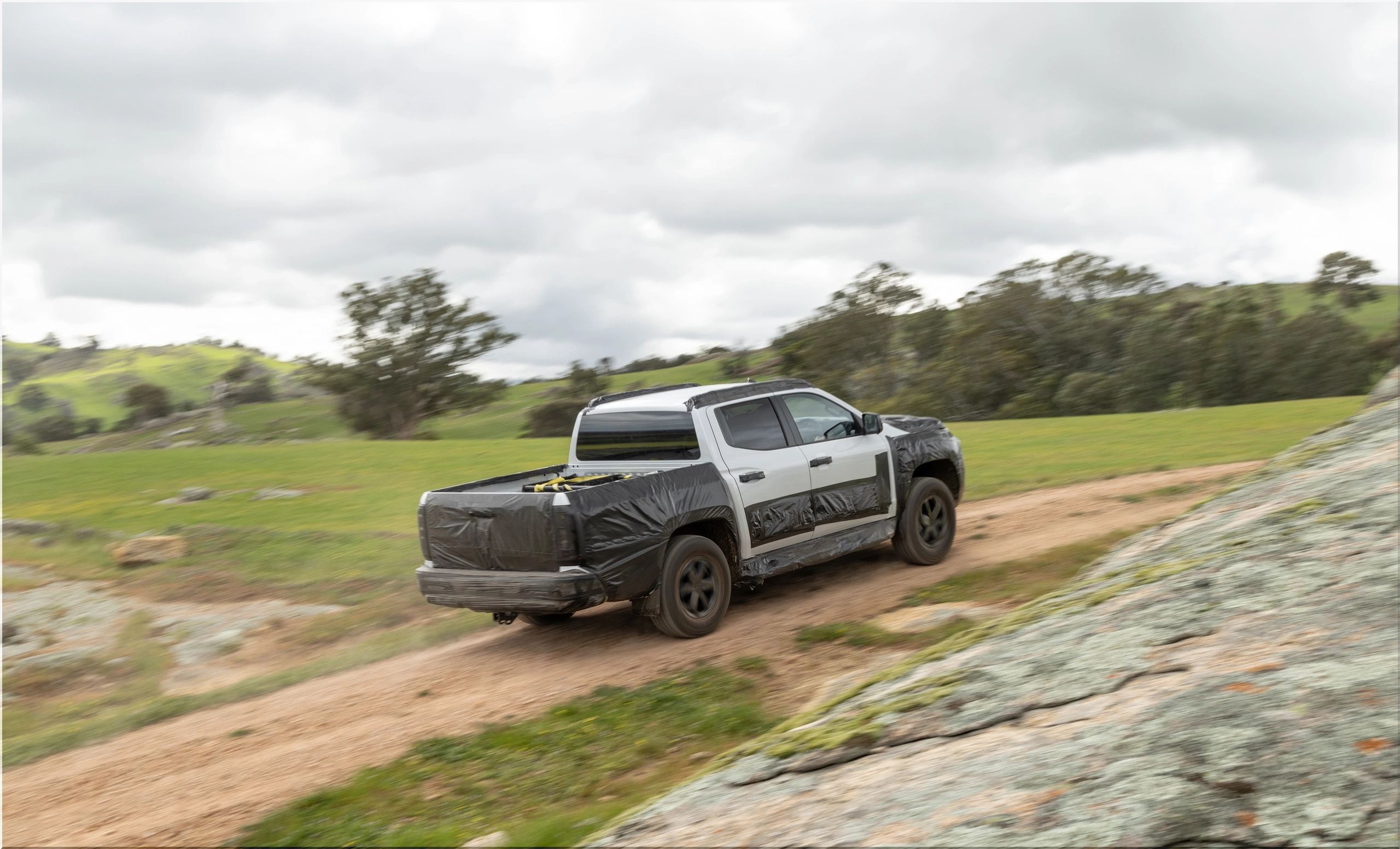
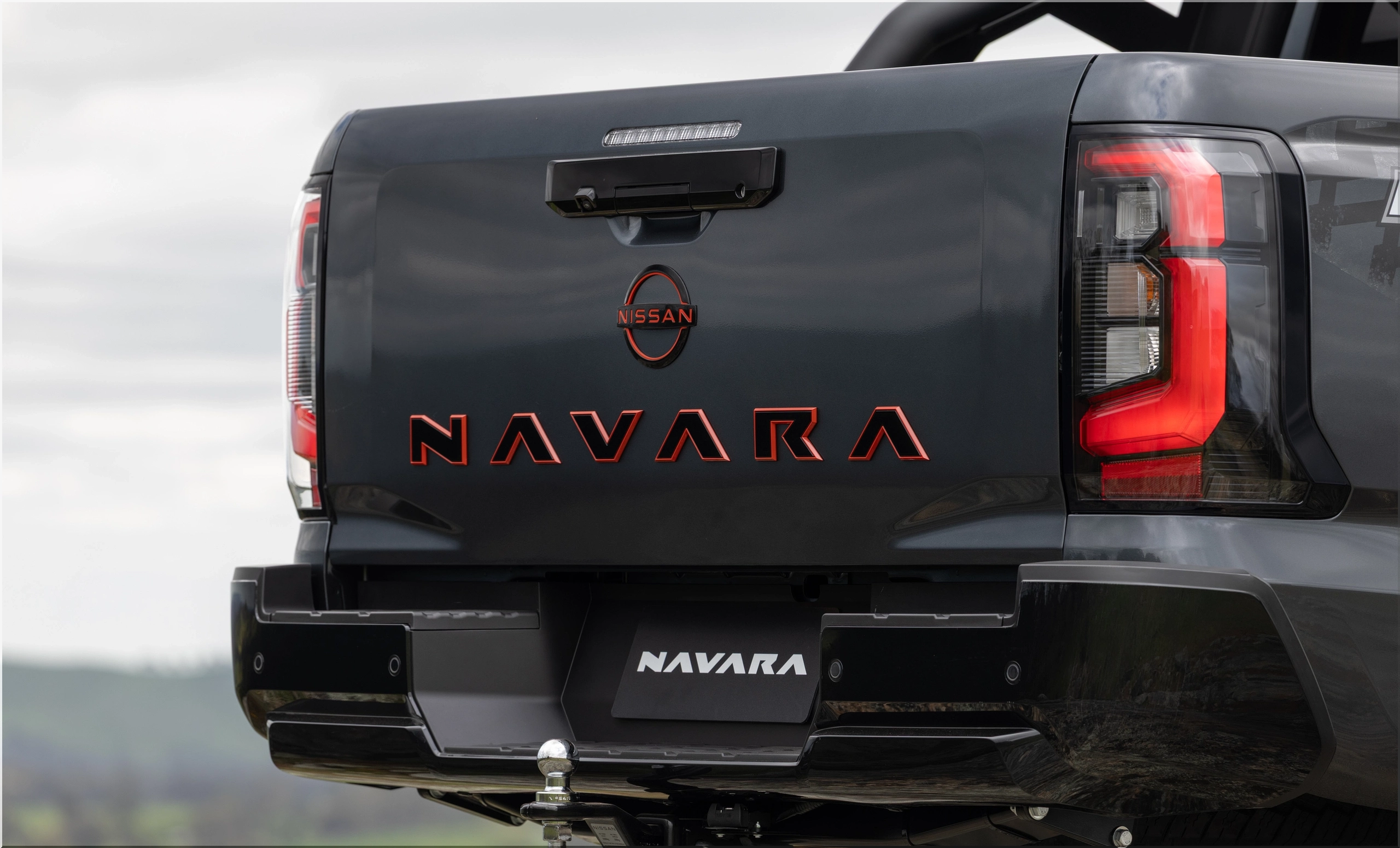
Nissan differentiates the Navara through exterior panels, steering calibration, and suspension tuning. Premcar handled extensive local testing in Australia, focusing on corrugated roads, towing stability, and long-distance durability. Platform sharing sets the foundation. Local tuning determines real-world character.
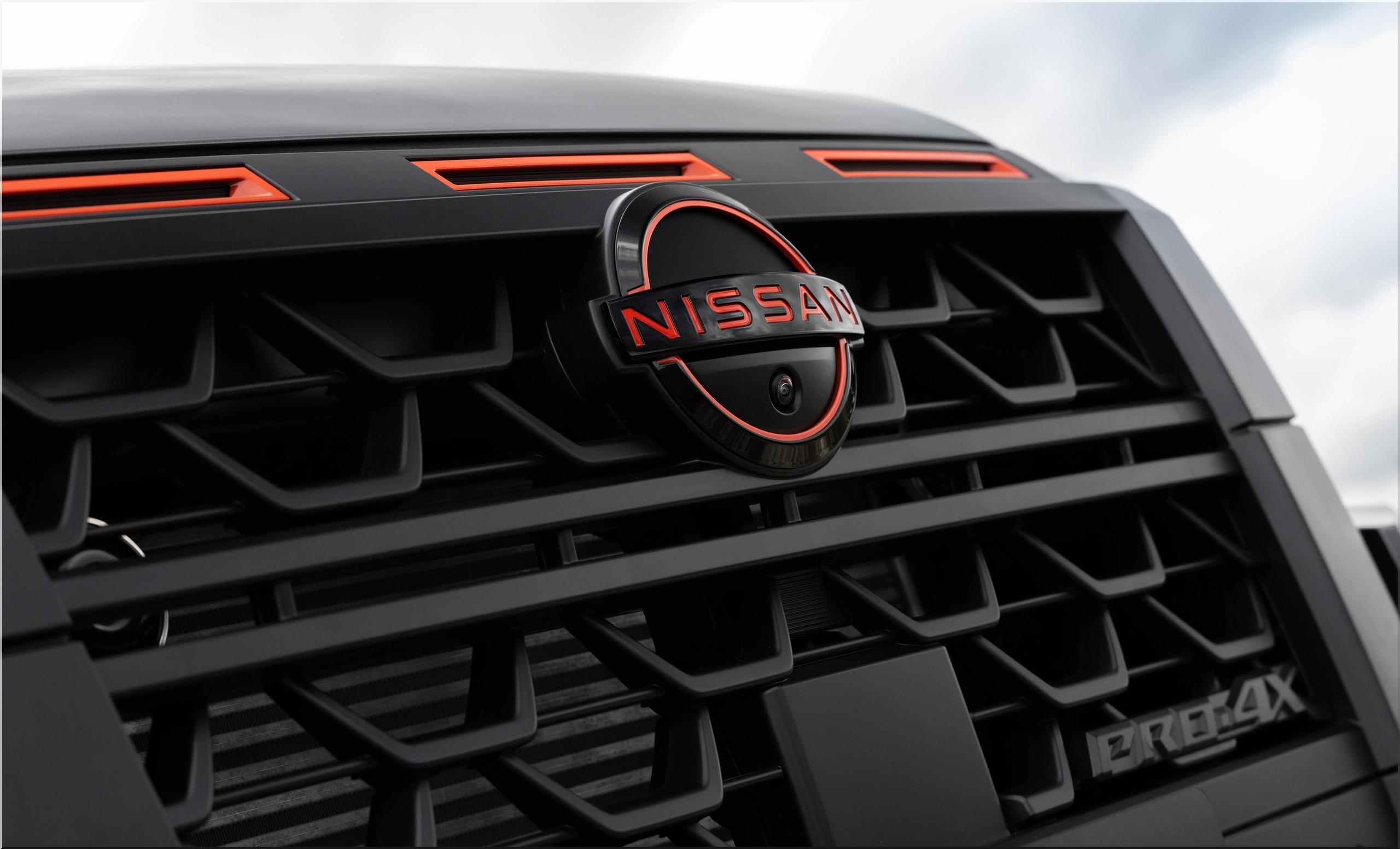
Powertrain Strategy Favors Stability Over Variety
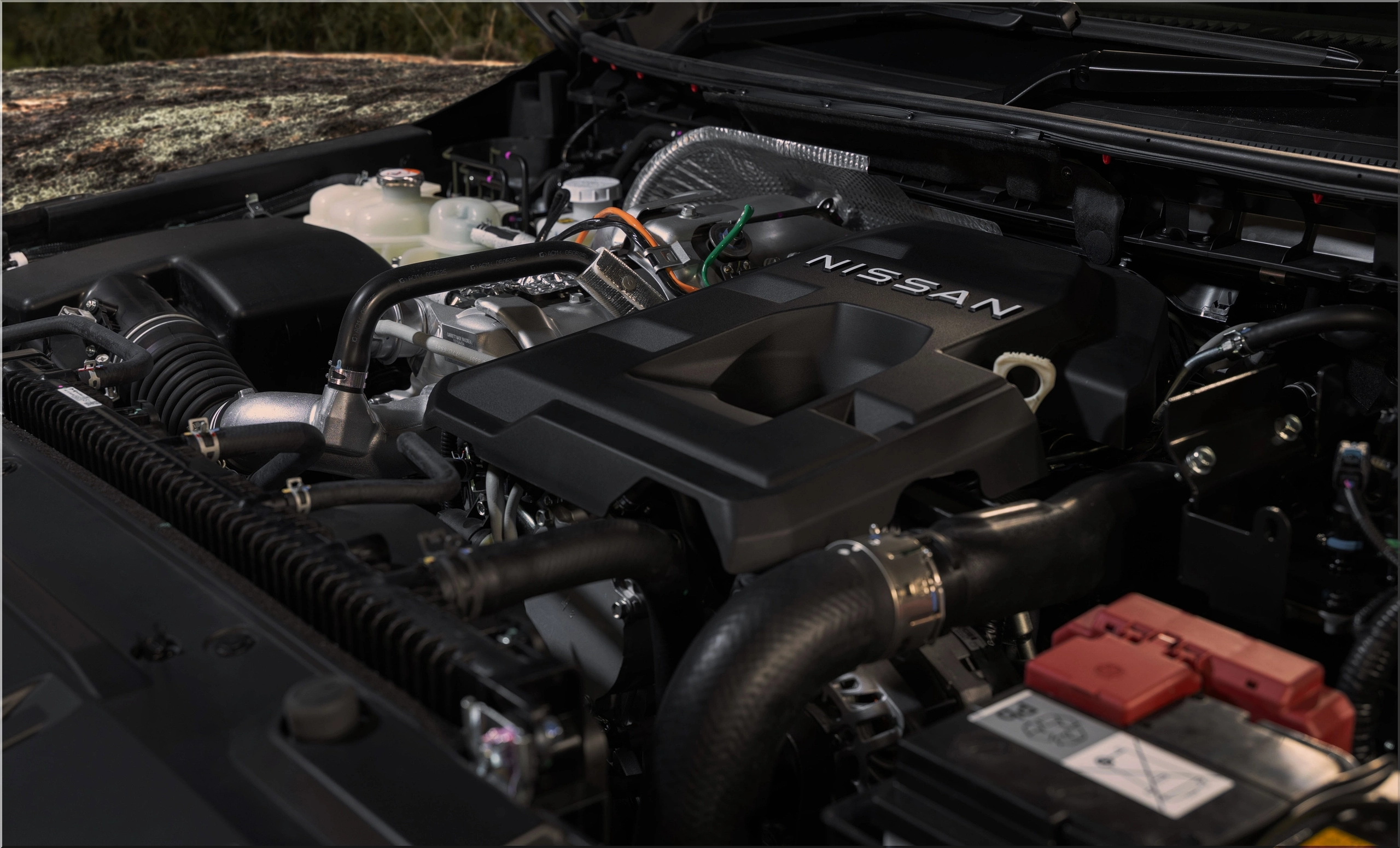
Every 2026 Nissan Navara uses a single drivetrain configuration. Nissan avoids engine and transmission sprawl in favor of proven components.
Key powertrain specifications:
- 2.4-liter bi-turbo diesel engine
- 150 kW of power
- 470 Nm of torque
- Six-speed automatic transmission
Peak torque arrives at low engine speeds, supporting towing and load work. The six-speed automatic stands out in a segment trending toward eight- and ten-speed gearboxes. Nissan prioritizes long-term reliability and service familiarity over incremental efficiency gains.
Combined fuel consumption sits near 7.7 L/100 km, equivalent to roughly 30.5 mpg, keeping operating costs competitive.
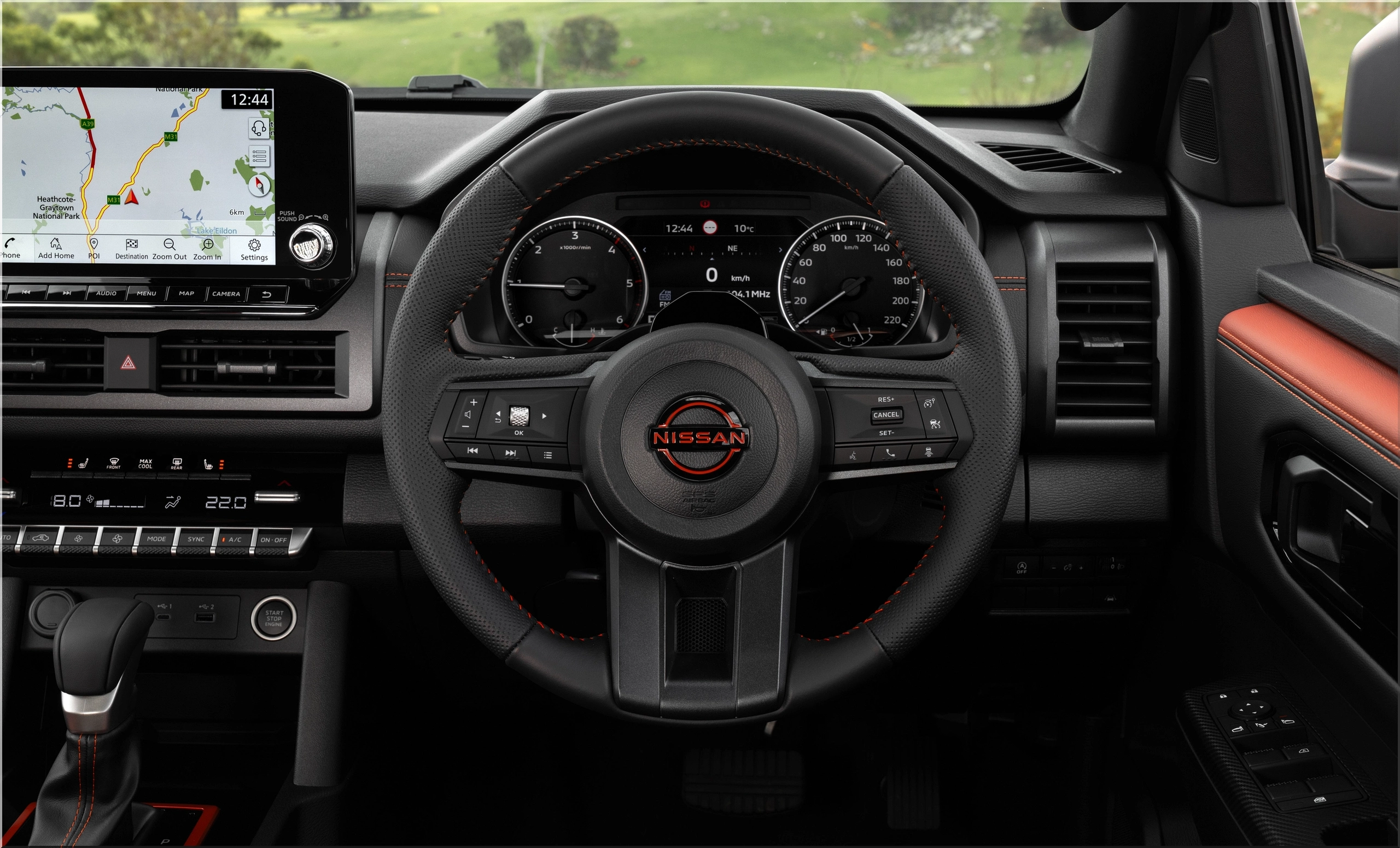
Rear Suspension Returns to Leaf Springs
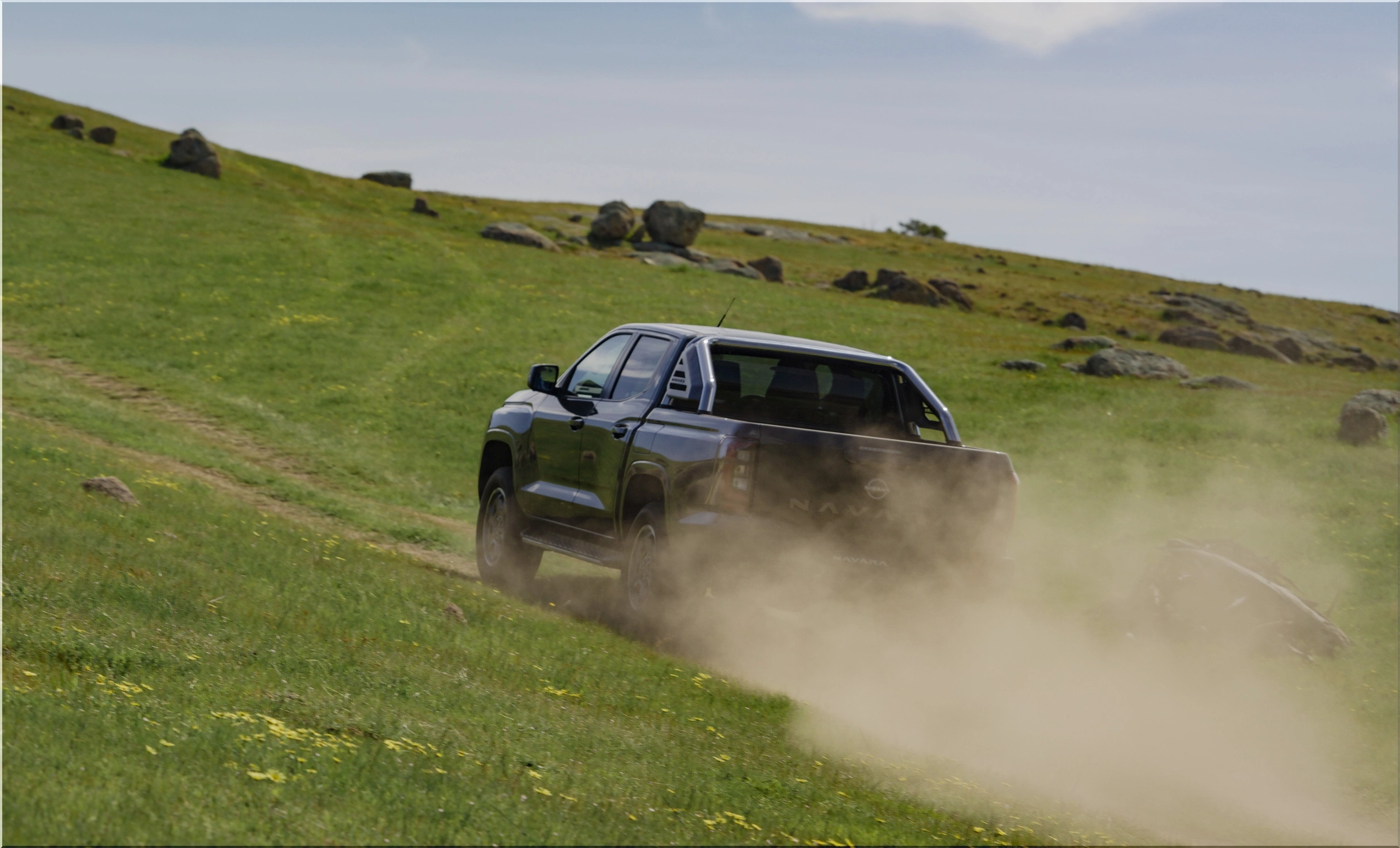
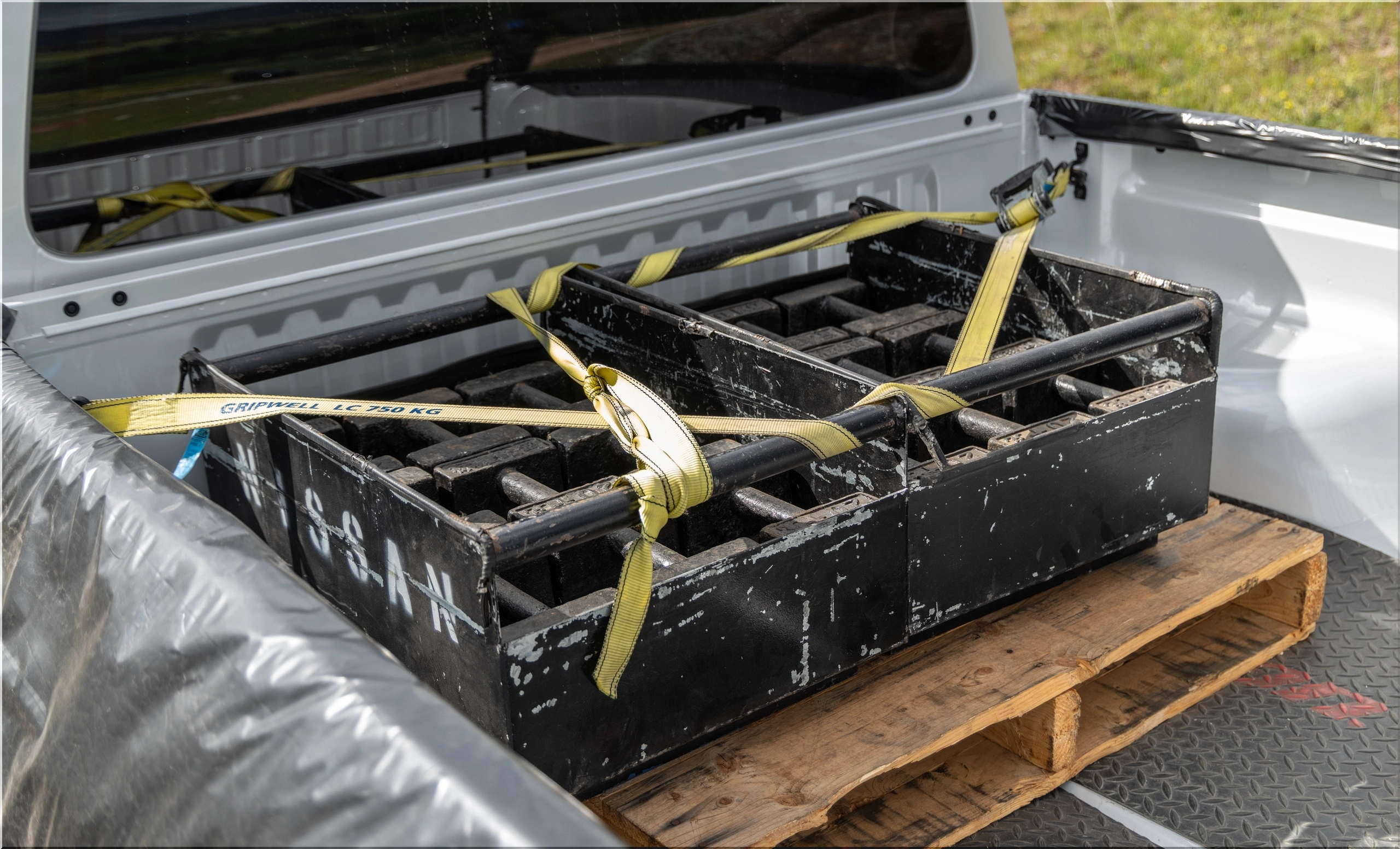
Nissan reversed course on rear suspension design. The 2026 Navara abandons rear coil springs and returns to traditional leaf springs. This decision responds directly to payload and towing complaints from the previous generation.
Leaf springs trade ride comfort when unloaded for consistency under weight. Nissan accepts that compromise openly.
Capability figures include:
- 3,500 kg towing capacity (about 7,716 pounds)
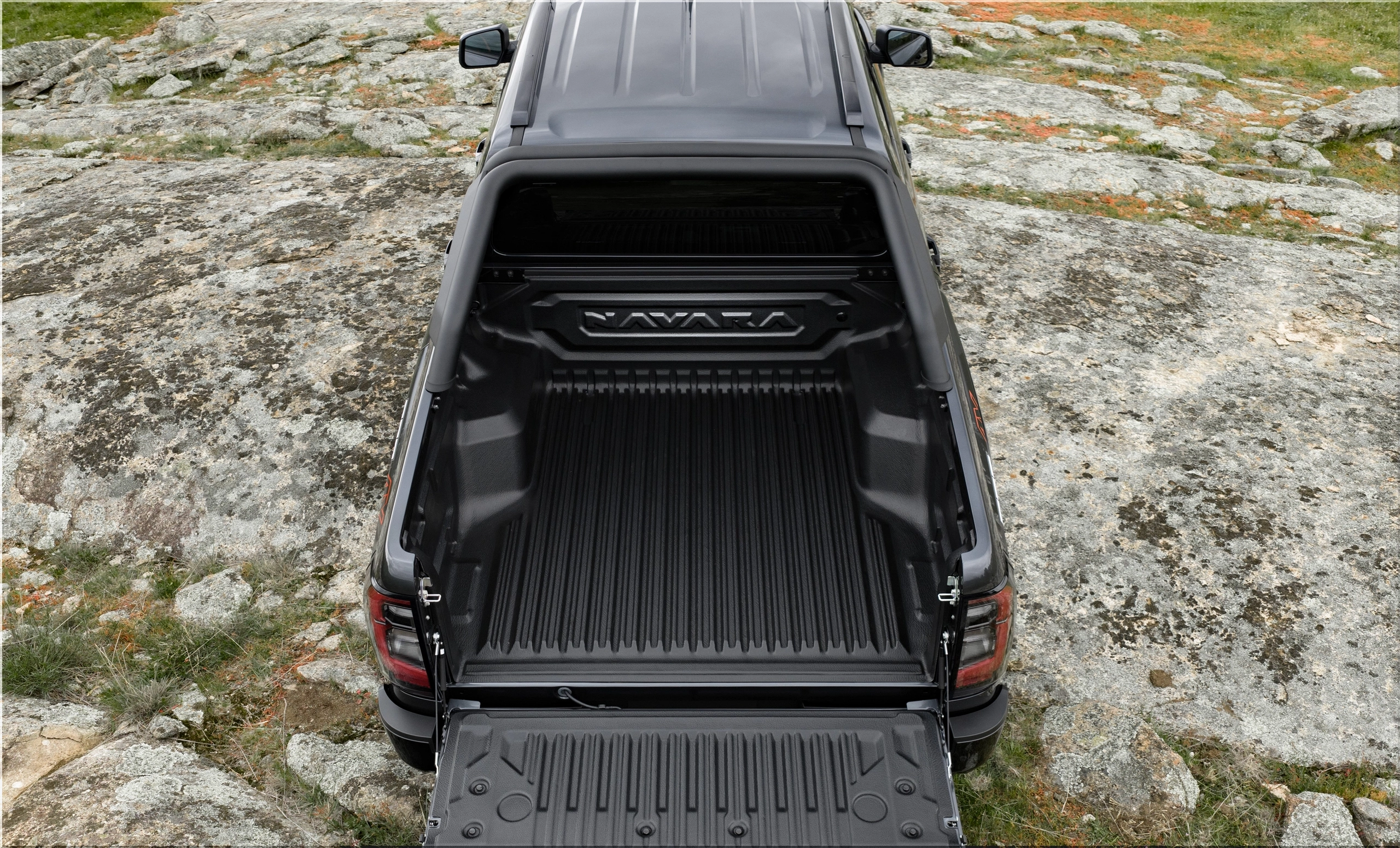
- Payload ratings from 950 to 1,047 kg, depending on trim
These numbers align with segment expectations. Nissan focuses on repeatable performance rather than class-leading claims.
Interior Design Prioritizes Function
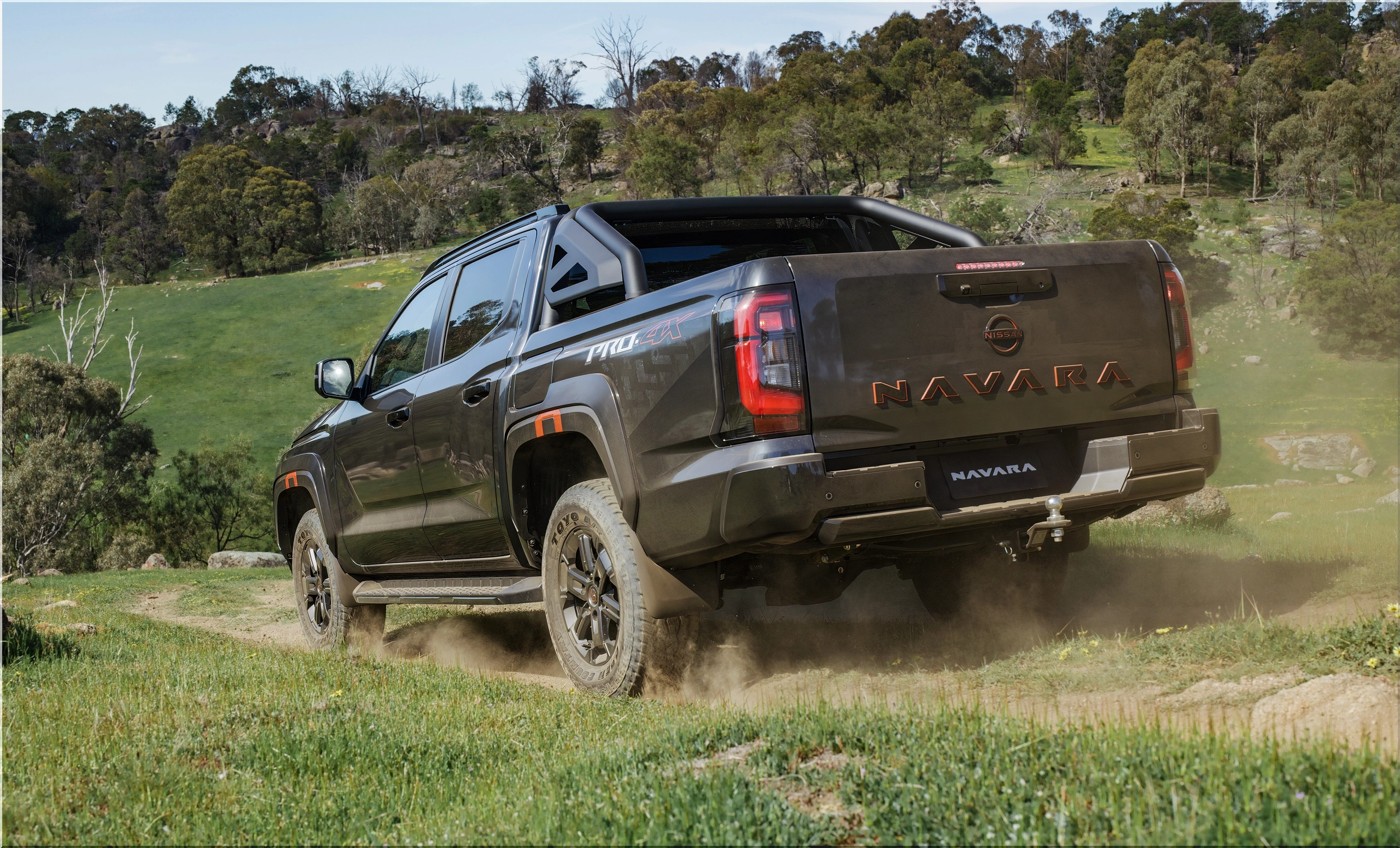
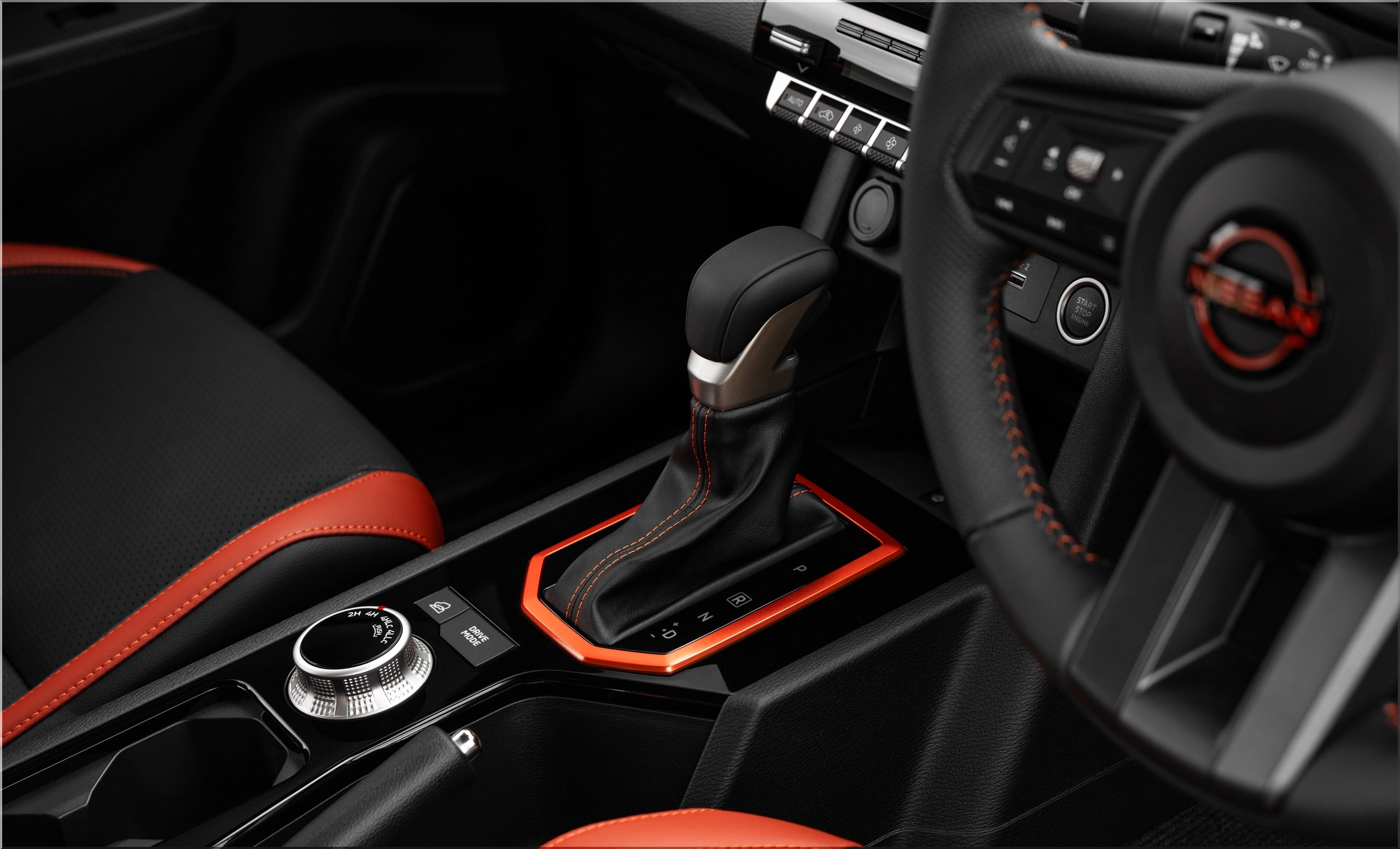
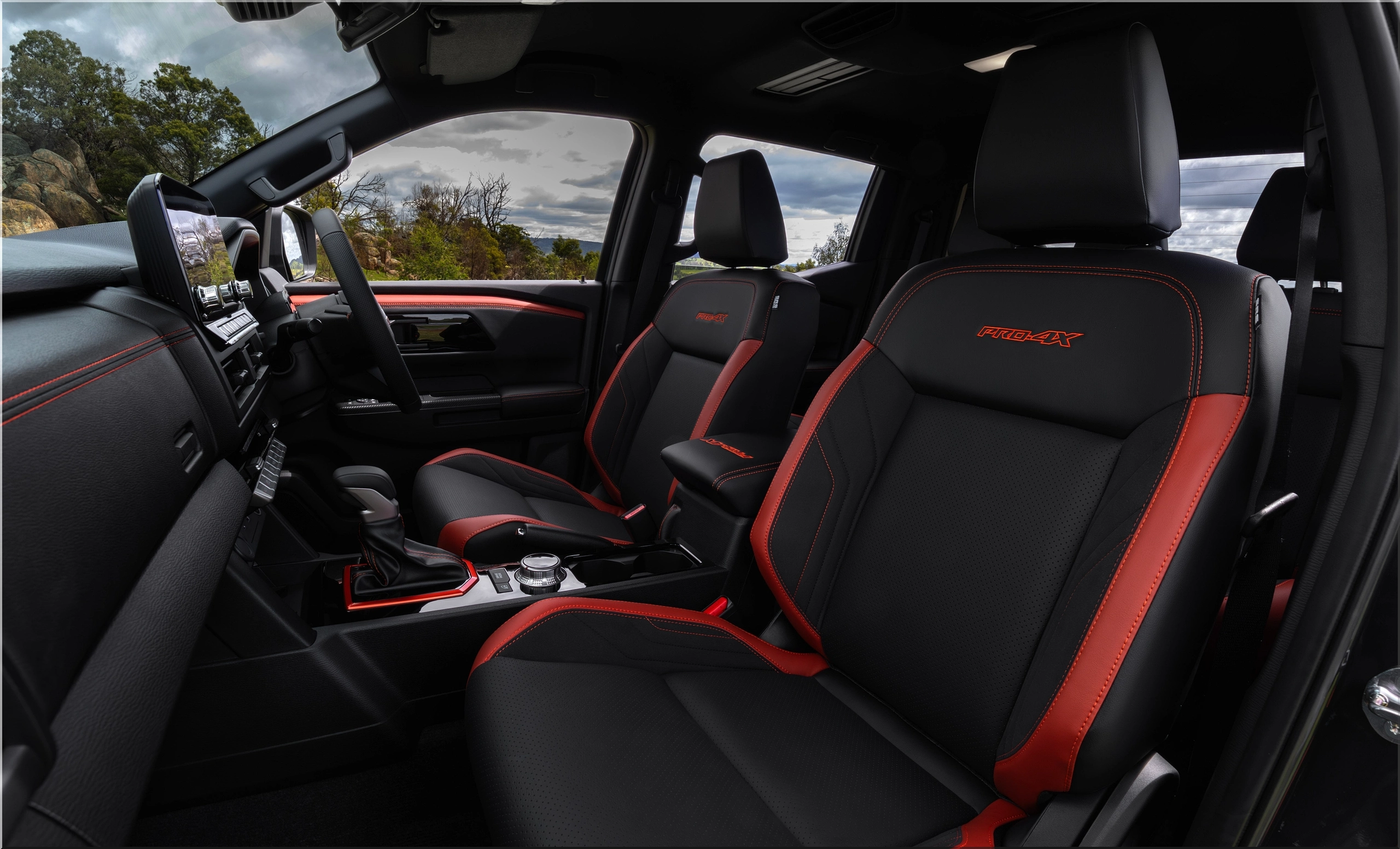
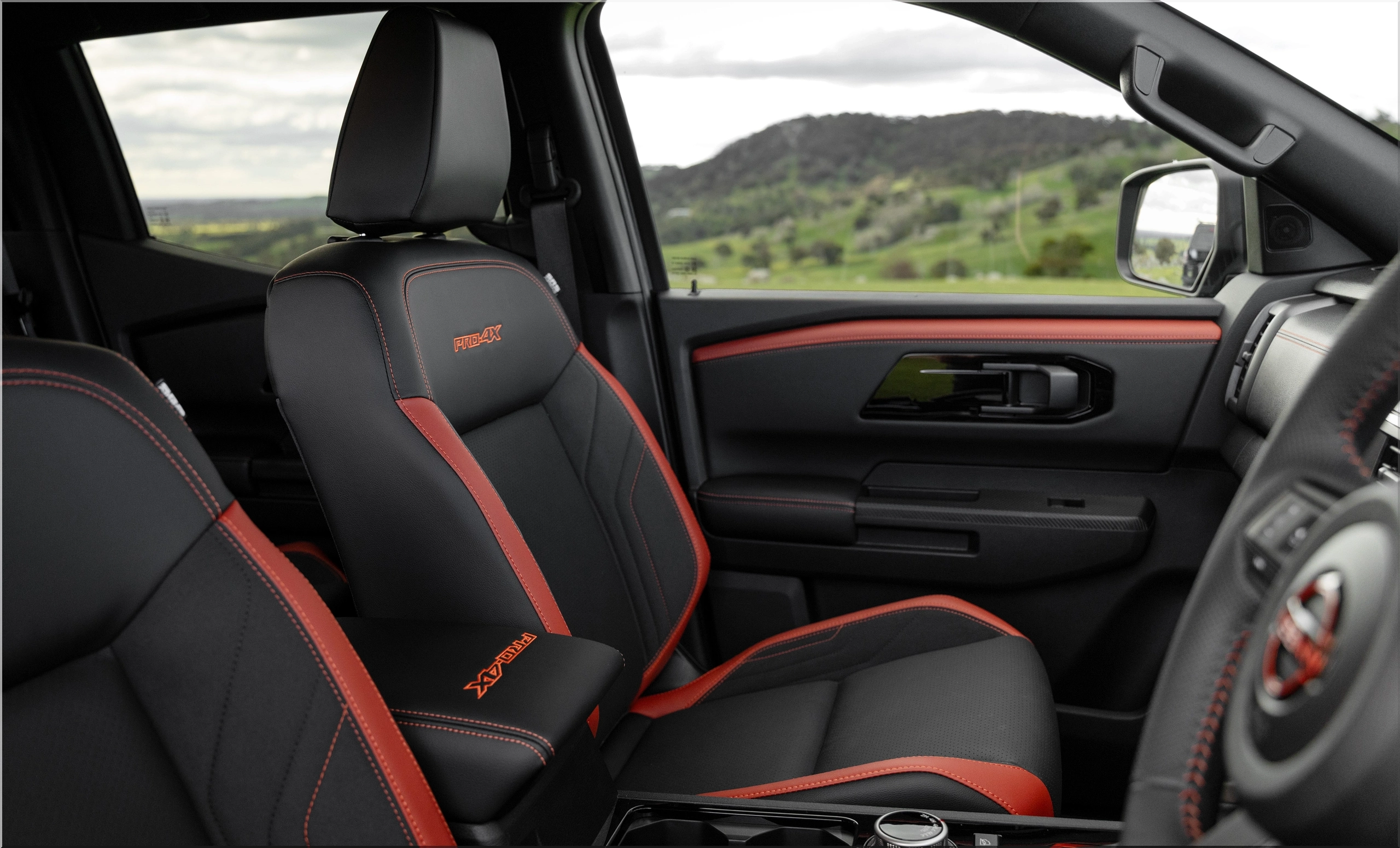
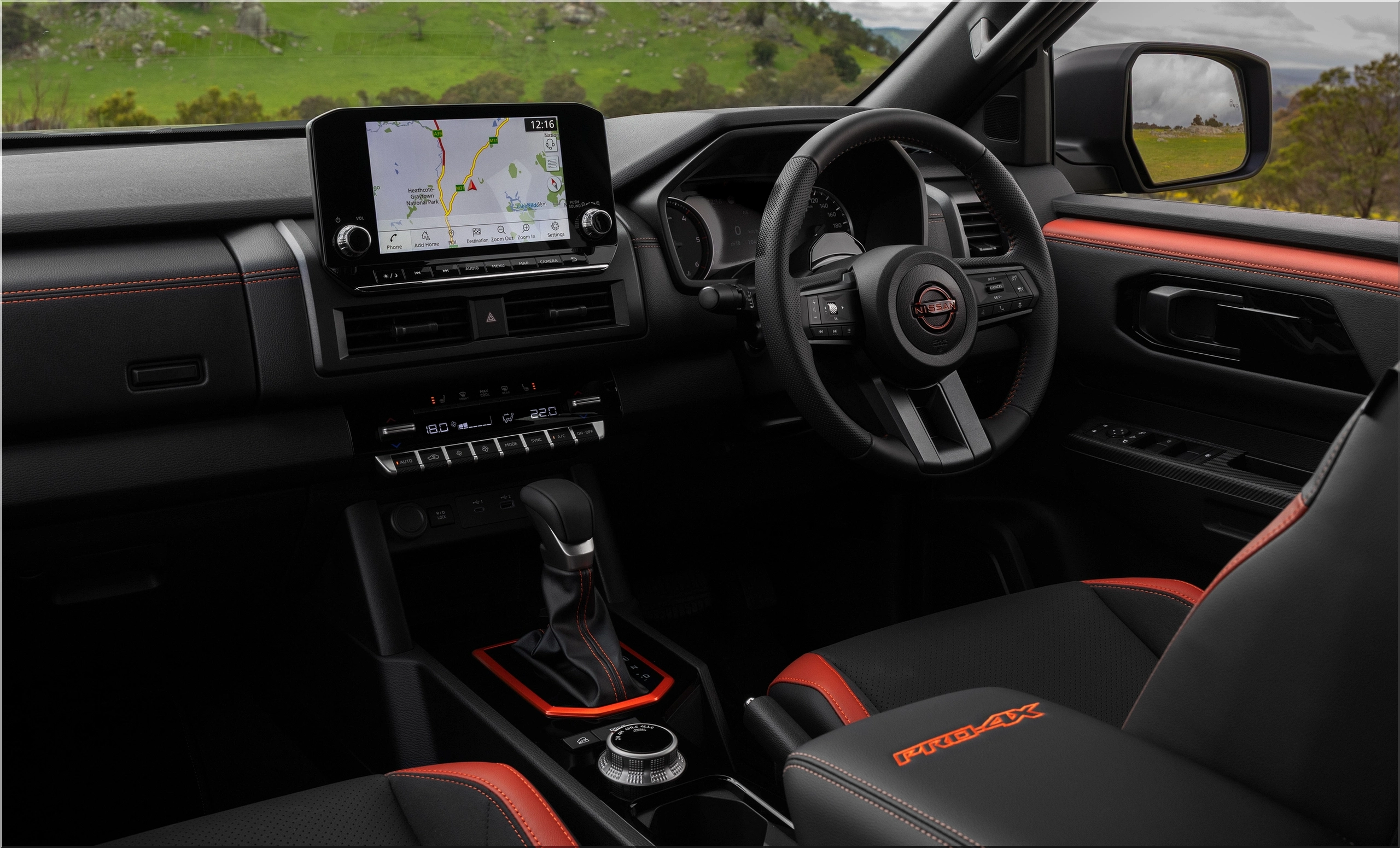
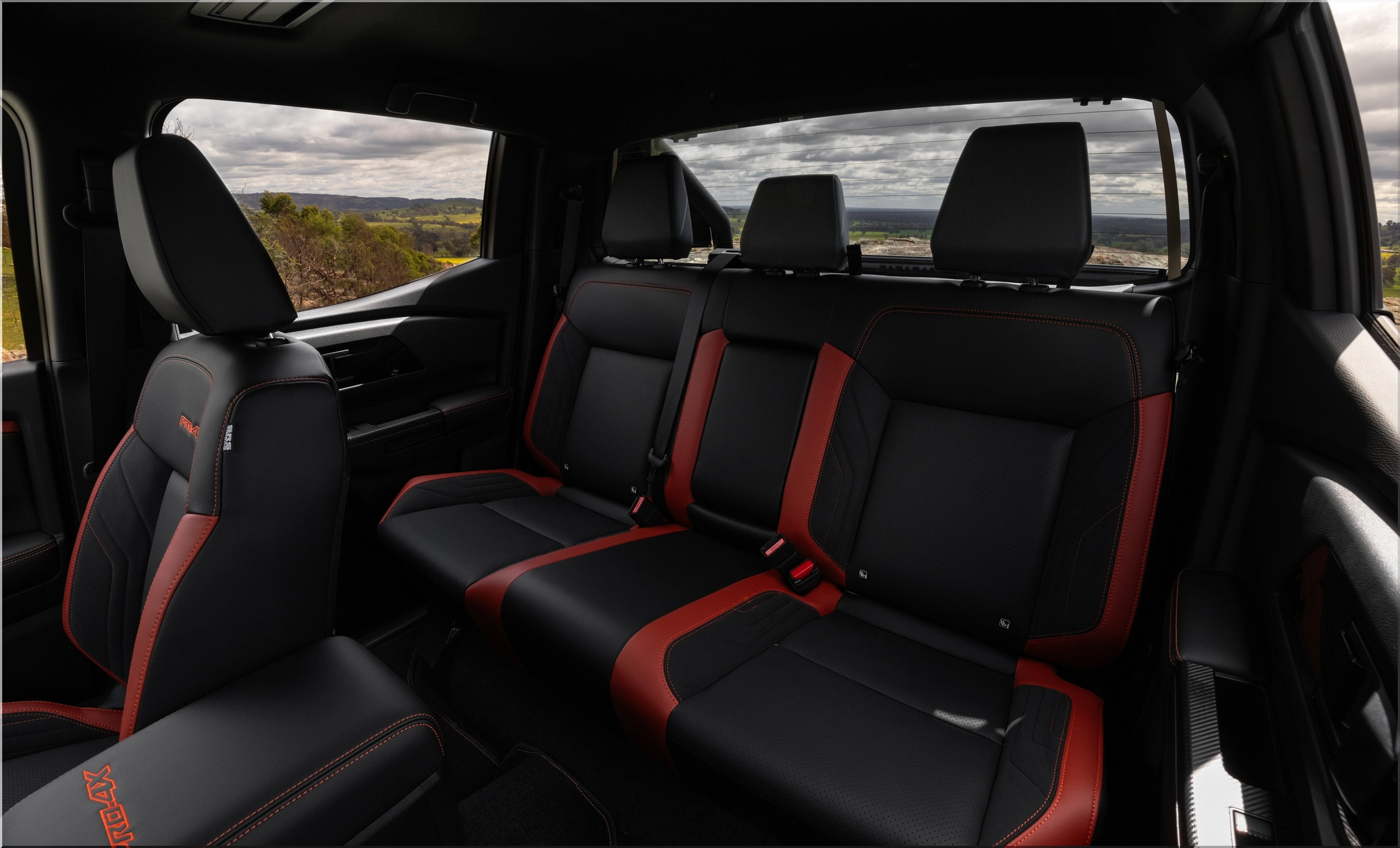
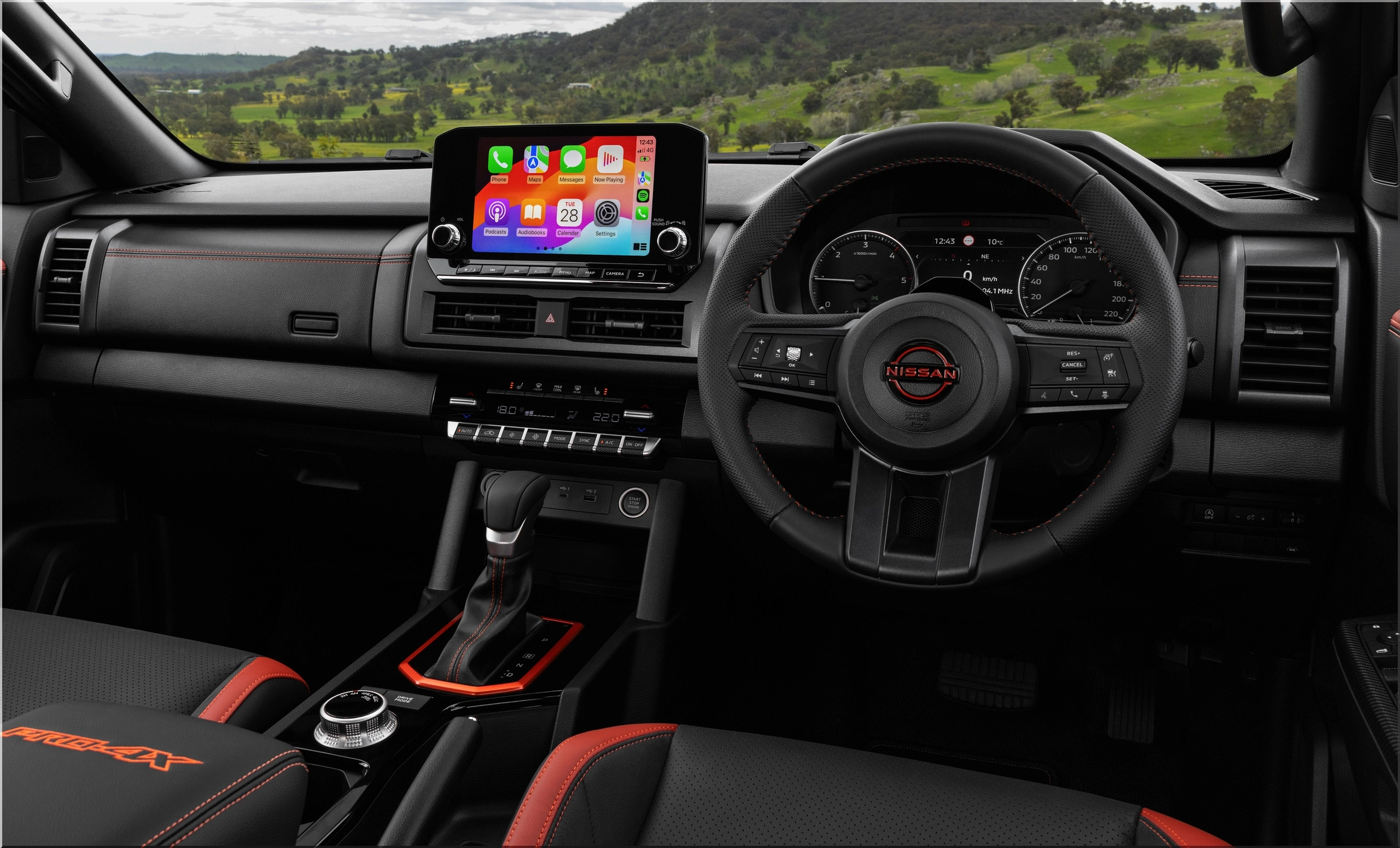
Inside, the 2026 Nissan Navara mirrors the Triton’s layout but uses Nissan-specific trim and controls. The cabin avoids visual experimentation in favor of durability and ease of use.
Interior and technology features include:
- 9-inch infotainment touchscreen
- Wireless Apple CarPlay and Android Auto
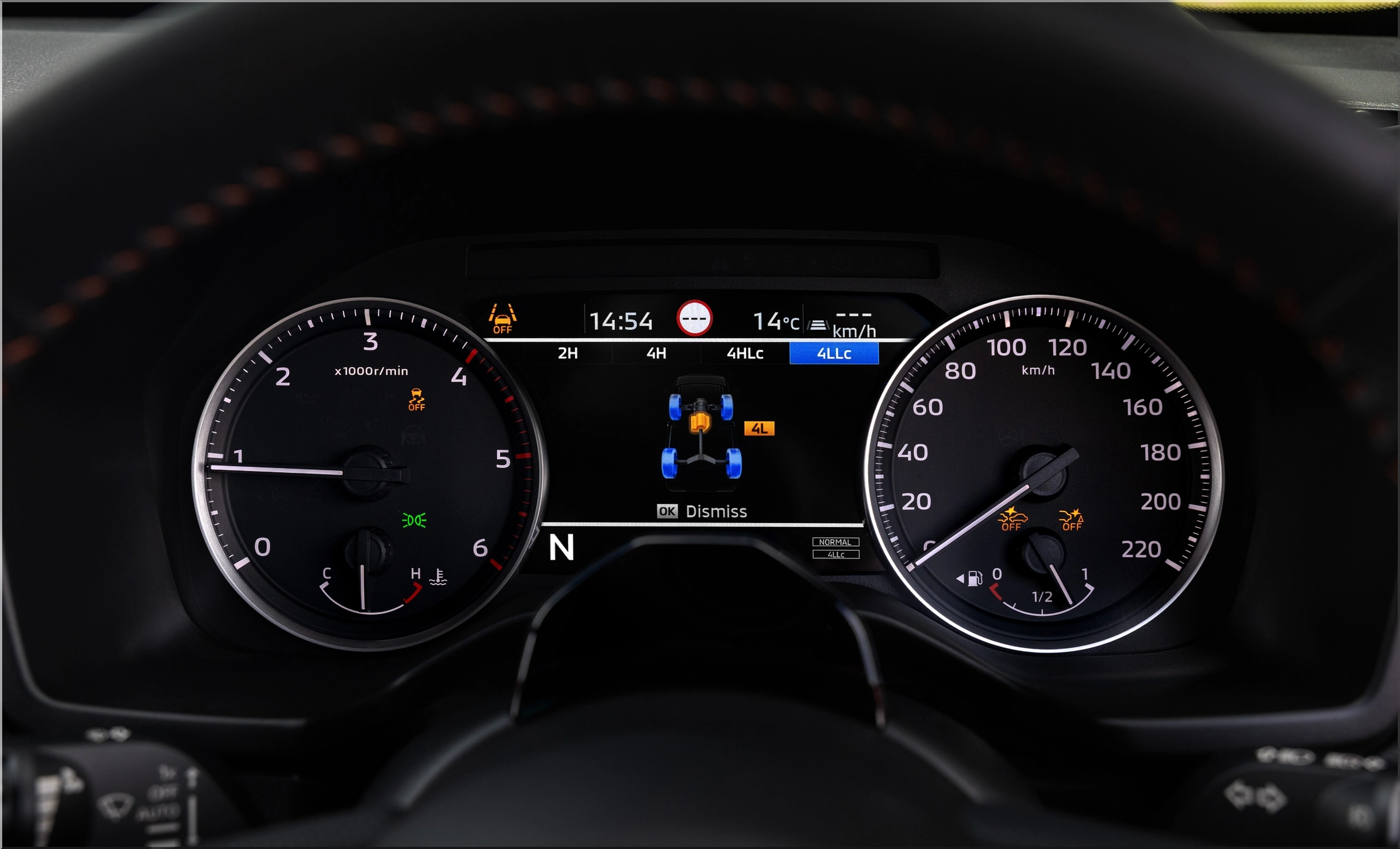
- 7-inch digital driver display
- Physical climate and volume controls
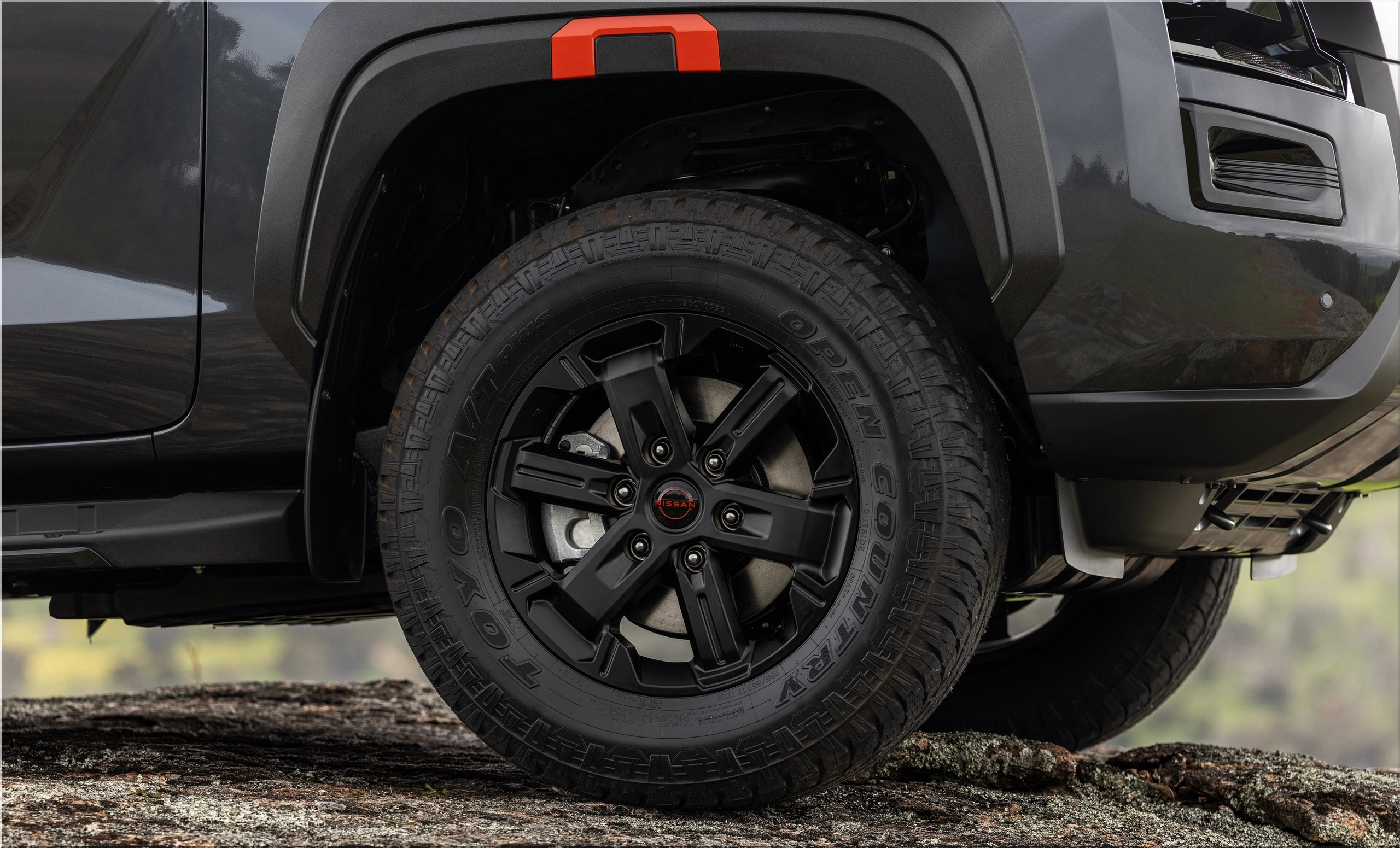
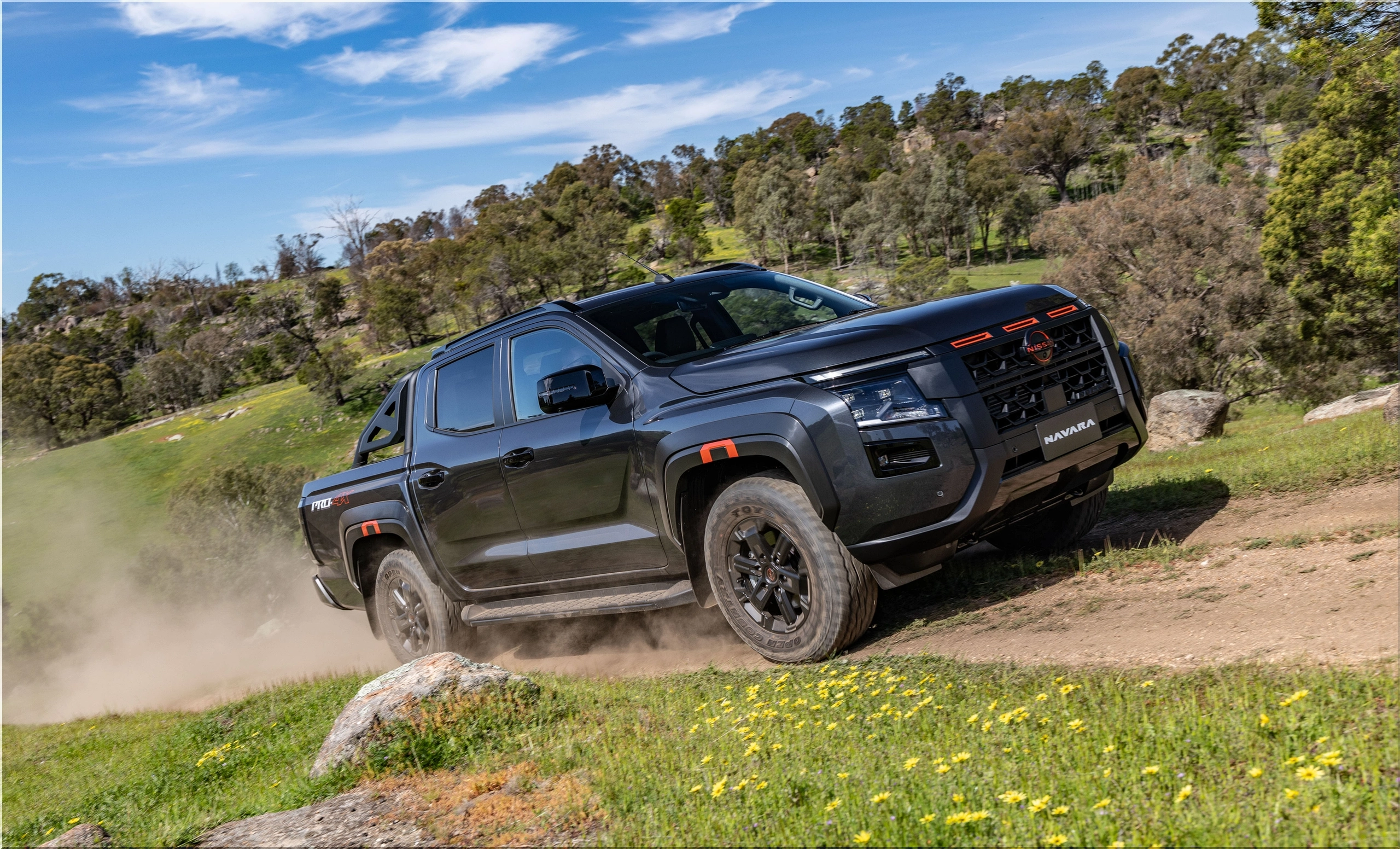
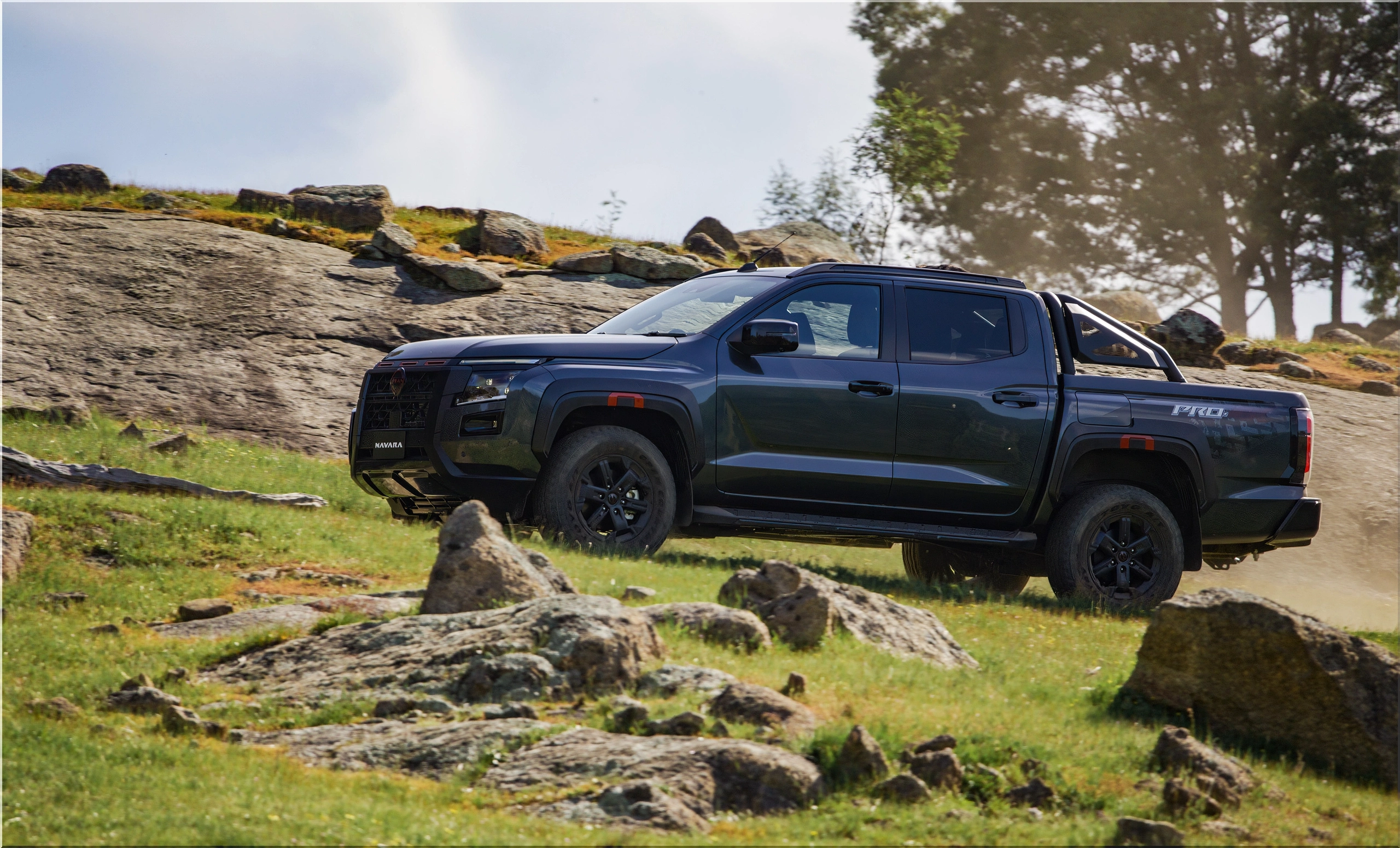
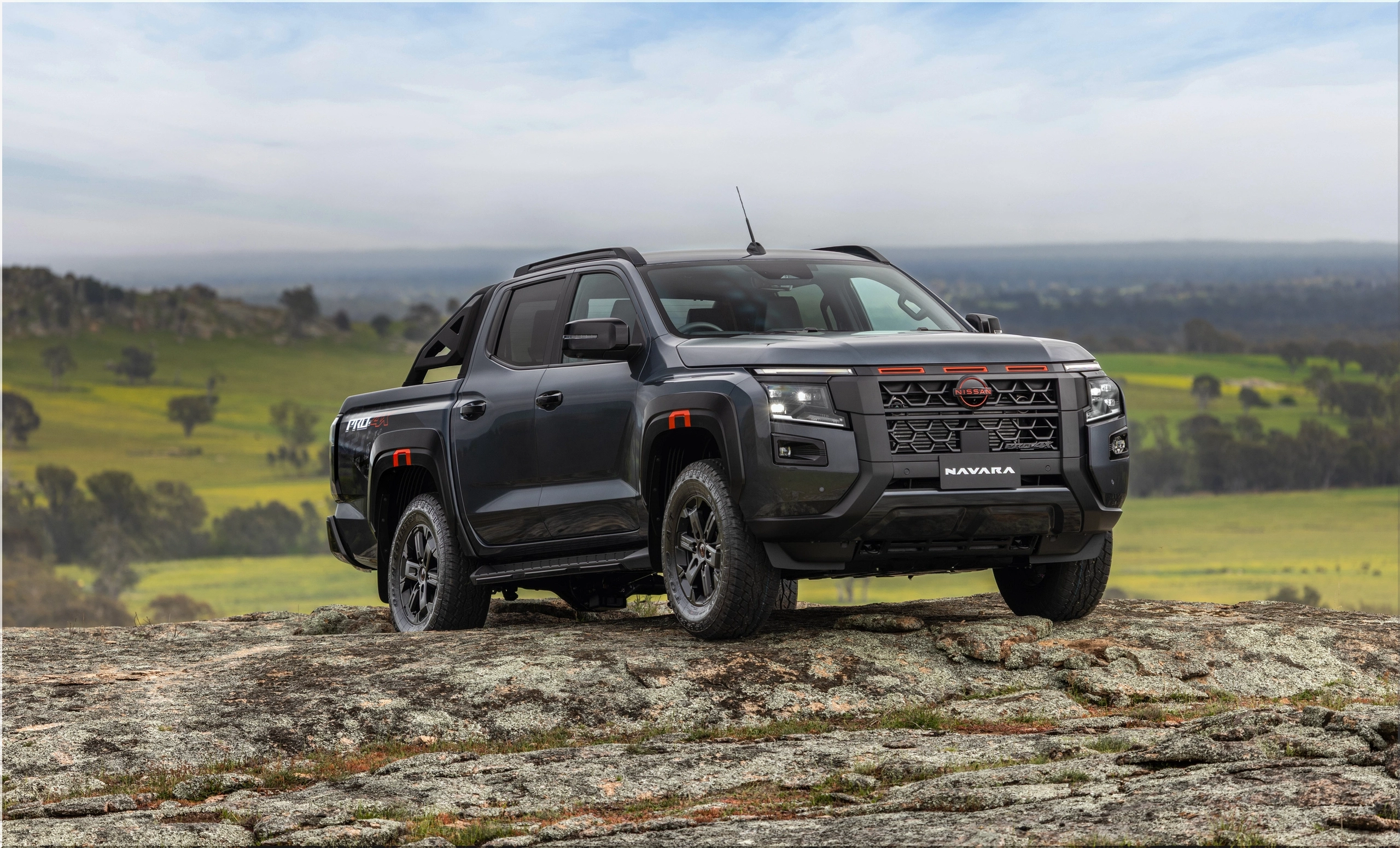
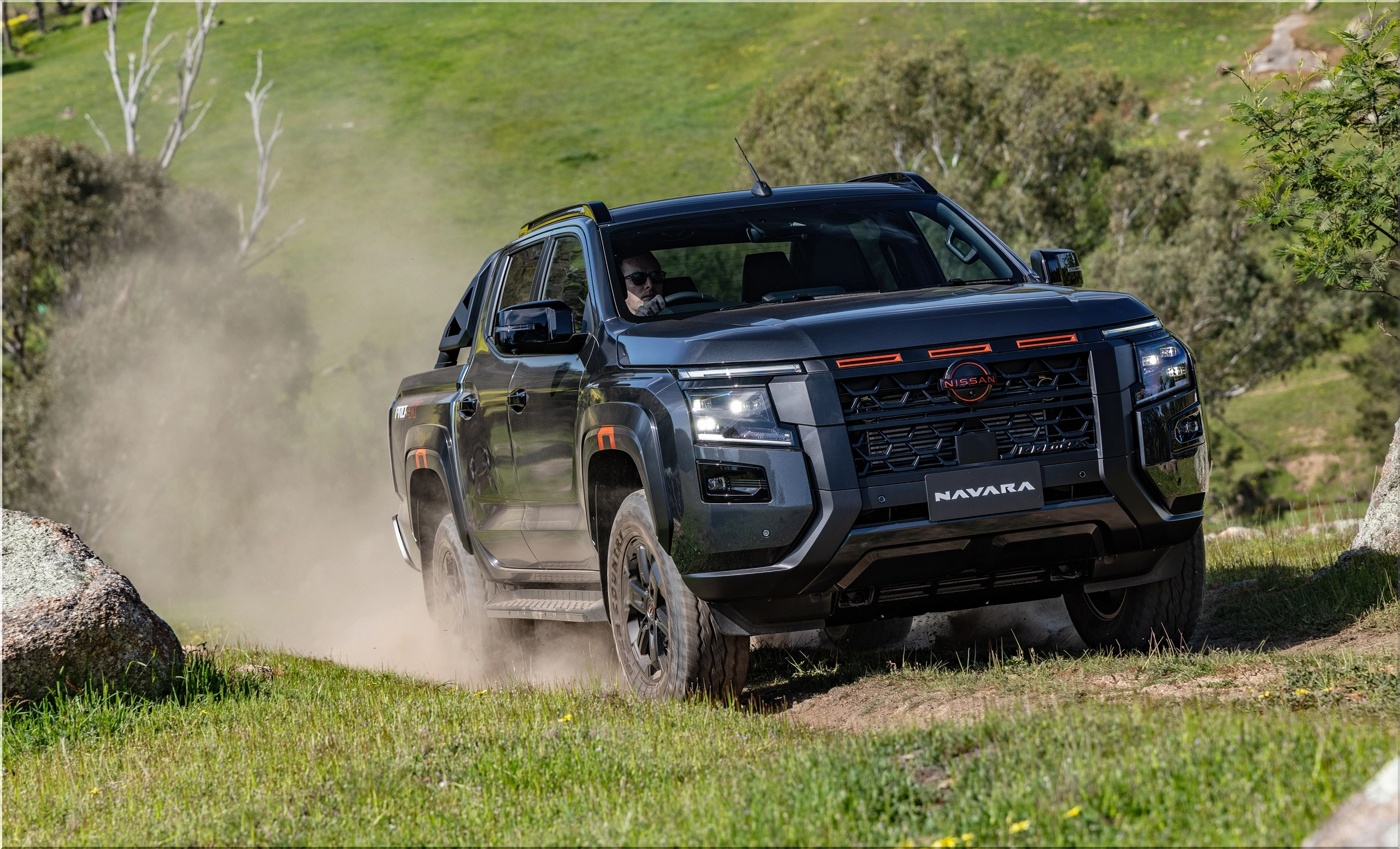
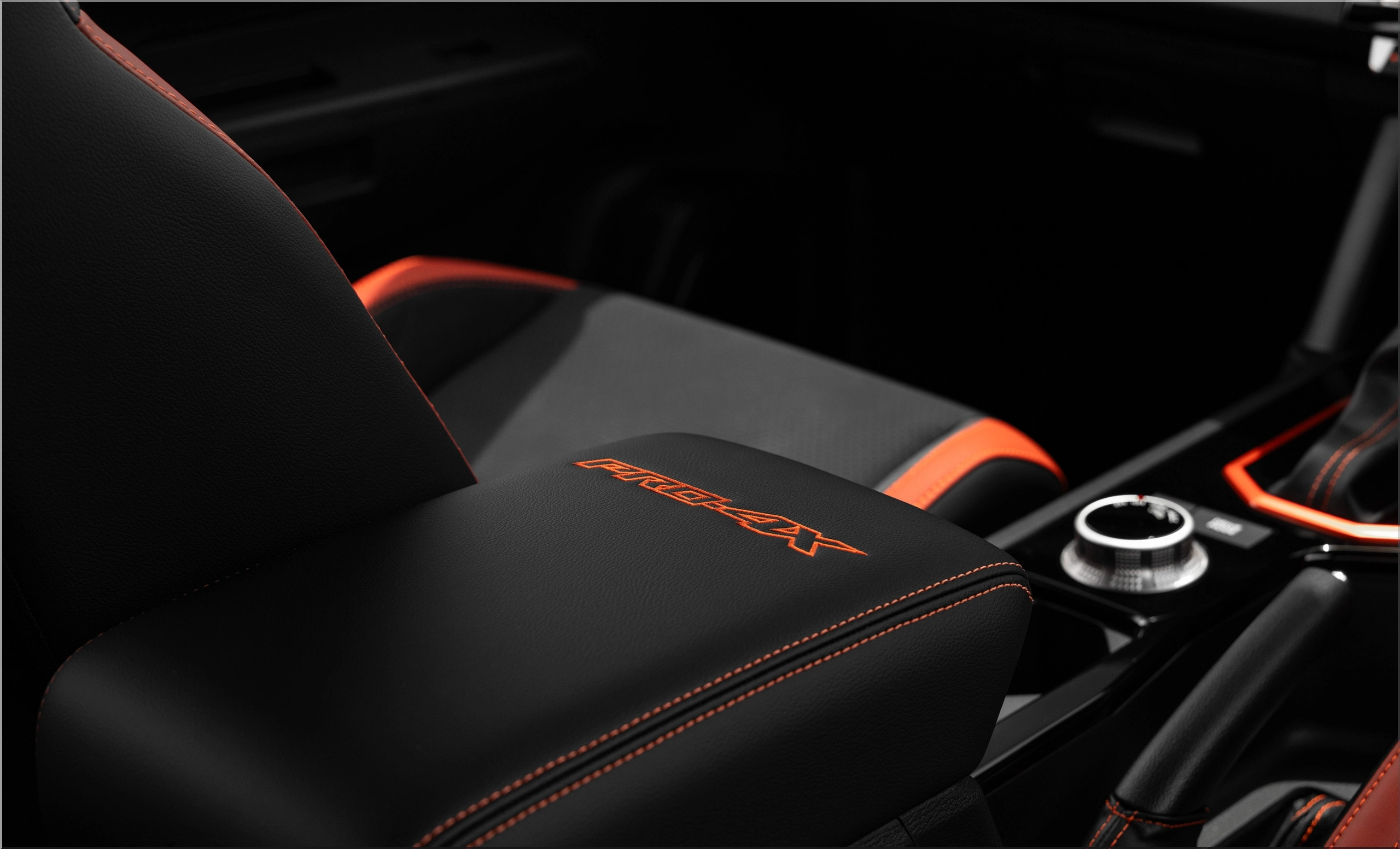
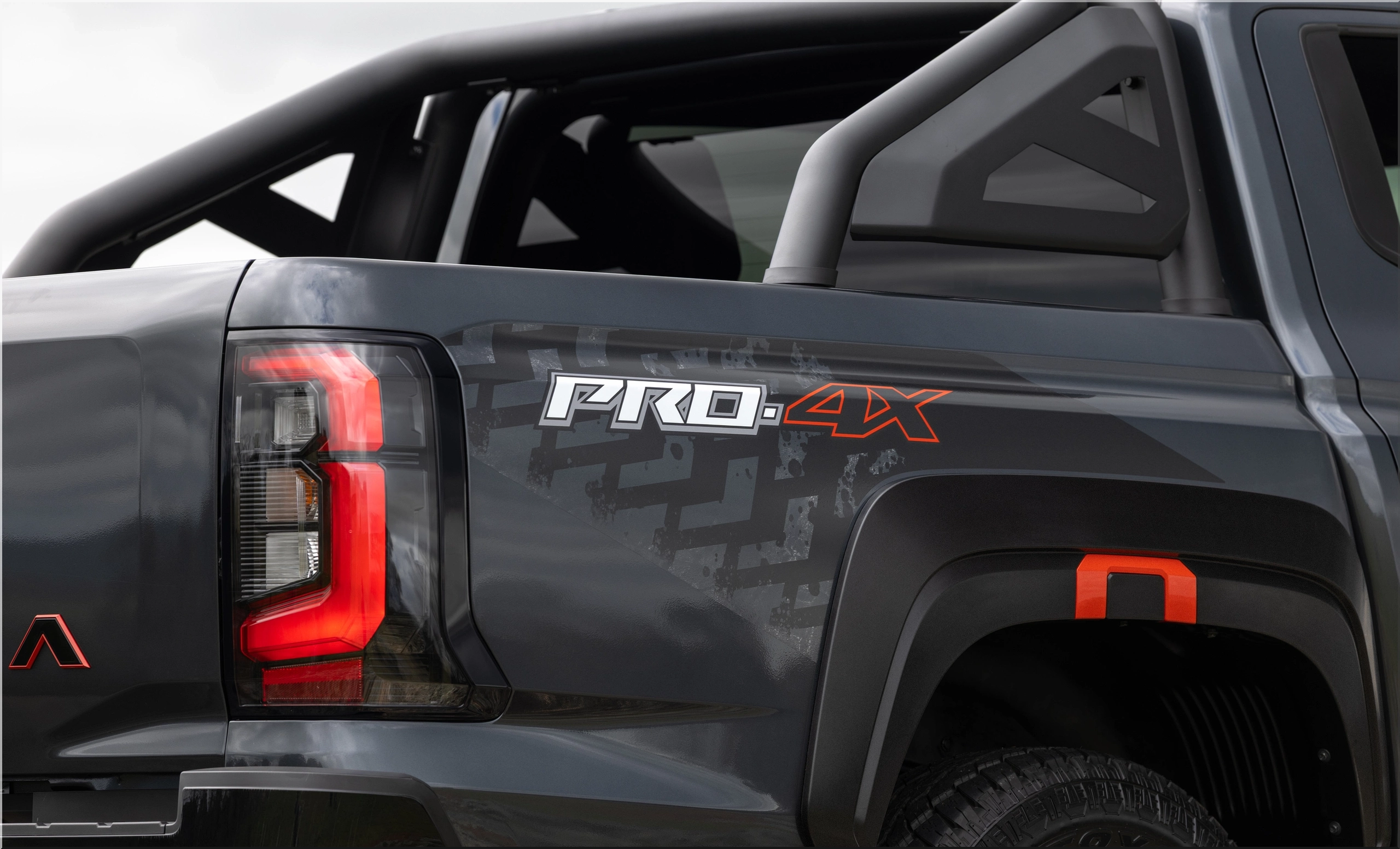
The PRO-4X trim adds contrast stitching and off-road visual cues. Materials favor longevity over novelty. The design supports work use first, lifestyle use second.
Safety and Driver Assistance Coverage
Nissan equips the Navara with a full suite of modern driver-assistance systems. These features operate quietly and without aggressive intervention branding.
Standard and available systems include:
- Lane intervention
- Blind-spot monitoring
- Front and rear cross-traffic alert
- Driver monitoring system
- Adaptive cruise control on higher trims
- Eight airbags
The approach focuses on compliance and baseline protection rather than feature differentiation.
Competitive Positioning in the Segment
The Navara competes in one of the most crowded pickup categories. Differences between models often come down to execution rather than specification gaps.
| Pickup Model | Power | Torque | Towing Capacity | Rear Suspension |
|---|---|---|---|---|
| 2026 Nissan Navara | 150 kW | 470 Nm | 3,500 kg | Leaf springs |
| Toyota HiLux | 150 kW | 500 Nm | 3,500 kg | Leaf springs |
| Ford Ranger V6 | 184 kW | 600 Nm | 3,500 kg | Leaf springs |
| Mitsubishi Triton | 150 kW | 470 Nm | 3,500 kg | Leaf springs |
The Navara matches segment norms but avoids pushing boundaries. Nissan positions it as a stable alternative rather than a performance leader.
Market Outlook and Buyer Fit
The 2026 Nissan Navara targets fleet operators, tradespeople, and private owners who prioritize mechanical familiarity and predictable ownership costs. The lack of a V6 option and advanced transmission may limit appeal among spec-focused buyers. The benefit comes through reduced complexity and proven components.
This truck does not chase attention. It aims to earn trust through repetition.
For buyers who view a pickup as a long-term tool rather than a rolling specification sheet, the Navara presents a clear, rational case.
- Add new comment
- 189 views