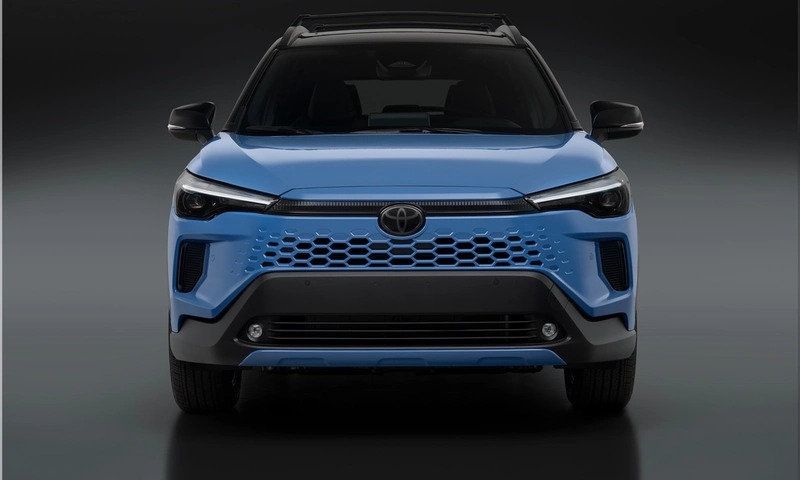
Toyota is a global leader in developing and promoting hydrogen as a clean and renewable energy source. The company has been experimenting with hydrogen-powered vehicles for decades and has recently taken on new challenges in Australia, where it is testing the feasibility and performance of its hydrogen engine technology on public roads and racetracks.
What is Hydrogen, and Why is it Important?
Hydrogen is the most abundant element in the universe, and it can be used as a fuel for various applications, such as transportation, heating, electricity generation, and industrial processes. Hydrogen can be produced from various sources, such as water, natural gas, biomass, and renewable energy. When hydrogen is used as a fuel, it only emits water vapor, making it a zero-emission energy carrier.
Hydrogen has many advantages over conventional fossil fuels like gasoline and diesel. Hydrogen can store more energy per unit of weight than gasoline and can be refueled faster than batteries. Hydrogen can also be transported and distributed through infrastructure such as pipelines, trucks, and ships. Hydrogen can also be converted to other forms of energy, such as electricity, heat, or synthetic fuels, depending on the needs and preferences of the users.
Hydrogen is expected to play a key role in the transition to a low-carbon and sustainable energy system. According to the International Energy Agency (IEA), hydrogen could account for 18% of the world’s final energy demand by 2050 and reduce annual CO2 emissions by 6 gigatons compared to today. Hydrogen could also create new economic opportunities and jobs, especially in regions with abundant renewable resources and potential markets.
How Toyota is Developing Hydrogen Technology in Australia
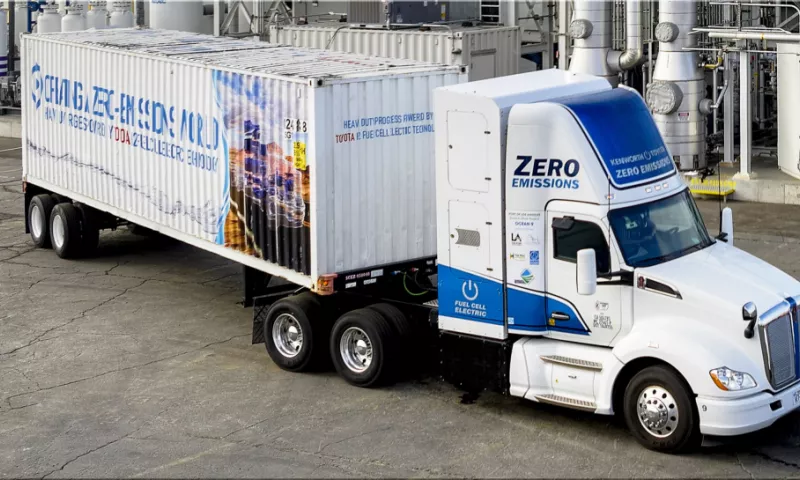
Toyota has been a pioneer in hydrogen technology since the 1990s when it launched the first prototype of a fuel cell vehicle (FCV), which uses hydrogen to generate electricity and power an electric motor. In 2014, Toyota introduced the Toyota Mirai, the world’s first mass-produced FCV, sold in Japan, Europe, North America, and other markets. Toyota has also been supporting the development of hydrogen infrastructure and policies worldwide and collaborating with various stakeholders to promote the adoption and awareness of hydrogen.
In Australia, Toyota has been exploring the potential of hydrogen as a fuel for internal combustion engines (ICEs), which are more familiar and widely used than FCVs. Toyota believes that hydrogen ICEs can complement FCVs and electric vehicles (EVs) in achieving carbon neutrality and diversifying the mobility options for customers. Hydrogen ICEs can also leverage the existing ICE technology and manufacturing base and offer high performance and reliability.
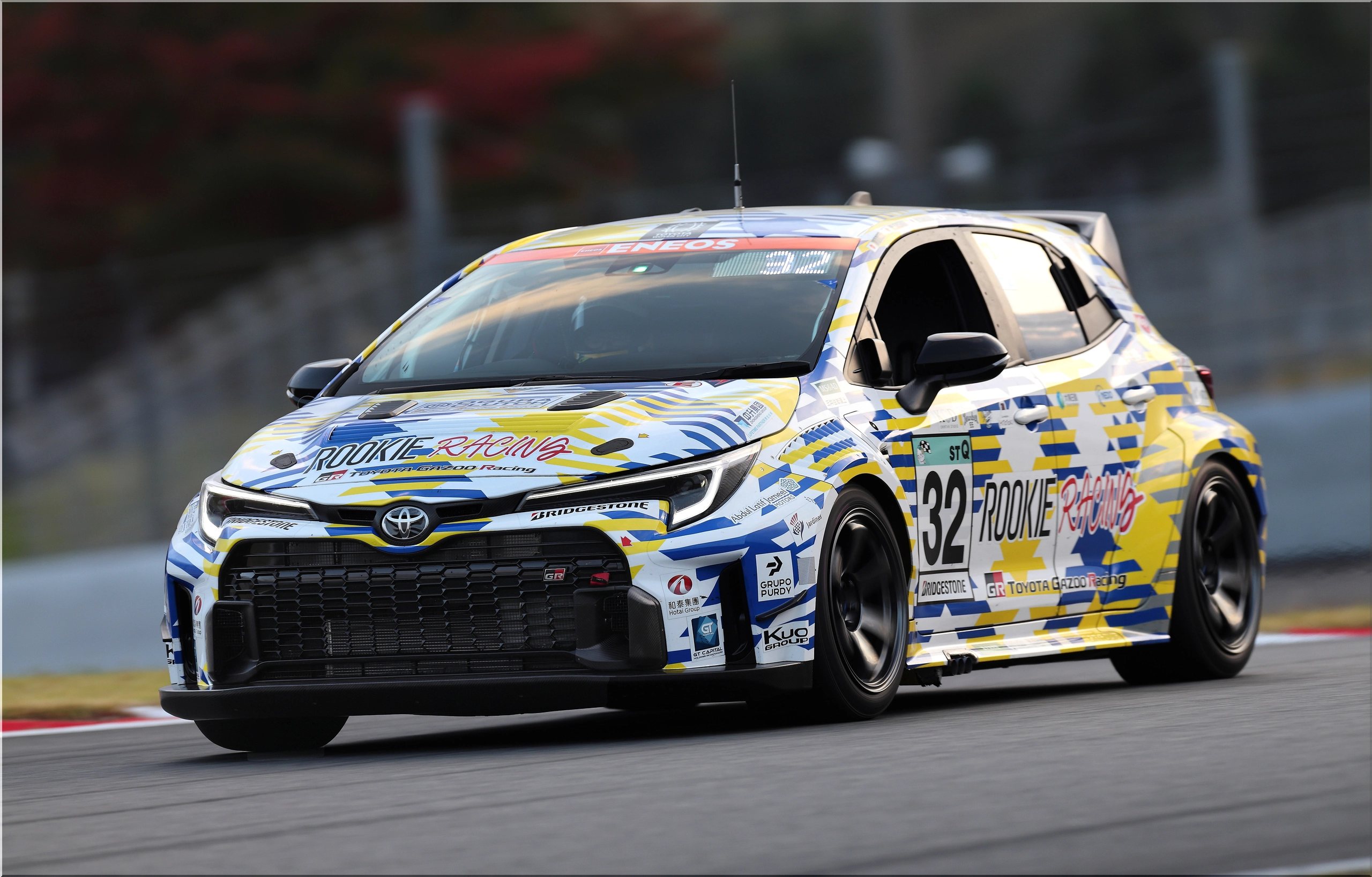
Toyota has tested two hydrogen-powered vehicles in Australia: the Toyota Corolla and the Toyota GR86. The Corolla runs on liquid hydrogen, stored at very low temperatures and high pressures, and has a higher energy density than gaseous hydrogen. The GR86 runs on carbon-neutral fuel, which is derived from renewable hydrogen and captured CO2 and has similar properties to gasoline. Both vehicles use modified versions of Toyota’s Dynamic Force Engine, which is designed to optimize thermal efficiency and power output.
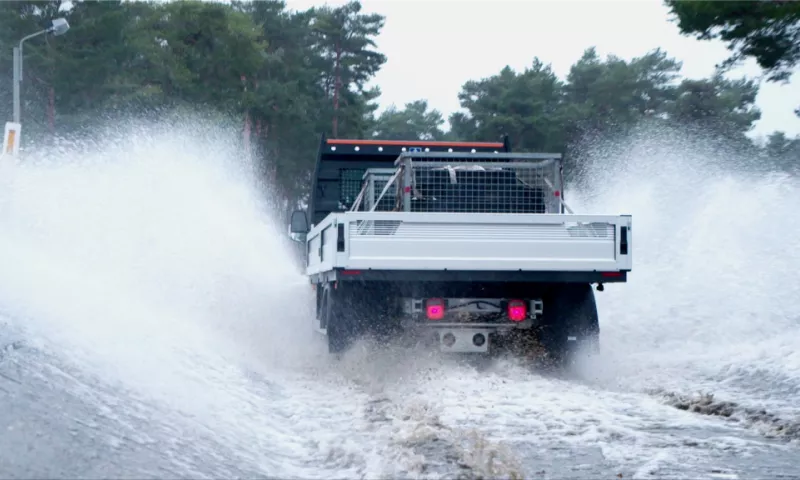
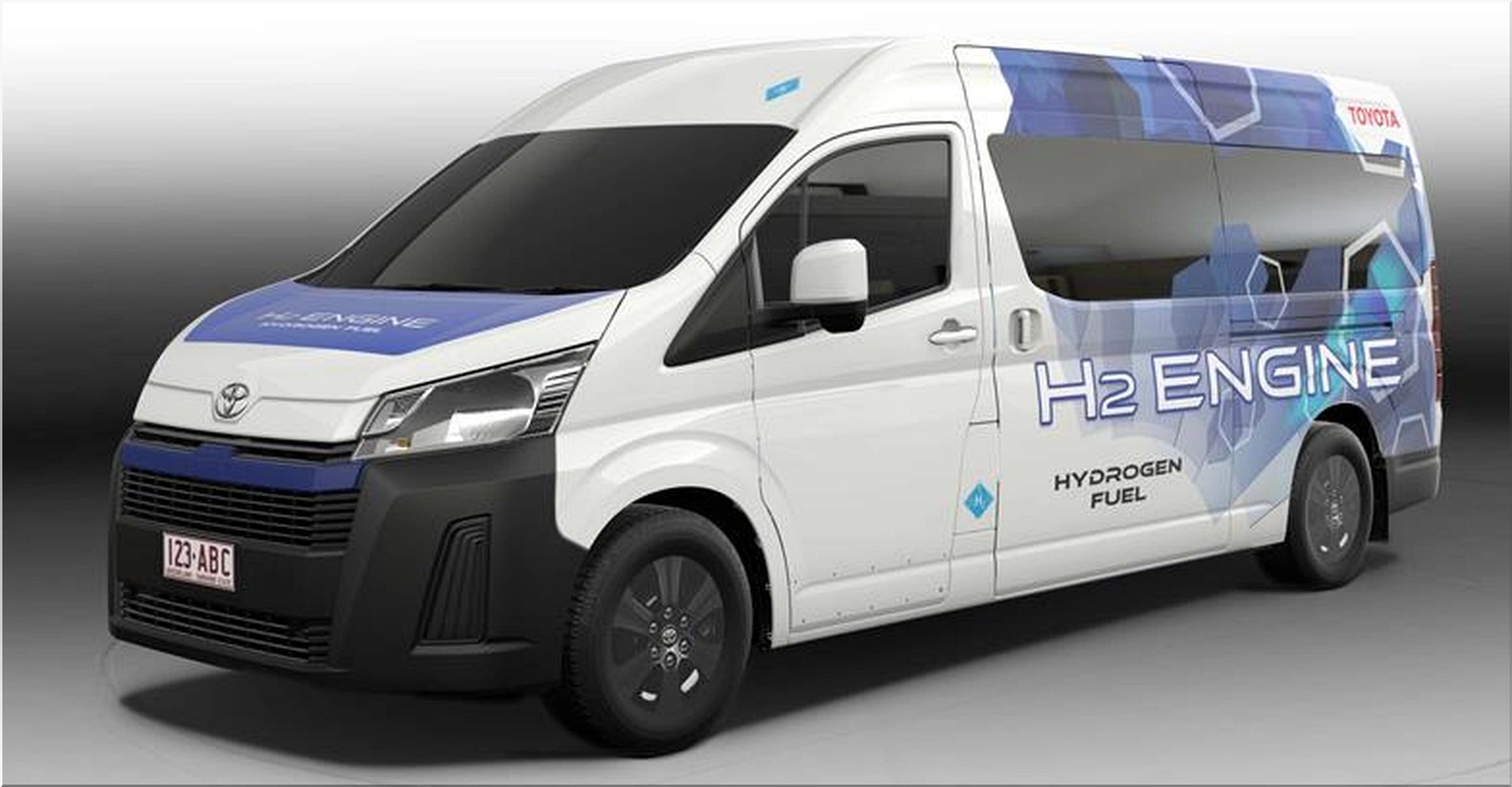
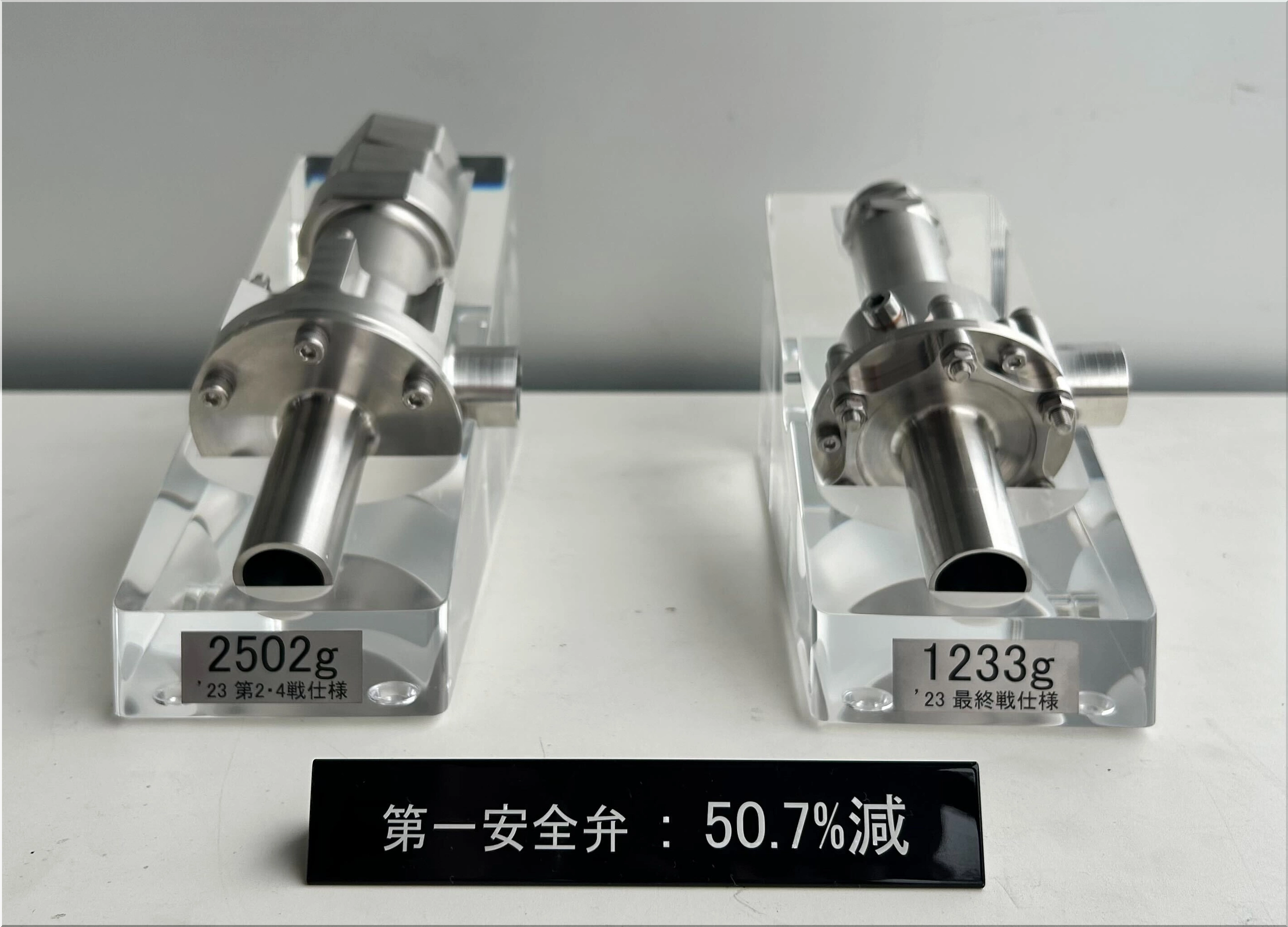
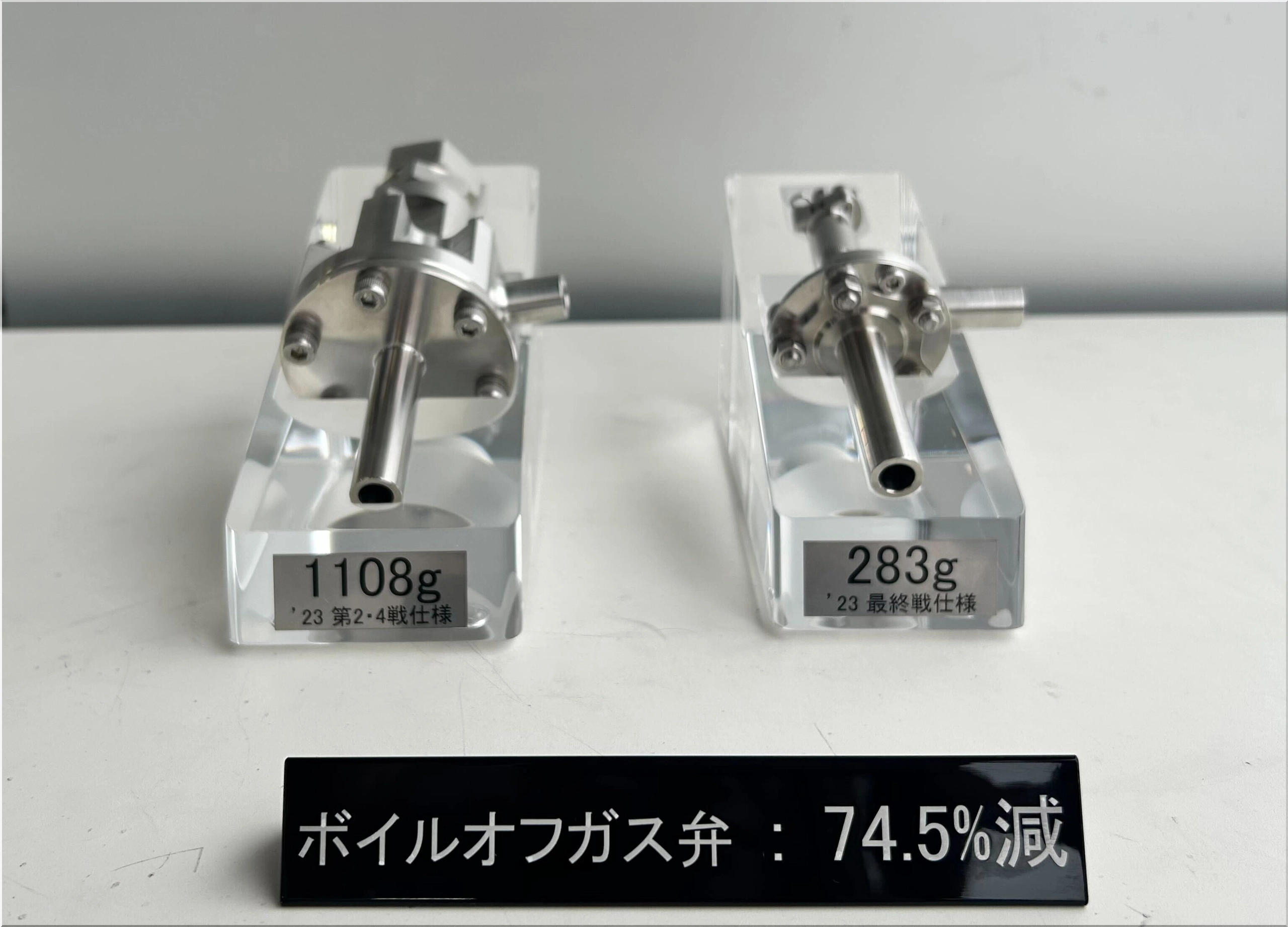
Toyota has been conducting on-road feasibility tests of the hydrogen-powered HiAce van on public roads in Australia since October 2021 in collaboration with the Australian government and local partners. The tests evaluate the performance, durability, and safety of the hydrogen engine technology under various driving conditions and environments. Toyota has also been participating in the Super Taikyu Series, a Japanese endurance racing championship, with the hydrogen-powered Corolla and GR86, to demonstrate the potential of hydrogen as a high-performance and eco-friendly fuel for motorsports.
What are the Challenges and Opportunities for Hydrogen in Australia
Australia has a unique opportunity to become a global leader in the hydrogen economy, thanks to its abundant renewable resources, such as solar and wind, and its strategic location near the fast-growing Asian markets, such as Japan, South Korea, and China, which have strong demand and policies for hydrogen. According to a study commissioned by the Australian Renewable Energy Agency (ARENA), Australia could export over 3 million tons of hydrogen per year by 2040, generating up to $10 billion in annual revenue.
However, significant challenges and barriers exist to overcome, such as the high cost and low efficiency of hydrogen production, storage, and transport, the lack of infrastructure and standards, the regulatory and policy uncertainty, and the social acceptance and awareness of hydrogen. To address these challenges, the Australian government has developed a National Hydrogen Strategy outlining a vision and roadmap for building a competitive and sustainable hydrogen industry by 2030. The strategy identifies five priority areas: hydrogen production, hydrogen export and domestic use, hydrogen innovation, hydrogen safety and community engagement, and hydrogen workforce and skills.
Toyota is committed to supporting the development and deployment of hydrogen technology in Australia and contributing to the realization of the National Hydrogen Strategy. Toyota also collaborates with various stakeholders, such as government agencies, industry associations, research institutions, and local communities, to create Australia's hydrogen ecosystem and culture. Toyota believes that hydrogen can offer multiple benefits for Australia, such as reducing greenhouse gas emissions, enhancing energy security and resilience, creating new industries and jobs, and improving the quality of life for Australians.
- Add new comment
- 171 views