Toyota just moved hydrogen fuel cell generators from interesting pilot hardware toward bankable commercial infrastructure. The news sounds dry at first: Toyota Hydrogen Solutions earned ANSI/CSA FC 1 and ANSI/CSA FC 6 certification for commercial fuel cell units. That certification language will not light up enthusiast forums, but fleet managers, hospital operators, port authorities, data-center planners, and utilities should pay attention.
This gives Toyota a compliance bridge. In addition, it reduces one of hydrogen's biggest commercial barriers: not whether the technology works, but whether buyers, insurers, site engineers, permitting teams, and safety officials can sign off on it without dragging the project through months of uncertainty.
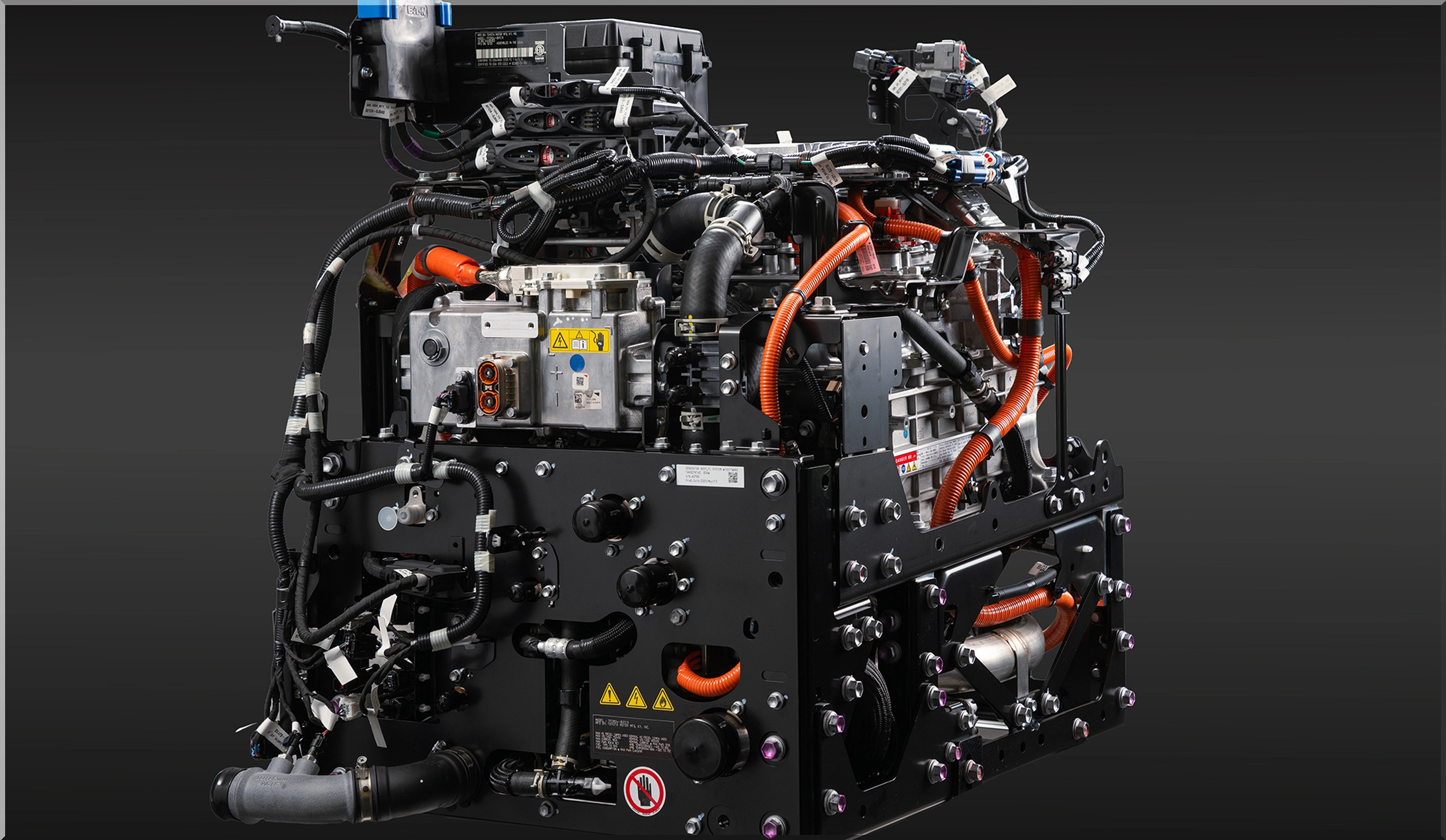
What Toyota's ANSI/CSA FC 1 And FC 6 Certifications Mean
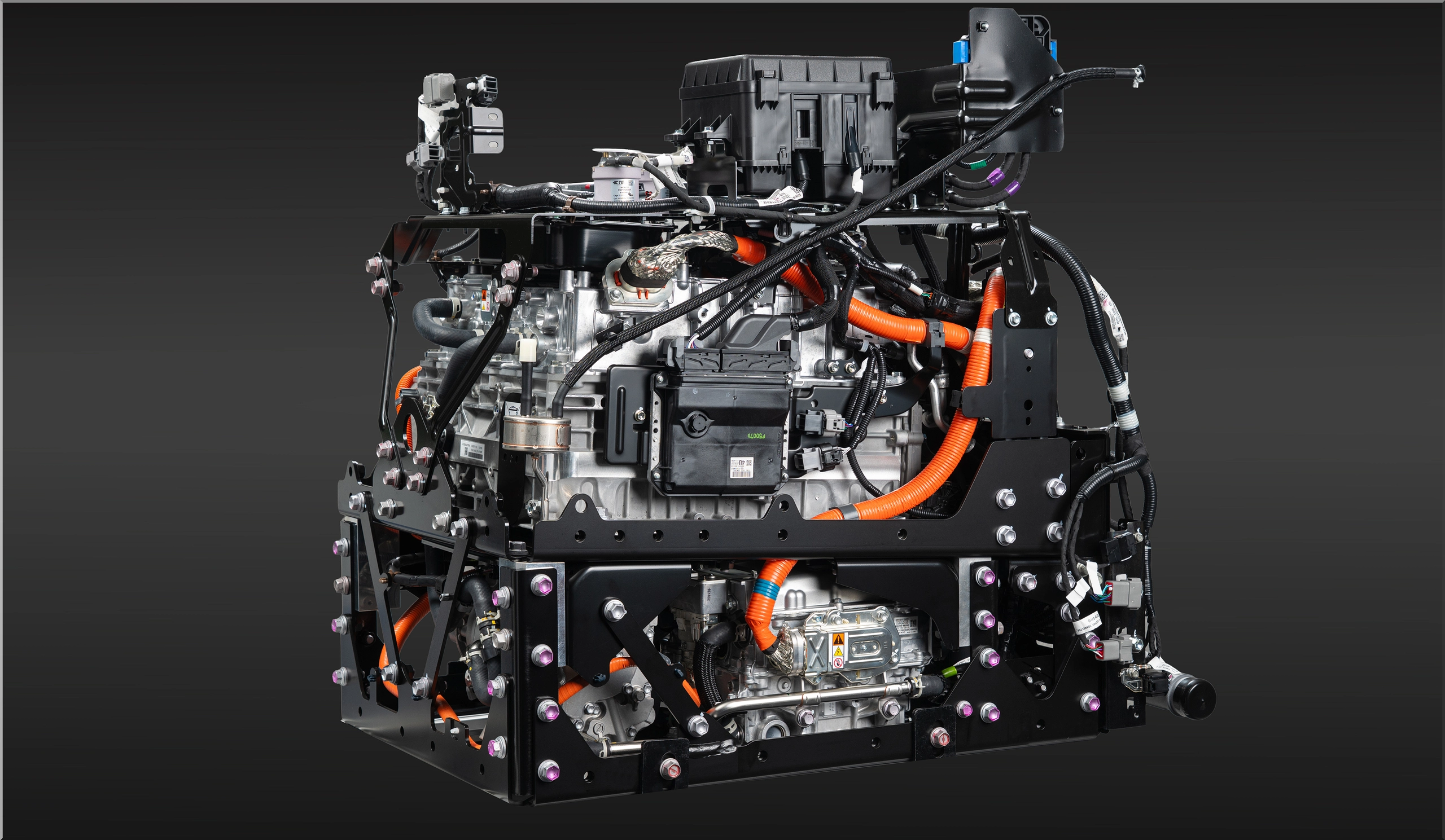
ANSI/CSA FC 1 certification applies to stationary fuel cell power systems. That category covers packaged, self-contained systems or factory-matched integrated systems that generate electricity through electrochemical reactions. In plain English, it deals with the safety and performance expectations around stationary fuel cell generators that can connect to a building, facility, transfer switch, or local power distribution setup.
ANSI/CSA FC 6 certification focuses on fuel cell modules. Specifically, it covers safety and performance requirements for the module itself, including systems that use different electrolyte chemistries and operate with or without an enclosure.
| Certification | Commercial Purpose | Why Buyers Care |
|---|---|---|
| ANSI/CSA FC 1 | Stationary fuel cell power system safety and performance | Helps facility teams approve generator packages for fixed-site use |
| ANSI/CSA FC 6 | Fuel cell module safety and performance | Gives integrators confidence in the core power-producing unit |
| Combined value | System plus module validation | Lowers adoption friction for commercial hydrogen power projects |
| Main application | Stationary power generation | Fits hospitals, remote sites, grid support, ports, and fleets |
Looking at the data, Toyota has not positioned these certifications as a science project. It tied the announcement directly to commercial scaling in North America, where stationary power buyers care about uptime, code acceptance, noise limits, emissions rules, and insurance review.
How Toyota's Commercial Fuel Cell Units Work
A hydrogen fuel cell does not burn hydrogen like a combustion engine. It combines gaseous hydrogen and oxygen through an electrochemical process to generate electricity, with water vapor as the exhaust product. That difference matters because a diesel generator creates power through combustion, noise, heat, vibration, and tailpipe emissions.
Toyota wants these units to compete where batteries struggle and diesel faces growing scrutiny. Batteries work well for short-duration backup, load shifting, and fast response. Hydrogen power makes more sense when a site needs longer runtime, fast refueling logic, modular capacity, and no point-of-use carbon emissions.
| Power Option | Strength | Weak Spot | Best Fit |
|---|---|---|---|
| Diesel generator | Mature, familiar, high energy density | Emissions, noise, fuel handling, local restrictions | Legacy backup power |
| Battery storage | Fast response, quiet operation | Runtime depends heavily on installed capacity | Short backup and peak-load support |
| Hydrogen fuel cell generator | Quiet, zero carbon emissions at use, scalable runtime with fuel supply | Hydrogen delivery and storage planning | Critical infrastructure and remote power |
| Grid-only power | Simple when reliable | Vulnerable during outages and peak demand | Low-risk facilities |
By comparison, hydrogen backup power aims at a middle lane. It can run cleaner than diesel while avoiding the size and runtime limits that can make battery-only backup expensive for large facilities.
Why This Matters For Hospitals, Ports, And Commercial Fleets
Critical infrastructure hates uncertainty. A hospital cannot gamble on a generator that regulators question. A port cannot pause operations because a power unit lacks the right compliance trail. A fleet depot cannot build a decarbonization plan around equipment that fails a safety review.
Consequently, Toyota's certified commercial fuel cell units give buyers a clearer path from concept to installation. The company specifically points to uses such as hospitals, disaster response sites, remote facilities, peak shaving, and grid support.
Pro-Tip For Fleet And Facility Managers
Ask three questions before pricing a hydrogen generator project:
- Does the site need long-duration backup power, not just a short ride-through?
- Can hydrogen delivery or on-site storage fit the facility's safety plan?
- Will emissions rules, noise limits, or diesel runtime restrictions increase operating costs over the next five years?
If the answer lands yes on two or more, a stationary hydrogen fuel cell generator deserves serious review.
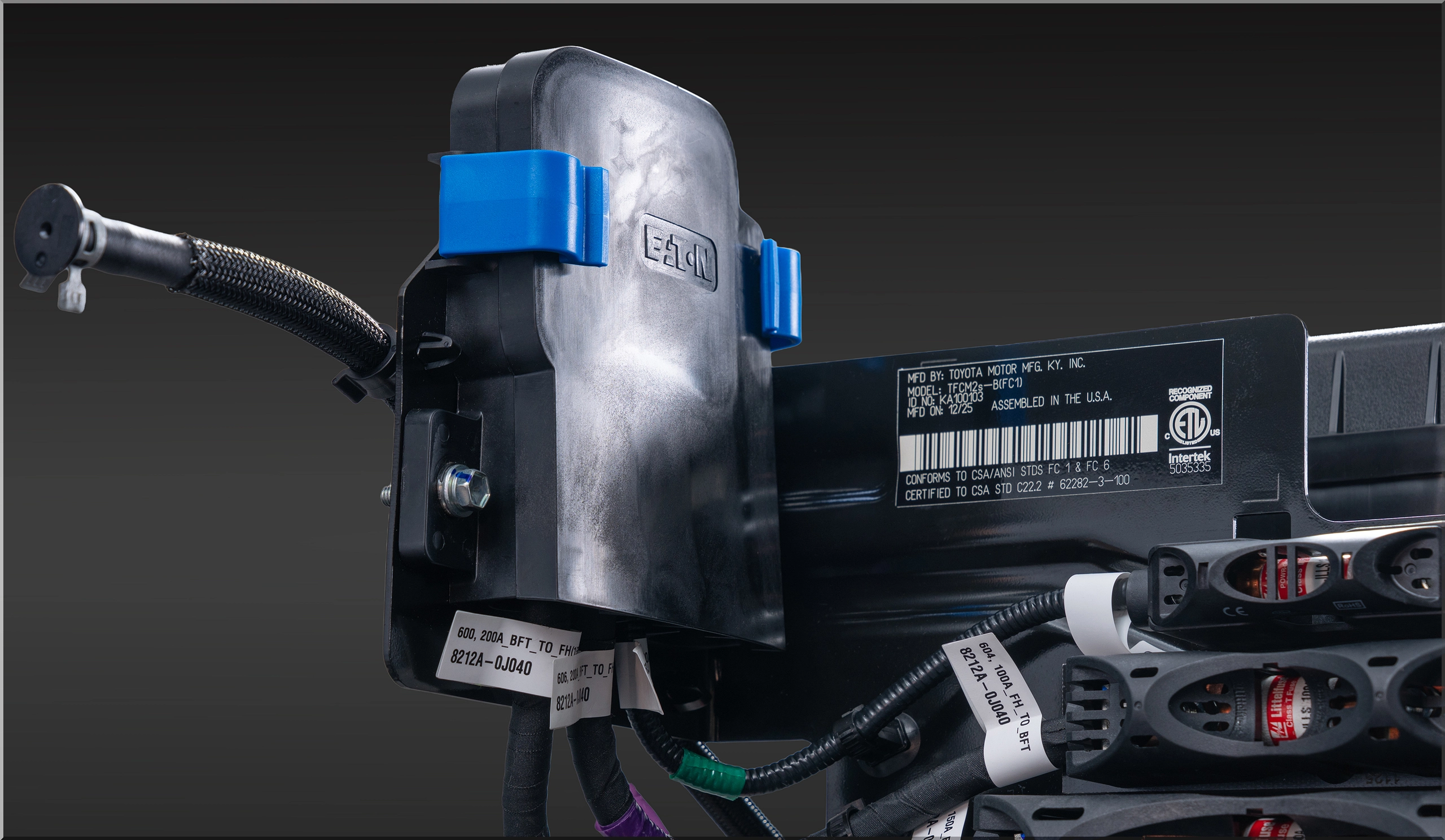
Toyota And Rehlko Are Targeting 1 MW Stationary Power
Toyota's strategy gets more interesting when you connect this certification news to its Rehlko agreement. Toyota plans to supply hydrogen fuel cell modules for Rehlko stationary generator products, including systems aimed at 1 MW power generation. One megawatt changes the conversation. That moves the product class away from small backup boxes and toward large commercial sites that need serious electrical capacity.
From an expert perspective, the Rehlko link gives Toyota a practical route to market. Toyota brings fuel cell hardware and decades of development experience. Rehlko brings generator integration, energy resilience customers, and facility-level packaging knowledge. That pairing could help hydrogen power reach customers that buy outcomes, not chemistry lessons.
Why Toyota Keeps Pushing Hydrogen While EV Growth Slows
Toyota has taken heat for betting on hydrogen while battery-electric cars grabbed headlines. Fair. Passenger hydrogen adoption in the U.S. still faces a brutally thin fueling network. But stationary power changes the math because the fuel can go to the equipment, not the other way around.
In addition, commercial power buyers think differently than car shoppers. They buy uptime, compliance, runtime, and total operating risk. A hydrogen fuel cell generator does not need thousands of public stations to succeed. It needs controlled supply, repeatable installation standards, and enough certified hardware to make procurement teams comfortable.
What Now?
Toyota's ANSI/CSA certification win will not replace diesel generators overnight. It will, however, make Toyota hydrogen power easier to specify, easier to insure, and easier to pitch inside organizations that demand documented safety compliance before writing large checks.
For Gerane readers tracking the next phase of clean transportation, the take sits here: hydrogen looks weak as a mass-market passenger-car fuel in America, but it looks far more credible in commercial power, ports, trucking hubs, emergency response, and heavy-duty infrastructure. Toyota knows that. Now it has certifications that help convert hydrogen ambition into purchase orders.
- Add new comment
- 75 views