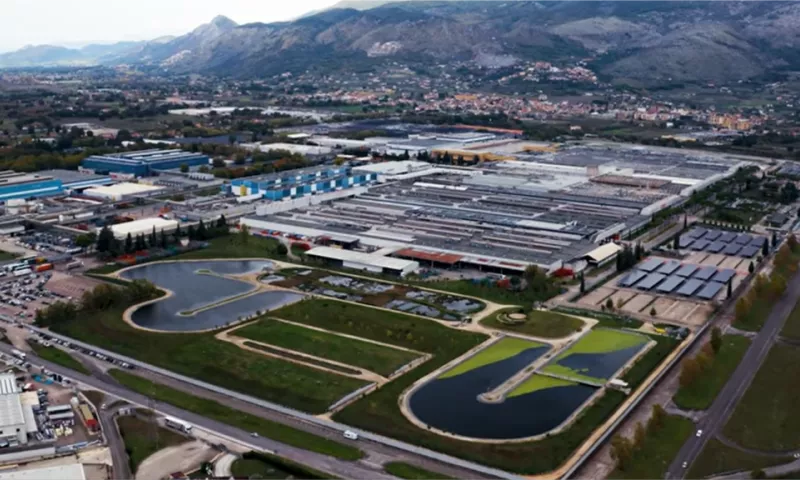

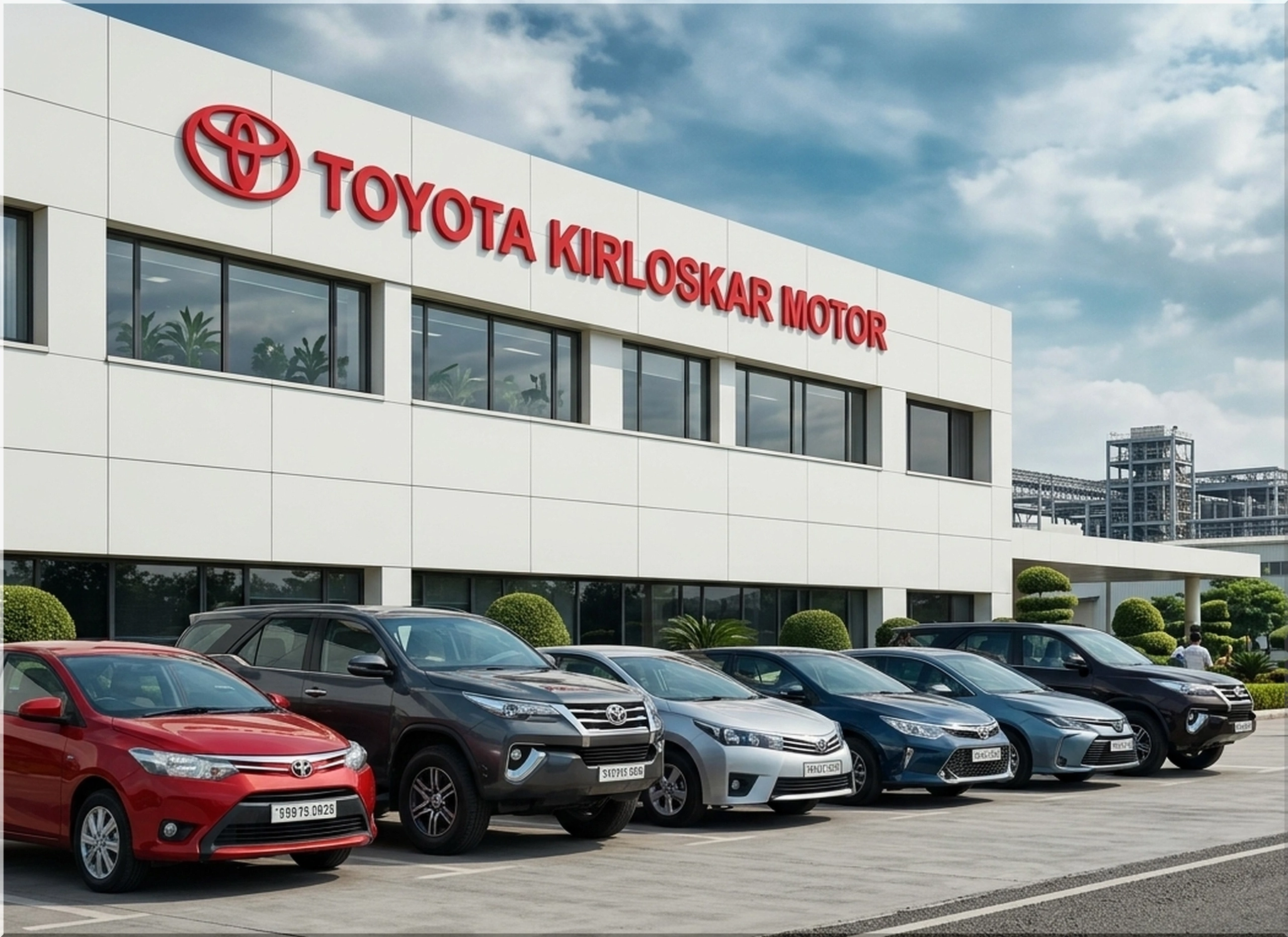
Toyota will build a new vehicle manufacturing plant in India, giving Toyota Kirloskar Motor a fresh production base in the Bidkin Industrial Area of Maharashtra. Production starts in the first half of 2029, and the factory will add 100,000 vehicles per year once operations begin.
That number matters. India keeps pulling global automakers toward local production, lower logistics risk, and regional export potential. Toyota already sells high-demand nameplates in India, from the Innova family to the Fortuner, Hilux, Camry Hybrid, Urban Cruiser Hyryder, Glanza, Rumion, and Urban Cruiser Taisor. The Maharashtra factory gives Toyota more room to serve local buyers and nearby export markets without stretching its Karnataka production network.
Toyota India Plant: Core Manufacturing Data
| Data Point | Official Detail |
|---|---|
| Location | Bidkin Industrial Area, Maharashtra, India |
| Production start | First half of 2029 |
| Annual capacity | 100,000 vehicles |
| Planned workforce | About 2,800 employees |
| Main processes | Stamping, welding, painting, assembly |
| Planned product | New SUV |
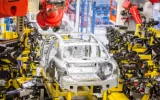
Looking at the data, Toyota plans a full vehicle production operation rather than a light assembly outpost. Stamping shapes body panels from sheet metal. Welding creates the body-in-white structure. Painting adds corrosion protection, color, and finish quality. Assembly brings the drivetrain, cabin, electronics, chassis hardware, and quality-control systems together.
Why Toyota Chose A New SUV For Maharashtra
Toyota has not released dimensions, wheelbase, engine output, torque figures, battery capacity, fuel economy, or pricing for the new SUV. That silence tells us the product cycle still sits in an early planning phase.
Specifically, the SUV choice fits India's demand curve. Buyers in the market continue moving toward higher-riding vehicles with flexible seating, better road clearance, and stronger perceived value. Toyota can also scale the plant around a body style that supports petrol, hybrid, or future electrified derivatives, depending on final platform strategy.
| Strategic Factor | Why It Matters |
|---|---|
| SUV body style | Strong demand across Indian passenger-vehicle segments |
| 100,000-unit capacity | Adds meaningful supply without overbuilding from day one |
| Full process plant | Gives Toyota tighter control over quality and takt time |
| Maharashtra site | Adds geographic depth outside Karnataka |
| Regional supply role | Supports India plus surrounding markets |
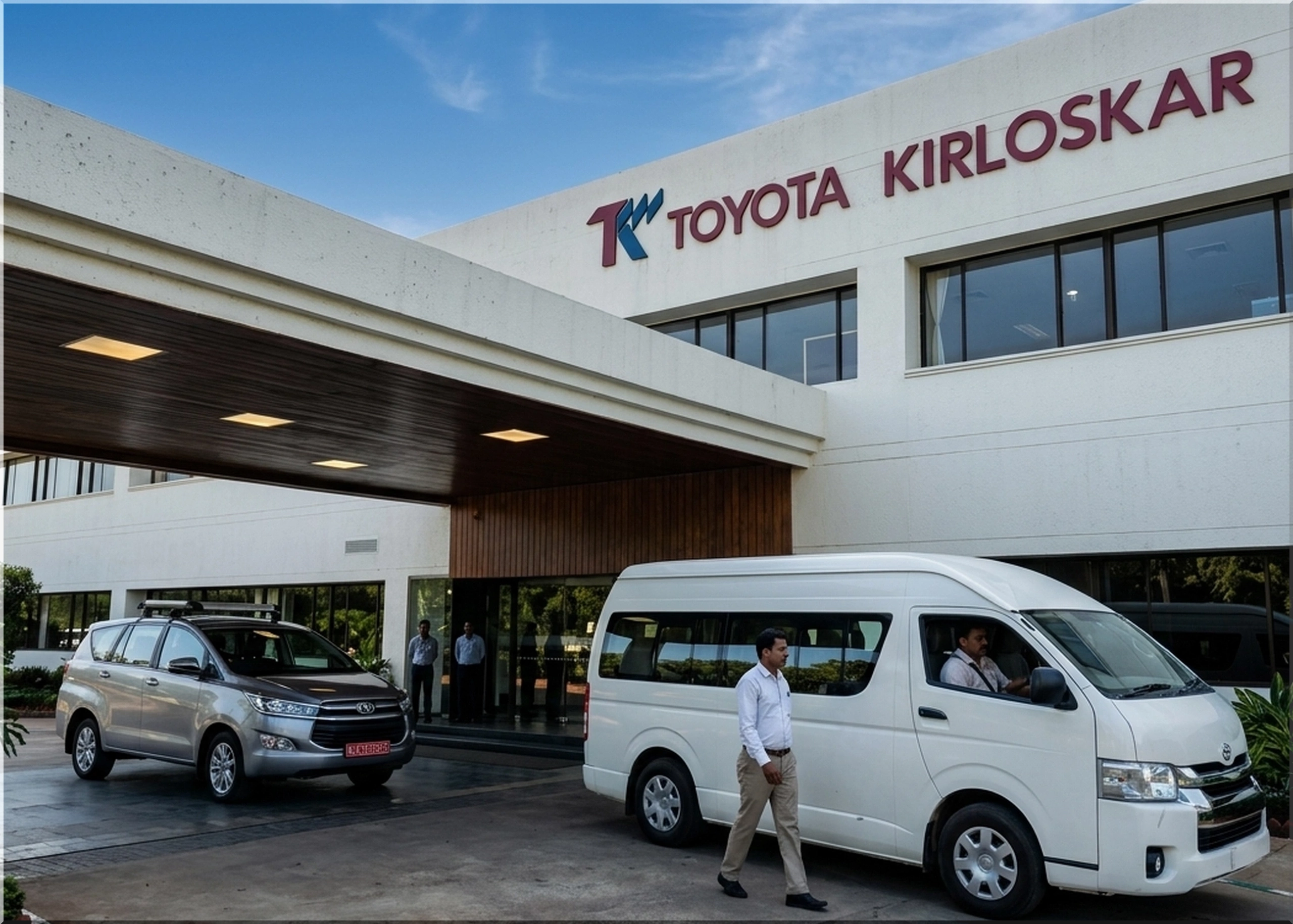
What This Means For Toyota Kirloskar Motor
In addition, the new plant widens Toyota's India manufacturing map. Toyota Kirloskar Motor already operates major manufacturing capacity in Karnataka, while the Maharashtra site creates a second state-level production pillar.
Consequently, Toyota gains three practical advantages:
- Shorter supply pressure on existing plants when demand rises.
- More production flexibility for SUVs and electrified models.
- Higher local value creation through jobs, vendors, and plant-adjacent services.
The plant's message stays clear: Toyota India manufacturing will grow, and Maharashtra will play a direct role in the company's next SUV chapter.
- Add new comment
- 43 views