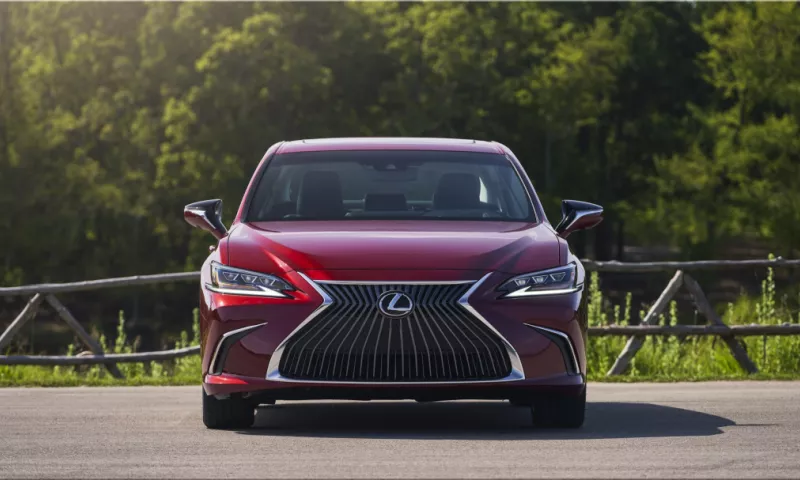
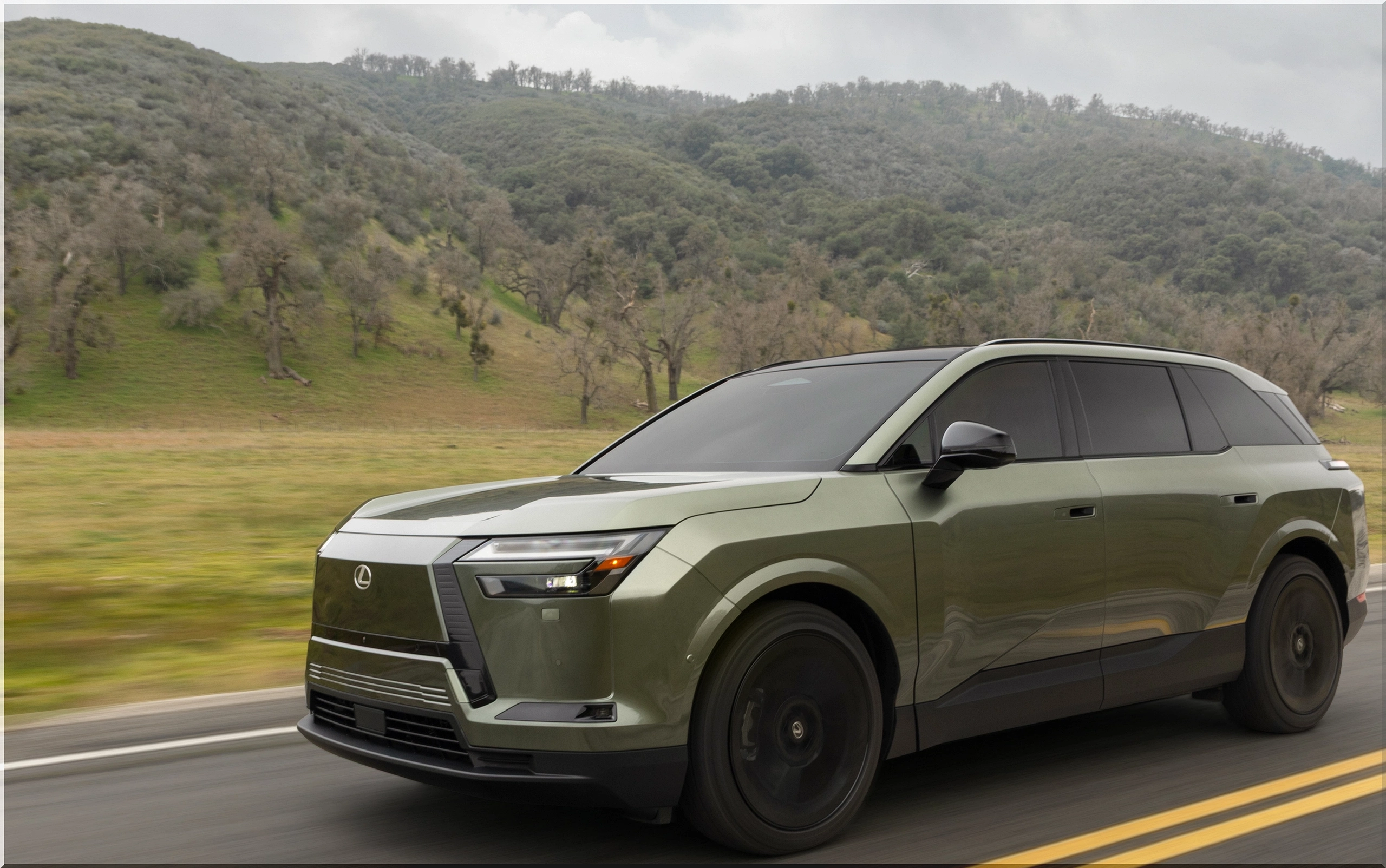
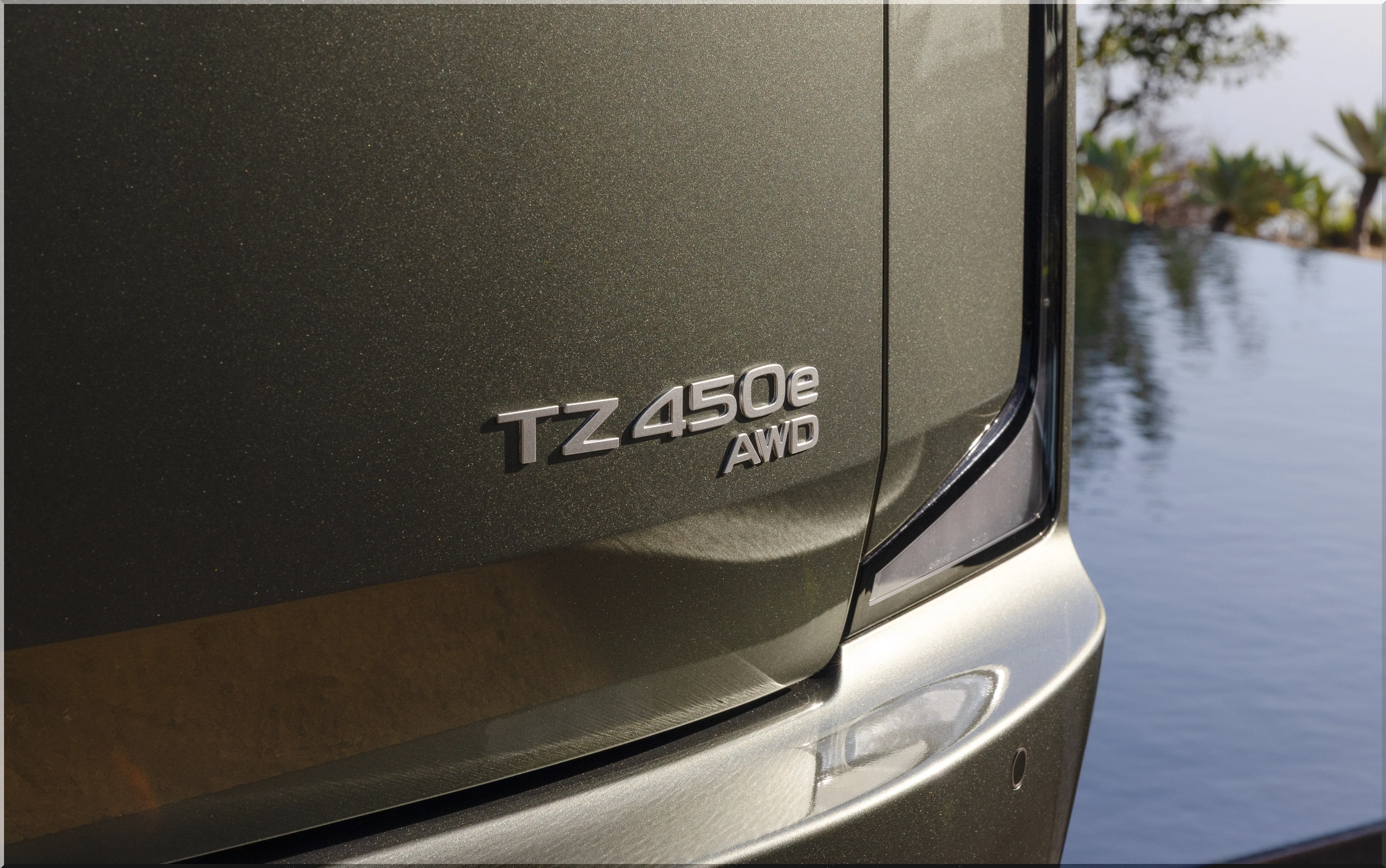
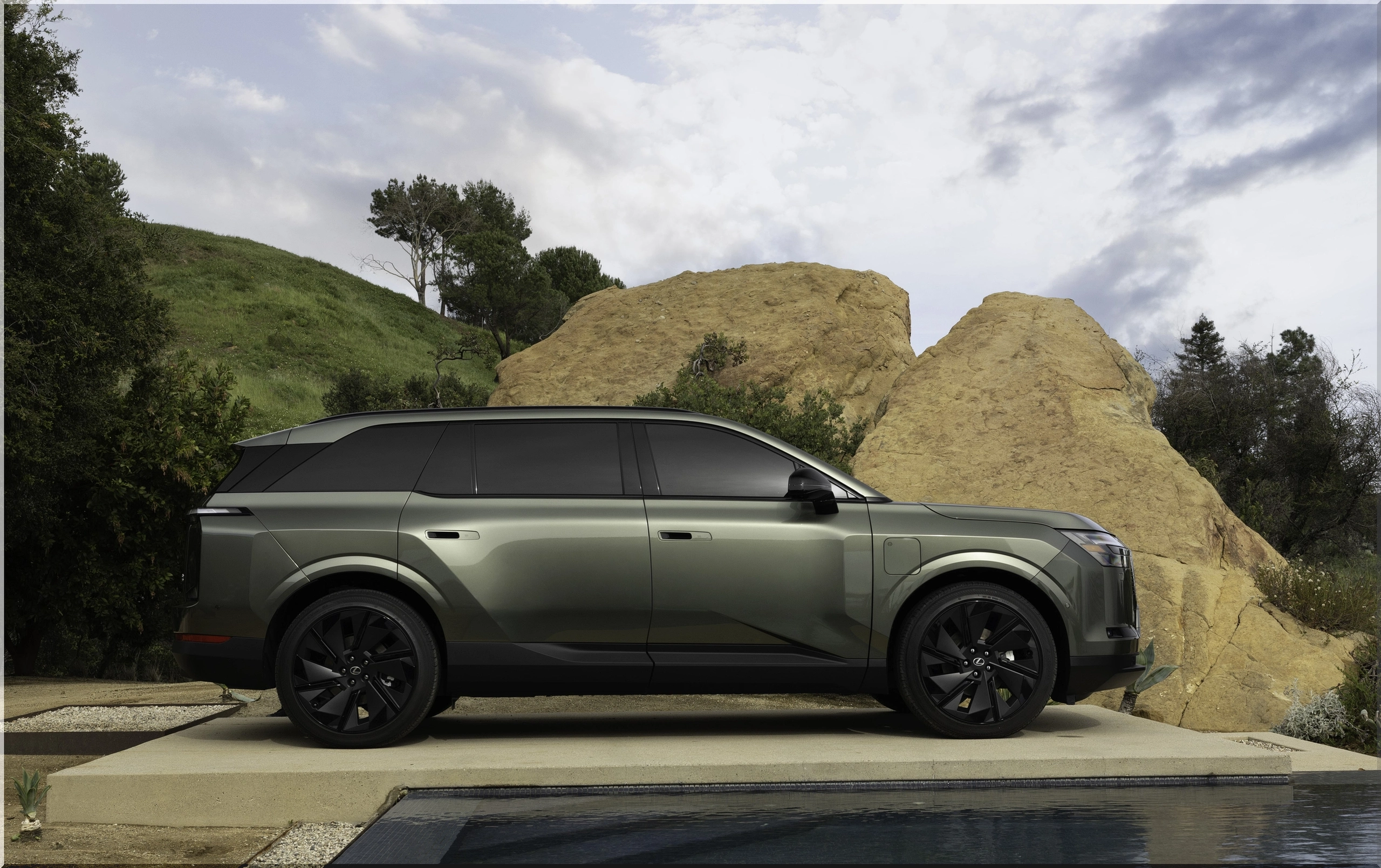
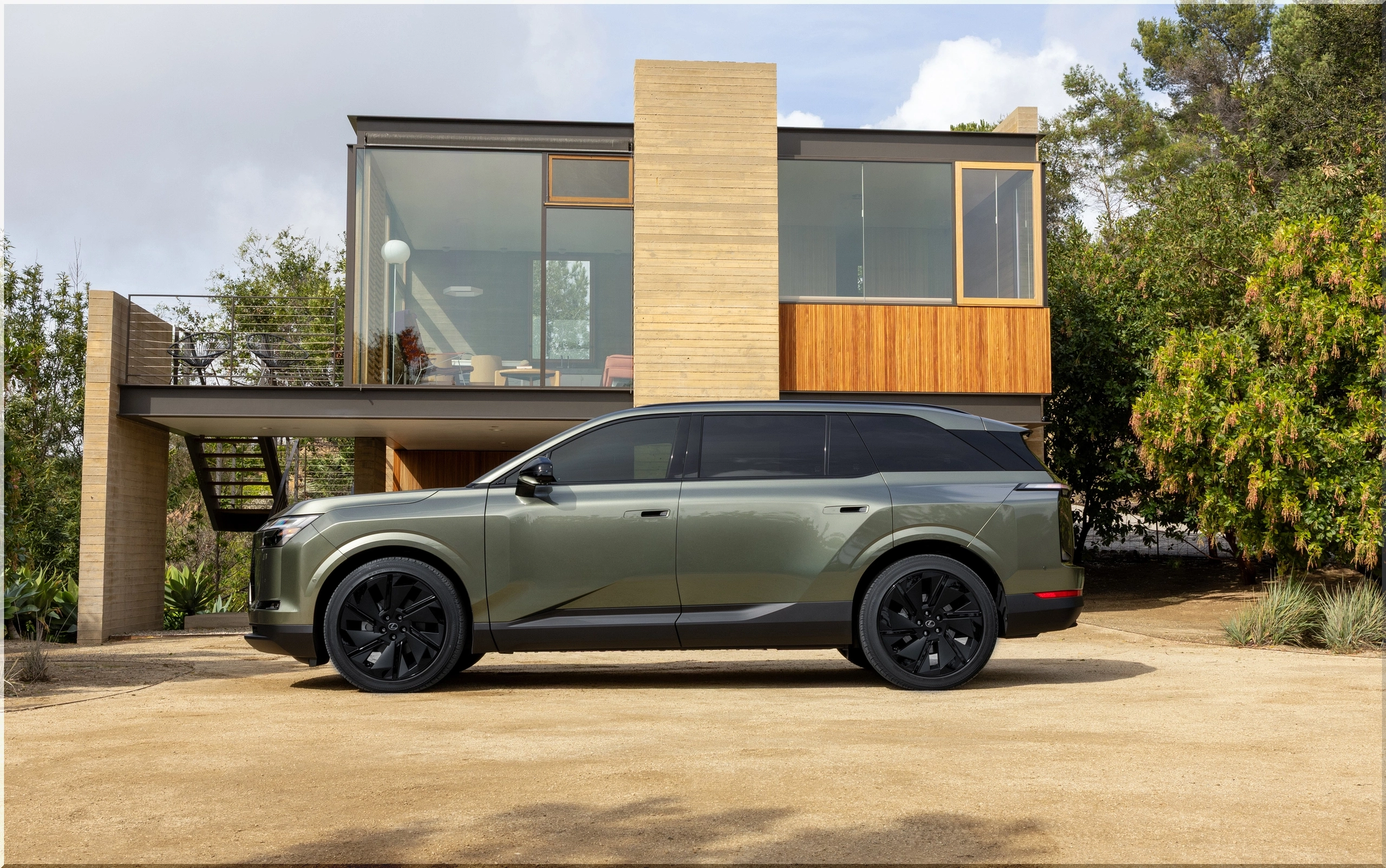
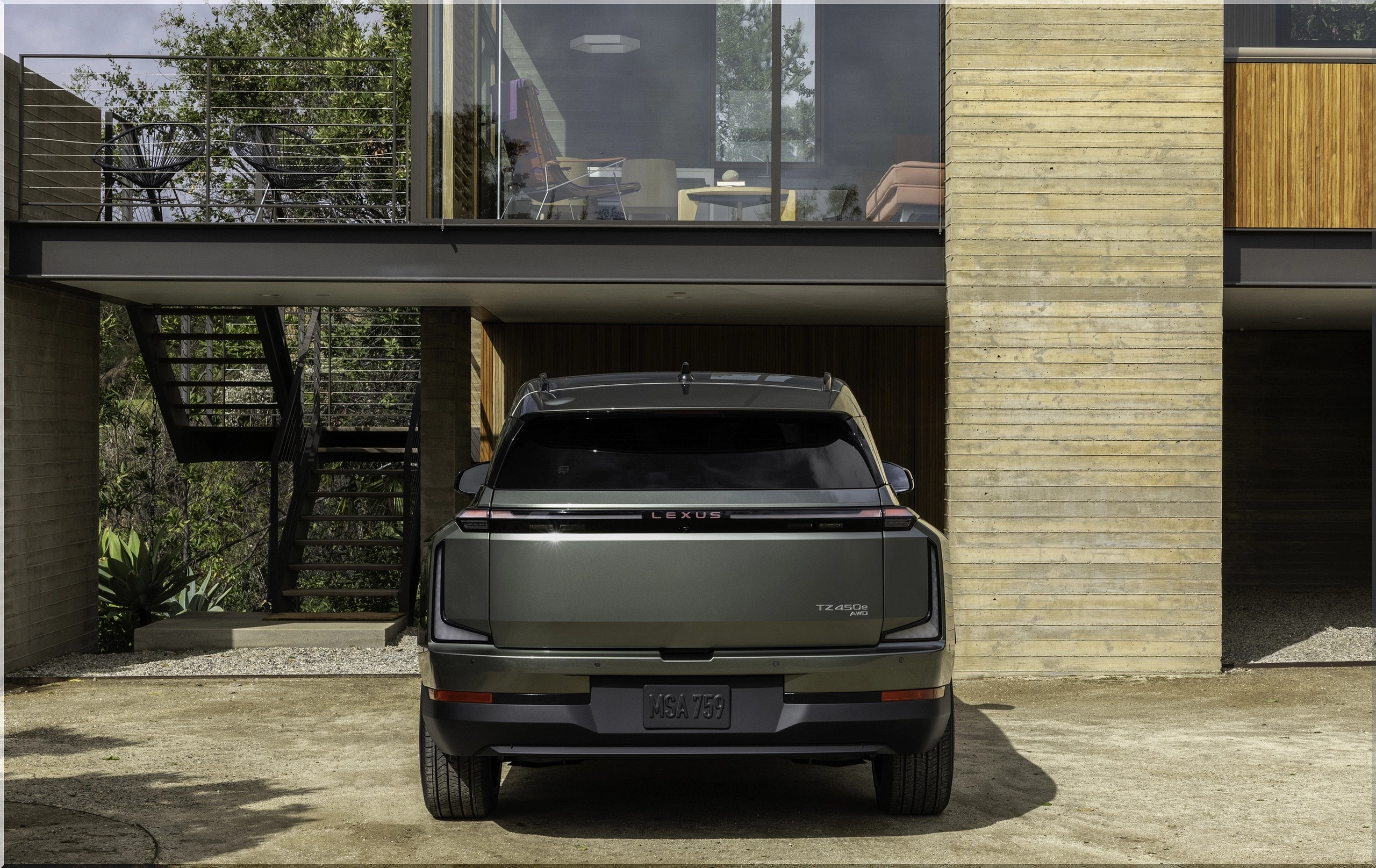
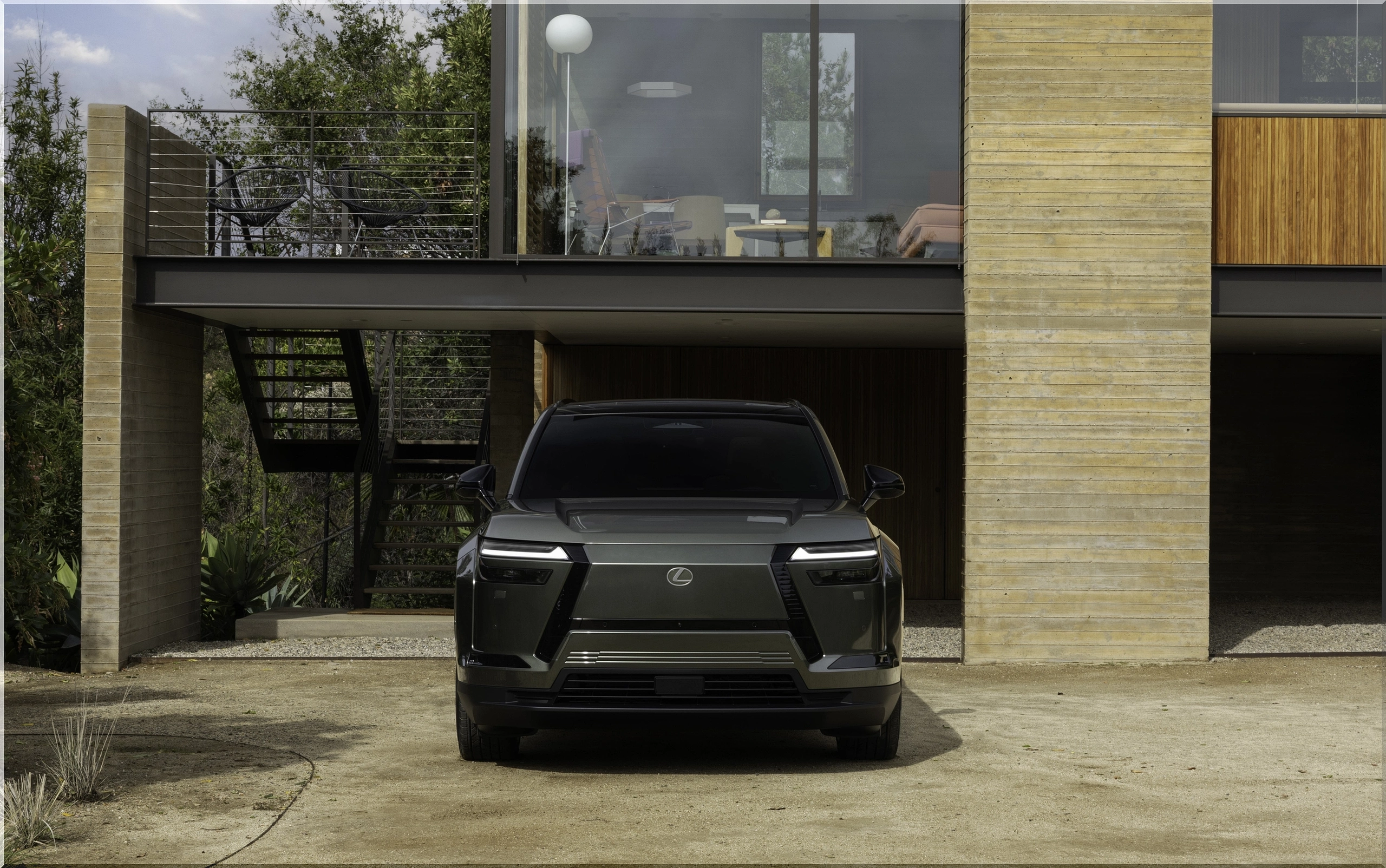
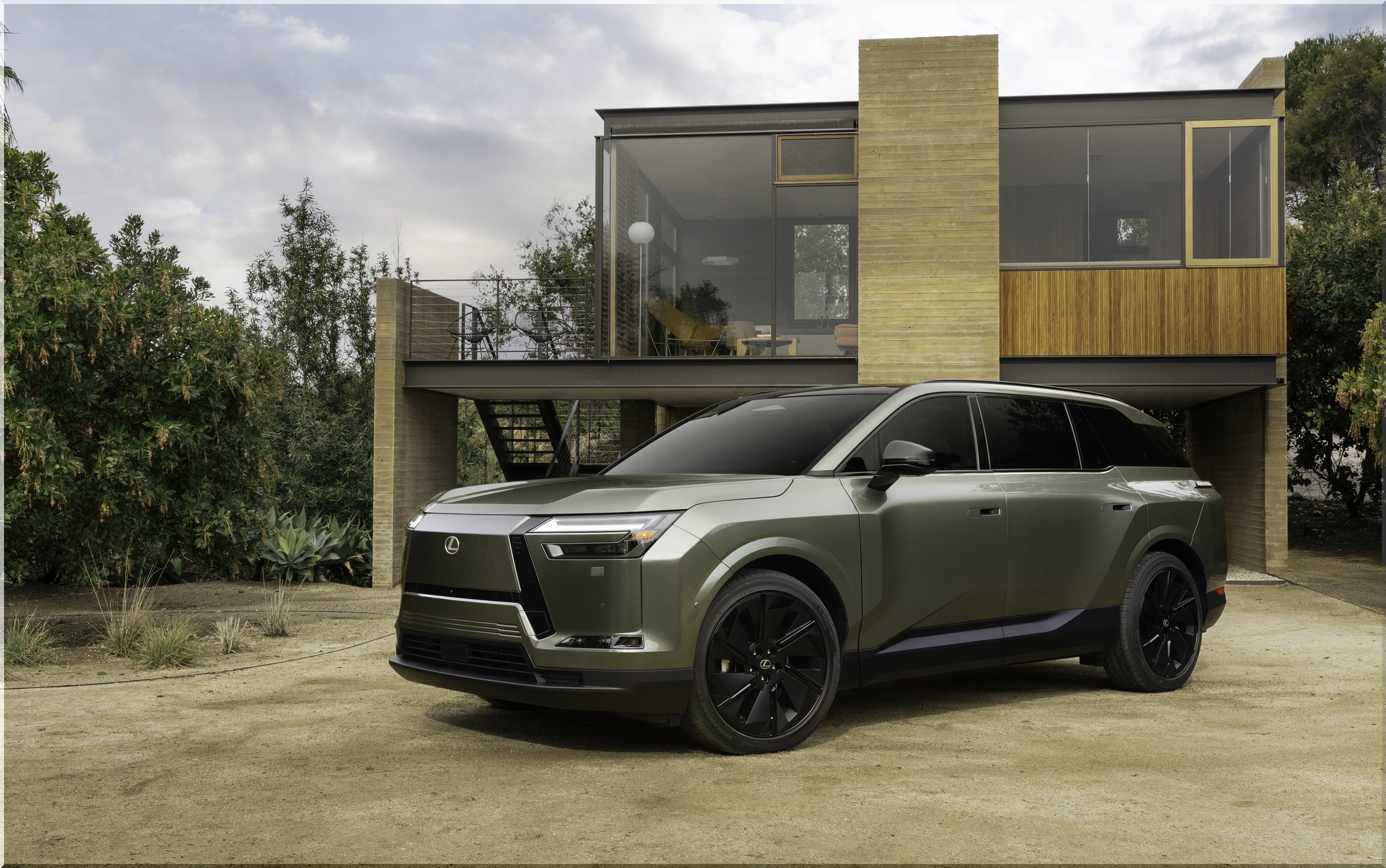
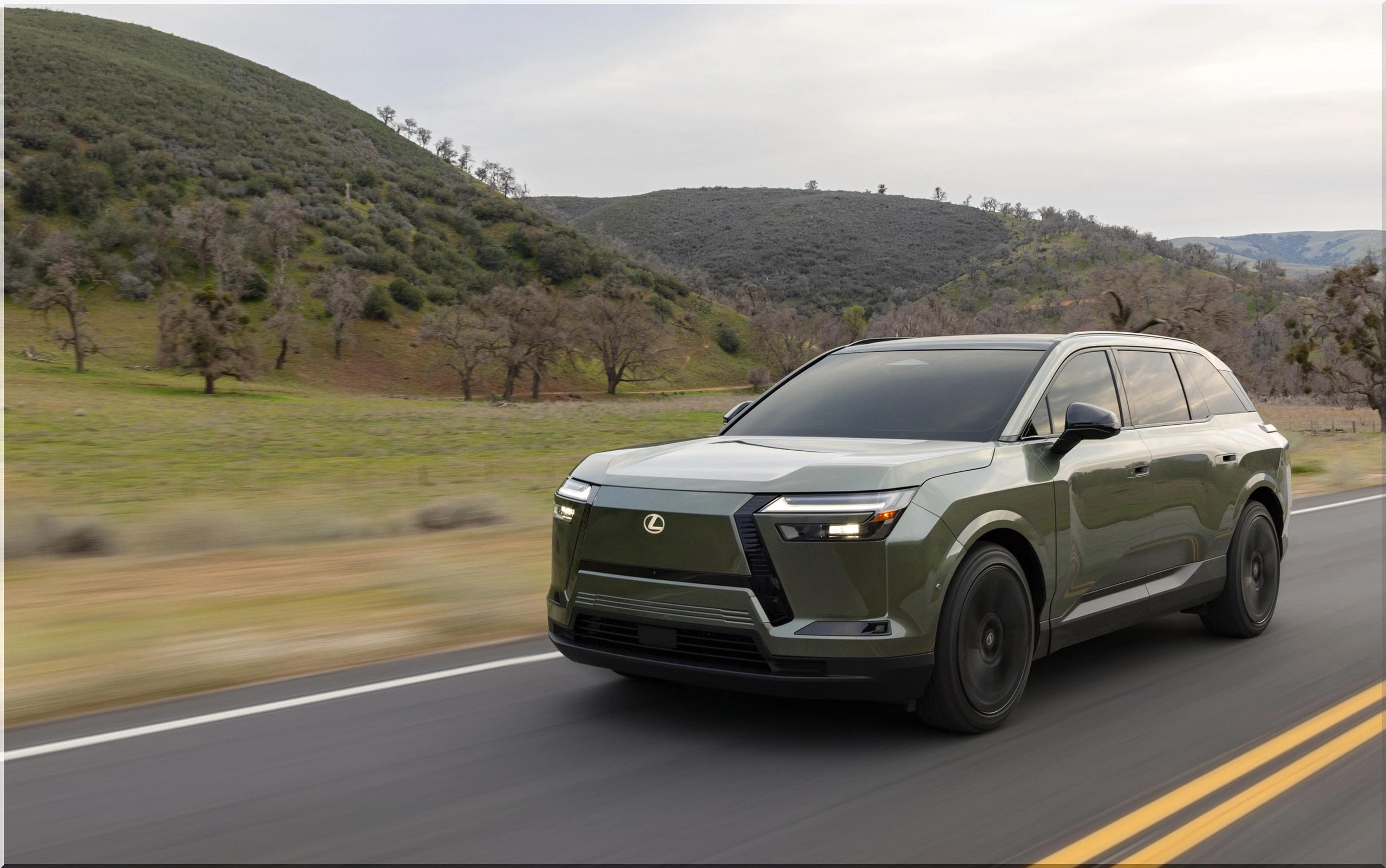
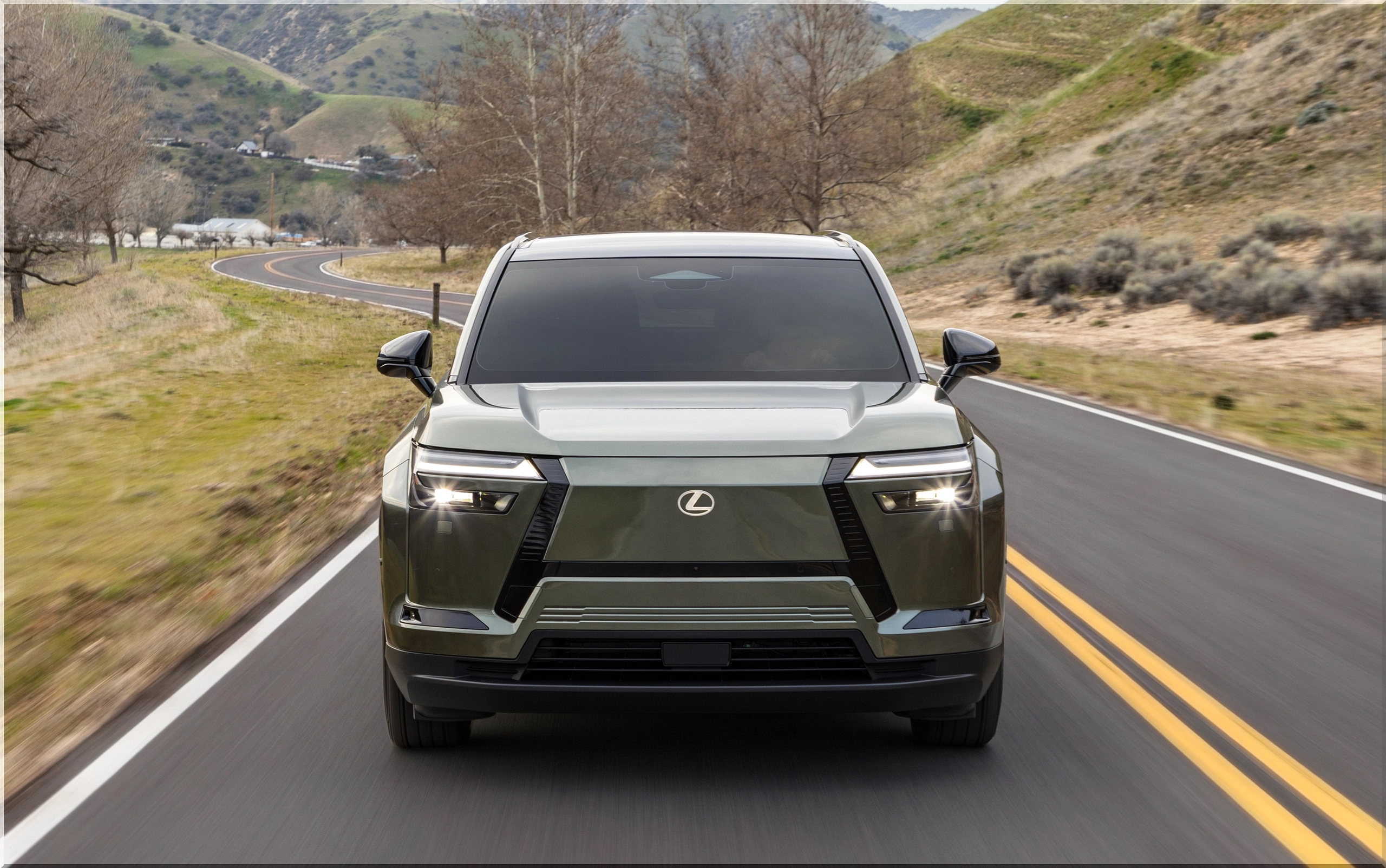
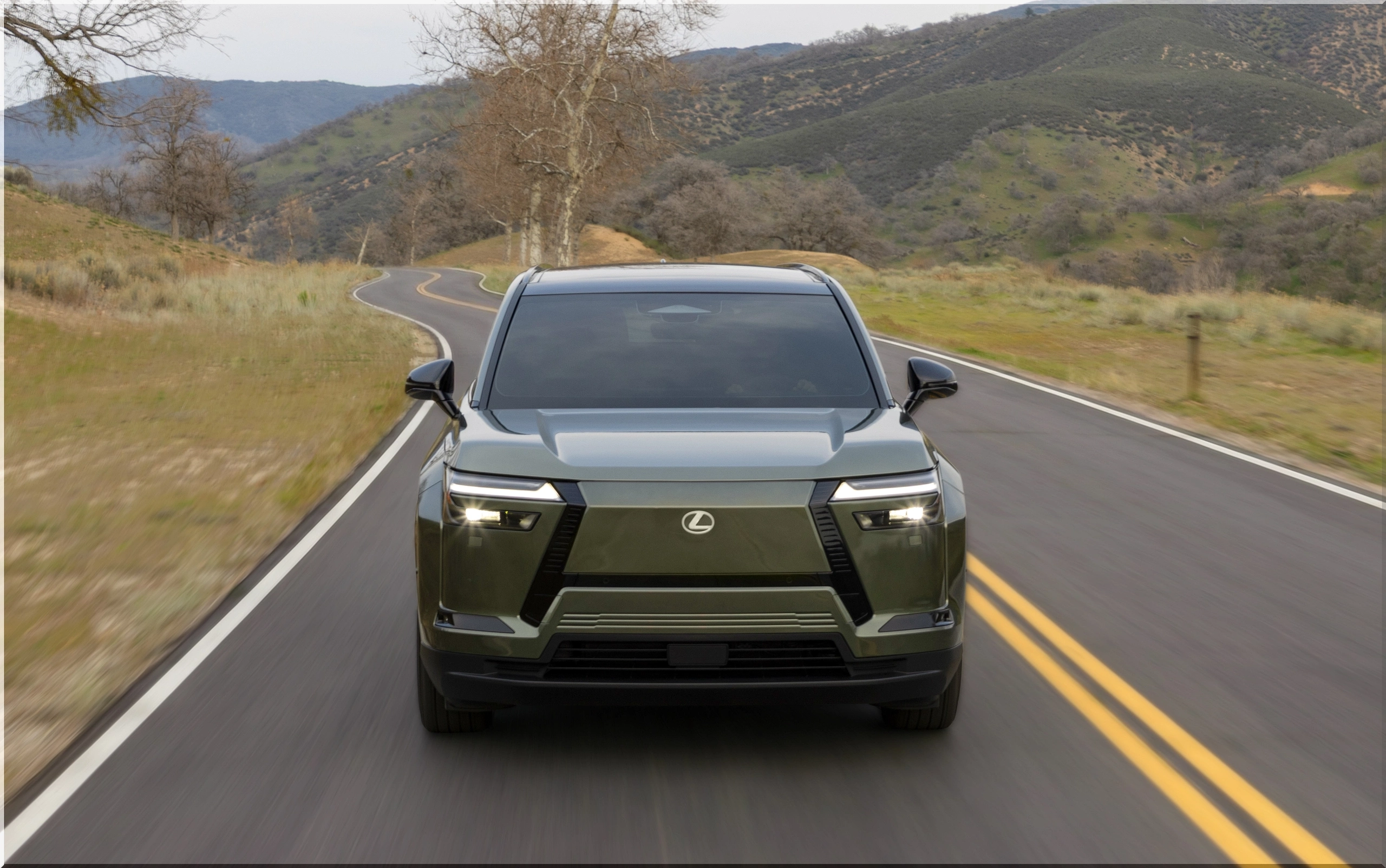
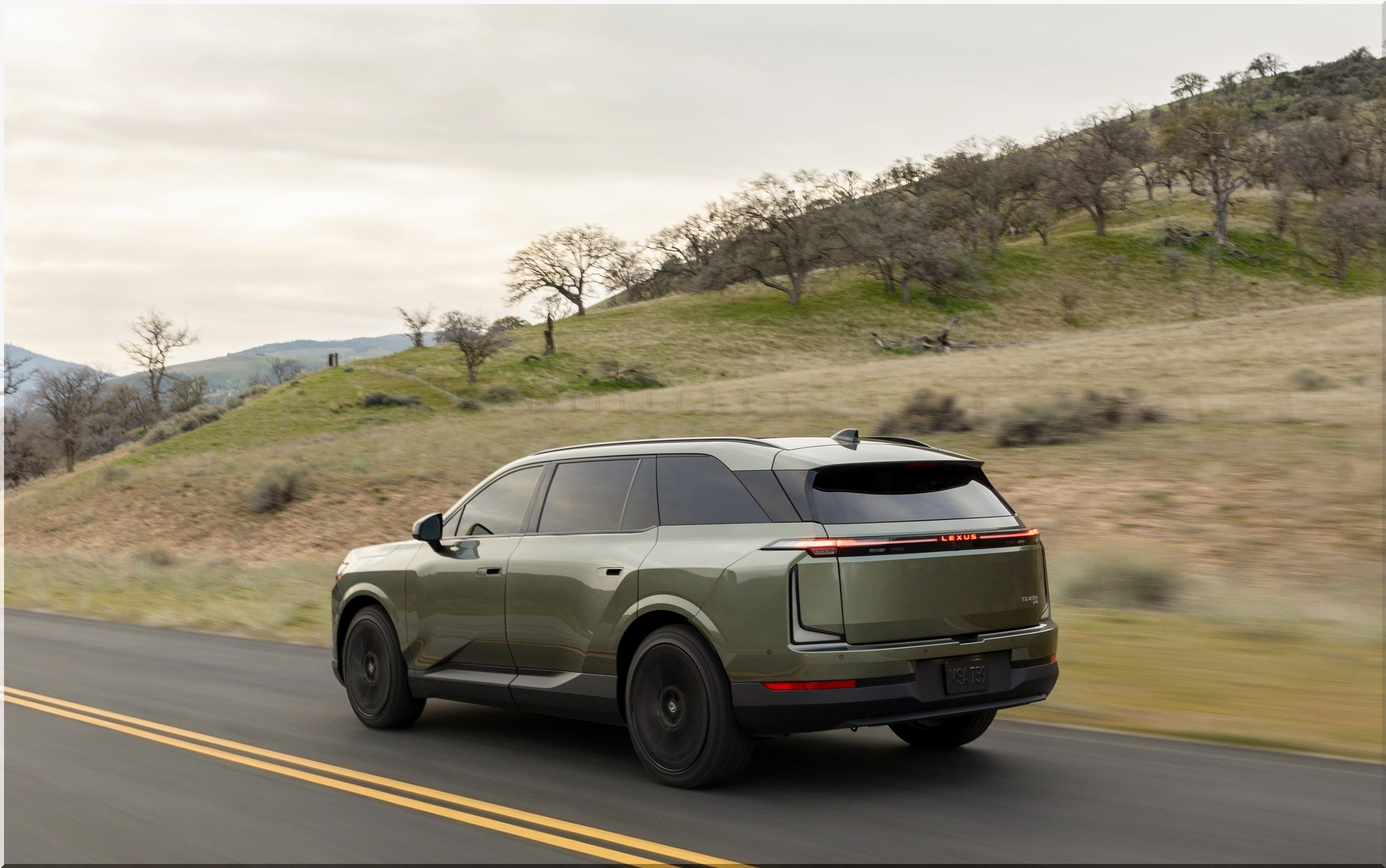
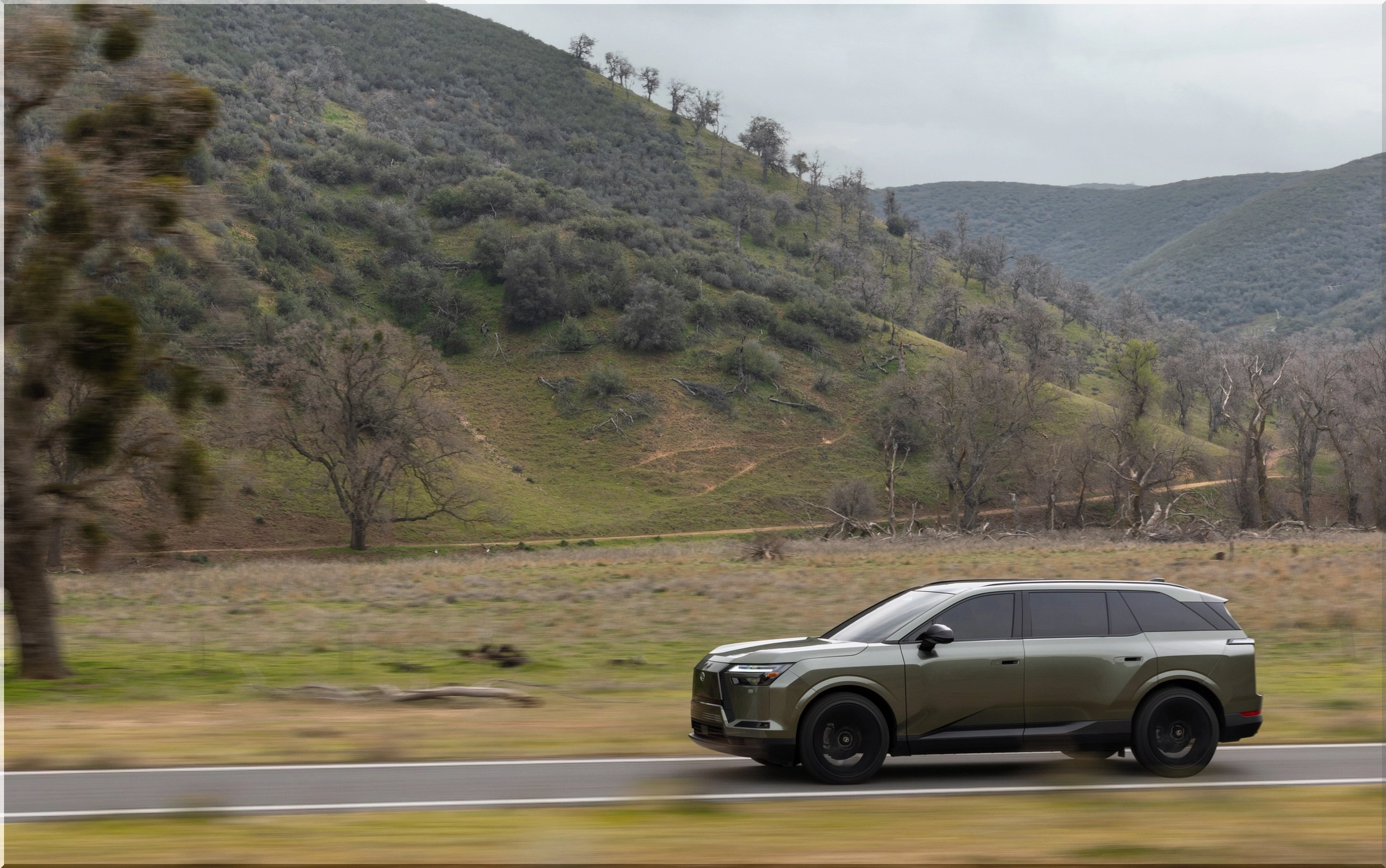
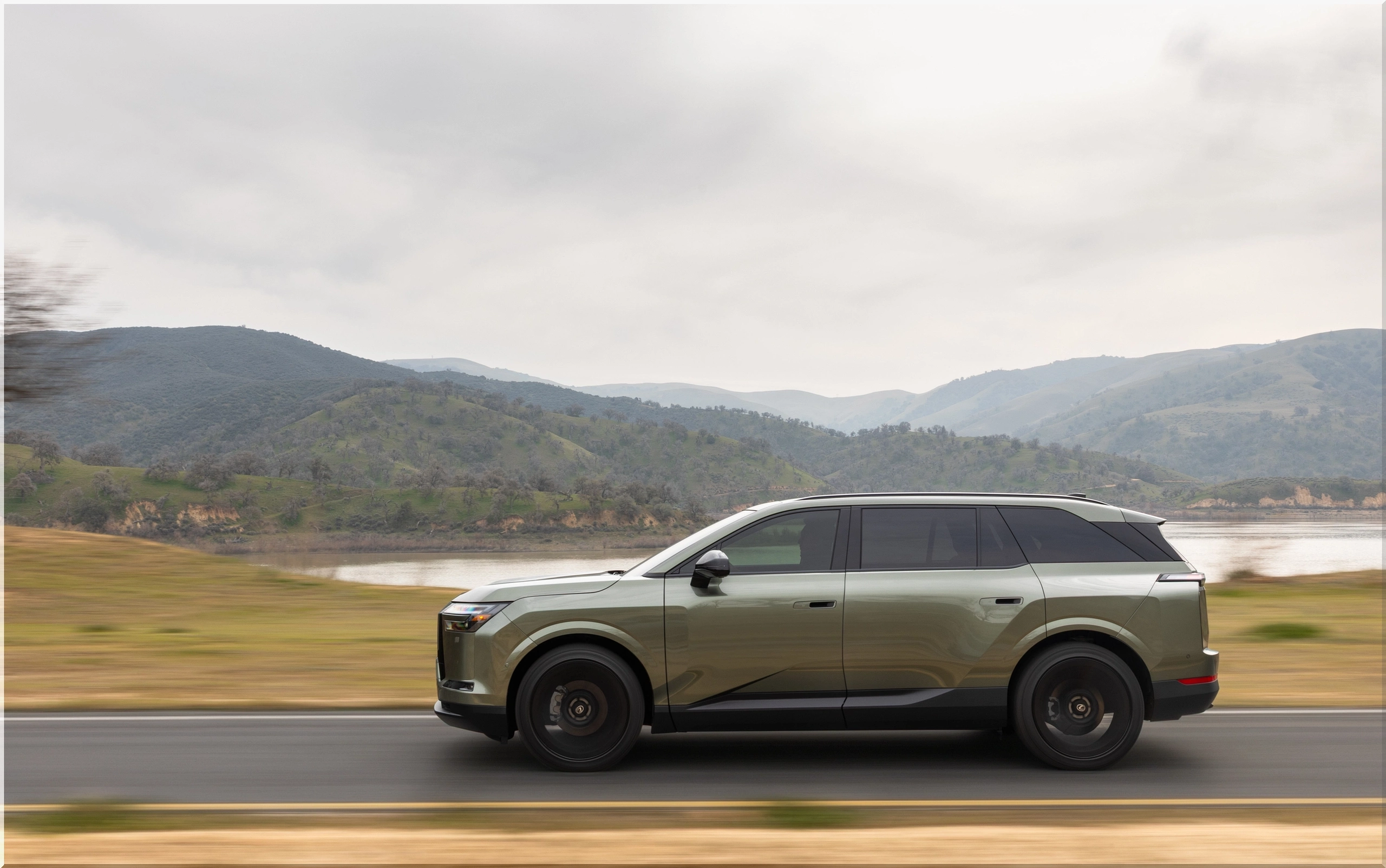
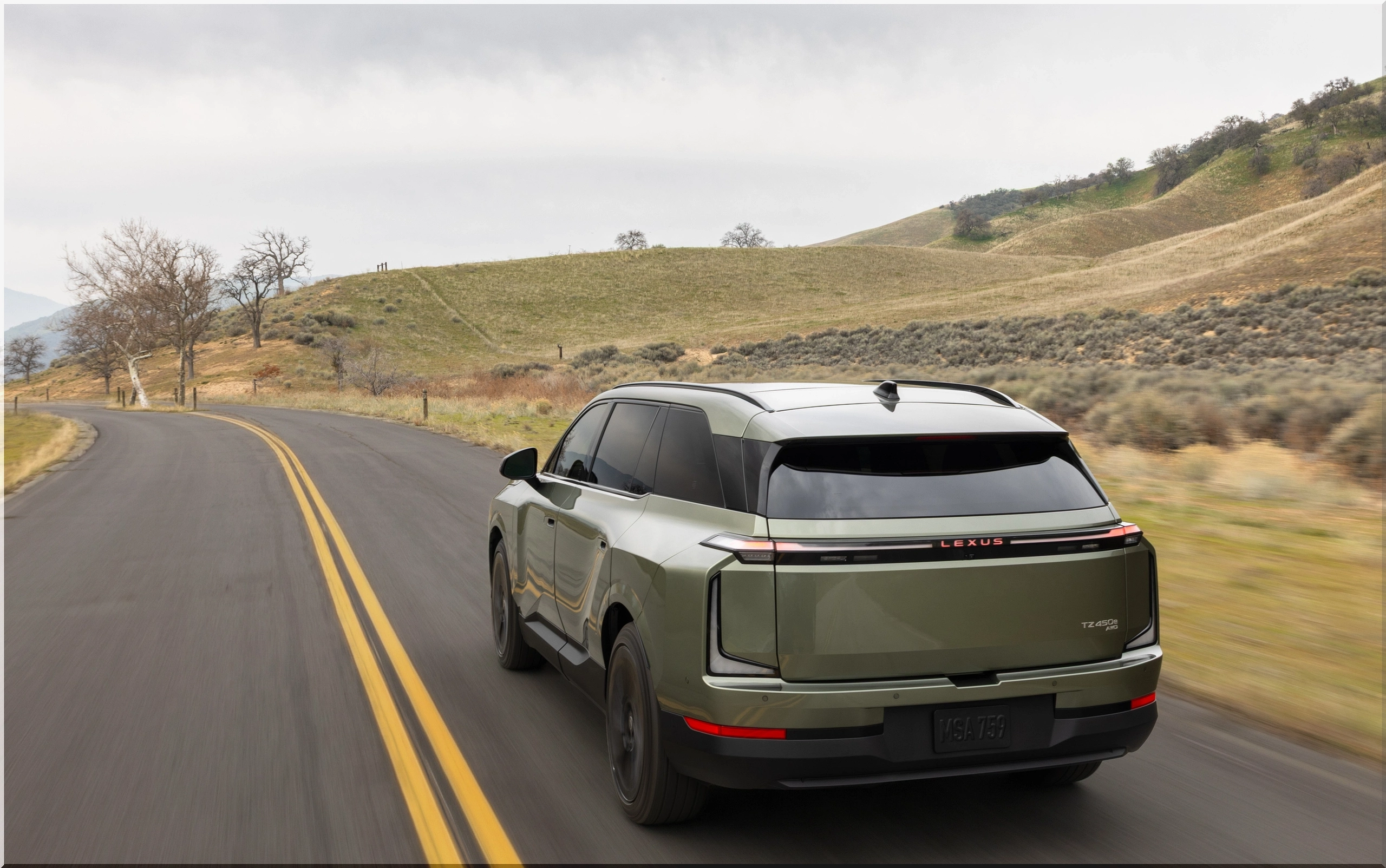
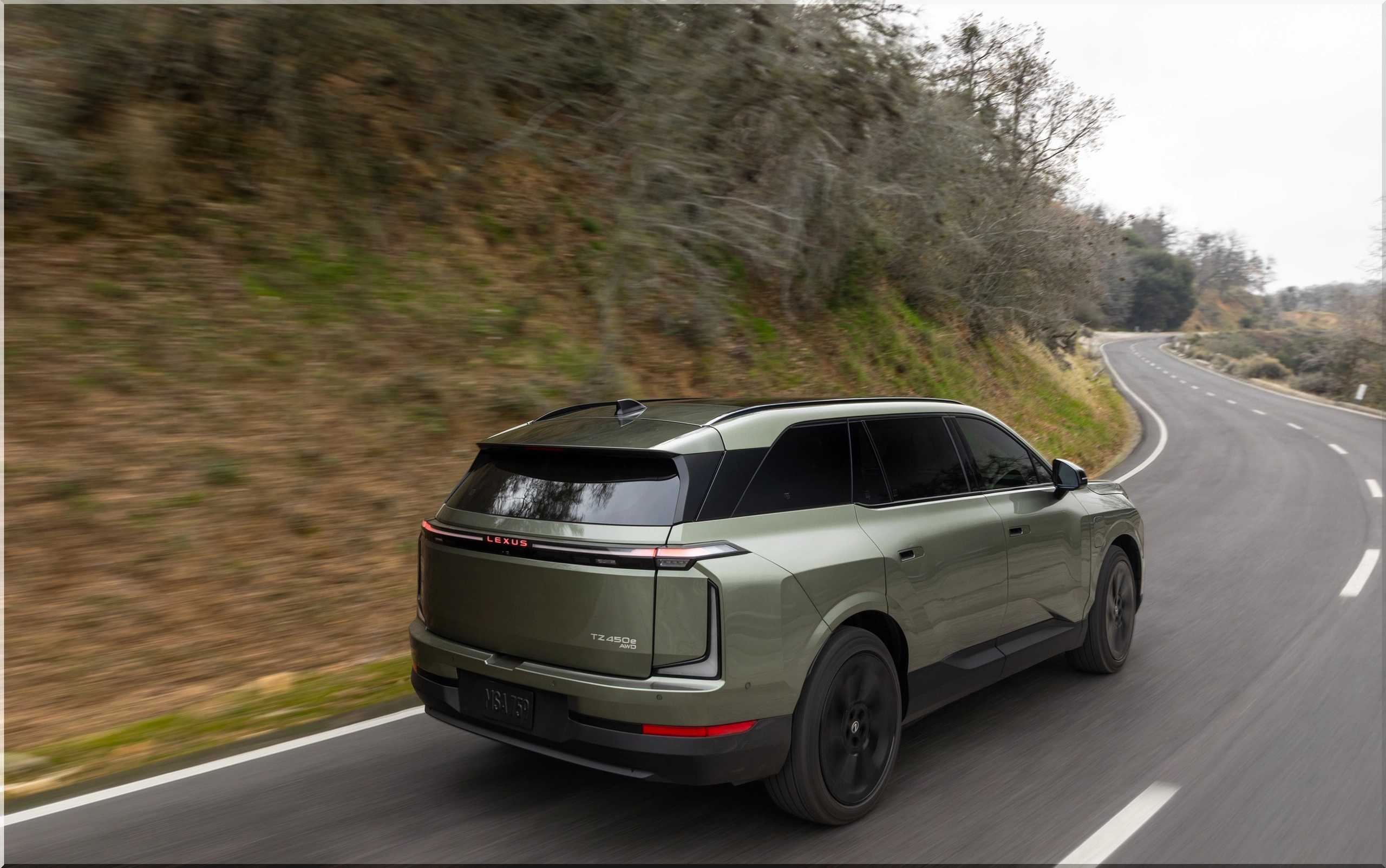
Lexus finally gives the electric three-row SUV segment a serious luxury entry. The 2027 Lexus TZ electric SUV arrives as the brand's first all-electric three-row model, and it targets a very specific buyer: the family that wants Lexus quietness, real third-row usability, all-wheel drive, and enough EV range to make school runs, airport trips, and weekend highway miles feel normal.
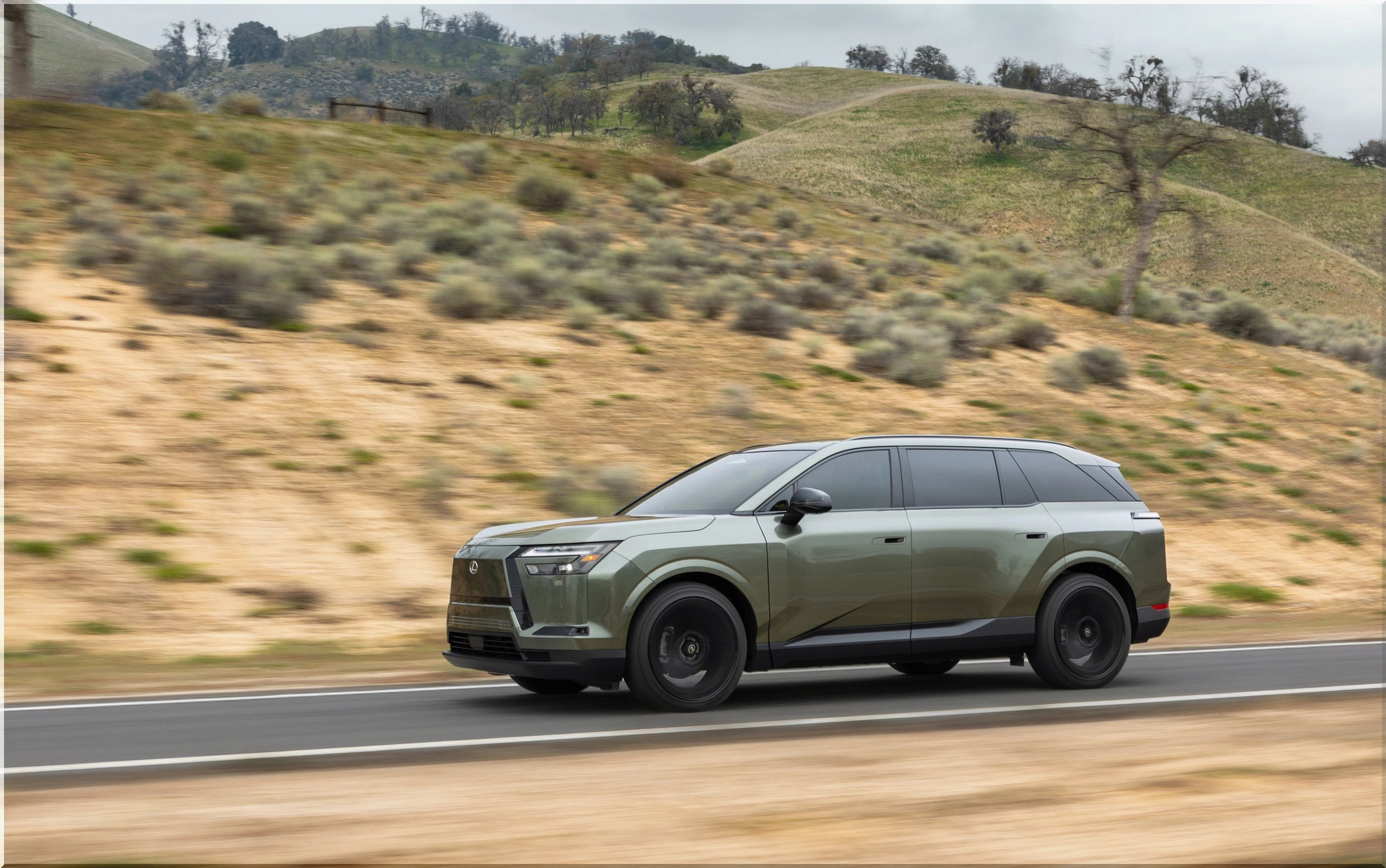
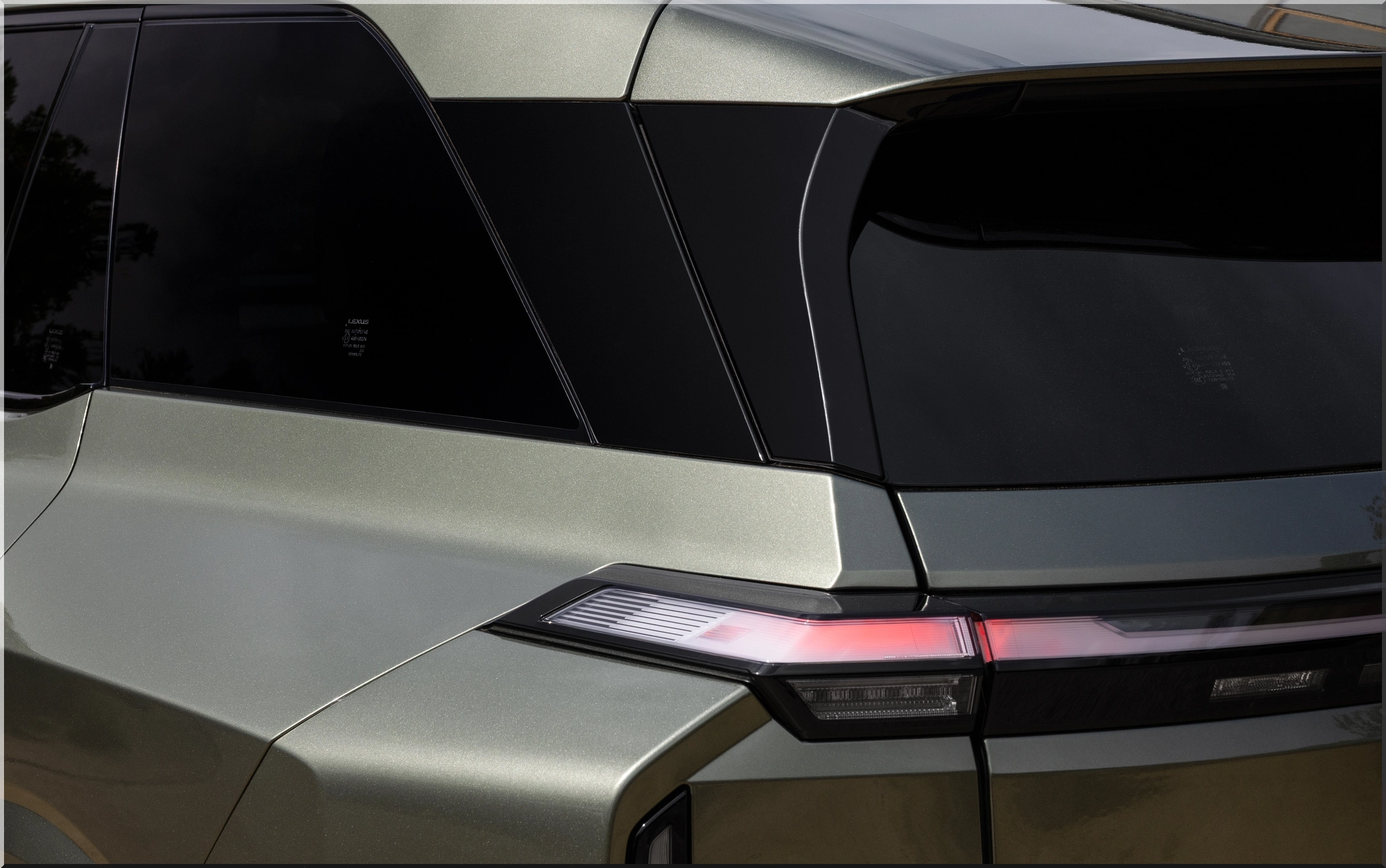
Looking at the data, the TZ does not chase absurd horsepower headlines. It uses a more measured formula: a long wheelbase, dual-motor AWD, a large battery option, low-drag bodywork, and cabin hardware designed around passenger comfort. That approach fits Lexus. Calm speed beats circus tricks.
2027 Lexus TZ Specifications
| Specification | 2027 Lexus TZ |
|---|---|
| Overall length | 200.8 in / 5,100 mm |
| Overall width | 78.3 in / 1,990 mm |
| Overall height | 67.1 in / 1,705 mm |
| Wheelbase | 120.1 in / 3,050 mm |
| Drivetrain | AWD |
| Maximum system output | 300 kW / about 402 hp |
| Battery options | 76.96 kWh / 95.82 kWh |
| Estimated U.S. range | Up to 300 miles on select grade |
| DC fast charging | 10-80 percent in about 35 minutes at 150 kW |
| Towing capacity | Up to 3,500 lbs |
| Minimum turning radius | 17.2 ft with Dynamic Rear Steering |
| Cargo capacity | 13.8 cu ft behind third row, U.S. figure |
Why the Lexus TZ Electric SUV Exists
The Lexus TZ three-row BEV fills a gap Lexus could no longer ignore. The RZ covers the two-row electric crossover space, while the TX serves families with gasoline and hybrid powertrains. The TZ sits between those ideas: electric propulsion, three-row packaging, and luxury-first tuning.
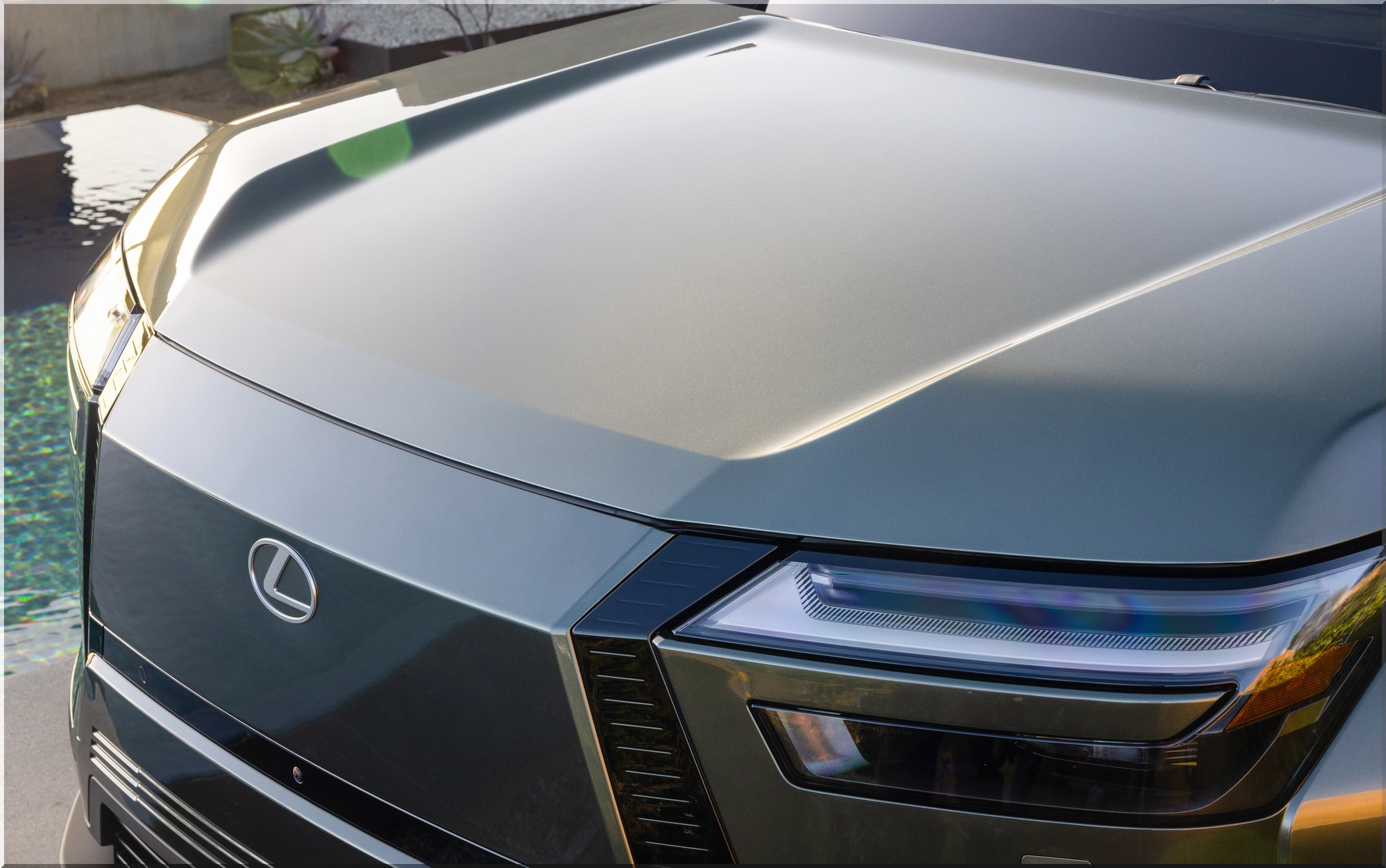
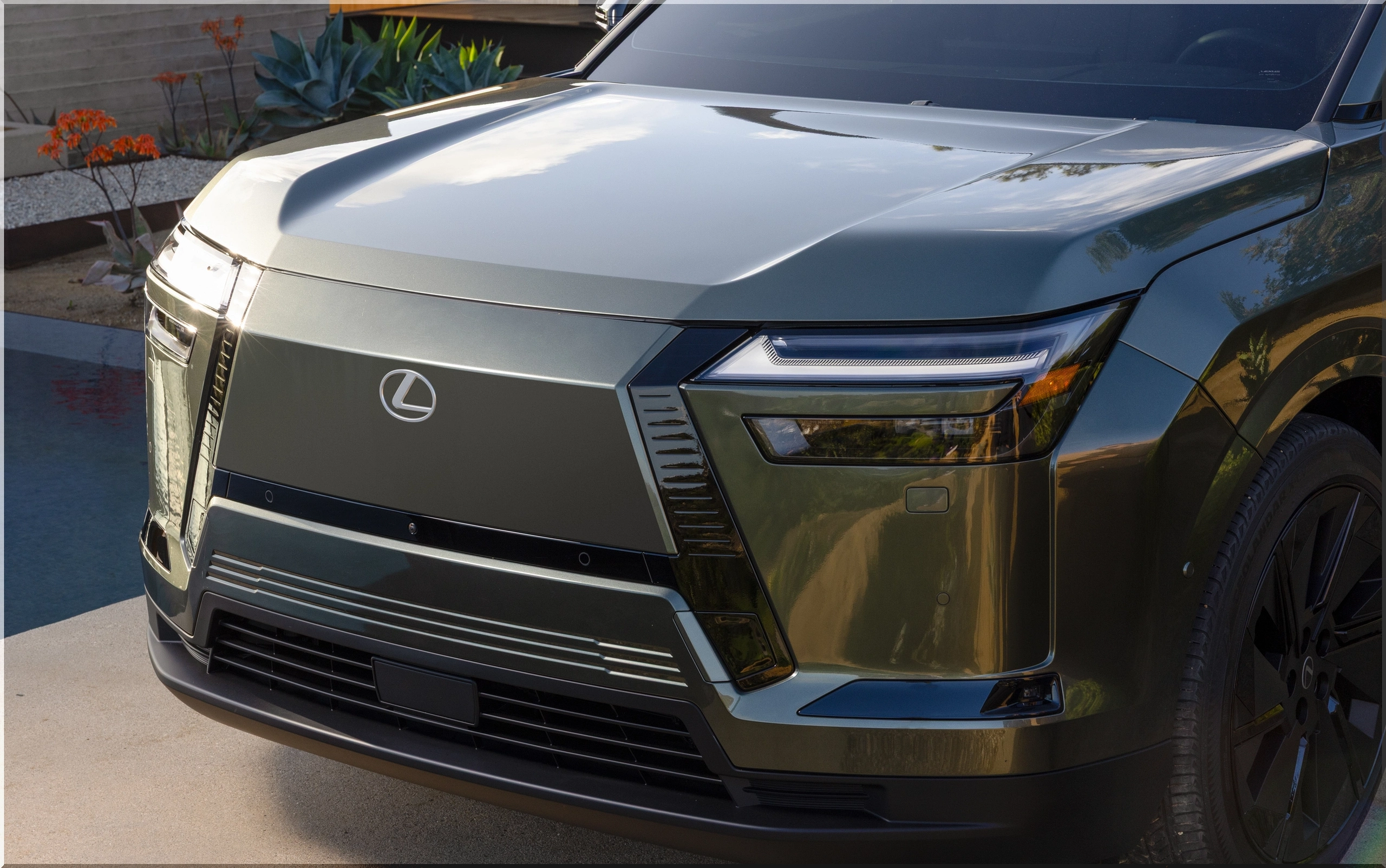
Specifically, Lexus built the TZ around a "Driving Lounge" concept. Strip away the marketing language, and the engineering logic becomes clear. A flat battery floor lowers the center of gravity, opens up cabin packaging, and lets Lexus place six seats across three usable rows without forcing third-row passengers into a penalty box.
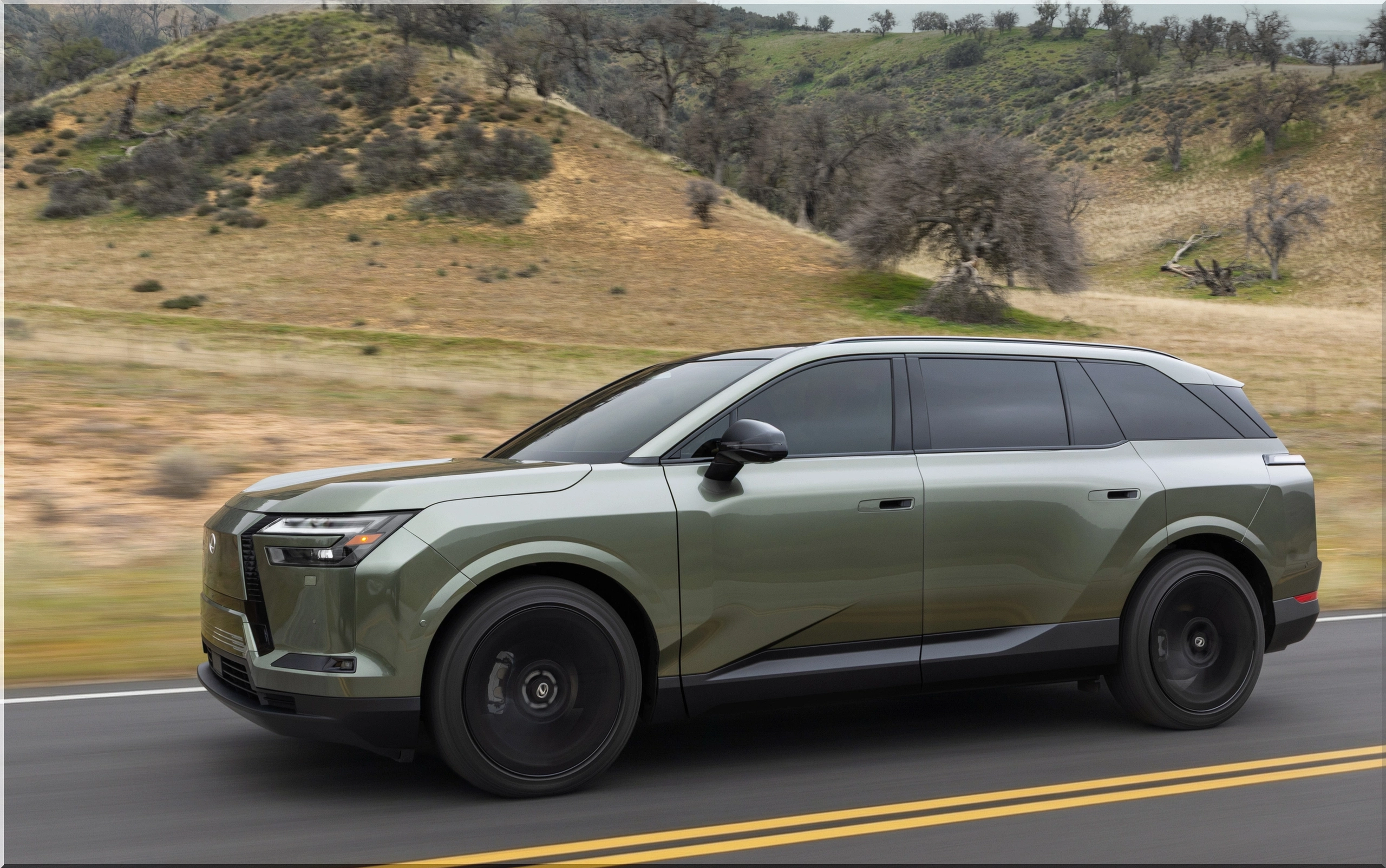
In addition, the lack of a fuel tank helps Lexus mount the rear seats lower. That improves headroom and leg position in the third row, two details that separate a true family SUV from a stylish shuttle with emergency-only rear seats.
Battery, Range, Charging, and Power
| EV System Feature | Buyer Impact |
|---|---|
| 76.96 kWh battery | Likely supports lower-priced or lighter grades |
| 95.82 kWh battery | Supports the 300-mile U.S. range target |
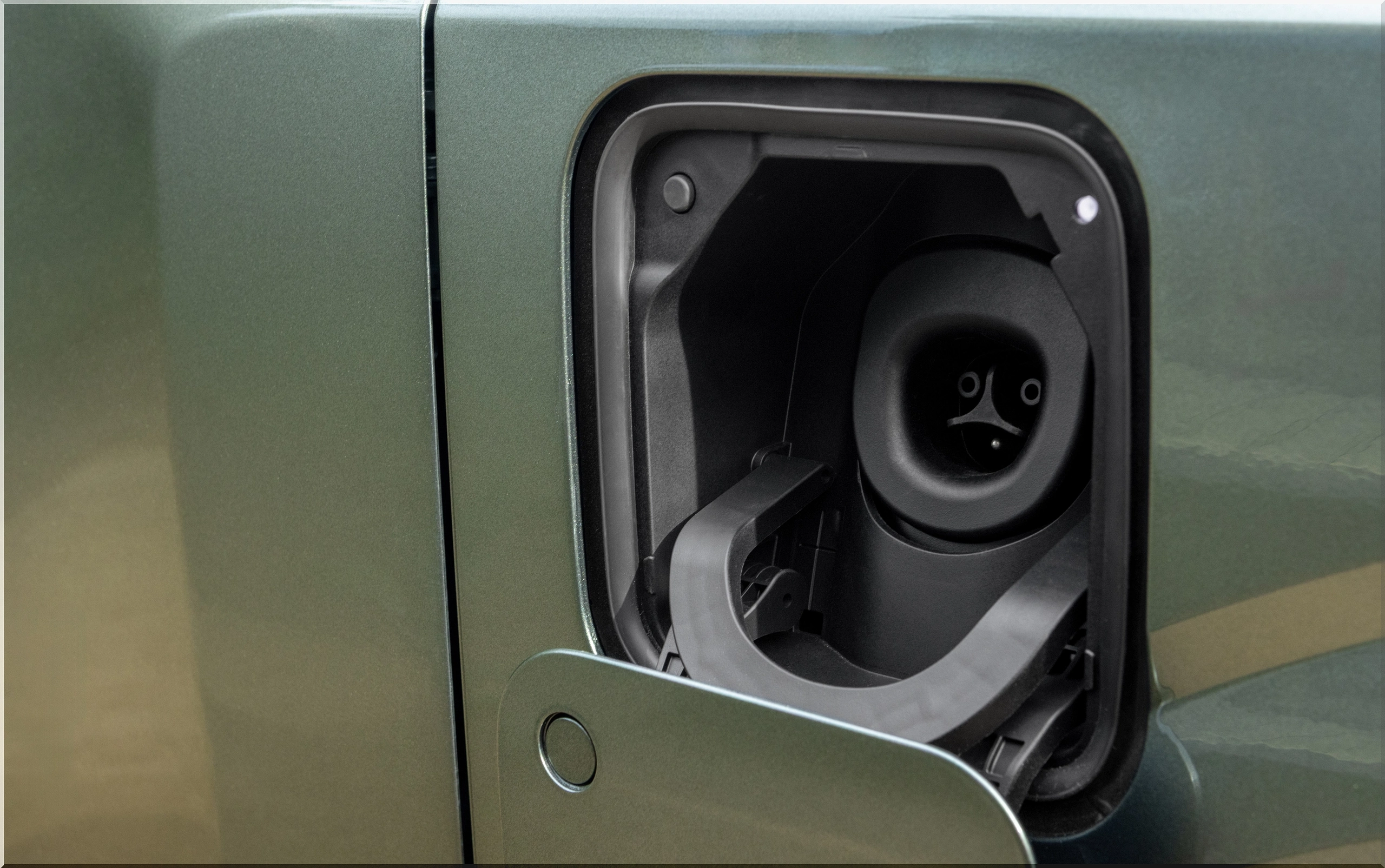
| NACS charge port | Fits the North American charging shift |
| 150 kW DC charging | Adds 10-80 percent charge in about 35 minutes |
| Battery preconditioning | Helps charging speed in cold weather |
| EV route planning | Builds charging stops into navigation |
| AC external power supply | Powers small appliances with the right adapter |
The 2027 Lexus TZ range target lands at up to 300 miles on select U.S. grades. That number does not dominate the class, but it clears the psychological line many American EV buyers still use when choosing a family SUV. For long commutes and weekend trips, 300 miles reduces planning stress without requiring a monster battery pack that adds cost and weight.
Consequently, Lexus pairs the larger 95.82 kWh pack with AWD and a 150 kW fast-charging target. A 35-minute 10-80 percent charge will not embarrass the fastest 800-volt EVs, but it fits the mission. Lexus buyers will care more about predictable charging, quiet travel, and cabin comfort than shaving seven minutes off a road-trip stop.
DIRECT4 AWD and Driving Character
The Lexus DIRECT4 AWD system uses front and rear electric motors to vary torque delivery. During acceleration, Lexus says the system can move from a 60:40 front-to-rear split to full rear drive. During cornering, it can shift from 80:20 to full rear drive, depending on conditions.
From an expert perspective, that matters because electric AWD can tune vehicle attitude faster than a mechanical AWD system. The TZ luxury electric three-row SUV can add rear bias for corner exit balance, pull torque forward for stability, and smooth the transition through regenerative braking. Lexus also adds five regen levels through paddle shifters, with up to 0.2 G of deceleration for relaxed one-pedal-style control.
Definition: Dynamic Rear Steering
Dynamic Rear Steering turns the rear wheels up to 4 degrees in coordination with the front wheels. At low speeds, it cuts the turning radius to 17.2 feet. At higher speeds, it improves lane-change stability and reduces body motion. In a 200.8-inch SUV, that tech earns its keep in parking lots.
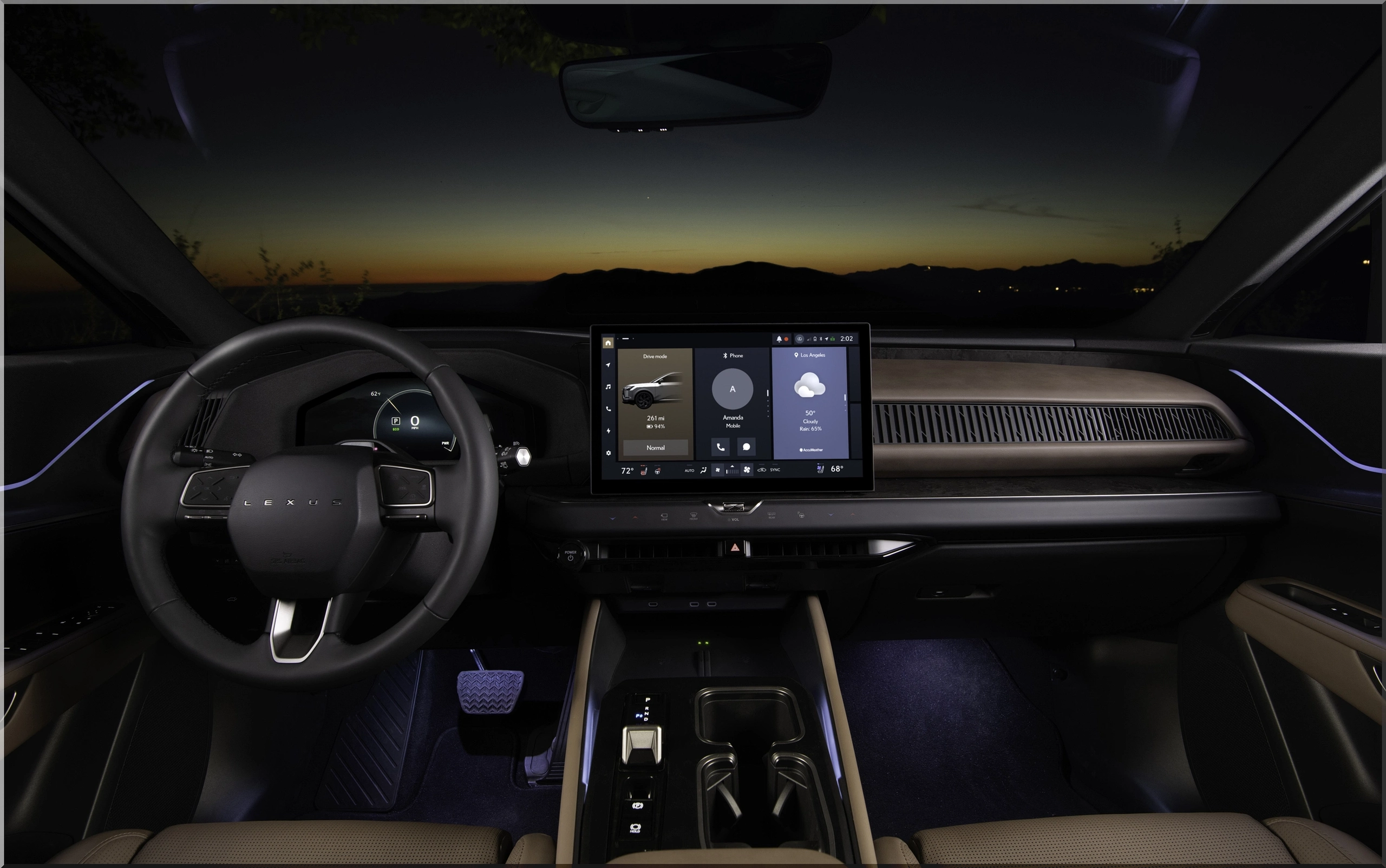
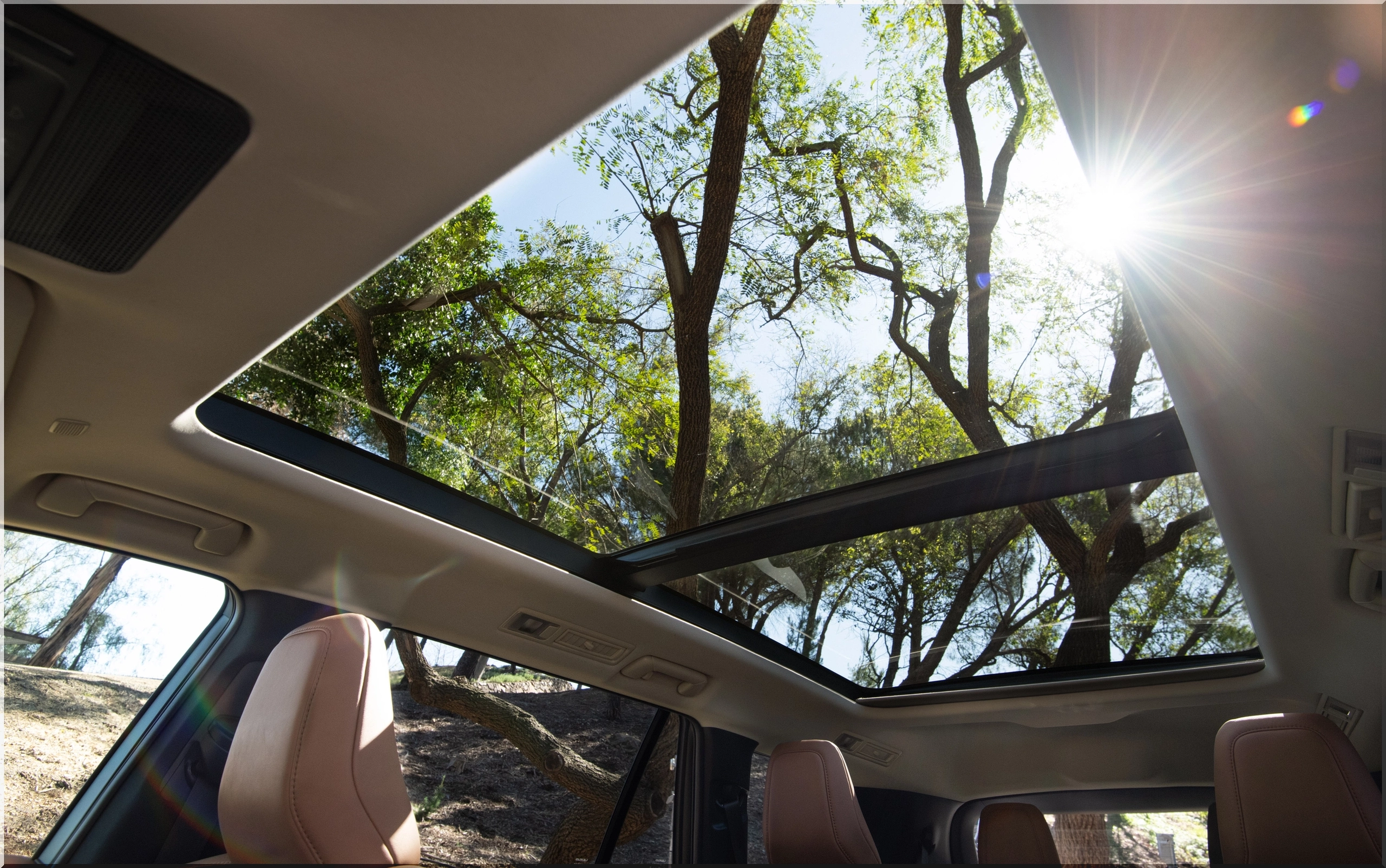
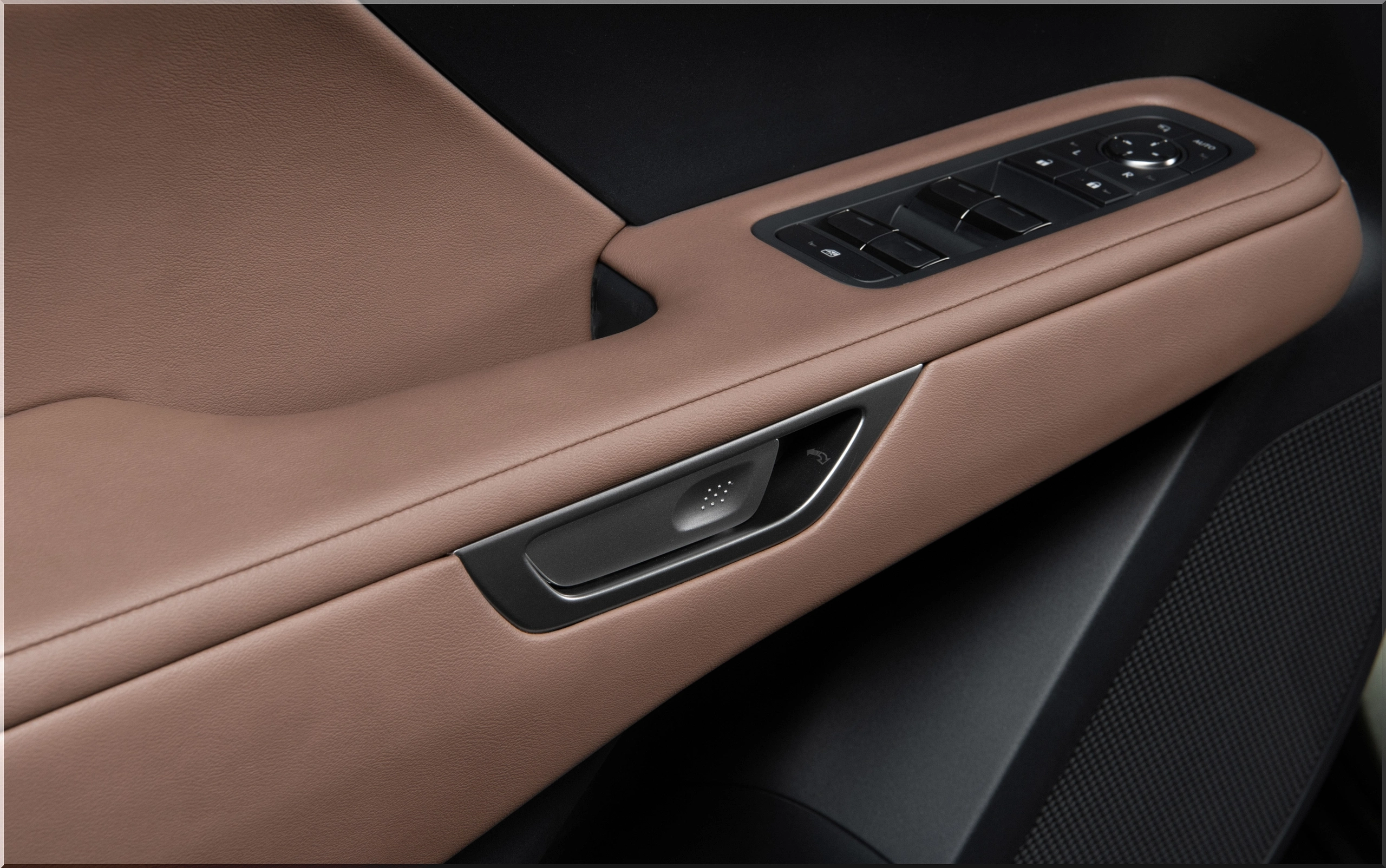
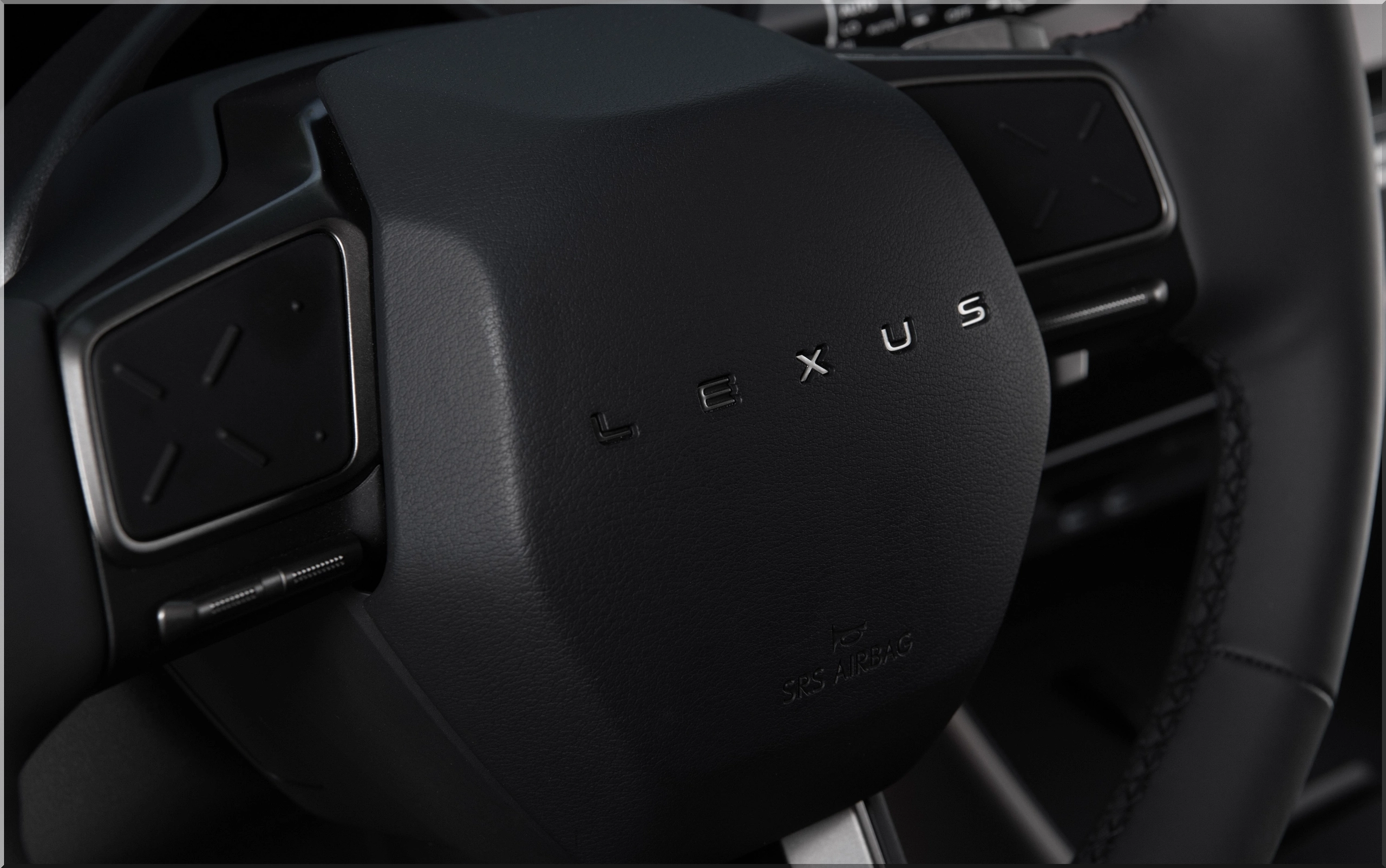

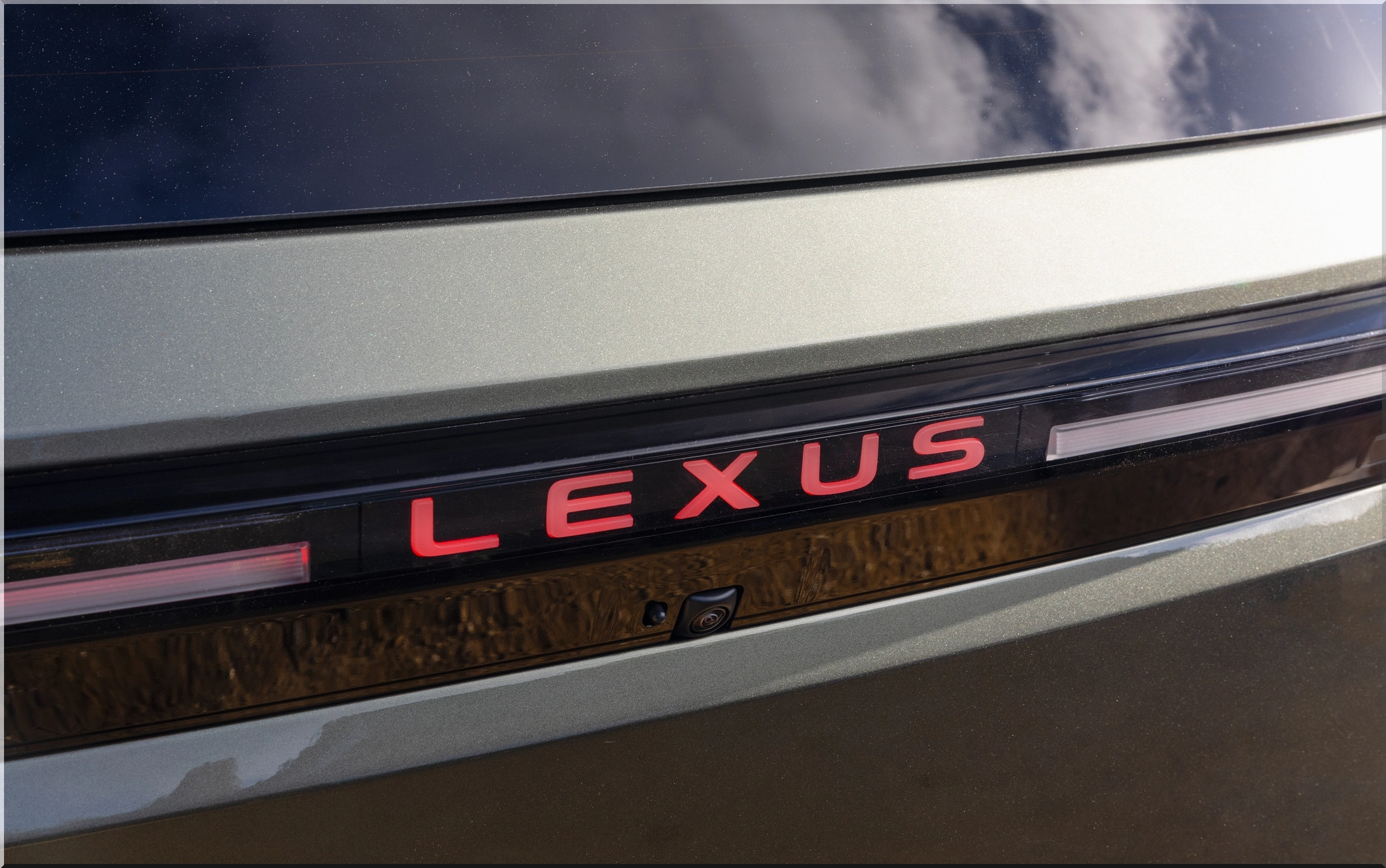
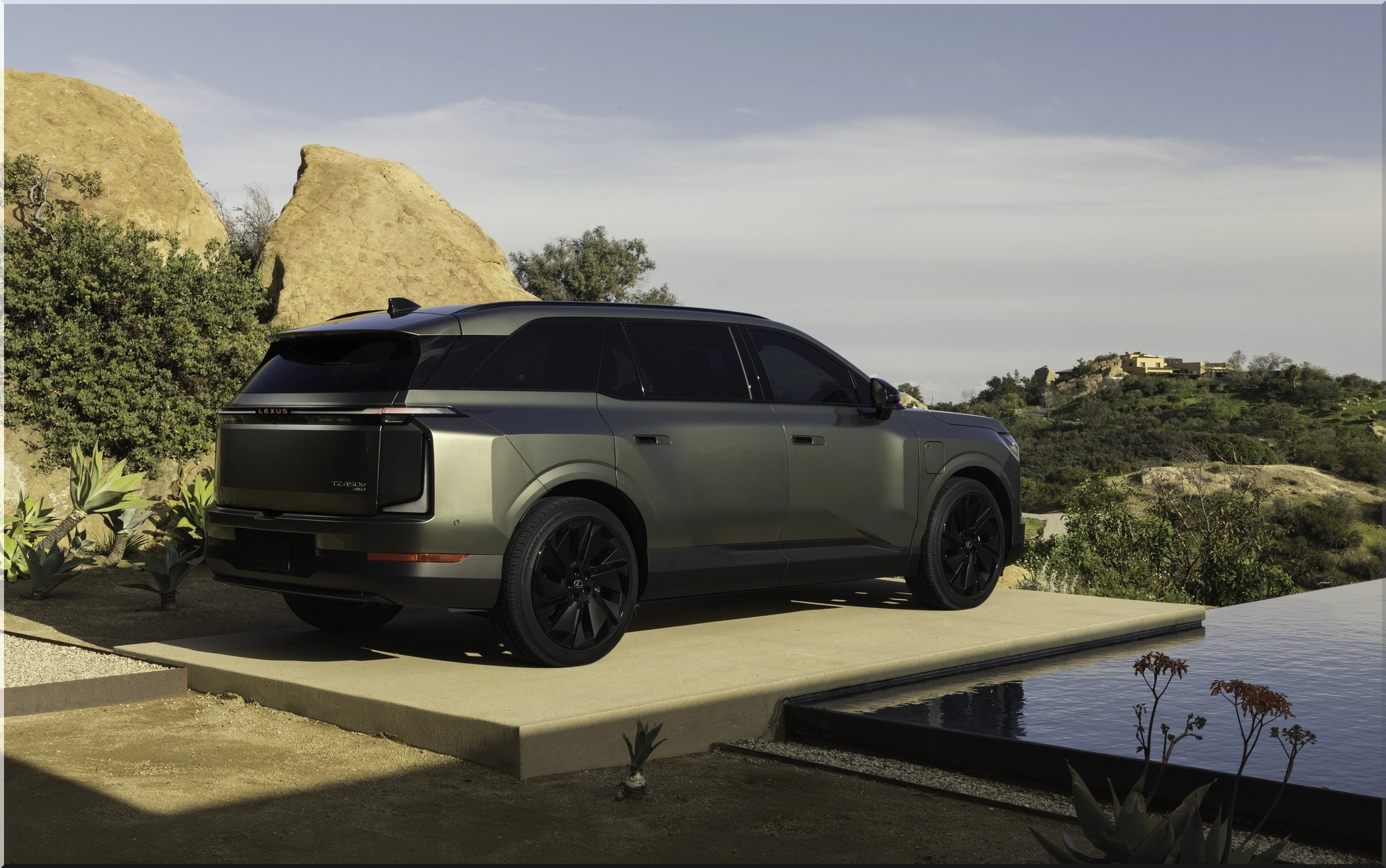
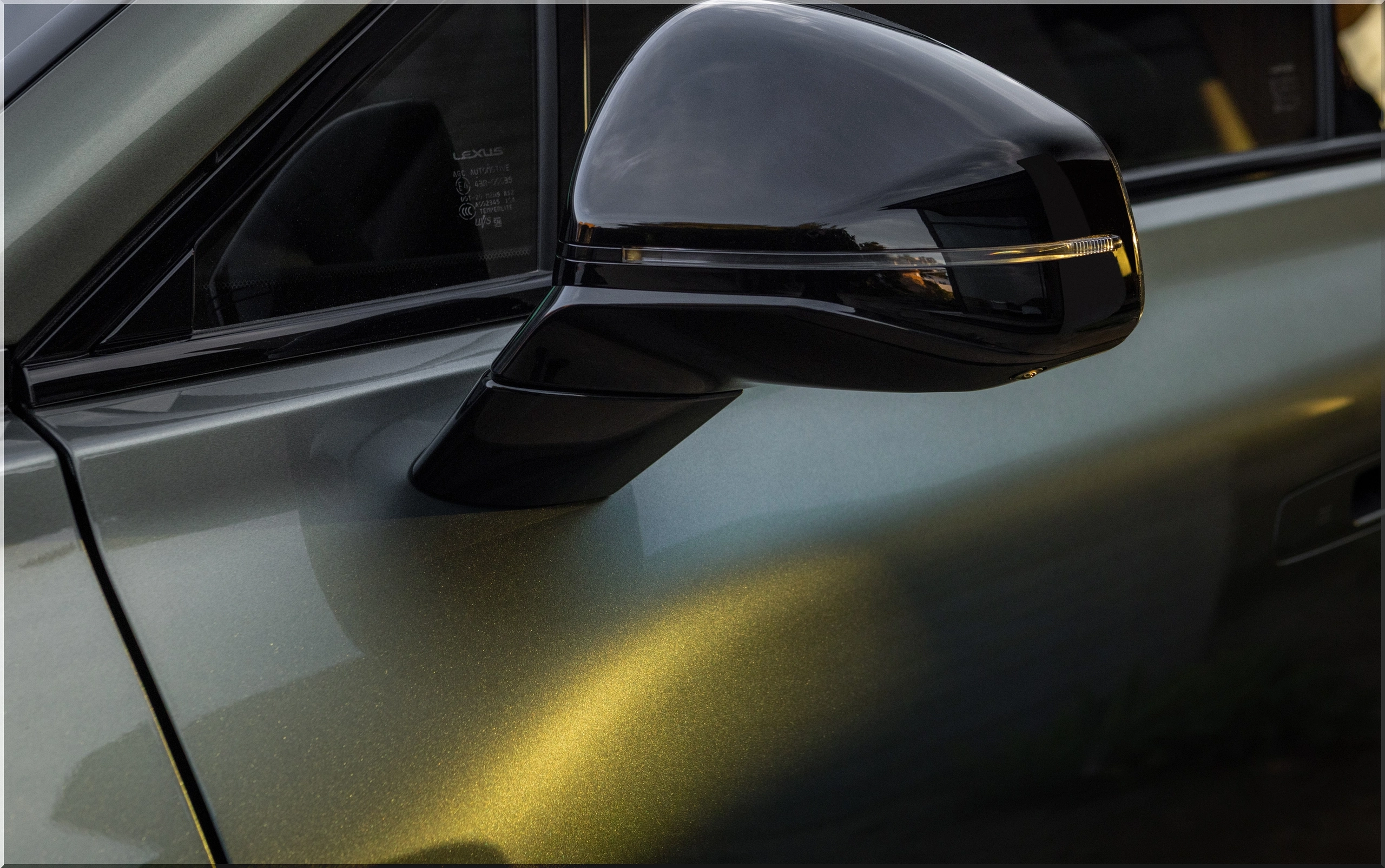
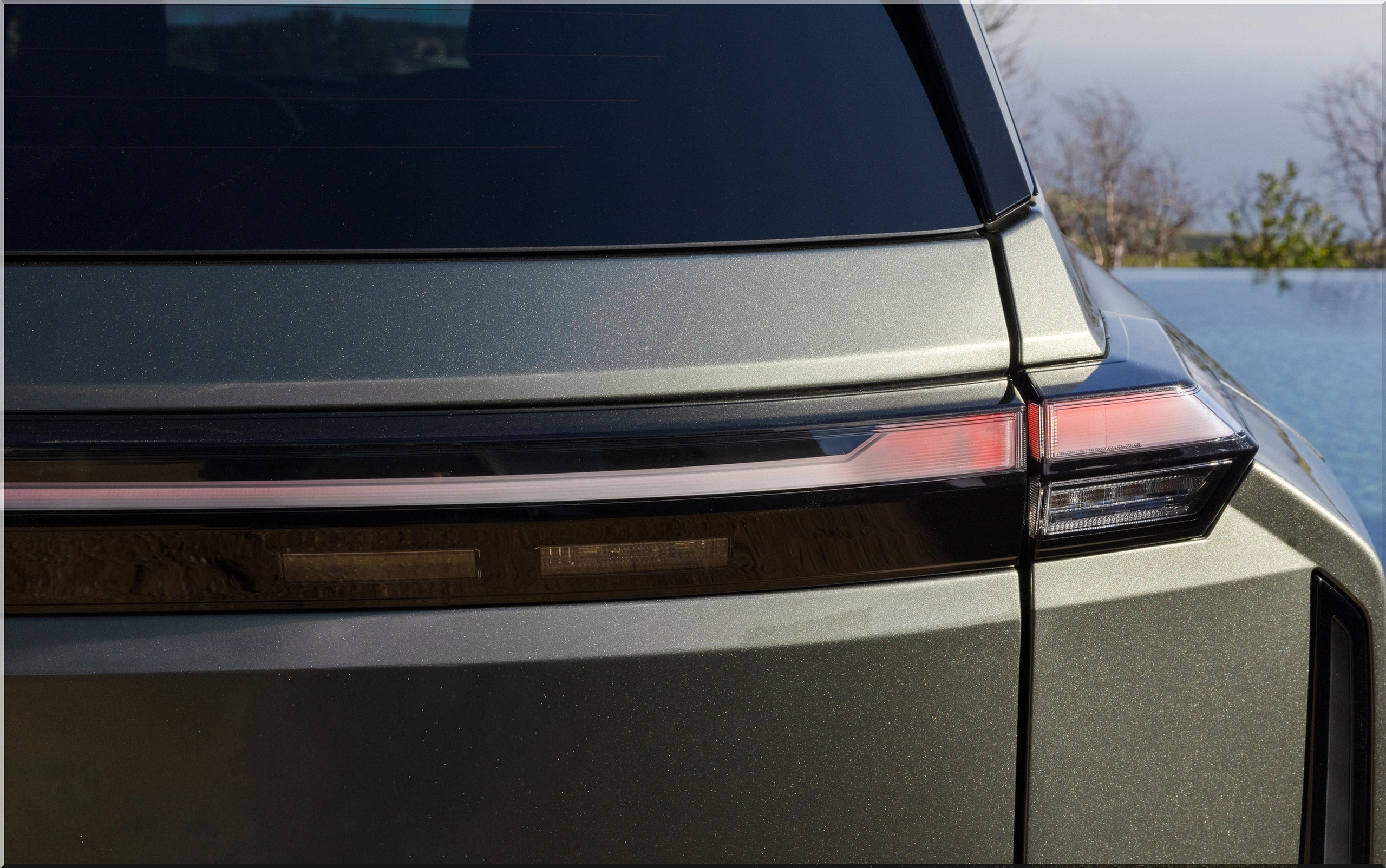

Interior Packaging: Six Seats, Big Roof, Quiet Cabin
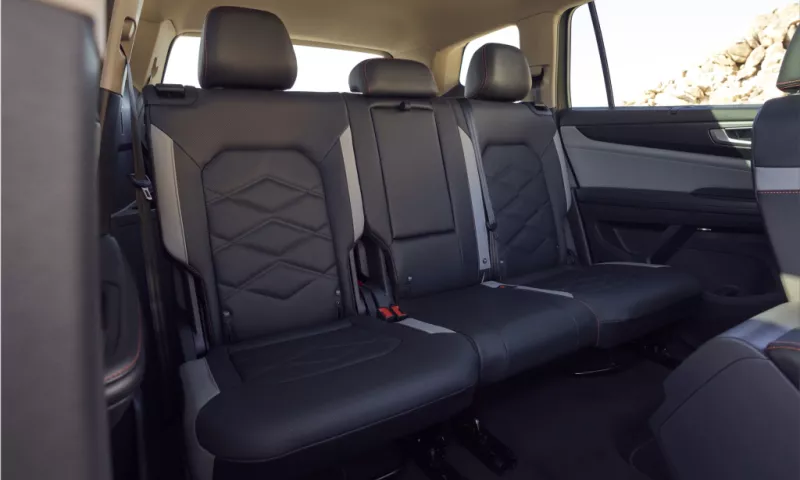
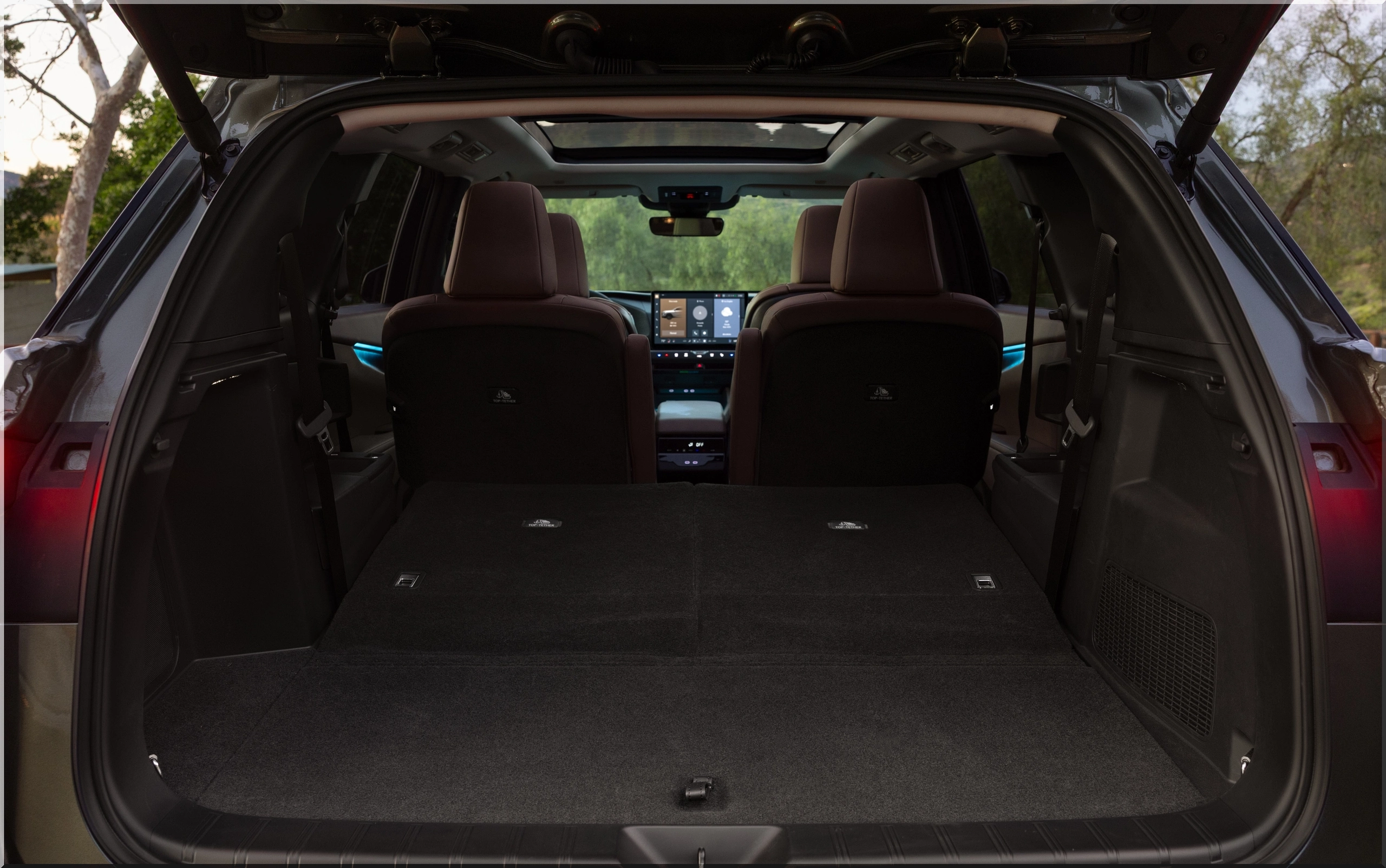
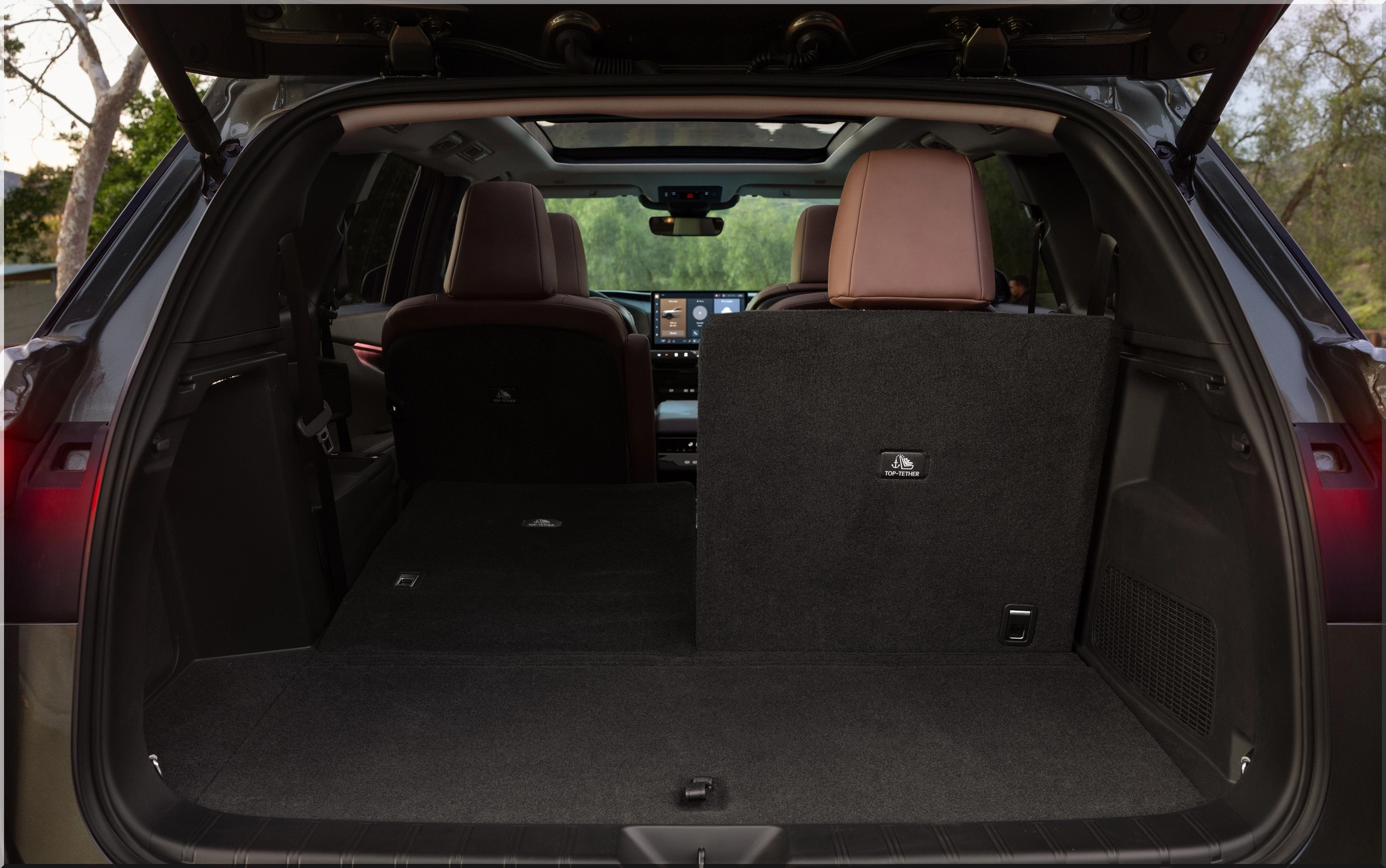
The 2027 Lexus TZ interior uses second-row captain's chairs, a walk-through center path, and a third row designed for adult-size comfort. Lexus also adds available ventilation and power ottomans for the front passenger and second row, plus available third-row heating on some grades.
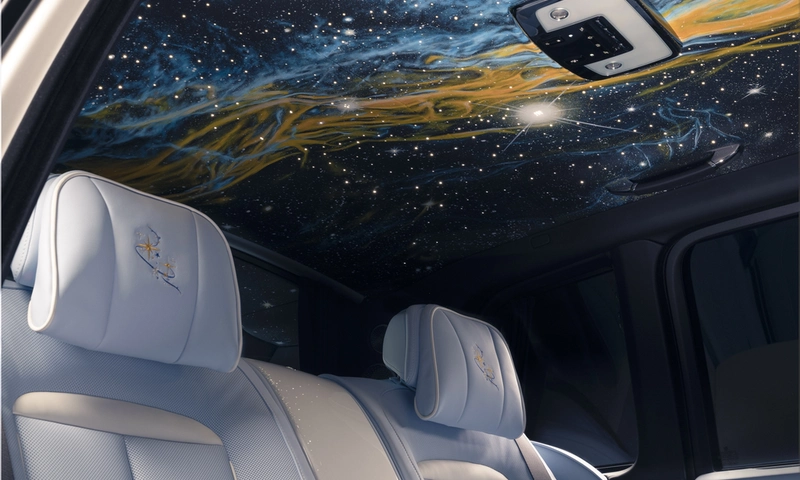
The panoramic roof stretches over all three rows and uses a power sunshade designed to preserve headroom. That detail sounds small until a tall passenger sits in row three. Roof hardware often steals cabin height; Lexus engineered around that problem.
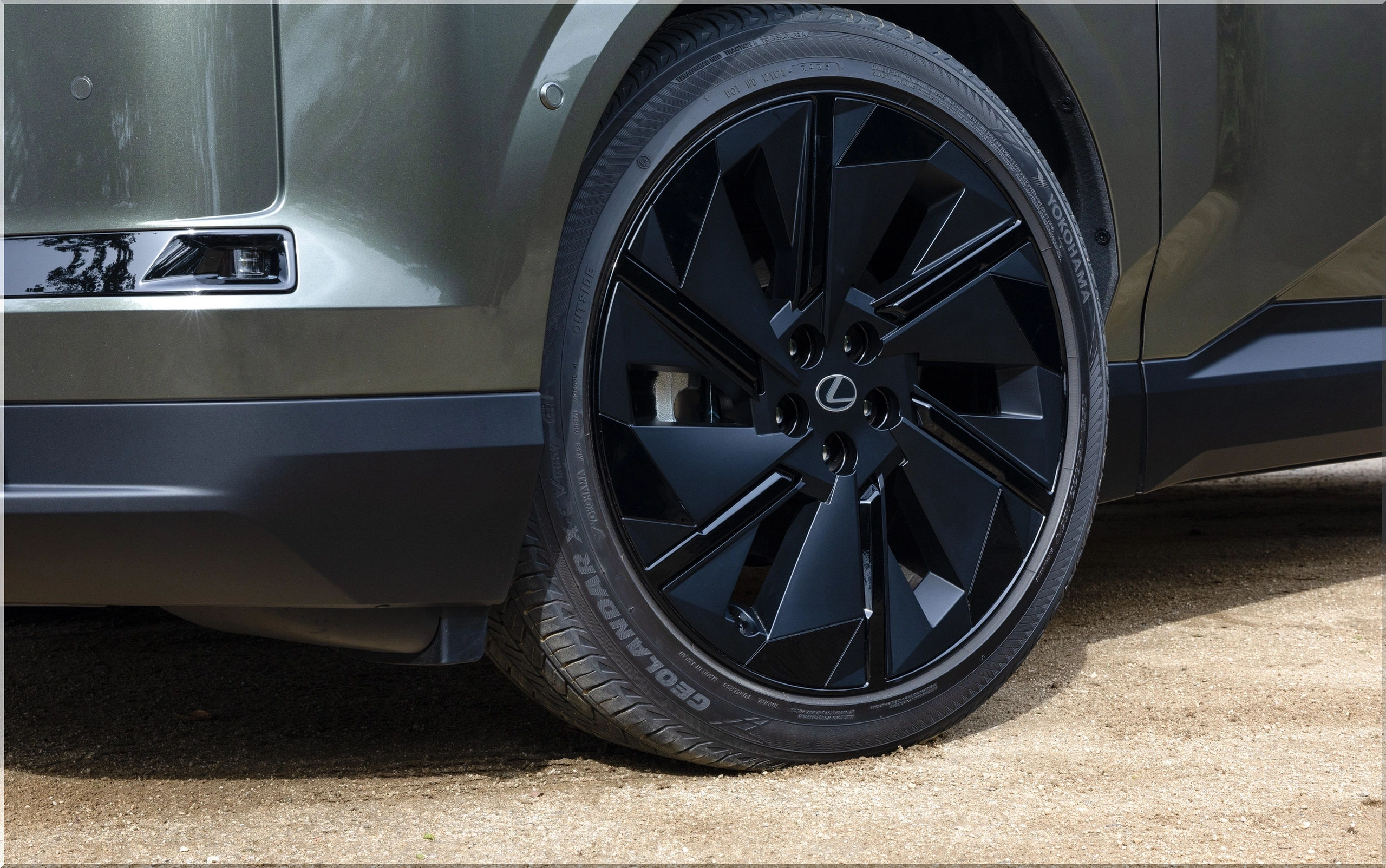
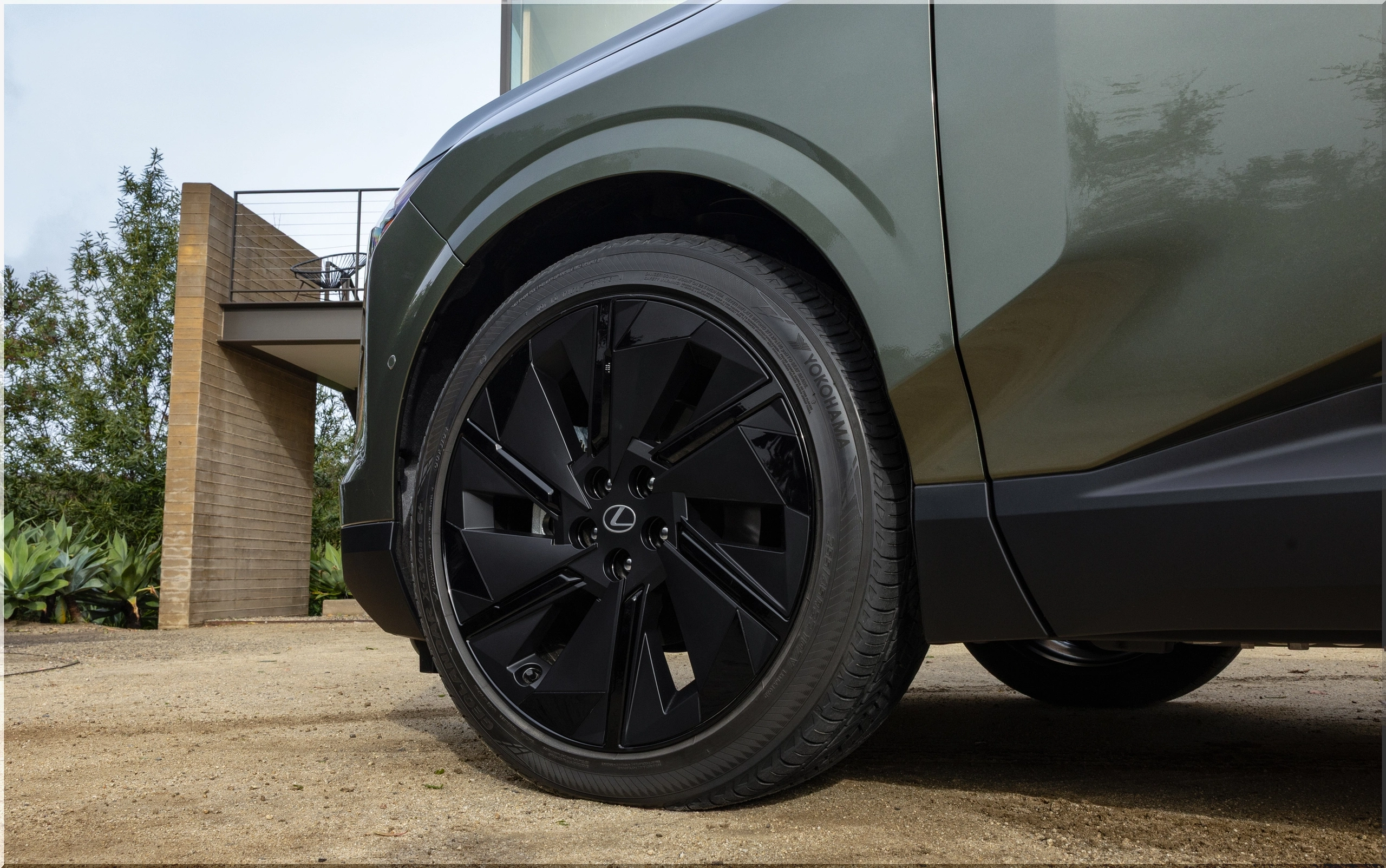
The cabin also uses forged bamboo trim, recycled aluminum, sound-absorbing materials, aerodynamic mirrors, and tire designs aimed at cutting resonance. By comparison, many EVs become noisier at highway speed because the missing engine exposes wind, tire, and suspension noise. Lexus attacks that issue directly.
Safety, Infotainment, and Daily Use
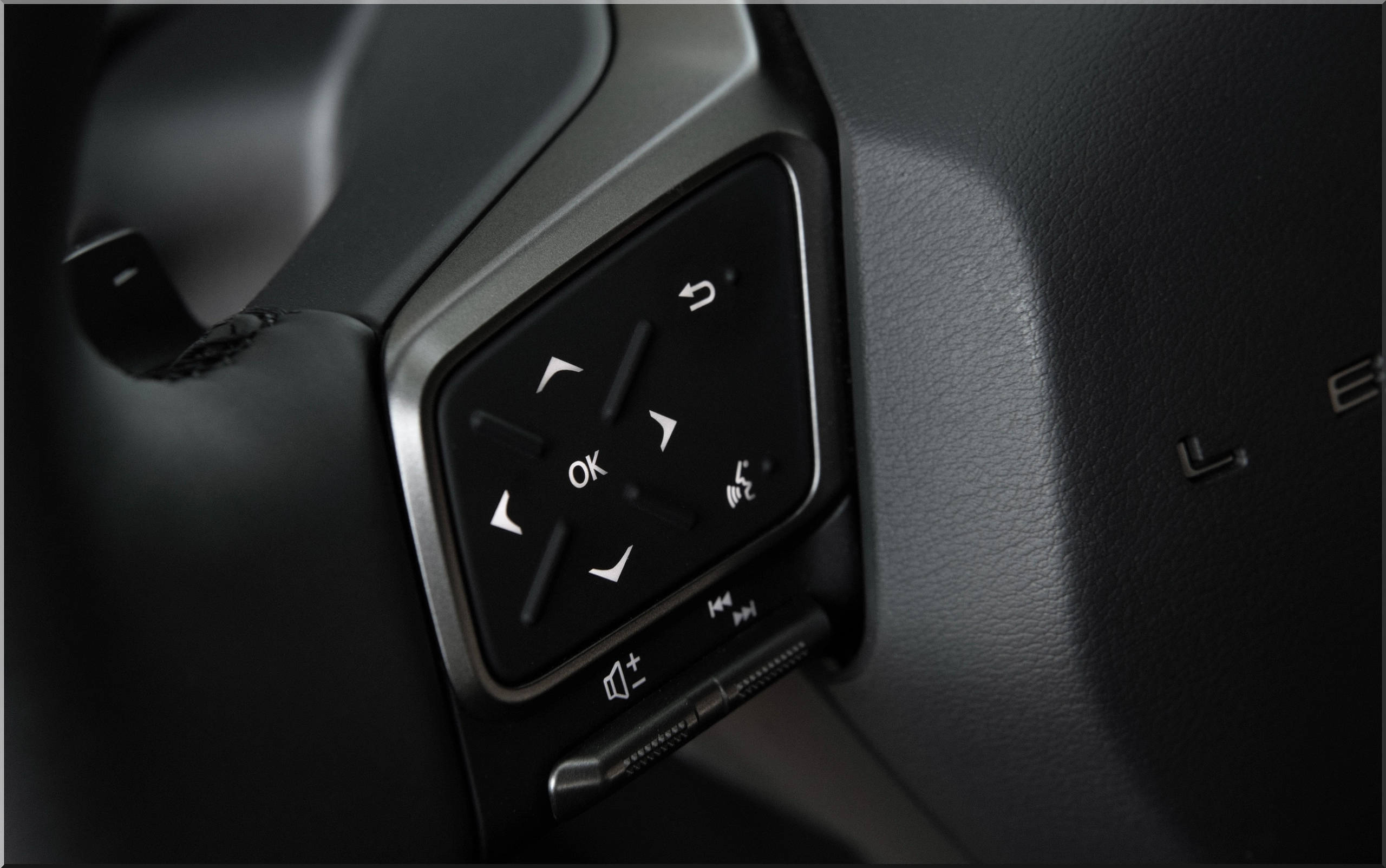
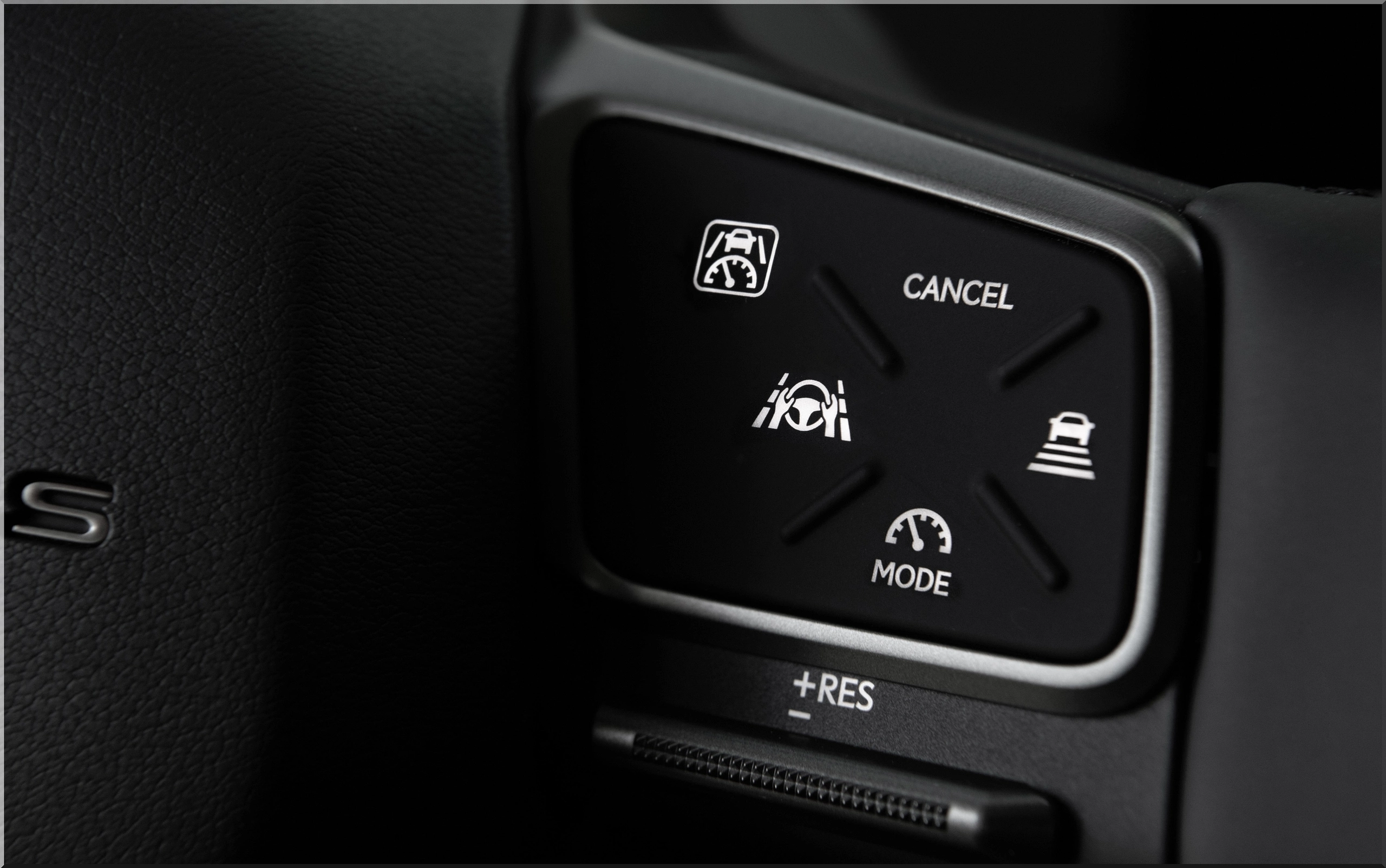
The TZ uses Lexus Safety System+ 4.0, Traffic Jam Assist with a Drive Connect trial, Lane Change Assist, Front Cross-Traffic Alert, and Rear Pedestrian Detection. The latest Lexus Interface adds AT&T 5G, EV routing, EV range mapping, an improved "Hey Lexus" voice assistant, and full-screen navigation in the digital gauge cluster.
Pro-Tip: Use the TZ's preconditioning functions before fast charging in winter. Battery temperature affects charging speed, and preconditioning helps the pack reach a better operating window before arrival.

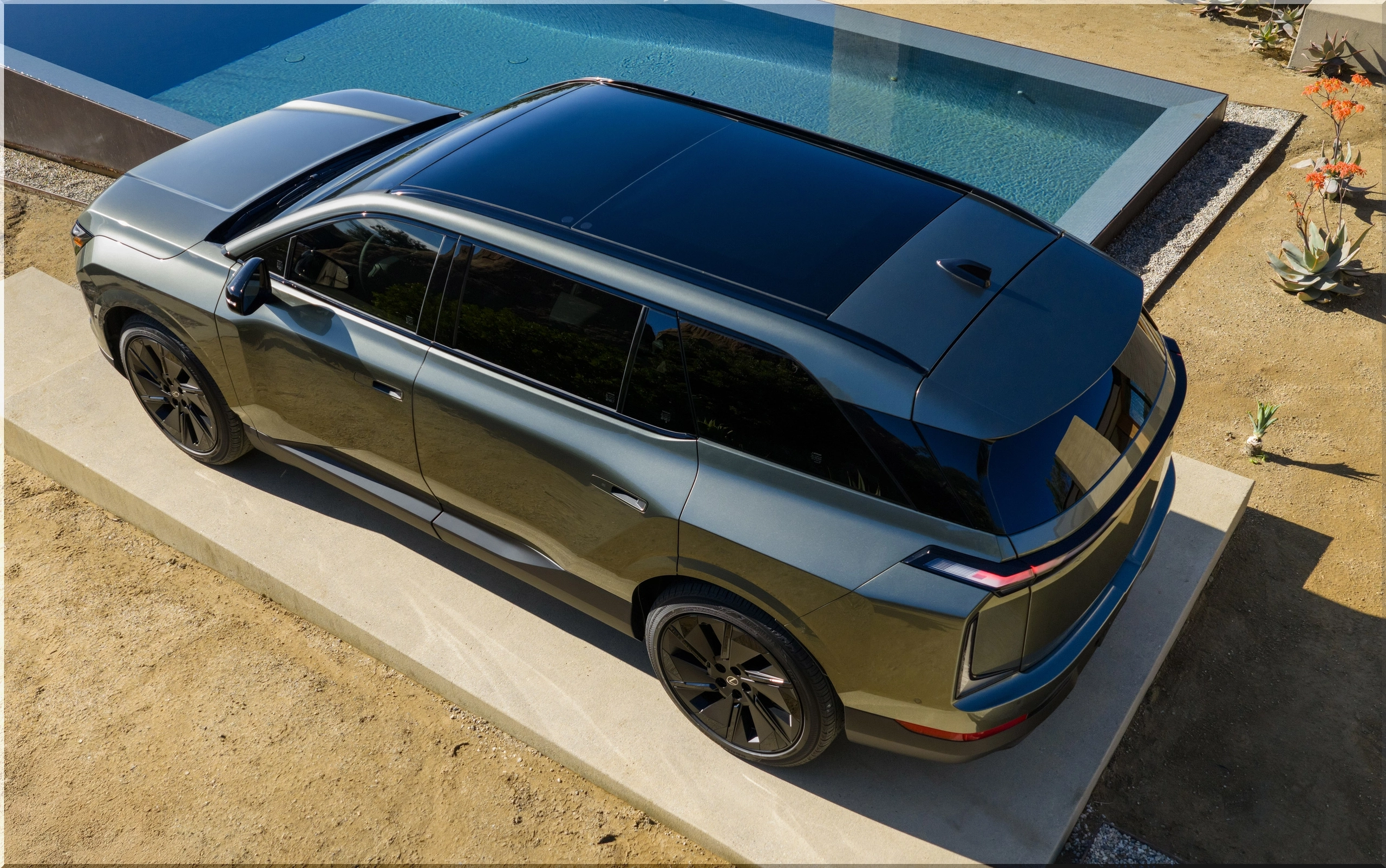
Should Buyers Wait for the Lexus TZ?
Yes, buyers who want a luxury electric three-row SUV should track the TZ closely before signing for a gas luxury SUV or a two-row EV. The TZ brings Lexus build logic to a segment still full of compromises: either great speed with weak third-row comfort, or useful space with luxury that feels thin.
Pricing will arrive later in 2026, so the value case remains open. Still, the early technical package looks strong: 300-mile estimated range, NACS charging, 3,500-pound towing, six-seat packaging, AWD, and Lexus-grade quietness. For American families who want an EV without turning every road trip into a spreadsheet, the TZ looks like the right kind of conservative.
- Add new comment
- 227 views