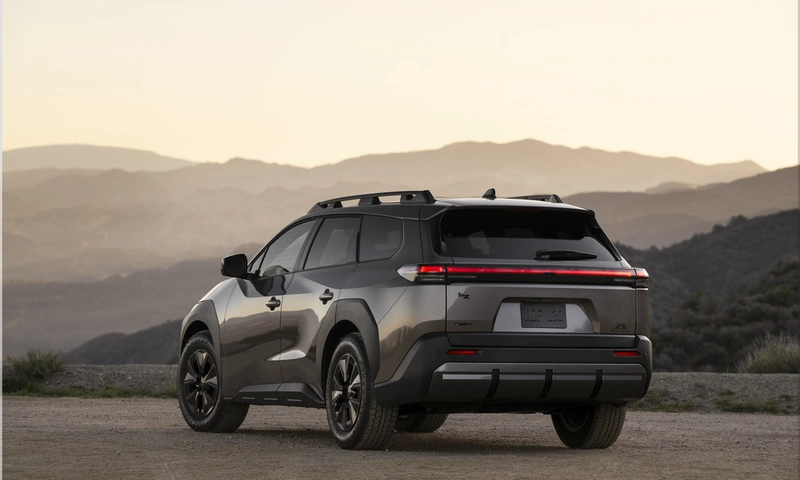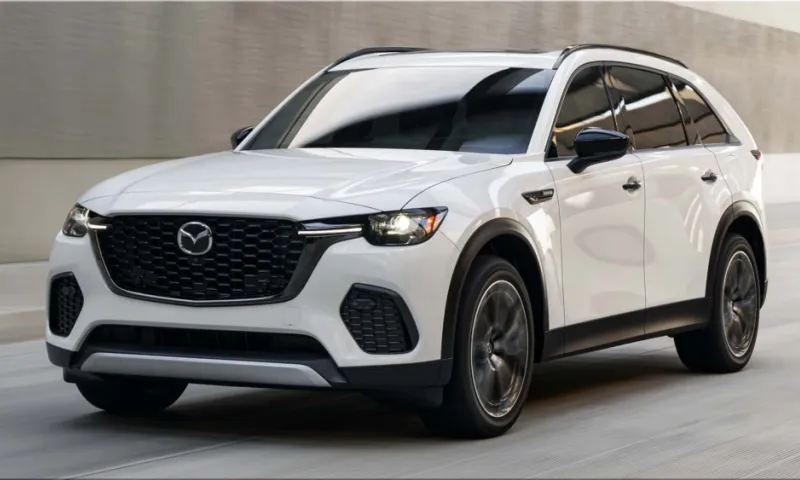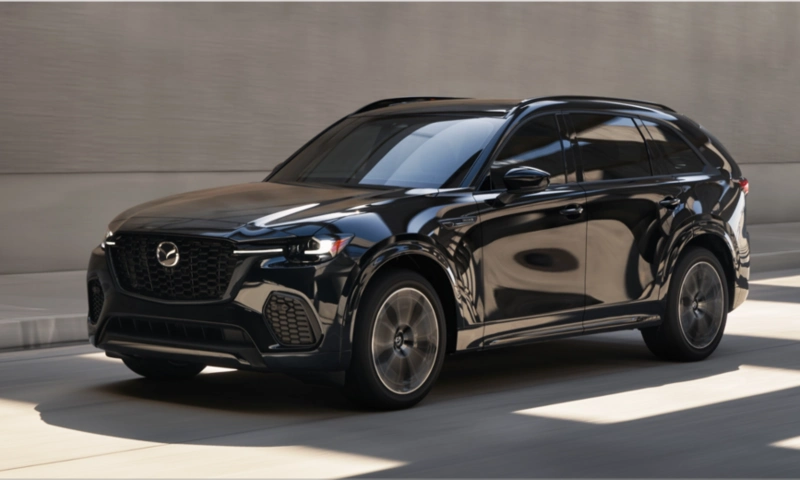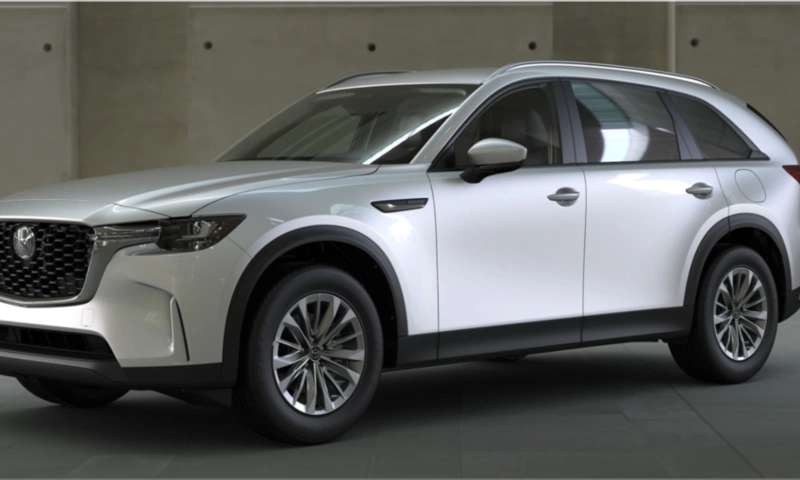
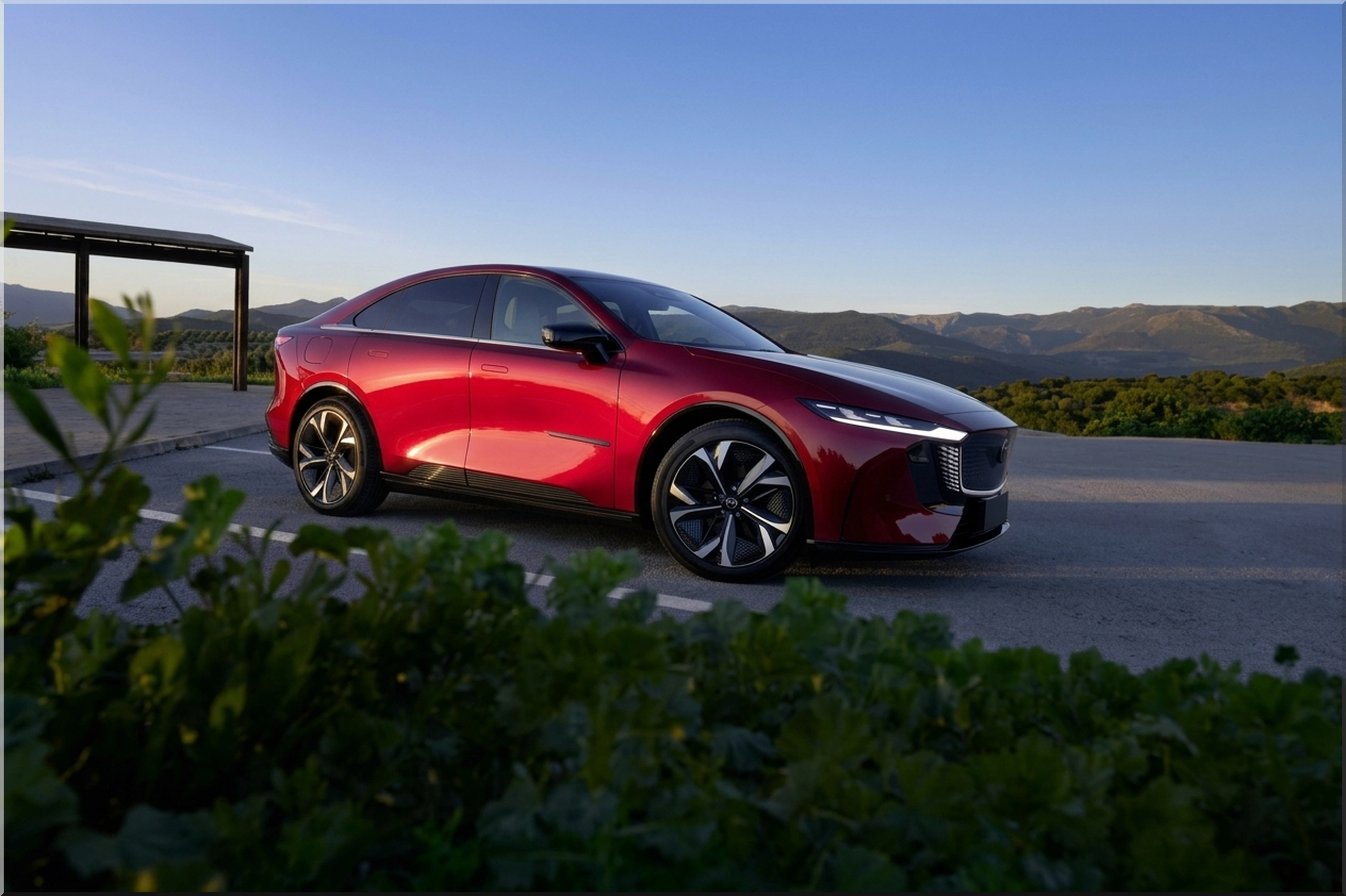
Mazda has corrected the Mazda6e's most awkward trade-off after one model year. The 2027 Mazda6e replaces its two-battery strategy with one 78-kWh lithium iron phosphate pack, delivering up to 348 miles on the WLTP cycle and a 24-minute 10-to-80-percent charging stop.
The rear motor sends 258 hp and 214 lb-ft to the rear wheels. Mazda also rates combined energy use at 16.1 kWh per 100 km, or 62 miles, equivalent to about 3.9 miles per kWh.
One Battery Fixes Two Different Weaknesses
The outgoing 68.8-kWh version charged quickly but offered less range. Its 80-kWh Long Range sibling reached 343 WLTP miles, yet its 95-kW DC ceiling stretched a 10-to-80-percent stop to roughly 47 minutes. The new 78-kWh LFP battery combines their strongest traits.
| Specification | 2026 Standard Range | 2026 Long Range | 2027 Mazda6e |
|---|---|---|---|
| Battery | 68.8 kWh LFP | 80 kWh NMC | 78 kWh LFP |
| Motor output | 258 hp | 245 hp | 258 hp |
| WLTP range | 298 miles | 343 miles | 348 miles |
| Peak DC rate | 165 kW | 95 kW | 200 kW |
| 10-80% DC time | 22-27 min | About 47 min | 24 min |
LFP chemistry favors long cycle life and thermal stability. Mazda's single-pack strategy should also trim validation, parts, and inventory complexity.
Looking at the data, the new car gains only five rated miles over the old Long Range model but cuts about 23 minutes from a typical highway stop. Specifically, 70 percent of the nominal pack equals 54.6 kWh, so the claimed session requires an average battery-side rate near 137 kW before charging losses. That figure says more about road-trip pace than a brief 200-kW peak.
Chassis and Driver Technology Get Smarter
Mazda retuned the suspension for better body control without sacrificing ride comfort. In addition, engineers sharpened accelerator response and increased regenerative braking force, changes that should give the rear-drive liftback cleaner pedal reactions.
The technology revisions target daily irritation:
- Cruising and Traffic Support now works at speeds up to 99 mph.
- Lane Keep Assist applies gentler, more natural steering corrections.
- The built-in route system adds charger filters and improved station searches.
- Revised charging tools make longer-route planning easier.
From an expert perspective, owners still need real charging-curve tests in cold and hot conditions. Battery temperature, charger output, and starting charge level can move a 24-minute claim substantially.
A Large Footprint for a Five-Door EV
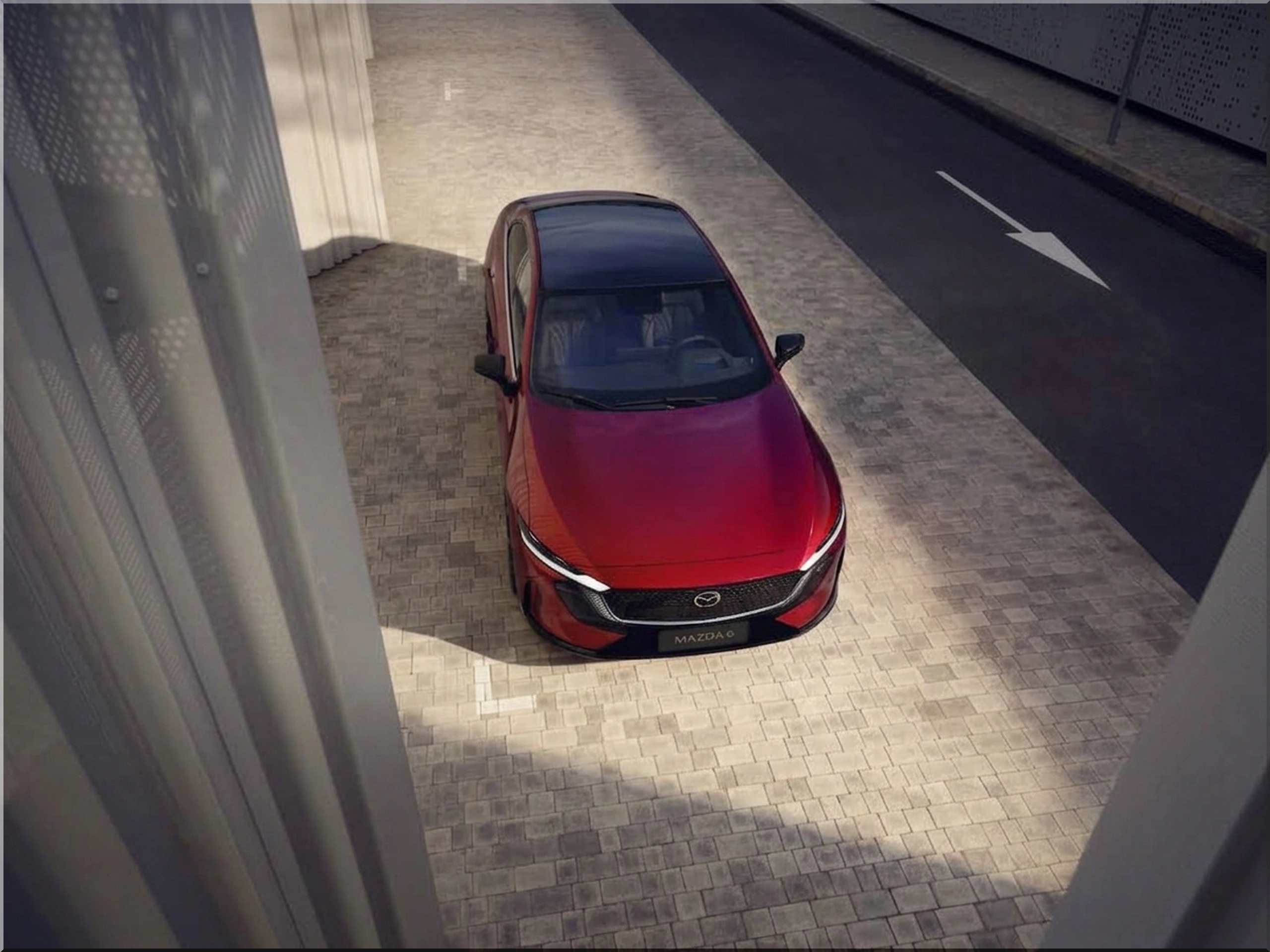
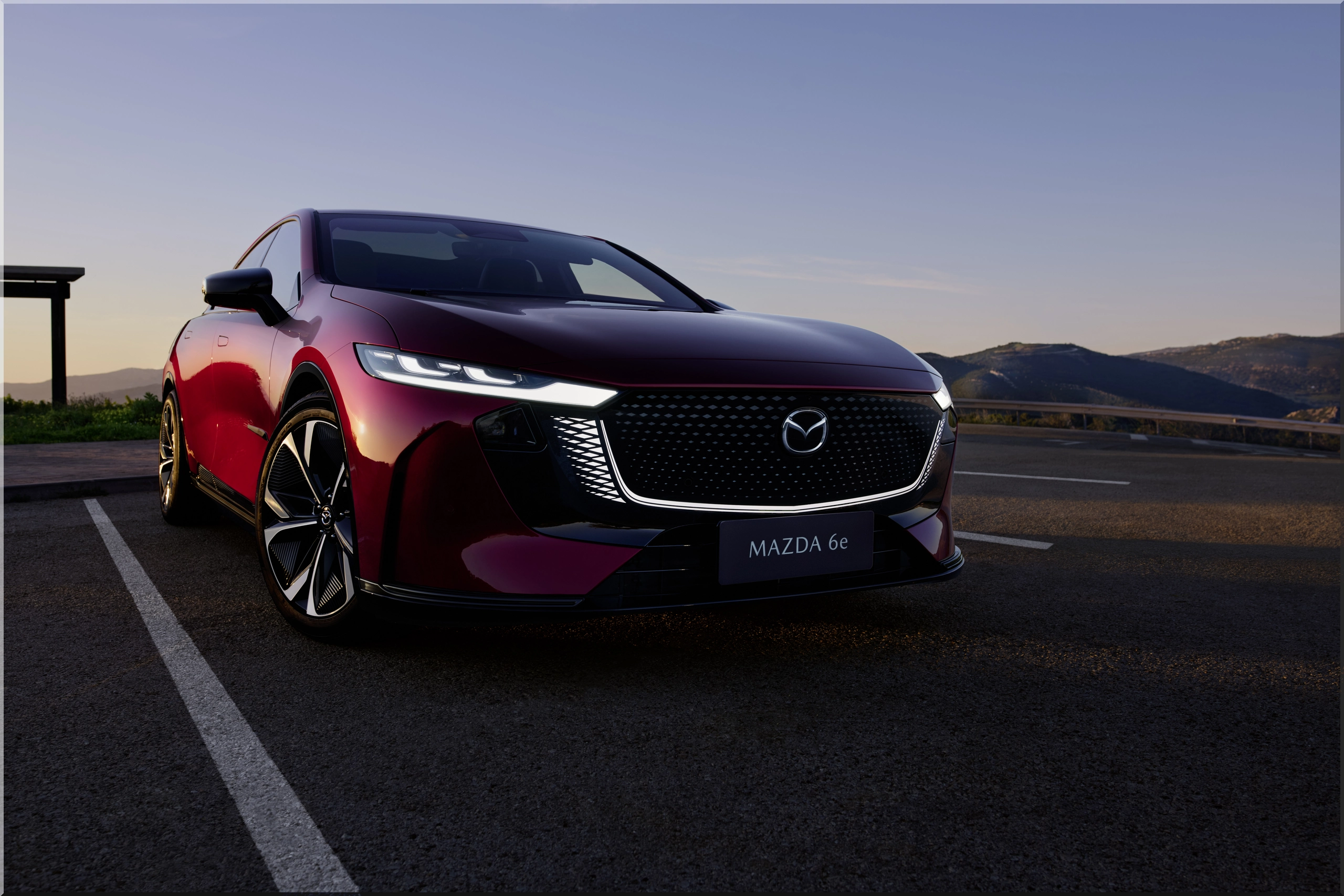
The Mazda keeps its low-roof, five-door liftback body. By comparison, it stretches nearly eight inches longer than a Tesla Model 3 while its wheelbase remains close to the Tesla's.
| Mazda6e measurement | Metric | U.S. equivalent | Difference vs. Model 3 |
|---|---|---|---|
| Length | 4,921 mm | 193.7 in | 7.9 in longer |
| Width | 1,890 mm | 74.4 in | 1.6 in wider |
| Height | 1,485 mm | 58.5 in | 1.8 in taller |
| Wheelbase | 2,895 mm | 114.0 in | 0.8 in longer |
Consequently, buyers get midsize-EV road presence plus easier cargo access through the rear hatch. Mazda has not changed the basic body dimensions announced for the current car.
New Homura Plus Trim and Updated Pricing
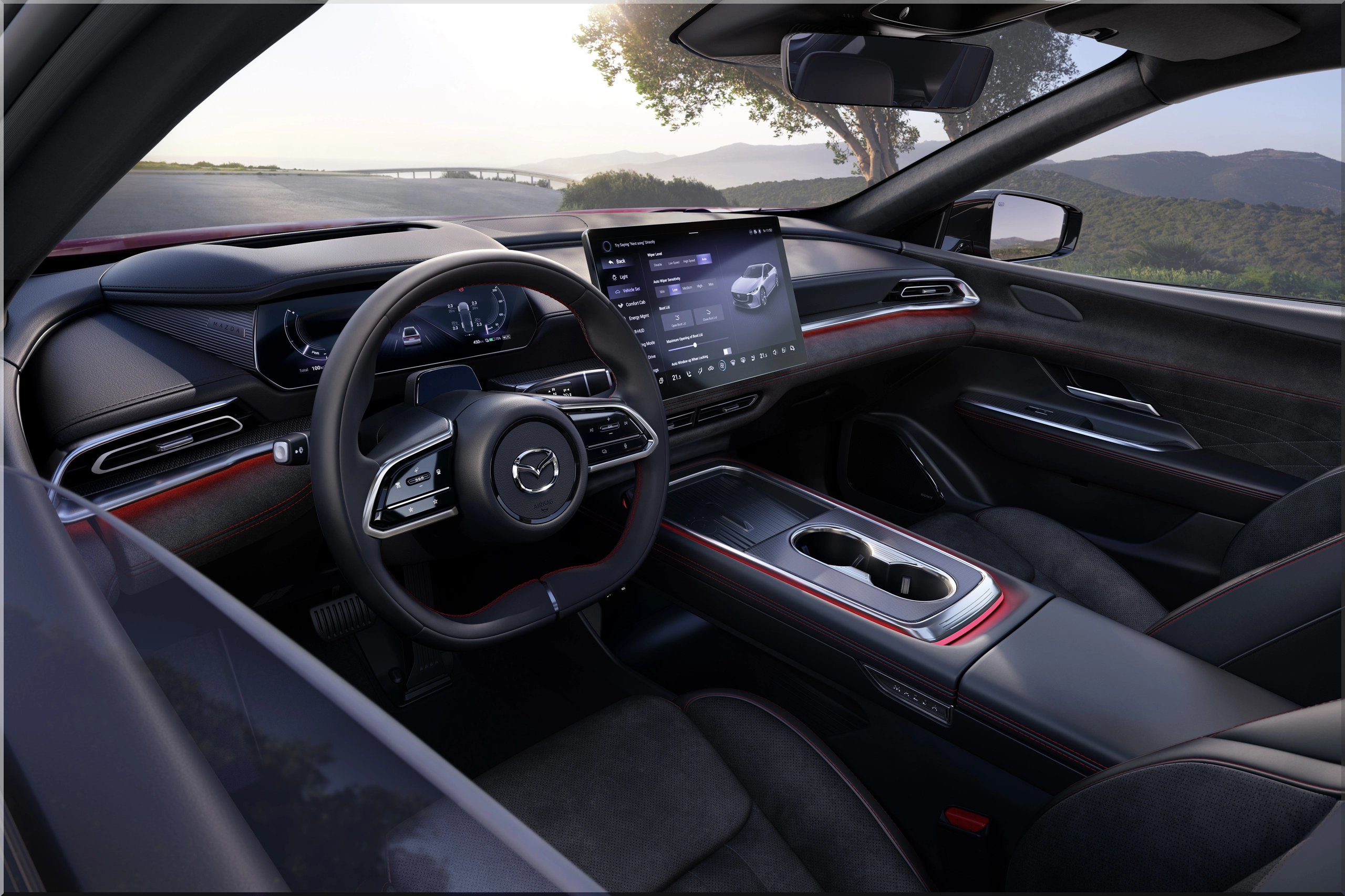
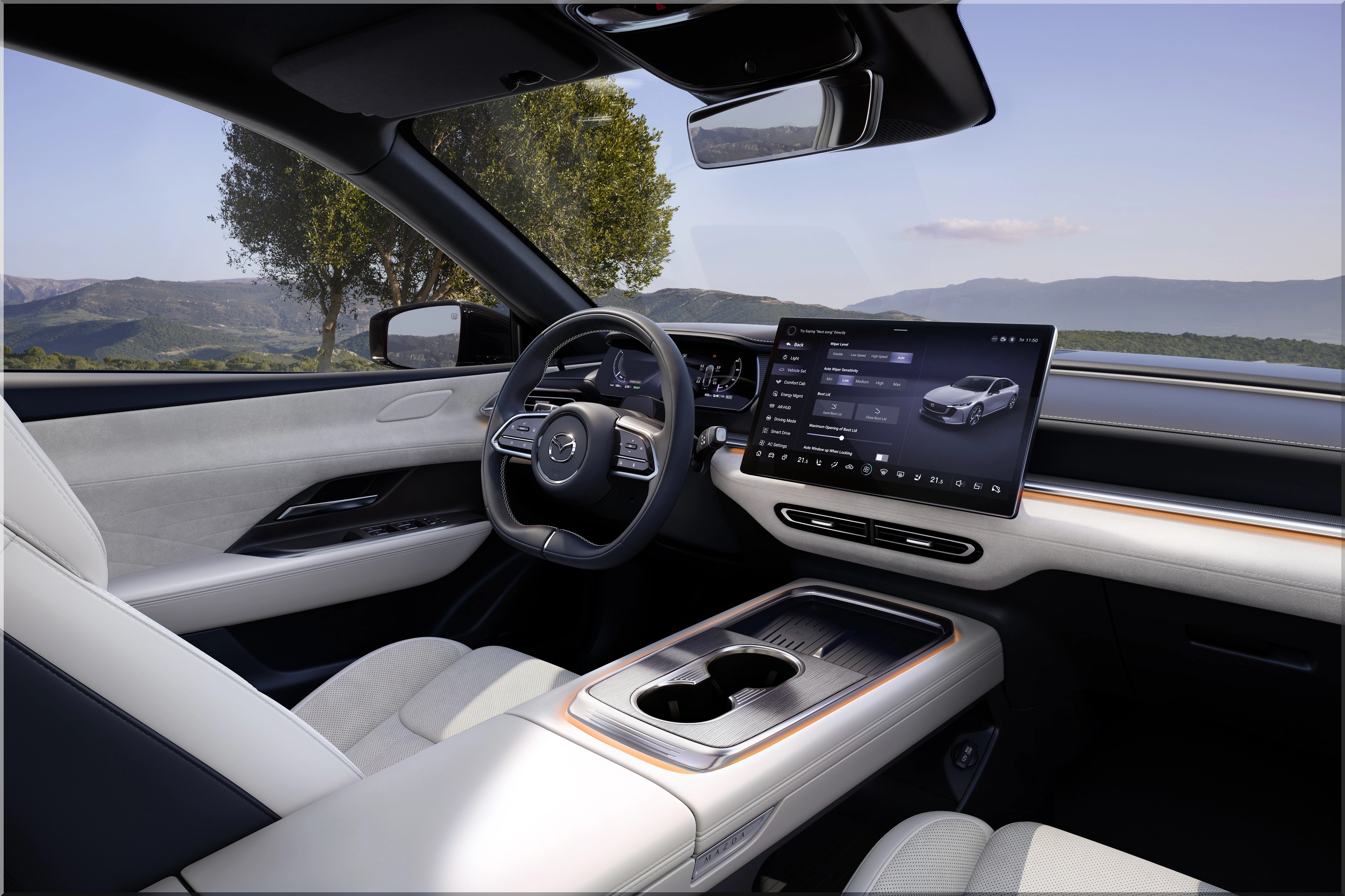
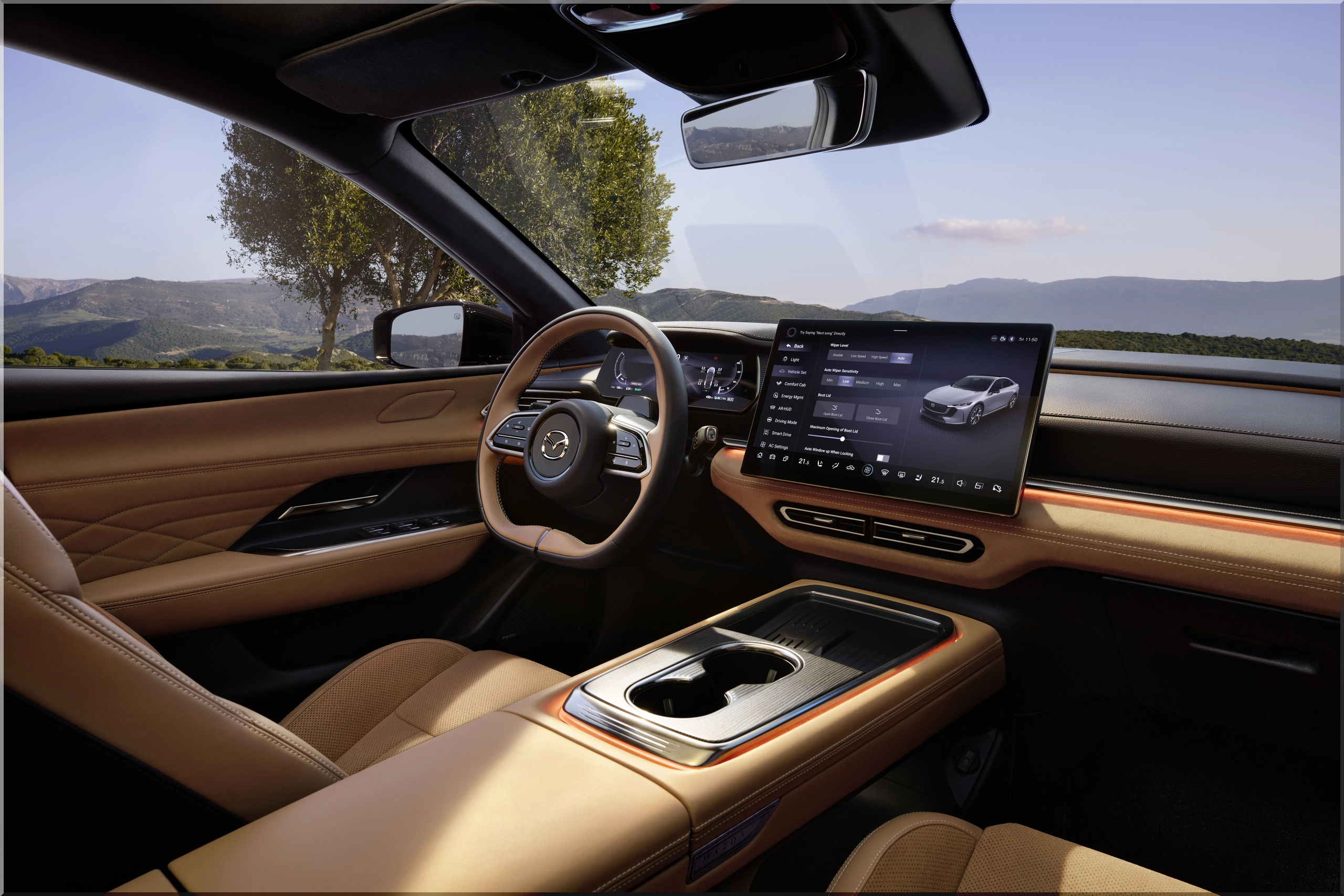
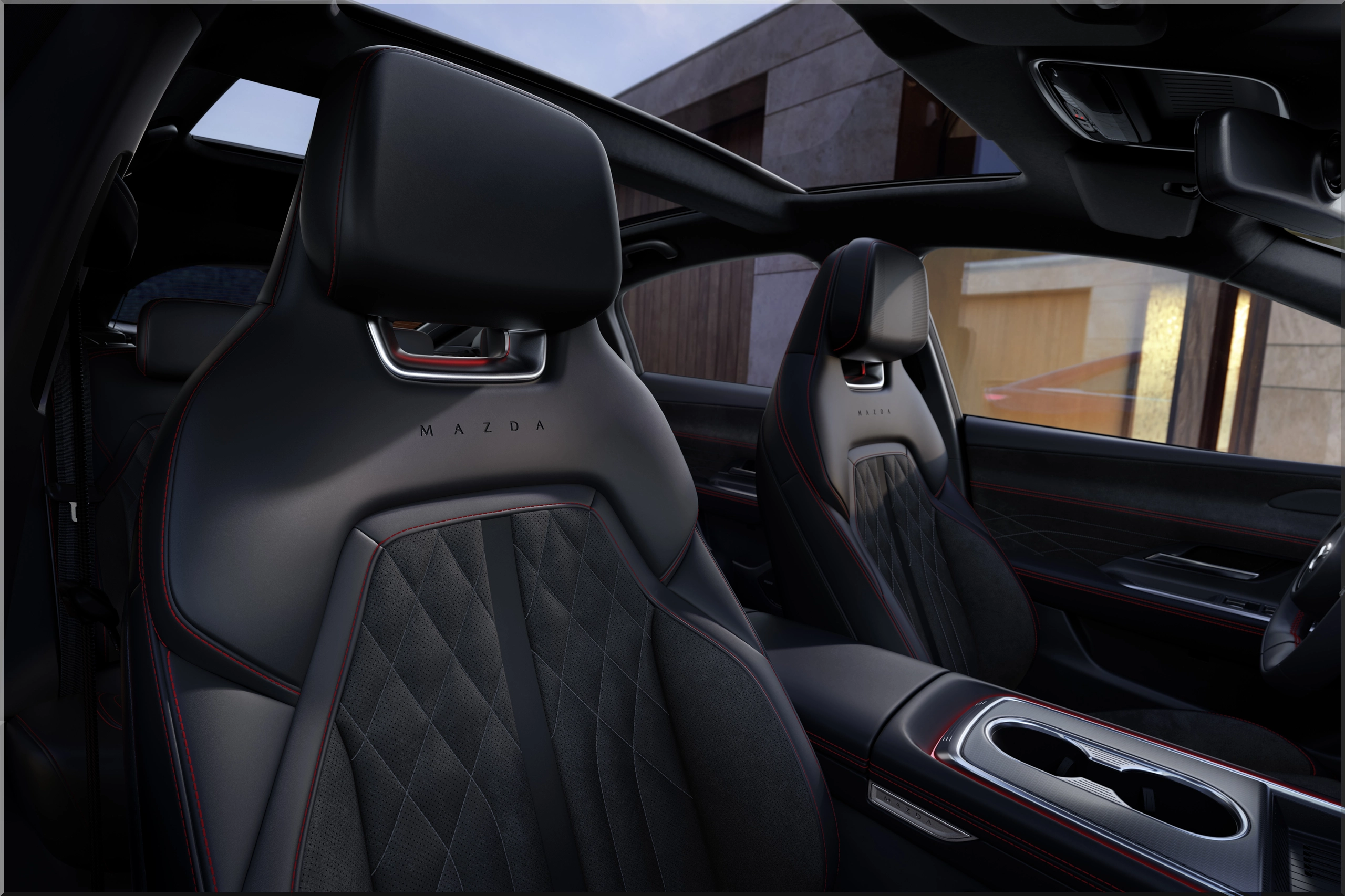
A new Mazda6e Homura Plus adds black lower bumper and side-skirt trim, black Nappa leather, suede-like fabric, red stitching, a black headliner, and an electric glass-roof shade. Takumi Plus gains a Warm Beige cabin choice alongside Tan, while Takumi retains black Maztex upholstery.
Swedish pricing, including local tax, converts to roughly $47,700 at current exchange rates, but it does not predict a U.S. MSRP. Dealers there expect cars late in 2026. Mazda has not announced U.S. sales, so American shoppers should view this update as a preview rather than a confirmed showroom arrival.
Should Buyers Wait for the 2027 Mazda6e?
European buyers who regularly take long highway trips should favor the 2027 car over the outgoing Long Range version. It travels slightly farther, charges far faster, and adds useful assistance updates.
Pro-Tip
Ask the dealer to demonstrate route-based battery preconditioning and show the car's live charging power during a test session. A stable charging curve will save more trip time than a short-lived peak.
- Add new comment
- 5 views