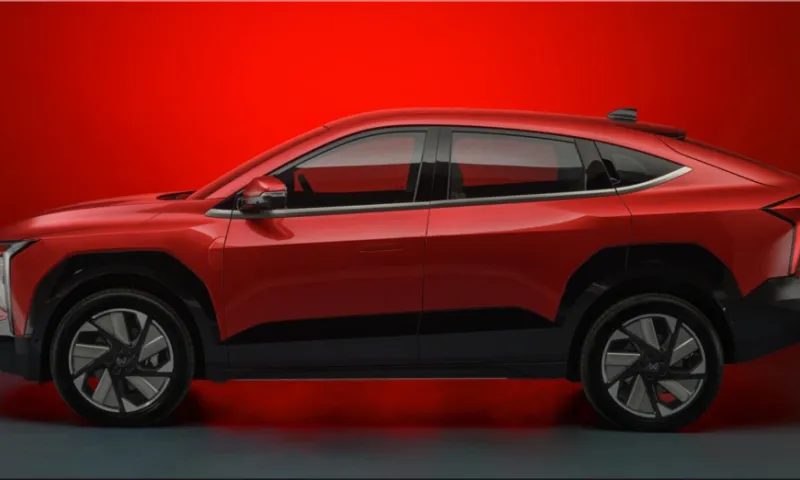
Put brand loyalty aside. The 2027 Toyota bZ Woodland and 2027 Subaru Trailseeker EV share nearly every expensive component: a 74.7-kWh battery, two electric motors, 375 horsepower, standard all-wheel drive, a 112.2-inch wheelbase, 150-kW DC charging, and a 3,500-pound tow rating. Yet their delivered base prices sit $5,505 apart.
That gap decides this contest. The Subaru Trailseeker Premium gives buyers the same 281-mile listed range, speed, charging hardware, and core utility for $41,470 including destination. The bZ Woodland starts at $46,975 delivered, although Toyota adds several features that Subaru reserves for costlier trims. Subaru wins on value, while Toyota counters with richer standard equipment, slightly more cargo room, and a larger dealer footprint.
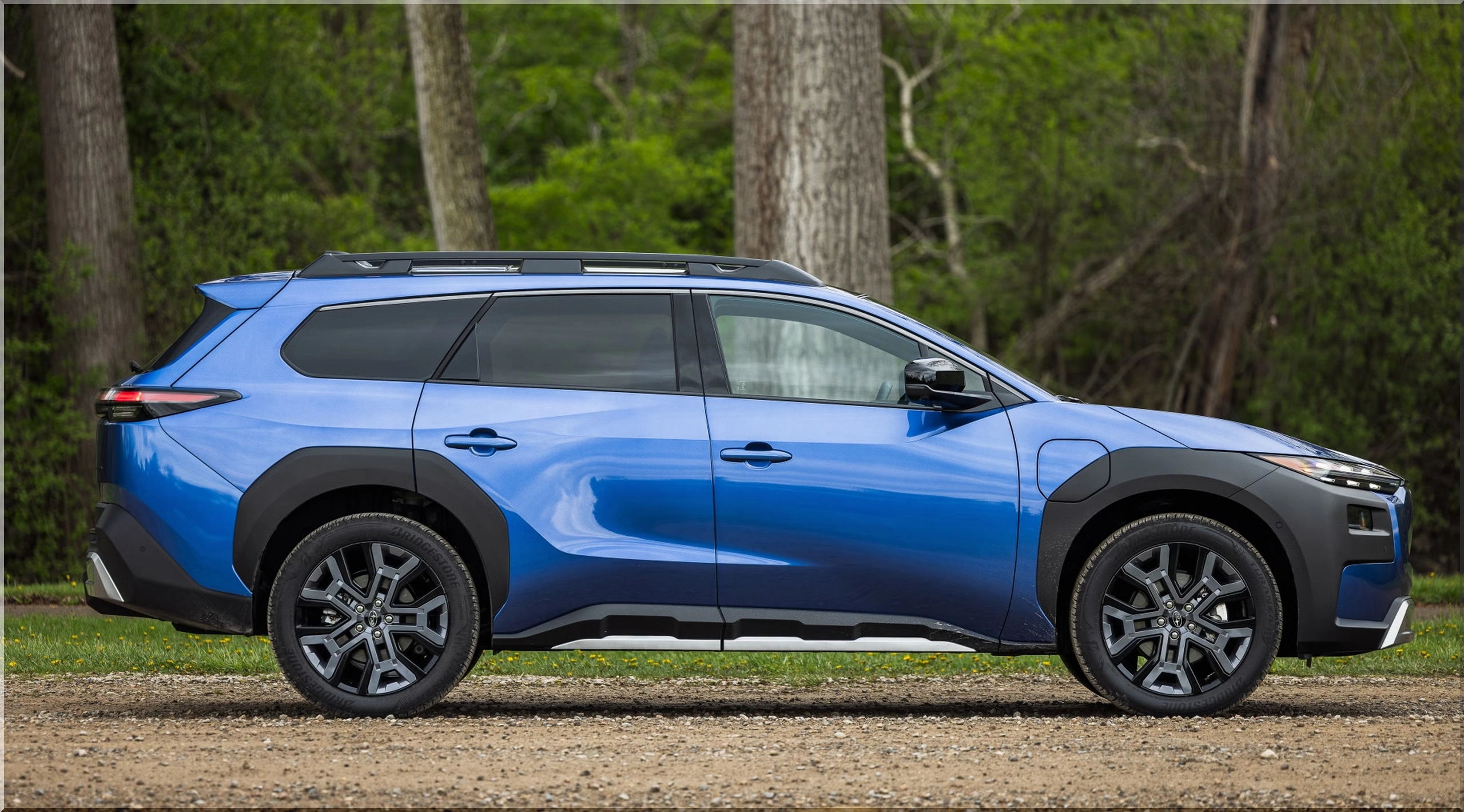
Shared Hardware Makes These EVs Closer Than Their Badges Suggest
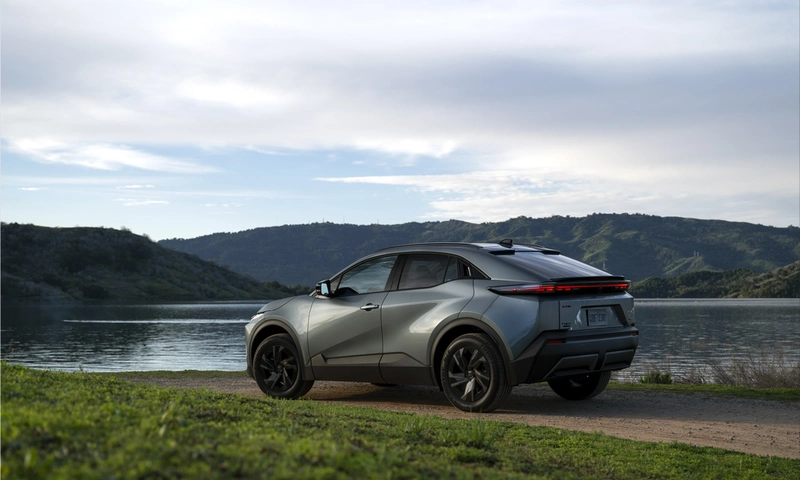
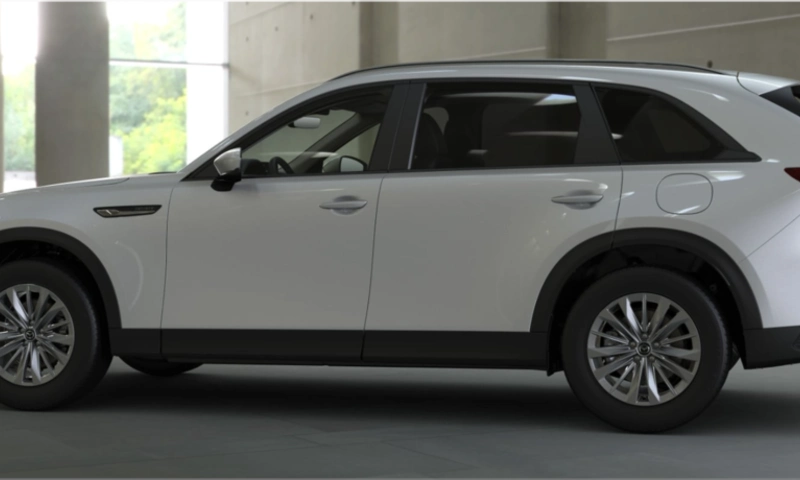
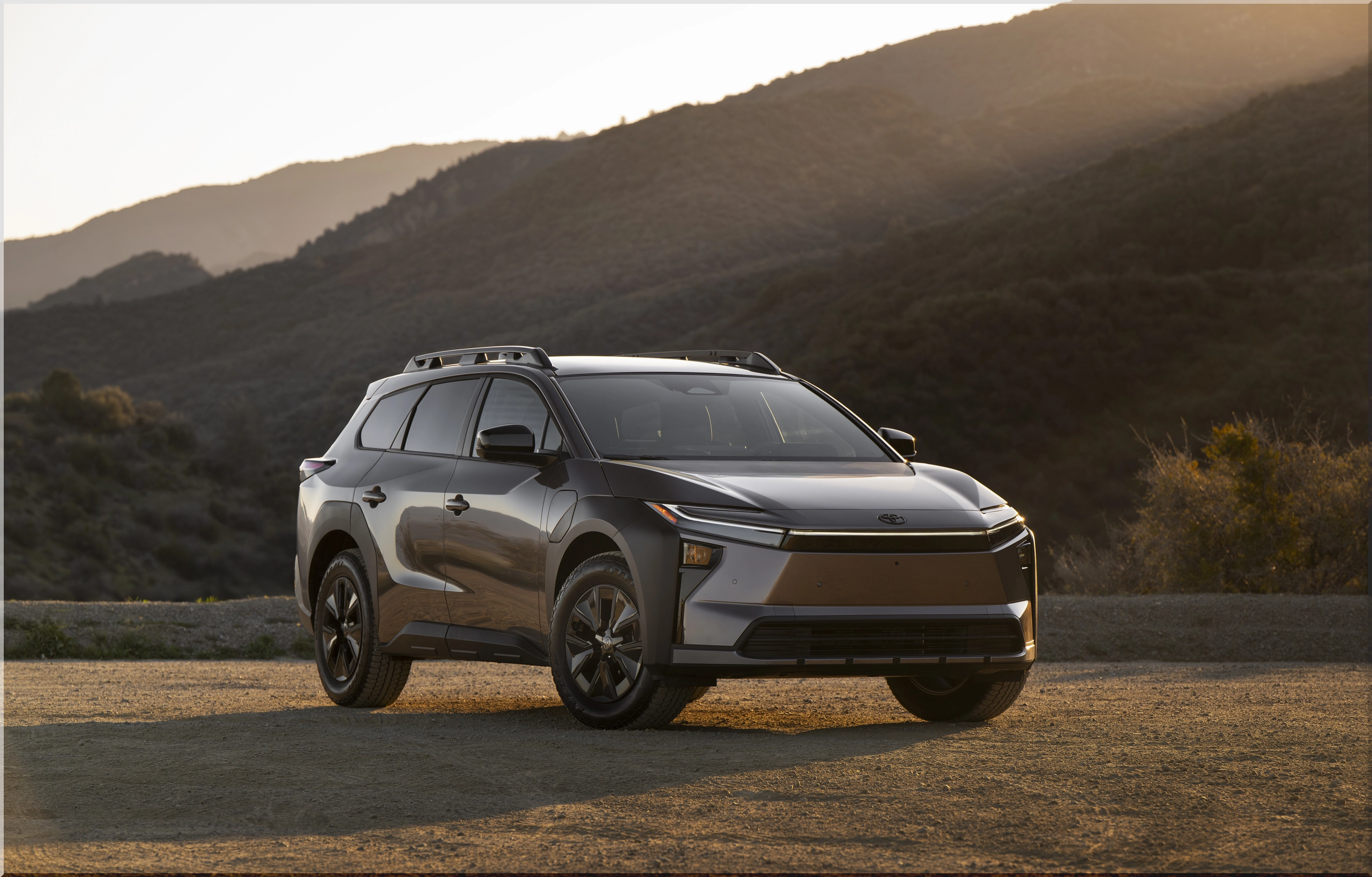
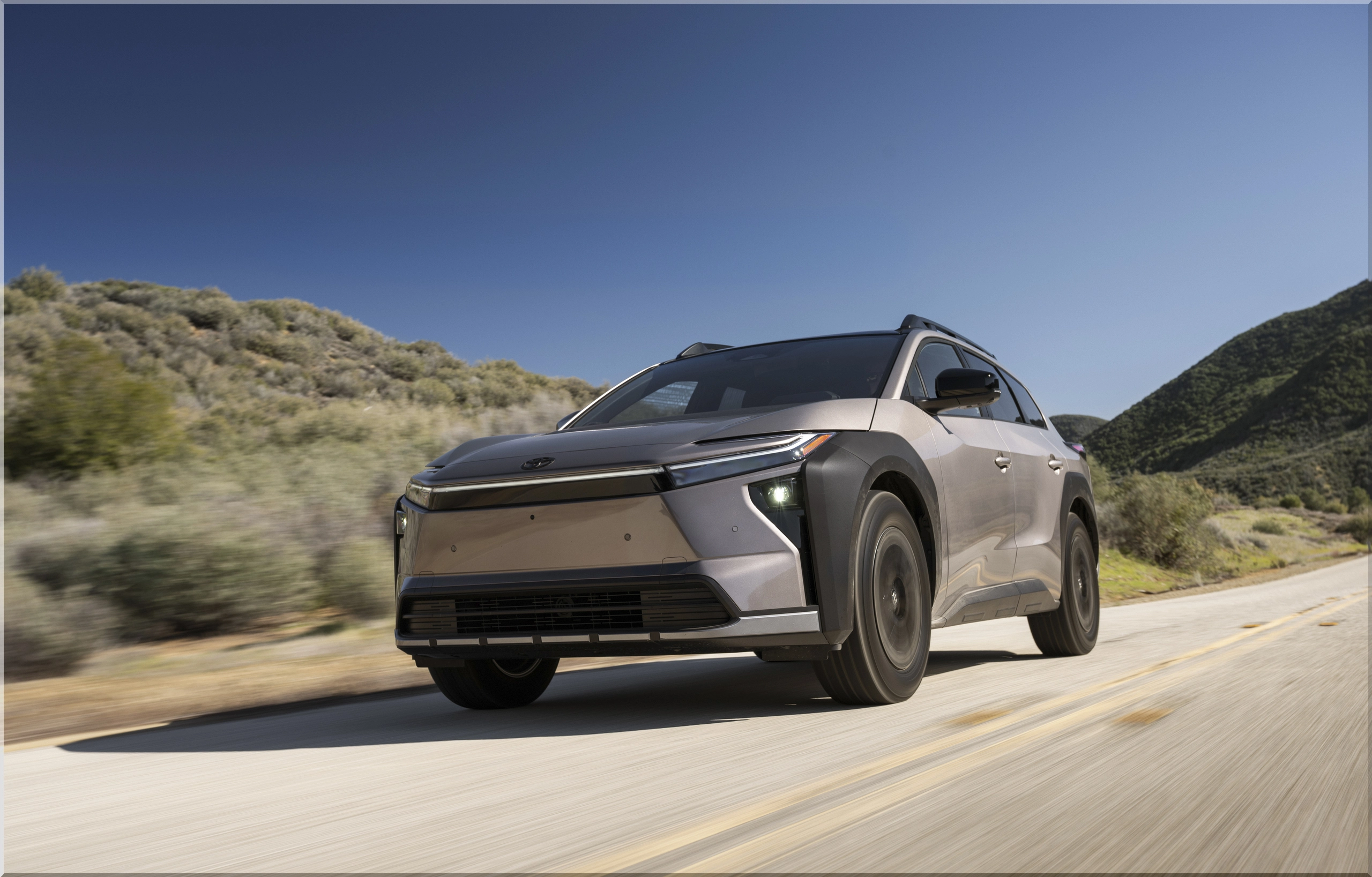
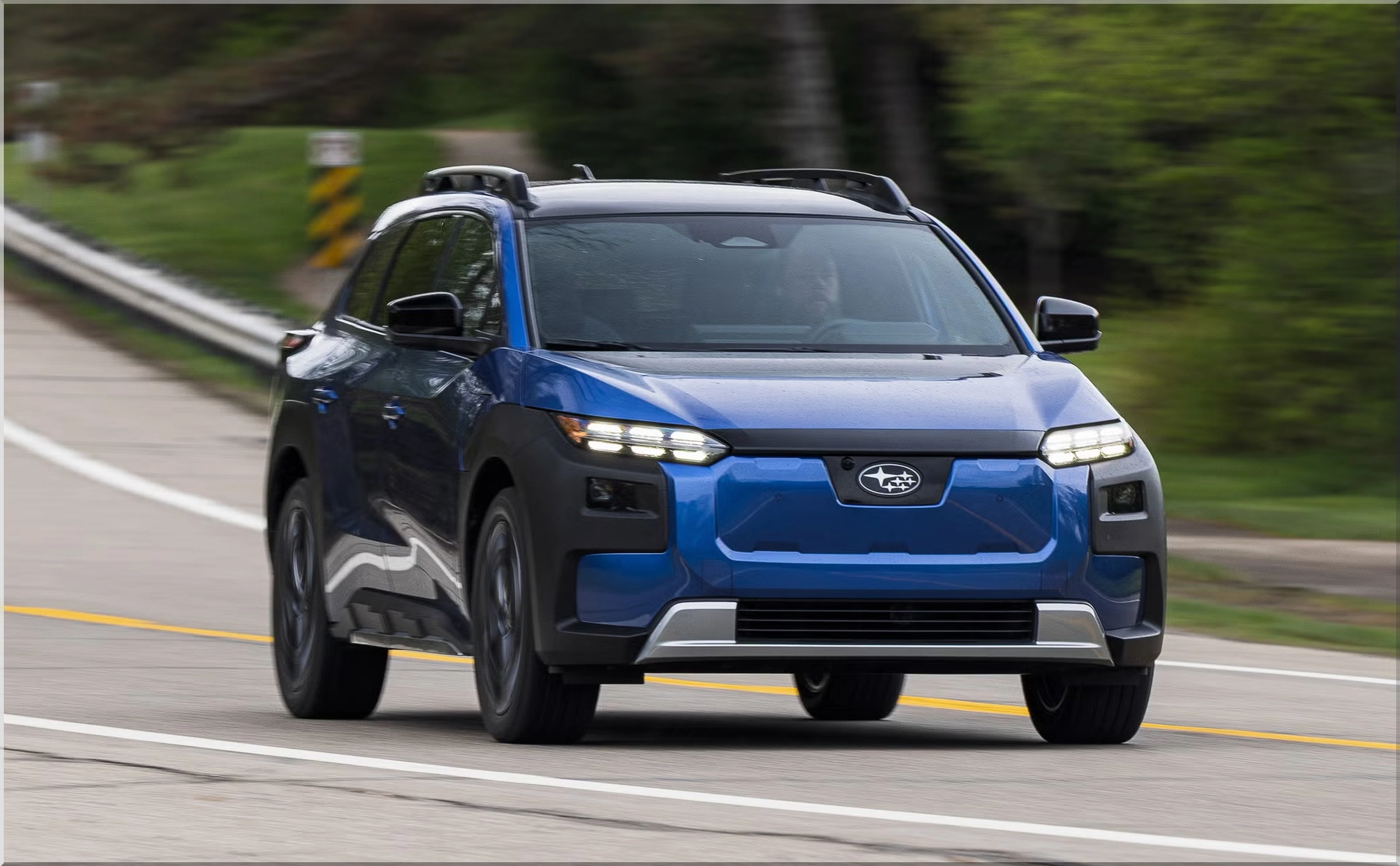
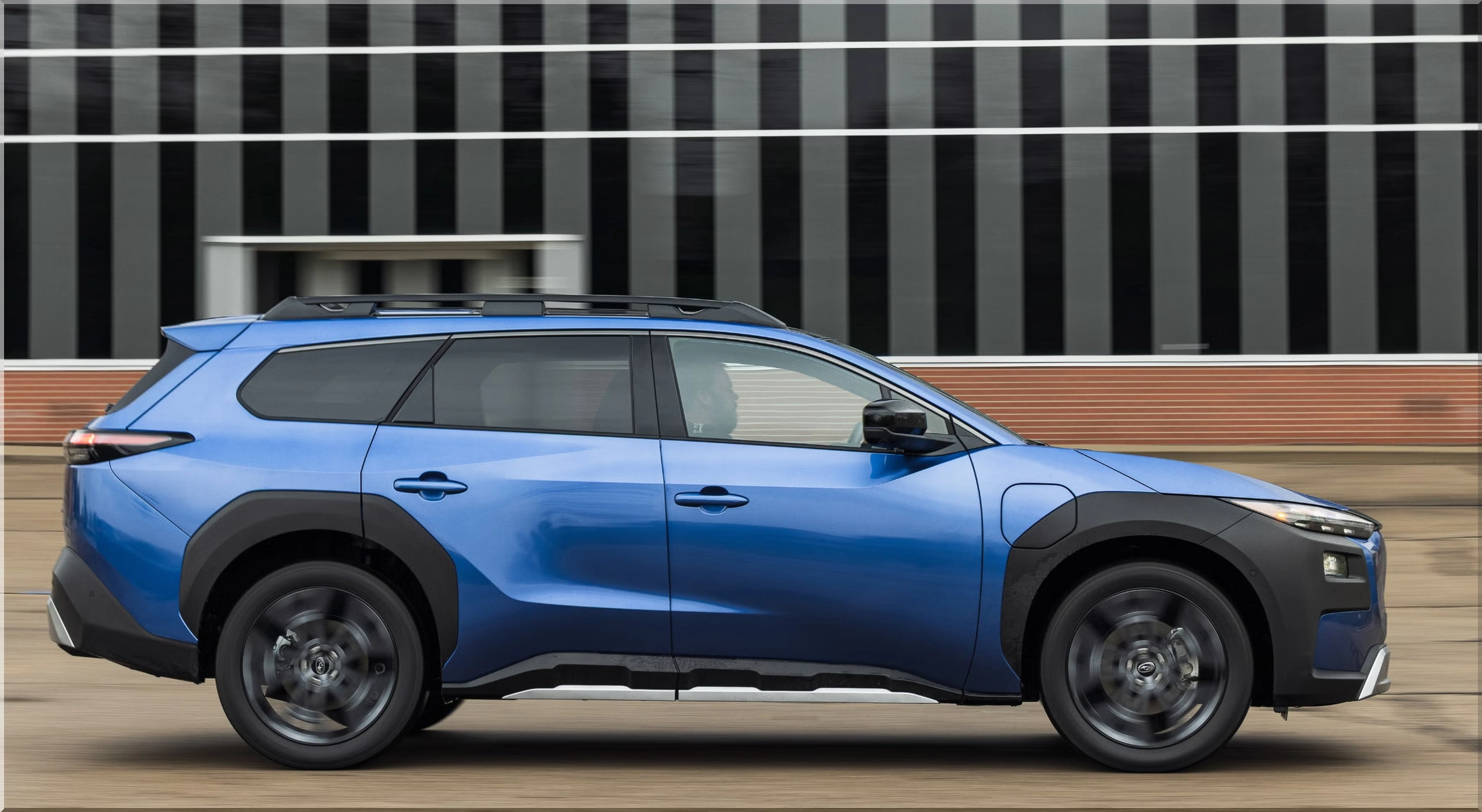
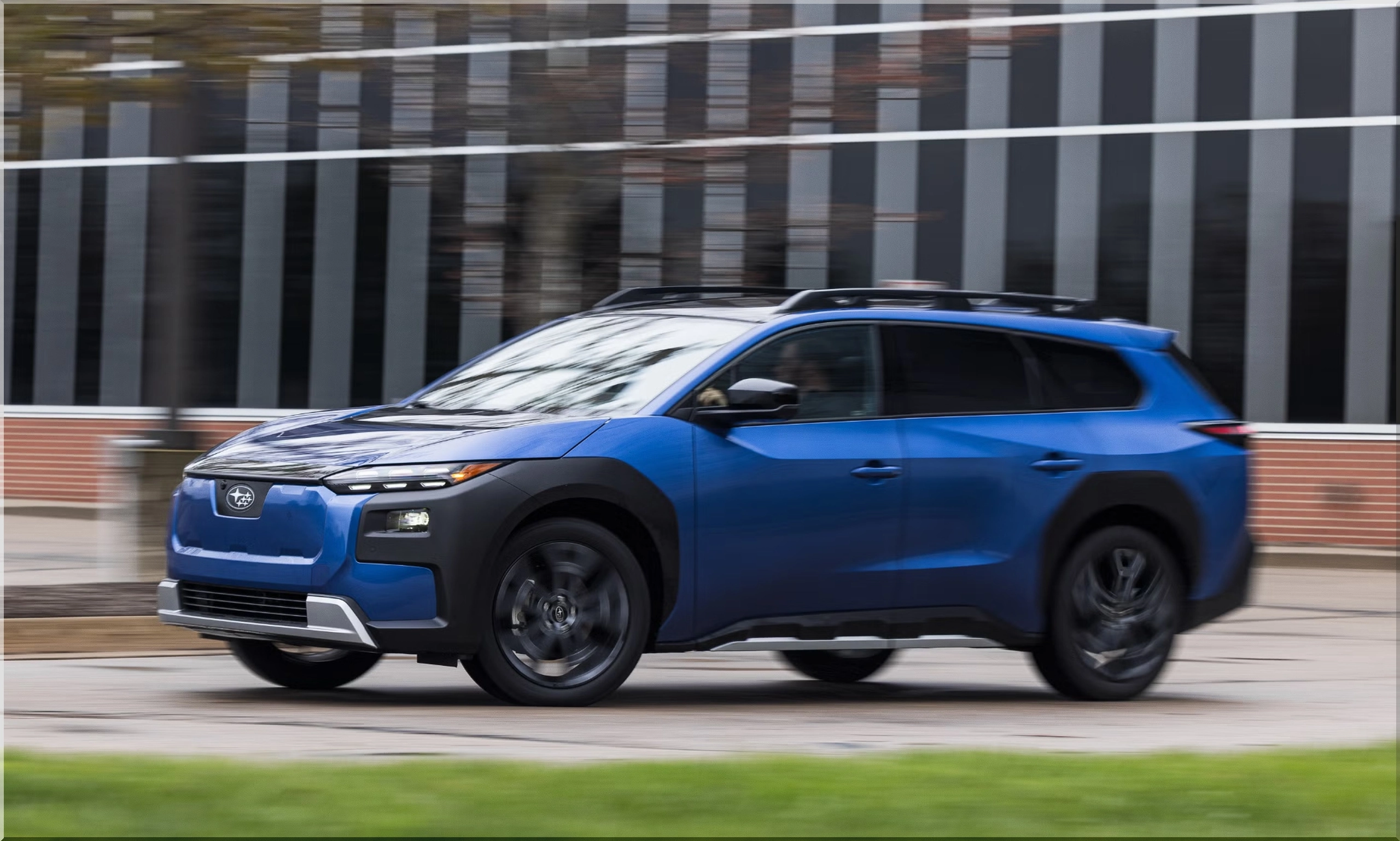
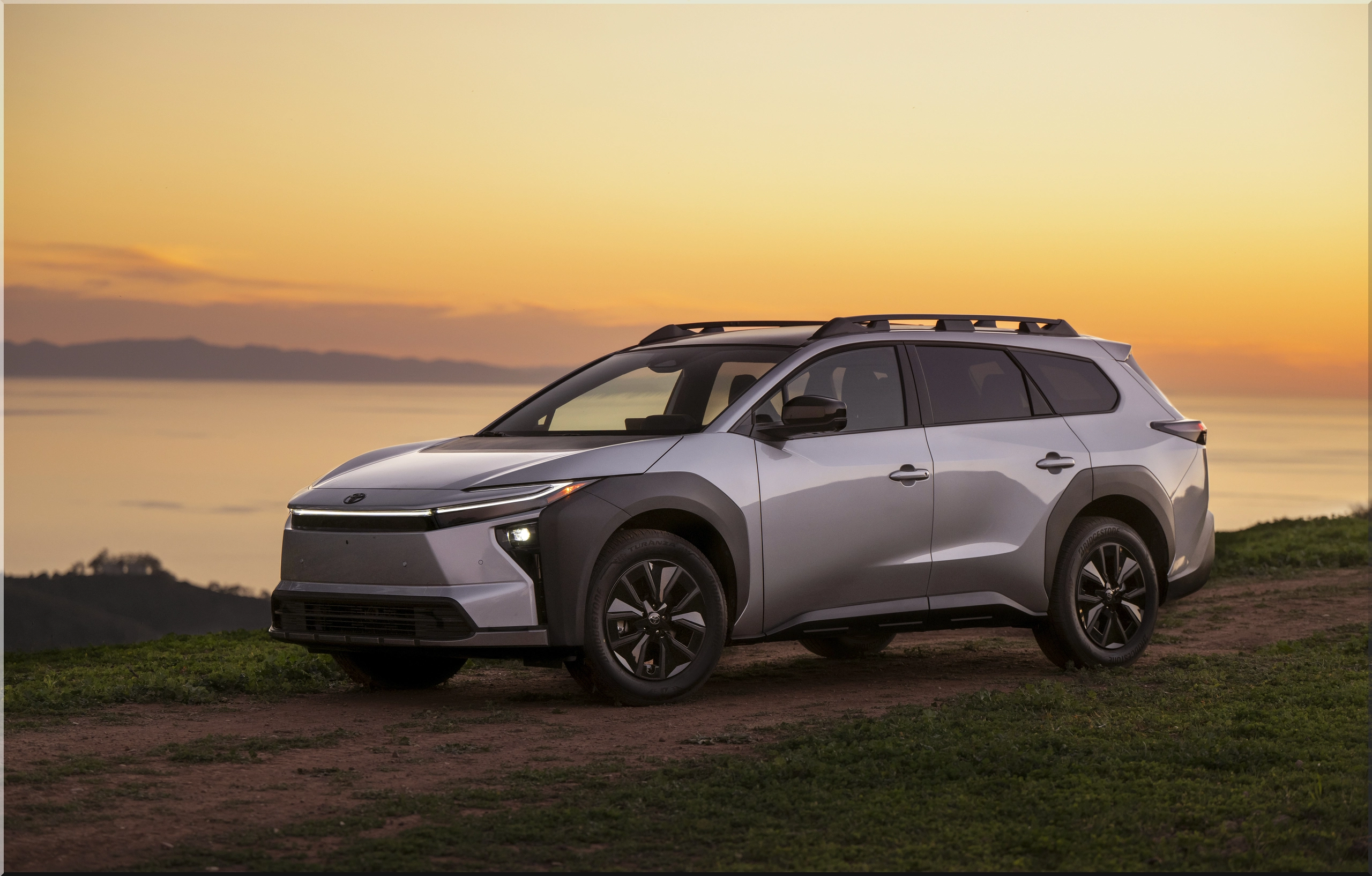
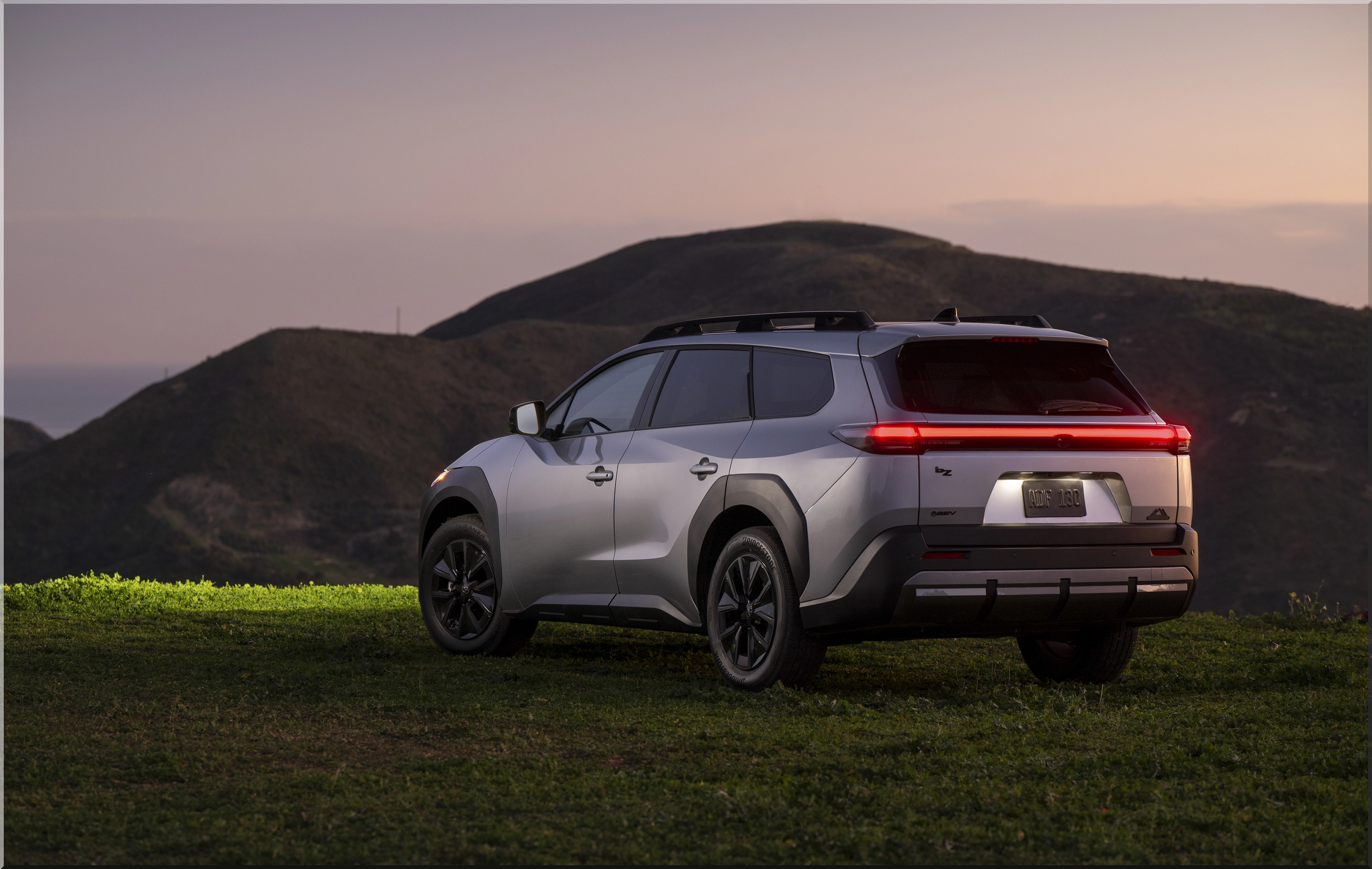
Toyota and Subaru co-developed this long-roof electric SUV architecture. Toyota calls its version bZ Woodland, while Subaru gives its version Trailseeker branding and Symmetrical All-Wheel Drive calibration. Underneath, both use front and rear eAxles, a floor-mounted battery, strut front suspension, and a multilink rear setup.
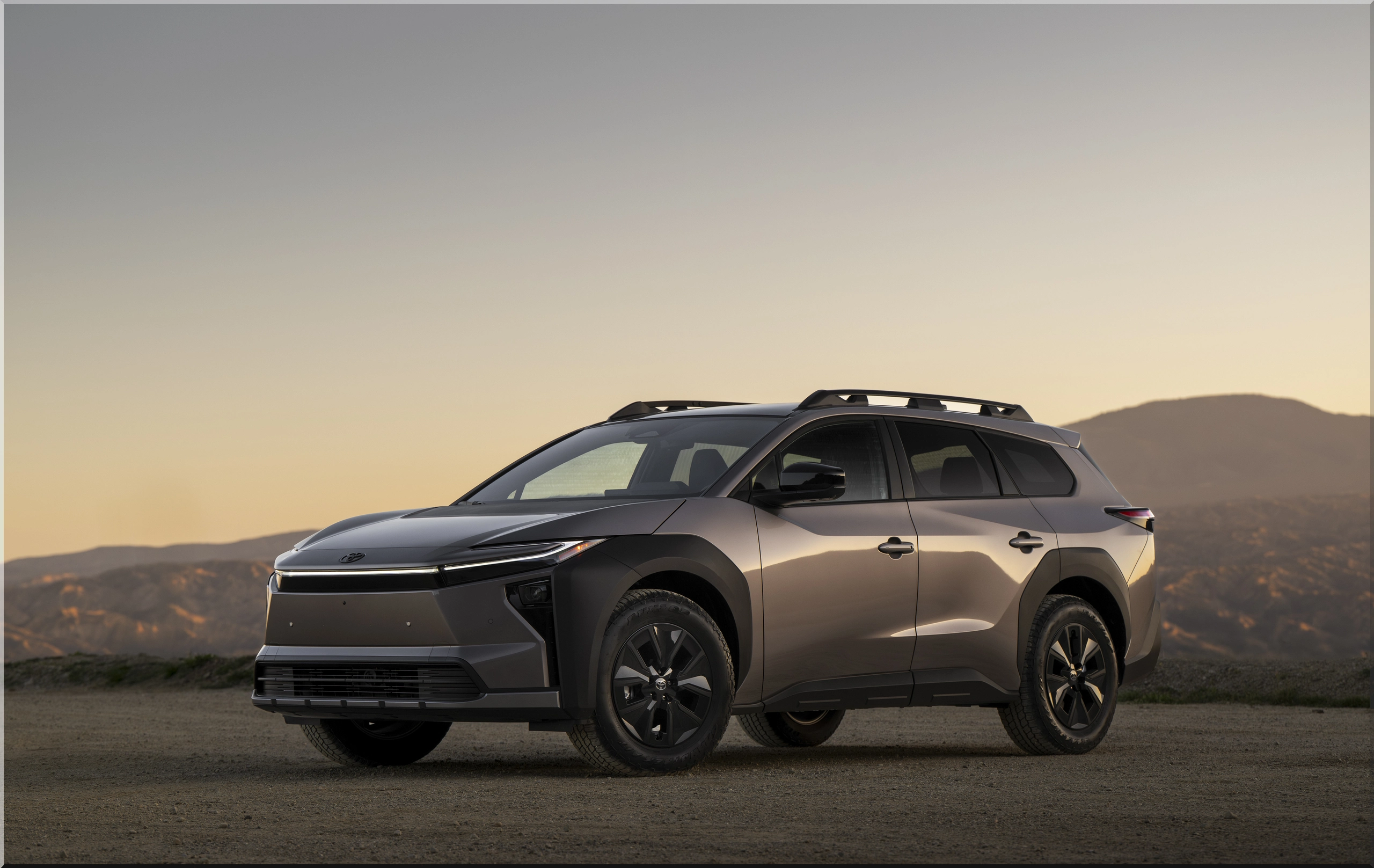
The low battery placement pulls mass downward and helps each tall wagon resist body roll. Cross-bracing around the pack stiffens the shell so the suspension can control wheel movement with less structural flex. In addition, neither EV needs multiple ratios or a torque converter; each motor drives its axle through a single-speed reduction gear.
| Core specification | 2027 Toyota bZ Woodland | 2027 Subaru Trailseeker |
|---|---|---|
| Battery capacity | 74.7 kWh gross | 74.7 kWh gross |
| Estimated usable capacity | About 67 kWh | About 67 kWh |
| Drive layout | Dual-motor AWD | Dual-motor AWD |
| Combined output | 375 hp | 375 hp |
| Official 0-60 mph | 4.5 seconds | 4.3 seconds |
| Tested 0-60 mph | 3.9 seconds | 3.9 seconds |
| Maximum listed range | 281 miles | 281 miles |
| Peak DC charge rate | 150 kW | 150 kW |
| 10-80% DC charge time | About 30 minutes | About 28 minutes |
| Onboard AC charger | 11 kW | 11 kW |
| Maximum towing | 3,500 lb / 1,588 kg | 3,500 lb / 1,588 kg |
| Ground clearance | 8.4 in / 213 mm | 8.5 in / 216 mm |
Neither company publishes a full system torque curve in its US press material. Independent testing lists each Toyota motor at 198 lb-ft, but adding two component peaks without the inverter's control map creates false precision. The 3.9-second tested sprint supplies the useful answer: both deliver serious launch force, and neither badge buys quicker acceleration.
Subaru Wins the Price Comparison
Looking at the data, the Toyota bZ Woodland vs Subaru Trailseeker price gap stays large even after matching equipment more closely. Toyota charges $45,380 before its $1,595 delivery fee. Subaru asks $39,995 before a $1,475 destination charge.
| Trim | Base MSRP | Price with destination | Listed range | Main trim features |
|---|---|---|---|---|
| Subaru Trailseeker Premium | $39,995 | $41,470 | 281 miles | 18-inch wheels, heated front seats, power liftgate, EyeSight, dual wireless chargers |
| Subaru Trailseeker Limited | $43,995 | $45,470 | 274 miles | 20-inch wheels, 11-speaker audio, heated rear seats and steering wheel, 360-degree camera, 1,500-watt outlet |
| Toyota bZ Woodland | $45,380 | $46,975 | 281 miles | 18-inch wheels, power front seats, heated front and rear seats, heated wheel, 360-degree camera, 1,500-watt outlet |
| Subaru Trailseeker Touring | $46,555 | $48,030 | 274 miles | Glass roof, ventilated front seats, radiant leg warmers, gloss-black hood panel |
| Toyota bZ Woodland Premium | $47,480 | $49,075 | 281 miles | Glass roof, ventilated front seats, radiant heaters, digital mirror, driver memory, 9-speaker JBL audio |
Specifically, Subaru Limited undercuts the Toyota base model by $1,505 after destination while adding premium audio and a hands-free liftgate. Toyota counters with 18-inch wheels, seven extra EPA miles, and power adjustment for both front seats. At the top, Subaru Touring costs $1,045 less than Toyota Premium and covers the same luxury priorities.
The buying logic stays simple:
- Pick Trailseeker Premium for the lowest entry price and full 281-mile range.
- Pick Trailseeker Limited for the strongest equipment-per-dollar result.
- Pick bZ Woodland base if heated rear seats, dual power front seats, the surround-view trail camera, and 18-inch efficiency all belong on your must-have list.
- Test either top trim in person; feature parity leaves seat comfort, badge preference, and dealer access to settle that choice.
Early Sales Give Subaru Useful Momentum
Subaru sold 1,077 Trailseekers in the United States during July 2026. The same month produced 359 Uncharted sales and only 138 Solterra sales. Through July, Subaru had moved 3,513 Trailseekers despite launching the model earlier in the year.
Those numbers validate the Trailseeker's Outback-like size and aggressive price. They do not settle a direct sales race, since Toyota plans to place the 2027 bZ Woodland in dealerships later in 2026. Toyota shoppers may find the outgoing 2026 Woodland at a discount.
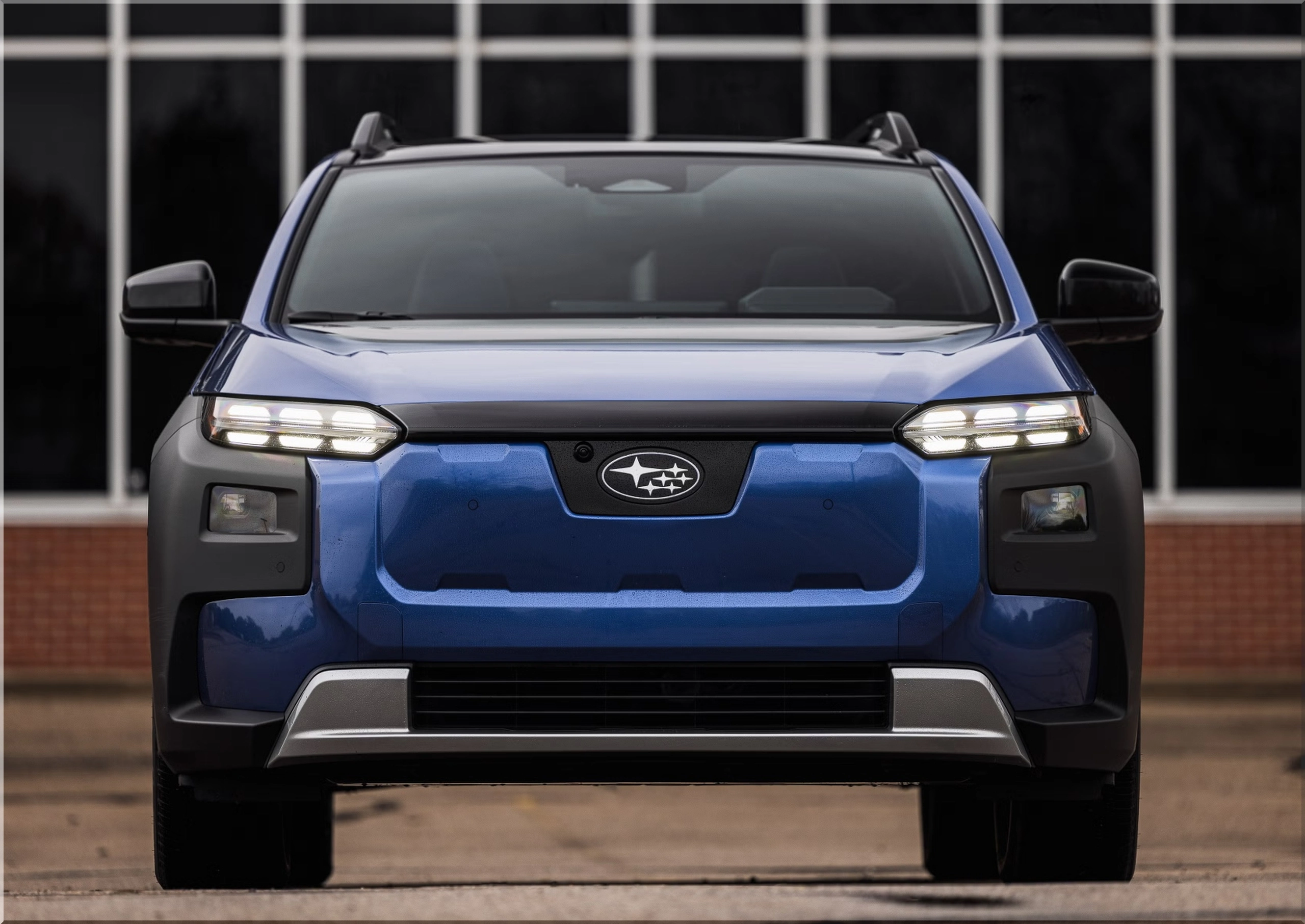
Range and Charging Produce a Near Tie
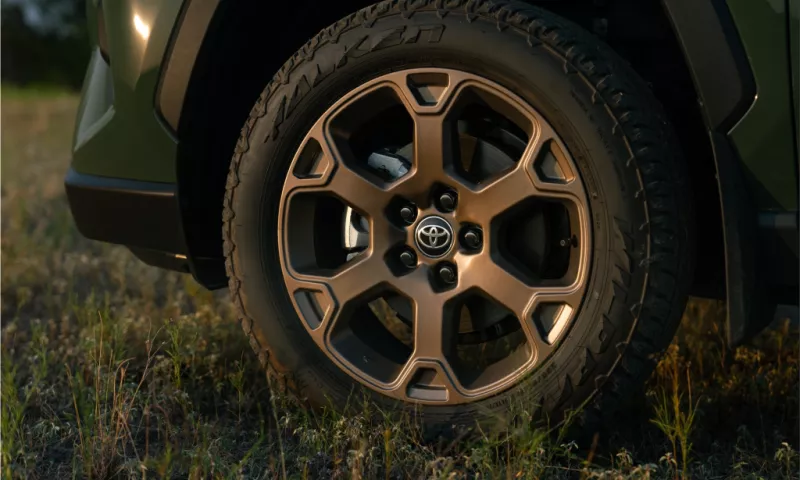
Both base configurations list 281 miles and 117 MPGe combined. Subaru quotes an EPA rating; Toyota calls its unchanged 2027 figure a manufacturer estimate. Subaru rates Limited and Touring models at 274 miles, while Toyota's no-cost all-terrain tire option cuts range to 260 miles and combined efficiency from 117 to 109 MPGe.
That 21-mile Toyota penalty equals roughly 7.5% of rated range. Aggressive tread blocks flex more, increase rolling resistance, and expose more rubber to airflow. The tires may help on loose soil, but frequent highway drivers pay for that grip during every mile.
Each midsize electric SUV carries a native NACS port, J1772 and CCS1 adapters, battery preconditioning, Plug & Charge support, an 11-kW onboard charger, and a dual-voltage 120/240-volt cable. Both top out at 150 kW on DC power. Subaru quotes 28 minutes from 10-80%; Toyota quotes 30. That two-minute edge carries little practical weight.
Those figures trail 800-volt rivals, yet they support a meal or restroom stop. Car and Driver drove a Trailseeker 190 miles on its 75-mph highway test, versus the 281-mile EPA figure. A matching Toyota result remains unavailable, so buyers should avoid assuming 281 interstate miles from either twin.
Pro-Tip: Test Your Hardest Route Before Signing
Use your longest winter route, set a 10% arrival buffer, then identify NACS stations that accept these non-Tesla vehicles. Plan around 170-190 highway miles between a full departure and a low-charge stop in demanding conditions. Home Level 2 charging changes ownership far more than Subaru's two-minute DC edge.
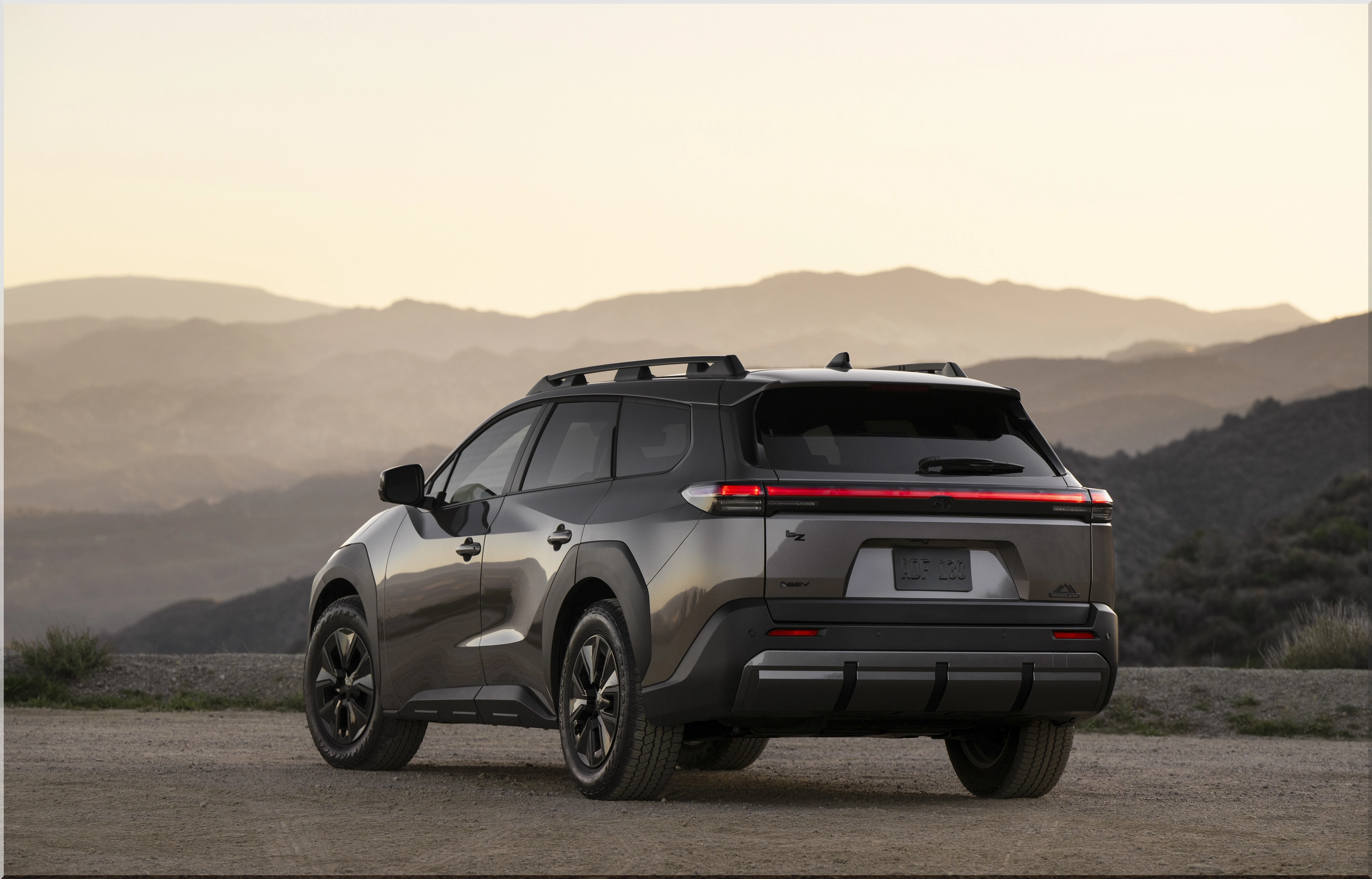
AWD, Towing, and Trail Ability Favor Restraint
Both vehicles use X-MODE to coordinate motor output, regenerative braking, and friction braking when tires lose grip. Grip Control holds a low target speed on rough ground. Subaru also uses front and rear acceleration sensors to shift power front-to-rear and left-to-right during acceleration, braking, and cornering.
The numbers support forest roads, snow, mud, and maintained access trails. They do not create a battery-powered 4Runner. Toyota posts approach and departure angles near 17.8 and 21.2 degrees; Subaru sits near 18 and 20 degrees. The 112.2-inch wheelbase also limits breakover clearance on sharp crests.
The shared 3,500-pound EV towing capacity covers a compact camper, pair of personal watercraft, or small utility trailer. Range will fall sharply as trailer frontal area and speed rise because aerodynamic drag grows with the square of speed.
- Use all-terrain tires if loose surfaces dominate your use, not for appearance alone.
- Keep heavy cargo low and inside the cabin when possible.
- Verify tongue weight, payload, and trailer brake rules before loading to the 3,500-pound limit.
- Build charging stops around pull-through access because many older fast-charging stalls force awkward trailer positioning.
Dimensions and Cargo Space Split the Win
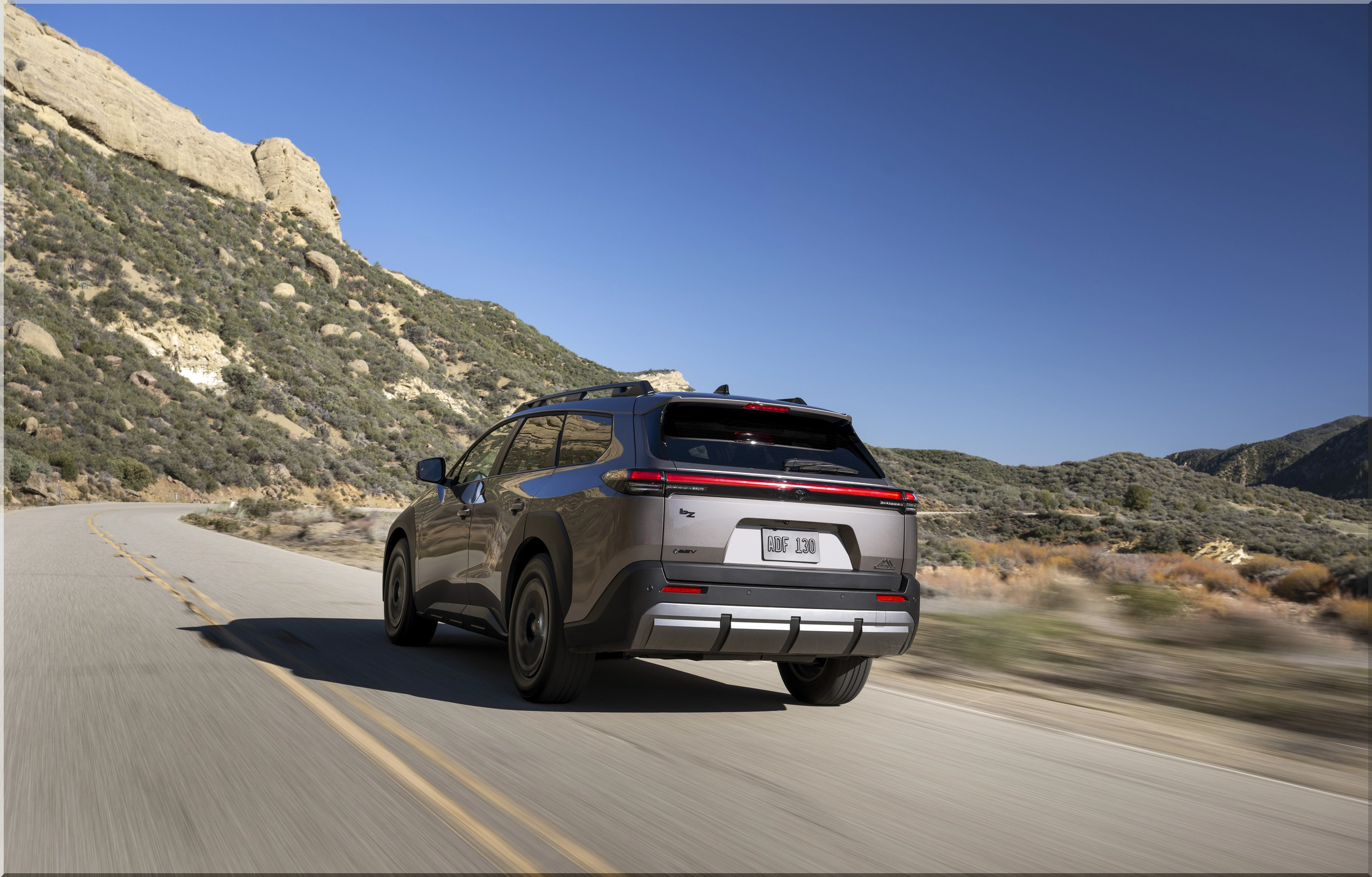
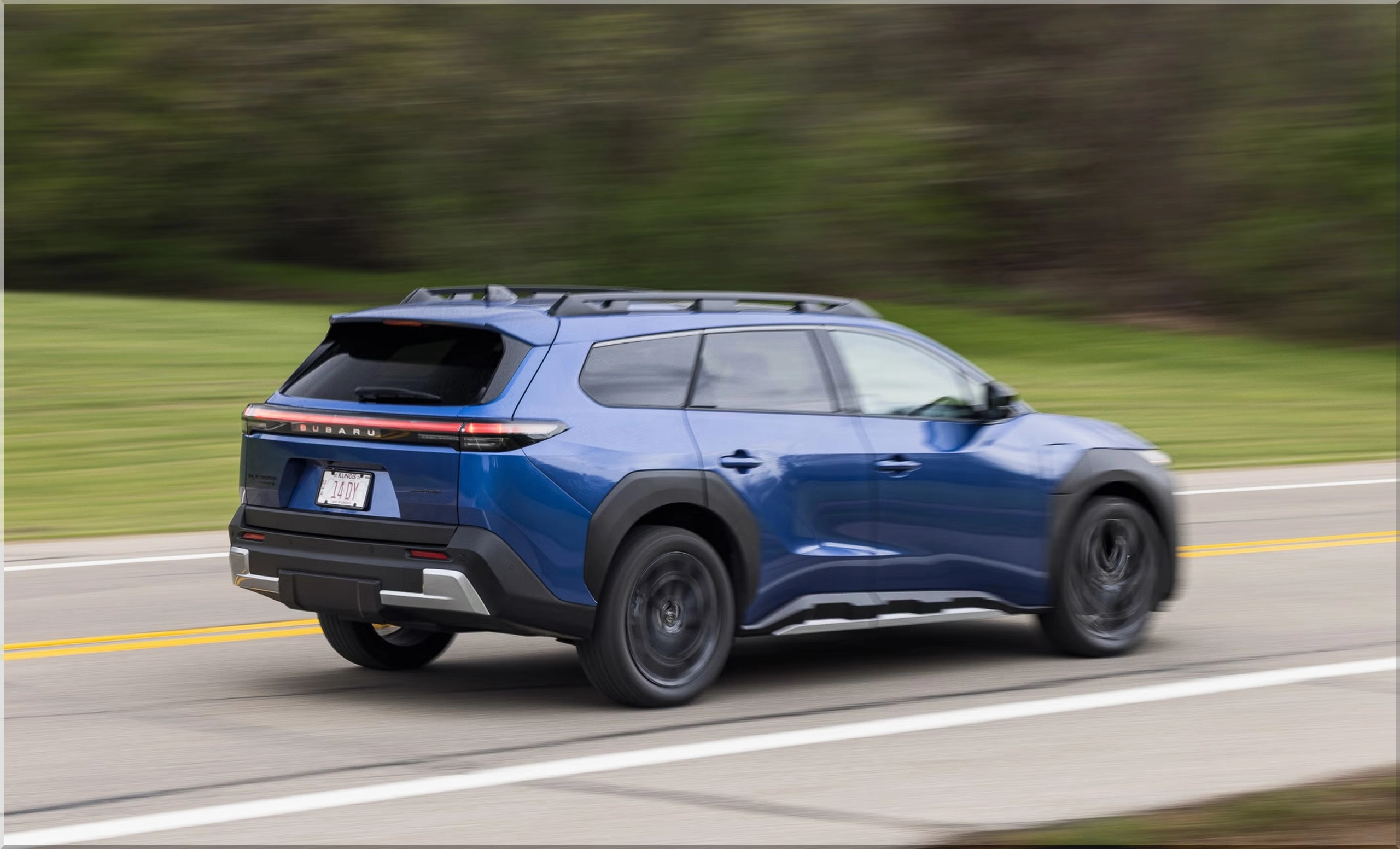
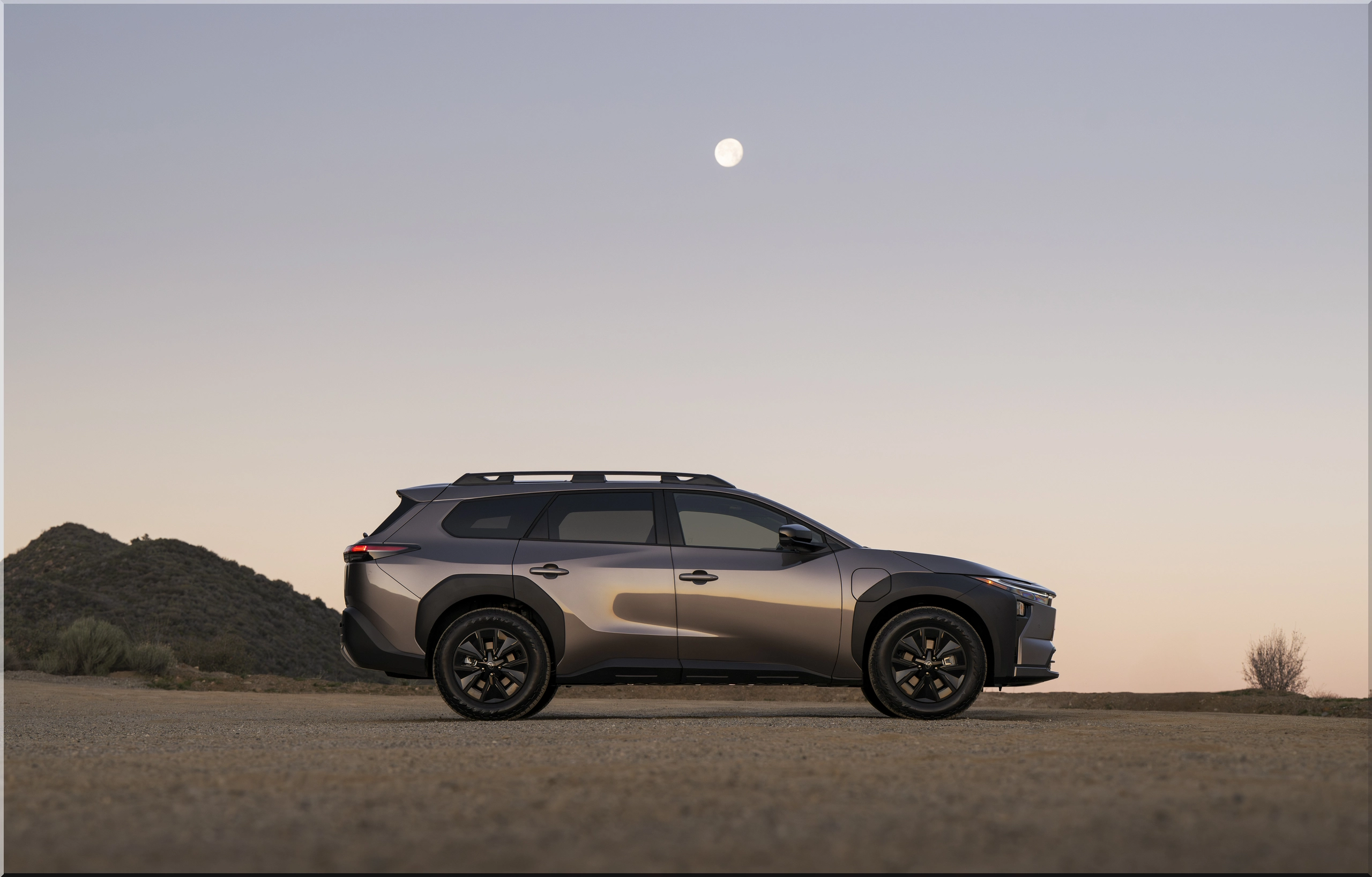
These twins share width, height, and wheelbase, but their bumper designs create a 0.6-inch length difference. Subaru supplies 1.6 cubic feet more passenger volume. Toyota returns the favor with about 2.5 cubic feet more room behind the rear seats.
| Dimension | Toyota bZ Woodland | Subaru Trailseeker |
|---|---|---|
| Length | 190.2 in / 4,831 mm | 190.8 in / 4,846 mm |
| Width without mirrors | 73.2 in / 1,859 mm | 73.2 in / 1,859 mm |
| Height | 65.9 in / 1,674 mm | 65.9 in / 1,674 mm |
| Wheelbase | 112.2 in / 2,850 mm | 112.2 in / 2,850 mm |
| Passenger volume | 95.9 cu ft / 2,716 L | 97.5 cu ft / 2,761 L |
| Cargo behind row two | About 33.8 cu ft / 957 L | 31.3 cu ft / 886 L |
| Maximum cargo | 74.3 cu ft / 2,104 L | 74.0 cu ft / 2,095 L |
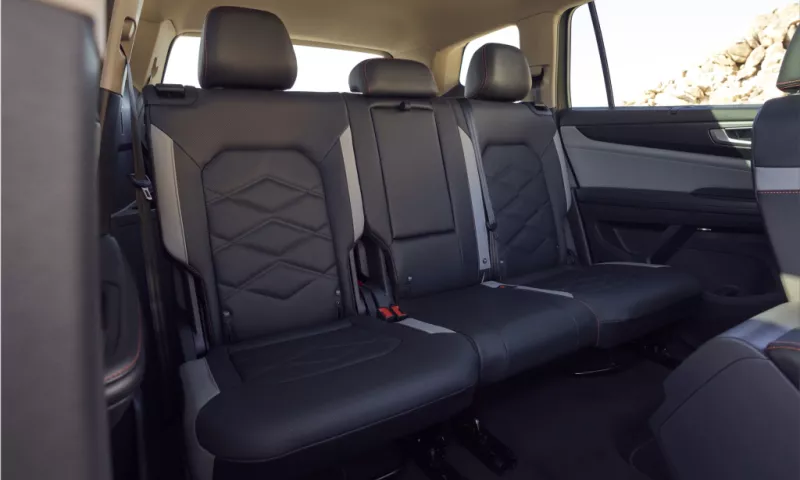
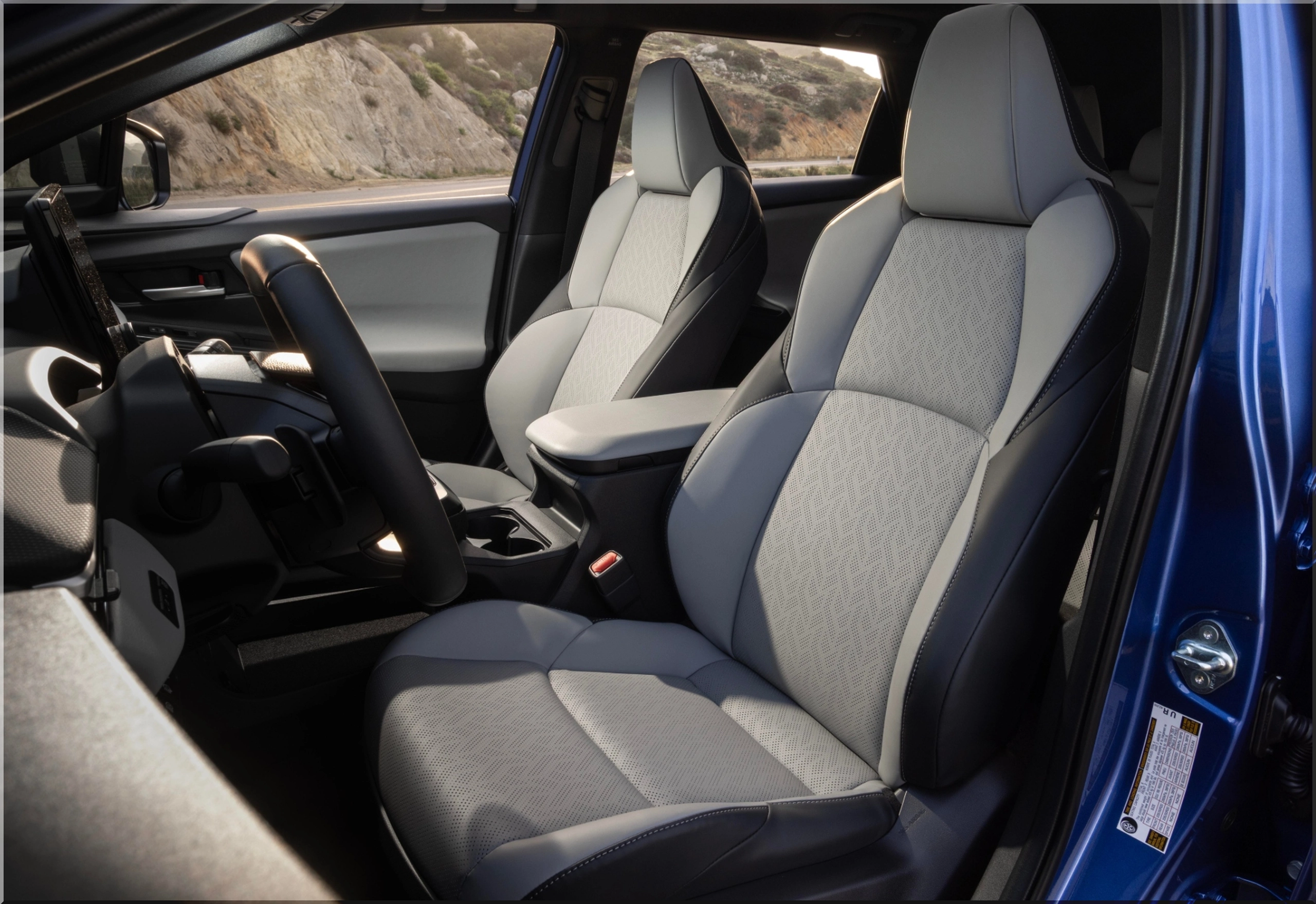
The flat rear floor helps three passengers share the second row, though 35.3 inches of rear legroom trails several larger family SUVs. Neither vehicle offers a front trunk. Subaru provides a 75-inch cargo floor with the rear seatbacks lowered, but they do not create a level sleeping platform.
Subaru's raised rails support up to 700 pounds while parked. Drivers still need to obey the far lower moving-load limit in the owner's manual. Toyota includes roof rails but does not quote the same 700-pound static figure.
Cabin Technology Shares Strengths and Weak Spots
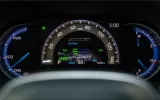
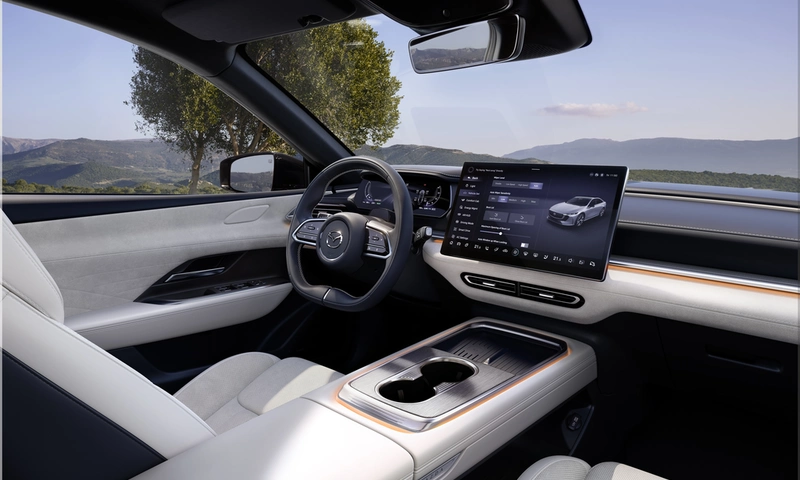
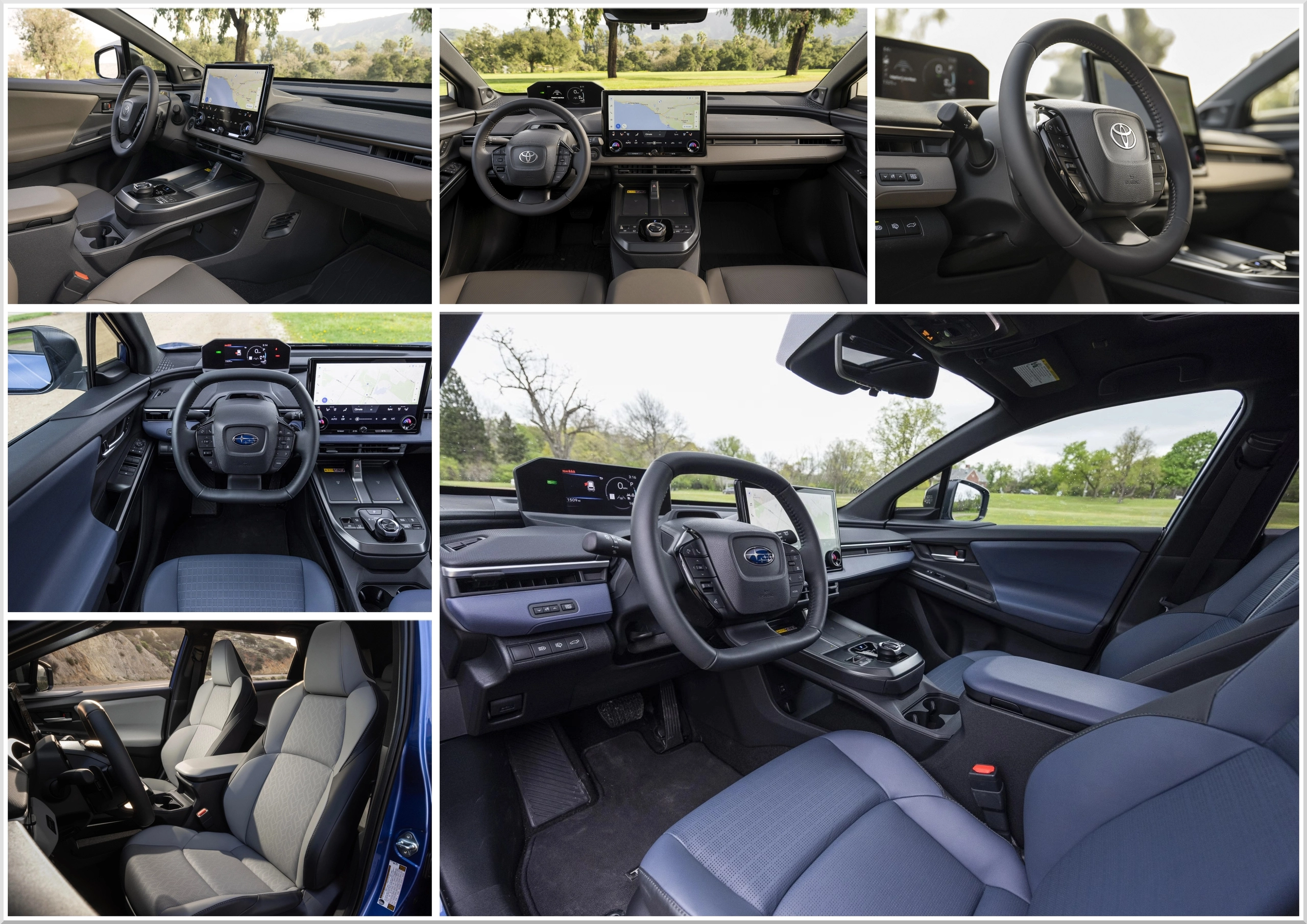
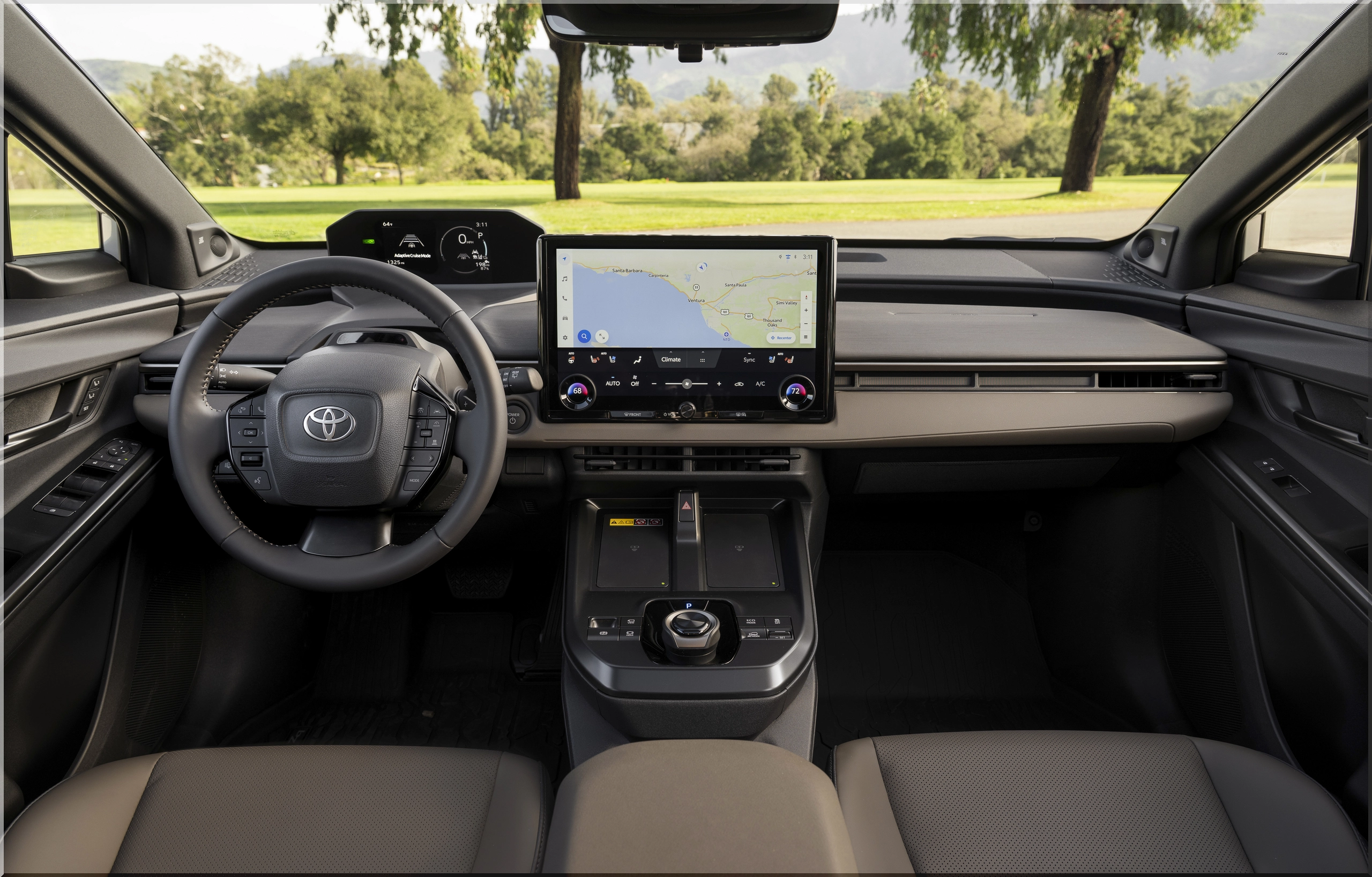
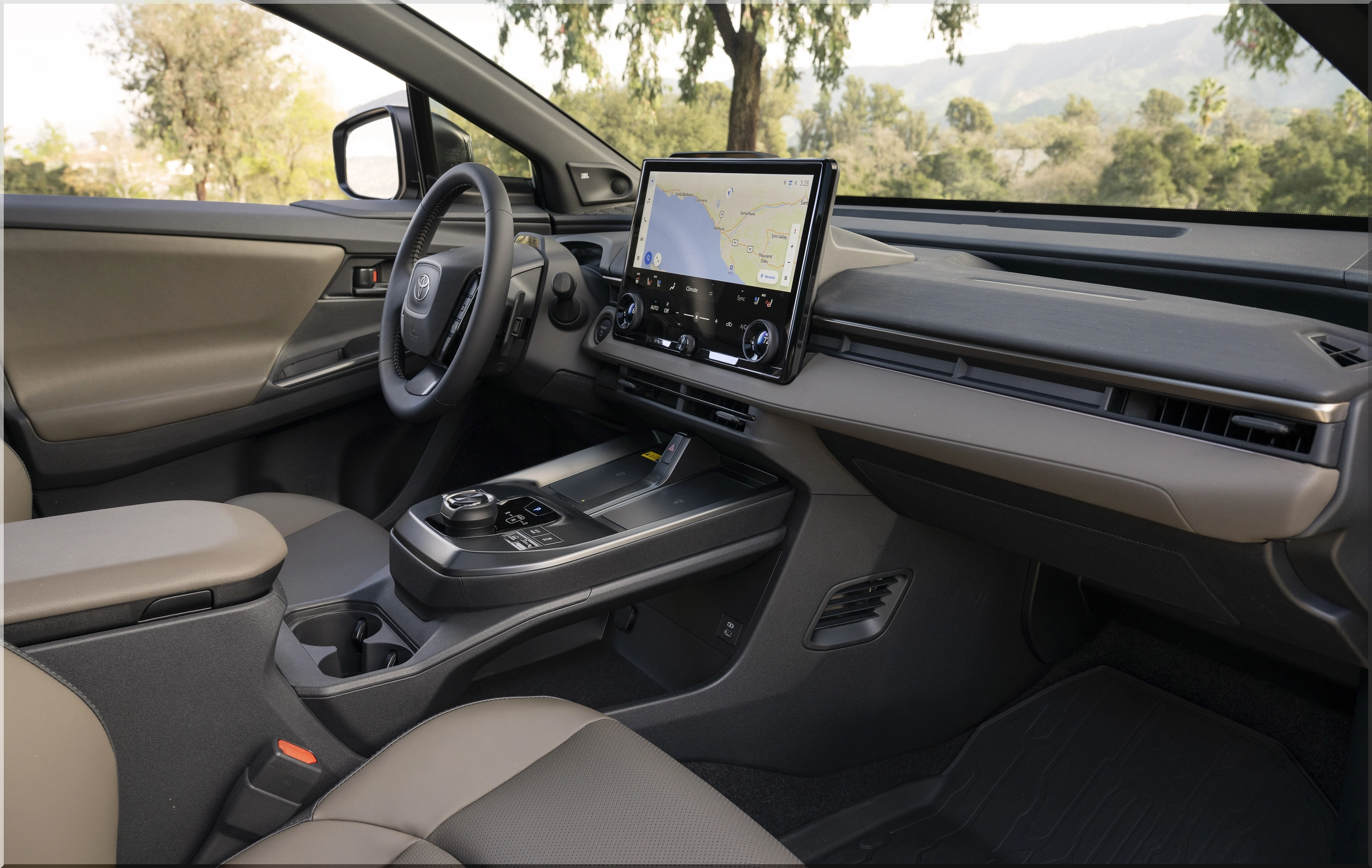
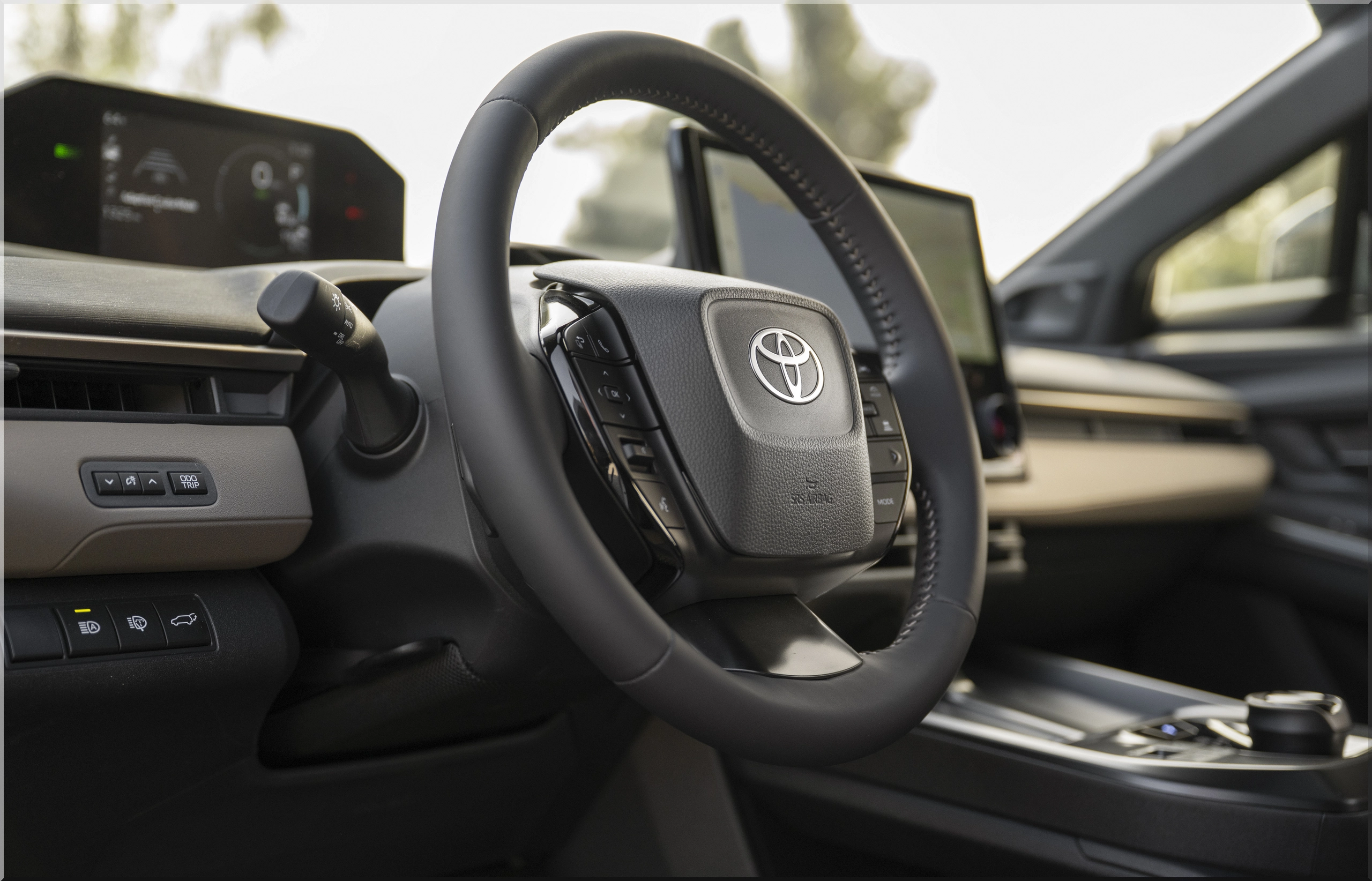
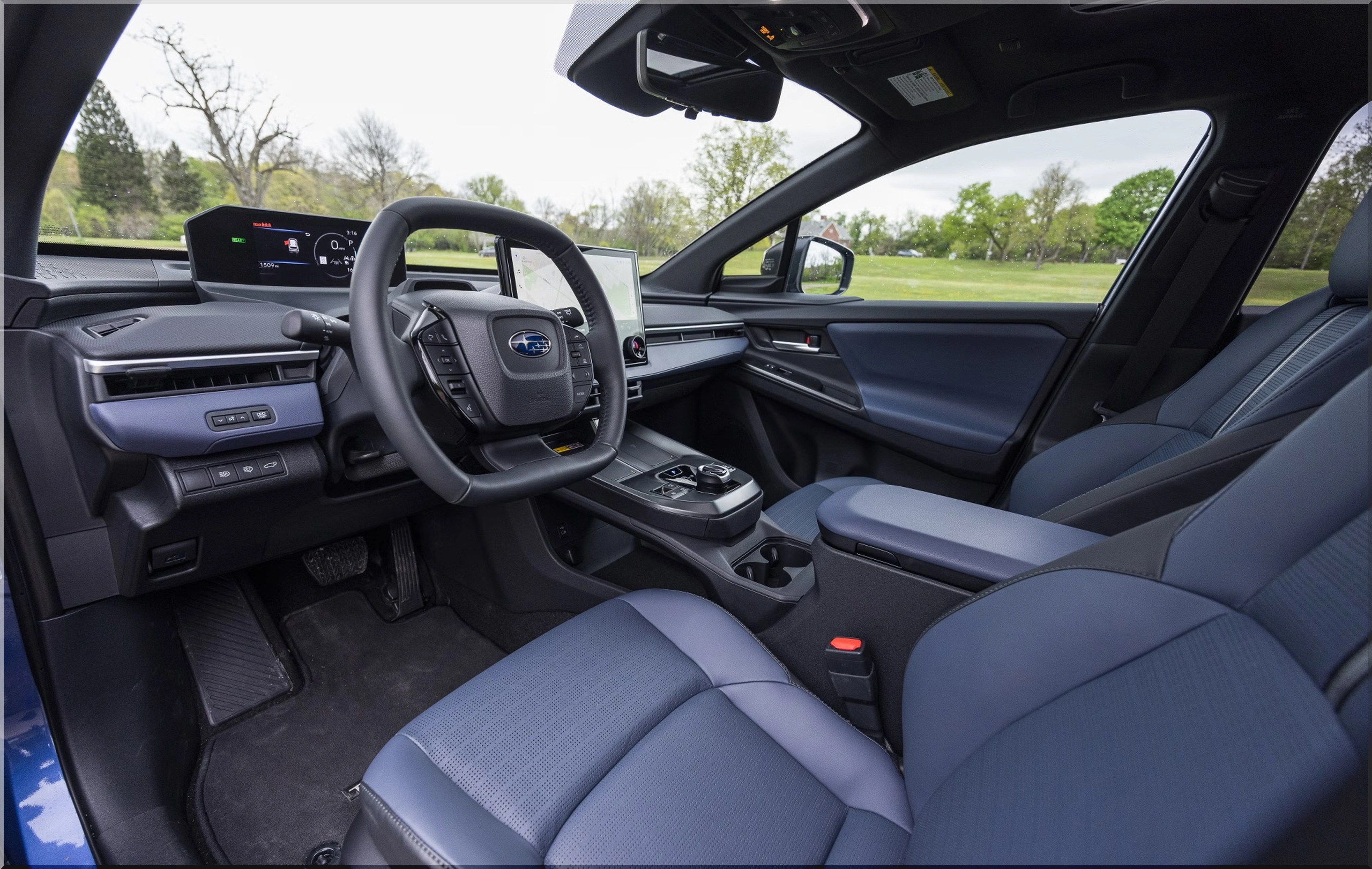
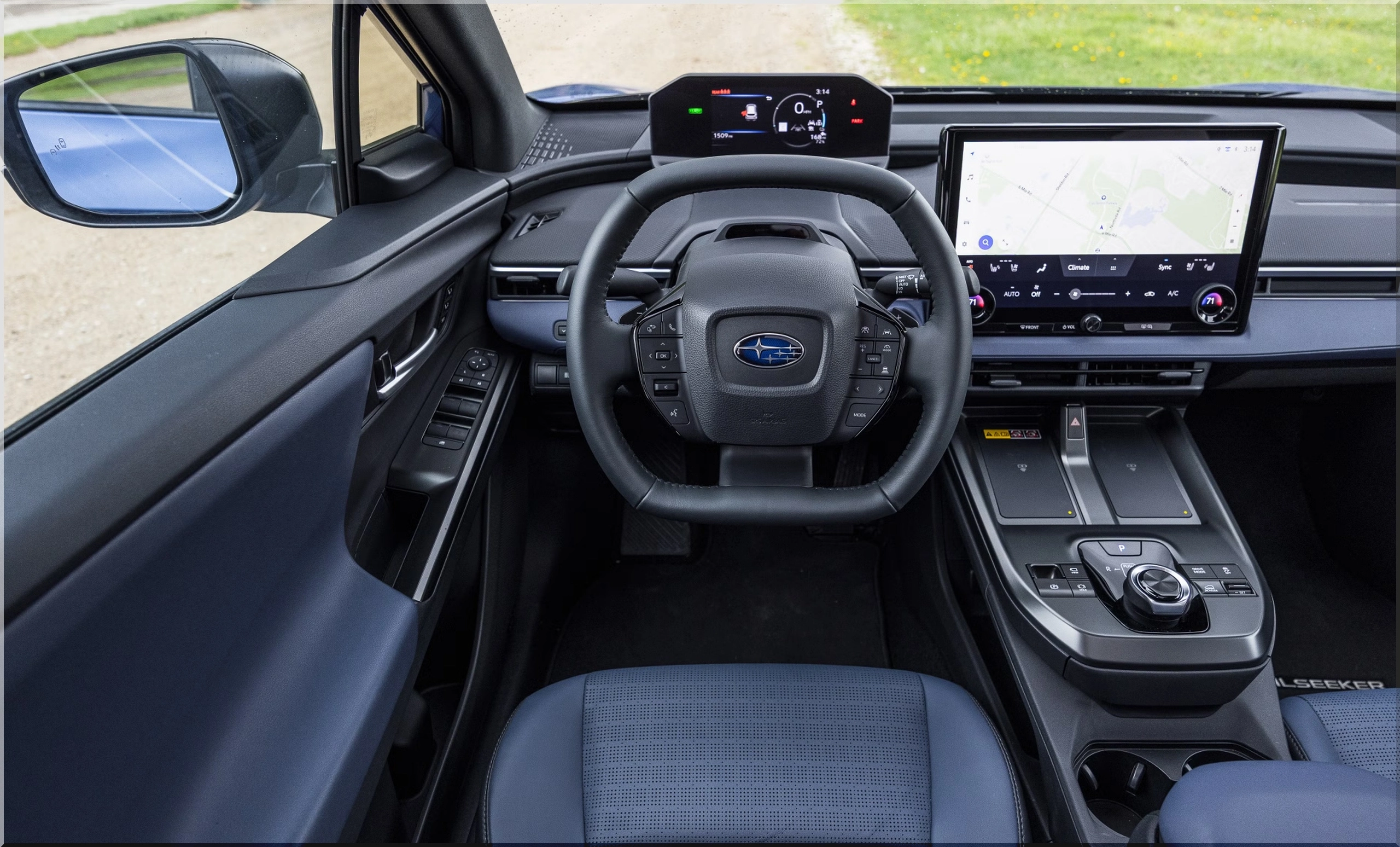
Both cabins pair a 14-inch touchscreen with a 7-inch driver display, wireless Apple CarPlay and Android Auto, two wireless phone pads, and physical climate controls. Toyota uses Safety Sense 3.0. Subaru uses EyeSight plus a driver-monitor camera and subscription-based, low-speed Traffic Jam Assist.
Neither twin provides true one-pedal driving. Steering-wheel paddles adjust regeneration, but the strongest setting still asks the driver to press the brake for a complete stop. In addition, road-test feedback flags weak automatic charging-route planning, so owners may rely on phone-based mapping for longer trips.
Toyota gives both grades a panoramic surround-view system with a Multi-Terrain Monitor. Subaru moves its 360-degree camera, upgraded audio, rear-seat heat, heated steering wheel, and cargo outlet to Limited. That equipment strategy explains some of Toyota's base premium, though it does not erase the full $5,505 gap.
Why This Matters to You
The 2027 Subaru Trailseeker EV makes the sharper financial case because it sells shared Toyota-developed hardware for less. The Premium trim protects range and keeps the delivered price near $41,500. The Limited trim lands closest to the Toyota base model's equipment and still saves $1,505.
The 2027 Toyota bZ Woodland suits a narrower buyer: someone who wants richer standard cold-weather features, Toyota's surround-view trail camera, slightly larger cargo volume, and access to a preferred Toyota dealer. Its Premium trim feels difficult to defend against Subaru Touring without a better local incentive or trade offer.
From an expert perspective, Trailseeker Premium wins this comparison. Buy the Toyota only when its standard equipment, dealer support, or transaction price closes the gap for your household. The shared battery, motors, range, charging speed, acceleration, and towing capacity give the more affordable Subaru the decisive advantage.
- Add new comment
- 69 views