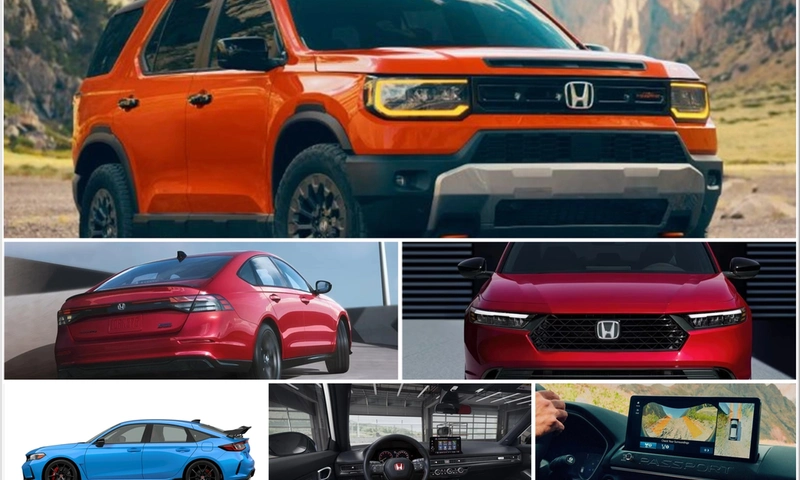
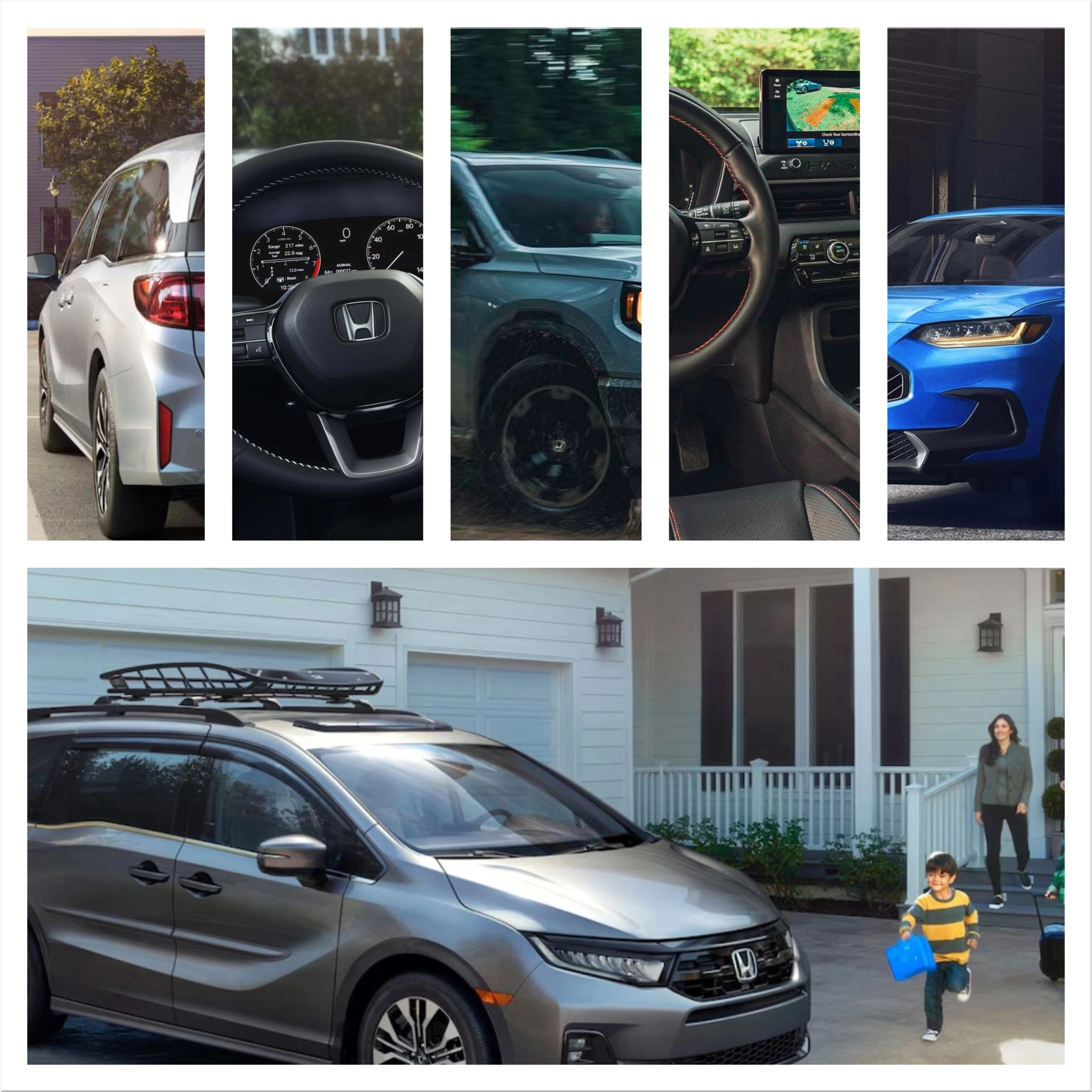
The annual 2026 Parents.com Best Family Cars Awards recently concluded, and the results position Honda as the primary leader in the family transportation sector. Honda secured five distinct honors across four vehicle models, representing the highest number of awards for any single brand this year. Specifically, the 2026 Honda Accord, Honda HR-V, Honda Passport, and Honda Odyssey each received top marks in their respective segments. Experts evaluated a field of over 150 vehicles, including cars, trucks, and SUVs, to determine which models provide the most effective combination of safety, utility, and mechanical reliability.
Rigorous Evaluation Standards and Testing Criteria
The selection process involves a comprehensive assessment of automotive engineering and real-world family application. A panel of automotive experts spent the entire year test-driving candidates to analyze specific performance metrics. Looking at the data, the evaluation prioritized rear-seat accessibility, third-row comfort, and the integration of family-oriented technology. Experts focused heavily on the LATCH system configurations and the physical effort required to install various car seat types.
Safety remains the foundational metric for these awards. Every winning vehicle must offer advanced standard safety equipment and driver-assistance technologies. Specifically, the panel reviewed powertrains, braking efficiency, and the intuitive nature of cockpit conveniences. Consequently, the awards reflect a holistic view of how a vehicle performs during the daily logistics of family life.
2026 Honda HR-V: Best Compact SUV and Best Value
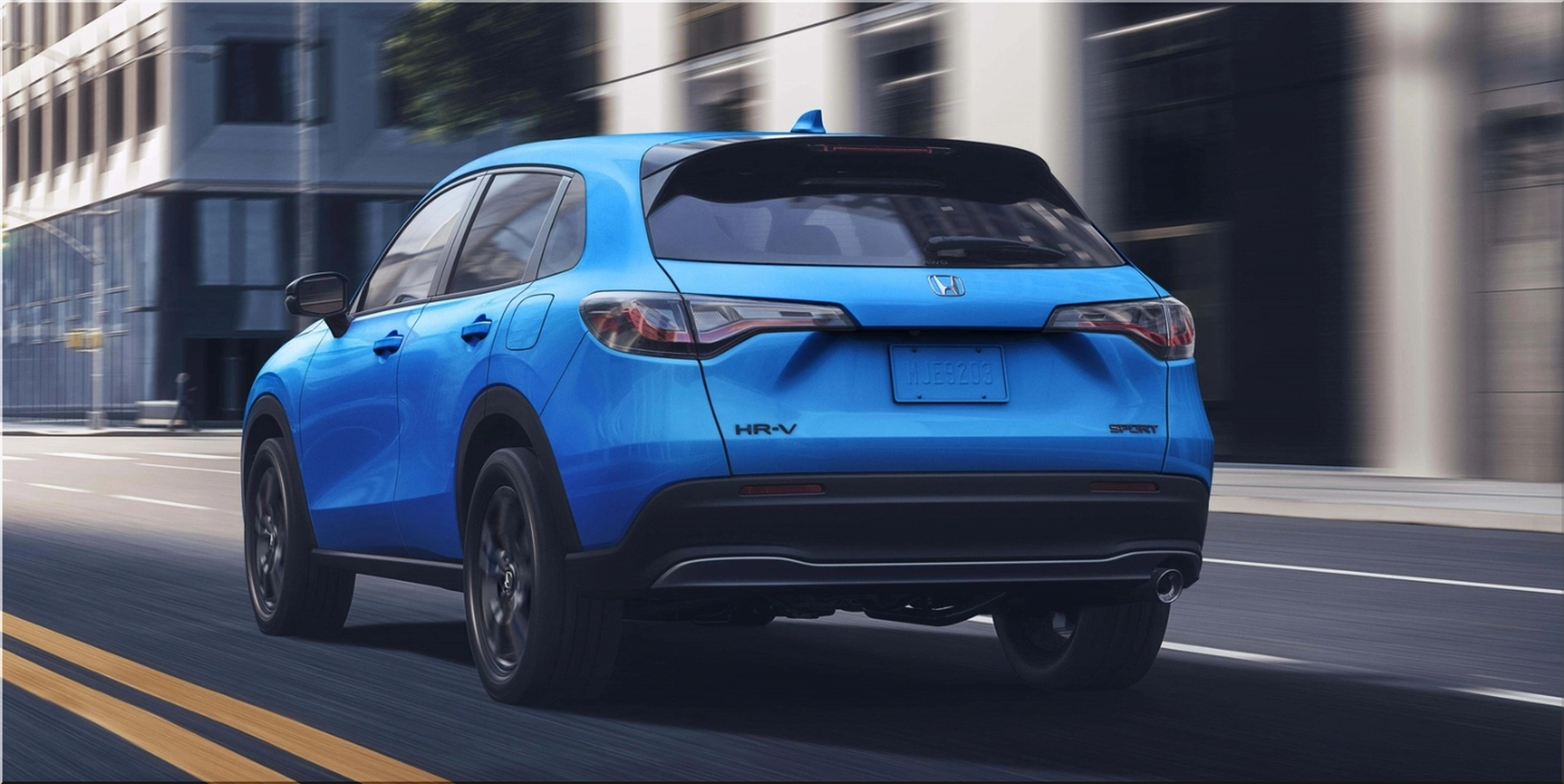
The 2026 Honda HR-V achieved a dual victory, earning the titles of Best Compact SUV for Families and Best Value SUV for Families. This subcompact crossover utilizes a 2.0-liter four-cylinder engine that produces 158 horsepower and 138 lb-ft of torque. In addition, the HR-V features an independent rear suspension that improves handling stability compared to torsion-beam alternatives found in some competitors. The engineering logic behind this choice involves optimizing tire contact patches during cornering, which increases predictable behavior for the driver.
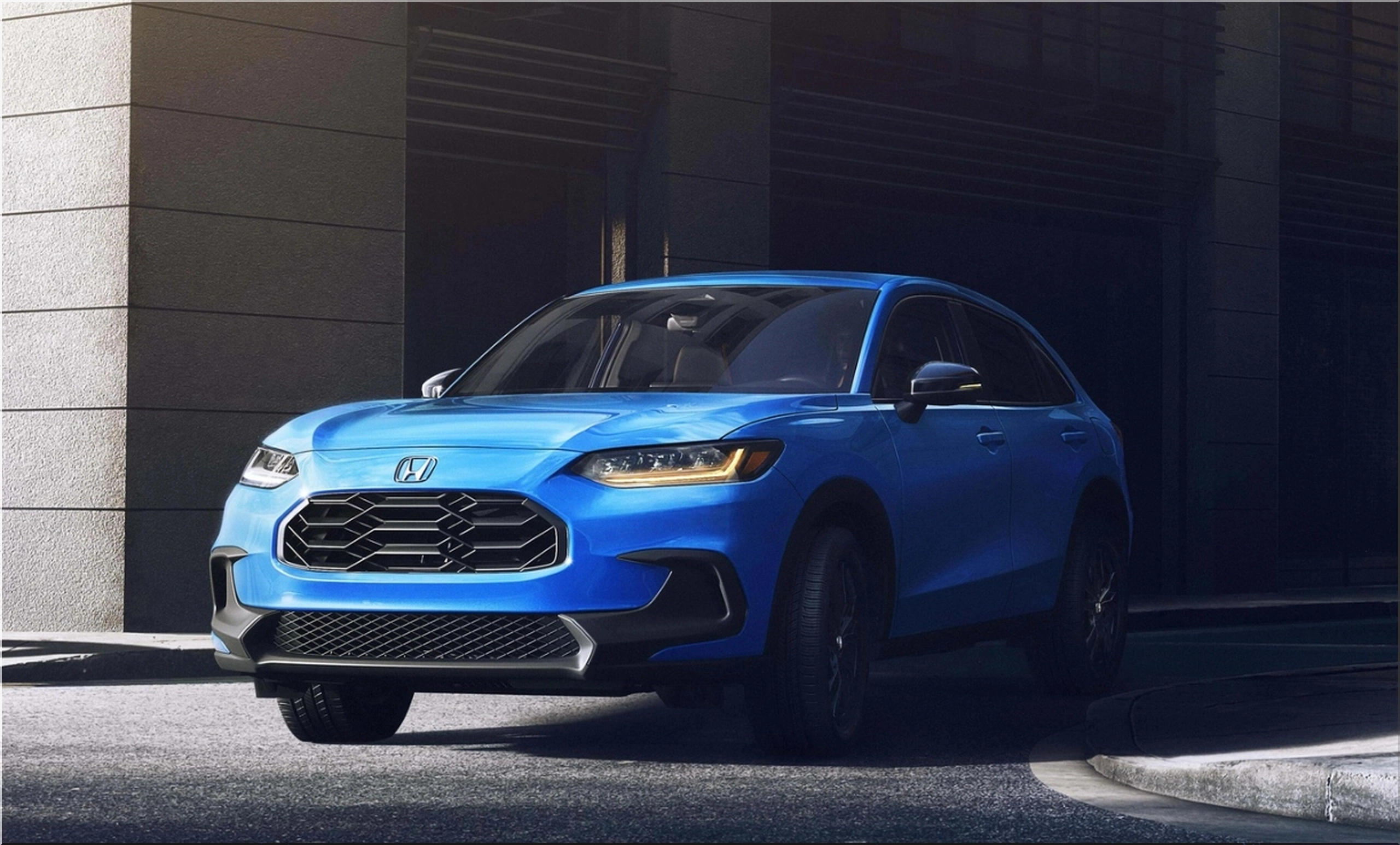
From an expert perspective, the cargo volume and interior packaging of the HR-V set it apart in the compact segment. It provides 24.4 cubic feet of space behind the second row, expanding to 55.1 cubic feet when the rear seats are folded flat. The low lift-over height simplifies the process of loading heavy strollers or groceries. The following table compares the HR-V against its primary market rivals.
Subcompact SUV Comparative Performance
| Feature | 2026 Honda HR-V | Toyota Corolla Cross | Subaru Crosstrek |
|---|---|---|---|
| Length (Inches) | 179.8 | 175.6 | 176.4 |
| Rear Legroom (Inches) | 37.7 | 32.0 | 36.5 |
| Max Cargo (Cu. Ft.) | 55.1 | 61.8 | 54.7 |
| Standard Safety | Honda Sensing | Toyota Safety Sense 3.0 | EyeSight |
| Drive Type | FWD / AWD | FWD / AWD | AWD Standard |
Looking at the data, the HR-V wins on rear-seat legroom, which is a critical factor for parents using rear-facing car seats. While the Toyota offers more raw cargo space, the Honda provides a more balanced interior environment for passengers.
2026 Honda Accord: The Standard for Family Sedans
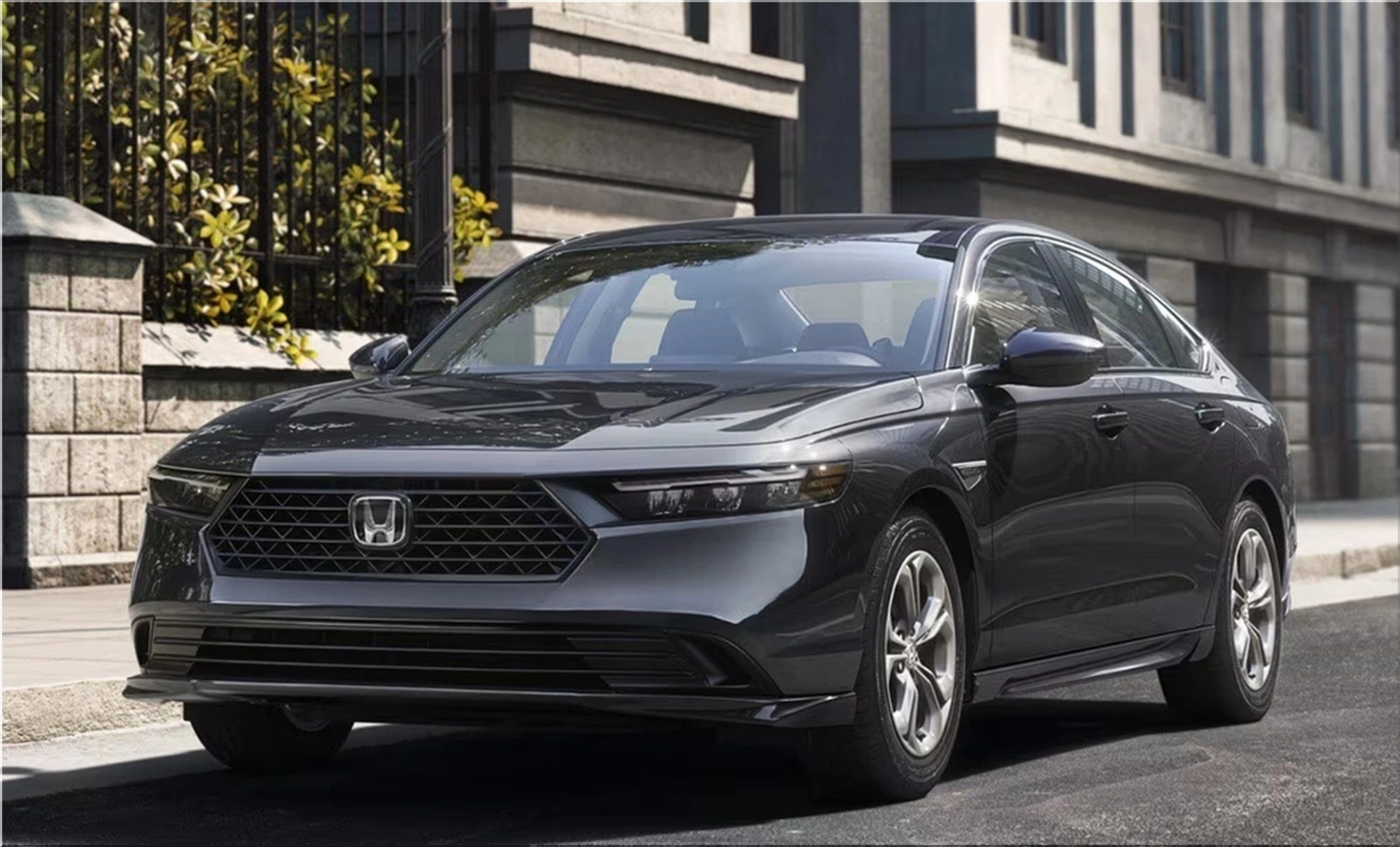
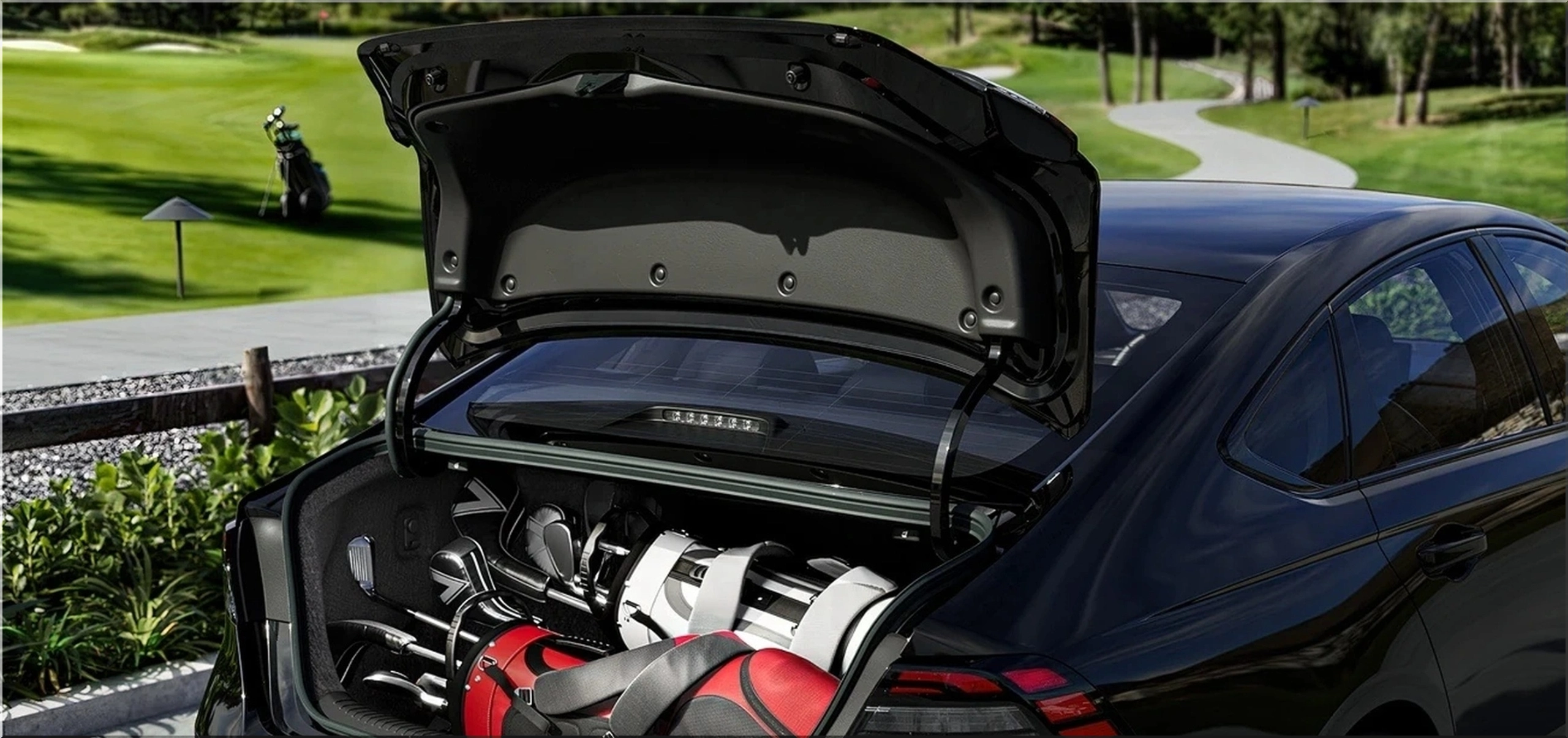
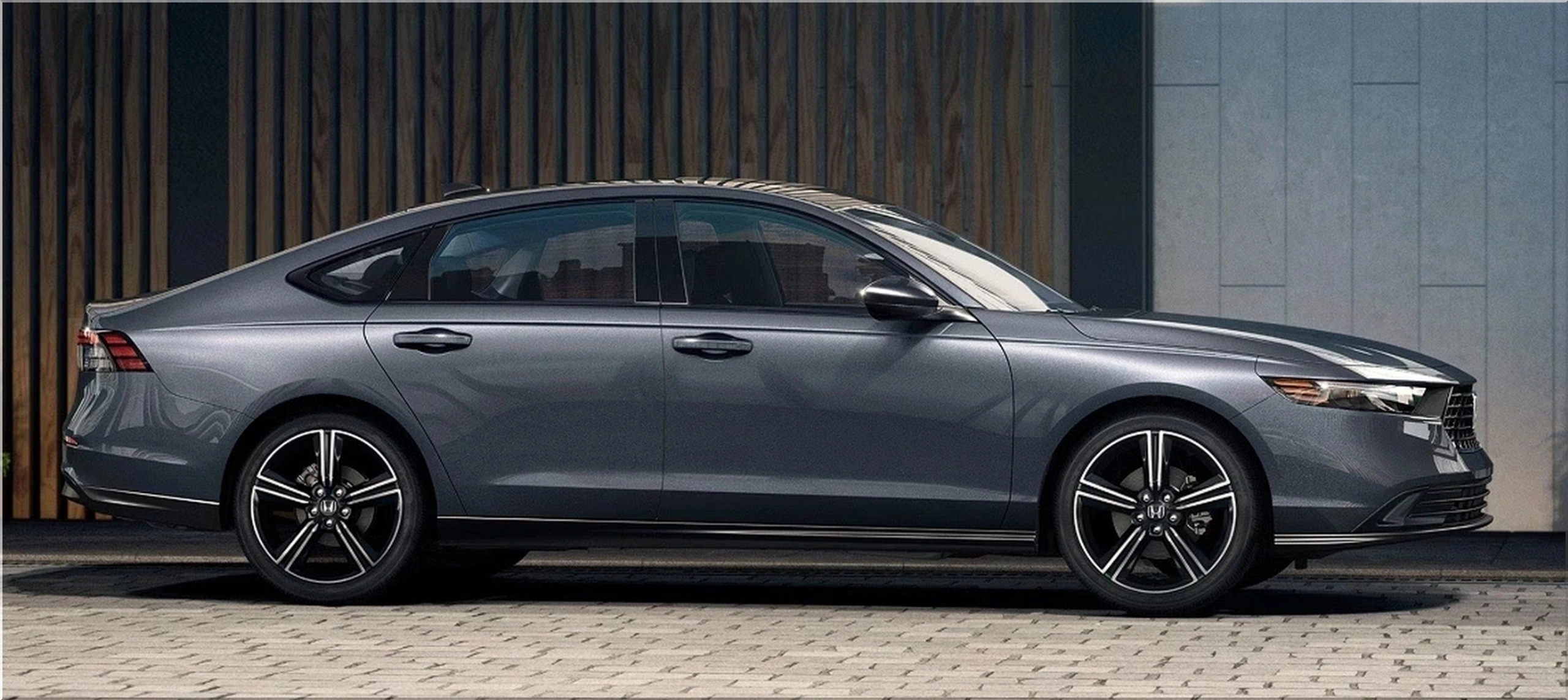
The 2026 Honda Accord earned the award for Best Family Sedan for Families, maintaining its long-standing reputation for interior efficiency. Honda engineers designed the Accord with a wheelbase of 111.4 inches, allowing for a massive 40.8 inches of rear legroom. This measurement exceeds that of many mid-size SUVs, providing ample space for growing teenagers or bulky child safety seats. Specifically, the available hybrid powertrain in the Accord uses a two-motor system paired with a 2.0-liter Atkinson-cycle engine to maximize fuel economy without sacrificing linear acceleration.
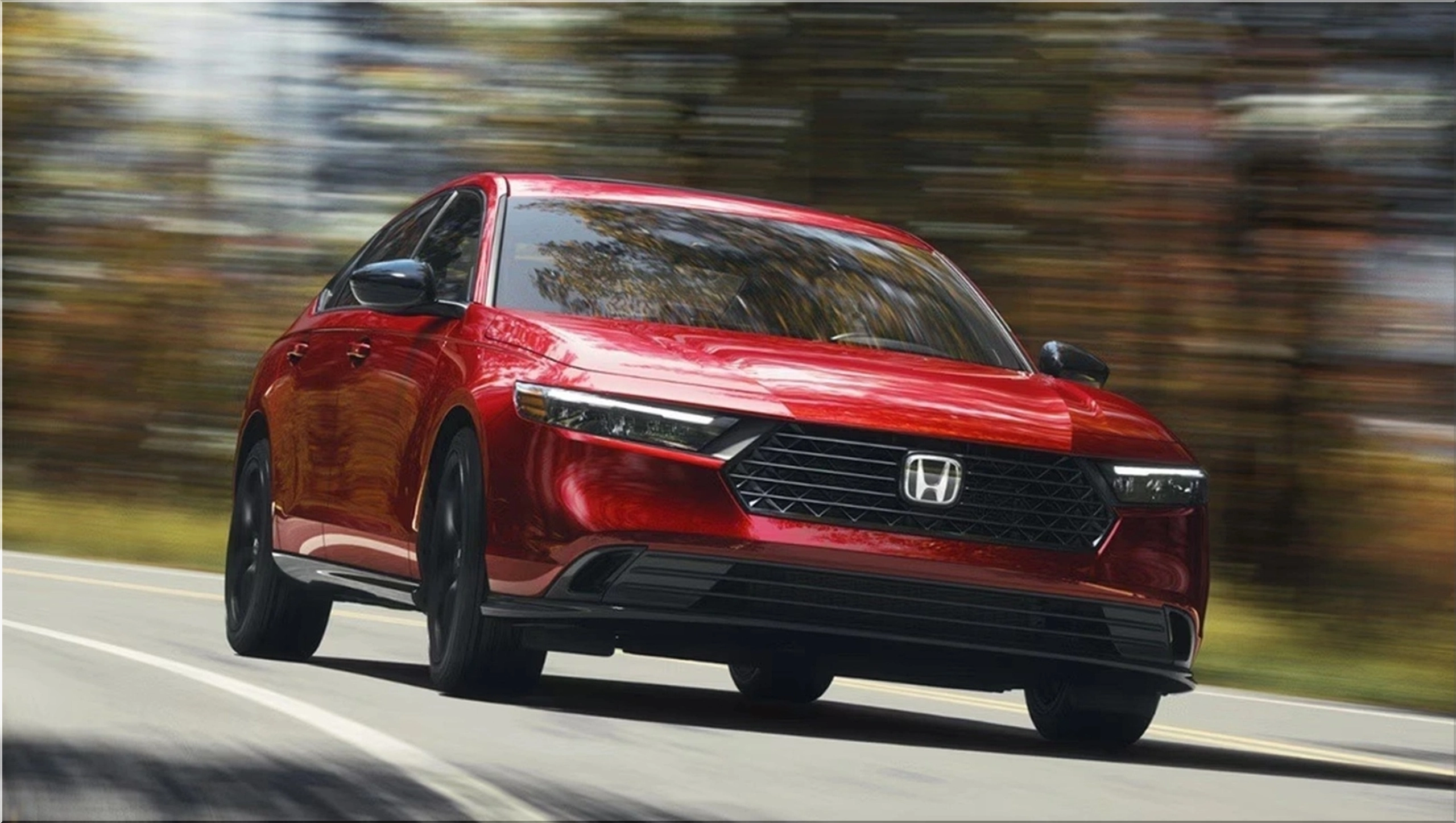
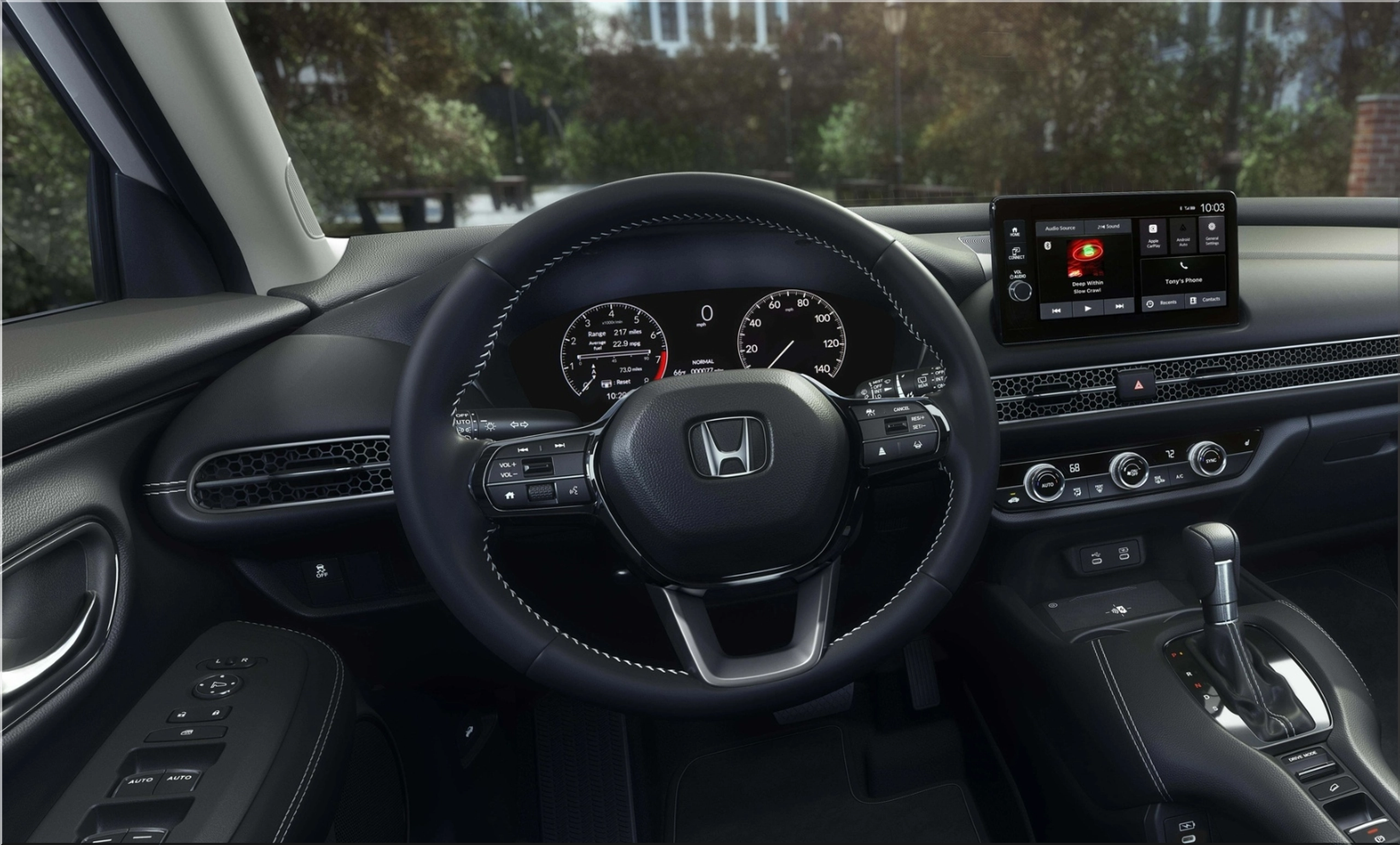
The strategic logic behind the Accord design emphasizes visibility and structural integrity. Honda utilizes its Advanced Compatibility Engineering (ACE) body structure, which employs a network of front-frame structures to absorb and deflect energy during a frontal collision. In addition, the sedan includes a standard 12.3-inch color touchscreen in higher trims that simplifies the interface for navigation and media. Consequently, drivers spend less time looking away from the road, improving overall safety outcomes.
2026 Honda Passport: Mid-Size Utility and Performance
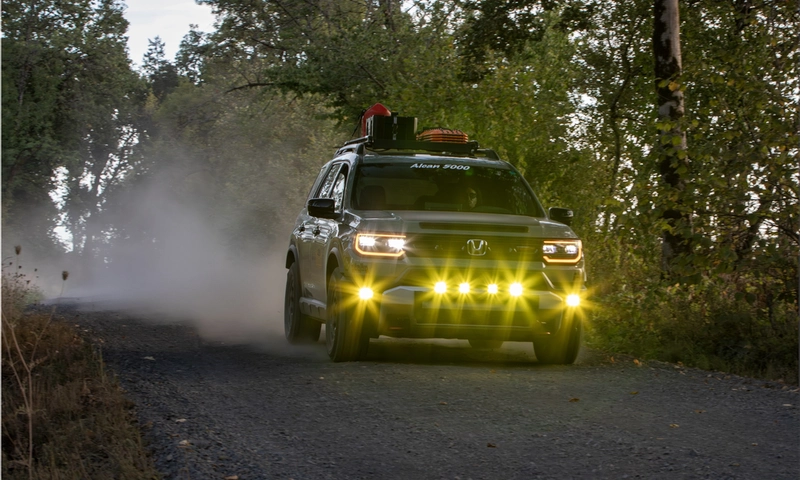
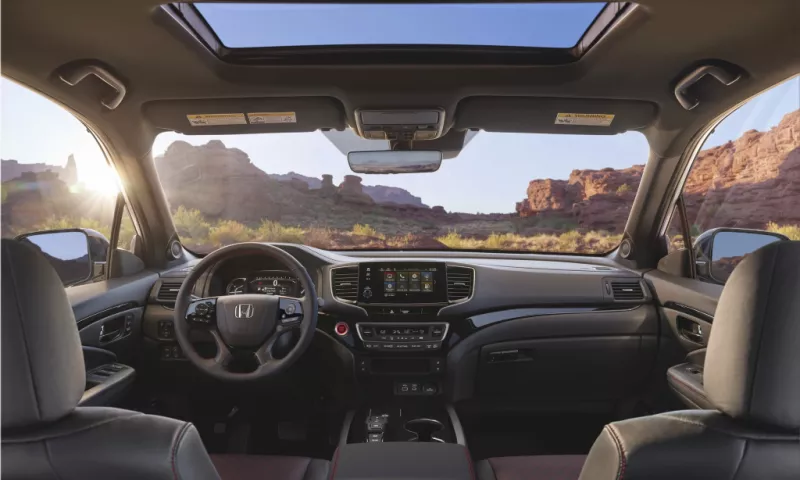
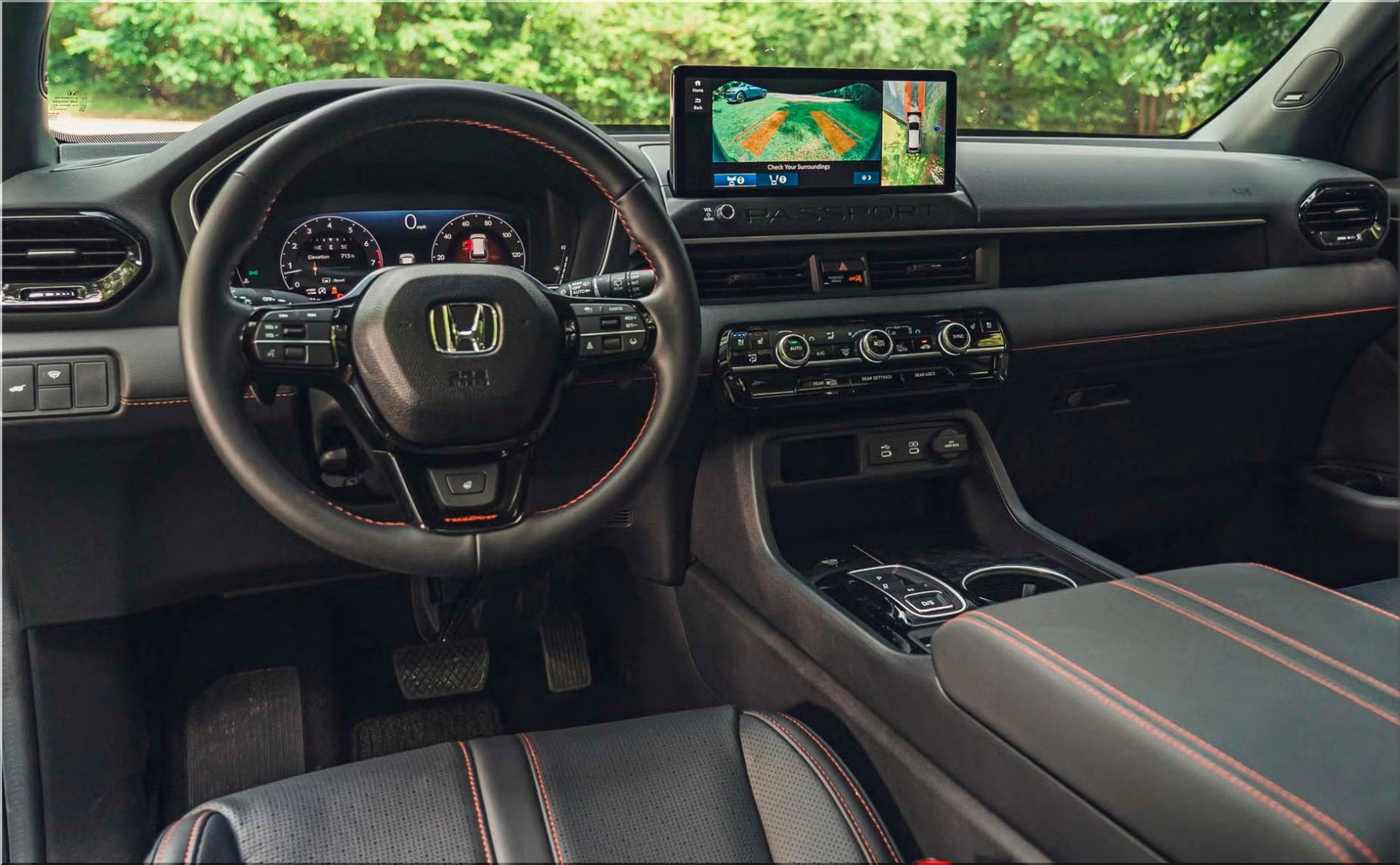
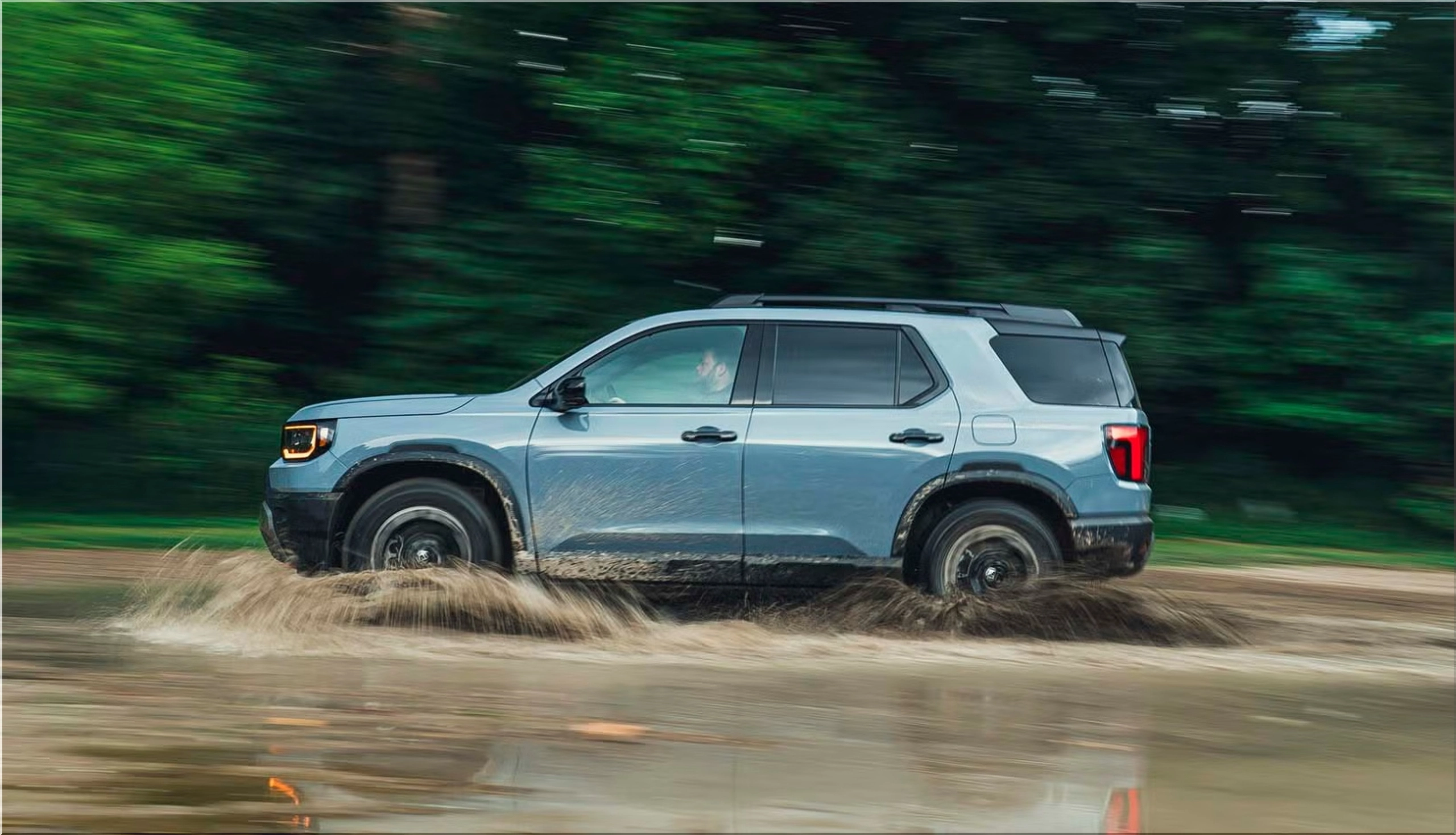
The 2026 Honda Passport secured the title of Best Mid-Size 5-Passenger SUV for Families. This model targets families who require more capability than a compact crossover but do not need a third row of seating. It features a 3.5-liter V6 engine generating 280 horsepower and 262 lb-ft of torque. This powertrain allows for a towing capacity of up to 5,000 pounds when properly equipped.
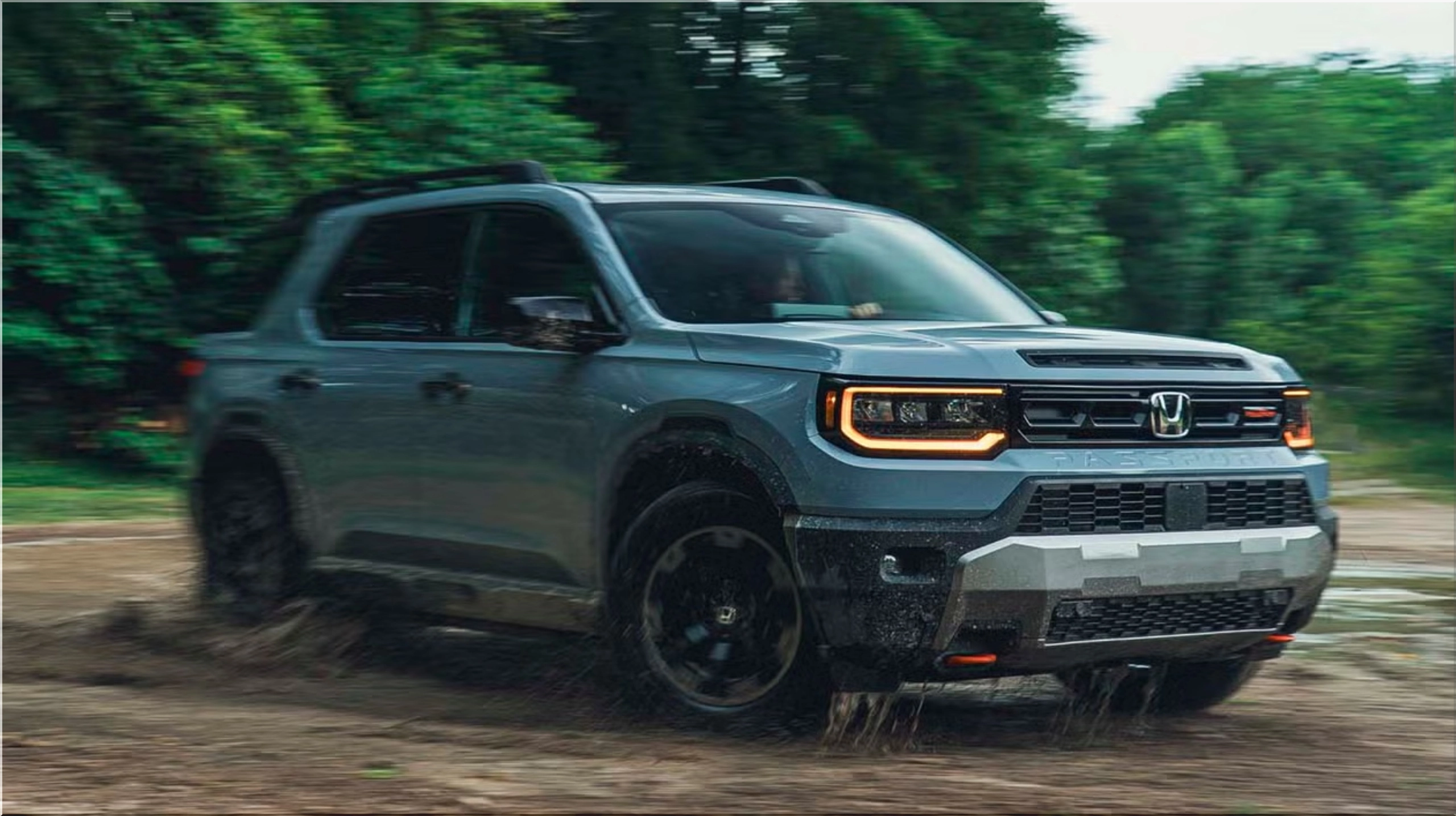
By comparison, the Passport offers 41.2 cubic feet of cargo space behind the second row, which is significantly more than most competitors in the mid-size segment. The TrailSport trim level introduces off-road tuned suspension and all-terrain tires for families who frequent unpaved environments. The mechanical advantage here lies in the i-VTM4 torque-vectoring all-wheel-drive system, which can send up to 70% of the engine's torque to the rear wheels and distribute 100% of that torque to either the left or right wheel.
2026 Honda Odyssey: The Ultimate Family Minivan
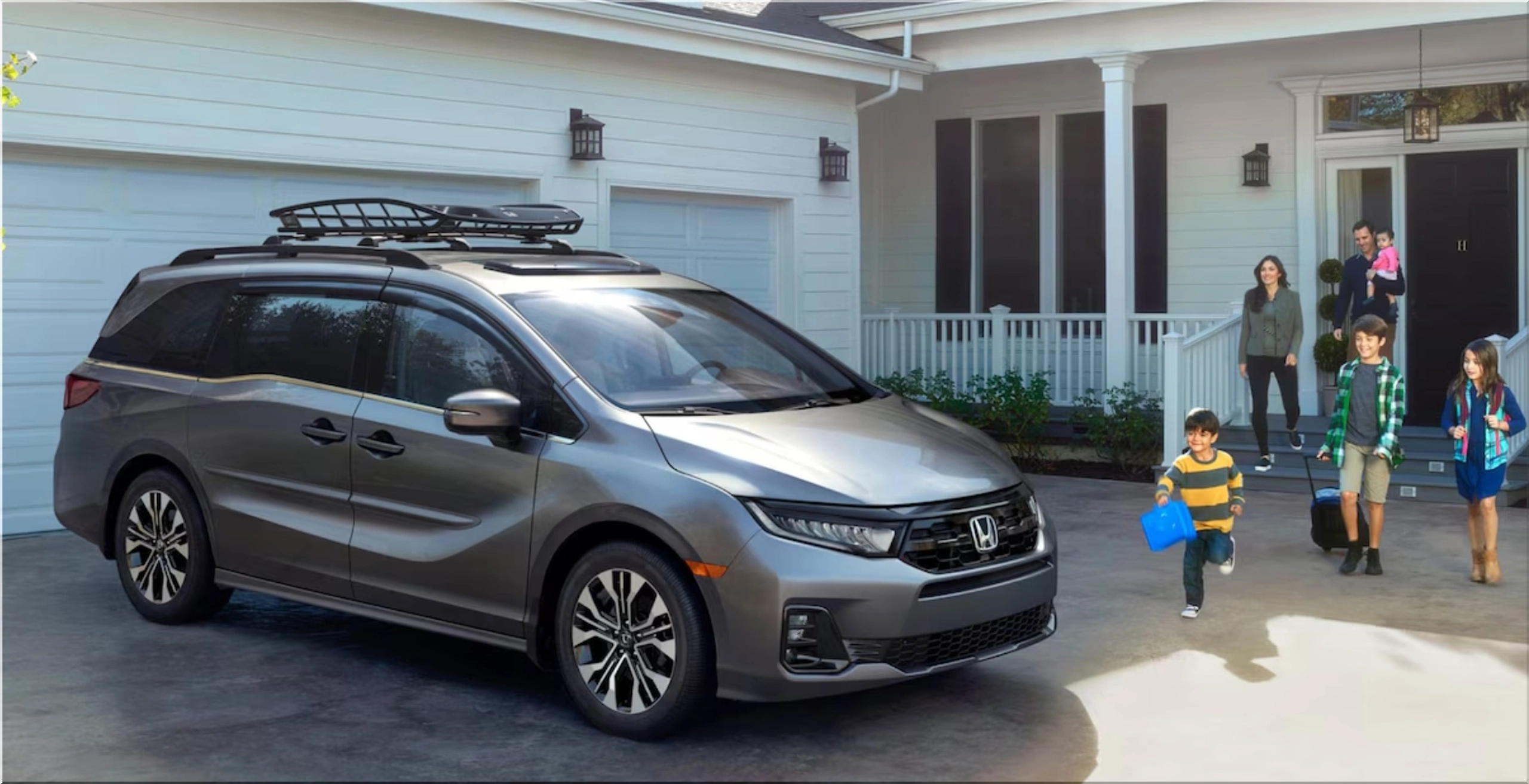
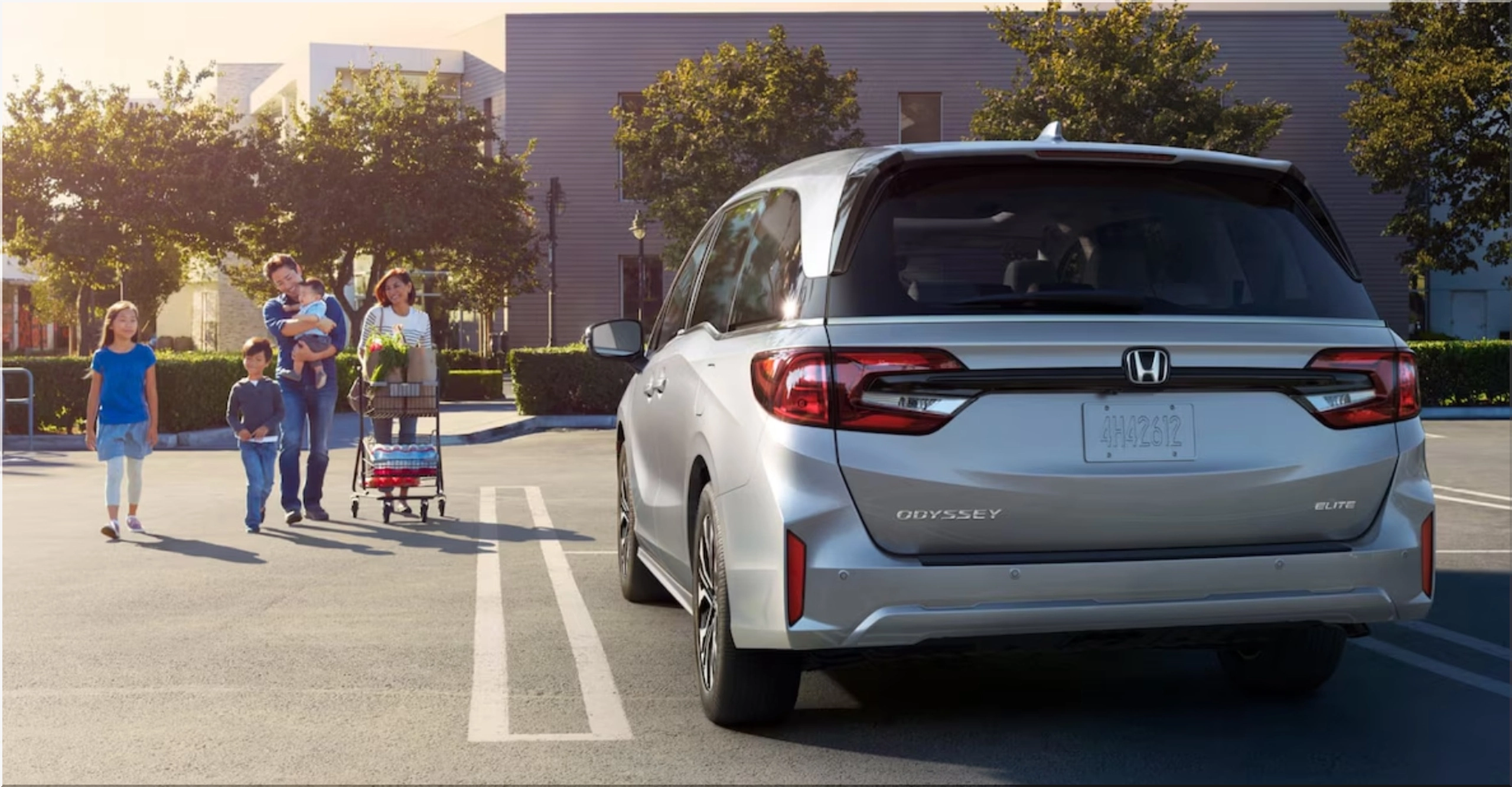
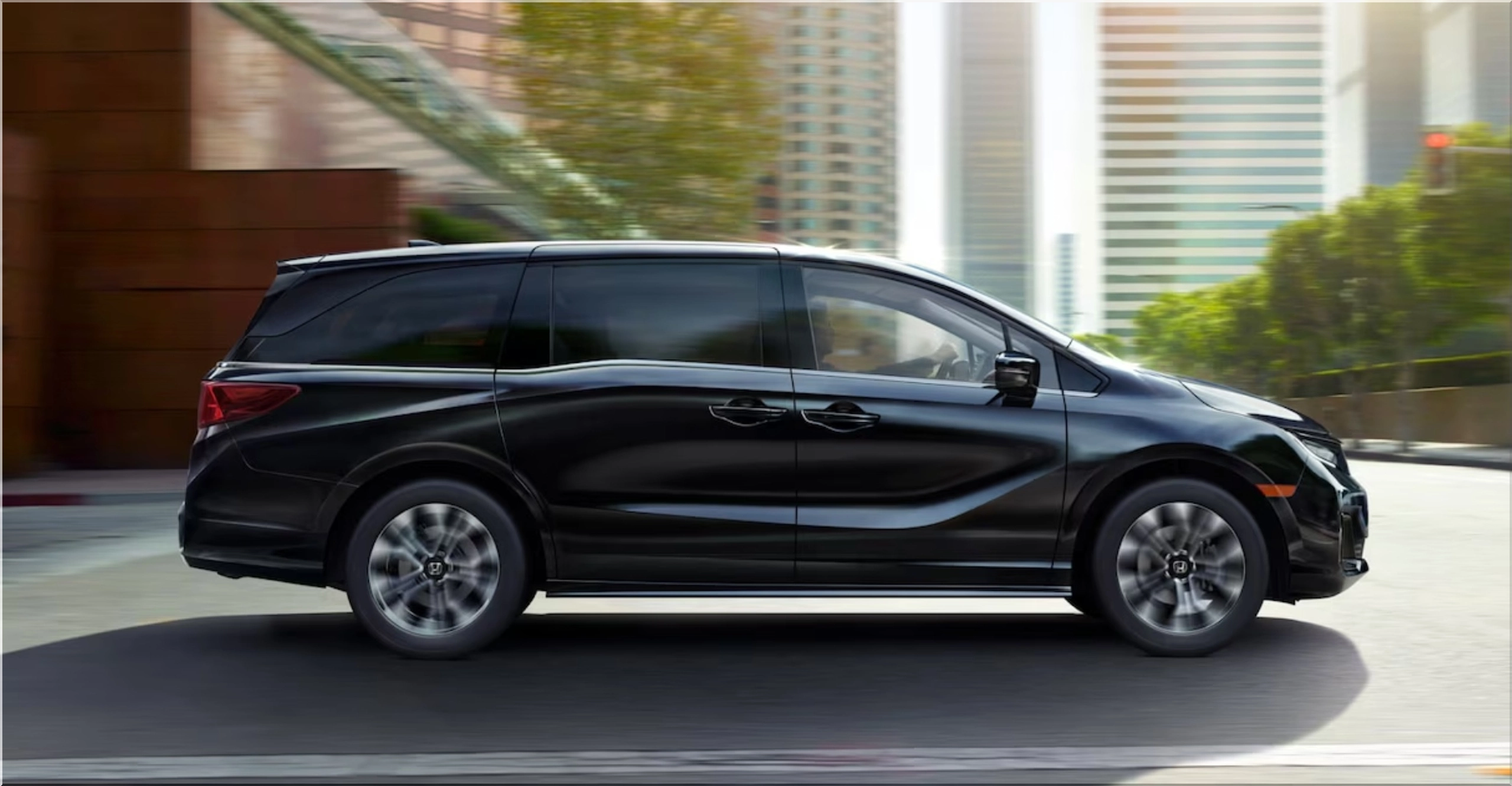
The 2026 Honda Odyssey remains the Best 3-Row Minivan for Families, a position it has held frequently over the last two decades. The Odyssey is engineered with Magic Slide second-row seats that allow for multiple configurations, including moving the seats laterally to create easier access to the third row. Specifically, the interior provides 163.6 cubic feet of total cargo volume when the second and third rows are stowed.
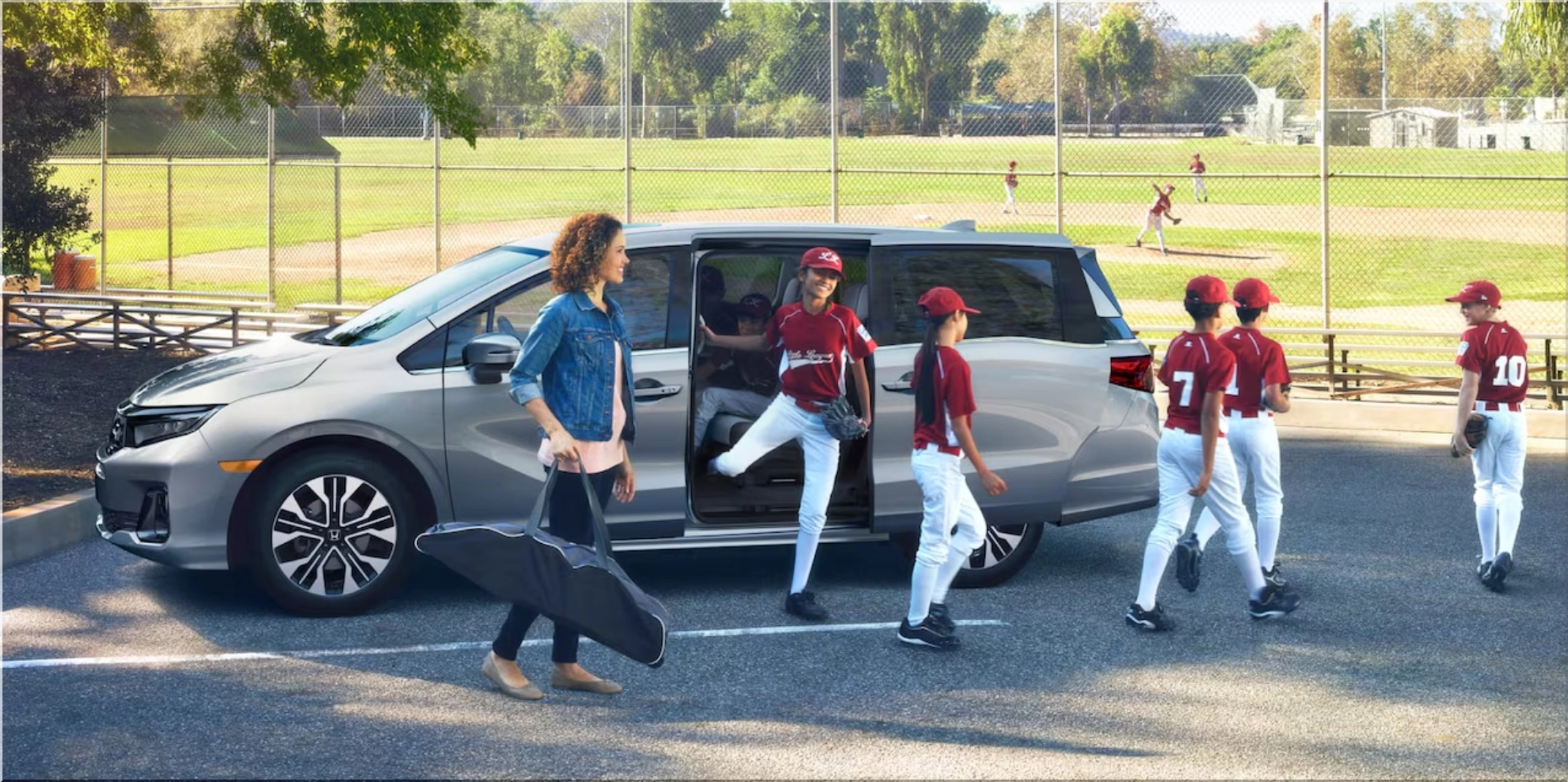
In addition, the Odyssey includes integrated family tech like CabinWatch and CabinTalk. These systems allow the driver to monitor and communicate with rear passengers through the infotainment system and speakers. From an expert perspective, the inclusion of multiple LATCH systems (up to five depending on the trim) makes the Odyssey the most versatile vehicle for large families with multiple young children.
Minivan Market Comparison
| Metric | 2026 Honda Odyssey | Toyota Sienna | Kia Carnival |
|---|---|---|---|
| Engine | 3.5L V6 | 2.5L Hybrid | 3.5L V6 |
| Horsepower | 280 | 245 | 287 |
| Cargo (Behind 3rd Row) | 32.8 cu. ft. | 33.5 cu. ft. | 40.2 cu. ft. |
| Removable 2nd Row | Yes | No | Yes |
| Transmission | 10-Speed Automatic | eCVT | 8-Speed Automatic |
The Odyssey wins on flexibility due to its removable second-row seats and the sophisticated 10-speed automatic transmission that provides smoother shifts than the Sienna hybrid eCVT.
Manufacturing Excellence and Market Strategy
Honda has secured 69 Parents.com awards since the program began in 2002. This consistency stems from a focused manufacturing strategy in North America. In 2025, approximately 99% of all Honda vehicles sold in the U.S. were produced in North America, with 60% made specifically in American facilities. This localized production allows Honda to react quickly to the specific preferences of the American family market.
In addition, the brand is shifting toward a more electrified future. The electrified vehicle lineup accounted for nearly one-third of total Honda sales in 2025. This includes the all-electric Prologue SUV and hybrid versions of the Accord, CR-V, and Civic. Consequently, Honda is successfully integrating fuel efficiency with the traditional utility required by family buyers.
Honda Odyssey vs. Honda Passport: Tactical Cargo and Utility Analysis
Choosing between the 2026 Honda Odyssey and the 2026 Honda Passport requires a calculated evaluation of volumetric efficiency against terrain capability. While both vehicles earned top honors in the 2026 Parents.com Best Family Cars Awards, they serve distinct operational roles for family logistics. Specifically, the Odyssey prioritizes maximum interior volume and passenger flexibility, while the Passport focuses on rugged utility and high-torque towing. From an expert perspective, the decision hinges on the specific frequency of hauling large items versus the need for off-pavement performance.
Volumetric Capacity: Minivan Efficiency vs. SUV Ruggedness
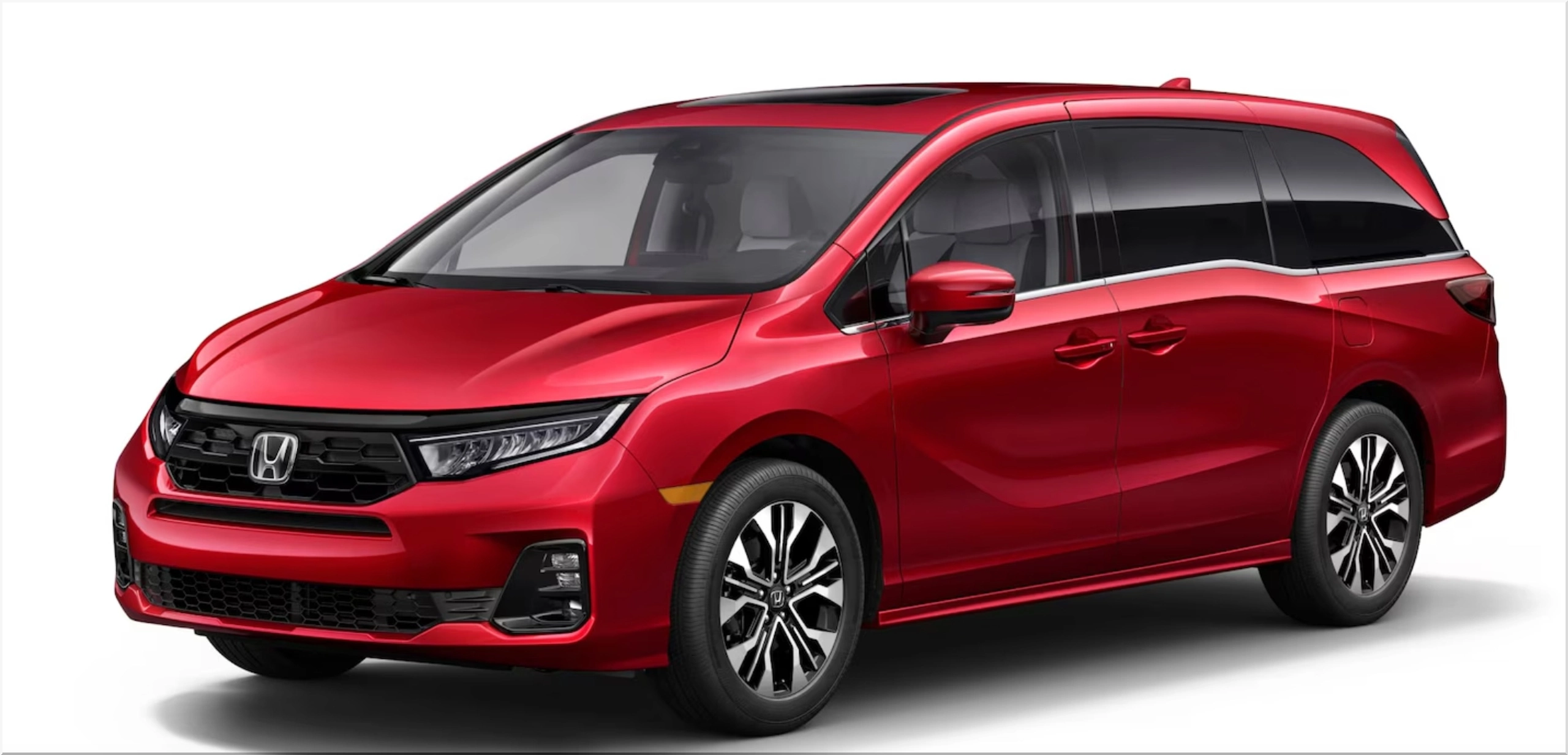
The 2026 Honda Odyssey utilizes a low-floor architecture that maximizes vertical cargo height. Looking at the data, the Odyssey provides a standard 32.8 cubic feet of space behind the third row, which expands to 155.8 cubic feet when you remove the second-row seats and stow the third row. This volume allows for the transport of full-size furniture or large-scale hardware store loads without difficulty. In addition, the Magic Slide second-row seats move laterally, allowing parents to optimize the floor space for wide objects even while children remain in their car seats.
By comparison, the 2026 Honda Passport employs a higher ground clearance of 8.3 inches, which inherently reduces its vertical cargo height relative to a minivan. However, the Passport provides 44 cubic feet of space behind its second row, offering superior utility for five-passenger families who do not need a third row. The rear cargo area includes a large under-floor storage compartment that keeps valuable gear or emergency kits out of sight. Consequently, the Passport functions as a specialized tool for adventure-focused utility rather than sheer volume.
2026 Honda Utility Specifications Comparison
| Metric | 2026 Honda Odyssey | 2026 Honda Passport |
|---|---|---|
| Seating Capacity | 8 Passengers | 5 Passengers |
| Cargo (Behind 1st Row) | 155.8 cu. ft. | 83.8 cu. ft. |
| Cargo (Behind 2nd Row) | 91.0 cu. ft. | 44.0 cu. ft. |
| Cargo (Behind 3rd Row) | 38.6 cu. ft. | N/A |
| Towing Capacity | 3,500 lbs. | 5,000 lbs. |
| Ground Clearance | 4.5 inches | 8.3 inches |
| Wheelbase | 118.1 inches | 113.6 inches |
Looking at the data, the Odyssey provides nearly double the maximum cargo volume of the Passport. However, the Passport maintains a clear advantage in towing capacity and ground clearance, making it the superior choice for families hauling boats or traversing unpaved roads.
Engineering Logic: Configuration and Mechanics
Honda engineers designed the Odyssey with a focus on ease of access. The sliding doors require only 4.5 inches of clearance to open fully, which simplifies the process of loading bulky cargo in tight parking spaces. Specifically, the one-motion 60/40 split 3rd-row Magic Seat stows directly into the floor, creating a flat loading surface in seconds. This mechanical simplicity reduces the physical effort required to transition the vehicle from a passenger hauler to a cargo van.
The Passport utilizes a different strategic logic centered on the i-VTM4 torque-vectoring AWD system. This hardware allows the Passport to maintain stability while carrying heavy loads over uneven terrain. In addition, the 2026 Passport features a reinforced roof rack system capable of supporting 165 pounds of dynamic load. From an expert perspective, the Passport's utility extends to its exterior, allowing families to move cargo that would not fit inside the cabin.
Detailed Dimension Analysis
| Measurement | 2026 Honda Odyssey | 2026 Honda Passport |
|---|---|---|
| Overall Length (Inches) | 205.2 | 191.5 |
| Maximum Width (Inches) | 78.5 | 79.4 |
| Turning Diameter (Feet) | 39.6 | 38.9 |
| Second-Row Legroom (Inches) | 40.9 | 40.9 |
| Standard Engine | 3.5L V6 (280 hp) | 3.5L V6 (285 hp) |
| Standard Transmission | 10-Speed Automatic | 10-Speed Automatic |
Specifically, the Passport is over 13 inches shorter than the Odyssey, which results in a tighter turning diameter and easier maneuverability in urban environments. While both vehicles share a 3.5-liter V6 engine, the Passport delivers a slightly higher 285 horsepower to compensate for the demands of off-road driving and higher towing loads.
Pro-Tips for Optimizing Honda Cargo Utility
- Utilize the Odyssey Bag Hooks: The Odyssey includes integrated hooks on the back of the third-row seats to prevent grocery bags from tipping over during transit.
- Leverage Passport Under-Floor Bins: Store your emergency roadside kit and jumper cables in the Passport's sub-trunk to keep the main floor clear for large items.
- Check Roof Rail Torque: If using the Passport's roof rack, verify that the crossbar bolts are tightened to factory specifications every 1,000 miles to prevent load shifting.
- Remove Odyssey Seats for Max Volume: For the highest volumetric capacity, physically remove the second-row seats rather than just sliding them forward; this unlocks the full 155.8 cubic feet.
Honda continues to dominate the family market by offering vehicles that solve specific engineering challenges. Whether you prioritize the massive internal volume of the Odyssey or the high-clearance capability of the Passport, both models provide the reliability and safety expected from the Parents.com award winners.
Pro-Tips for Family Car Buyers
- Test the LATCH anchors: Before finalizing a purchase, bring your specific car seat to the dealership to ensure the anchors are easily accessible and that the seat fits without obstructing the front passenger.
- Evaluate cargo depth: Look at the vertical height and width of the cargo opening rather than just the total cubic feet; a wide opening is more useful for double strollers.
- Verify tech interfaces: Ensure the infotainment system supports wireless smartphone integration to minimize cable clutter in the center console.
- Check the turning radius: For vehicles like the Passport and Odyssey, test the turning circle in a tight parking lot to ensure it meets your daily driving needs.
Honda continues to prioritize the mechanical and structural needs of families. By focusing on active safety, interior flexibility, and robust powertrains, the brand has maintained its position at the top of the Best Family Cars Awards. The 2026 wins for the Accord, HR-V, Passport, and Odyssey confirm that Honda remains a high-value choice for consumers prioritizing long-term reliability and family safety.
- Add new comment
- 112 views