Volvo XC60 Overtakes the Iconic 240 in Global Sales
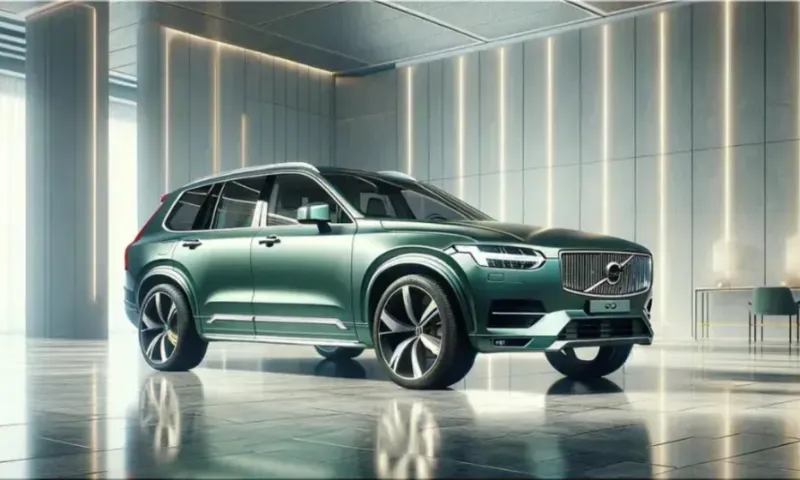
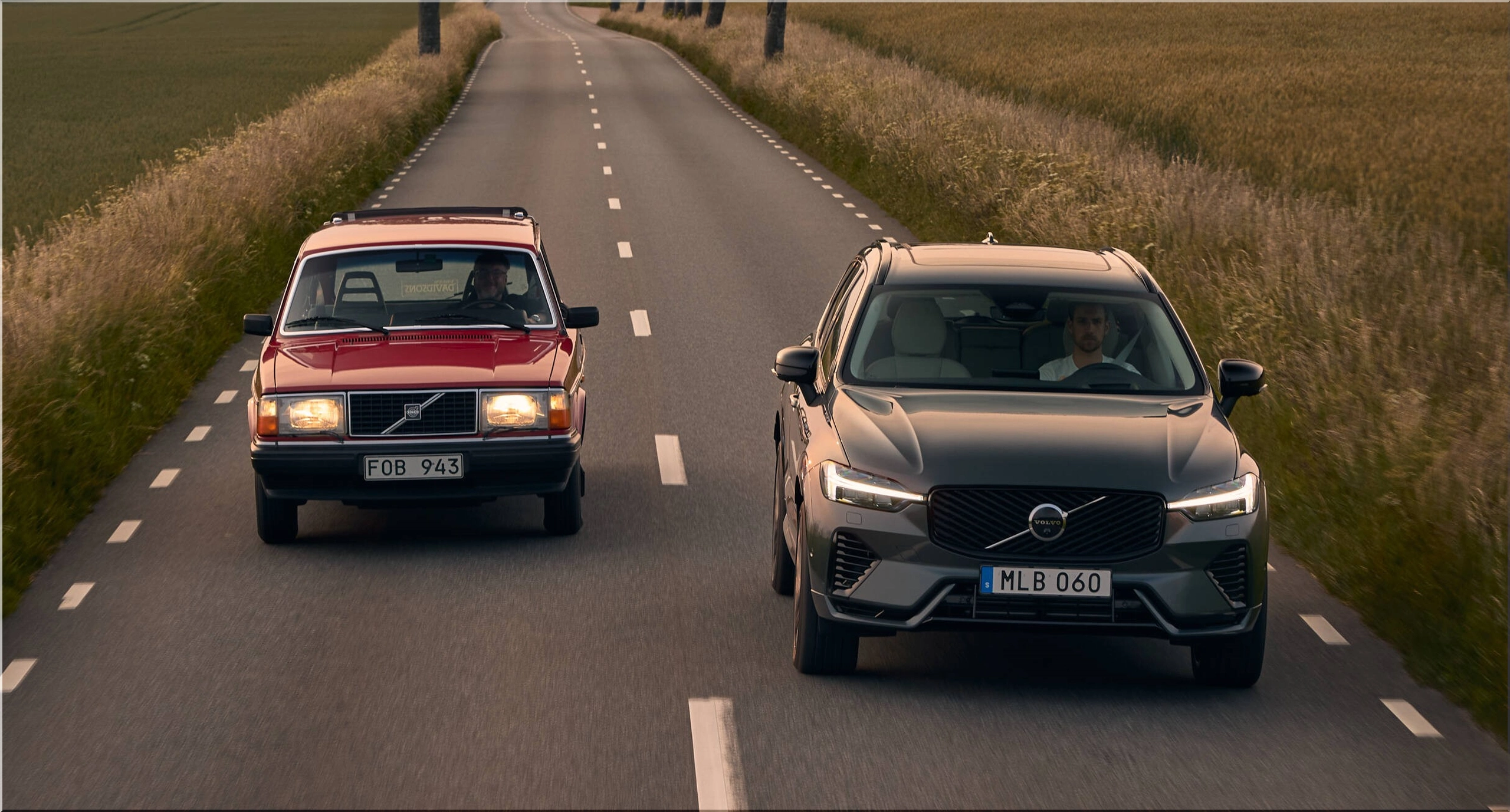
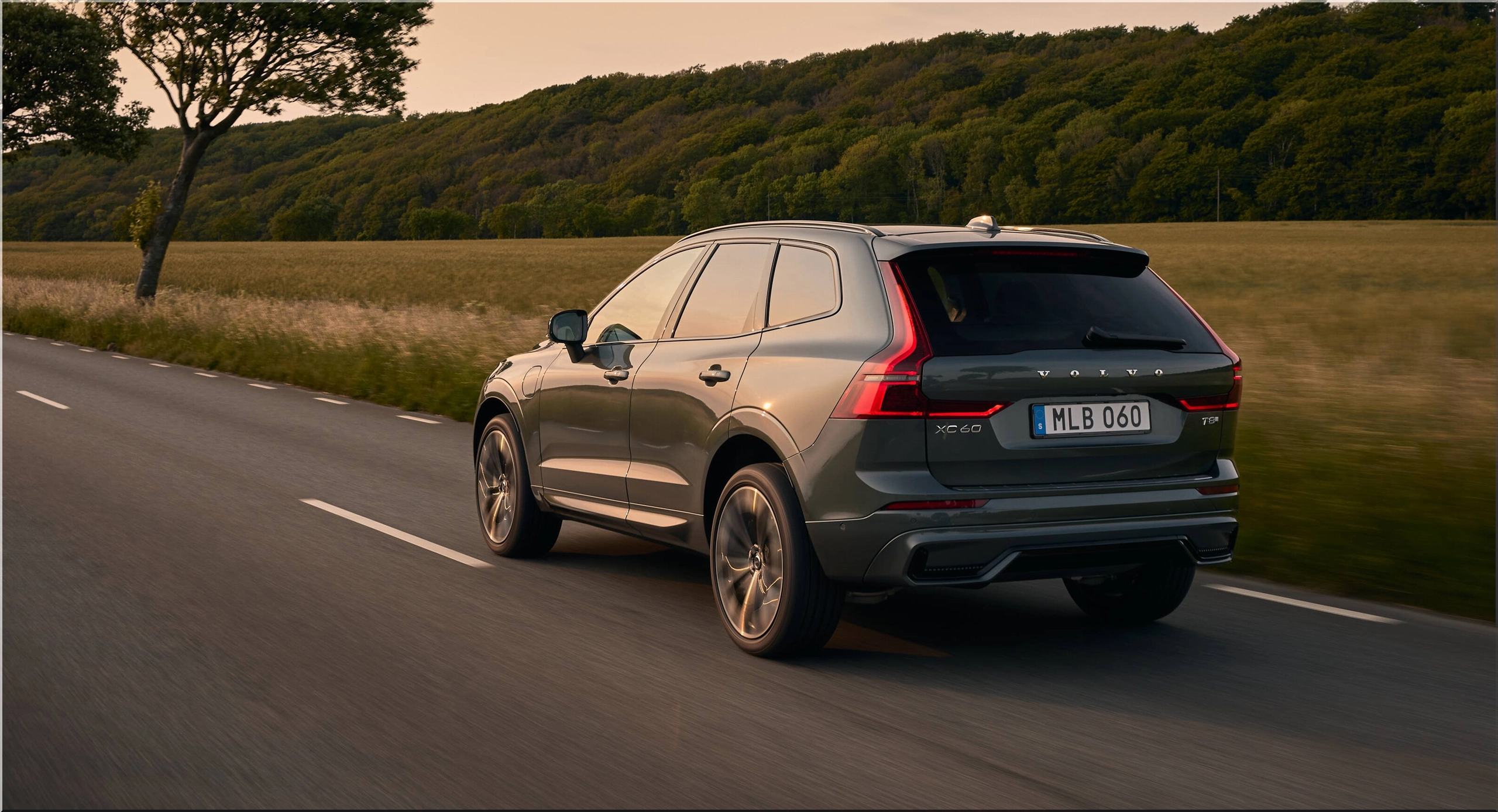
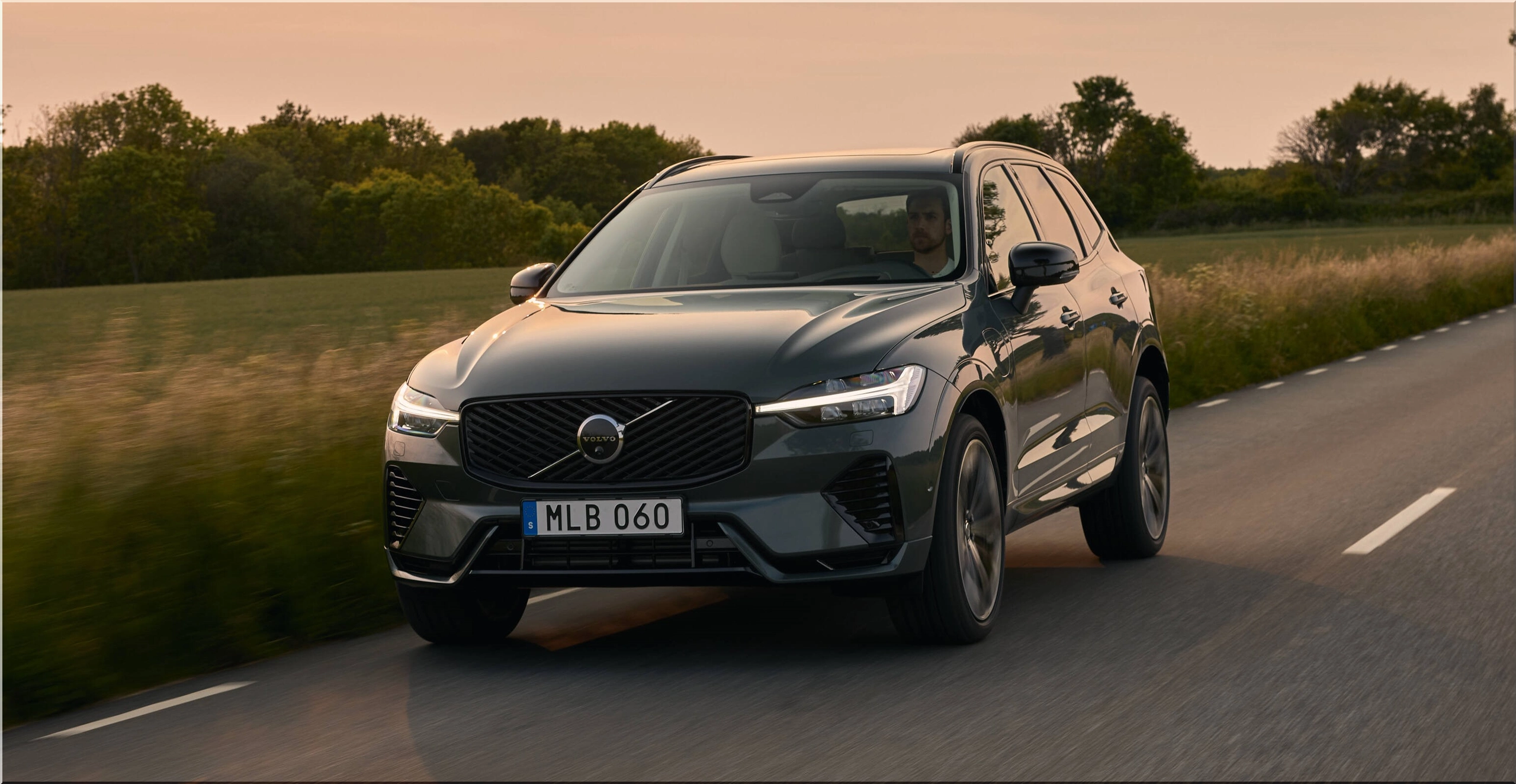
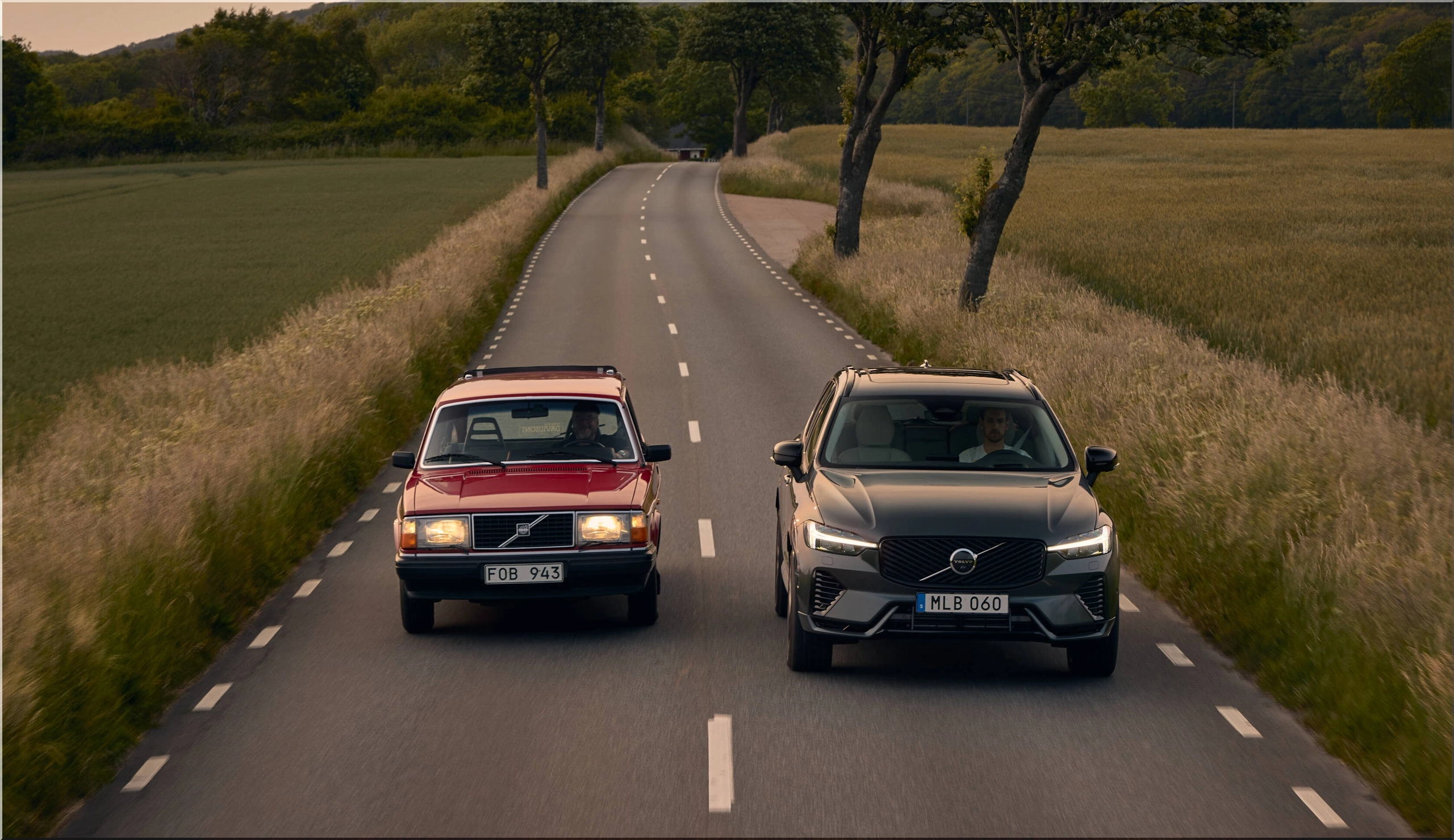
Volvo just rewrote its own record book. With over 2.7 million units sold globally, the Volvo XC60 is now the best-selling Volvo model of all time, overtaking the legendary Volvo 240, which held the title for decades.
Introduced in 2008, the XC60 quickly became the company's core product. Its combination of mid-size SUV utility, plug-in hybrid technology, and benchmark safety has turned it into a global staple for families and daily commuters alike.
Key Figures and Market Impact
Here's what Volvo has accomplished with the XC60 to date:
| Metric | Value |
|---|---|
| Total Global Sales | 2.7 million+ units |
| Sales of Volvo 240 | 2.685 million units |
| UK Sales Since 2008 | Over 160,000 units |
| 2024 UK Sales | 12,810 units |
| Record Operating Profit (2024) | ~$2.5 billion USD (SEK 27B) |
| 2024 Global Revenue | ~$36.9 billion USD (SEK 400.2B) |
| Global Vehicles Sold (2024) | 763,389 units |
What Drives the XC60's Success
Volvo didn’t stumble into success. The XC60 checks three critical boxes:
- Broad drivetrain availability: Gasoline, mild hybrid, and plug-in hybrid variants are available in most markets.
- Advanced safety systems: The car pioneered systems like City Safety and Oncoming Lane Mitigation, both now widespread in the industry.
- Global manufacturing: Built in Sweden and China, the model supports local market penetration while keeping global supply chain costs under control.

Strategic Timing Behind 2026 Refresh
For the 2026 model year, Volvo introduced a significant update to the XC60. The timing is no coincidence.
Changes for 2026:
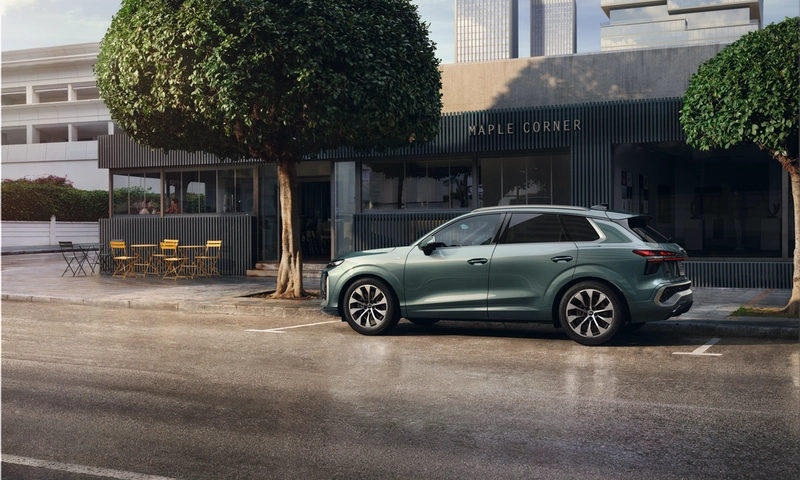
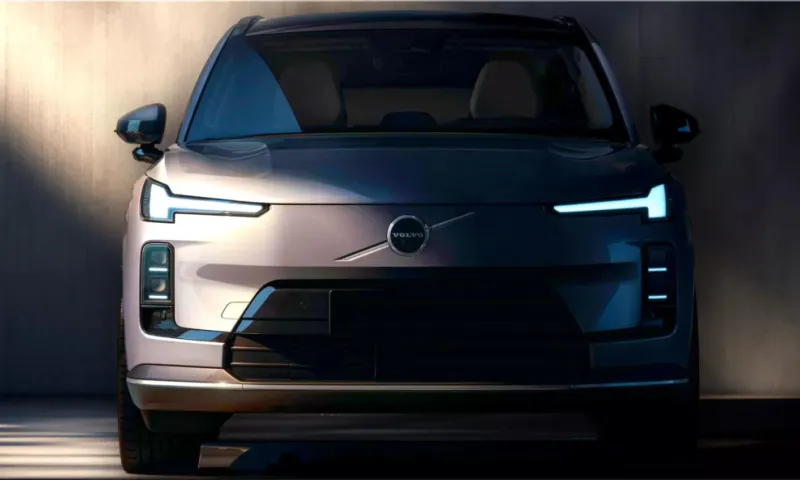
- Updated exterior with more angular front fascia
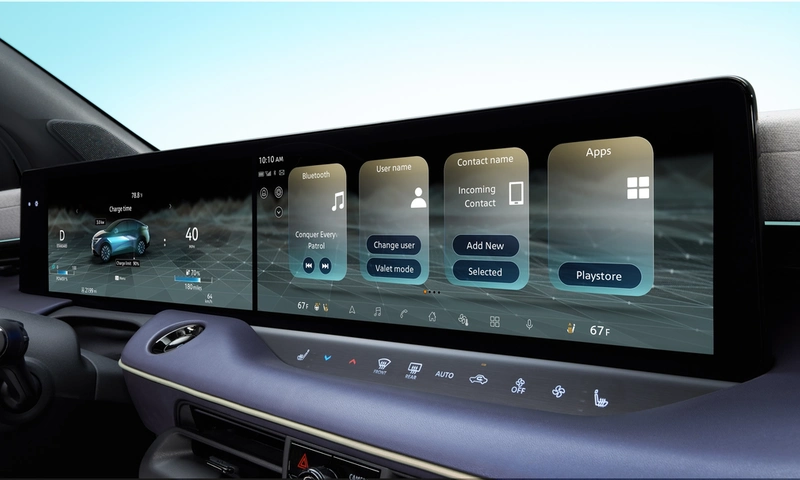
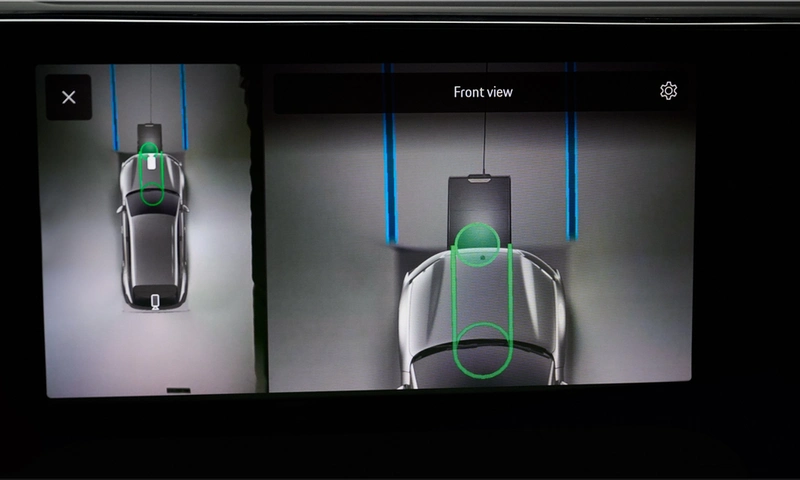
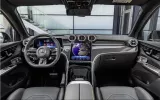
- Redesigned infotainment system for faster response
- More intuitive HMI (Human-Machine Interface)
- Upgraded comfort materials for better ride quality
The changes are aimed squarely at retaining existing buyers while converting holdouts waiting for better tech or refinement. It also strengthens Volvo’s ability to keep the XC60 relevant in the mature D-segment SUV market, especially in Europe and North America.
Safety Innovations Still Matter
Volvo’s safety reputation isn’t marketing fluff. It’s productized engineering.
The XC60 was the first vehicle in the world to offer City Safety as standard. The system provides automatic emergency braking at low speeds—effective up to 30 km/h (about 19 mph). It launched in 2008 and became the industry template for future AEB systems.
In 2017, Volvo added Oncoming Lane Mitigation. This system steers the vehicle back into its lane when it detects a likely head-on collision from lane drift. That feature, also a world-first, earned multiple safety awards.
These safety innovations reinforce the company’s brand value and build trust. Customers know what they're getting.
The Estate-to-SUV Shift
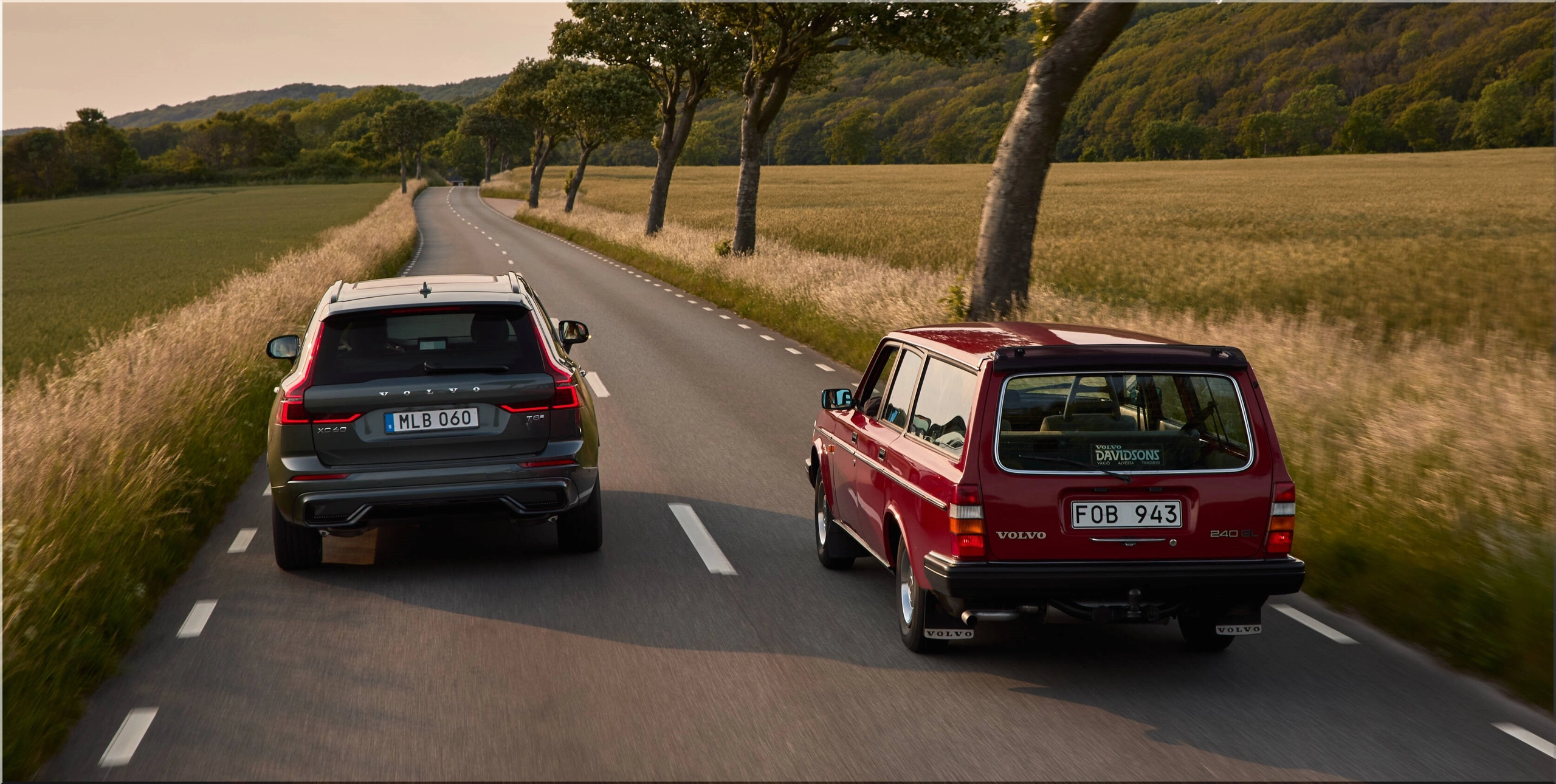
The XC60’s victory over the Volvo 240 is more than symbolic. It tracks a massive shift in buyer preference.
| Era | Family Vehicle Benchmark | Primary Format | Key Market |
|---|---|---|---|
| 1974–1993 | Volvo 240 Estate | Station Wagon | Europe, U.S. |
| 2008–2025 | Volvo XC60 | SUV | Global |
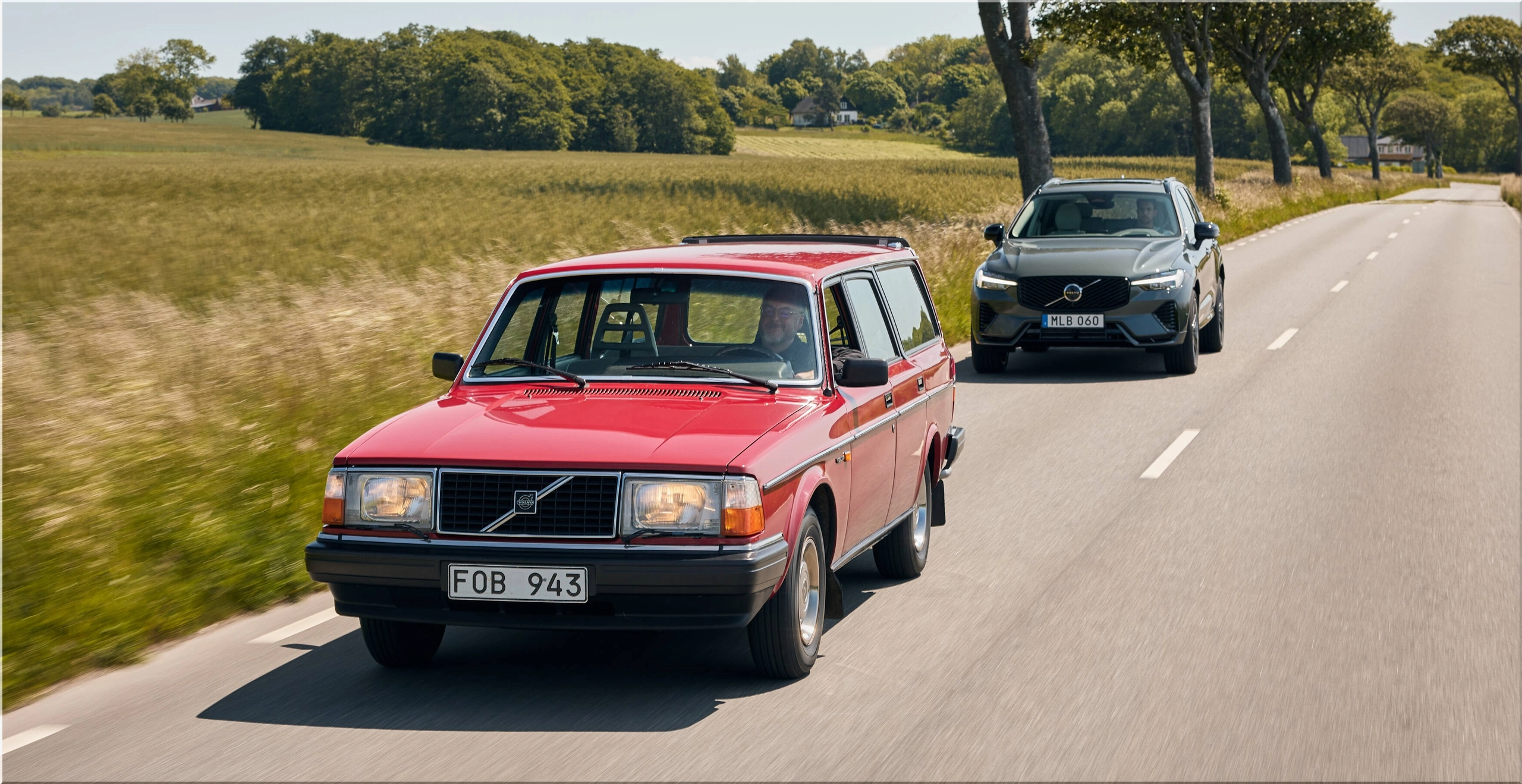
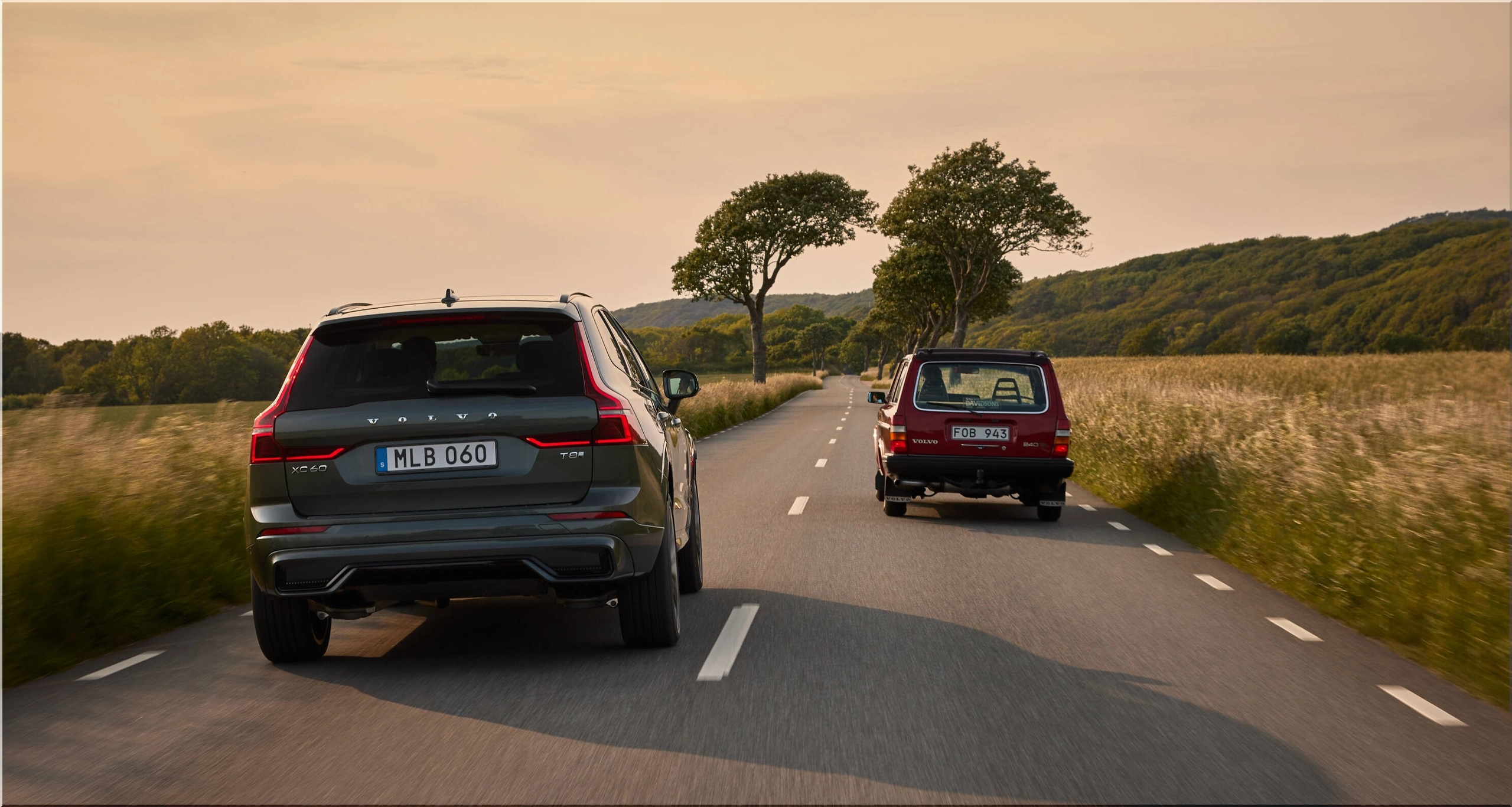
In the 1980s, spotting a 240 in a Swedish driveway was a given. In 2025, the XC60 fills that role globally. Families who grew up with a 240 now drive an XC60. Volvo retained those customers without leaning on nostalgia. It delivered value, safety, and practicality again—just in SUV form.
Electrification Strategy: XC60 as a Bridge
Volvo aims to become a fully electric brand by 2030. But not every customer is ready for that leap. That’s where the XC60 Recharge Plug-In Hybrid plays a pivotal role.
Key Electrification Metrics:
- Plug-in hybrid variant is Europe’s best-selling PHEV as of 2024.
- New Volvo PHEVs drive 48% of distances on electric power globally.
- XC60 Recharge offers pure EV mode for short commutes.
This positions the model as a transitional asset in the product lineup. It gives range-conscious buyers a safety net while contributing to Volvo’s carbon-neutral goal by 2040.
Manufacturing Footprint
Volvo localized production of the XC60 to support growth and hedge geopolitical risk.
Current Production Sites:
- Torslanda, Sweden – Primary EU market supply
- Chengdu, China – Primary Asia-Pacific supply
Producing in both Europe and Asia gives Volvo pricing power in key regions. It also mitigates currency exposure and avoids import tariffs in large-volume countries.


Product Outlook for 2026–2028
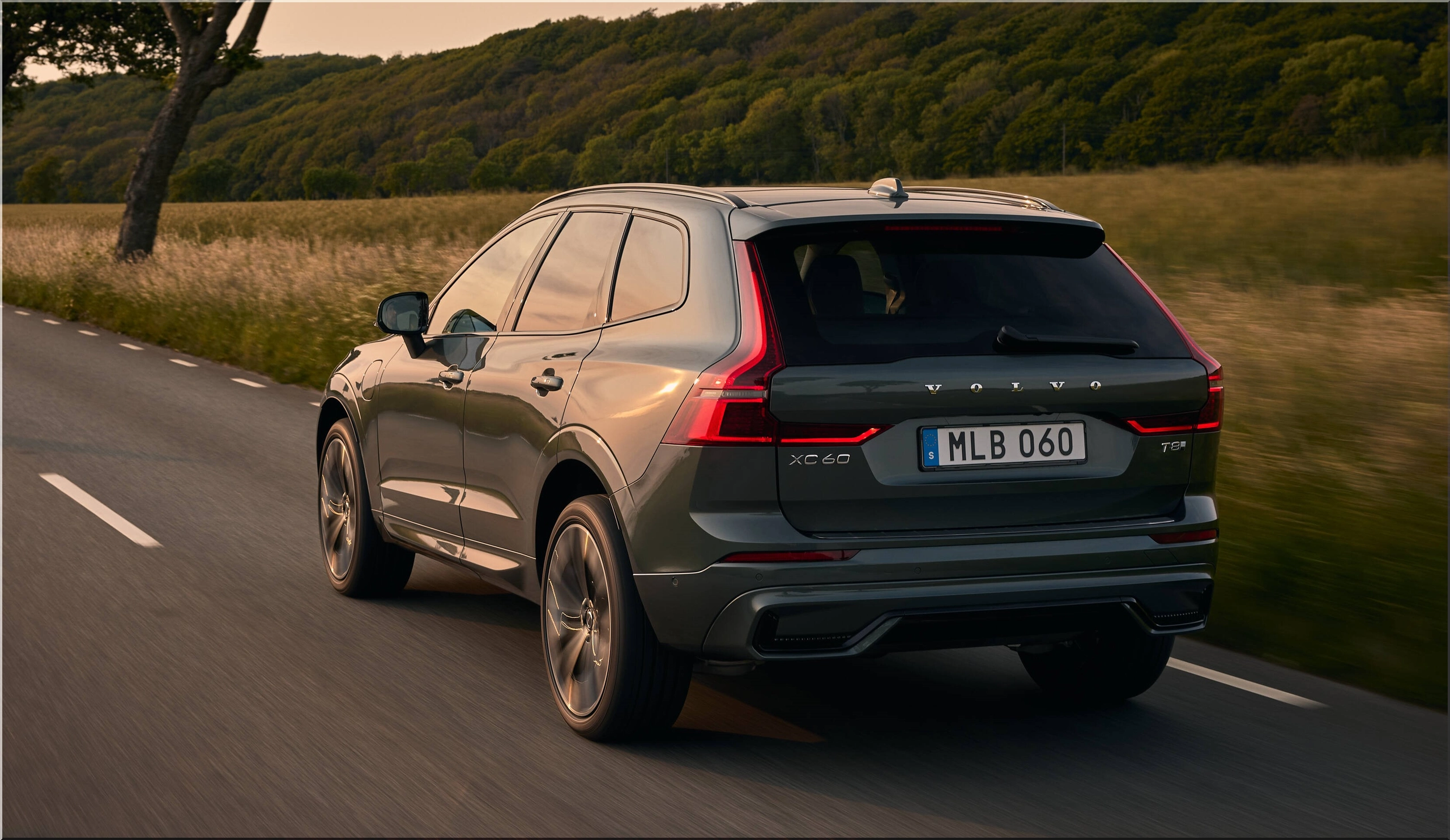
Volvo is unlikely to abandon the XC60 anytime soon. Here's why:
- The car still sells in six-figure volumes annually.
- It is Volvo’s most visible electrification bridge product.
- It retains a top position in Euro NCAP and IIHS safety testing.
Given Volvo's push toward software-defined vehicles, expect the next iteration of the XC60 to integrate even tighter with over-the-air (OTA) updates and user data integration.
What’s Next?
- Full BEV version likely by 2028
- Potential shift to Volvo’s SPA2 platform
- Greater integration with Volvo’s Google-based infotainment
The product will likely shift from being powertrain-diverse to being available only in hybrid or electric form, depending on regional policies and market signals.
The Bottom Line
The Volvo XC60 didn’t just pass the 240 in sales. It redefined Volvo’s center of gravity.
- It made SUVs the company’s most important volume drivers.
- It pushed electrification into mainstream buyers’ garages.
- It preserved Volvo’s core safety identity without compromise.
The car is not going anywhere. But its form and drivetrain will evolve. Volvo has made that clear.
For now, the XC60 is a revenue engine, brand beacon, and technology showcase. That combination explains why it’s now Volvo’s all-time best-seller and why it's central to the company's 2025–2030 strategy. Source: Volvo Cars (June 2025)
- Add new comment
- 160 views